Transcripts
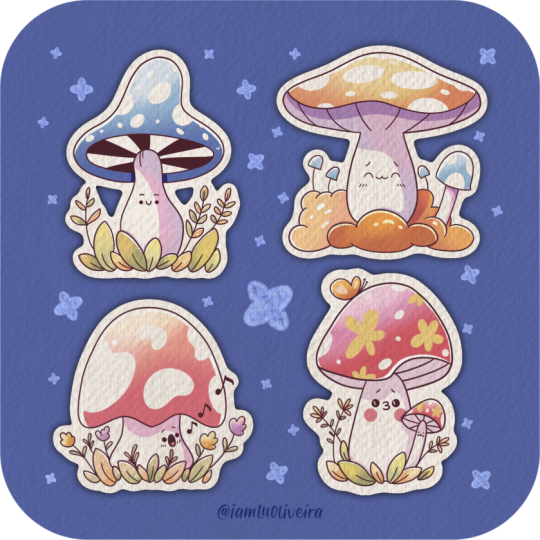
1. Introduction: Hello everyone, I'm Uni. And into this class
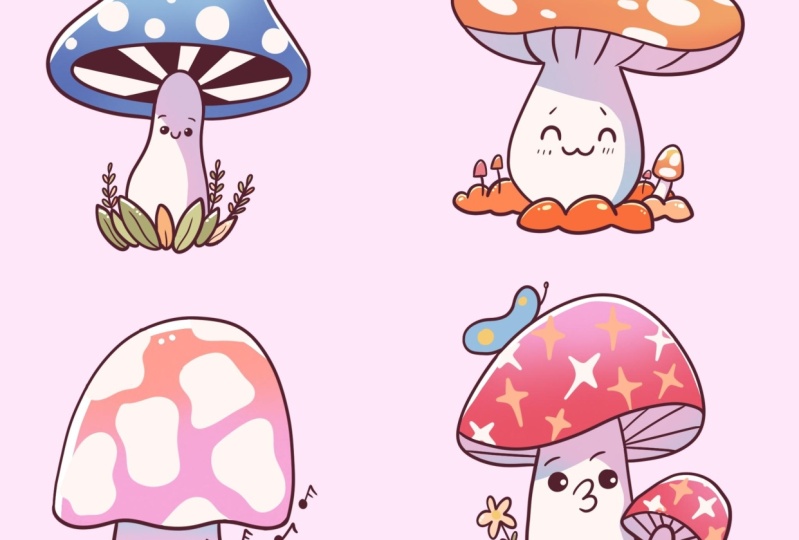
we'll **** mushrooms. This class doesn't require any prior experience
or fancy tools. We'll start from
scratch and we'll be using simple techniques
throughout the process. Everything you'll see will
be happening in Procrit. However, if you
have other software or want to try
traditional materials, you are welcome to join. If you're ready to start, let's jump right into it.
2. Blue Mushroom Sketch: Let's start our
class by deciding what kind of canvas we
are going to be using. You can see it is a very simple standard square canvas
that you can find. In procrete, both
pixel width and pixel hide are set at 2048 pixels. If you would like to use
any other dimensions for your canvas, just go for it. As for DPI, we are using 300. And as for the color profile, it is set as SRGB
with this low number. When it's all done,
let's just hit done over our top right and it will be redirected to our new canvas. And now we will need
to decide what kind of colors we are going to be using throughout
the whole class. You can use the colors
that you can pick yourself or if you would like to follow along
with the class, please go to the project
and rest your up and download all the materials
when you did it. Let's just go straight
to our color palettes and let's check out
what we have here. Here we have two options of
how we can use our colors, the compact and the cards. We will go to the cards because here we have
all the colors, names and it will be easier
for us to navigate through them while we are still here
into our color palettes, let's select our
first color that we are going to be
using for our skitch. This color will be dark pink. Let's just tap on it to select. And when we did it, we will need to go and select the brush. We are going to the brush group, we are going to the
sketching folder. And here you can decide
which brush you want to use. You can try one brush
on your canvas. If you don't like it, get
back to the brush library, select another brush, and
find what works for you. When you find the
brush that you like, let's just get to our canvas
and let's start sketching. The first thing that
we will need to do is to create a type
of our mushroom. We will go somewhere
to the middle part of our canvas and we will create a wobbly shape that
will be a little bit smaller on the top and
wider on the bottom. Basically, what we need to
do is something like that. You can play around
with the whole shape. You don't need to repeat everything as you see
it on your screen. If you have something like that, we are ready to go and
continue creating our shape. When you have this type, we will go over the
top of it and we will start creating the
cap of our mushroom. We will firstly go and we will create a shape
on the ellipse. And we will do it
very easily just by creating it with one line
going to our candles. Let's just go and start creating our shape just on the top. And at the end of the line, we will hold our apple
pencil and you will see that you snapped your
shape to a better one. If you need to make it bigger, you can move your apple
pencil from side to side. If you rotate it, you will change the rotation
on this object. What we need is a very
straight position when you have
something like that. Let's just go over the
top to our edit here. When we are at the editing mode, we can adjust this shape. You can see we have
this blue nodes. We can go to them and
we can tweak them. If we want to make this
whole shape smaller, we will go right
between the nodes. We will hold our apple pencil there and we will drag it down. Find the position
that works for you, and try to put it right in the middle of this type
that you have created. To move this shape,
we will need to go to some blank space
on our canvas. We will hold our
apple pencil and we will just move it to
the place that we need. Find the position
that works for you. You can put it higher or
lower, It's all up to you. You found deposition
that works for you. We will need to go away
from our editing mode, so we will need to tap
on the screen either with one of our fingers
or with our apple pencil. Now when we have the ship, we will need to create
the actual cap. Firstly, let's just go
over our left side. We will step a bit from
this line that we have on our ellipse and we will try to recreate this line manually. What we need to do
is to step a little bit lower and just try to create the line that we have on our ellipse when you have
it on the first side, let's do the same on
the opposite one. Again, go in there and
creating the curve that will recreate the line that
we have on our ellipse. You don't need to
be very precise, just try to create something similar to what you
see on your screen. Now when you have these
two lines on the bottom, we will need to recreate
the lines on the sides. Again, we are keeping
the same distance and we are recreating the lines
that we have on our ellipse. Let's just create these
two curves on the sides. When you have
something like that, let's just go over the top and let's create the actual cap. Firstly, going over
our left side, go into this line that we
have just created from it. We will go to the top
and create the curve. In that way you can play around with the curve
ness on this line. You can make it very curvy. You can play around with
this dent that you have here when you have
this line on the left. Let's just do something
similar on the right. Again, let's just go to the line that we have over
our right part. Let's create the curve
going up on the top. We will close our shape
just with the curve. Now take a look at
your illustration. And if you want to
adjust some parts, please go and adjust that. For example, if you want, you can go to these parts
and make them more rounded. Or if you want, you can
go over the top and make this whole dome shape a
little bit more curvier. It's all up to you.
Let's just play around with the shape and
find what works for us. When you have the
shape that you like, let's just grab the
eraser tool and let's erase all the lines
that we don't need. Now when we have our mushroom, let's just go and
add some details. Firstly, we will go to the inside part that we
have between our cap and our side and we will add a few lines going
through the whole shape. We will position
them in that way. You can play around with
the amounts of these lines. You can add just a
few of them or a lot. It's all up to you when you
have these lines inside. Let's just go to our cap and
let's add some dots here. Let's just go and add a few rounded shapes
of different size. When we have
something like that, let's just go to the
bottom and let's start adding some
additional elements. Firstly, we will go
and we will create a guiding line going through
the bottom part of our type. Let's just go there and create a line going through
our line on this type. And at the end of the line we will hold it to
make it straight. Let's make this line the size of our cap when you have it. If you don't need to adjust
it, just keep it as it is. If you need to adjust it, go to the editing mode over the top. Let's position it right to this line that we
have on the type. And if you need to
adjust the size, go to the nodes and tweak that. When you are ready, let's
just tap on the screen, and let's just turn this line into some leaves and some stems. Firstly, let's just go over our left side, right
to the middle. And we will create
a shape like that. You can play runs
with its ration, you can play runs with its size. It's all up to you also. Let's just go to
the bottom part on the shape and let's
connect it with the curve. We are not creating a very straight bottom of the lines when you
have the first shape, let's just go and add
a few more of them. But we will vary
their sizes and also we will vary their rotation
and their direction. Let's just go and add a
few more of these lines. You can overlap them, or if you want, you can keep
them close to each other. When you are done
adding these elements, let's just work on their shape. We will need to
make the top parts of them, not the rounded. Let's just go and
manually adjust them and make the shape more
like a lemon shape. When you are done, we
will grab our eraser to and we will erase all the
lines that we don't need. Now when we are ready, let's just go and
add a few stems. We will just go to
the parts where we have very little
leaves from them. We will just go and create
the stems in that way. Let's just go and start
by creating a few curves. We will add, let's
say, three of them. As always, you can vary the
size and the curvature, and the position
of these elements. When you have the stems, let's just go to the sides from them and let's add some
leaves in that way. If you want to adjust
your elements in any way or if you want
to add more details, you are welcome to
go and do that. For example, you can go to
the leaves on the bottom and you can add some lines that will represent the
center of the. If you want to add more
additional elements, maybe some dots or maybe
some other mushrooms or sparkles or flowers or
anything that you want to add. You are welcome to
go and do that. When you are done
with these elements, let's just go to this type
and let's add our fees. If you need to find the
center of your elements, you can go and create
the guiding lines, one horizontal and one vertical
if you don't need them. Let's just go straightly, somewhere to the approximate
center on the shape. And let's start by
creating a little mouth. We will go right to
the middle and we will create a line like
that when you have it. We will go to the
sides from it and we will add the
circles for the ice. Play runs with the size of these elements and
with their position. Firstly, let's just go over
the left side and we will add the eye that big when you
have it on the left side. Let's just go to
the opposite side. And let's do the
same thing here. We will try to position our
elements on the same line. And we will try to
keep the distance from the center similar to
what we have on our left. When we have our eyes, let's just go inside them
and let's shade that. If you want to add some
additional elements such as eyebrows
or little cheeks, you are welcome to
go and do that. For example, let's just go over our eyes and let's add
little curves like that. Now we can say that we are
ready with our first sketch. Let's just go and make
it a little bit smaller, and let's position it
differently so we will have some blank space
for our other mushrooms. Let's go to our air
key on the top left, which is our transform
tool on the bottom panel, We are going to be
using uniform method. When we are using
uniform method, you can see that we have this bounding box around our object. And that's exactly what we need. First thing that we
will need to do is to make the whole shape
a little bit smaller. To do so, we will go to one of the corners and we will make
the whole shape smaller. Firstly, let's just go over our node that we have
on the top right. And we will hold our
apple pencil there. And we will drag it down. Find the size that
works for you. When you are done,
we will need to position our element
differently, so we will have some blank
space for other objects. We will hold our apple pencil on some blank space and we will
move it to the needed place. Find the place that works
for you, and if you like it, you can go and deslect everything by heating
our arrow key. Or if you want to adjust
your ship even more, we can go to the bottom panel
and we can choose worp. You can see when we
are choosing warp, we have the same bounding box, but it also has
some lines inside. That means that we can
go to any place on this bounding box and we
can adjust our ships. So for example, if
you would like to make the cap a
little bit smaller, you can go to the middle
part to this bounding box. You can hold your apple pencil there and you can drag it down. You can go and adjust your
elements in any way possible. And let's just go and
spend some time there. And let just find
what works for us. Always take a look at your illustration
from the distance. That way you will see more
clearly what you are doing. And when you have the
result that you like, let's just go over the
top to our archey and let's deselect everything
when you did it, we are done with
our first sketch. So let's just move on to the
next chapter where we are going to be creating our second
sketch for the Mushroom.
3. Yellow Mushroom Sketch: Let's start our second sketch
by going to our layers. Let's create one
more layer for it. That way, later on
it will be easier for us to adjust our objects. Now let's keep our layers
unnamed because later on we will merge them to one layer and we will rename it later. Now when we have our new layer, let's just get back
to our canvas. Let's go to the place that
we have on the top right. We will start by creating
the shape of our type. This time let's go for
the shape of the drop. Let's just go and make it similar size to what
we have on our left. But as always, you can play around with the size and
find what works for you. What we need to do is to
create something like that. As always, you can play
around with the symmetry. You can play around with the thickness of the whole shape. It's all up to you when you
have the shape on the bottom. Let's just go to the top and let's start creating our cap. Firstly, we will go to the
line on the left and we will start creating the
shape going up in that way. When you have it, we will go to the opposite side and we
will do the same thing here. As always, you are
welcome to play with the size of these elements when you have
something like that. Let's just go over the top and we will create a wide shape. What we need to do is
something like that. Again, you can play around with this dance that you
have on the top. You can play around with
the thickness of the side. It's all up to you when you
have something like that. Let's just go and create
another curve on the bottom. Firstly, let's just go
over our left side, and let's find the center of this little shape
that we have here. Let's go a little bit lower
from this little markdown. And we will go with the way we line through the whole
shape to the opposite side. When you have
something like that, you can work more
onto the whole shape. But if you like it, we will
go to this place that we have between our type and our cap and we will
add some lines there. What we need to do is
something like that. Again, you can play runs with the amounts on these elements. You can make just two
of them, three of them. Or if you want, you can go very crazy and add just
a lot of them. When you are done,
let's just go over the top and let's add
some dots this time. Let's just go with
a bigger element, for example, let's just go and
add something in that way. When you have
something like that, let's just go to the
bottom and let's work more onto our additional
elements this time. Let's just go and add some
rounded shapes for our grass. Let's just go firstly over the middle parts, to the bottom. And we will start by
creating a shape like that. When we have it, we will go
to the sides and we will add a few more on these shapes when you are creating these
shapes and when you are reaching out this little element that we have for our type, it's better to go a little
bit lower than it is, or a little bit higher. You are not creating
some tension and you are not touching
two elements together. What we need to do is to go and create it on the top
or on the bottom. When we have
something like that, let's just go over
the bottom part. And again, let's create some
smooth shapes on the bottom. Not a straight line. Here we are creating some
kind of little bushes. Now when we have the
middle elements, let's just go over the sides and let's add a
few more of them. Again, you can play around with the size of these elements. You can play rounds
with the amount of these little bumps.
It's all up to you. Let's just go and add a few
more of these elements. You can make these parts
on the side symmetrical, or if you don't want to, you can make them different. Now when we have these elements, let's just grab our
eraser tool and let's erase the lines
that we don't need. Now when you are done
cleaning up your shapes, let's just go and add
a few more elements. For example, let's
just go over one of the sides from our big mushroom. And let's add a little
mushroom there, for example. Let's just go over
our left side. Let's create the
lines like that. We are stepping a little
bit from the side and we are creating two
lines going in that way. You can play around
with their size, you can play around
with the distance between these two lines. When you have them, we'll
go to the bottom and we will create a little bump
there to close the ship. Also, we will grab
our eraser tools straight away and we will erase the lines that we don't need. Now when we have
this little type, let's just go over
the top and we will create a little
cap in that way. Firstly going over our left side and creating the dome like that. Or if you want to play around with the ship and find
something different, you are welcome to
go and do that. When you have this little dome, let's just go to the bottom. And we will need to
create a line going in that way when you have
it. One more time. We are grabbing our
eraser tool and we are erasing all the lines
that we don't need. And also, let's just get back
to our brush and let's add these additional
elements the same way that we have them
on our big mushroom. Or if you want it to be a
different kind of mushroom, you are welcome to go and add some additional elements
in a different way. And when you are done adding
these additional elements, let's just go and add a few
more on these mushrooms, but this time they
will be even smaller. So for example, let's just go and create just one
line like that. Let's just go over the
top of it and we will add the same dome that we have
on our smaller mushroom. We will grab an Ser two and we will erase the line
that we don't need. Also, we will go to the
opposite side and we will add a few more of these
little mushrooms there. Start by creating the lines
that will be our stems, and then add the cap on the top. If you need to erase some lines, grab the eriser two and Erisna. When we are done
with our mushrooms, let's just go to
the middle part of our main mushroom and let's
add the facial features. Again, you can go and find the approximate center by
creating the guiding lines. One vertical, one horizontal. If you don't need them, we will go more to the lower
part of this mushroom. And let's just add
the mouth here, again, finding the
approximate center. If it helps you, you can just go and put a little dot here. From this dot, we will go to the side with the
shapes like that. As always, you can
play rounds with the size of this element,
with the curves. You can play with everything
that you want to play with. When you have this
mouth element. Let's just go to the sides
from it and let's add our ice. Firstly, let's just go
over our left side. We will go to the same line
where we have our mouth. We will add a line like that. As always, you can play
around with its size. You can play around
with the amount of the curve that you want to add here when you have
it on one side, let's move on to
the opposite one. And let's do the
same thing here. Trying to put it
on the same line, and trying to repeat the eye
that we have on our left. When you have your little eyes, let's just go over
the top of them and let's add little
eyebrows, for example. Let's just go for our left side. Firstly, we will add a
little line like that. We will do the same
on the opposite side, but this time it will look
more toward the left also. Let's just go underneath
our little ice. And we will add a
few lines like that. That later on we will
turn into the cheeks. If you want to add some
additional elements, you are welcome to go and do that Now when our
sketch is ready, if you don't want
to adjust it in any way with your rid or two, let's just go to our arrow
key on the top plat, and let's position
it differently. Firstly, we are going to our bottom panel and we are
selecting uniform method. Let's just go and pull it a
little bit up when you have it on a similar line to what we have for our first mushroom. If you want, you can go and
make it smaller or bigger. It's all up to
you. Also, you can go to the work option
adjusted from here. For example, let's just
go and make this side on the right a little bit equal to what we
have on the left. We will go to our right side. We will go to the top
part of our bounding box and we will drag it a little
bit toward the right side. Let's spend some
time here and let's adjust our ships if we want to. If we don't want to, we can
just go to our arrow key. And we can close this
window when you've played enough and when you found
this sage that works for you, let's just go to our arrow key. And we will tap on it
to close this window. Now we are done with
our second sage. Let's move on to the next part, where we are going to be
creating our third sketge.
4. Pink Mushroom Sketch: Let's start our third stage
by going to our layers. Firstly, we will just select these two layers
that we already have, and we will put them
a little bit higher. That way we will have some
blank space on the botta. When one of the
layers is selected, we will need to go underneath
it and we will need to swipe our layer from left to
right with our apple pencil. When these two
layers are selected, we are going again to our
error key on the top left, and we will use uniform methods. When we are using
uniform method, we will go to some
blank space on our canvas and we will just
drag these two shapes up, find the placement
that works for you. And when you are done,
let's just desallect everything by hitting our
arrow key one more time. Now we will get
back to our layers. We will tap on one
of the layers, for example, on the top one. From here, we will create one more layer for
our third sketch. Now let's just go underneath
our first illustration, and let's start creating
our type here again. Firstly, let's go more
to the bottom part, and let's create a
type in that way. Firstly, we will go and create two lines going
down in that way. And then we will go and connect them together
with the shape like that. Again, it's all up to you how wide you want
the shape to be, all up to you, how big
you want it to be. If you want to make
a different shape, you are welcome to
go and do that. When we have this shape, let's just go on the top and let's create a very
big curve there. Let's step a little bit from the left side on the line
that we have right here, and we will go and create
something that big. When you have this curve, let's just go to
the bottom part, and let's connect
these two lines on the sides with
the curvy line. Let's just go and create
something like that. Try to make the
whole shape smooth. And if you need to
adjust some parts, go and adjust them. If you need to erase some
lines that you don't need, grab an eraser tool and erase these lines When we are done, let's just grab
our brush one more time and let's just go
to our mushroom cap. And let's add some dots here. Again, you can try out
something similar to what you had on your first
and second illustration. Or maybe be more creative and create
some different objects. You don't need to create just
simple circles or ellipses. If you want to create
something different, you are welcome to
go and do that. If you want to try
out different shapes, maybe some flowers or
sparkles, it's all up to you. You can go and do that. When you are done,
let's just go to the bottom and let's add
some elements there. Firstly, let's just go and
define the bottom part. We can go and do
it in the same way that we did with our
first illustration. Let's just go and create
a horizontal line going through the bottom
part of our type. Just go in there
and creating a line trying to make it straight
when you are done. And if you need to adjust it, go to your editing mode and
put it higher or lower, just to touch the type
when you have it. Let's just go and add some
leaves here, for example. Let's just go over our left
side and let's start adding the leaves similar to what we had on our first illustration, but this time we will
add just a few of them. And also we will
add some flowers. Firstly, let's just
go over our left and let's create
some ellipses here. Let's just go with one big
shape and a few smaller ones. When you are done
with the left side, let's move on to our right. And let's add a few of
these elements here too. Now let's just go to the sides, and let's add a few more
smaller ellipses that later on we will turn into our
composition of the bottom part. Let's just go there
and add a few of them when you
have something like that work on the bottom part and try to make it a
little bit rounder. If you need to
adjust some parts, maybe go to the top
parts and maybe make these shapes not that rounded
but more like lemon shape. Again, you're welcome to do it. Let's just work
onto our elements. And also let's just grab our sort and erase the
lines that we don't need. If you want to add
some additional lines inside these leaves, you are welcome to
go and do that. Now when we have our
leaves elements, let's just go and
add some stems. For example, let's just
go to our left side. We will go to these two little elements
right between them. From here we will create
a stem like that Also we will go a little
bit to the right and we will add
another stem there. Now we will go more
to the right part, and we will add just
one stem right here, right, between
these two elements. Now let's just start
from our right part and we will turn this
stem into a flower. Let's just go there
and firstly go into the top part of this stem. And we will create
a curve like that. When you have this curve, we will go to one
of the sides of it and we will start
adding the petals. Let's just go and add
four or five petals. In that way, you can
combine them together, you can overlap them, or you can make them
separately. It's all up to you. When you have this
little flower, let's just go and
add some leaves to the stem, for example. Let's just go over our right
part and let's add one leaf. When you have
something like that, let's just go over
our left side, and let's add more flowers here. For example, you
can go and repeat the same flower that you
have on your right part, or you can try out
something different. For example, let's just
go to the smaller stem, and let's create a
flower in that way. Let's start by going to the
bottom part of this stem. And again, we will start by creating a little
curve like that, but then we will go to
the top and we will start creating a curvy
curve line like that. If you want to go
and add some leaves, you are welcome to
go and do that. If you want to erase the parts
that you don't need again, you are welcome to
go and do that. Now let's just go to the stem
that we have on the left. Let's turn it into
the leaves again, we will do something
similar to what we had on our first
illustration, but this time let's just make these leaves a little
bit bigger and maybe more close to our
stem, something like that. If you want to add more details, you are welcome to go and
do that at the same time, if you don't like some elements, you always can grab your eraser to erase them and try
something different. Now when we are done
with our bottom part, let's just go to the stem and let's add our
facial features. This time let's just go
more toward the right side. Let's add our facial
features in that way. One more time, we are going more toward the center of our stem. Let's start by creating
an ellipse in that way. When you have it, we will go to the bottom part and we will
create half of the circle. In that way, when you have this little
half of the circle, we will go to the top part
and we will shade it. Now we have our mouth, Let's just go to the sides, and let's add our little
eyes, for example. Let's go with something simple. We will go and create
two circles in that way. If you want to add some
additional elements such as eyebrows
and little cheeks, you are welcome to
go and do that. For example, let's
just go over the top of our eyes and let's
add little brows. In that way we have the browse, we will go underneath
the eyes and we will add little
lines like that. Or you can go and add a
little circle like that. That later on you will
turn inside the cheek. When you have
something like that, you can go and add more details. For example, let's just
go and add some notes. This little mushroom is singing. When you have
something like that, let us go and adjust our shape
by going to our arrow key. If you want to adjust the eye, you know
what you need to do. You will need to go to one of the corners and drag
it to the side. If you want to adjust
your sheep even more, please go to the warp option
and play with your sheep. Let's spend some time here and let's find
what works for us. And when you are done adjusting your sheep
with the Warp option, if you want to go and find a different placement
for your object, you will need to go underneath the uniform method
and from here just move your sheep when you are satisfied with everything
here, with the position, and with the whole
shape of your mushroom, let's just go to our Er key
one more time and let's deselect everything We
have our third sketch, So let's just move
on to our next part, where we will end up our sketching by creating
the fourth mushroom.
5. Red Mushroom Sketch: Let's start our last page
by going to our layers. And again, we will
create one more layer by typing on the plus icon. When we have our new layer, we will go to the last space that we have onto our canvas, and we will start again
by creating a type. This time let's just go
with something very simple. It will be a very soft rectangle that will be a little
bit narrower on the top. Let's create something like
that when you have it, we will go to the top
and we will start by creating the line
that will be behind. Let's just go to the top
of this little type. And we will start by creating
a line going in that way, going through the whole shape. And when we have this line, we will go to the top and we will create a little dome here. Again, you can play
around with the shapes. It's all up to you
for this part. Let's just go with
something like that. When we have it, we will go
to the left side firstly, and we will create
a wavy line going through the whole shape that will be right
in front of us. Let's just go and create
something like that, you can play around
with this curve. It's all up to you. When we have this shape, let's just grab our
As or two and we will raise all the lines
that we don't need. If you want to work
more onto your shape, you are welcome to go and do that when you are
satisfied with your shape. Let's just go inside this little part and we
will add a few lines there. When we have
something like that, we will go over the top and
we will add our little dots. Again, it's all up to you
what kind of shapes you want to place on the
cap of your mushroom. If you want to go with natural shapes, you're
welcome to do it. If you want to find
something different again, you're welcome to
go and do that. When you are done, we
will go to the bottom and we will add one
more little mushroom. Let's just go to
one of the sides, for example, to the right one, we will go a little bit to the shape of the type
that we already have. From here, we will go and create our first line going to the top. Let's create a little
curve in that way, and then we will turn this
curve into something thick. We will just step a little
bit to the side and we will add another line that will be
parallel to the first one. When we have
something like that, let's just go over the
top of the lines and let's connect them together
with a little curve. When we did it, we will grab our eraser tool
and we will erase all the lines that we don't need when we have
something like that. Let's just go over the top of this new sheep and we will
add our mushroom cap. Let's just go and
create a half of the ellipse or a full ellpse
if it's easier for you. Right on the top, let's just
go and create it that big. If you need to adjust the shape, please go to the editing mode
and adjust it. From here. You can play around with the
openness on this element. You can make it narrow,
you can make it wide. It's all up to you when you
have the shape that you like. Let's just go and again erase the lines
that we don't need. So we will go to our Erasor
tool and we will erase all these little
lines that are not necessary for us when
we have our ellipse. Let's just go over the
top of it and let's add a little dome that will represent the cap
of our mushroom. Again, you can play
around with the shape, grab an Erasor tool and erase the lines
that you don't need. When you are done,
let's just go inside this little mushroom and
let's add some lines here. And now let's just move on to decorating the cap on
this little mushroom. Again, you can try something
different or you can add the same elements that you
have on your main mushroom. And when you are done
with these two elements, let's just go to
the bottom part. And let's add our
additional elements here. This time let's just go and
add just a few little leaves, the same way as we did with our first and third
illustration. Let's just go to this
intersection that we have right between our
two little mushrooms. And right here we will add
our additional elements. When we are done on this side, let's move on to
the opposite one. And let's add a few more
leaves there if you want to add more elements or if you want to add additional
elements again, you are welcome to
go and do that. Play with the shapes. If you need to adjust them, please go and do that. Also, grab an eraser tool and erase the lines
that you don't need. If you want to go and add the
additional elements again, you are welcome to
go and do that. For example, let's
just go and add a little flower here
on the left side. Let's just go and
create a little stem. And then we will go and create a few leaves and a little
flower in that way, if you want to try out something different or if you want to
create a different flower, maybe if you want to
add some sparkles, go and add all the elements
that you want to add. When you are done, we
will go to our stems and we will start by adding
our facial features. Again, let's just go
to our main mushroom. Firstly, we will go mostly
to the top part of it. Again, we will start by
creating a little mouth. This time, let's just go
with the shape like that. This is a little digit three that will
represent the mouth. When we have it, we will go to the sides and we will
add our little eyes. Again, you can play around with facial features to for example, let's go with something simple
as these little circles. If you want to add
additional elements, the eyebrows, the cheeks, you are welcome to
go and do that Also, let's just go to this little
mushroom that we have on the right and let's add the
facial feature to it too. Let's just go and
create something similar to what we have
on one of our mushrooms, or if you want to play around, let's just go and play around. When you have the
facial features on this little mushroom, take a look at
your illustration. If you want to add some details, you are welcome to go and add them if you are satisfied
with everything here, let's just go to error key, and let's adjust our shape
by going to the Warp option. Let's spend some time here
and find what works for us. When you are done
with the Warp tool, let's get back to
our uniform method and let's make this illustration
a little bit bigger. And also, let's find a
different placement for it. Firstly, go into one
of the corners and making our picture a
little bit bigger. And then we will put it on the same line with our
previous illustration. When you found the
placement that you like, let's just go to our ear key and let's deselect everything. Now when we have our four
mushrooms, if you want, you can go and add some
additional elements to the rest on the canvas. For example, you can
go with some flowers, you can go with some sparkles, some dots, some little
miscellaneous objects. If you don't want to do that, let's just go to our layers and let's merge all of these
four layers together. To do so, we will need to
put one of our fingers on our top layer and one on the bottom and make
a pinch movement. Now when everything
is on one layer, we will need to
rename this layer. Let's just tap on it and let's choose Rename from the list. We will go with
the title sketch. Now again, if you want to add
some additional elements, please go and do it
on your sketch layer. Because later on it will
be easier for us to create the lines and create everything that
we want to create here. Because on the sketch layer, we can lay out everything
that we want and think whether we want these objects or we
don't want them. Now when we are done
with our sketch, let's move on to our next part, where we are going to be
aiding the clean lines.
6. Clean Lines: Let's tie our part with the clean lines from
some tiny preparations. Firstly, we will go to
our layers and we will need to work onto our
layer with the Skage, we will need to make it a
little bit more transparent so we can see what's still
happening onto this layer. But when it's not that bright, that way we can add
our clean lines. With any problem, what we need to do is to
go to our layer with the sage and tap on the icon
on this layer on the top, you can see that we have
the lighter capacity. Grab it and we can move it
toward the left side and find the comfortable amount of capacity. Find what
works for you. And when you are done,
let's just tap on our layer with this cage one more
time to close this window. Now while we are still
here into our layers, let's create one more layer that we'll rename as clean lines. Now when we have our new layer, we will need to go
and change the brush. We will go to our brush library. We will go to the inking folder and we will select
Technical Pen. While we are still here,
into our brush library, we will need to go and adjust one option on our technical pen. What we need is
very smooth lines. We will just go and
tweak one option. Let's just tap on
our technical pen in the brush library here
in the brush studio, we will go under stabilization. And here you can see that we
have the option streamlined, which has a slighter amount. If we have this amount
set at very low amounts, you can go to the drawing pad
and try out how it works. You have a lot of
control over your line, but your line is a
little bit jagged. If you want to make
it very smooth, you will need to go to
the slighter amount and you will need to
increase the value. You can see when you are
setting it at maximum, your line will be very smooth, but you are losing a bit
of control over your line. You just need to find the
amount that works for you. You can try it out a few times,
find what works for you. And when you are
done, we will hit done to get back to our canvas. Now we will use the same color that we were using
for our sketch. And we will need to go over
our elements and we will need to recreate them in a way that
our shapes will be closed. When we have the closed shapes, we don't have any gaps
between the lines. And also we don't need to repeat everything that
we have on our li, with the Skage with
100% of similarity. If you want to adjust
some elements, you are welcome to
go and do that. If you want to repeat everything that you have on
your sketch again, you are welcome to go
and do that very easily. Let's just go and recreate everything that we have
on with the Skage. If you want to add some details, you are welcome to
go and do that. When we are done adding
the clean lines, let's just go to our layers. And we will need to hide
our lie with the sketch to check out whether all of our
lines are smooth and closed. Let's just go to the layers
and let's go to Arly. With this gauge, we
will need to tap on this little check mark
near the latter end. Now let's just get back
to Arly with clean lines. And let's just zoom
in our canvas to check out whether all of
the lines are closed. If we need to adjust some parts, we can grab and eraser tool and we can erase the parts
that we don't need. Where we can grab our brush and adjust our elements.
In this way. When you've made sure that everything is nice and
smooth and closed, we are ready to move
on to our next part, where we are going to be
aiding the base colors.
7. Blue Mushroom Base Colors: Let's start adding
our base colors from some tiny preparations. Firstly, we will go
to our layers and we will change the color
of our background. Let's just go and tap on
our background color layer. Then we will go
and find our color for the background into
our color palettes. Let's just tap on the color with a title background and we
will change it on our canvas. Now when we did it, let's
just go again to our layers. And let's do one more thing. To add the colors on
the separate layers, we will need to use one
option that procreate has. This option is called reference. What it means is that we are setting our layer with
lines as reference. We are using these lines on a separate layer to
add different colors. Let's just go to our
clean lines layer. We'll tap on it and we will choose reference from the list. Now when we did it, we will go to our layer with this sage. And from here we will tap on the plus icon to
create a new layer. Let's rename this layer as type. Now we will go back to our color palettes and we
will select light gray color. With this light gray color, we will go to our
first illustration and we will drag and
drop it to our type. Let's just go and do that. Now when we did it, we
are ready to get back to our layers and create a new
layer for our next element. Let's just tap on the plus icon and let's rename it as Cap. While we have two layers, we can select them both and
we can put them in the group. They will be just in the group for our first illustration. When we have our
first layer selected, we will go underneath
it and we will swipe our layer
from left to right. When we have two
layers selected, we will go to the top, to our title group. We will tap on it straightway. Let's just go to
our new group and let's rename it
as Blue Mushroom. Now when we are done, we will go to our layer
with the cap and we will use the same color
that we have right here. We will go to the little spots that we have on the
top of the cap, and also we will go inside this little shape that we
have underneath our cap. We will go and add our white color to some
of these little stripes. Let's just go and do
something like that. Also, while you have a few elements on your object
that you want to recolor, you can go and use this
option that you have on the top that is
called continue filling. When you have put the
color on one element, you can just go and
use this option. When you have this option on, you will just need to
go to these places that you want to recolor
and just tap on them. Let me just go through all of these little
elements on the top. Then we'll go to
the middle part, and we will add the
color here too, to make sure that you've
recolored everything. You can go to your
layers and you can go to your background color, hide it. When you have everything
that you want recolored, let's just get back this layer
with our background color. Let's continue by adding the different color to our
main shape of the cap. You can do it on the same layer, but also you can go and
create another one later on, it will be easier for us to
add a different color to it. Now let's just tap on the plus icon and let's
rename it as cap two. When you have this layer, let's just get back
to our color palette. And let's select the
color with the name C and blue with this color. We will go to the top part and we will just drag
and drop the color here. Also, when we have
this color on, let's just add a bit
of the gradient here. When we have our base color, we can go to our layers. We can go to our
layer with cap two. And we can use only these areas
that we already have onto this layer as a base where we are going to be
adding a different color. Let's just go to our
layer with cap two. We will tap on it and we
will choose alpha lock. When you've chosen alpha lock, you will see that
near your object, you have the checkerboard. And that's exactly
what you need. Now let's just go and
change our brush and we will add a different
color to the bottom part. So later on we will
add a smooth gradient. What we need to do is to
go to our brush library. We'll go to the air brushing and we will select medium blend. When we have this brush on, we will get back to our
color palettes and we will select a different color
with the title, Dark Blue. When we have our color, let's just go and increase
the size of our brush. And we will go over
the bottom part of our cap and we will just go
and add the second color. You can go very boldly, You can create some
gradient here. In that way, if you feel that maybe your
gradient is not that smooth and you want to make this transition between
two colors more natural, you can go to your
magic one tool on the top left and
select Gaussian bluer. You can see on the top we have the option
Gaussian Bloer with 0% If we go to our canvas and if we
hold our apple pencil, and if we move it more
toward the right side, we will be adding more blur. You can adjust the amount
of blur to your liking. And when you are satisfied, we will just go to
our major quantul one more time to
deselect everything. Now when we are
ready with our cap, let's just get back to
our layers one more time. And we will go back
to our layer with cap one want to this
layer we will go inside this little
part underneath our cap and we will add a
different color to the stripes. One more time let's just get back to our
color palettes and let's select the same color that we were using for our lines. It was dark pink
With this color, we will go to the
remaining lines and we will recolor them again. You can use continue feeling. When you are done with
recoloring this part, let's just go over
the top to color drop to get away from this mode. And one more time
let's just go back to our layers to make sure that we recolored everything
that we need. So we will go to our
background color layer and we will tap on this
little checker mark. So when you make sure that everything is
recolored, get it back. And let's just go to our
cap number two layer. And from here we will
create another layer. So we will be going to the bottom and we will be
recoloring our leaves. Let's just tap on the plus icon, and let's rename this
layer as leaves. And now when we have
this new layer, let's just get back to
our color palettes. And we will be using these
colors from green to light orange to add the
color to our leaves. Let's firstly go and select the color with the name Green. And we will go to
some random leaves here and we will
recolor them again. You can just drag the color to one of them and
use the option, continue feeling, to
recolor some other leaves. When you've recolored everything that you wanted with this color, let's just go to the
top, to our color drop. We will tap on this little
checker mark and then we will get back to our color palette
and select the next color. Let's just go with yellow green. And again, the same way, let's just go and recolor
some of the leaves. When you are ready with
this color one more time, go into the top typing on
this little checker mark. And then again go into our color palette and
selecting the next color. Let's just go with beach
With this color again, we will go and recolor
some of the leaves when you are done tapping on our
checker mark on the top. And then we are again going to our color palettes and selecting
this light orange color. If you want to use other colors, you are welcome to
go and do that. Now let's just select
this new color and let's recolor the
rest of the leaves. And when you do that,
we are done with base colors of our
first illustration. Let's move on to the next part, where we are going to be adding the colors to our
second illustration.
8. Yellow Mushroom Base colors: Let's begin recoloring
our second illustration by going to the layers. Firstly, we will go and select the whole group that we
have for our blue mushroom. And from here we will
create a new layer. Let's rename it as type. The same way as before. We will firstly go to our
color palettes and we will select the color with
the name, light gray. With this color, we will go to the middle part of our
mushroom and we will recolor it if you want to add the same color to this little
mushroom on the right. Let's go and do that. Now when we are
done with our type, let's just go back
to our layers. Let's create a new
layer for our cap. Let's just tap on the plus icon. And let's rename this
layer as Cap the same way as before with
the same white color. Let's just go to our
little elements and let's recolor them the
same way as before. Just starting by
adding the color to one of them and then using
continue feeling methods. Let's make sure that we've recolored everything
by going to our liers, go into our background, color Lia, and hiding it. If you've recolored everything, let's just create one more lier that we will rename as cap two. Now let's just get back to our color palettes
and let's select some color that we will be
using for our cap for example, let's just go with
lighter orange color. When we have this color,
we will just drag and drop it to the top
of our mushroom. And also let's just go
to our bottom mushrooms. And let's add the
color here too. You can use the same
color that you use for your main mushroom or you can experiment and add
some different color. For example, let's
just go and select some bluish color or
maybe some magenta color, and add it to the caps of our little mushrooms
on the bottom. When you are done, we will
go to our layers one more time and we will be adding a different color to
the top of our cap. So we will be
creating some kind of gradient the same way as before. We are tapping on
our layer with cap two and we are
selecting alpha lock. When we have our
li alpha locked, we will go to our brushes. We will make sure that we are
using medium blend brush. We will go back to
our color palettes and we will select
the yellow color. With the yellow color,
we will go over the top of our mushroom and
we will add it here. Just very generously, if you want to make sure that
your gradient is smooth, you can always go to
magic an to go to the Gaussian Bloor and adjust
the amount of bluer here. Find what works for you. If you want to add
some different colors, maybe you want to create
a very colorful mushroom. You are welcome to go and add different colors to the objects. When you are done
with Gaussian Bloor, let's just tap on
our magic an to. Let's just go and continue adding the colors
to the bottom part. Firstly, we are
going to our layers and we will go and we will make sure that all of these
layers that belong to the second mushroom
are in the group. When the top layer is selected, we will select two Romanian
ones and we will create a group that will rename
as Yellow Mushroom. Now let's just get back to
our layer with cap two. From here, we will create one more lier that
will rename as leaves. Now let's just get back to our color palettes and let's use the orange colors to add the color to our
little bushes here. Firstly, let's just
go with orange. And with this color,
we will go to the middle part and we
will add the color here. Now we are getting back
to our color palettes. If you don't want to
use this color anymore, let's just go and select another one and add to
the different places. For example, let's just go with lighter orange and let's
add it to the sites. If you want to add more colors, you are welcome to go and
select the color that you like. For example, red orange will
work perfectly here too. If you want to recolor the
object that you already have, you can just drag
and drop the color to this needed place If you want to add
more colors or if you want to play around
with the colors, you are welcome to go and do that when you've
added the colors. And if you feel that maybe you want them to look a
little bit different, maybe more juicy,
you can always go to the magic one tool and go under hue saturation
and brightness. When you have this
hue saturation and brightness turned on, you can see on the
bottom we have the panel with these
three sliders. You can go and tweak them
and find what works for you. For example, let's
just go and make these parts on the bottom
a little bit more bright. We will go to the
slider saturation, and we will adjust the
amount of saturation. Also, you can go
to the slider with brightness and adjust the
amount of brightness. If you want to adjust the hue, go and adjust it from here when you found something
that works for you. Let's just tap on our magic
one tool one more time. Again, if you want to go to
other layers, for example, to the cap one and do the same thing with hue
saturation and brightness, you are welcome to
go and do that. For example, we can go
select this layer with cap two and make it
more bright again. Again, we're going to our magic anu hue, saturation
and brightness. And we are playing
with our sliders. Let's just go spend
some time here. If you don't want
to change anything, just keep this little part. When you found something
that works for you, let's just deselect everything by hitting our magic an tule. One more time, we are ready with our base colors on
the second illustration. Let's just move on
to our next part, where we'll add the colors
to our third mushroom.
9. Pink Mushroom Base Colors: Let's type this part
the same way as before. Firstly, we are
going to our layers, and we will select
the whole group with our yellow mushroom. From here, we will
type on our plus icon, and we will rename this
new layer as Type. When we have our new layer, we are going back to our
color palette and we are selecting light gray color
to add it to our type. When we are done with this part, one more time, going
back to our layers, creating one more
layer and renaming it as Cap with the same color. Let's just go to our spots on the cap and let's add
it to these places. Make sure that you've recolored everything that you
need by going to the layers and finding the background color
layer and hiding it. When you've made
sure that you've recolored everything
that you need, let's just go again to
our top and we will create a new that we
will rename as cap two. While we are still
here, into our layers, let's just select all the layers that belong to this
new mushroom and we will put them in the group that we will rename as Pink Mushroom. Now getting back to our lay
with cap two, when we did it, we will go back to our
color palettes and we will start by selecting the
color with the name red. With this color, we will go
and add it to the main shape. Then we will go and grab
our medium blend brush. We will get back to our layers. We will go to our
layer with cap two. We'll tap on it and we
will choose alpha lock. Now when we have
this layer locked, we will go back to
our color palette and we will select
some magenta color. For example, let's just
go with magenta pink. And we will go to
the bottom part of this cap and we
will add our color. Let's just go and
very boldly do that. If you want to add
more colors to it, you are welcome to
go and do that. If you want to make
everything more smooth, you know what you need to do. You will need to go
to your adjustments. You will need to go
to Gaussian Bloor and add the amount
of bloor here. Find what works for
you if you want to go and adjust the
colors one more time. Go to the magic an to go to hue, satration
and brightness, and play with the liters when you are satisfied
with your colors. Let's just go and tap on our
magic an tule one more time. Let's just go to our
layers and let's create one more layer that we will use for recoloring our
bottom elements. Let's just rename this
new layer as leaves. Now when we have this new layer, let's just start by
recoloring our leaves. Let's just go again
to our color palettes and let's use this
yellow green color. With this yellow green color, we will go to some of the leaves and we
will recolor them. When you are done with
this green color, let me just get back to our
color palettes and let's select either light
orange or beige color. With this color,
we'll go to the rest of the leaves and we
will recolor them. If you want to add
different colors, you are welcome to
go and do that. If you are satisfied with
how everything looks here, let's just go and recolor
our little flowers here. So firstly, let's
just go to the one on the left and we will use
some yellowish color here. So let's just go either with
light orange or red orange. And when you have it, let's just go to our color
palette one more time. And let's select another color for this flower on our right. Let's just go with
something similar that we have on our main mushroom. Let's just select the color
with the name, Magenta, Pink. If you want to add another
color to the bottom part, what we need to do is to go to the Leys and go to our
layer with the leaves. Tap on it and select alpha log, making sure that we are
using medium blend brush and selecting another color
to add it to our flower. If you want, you can go with some orange color,
or if you want, you can go with some purplish
or more blue colors. If you want to make it smoother, you know what you need to do. You will need to go to
the adjustments and go to the Gaussian bluer and the amount of blur
to make it smooth. And when you are done,
we are tapping on our magic one to one more
time to deselect everything. If you want to add another color to your flower on the left, you are welcome to
go and do that Also, let's just get back to
Arly with this type and let's add the
color to our tongue. In the mouth, we will
just get back to our color palettes and
select some pinkish colors, for example, pin creat. And we will just go inside the mouth and we will
recolor these elements. Now we are done with the basic colors for
this illustration. Now let's move on to our
next part where we'll be adding our base colors to
the last illustration.
10. Red Mushroom Base Colors: Again, let's just start this
part by going to our layers. We will select our group
with pink mushroom, and from here we will create a new layer that we
will rename as Type. When we have it, we
are getting back to our color palettes and we are
selecting light gray color. Let's just go and
add this color to both of the types
that we have wanted. This illustration. We also will go to the spart that we
have underneath the cap, and we will add the white color there to make sure that you've recolored everything by going to the lis and hiding the lie
with background color. When you are done
with this part, let's just go and create another li that
will rename as cap, again with the same color. Let's just go to our rounded
elements on the cap, and we will add it to that. As for these objects that are different from our rounded
elements on the cap, let's just go to
our color palette and let's select another color. For example, let's just go
with yellow or red orange. When we are done
recoloring these elements, let's just go and create one more layer that we'll
already name as cap two. While we are still here, let's select all of these elements that
belong to this mushroom, and let's put them
in the group that will already name
as Red Mushroom. Now getting back to
our cap two layer, we will select it and
then we'll get back to our color palette to select
the color with the name red. Let's just go and add this color to the main shape
of our mushroom. And we will also go to the splittle mushroom
on the right. And we will add the
same color here. If you want to go and add a different color to the top
and make a little gradient, you are welcome to
go and do that. All that we need to do
is to go to our layers, make sure that our
layer with cap two is selected and
set as alpha lock. When it is, we are making sure that our brush is medium blend. And then we will go
to our color palette to select another color. For example, we can go with
something like magenta, pink, or maybe red orange, or any other color
that you prefer. We will go over the top and we will add the second color here. If you want to make the gradient smoother, you know
what you need to do. You will need to go to
the magic one tool, Gaussian blur, and add the amount of blur
that works for you. When you're satisfied
with this option, let's just tap on our magic, an tool one more time
to deselect everything. Then we will go back to
our layers to create another layer to recolor our additional elements
on the bottom. And on the top, let's just
tap on the plus icon, and let's rename this
layer as leaves. Again, we will get back to our color palettes
and we will start selecting some greenish colors to recolor the objects
on the bottom. Let's begin with
the green color, add it to some of these
little objects on the bottom. And when you are ready, let's just get back
to our color palettes and let's select another color. For example, let's go either with yellow, green, or beach. Let's also work onto these little elements on
the top and on the site. And let's just go select
some colors and add them to these little
places one more time. Make sure that you've
recolored everything by going to the layers and hiding the
layer with background color. When you are done, let's just get back our background
color layer. Let's continue by going
to our next part, where we are going to be adding
some additional elements, such shadows and highlights.
11. Shadows & Highlights: Let's tie this fired by
aiding some shadows. Firstly, we will need to decide what kind of shadows
we want to see. Whether we want our shadows to be very smooth and very soft, and a little bit transparent. In that case, we will go
to our brush library. We'll go to the air brushing folder and we will
select medium blend. Otherwise, if we want
our shadows to be more crispy and have this he that you have
on your shadows, you can go to the
calligraphy folder and choose Mona line brush. Decide what kind
of brush you want to use and when you have
the brush that you like, let's just get back to our
color palettes and let's select the color for our
shadow on this type. For example, let's just go and select any
color from magenta, magenta, pink, grayish,
magenta, or purple. Decide what color you
like the best and select it when you
have the color. Firstly, we will go
to our layers and we will go to our layer
with the clean lights. We don't need reference anymore, let's just go and turn it off. To do so, we will need
to select the layer, firstly tap on it, and then select reference
from the least. Now when we did it, we are
going to the bottom of our layers folder and we are
going to our blue mushroom. We will select our
type layer and we will need to create
another layer above it. Let's just step on the plus icon and let's remain this
layer as shadow. We want to end the
shadows only on the areas that we already
have on the previous layer. We will need to clean this
layer to a previous one. Let's just step
on our layer with the shadow and let's select
Clipping Mask from the least. Now everything that
we are going to be creating on this layer with the shadow will be seen only on the areas that we have
on the previous layer. Now we will need to go and change the blending
modes of our layer. Blending modes are
different ways your layers can interact
with each other. By changing blending modes, you can change the
different visual effects and add them to
your illustration. For our shadows, we will
need to go to the icon. Firstly, we will tap
on it and we will go and find multiply
blending modes. As for the capacity for now, we can keep it at 100% or we can go and adjust
it straight away. It's all up to you for now. Let's keep it at 100% If later on we will
need to adjust it, we can always get back to
this option and do it now. Let's just tap on our layer with the shadow to close this window. When we did it, we will
go back to our canvas. We will go to our
first illustration and we will start
aiding our shadow. So firstly, let's just go over the top area that we have
right underneath the cap. And from here, let's just
increase the size of our brush and let just go and create the
shadow in that way. We are going along the whole
shape on the right side. When we have the first line, let's just go to this area on the right and
let's recolor it. Now if you don't like this
color for your shadow, if you want to try
out a different one from these colors that you
have on your color palette, you can do it in that way. You can go back to your lis, You can go to your
shadow layer, tap on it. You will need to
select alpha lock. When you are using alpha lock, you are recoloring
only the areas that you have on this layer. Now let's just get back to our color palette and let's
try out a different color. For example, let's
just go with purple. When you have the new color, just go over these areas
that you have created on this layer and just go along
them and recolor them. If you like how it looks, you can keep it as it is. If you want to try
out different colors, you are welcome to
go and do that. Also, you can just go
to your brush library. You can go to the
airbrushing folder, select medium blend brush, and select different color, and create a differently
looking shadow. You can add different
colors to your shadow. For example, let's just go and select the first color
that we were using, magenta, pink, very softly. We will go and add additional
colors to our shadow. You can see now it looks better, but let's just go
back to our layers. Let's just go to our
M icon on our shadow. And let's adjust the opacity, because now it's a
little bit too much. Let's just grab our slider
and let's move it toward the left side until we like the amount of opacity
on this layer. For example, something
70-80% will work better. Now when you are satisfied
with everything here, let's just go and start
adding the highlights. We will go to our layer with the cap and above it we
will create another layer. Let's again tap
on our plus icon. And let's remain this layer
as highlights one more time. Let's clep this layer
to a previous one. So taping on it and
selecting clipping mask. As for the blending mode, let's just go to the icon
and select a blending mode. When we have it,
we will go back to our color palette and we will select this light gray color. We also will go to
our brush library. We will go to the
calligraphy folder and we will choose
monoline brush. With this brush, we will go
over the top part of our cap, along the whole line
that we have here, and we will add our highlights. Let's just go and
recreate this line. You can make it as thick
or as thin as you like. And now with the same brush, let's just go to
our bottom parts, to our leaves and let's add
highlights there to firstly, let's just get back
to our layers. And we will go to our
layer with the leaves. We will select it and above it we will create another
layer that again, we will rename as highlights. Let's clean this layer
to a previous one. And then we'll go to our icon to change the
blending mode to add. For now, keeping it at 100% And later on
we can get back to this option if we need to adjust it now with the same color, We will go above the top part of our leaves to some of
them, not to all of them. And we will go and add
some lines and some dots. Let's just go and do
that when you are done, let's just move on to
our next illustration. So we are again
going to our layers. Firstly, we are going to go to our type and create a layer
above it to make a shadow. Let's just tap on the plus icon. Let's rename this layer
as Shadow one more time. Let's clip it to
a previous layer, and then we will go to our icon to change the blending
mode to multiply, keeping it at 100% for now. And then we will go back to our color palettes and
select some magenta, magenta, pink, or any
color that you like. Let's make sure that we
are using moonlight brush, or if you are using
this brush from airbrushing folder,
use it again. Now let's just go
and we will create a shadow in the same way
that we were doing before. Let's firstly go over the
bottom part of our mushroom. And from here we will
start by creating a curve going down
on the right parts. When you have the
curve like that, let's just go to
the top part and we will create another
shadow in that way. That way we have the
shadow on the type and this cap that we have on the top is casting the
shadow on our type. Now when we have this scheme, let's just go in cresicize of our brush and let's
recolor the whole area. You can work onto
this connection between these two shapes. You can just go and manually adjust it to make
it very smooth. If you want to go and
select a different brush, this brush from
the air brush and folder medium blend and add different colors to your shadow. You are welcome to
go and do that. For example, let's
just go back to our color palette and let's
select some C and blue color. For example, we will
go and increase the size of our brush
and very easily, very softly, we will go
firstly to our layers. We will go to our
layer with the shadow, will tap on it, and we
will choose alpha lock. Now, very softly, we will go and add a different color
to some of the areas. If you want to use multiple
colors to this part, you are welcome to
go and do that. When you are done
adjusting your shadow, let just get back to
our layers and let's change the opacity of this layers so it
is not that bright. You can go to the M icon and
go to the opacity slider. Grab it and find the
amount that works for you. Again, something 70-80%
will work better. When you are done, let's just go and start adding our highlights. We will go above our
layer with the cap tube, and here we'll create another layer that we'll
rename as highlights. Let's clip this layer
to a previous one, and let's go to our en icon to change the
blending mode to add. Now going back to
our brush library, go in to the calligraphy folder,
choosing monoline brush. And then we are going back to our color palette to
select light gray color. Again, the same way as before. We are going above
this line that we have on the top and
we are recreating it. Let's do the same with our
mushrooms on the bottom. Firstly, we will go to the mushroom that we
have on the right. Again, we will go above
the top line and we will recreate it and add
the highlight in that way. Let's do the same with the
rest on the mushrooms. If you want to add some
additional elements to this little mushrooms, you are welcome to
go and do that. Now let's just get back
to our type and let's add a little shadow to this
little mushroom on the right. We will firstly need to go and we will need to
unlock this layer. We are tapping on it, and
we are selecting alpha log. We will get back to
our color palette. We will select some
color from magenta, magenta, or magenta, pink. We will go underneath this cap and we will
recreate this line. Firstly, then we will go to our side and we will add
the shadow here too. Work on the
connection and try to make it very smooth
and very soft. And now when we are done
with our mushrooms, let's just get
back to our liers. Let's just go to our
lier with the leaves. And here we will tap
on the plas icon to create a new layer
for our highlights. Again, as always, let's clean this layer
to a previous one. And let's go to our icon to change the
blending mode to add. Also here, let's just go and adjust the opacity
straight away. Let's keep it at 50% Now we will get back
to our color palettes. We will select light gray color. And we will go above the top parts of these little leaves that
we have on the bottom, and we will go and add
some lines and dots. Let's just go and do that. Now we are done with our
second illustration. Let's just move on
to our next one. And again, we will start from this type and we will
add our shadow here. Let's just type
on the plus icon, and let's create a layer above
our layer with this type. Let's rename it as Shadow. As always, let's clean this
layer to a previous one. Let's go to our icon and change the blending
mode to multiply. We also will go to
our color palette and select some
pinkish, magenta color. And we will go to
this illustration. We will go right above our cap and we will recreate
the line that we have here. When you have it, we will go to the right and we will create
a little shadow here too. Also, you can go
along the lines on the leaves and you can add
little shadows to them too. Now, when you have
something like that, we will increase the
size of our brush. We will go over the top of this little area and we will
recolor it if you want. We will go and change
the colors here too. For example, let's just
go to our brush library. Go into the airbrushing
folder. Medium blend. Don't forget that we will need
to get back to our layers. Go to our layer with the shadow, tap on it, and select alpha log. Now we can go to
our color palette and select some other color. With this color, we can go very softly and add it to our shadow. If you want to use
multiple colors, you are welcome to
go and do that. When you are done adding
the second color, let's just go and adjust
the opacity of this layer. Again, we're going
to the layers. We are going to our M icon
on our lier with the shadow. We are dragging it toward the left side until
we like the result. If you still feel that maybe your shadow is not
looking too good, you can always go to
your magic one to, to use stration and brightness
and adjust it from here, find what works for you. And when you are done, let's continue by
going to our layers. We will go above
our layer with cap two to start adding
our highlights. Let's create a layer above, and let's rename
it as Highlights, as always clipping it to
a previous layer and go into our icon to change
the blending mode to add. Now don't forget that we will need to get back to
our brush library. Go into the calligraphy folder and choose a monoline brush. Now going back to
our color palettes and selecting this white color, going above the top of our mushroom and recreating this line that we
have on the top. Again, play runs with your
highlights if you want to go through the whole shape
of your mushroom on the top. If you want to add some
additional highlights such as dots or maybe
some little lines, you are welcome to
go and do that. When you are done
with this highlights, let's just go to our layers. And let's just go to our layer
with the lives above it. We will create another layer, and again, we will
rename it as Highlights, as always clipping it
to a previous layer and going to our icon to change
the blending mode to add. And again, with
the same brush and with the same color going above the top parts of our leaves and our flowers and adding
our highlights. When you are done, let's move
on to our last mushroom. Again, we are going
back to our layers. We are going to our type layer. From our red mushroom pat, we will create another layer. Let's rename it as Shadow. Let's clean this layer
to a previous one. We are going to our
icon after that. And we are selecting
multiply blending mode for the opacity for now, keeping it at maximum. And then we are going back to our color palette to
select our color. Select magenta, magenta, pink, or any color that you like
when you have your color. Let's just go to this
area that we have on the bottom of the cap
and we will recolor it. Firstly, when you did it, we will need to go to the main shape of our type
on the main mushroom, and we will need to repeat this line that we
have right here. Just repeat it. And
when you have it, we will need to go over
our right side and we will need to create
another shadow going down. Also, as you can see, we have this little
mushroom on the right. We will need to cast
the shadow from it too. We are just going there and recreating the line
that we have on the bottom of the cap and then just going down
with another curve. So in the end we have something like that
if you want to go to the bottom part
and if you want to add the shadows cast in
from the leaves again, you are welcome to
go and do that. Now let's just go color the rest of the areas that we
have our outlines for. You can go and
increase the size of your brush and manually recolor these areas when you have the first shadow
on your main mushroom. Let's move on to this little
mushroom on the right. And again, we will firstly
go to this inner area. And manually we will just go
entry coloring completely. Now we will need to put the
shadow to this top part on this type because we have our cap on and it is
casting the shadow. Firstly, we will go to this
line that we have on the left and we will create another
curve going to the right. When you have this
curve manually, will go to the top and we will recolor the rest of the area. If you want to add
little shadows cast in from the leaves, you are welcome to
go and add that. Now let just go again
to our brush library. And let's go to the
air brushing folder, selecting our
medium blend brush. Then going back to our layers. Go into our layer
with the shadow tapping on it and
selecting alpha lock. Let's go to our color
palette and select some other color to
add it to our shadow. Let's just go with
something bluish, for example, and blue again. And we will go very softly and add a second color
to our shadow. If you want to experiment
and add different colors, maybe from the yellow spector, you are welcome to
go and do that. If you want to adjust
the shadows again, you can go to your magic 12
he sitration and brightness and adjust it from here when you have the
result that you like. Let's just the select our hue,
sitration and brightness. And let's just get
back to the layers. Go into our lay with the shadow, go into the M icon and adjust in the opacity When you have
the result that you like. We are ready to go to
our cap to create ulier, Rename it as highlights. Clip it to our previous li and change the blending mode to now. Let's just get back
to our color palette and select the light gray color. Let's make sure that we are
using our monoline brush. And again, we will go
above the top part of our mushroom and we will recreate this line that
we have on the top. We will also do the same thing
with our little mushroom. Let's just go above
the top area. And let's create
a highlight here. If you want to add some
additional elements such as dots or
something like that, you are welcome to
go and do that. Also, you can go
to the bottom part of your mushroom and add
little highlight there too. Let's try out if you
like, how it looks. Let's just keep it as it is. If you don't like it, just
go and redo this option. Now when we are done
with our main mushroom, let's just get back
to our layers. Let's just go to our li with the leaves again, we
will do the same thing. We will go and add
some highlights there. Firstly, creating a new layer that will rename as highlights. Let's clip it to previously, let's go to our icon and change
the blending mode to add. You can keep the
capacity at maximum and later on you can go and
adjust it if you need to. Now again, we will go to our leaves and to
our other elements. And let's just go and
add our highlights. And now we are done with
our shadows and highlights. Let's move on to our next part, where we are going to
be changing the color of our lines and making
some final adjustments.
12. Final Beautification: Let's begin this little part by changing the color
of some lines. For example, we will
start by going to the little spots that
we have on our caps, and we will add the white
color to the outlines. What we need to do, firstly, is to go to our
layers and select our layer with the
clean lines about it. We will create another layer. Let's rename it as
recoloring the lines. When you have this layer, let's just tap on it and let's
clip it to a previous one. Now let's make sure
that we are using our monoline brush and then we will go to our
first illustration. We will select the same color that we have here,
the white one. We will just go above these lines and we
will recolor them. What we need to do, firstly, is to select our
white color as we already have it onto our canvas. We can pick the color from here. What we need to do is to go to the need color and hold one of our fingers there until
we have this little two. When you have the color
that you need on the top, you will just lift
up your finger and you will see that
on the top right. You change the color right here. Now let's just go above this little lines that we have here and let's recolor them. When you are done with
your first illustration, let's do the same with
the rest of them again, we will go to the second
illustration and we will recolor the lines on the white
spots with the same color. Let's just go to some areas on our eyes and let's add the
highlights in this way. Firstly, let's just go to
our first illustration. We will go to the
ice area and we will just go to one of the
sides, to the top area. And we will put a little
dot there when you have it. We'll do the same on
the opposite side. If you want to add some
additional elements or more on this
little highlights, you are welcome to
go and do that. Let's just go find the eyes that we want to
add the highlights to. And let's just go and add them. If you have some areas with
differently colored elements, let's just go select
the color that we need and let's recolor
these little parts. Again, we can invoke eye dropped Zu by holding
our finger on the needed color
and invoking this little to when you have
the color that you need. We will just go and
recolor these areas. When you are done
recoloring the parts, if you want, you can go
color some other lines. So for example, you
can go and pick some pinkish or
purplish color color these lines that you
have inside the cab. Or if you don't want to do that, you can keep it as it is. The very last thing
that we will do here is adding some different
visual effects. What we need to do, firstly, is to go to our layers
panel and we'll create another layer above
all the layers that we have. Let's just a on the plus icon. And let's rename this
layer as lighting effects. We will go to our icon and we will set this
layer as overlay. Now what we need to do is to
add this lighting effects only on the areas that we already have onto
our illustration. We don't want to add
them on our background. What we need to do is
to select everything that we have here that
belongs to our mushrooms. And how can we do that? What we need to do is to go to our layer with
the clean lines. And then when this
layer is selected, we are going to
our S ribbon icon or the top left.
Let's select it. And on the bottom we will need to select
automatic selection. When you have selected
automatic selection, we will go and tap on some blank space that
we have on our canvas, not to our mushrooms
to our background. You will see that
we have selected like that and that's
exactly what we need. But we also will need to
go to some blank areas, like here, for example, and tap on them to select them. Now let's just check out whether we need to
adjust something, whether we need to
select something more. When you have selected
every object like that, we will need to do
one more thing. We will need to go
to our bottom panel and we will need
to choose Invert. In that way, we are selecting
only our mushrooms. Now when this is selected, we are getting back
to our layers and we are going to our layer
with lighting effects. Now we will go back
to our brush library. We'll go to the
airbrushing folder and we will select medium blend. We can go and select some
color that you like. For example, for some objects you can go with yellow color. For some of them with magenta, pink or something like that, you can try out different
colors to your liking. We will just go
above some eras and we will go and add
some lighting effects. Let me show you how we will
do it with yellow color. And with the second
illustration, we will just go increase
the size of our brush. And very softly we can go over the top area and
you can see that we are recoloring our line
and we also are adding some different
effects on the top. We are making it a
little bit more lighter. You can go and do that if you want to select
different color, you are welcome to
go and do that and add a visual effect
in that way too. For example, we can
go with magenta, pink and we can add the additional color to the
bottom part if you want to. If you want, you can go to
the bottom parts and you can adjust these lines here and add different color
to the bushes to, for example, with
the same color, we can go and add the additional color to
the bottom part. You can see how we are adding this effect of
some transparency. If you want, you can go and add different color to
different areas. For example, we can go pick this C and blue
color and go to the bottom part and add more
bluish color to this area. In that way, let's
just go over all of our mushrooms and let's just add some differently
colored spots. If you don't want to add these
additional visual effects, you are welcome to just keep everything as
it is right now. If you overdid it, you can always go
to the smudge tool, go to these areas that
you want to blend. And blend them now let's just go and select
the yellowish color. And we will go above
the leaves and we will add these visual
effects to them too. Very softly, going
over the top parts and adding some additional
visual effects. Try not to overdo
it, but if you did, go grab the match tool and
try to make nice blends. Now take a look at
your illustration from the distance and make sure that you don't want
to adjust anything. For example, if you are satisfied with everything
that you have here, let's just go and deselect everything by hitting
our S ribbon icon. If you want, you can go
back to your layers. Go to the layer with
lighting effects, and adjust the capacity
of this layer. If you want, you can always
go to your Magic One tool, hue satration and brightness, and play with the sliders. Find what works for you. If you want, you can go to the stop area where you have hue satration
and brightness. A little arrow,
you can tap on it. You can choose pencil. You can use any
bars that you like. And you can go over the
areas and adjust them. Play runs with
these instruments. And when you are done, let just deslate everything by hitting our magic one
to one more time. Taking a look at our
illustration from the distance. And if we like it, we are done with our class. Thank you for
watching this class liver review if you liked it, and continue subscribing for more Cai videos in the future. Looking forward to
seeing your projects.
 Uni Corn, ⭐Kawaii Art Enthusiast⭐