Transcripts
1. Introduction: Hello, everyone. I'm
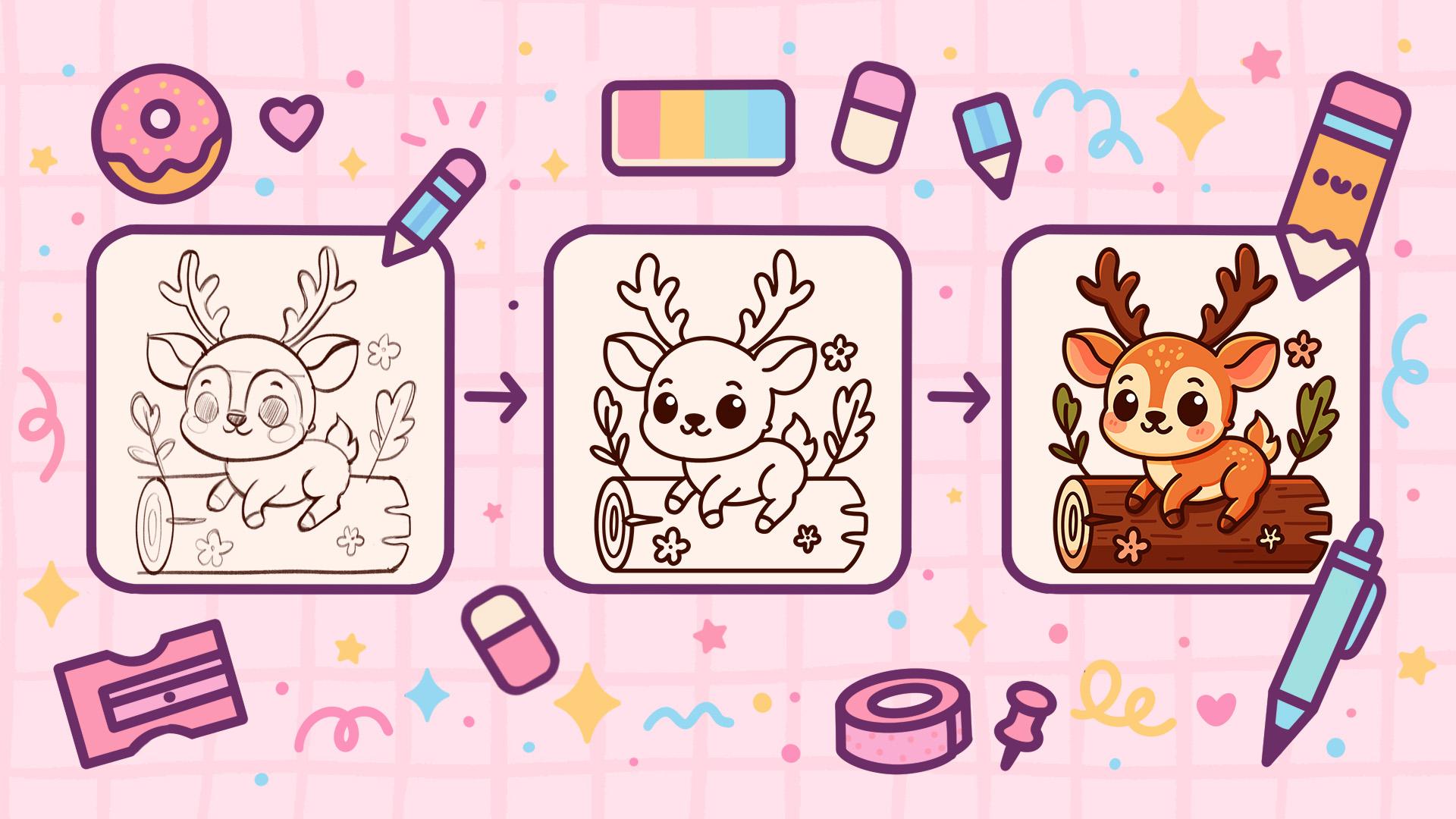
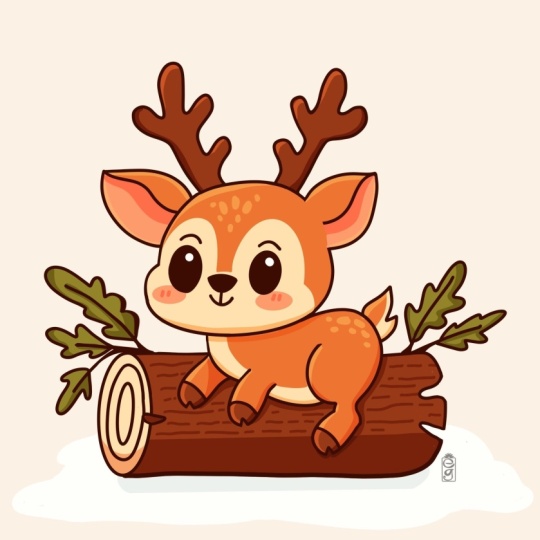
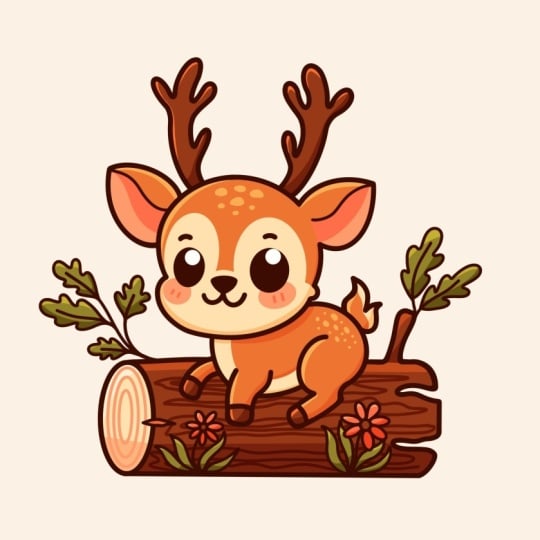
Eni, and in this class, we are going to draw
this cute cow why illustration of an adorable
deer in Procreate. During this class, you'll
get familiar with a lot of useful features like quick
shape tool, liquefied tool, recoloring with reference,
clipping masks, and blending modes, and learn the basics of drawing
in procreate. By the end, you'll not only draw an adorable illustration
you'll be proud of, but also feel super
confident using procreate. And now let's spend
some time drawing.
2. Scheme & Head Sketch: Begin our class by first deciding what kind of canvas
we are getting behesm. Today we're using a standard square canvas from Procrite with pixel width and Pixel
heights the 2048 pixels. DPI R 300 HR color profile is set as SRGB with
this loan number. When it's all done,
let's hit down. Let's take a look at
our new Canvas and before starting to work
onto our Illustration, let's first go to the
project rusos Sap, and we will download
all the materials mentioned for this class. When needed, let's first
go to the brush library, and we will go to
this brush that you downloaded with the
title Doll flat Pencil. Chris, if you want to use any other brush for
the sketching part, you are welcome to go and select any brush
that you prefer. And when you are done
with selecting the brush, let's go to our layers, and we'll get to the
background color. We'll go to this color
palette that you downloaded, and we are going under
palettes on the bottom and undercard on the top to
see the colors names, and we'll select the color
with the title background. When we did it, let's continue by going to our
actual color palette. And again, we are going under palettes and undercards
to see the names, and we will go and select the
color with the title lines. When we did it, let's do one
more thing because firstly, we will start by creating
a little grid system and we will need to have this grid that will help us to build it. Let's go to our range
icon over the top left. We'll go the canvas and we will toggle drawing
guide right here. We'll be using these cells, but we will need to make
them a litle bit bigger. Let's go under 80 drawing
guides and on the bottom, we'll go the grid size and we
will set it to 130 pixels. When we have it, let's hit
down over our top right, and let's start by
creating a little scheme. Firstly, we'll go to
our canvas and we will create a shape
of the rectangle. With one line, let's go and
create something in that way. We'll hold our line in the end, and then we will lift up our Apple pencil and we will go to this option on the top. This is our editing mode and we can go and select the
option rectangle. If you have it, you
don't have this option, you can operate with any option
that you have right here. We need to do right here is to go to our nodes that we have into this mode and we will go and resize everything
that we have right here. We need to have three cells on the sides and two cells on
the top and on the bottom. Drag these nodes
and adjust it to this level when we have
the results like that, let's tap onto the
screen to get to our canvas and to start adding
more details right here. So firstly, let's go from the
top and we will count two, three, and we will create another line that will go
through the whole shape. This is horizontal line. When we have it, we will go towards the middle part
and we will count to five. One, two, three, four, five, we will make a little
markdown and we will go to the opposite side to create
another straight line. When we have it, we also will go towards the bottom
part right here, and we will need to go to 2.5 cells from the top and create a line
going in that way. Again, with one line, we
are holding it in the end we are creating this little
shep when we have it, let's continue and create a couple of lines that
will be vertical. Firstly we will go
toward the right part. We will count to two and we will create a line that will
go down in that way. When we have it, we will go
to this area that we have onto the left and we will
create a line in the middle. Creating a straight
line going down, you can hold it at the end, and when we have it, we also
and create one more line, but this time it will
be able to be diagonal. That line will help us
to create a face later. So firstly, let's go toward the middle area that
we have right here. On the left, we'll go to two points right
here onto the cells, and as for the opposite side, we will go to 1.5. From this bottom
line, we will make a little markdown right here onto this level and then we'll create a line and
connect these two duets. When we have the
scheme like that, we are done with our scheme, so let's move on and start
to work onto our sketch. Firstly, to start
with our sketch, we will need to go to
our layers and we will go to this layer where
we have our scheme one, we tap onto the N icon, and we will go to
the apostislaa. Let's go and drag it more
toward the left so we will have a more transparent
result onto Canvas. You can set the level to
the level that you prefer, and when you have the
result that you like, let's tap onto this layer to close this window and
then we will tap onto the plus icon to
create a new layer on where we are going to
be creating our sketch. So when we have the
result like that, let's start by going and
creating a shape of the head. We will go toward
this middle shape right here and we will start by creating a line going above this line that we
have on a diagonal axis. We will first go
toward the left and we will count to two
cells or ult bit less from the left
and we will start to create a line that
will go down in that way. Hold your line at the end to make it a little bit rounder. You can hold your line and
then firstly and then go to the editing tool over the top to adjust it if you
need to adjust it. So for example, we can make it slightly smaller and
to make it smaller, we can go right
between the nodes, hold our Apple pencil there, and go more toward
the middle part. So what we need to achieve right here is something in that way. Of course, if you want to
go and adjust the shap, you can go straightly to this little nose that
you have right here. Basically what we need to have right here is something
going in that way. When we have the
result like that, let's tap onto our screen, and let's continue by going toward the bottom
part right here, and we will create
another shape, but this time it will
be an ellipsical shape. So go from this line that
we have onto the left and going slightly down to create a shape
going in that way. You can go a little
bit beyond the frames, hold your line at the end, and we will go toward our editing tool to
adjust it slightly. Let's go and make it a
little bit more open, and we will try to position it into this area that
we have in the middle, so we are not going
beyond the frames. If you need to go to more nodes
that you have right here, you are welcome to go and tweak anything that you
need right here. You can go to this little part and make it a little
bit less protrudon. So we will need to
have this little shape right here, a little dent. When we have the
results like that, we will go and manually adjust some fires that
we need to adjust. Let's first let tap onto our screen to
accept the changes, and then let's go
toward this little area right here and we will create
a little bump right here. That way we will create
some kind of fluffy part. When we have it, let's
continue by going toward the top and we will create
the little ears right here. Firstly, going
toward the left area and let's go and make
a little markdown. Going from this line that
we have in the center and we are going toward
the top part of our head, we will make a little
markdown like that, maybe a little bit closer to the shape right here
onto the left so you can map out where you want to start creating your
shape of the ear. If you need to adjust something, grab your eraser and adjust the marking points,
when you have it, we also will go toward the
bottom part and we will go from this little intersection that we have between
these two shapes, and we'll make a little
markdown right here too. When we have it, let's go and start working onto
our little shep. Go on toward this
corner right here onto the left and we will make a little markdown here too. If it's easier, you
can rotate your canvas to create a rounded
shape going in that way. You can again hold
your line in the end, go to the editing tool to adjust the curvature
of this element. Of course, for now
we are creating just a sketch so it doesn't
need to be super perfect. We can fix everything
later on if we see that something
is a little bit off. When we have a rounded
shape like that, let's tap on the
screen and let's go toward the same
markdown on the top, and we will create a rounded shape going down in that way and connecting it with the markdown that we've created
on the bottom. Again, hold it at
the end and go to the editing tool to adjust
the curvature of this line. For this shape on the bottom, we will need to go with a pretty rounded element
going in that way. And of course, if you want
to create a different shape, you're welcome to go and
experiment right here. When we have the
result that we like, let's tap onto the screen and do the same onto the
opposite sides too. So right here, let's go toward this little part right
here of our head, and when we have
the first markdown, let's go toward the
bottom and we will find where we want to finish
up our little ear. So let's go somewhere about two or something
around two cells from this little line that
we have onto the bottom, and we will go and
start to create a similar shape to what we
have onto the opposite side. Firstly, we can go toward
this little part and make a little markdown the same way as we did it right
here onto this side. You can go a little bit
lower with the shape onto this side and then
doing the same thing, starting to create around
the shape over the top, holding it, going
into the editing tool if we need to adjust something. The shape on the top should be a little bit flatter than
the shape on the bottom, create the first shape and then let's continue and connect the part onto the bottom the same way as we did onto
the opposite side. Can hold your line at the end, adjust everything that you
need to adjust right here, adjust the curvature
of this element created in a very nice way. If you see that the ears are a little bit different
in size or in shape, you can go to the elements
right here and adjust them right now or you
can keep them as they are right now
and then later on, we can adjust them
manually if we need to. For example, we can go
to this little part and maybe create it
in a smaller way. Again, if we need to
adjust something, we will go with our
eraser and with our editing tool on the top and we'll adjust
everything right here. So spend some time here and if you need to
adjust some parts, go and do what you need to do. And when we have the
result like that, let's go toward the two parts of our ears and we will create
the land go in that way. So starting from the
area where we have our head and go somewhere to the middle of this area
or a little bit higher from it and starting to create
a line gone in that way. When we have it, go into the opposite side and starting to create something
similar here. Again, going closer
to the middle part. If it's needed, you can go and make a little
markdown right here and then go on with a
wavy line go in that way. Try to make this line
similar on both sides. Again, doesn't need to be
super perfect right now. When we have it, let's go toward the top and create little
antlers right here. Firstly, we will need to map out where we are going
to be creating them, and let's go first toward the left side and we will create a little guiding
line right here. So go from the middle
line that we have, and we are going toward this little line that
we have onto ourselves. When we have this
little man down, we will go toward the
top and we will create a little curve going
up in that way. When we have it going
toward the opposite side, and we will create
something similar here too. Let's go to the middle of this little cell that we
have closer to our ear, and then again, we will
go toward the top and create another line that
will go up in that way. When we have it, if you want to adjust the curvature,
go to the editing tool, try to make it similar
to what you have onto the opposite side when you
add down tab on the screen, and let's go and turn these guiding lines into
the actual antlers. First, going toward the
left side, or of course, if you want to go to
the opposite side, go and do it on
the opposite side. Let's start by going towards the right part of this
left little guiding line, and we will start in that way. Go on like that and
starting to create the parts of our antlers,
going in that way, then going slightly
higher and starting to make the thickness
to this element and then going again to the
side and starting to create a similar to what we
have onto the bottom, but a little bit bigger in size. Now when we have it, let's
go first toward the top. We will create around the shape
right here and then we'll connect it nicely with everything that we
have onto the bottom. Try to make very
soft little curves right here and when we have it, let's go toward the bottom. And let's create
the continuation of the line right
here over the top, go and creating something
similar to what we have onto this side and we also create one more of this little part onto
the left side too. Let's go a little bit
lower with the shape, and we will go toward
this area and create another little shape the same way as we did it onto
the opposite side. Try to make the size and the thickness similar to what you have right here
onto the right. Then let's continue
by going toward the bottom and finish up
creating this little anthem. When we have the
result like that, decide whether you need to go to some of the areas
and adjust them, go with your brush,
go with your eraser, adjust the parts that
you need to adjust. When we are done with it, let's go toward
the opposite side and create something
similar here too. Again, starting by going
toward the bottom end, we will need to create
a similar pattern to what we have onto
the opposite side. Let's first go toward this line, and we will start to create this bottom element right here. Try to make it similar size wise to what we have
onto the opposite side. When we have it
continuing by going up, following the direction of this guiding line
that we've created, so we are not going
far to the side and we are not creating a
different pattern right here, going like that and
starting to create another little segment
over this little part. When we have it,
trying to remain the same thickness to what we have onto the opposite side. So if you need to see
clearly what you are doing, go with your eraser and erase the parts that
you don't need. Also, go on toward
the top and again, creating a rounded
shape right here first, then connecting it
with the shapes that we've created
onto the side. Again, trying to work with very, very smooth shapes right here. And when we have it,
let's continue creating this line over this
side, and again, we will create
another little part, the similar way that we have
onto the opposite side. So let's create a line
going outside like that. And again, we will add
some thickness right here, and we will go toward the bottom and finish up
creating this line, remaining the same
thickness to what we have on the opposite side and
on the top right here. Then with the manual labor, we will go and create
the lines in a nice way. So if you see that you need
to go and adjust some parts, go and adjust the manual with your brush and
with your eraser. When we have the
result like that, let's go and finish up creating our head by creating the
facial features right here. Firstly, let's go toward this little intersection between
two lines and we will go more toward the left
from this intersection and once this line that
we have in the middle, we will start to
create a little nose. Let's create a line going in that way and then
we'll go down and start to create a rounded
triangular shape like that. You can go with the
bigger sets or the brush, with a smaller
sets of the brush. You can shade it
straight away like that, and when we have it, let's go underneath it and let's
create a mouth right here. For the mouth, we are going to the middle part of the shape, and we are going to the sides with a kiddy mouth like that. Furse, if you want to experiment and maybe create
something different, go and experiment and
create something different. When you are done
with the first side, go to the opposite side and create something
similar here too. If you want to clean it up, go with your eraser and adjust
the shapes to your liking. Again, if you want, you can go and work more onto
some of the elements. For example, maybe
you want to create a nose in a smaller
way to make it cuter. You are welcome to create anything in accordance with
your desires right here. If you want to maybe
change the shape, again, it's easier to you to
go and do it on your own. When we have the
result like that, let's go toward the sides and let's create the
eyes right here. Firstly, let's go
toward the left side and we will step a
bit from our node. For example, let's
go one cell toward the middle line that we have right here from this
middle line and from here, we will create an I in
a shape of the ellipse. Let's go from this
little markdown and create a shape
going in that way. Hold your line in
the end and let's go to our editing tool to
adjust it slightly. Let's make it slightly smaller
going from the bottom. As for the top, you can
go and maybe make it slightly bigger or adjust
the shape to your liking. You can go with a big eye like that or if you prefer
something smaller, you are, of course,
welcome to go and do that. When we have the
shape that we like, let's tap onto the screen. Straightaway, let's
go and shade it right here with our brush. We have it, let's go toward the opposite side and create
something similar here too. Et's go and find the similar distance to
what we have on this side. We will need to go and make a little markdown onto this side. Again, we will go and create another little shape
of the e here. Hold your e at the end when you are creating
this shap and let's go toward our editing tool to adjust everything that
we have right here. Again, we will need to pay attention to this
line that we've created as our guiding
line on the diagonal axis. We are going along it. So we will go and create the eyes in accordance
with it too. So we will need to position
the eyes on the top, so the top parts
of our eye should go parallel to the line that we have right here
in the middle. Adjust the shape to your
liking, make it more rounded, less rounded, it's up to you when you have it
tap on the screen. Again, let's go inside and
let's shed the shape up. When we have the
result like that, let's go slightly higher. Firstly, on the left, and we will create a little
eyebrow right here. Go with a simple shape
of half of the circle, go bigger, go smaller with
the shape, it's up to you. When you have the
result like that, let's go toward
the opposite side. Again, in accordance
with this line that we have as
our guiding line, we will create another
little shape right here. Go with a different
size if you prefer or maybe go with a different
position for this element. When we have the
result that we like, let's also go toward the top part and we will create
a little mask right here. For the mask, firstly, let's go toward the nose and we will start by going a little bit higher from it and create a parallel line to what we
have on the top of our nose. When we have it, we will
go slightly higher, a little bit more
higher than slightly. We will and create
another guidance line to what we have right
here in the middle. Go toward this area
where we have our ears, the middle part of the ears, and we will create another
line that will be quite parallel to what we have
as our guidance line. We have it, let's go and turn this line into
an actual mask. First, going from the
middle to this line that we've created and creating a
line going up in that way. When we have it doing the
same onto the opposite side, you creating quite flat line right here, not very rounded. When we have it going
toward the sides and starting to create
the mask right here. So going toward
the outside part, we are going and trying to
connect everything with this mask with the shape
that we have for our face. If you need to create
it in a couple of lines and then go with your eraser
and adjust some parts, you are welcome to
have as many attempts as you need to create this
little shape of the mask. When you have it on one side, let's go and do the same
onto the opposite side. Again, we are starting to create the similar
shape to what we have on the opposite side and starting to create
something in that way. Let's go closer to the
shape of our heads. This mask onto this set
will be a little bit bigger because we have a bit of the perspective right here. And when we have the
result like that, when we reached the line
of our little guidance, we will go toward this
part where we have the cheek and we will
create the line that will go inside and create
some kind of the line that will be quite similar to what we have
outside right here. Again, if you need to work more on set the lines right here, work with your brush,
work with your eraser, create everything in a way
that you prefer it here. Again, remember
that now we don't need to be super perfect
with our shapes. If we want to change something later on, we
will go and do that. When we have the
result like that, let's go underneath
the shapes of our eyes and we will
create the future cheek. Let's go very simply with the shapes of the
ellipsis like that on one side and then go onto the opposite side and creating something similar here too. Hodian in the end if you want to create a perfectly
rounded shape, adjust it to your liking, just the placement of these
elements if you prefer. When we have the
result like that, we are done with our head for now and let's move on
to create in the body.
3. Body & Log Sketch: Begin our body part right here. Firstly, by going to this line that we
have at the bottom, the second one, and we
will go a little bit higher from it to create
a little markdown. So let's go, for example, something around one cell up. And when we have the
result like that, let's also go towards
the left side, and we will go and start
to create a line from the middle and we
will connect it with this little markdown
that we've created. So let's go from
the middle part one more time onto this top line, so the second line
from the bottom. And from this line, we will
go slightly toward the left, so not going too far, going like three thirds of this cell that
we have right here. And from this line, we are going toward the
bottom like that and starting to create a rounded
shape going in that way. When we have it, if you
need to clean it up, you'll grab your eraser and erase the part
that you don't need. When we have it, let's
go toward the bottom, and we will continue creating this line going toward
the outside part. When we have it, let's go and work on the top
part right here. We will go closer to the shape that we've
created for this mask, so you can go and make a
little markdown right here. From this markdown, we will
go and create a little bum. For the bum, let's
go closer toward the bottom and we will create a very rounded shape like that. Hold your line at the end, and let's go to the
editing tool if you need to adjust
it in any way. For example, let's
go with a very, very rounded shape right here, going like that and starting to adjust the shape
to our lichen. You can adjust the
placement by moving the shape slightly down and when we have the
result like that, let's finish up by
going down and create the continuation of the
shape in the line like that, very very curvy element. When we have the body like that, let's continue and work a
little bit onto our legs. Firstly, let's go towards the front leg and
let's work onset. We will go towards the line
that we have right here. So this line of our guidance, we will go slightly
lower from it. We will make a little markdown
right here at the middle. And from this mark down, we will go and start to create the front line over
the left firstly. So we will go closer to
the shape of our head or the shape of the body,
two shapes right here. And from the shape,
we will go and start to create a line
that will go in that way. So let's go with
very rounded shapes, go onto the bottom like that and create something
going like that. We will need to create
a line that will look like something that we've created for our
antlers right here. Try not to go too
big with the shape. If you want to create
something smaller, you are welcome to
go and do that. You are welcome to
try it out a couple of times to create
even cuter shape. Let's try it out one more time. We will erase everything
that we've created, and let's go and finish up creating our line
somewhere right here, somewhere similar to what we have our little
tummy right here. Let's go and continue
creating the similar shape, go on like that and starting to create a rounded
shape like that. So for now, let's keep it
that way and we will go more toward the right
and start to create a shape of the second
leg right here. So let's go closer
to the shape of our central line,
and from this line, we will go a little
bit higher than the intersection between
the tummy and the line is, and we will start to create
a langon in that way. So go on like that, go a
little bit to the side that we have onto our left and creating the langon in that. Let's go with a very rounded
shape going toward the right then after that and
we will start to create the continuation of
the langon in that way. We will need to create a bit of the rounded shape right
here onto the side, we are working with
the curve that will be quite
protruding right here. Try to remain the same size
and the same thickness of the element that you
are working on right now to what you have
already onto your screen. So if you need to go and
work with your brush, work with your eraser to achieve the similar
thickness and similar size to what you have onto the
left, go and do that. If you see that you
have some lines that you don't need
to, for example, this line that is overlapping, go and get rid of
it if you need to. When we have this line, let's take a look at everything, and let's continue by
going toward the right, and who will create the
back leg right here. So for the back leg, let's first go toward
this line that we have in the middle
and from this line, we will go down and
we will start to create a very rounded
shape going in that way. So going toward the timing with this line, going like that, and when we have
it, going toward the bottom parts toward
this line that we have. And we will start to create a very nicely looking
shape like that. We will need to
overlap our line over the top and we will
create something in that. When we have it going toward
the bump area right here, and we will continue by going and defining the line even more. And then we need
to create a bit of the back part of the leg by
going more toward the right, toward the outside part
and we will finish up by creating a leg
going in that way. Let's clean up
everything so we are not disturbed by everything
that we've created, and we will see clearly
what we've done right here. If we need to go and
adjust some parts, let's go and do that with our
brush and with our eraser. Let's define the shapes even
more and we'll try to make the thickness similar
to what we have on the legs that we have
onto the opposite side. When we've cleaned
the shapes enough, let's go toward the tips that we have on our legs and we will create the lines like
that that will later on be turned into the hoops. Let's go like that and create the lines that will
be quite curvy, not very straight lines. And when we have the result like that, let's
go over the top. Let's create a little
till right here. Going toward the line
that we have right here, so the line of our guidance, we can make a little
markdown right here and also we will go
toward the top end. We will make a little
markdown here too. And when we have it,
let's go and create the tell that will look like a bit of the flame
shape right here. Like that, creating
the line going down with the shape of the
flame right here and then creating one more little
part and creating the line going in that way and connecting everything with what
we have for our body. Define the lines even more if you need to go
with your brush, go with your eraser, create a very rounded little
element right here. When we have the
results like that, we definitely can say that our little body is a
little bit too chubby, so we can go toward this
little tammy that we have right here and we can
raise it up a little bit. Going like that, and go closer toward the shape
that we have for our leg on the back and with the help of our
brush and eraser, we will thin this
little body up. So when we have the
result like that, also, we can go and maybe create a better shape right
here for the leg, so we will rise it up too. So again, work with your
brush and work with your eraser to create not
that chubby of a deer. Of course, if you prefer
a very chubby deer, you are welcome to keep it the
same way as it was before. When we have the
result like that, let's also go and
work a little bit onto the bottom and create
a little look right here. So for the, let's
go toward this area where we have our
front leg starts at, and we will go and
create another line that will go straightly
on horizontal axis. Create it like that. If
you need to move it, go to the editing tool, hold your Apple pencil
and move it down. Go a little bit higher than this line start or
a little bit lower, so you don't have a very weird connection
between the parts. For example, let's go with
something going in that way, a little bit higher than
the shape right here. When we have it, we will tap on the screen and we will go toward the bottom and
create another line right here that again
will be horizontal. When we have it, let's
go towards the left side first and create some of the
cut of the wood right here. Let's go toward
the middle part of these elements and create
a shape of the ellips. Hold it at the end, try
to make it straight. If you want to make it straight, you can try to hold
one of your fingers on the screen to
make it straight. Can go to the editing tool and maybe make it
a little bit more open by creating the shape
going in that when we have it, let's tap on the screen, and let's go toward
the opposite side and create something
similar here too. Again, we'll start by creating
a cut element like that. Again, hold your
line at the end, try to make it size wise, similar to what you
have on the left. Go to the editing tool if
you need to reposition it. Go more toward the inside
part so this element that we have onto the right is not going more
towards the right. When we have it, let's
tap on the screen, and let's go toward this
area onto our right and we will add some cuts right here to make
it more interesting. Let's go toward the
edge and we will create a couple of
details in that way. You can go with the bigger
shape with a smaller shape, try to create
something like that, create a couple of
cuts, and let's grab a eraser to get rid of all
the lines that we don't need. We also don't need this lines, so we are not confused
later on. Let's erase it. We don't need these lines onto
the sides and if you want, we also can go
toward these parts that we've cut and
make them a little bit more rounded by
creating the curves inside this very straight corners where we
have these cuts. If you want to do that,
go with your brush, go with your eraser
and erase the parts and work onto these elements
that you need to work on. So for example, let's go
with something in that way. Let's also erase the
line that we have right here in the middle
of our little deer. So everything that
is overlapping, we will get rid of.G like that, erasing everything
that we don't need, and then getting
back to our brush to create some other
elements right here. For example, let's go toward the middle part right here and let's create some kind of the
rings right here like that. When we have it, let's also
add some interest by going towards this part and maybe
we will create cut like that. When we have it,
let's go and create some kind of the flowers right here or some
other elements, some grass or something. Going inside the shape firstly, go maybe toward this little part to fill up the areas right here. If you want to go outside
the shapes, for example, somewhere here, you
are welcome to go and create a couple of the
details here, too. If you want to also can
go toward the top of our log and create some
little leaves right here. For example, let's go
with the line like that, and let's create some kind of the leafy element here, too. When we have it on one side, let's go toward
the opposite side and create something
similar here. Let's create the first line, and then we will
create a couple of leaves going outside trying to create very rounded elements and create something
going in that way. Now, let's take a look at everything right
here that we have, and we should decide whether we want to adjust
some parts or not. When we already have
the lines created, we can do it very easily by
going toward our magic one, two over the left,
we will go under liquefy and we will go
to the push option. We have a slider with the side, so you can go to it and
adjust it with these two, we can go to some areas and adjust them if we
want to adjust them. For example, we can work
on the face right here, onto the oral shape of the ears or other elements that
we want to work on. Let's spend some time here and adjust the shapes to our king. I decided to move the body
a little bit higher, again, it's not that chubby and
also work a little bit on the ears and some of the cheek
right here onto this side. When you are done with adjusting everything
here with the tool, let's tap our magic quanto over the top twice
to get away from this mode. Let's take a look
at everything and decide whether we
maybe want to go to some areas with the brush or with our eraser and
adjust them slightly. If you are satisfied
with everything here, let's move on to our next part. We'll create the clean lens.
4. Clean Lines: Start working on our clean lines firstly by going to our layers, and we will hide our
layer with the scheme. We will tap onto the check mark. We don't need our
scheme anymore. And let's also while
we are at our layers, tap onto the icon
OSRLer with the sketch, and we will go to the
opacity slider and we will make it a
little bit less bright. So find the level that works
for you when you are done, tap on the layer and create one more layer on top by
tapping onto the plus icon. If you don't want
to use the cells, you are welcome to go to the
range icon or the top left. Again, going under Canvas. Go into this icon drawing
guide the togal right here. We can go and turn it off. When we have the
results like that, let's go to our brush library, and we will go to the
calligraphy folder to select Monoline brush. Let's tap onto our brush and
go inside the brush studio. We'll go under
stabilization on the left, and we'll be playing
with amount of streamline and amount
of stabilization. You can go to the
drawing pad and try out right here how it feels. If you want, you can
set the settings the same way as you see them
right now on the screen, or of course, you can go and
tweak them to your liking. Find what works for you,
and when you are done, let's heat down over so bright. Now when we are prepared
with our brush, let's go and decide
on the size of it. So, for example, let's
go with something around 9% or maybe even
smaller if you prefer. So decide on your own on
the size of the brush, and let's go and start
working on our clean lines. So what we're going to be doing? We will be going partially
onto our lines right here, and we will be doing the same
things as we did before. We will recreate what
we have onto our skege. We can hold our
lines at the end. We can go to the editing tool to adjust the curvature
of the lines. We will go along the whole
sheet that we have right here, and we will start to recreate everything that we
have onto our skte. We don't need to repeat everything with
100% of similarity. We can adjust some parts if you want to maybe try out
something different. Maybe you would feel that
it will look better with the lines that you are
creating right now rather than you have
them inside your skeue. You also need to
pay attention to the connections that you
are doing with your lines. So the line weight should
be everywhere similar. If you see that you've created some bumps where you are
connecting the lines, you should need to go with your brush and with
your eraser to adjust everything that you have
right here to create very smooth lines
and very nice lines. Let's continue by
going over the top and we will continue creating
the shape of the hat. We will go towards the line that we have
right here for our ear. We're not going to
be creating the line right here in the middle, but we will go straight
away and start to recreate the lines that we
have right here, for our ear. Again, trying to make
very nice connections. If you see that you've
created something like that, grab your brush,
grab your eraser, and adjust everything,
so it looks seamless, it looks nice, and it
looks fine for everything. When we have it, let's continue by finishing up with our ear. Again, trying to make
nice connections, holding our lines at the end. When we have this line, let's finish up with our head by creating the line right here. Again, you can try to hold your line and the end and go to the editing tool to maybe create a better connection
from the editing tool. When we have the heads done, let's go toward the second ear
and let's recreate it too. Again, using the same
techniques that we used before, holding our line and the end, go into our editing
tool if we need to and creating the lines
that will look nice. Trying to not create the
lines go in that way, the very pointy
corners or something. If you've created
something like that, go with your brush and with your eraser and
soften up everything. So when we have the
results like that, let's go toward the inside part of the ears and let's
recreate them too. To go like that onto this side, creating something in that way, and doing the same onto
the opposite side. We are starting to
create this line from the previous line that
we had onto our skege where our hat is
and going toward the outside part and creating
the line gone in that way. When we have it, let's go toward the antlers right here and
let's recreate them too. Again, doing the same
thing, holding our lines in the end and starting to
recreate the shapes right here. If you want to try out
something else, for example, maybe make the whole shapes of our antlers a little
bit bigger or smaller, you are welcome to
go and do that. Also, pay attention
to the corners, as I mentioned before, create
them in a very rounded way. If you need to do it with your brush and with your eraser, go and do it with your
brush and with your eraser, W on the smoothness
of the lines and the evenness of the lines and pay attention
to the line weight. Let's continue working onto our little antlers right here. Again, if you see
that you've created something that shouldn't
be created right here, go with your brush
and with your eraser and erase the parts
that you don't need. Let's continue by creating these little parts
onto the side, going on like that,
starting to create them, trying to make the parts parallel to one another,
the outside part, and the inside part
when we have it going lower and starting to
create the lines here too. Trying to make
everything very smooth, very seamless right here, paying attention to
the line weight. If we need to adjust something with our brush and
with our eraser, we will go and do that. Let's finish up
creating the shape by recreating this len that
we have onto the bottom, and again, we will
pay attention to the connection
between the parts. Then we have the first
antler on our left done, let's go and work
on the right one. Doing the same thing,
starting to create the elements similar to what
we have onto our skage. Of course, if we want
to adjust something, we will go and adjust
it working onto our lines by going to our
editing tool, if we need to. You can try to create the lines going around the whole shape and then if you see that
you've created something that you don't want
to see right here, you're welcome to go and work with your brush
and with your eraser. You don't need to go
and create the lines nicely straightaway when you are creating them if you of
course don't want to do that. Let's continue to go up right here and create the
line right here, connecting everything
super nicely, holding our lines in the end, going toward all of the
connections to work on them too. Trying to make this
antler on this side, similar to what we have
onto the opposite side too. If it's easier to rotate the canvas and create the
elements in that way, use every tool that Procrite has to create a nice illustration,
a very smooth one. Let's see how our corners look, whether you want to go and
fix them, go and do that. If you don't want
to do that, you are welcome to continue
creating the lines. When we have the antlers done, let's go and work onto our body. For the body, we are starting by either recreating
this whole line that we have for
our tummy or we can go partially and create only
the lines that we need. For example, it will
be easier and more believable for us to go
and recreate this line. You can hold it in the end, create it that way, go to the editing tool if
you need to adjust it, create a very smooth
and rounded chip. Then when you have
the result like that, go and get rid of all the overlapping lines
that you don't need. So let's straightaway go
toward this part where we have our future leg on we will erase the lines
that we don't need, and let's continue by recreating the shapes that
we need for our legs. Again, if you want, you
can go and create them in a different way from what
you have inside your sketch. If you are satisfied with how
it looks onto the sketch, of course, recreate
them in the same way. When we have the first leg down, let's continue by
going to the next one. Let's create a curve
first like that going a little bit higher
than the shape ends, the shape of the tummy and creating some kind of
the lines going in that. Let's continue by going
toward the inside part. Let's go slightly lower than we have the line right
here onto the top. If it's easier to start from the different direction
from the bottom, for example, go from there, go and create the line
that will look nice. And when we have the ed shape, let's go toward the
bottom and create a rounded continuation of the line rounder
connection right here. Work on the connection between the parts,
go with your brush, go with your eraser, try to make very smooth and very
seamless line right here. When we have it, let's
straightaway get back to our brush and create
these hoofs lines. So again, we are working with the curve instead of this
very straight lines, go and creating the
lines going in that way. When you have it, let's
continue by going towards this leg that
we have in the back, and let's recreate it too. So again, go to the
line that we have on our schedule recreating
it in that way. Hold your line at the end. You can always take a look at your lines from the
distance to see whether you are creating
them in a nice way or whether you need to
go and adjust something. If you are satisfied
with everything here, let's continue by going toward the bottom end recreating this leg that we
have right here. Let's go towards the right
side and we will try to create a continuation of the line that will be quite parallel to
what we have on the top. And when we have two
lines like that, let's go and work on this
connection right here. Again, trying to create
it in the right way, in a very smooth way, working with our brush with our erasa and creating
something in that way. Straight away, you can
go with your brush and create a hoof right here. So go on like that, again, creating the line that
will be quite rounded. When we have it, let's
go toward this part. Let's create the continuation of the leg right here is firstly create a line going like that. Then let's go and create
this bum element. So either partially
or with one line, let's go and create it. Again, using all
of the tools that Procreate has to
help us with it, go to the Editing
tool and adjust the curvature of the line
or the placement of it, go towards the area that
you have on the bottom, and let's work on
this connection. If you want to work on
some other connections, you are welcome to go with your brush and with your eraser and work on every connection
that you want to work on. When we have the
result like that, let's continue by going towards the tail right here
and let's recreate it. When we have it,
let's take a look at everything from the distance, decide whether we maybe want
to go and adjust some parts. For example, we can
go right here and maybe soften up the whole shape, so it's not that protruding. Let's go a little
bit higher with the shape and let's grab our eraser to work onset
the thickness of our lines. So let's create something
that will look nice. And when we have the
result like that, let's go and work on
arficial features. So going to our brush, go and starting to create artificial features
from the nose, going partially the
same way as before, creating the first
line on the top and then creating the rounded
elements over the bottom. Written this nose,
holding line in the end. If you want to go
to the ding tool to adjust it in any way, you are welcome to
go and do that, make it bigger, make it smaller, adjust it to your liking. When you are done,
let's go toward the middle and manually
add the color inside. You want to work onto the side, so maybe you would like to go
toward these elements onto the left and onto
the right and make the nose a little bit
smaller and more rounded, you are welcome to
go and do that too. Try to make it even
on both sides, and when we have the
result like that, let's get back to our brush, and let's go and
recreate the mouth. So go on with our brush to
one of the sides, firstly, holding our line
and then to go into the 18 tool if we need
to adjust the curvature, for example, when we
have it tapping on the screen and recreating the second half
of the mouth too. Take a look at the mouth from the distance to see
whether you are satisfied with it or
whether you want to maybe go and adjust
it in any way. When you have it taped on the screen and let's go
and recreate the ice. So again, we are going along the lines that we
have onto our skege. We are holding our
line in the end, we are trying to match
it with the line that we had onto the skege and
when we have the outline, let's drag and drop
the color inside. And we will do the same
onto the opposite side too. Recreate the eye the same way as you have it
onto your sketch. If you need to adjust it,
go to the editing tool. If you want to take a look at
it from the distance to see whether it looks nice and
not creepy, go and do it. When you have it tap on the screen and dragon
drop the color inside. Let's go toward the eyebrows and let's recreate
them with one line. Again, you can hold
your line in the end and create the element
going in that way. Now, when we have the
result like that, we are done with the lines for the body and for
everything right here. Let's go and recreate the lines that we have on the bottom. Let's begin by going to
our layers and we'll create one more layer by
tapping on the plus icon. Let's go and very
easily recreate these lines that are
horizontal firstly, creating a line,
holding it at the end, and holding one
of our fingers on the screen to make
the line horizontal. When we have it doing the
same onto the bottom. Again, starting by
creating a line like that, holding it at the end and
holding one of our fingers, and then working onto the
shapes of the ellipses. Again like that,
recreating what we have onto our sketch,
holding our line, holding one of our fingers
on the screen to make it nicely positioned
and vertical. Just decide by moving your Apple pencil from side
to side if you need to, if you see that you need to go manually and match some
elements right here nicely, you are welcome to
go and do that with your eraser and with your
brush if you need to. When we have it on one side, let's go to the opposite
side and again, create something
similar here too. So here we don't need
to create the full eps. We can go and create
the line that will go on these lines that we
have onto our sketche. If you need to go and
adjust the curvature, go to the editing tool
and adjust it from here. Work onto the connections
right here so everything looks nice
and not too angular. When we have it, let's go towards the eraser
one more time, and we'll erase this
part that we don't need. When we have it, let's go and create these little details. As we created it before, let's go toward the
corners right here and we will create them
in a very soft way. We will create the very
nice looking curves. Let's go towards the sides. Let's create some of
the shapes like that. When we have it, let's go toward the bottom and create
something similar here too. Let's create the line.
Let's connect it nicely. If we need to work with
our brush and with our eraser to achieve a
nice and very soft result. Let's go and use all that we need to use right
here to achieve it. We have the result like
that, let's get back to our eraser and
let's go toward this line that we have
right here and we will erase everything
that is overlapped. When we have it, let's go toward our little
additional elements. Let's grab a brush
one more time, and one more time, let's go and recreate everything that
we have right here. Given that, starting to recreate our green parts that
later on will be green, creating the leaves right
here, going to the sides, creating some kind of
little leaf right here, little flower or something. So creating something in that
way and when we have it, let's go toward
the opposite side and create something
similar here too. Again, starting from
the middle part, holding line if we need to
go into the editing tool, you probably will have the
option arc right here, so you can go and create not
a straight line right here. Tap on the screen
when you already end. Let's go and recreate these elements that we
had onto our sketch. When we have it, let's go
and create other details. Again, we will first
go toward our eraser. We will erase this
little part right here. We will go with our brush, and we will create some kind
of the cut right here, too. Try to make it nice, try to make the connections nice too. So go with your brush and with your eraser to create
nicely looking details. When we have it, let's go
and create the flowers, go on like that and partially starting to create
the details here too. So you can create half of
the ellipsis right here, hold your lines and the ends, and create something
in that way. So let's spend
some time here and create the details that
we have for our flowers. When we have it, let's make the size of the brush
a little bit smaller. So if you use 9%,
let's go with six, and let's go right here
toward the middle part of our stamp and let's create these details that
we've created before. So again, use all the
options that we used before. You can go with the
editing tool right here, create the element, go
toward the inside part, and create one more
little line here too. And when we have the
result like that, we are done with our line, so let's move on to
the coloring part.
5. Base Colors: Start with our coloring part. Firstly, let's get
back to our layers, and let's merge these two layers together that we
have for our lines. So go into the layer on the top, tapping on it, and using
the option merge down. Now, we will go to our layer
where we have our sketch. We will select it,
we will hold it, and we will drag it above
our layer with the lines. And for now, let's
go and hide it. So we are tapping
onto the check mark. When we have the
result like that, let's go to our layer
where we have our lines. We will tap onto this layer and we will use the
option reference. That way we'll be able to use these lines that
we have right here, but we will be adding the
colors on separate layers. When we have the
setting like that, let's get back to the layer
where we have our scheme on, and from here, we will
create one more layer. Onto this new layer, let's get
back to our color palette, and let's start by going
to the code color. With this code color, let's
go to everything that belongs to our code and let's
recreate it with this color. So one by one, go on like that and starting to
create the details. When we have the
results like that, let's continue by
going to our layers, and we will create one
more layer on top. Onto this layer, we will change the color to antlers and look, and we will go to the antlers like that. We will
recreate them. And with the same color,
we will go toward the hoops and we will
recreate them too. When we have it, let's continue
by going to our layers. We will create one
more layer on top. And with the same color that we use for antlers and hoops, we will recreate the
main shape of our look. Let's go like that,
and if you want, we can manually go toward
this part and recolor it too. And for this little
part onside the left, let's switch the
color to light coat, and we will go and recolor everything that we
have right here. With the same color,
we can go to some of the flowers and recolor them. When we have it, we can go and switch the color to
something brighter, for example, maybe s mean and
recolor some of the colors. Some of the lines right
here are flowers. So for example,
let's go like that, and also let's
change the color to yellow color every greenish element
that should be recolored. Go in one by one, entry
coloring everything like that. We have the result like
that, we have the base, but let's go and
create these elements that we had on our
sketch for the mask. Let's get back to our layers. We will go first to layer where
we have our reference on, so layer with the lines,
we will tap on it, and we will turn off reference by selecting
it from the list. Now, let's go and hide our
layer with the sketch, and we will go to
the layer where we have our mean coat color on, and we'll create one
more layer on top of it. To stay inside the
colored areas, let's tap onto this new layer, and let's use the
option clipping mask. When we have everything
set in that way, let's again go to
our color palette and switch the color
to light coat. Let's make the size
of the rush smaller, so it will be easier to
work onto our details. So, for example, 6%, and we'll go and recreate this element that we
have for our mask. So let's start by
going like that very boldly starting to
create our elements. Don't forget that we will
need to go closer to the nose and create the lines in a bit
of the flatter way. So straightaway, you can go with your eraser and make these
lines bit straighter. Go toward the nose area, recreating everything
that we had and moving on to the opposite side to
recreate the details here too. Again, you don't need to recreate the lines
with one line, the single line, go partially and create the
details in that way. When you reached the bottom, let's go toward
the actual bottom and close the shape like that, going around and
making sure that we don't have any gaps
inside this line. That way we will be able to drag and drop the color
inside this part. When we have it,
let's go and turn off our little layer where
we have our sketch on, so tapping onto
the check mark and taking a look at everything
without these lines, whether we need to go and adjust some part or whether we are
satisfied with everything. For example, we can go toward
this little part and with our erasa make this shape going
a little bit in that way. If you need to go over this whole sap and maybe
work onto the softness of the lines or
whether you need to go and maybe add
something to the sp, you are welcome to
use your brush and your eraser to do what you
need to do right here. When we have the
shape that we like, let's also go toward the
timing and we will create a line here too and a bit of the difference
into the color. So let's first go toward this part where
we have our line, and we will create
a parallel line to what we have onto
the outside part. Go around like that and then drag and drop the
color to this area, and then we'll go toward
the timing, again, trying to make the line quite similar to what we
have on the bottom, going around like that and then adding the color
inside the sheep. If you need to go
with your brush and eraser to work
onto the line, you are welcome to do
what you need to do. Also with this color, let's
go to the bottom of the tail. We'll create first
a line like that, and then we'll go
toward the bottom and add the color
going in that way. Now when we have the
result like that, let's go and work on the ears. We can go to our layers and we can create one
more layer on top, tap on the lay and use
the option clipping mask, and then let's again go
to our color palette to select the color with
the title Ears mean. Let's go with this color toward the bottom parts of our ears on both sides and we
will go around like that and we will add the
color to these areas. When you have it on one side,
go to the opposite side, do the same thing here, go around like that and then adding the color toward
the inside part. When we have it, let's
switch the color to ears shadows and we will go and create
the shapes like that. Go toward the ear on the right firstly and starting to add
the shape going in that way. If you want to try
it out a couple of times to create
a nicer curve, you are welcome to
go and do that. Then go and manually add
the color inside the shape. And let's do the same onto
the opposite side tip. We are adding the
secondary color right here toward the ear, going around and then
adding the color manually toward this
area that we've created. Now when we have it, we also can remember that we
had the checks right here. Let's go again to our
list and hide our layer with this gauge to see
where we had these checks, and let's go to the same layer
where we are right now at, but we will switch the
color firstly to Esme. With this color, we'll go toward these areas where
we had our checks, and we will go and
recreate them. Unlike that, you can dragon drop the color inside when
you have the shape, and let's go toward
the opposite side and create something
similar here too. Then you can hold your line. At the end, you can go
to the editing tool if you need to adjust something, you can try it out a
couple of times to create a nicer
element right here. Try to make it quite even on both sides and try to find a nice placement
for this chick. When you are ready drag
and drop the color inside, now let's get back to our lays, hide our layer with the sketch, and let's go to the same layer
that we are right now at, but we will switch the color to ears shadows and we will
go inside these cheeks, and we will go and add the
blushy lines like that. You can go with two
lines with three lines, go diagonal right here and try to make these lines
parallel to one another. When we have the
result like that, we are quite done with
the basic colors. So let's move on
to our next part. We will add a bit of the
shadows and some highlights.
6. Shadows, Highlights & Final Touches: Begin this part firstly by going to our
layers and we will start to add the shadows
toward our little Dred here. Let's create one
more layer above every layer that is clipped
to our main shapes. Let's tap on the
layer and clip it too by using the
option clipping mask, and we will go to the
icon onto this lay and we will change the
blending mode to multiply. For now, let's go with something
around 50% of opacity, go to the slider and adjust it. If we will need to adjust it later on, we will
do it later on. When we have the
layer like that, let's get back to
our color palette, and let's select the color
with the title skin shadow. With this color, let's go toward the bottom part right
here of our little face, and let's create the
line that will go onto the bottom and we'll repeat the overall shape of our face. You can go with a
thicker line with the thinner line.
It's up to you. If you want to go a little
bit higher right here over the top and continue
to create the line, you are welcome to
go and do that. So let's go slightly higher to this area and create
something good in that way. If you see that this opacity right here and the
color is not enough, you can go and
switch the color to, for example, coat and go
to these areas where you have the darkest shadow and
recolor them with this color. So when we have the
result like that, let's continue by going toward the bottom part
underneath the head, and we will start to add the color toward
these orange element. Firstly, go in and starting to create the shadow
going like that, repeating the overall
shape of our head. You can go again with
a thicker element or with a thinner element, and then let's again
switch the color to skin shadow and add the shadow
toward this whitish area. Try to repeat the
same curve that you have on the right part. When you have the
result that you like, let's go and start adding the details towards
other elements too. For example, while we are using the lighter color
for our shadows, let's go toward the tail and
add the color right here to go mostly toward the bottom and starting to add
the shadows here. We also can go right
here toward the tummy. We can go and add a bit of the shadow right here
to go on like that. When we have it, let's continue by switching the
color to darker one. So again, using coat color, and let's continue to add the shadows towards
some other elements. So for example, going towards the legs right here and starting to add the
shadows to them. We are basically going toward the bottom parts of our shapes, and we are starting to add the shadows in a similar way to what we have for
our main shape. When we have it, let's
go towards the back, and we will again recreate
the shep right here. To go on in that way, starting to add the shadow, repeating the overall sheep. If you want to go some other
elements, for example, right here, where we
have a little fold, you're welcome to
go and do that. Try to make nice connections
with your shadows too. So if you need to work with your brush and with your
eraser to achieve it, go and achieve it. When we have it,
we also can go and maybe make a bit of the
shadow red here to this part, not to create a shadow red here, but to have a bit of the
difference in the colors. And when we have the
result like that, decide unta the
amount of opacity. Example, we can
go to our layers. We can tap onto the M
icon onto this layer. Go to the aposte slider and
maybe adjust it slightly. For example, 60,
65% looks a little bit brighter and
more nice for us. When we have it, let's
tap onto the screen, and let's go toward the top and add the highlights right here. So let's create one more layer above our layer
with the shadows. We will tap on it and use the option again, clipping mask. We will go and tap
onto the N icon and change the blending mode to overlay first.
Let's try it out. If we need to
change it later on, we will go and do that. So for now, let's go with overlay blending mode and something around 50% of opacity. We will go to our color palette and select this
light coat color, and we will go to
the opposite sides from our shadows to
add the highlight. Let's start by going toward the top right here and we will start to create the
highlight in that way, repeating the shape of the head, creating a big
highlight like that. And if you see
that this color is too yellowish and you
don't like how it looks, let's go and decide on the different blending
mode, for example. Let's go to the icon on the
slay and let's explore. We will go along blending
mode that we have right here, and we will decide
what looks better. So we would want to achieve something pretty
light right here. So, for example, we can go
with this pin light color. Adjust the opacity. The color is not too yellow. That's exactly what
we need. So find the blending mode
that works for you. For example, go with
the pin lined at a bit of the higher
amount of opacity. When we send the layer,
let's also go toward the ears and let's add
the highlights here too. Repeating the shapes going
toward the top parts. If you want, you also can go
toward the H right here onto the bottom and add a
bit of the highlight here too to create a
nice shape right here. When we highlight,
let's go toward the opposite side and create
the highlight here too. Again, if you want, you can
go toward the bottom right here to emphasize on the shape. When we have it, we also with the same color can
finish up with our head by going toward the top and create some of
the pattern right here. For example, let's
go and start to add little elements in that way. Let's go with the circles. Let's create a couple
of them to create the very nicely looking
pattern for our little deer. Let's spend some time here and create the very nice
looking elements. You can go with different
amounts of them, different placement for them. If you need to work
with your brush and with your eraser,
once these elements, maybe you want to make them very rounded and without
the jagget lines, you are welcome to go and do what you need to do right here. If you are okay with the
jagget lines right here, to create the
elements in that way, you are welcome to keep
it as it was before. I will also fix this little
highlight on the top, so it is very nicely receding and creating a line
going inside the sheep. When we have the
results like that, let's continue to add some of these additional
looking elements, the highlights or
some other elements. Let's go toward the
top right here of the lex and let's add
the highlights here too. Let's go toward this area. Let's add the highlight
over the top. And also with the same color and with the same pattern that we've created onto the
top of the heat, we can go toward
the bum area and we can add a couple
of details here too. Let's go and create something similar to what we've created onto the top and create the
elements given in that way. Can go with bigger
amounts of them, smaller amounts of them. You can go some
other elements and maybe add them to them too. If you want to continue
creating the highlights over the top part of the leg and maybe on the top
part of the tail, you are welcome to add as many
highlights as you prefer. If you want to adjust the opacity of the layer
to make it even brighter, you are welcome to go to
this PL icon and go to the opacity slider on the
opacity slider and adjust it. And when we have the
result like that, let's continue to work on
the rest of the elements. So let's move on
to our next layer where we have the antlers. Let's create the new
layer on top, tap on it, use the option clipping
mask, and again, we will tap onto the icon and change the blending
mode to multiply. Let's go with something
around 65% of opacity, and let's use the same color
antlers and for our shadows. Firstly, go on to the
antlers and going towards the same sites where we
had our other shadows on. So mostly going
toward the bottom right and starting to add
the shadows to these parts. When we have it on one side, going toward the opposite side and creating something
similar here too. Let's go more toward
this part and add a bit of the shadows
going toward the antlers. When we have it on the antlers, let's go toward the hoofs, and we will elongate
the lines that we already have on our legs. Let's go and recreate
these details, the same as we
have them on legs. When we have the
results like that, let's do the same
with the highlights. Go again to our last, creating one more layer on top, tapping, selecting clipping
mask, changing blending mode. Again, let's first
try with overlay. If we don't like
it, we will change. So let's go with something
around 70% of opacity. And this time, let's go
with the white color. With the white color, we'll
go to the same areas where we have our highlights on
the different elements on, and we will go and
add the highlights to the hoofs and to
our little antlers. So let's again, go to
the opposite sides from our shadows and let's add
these little highlights. When we have the
result like that, let's continue by
going to our layers, going to our next layer where
we have the and everything, creating one more layer on top, tapping, clipping mask,
going to the icon, and changing blending
mode to multiply. Let's go away something
around 55, 60% of opacity, changing the color
to see antlers and, and let's go toward the bottom and create a lingon like that. When we have it, let's
go around like that, so we will have a line that has no gaps in it and we will drag and drop the color
inside this part. We don't need this
color on our flower, so let's go with our eraser and erase these parts
that are overlapping. Go toward the next element if you also have the
shadow here too, and when we have the
result like that, let's go toward the underside
of our little deer right here and we will
create the shadows following the same lines
that we have for our deer. Go on like that and starting
to add our little shadows, repeating the overall shapes
that we have for our deer. Go on like that over the top, starting to create the details, going toward the
under parts right here and starting to create the elements going in that way. When we have the
result like that, let's also go toward
this little part and we will put the shadow here, and then we will go to our color palette and let's
select this code color. This code color will go
toward the bottom part of this front part and we will add the shadow to this
element here too. If you need to adjust it, use your brush, use your eraser and adjust it to your liking. With the eraser, we can use all the options that we
use with the brush so we can hold our
line and the ends and create the details
going in that way. Go to the editing tool or the
top, adjust it from here. When we have the
result like that, let's go and add a couple of
beautifications right here. So we'll have some kind of
the bark or cork texture. Let's get back to our layers, and let's create
one more layer on top of this layer
with the shadows. Let's tap on it, and let's again use the option
clipping mask. Let's tap onto the icon and change the blending
mode to multiply, go on with something
similar opacity wise to what we had before. So something around 60%. Let's change the color
to antlers and lock one more time and go with the
smaller size of the brush. We will go toward
these parts and we will start to add some
lines in that way. You can have some
texture like that. You can go with thicker lines
if you prefer to go along the whole shape that
you have and start to add a couple of details
going in that way. When we have the
result like that, let's get back to
our color palette, Let's select the
same yellow color, and we will go toward
the bottom parts of our little additional
elements outside and we will add the shadows more toward the
bottom parts of them. Let's go to the leaves
that we have on the bottom and add a
bit of the shadows. When we have the
result like that, let's get back to our list and create one more lay on top, again, tapping on the lay and using the option
clipping mask. Let's change the blending mode
to starting with overlay, going toward our color palettes and let's select this
light coat color. Go on with slightly
bigger size of the brush, and let's go toward the
top part right here of our little look and we will
create a langon in that way. Can go with a thicker element
with a thinner element, use the editing tool to move
this shape if you need to, and again, decide on the
opacity of this layer. For example, let's
go with something around 60% for the
highlight part. And when we have the
result like that, let's finish up our illustration by recoloring some of the lines. Firstly, we will
go to our list and we will find our
layer with the lines. We will create one more
layer on top of it, tapping on it, and using the option clipping
mask here too. Let's change the color
to ears and shadows, and let's go toward
this part that we have inside our log with
bigger size of the brush, smaller size of the
brush, and let's recolor these little elements
that we have inside. Try to go very accurately. If you see that you did it, you can go with your
eraser and erase the parts that needs to be in
different color. When we have it,
let's go to some of the flowers and maybe recolor
the inner parts of them, you can use this
color or you can switch the color to
something more suitable. For example, we can go with
light coats and tricolor this middle part of the
darker flowers right here. When we have the
result like that, let's finish up
with everything by going to our color palettes and selecting the white color. With this white color, we
will go towards the ice. We will make the size of the brush slightly
bigger and we'll go and put the highlights toward the top
parts of our eice. So let's go like that, put
our little highlights, try to put them on the
same place on both eyes. Let's take a look at
everything from the distance, decide whether we like
everything or not, whether we want to go
and change something. I would probably want to go and fix this leg at the
back a little bit, so it doesn't look too
much like a sausage. We can go very easily and fix it with our familiar
liquefied tool. Before doing that, we will
need to go to our last and we will need to select every layer that we
have right here. So when the first
layer is selected, we will go to the next one and swipe it from left to right. Let's go through
all of these layers that we have right here
from left to right, and select everything
that we have. You can go while all of
them are selected and hit the group option right here, so we
will have the group. We can select the group and
we can go to our adjustments, liquefy to push option, slightly smaller
size of the brush, and we can go toward
this little part and adjust it slightly until
we like how it looks. Let's spend some
time here. If you two want to adjust some parts, let's go and adjust
them with these two. If you want to go to
some other elements, you are welcome to adjust your elements to the
way that you prefer. And when we have the
results like that, let's tap on our magic one,
two, one. One more time. Let's take a look at everything, and if we like how
everything looks, we are done with
our illustration. Thank you for
watching this class. Let review if you
liked it and cant subscribing for Mokawi
videos in the future. Looking forward to
seeing your projects.
 Uni Corn, ⭐Kawaii Art Enthusiast⭐