Transcripts
1. Introduction: Hello, everyone. I'm
Uni, and in this class, we are going to draw
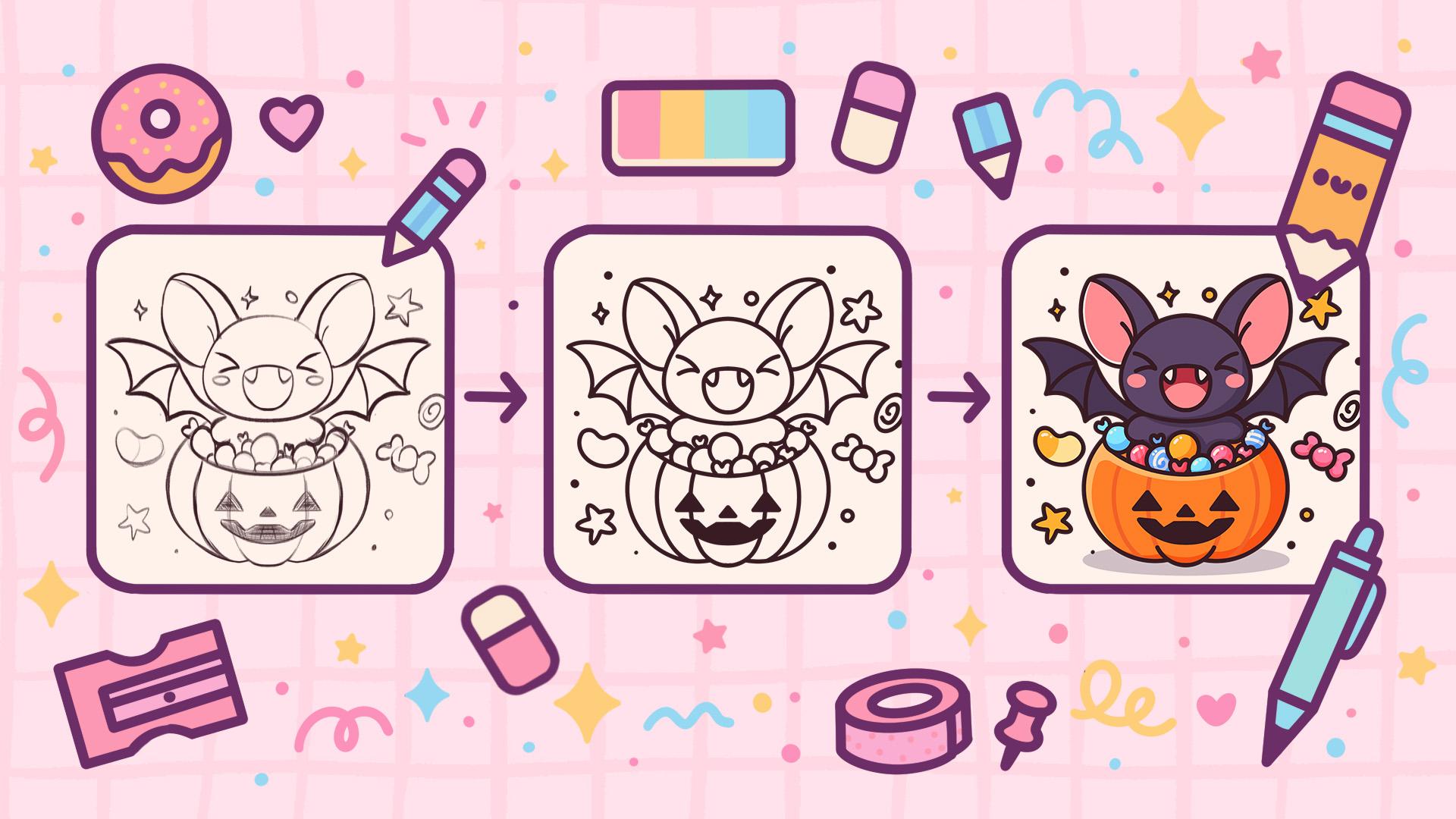
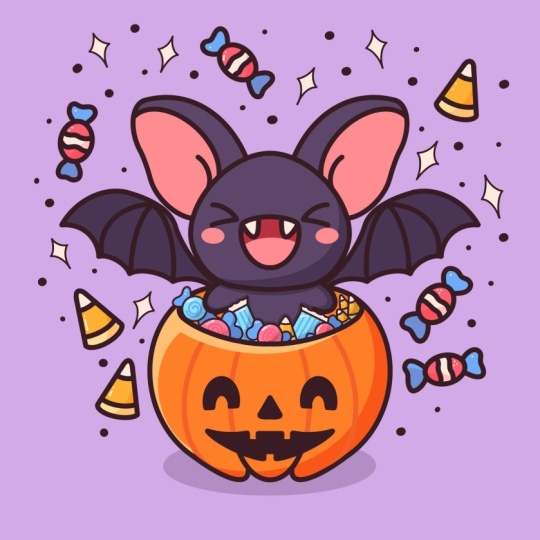
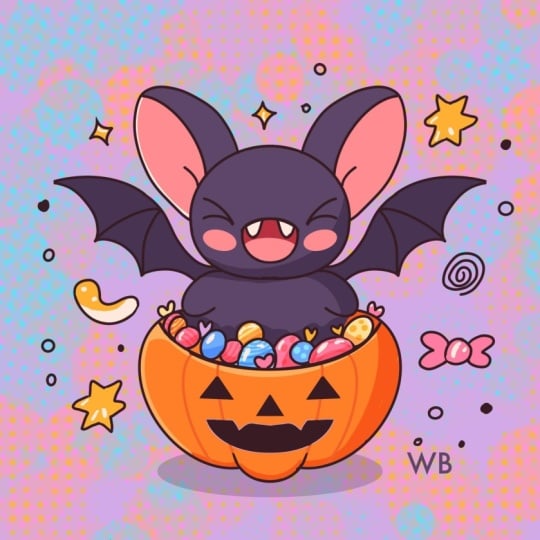
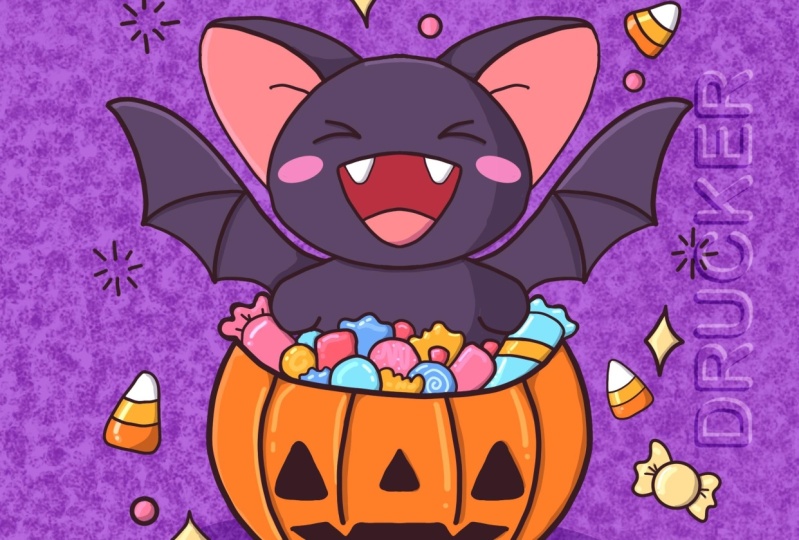
this cute kawaii of an adorable bad in Procrit. During this class, you'll
get familiar with a lot of useful features like QuickShape
tool, Symmetry tool, Liquify tool, recoloring with
reference, leaping masks, and blending modes, and learn the basics of
drawing in procret. By the end, you'll not only draw an adorable illustration
you'll be proud of, but also feel super
confident using procrete. And now let's spend
some time drawing.
2. Scheme: Begin our class by firstly deciding what kind of canvas
we are getting the ASM. Today, we're using a standard square canvas from
Procreate with Pixel weed and Pixel
heights the 2048 pixels. DPI at 300 and our color profile is set as
SRGB with this low number. When it's all done,
let's head down over to pride and let's take a
look at our new canvas. Before starting to work
onto our illustration, let's go to the Project
reso stab and we will download all the materials
mentioned for this class. When you did it, let's first
go and select the brush that we are going to be working
onto our illustration firstly. Go into the brush library
to this brush that you downloaded with the
title Doll flat pencil. Of course, if you want to use any other brush for this
sketching part that you prefer, you are welcome to
go and select it. When you've selected the brush, let's go to the color
palette that you downloaded. We will go under
palette on the bottom and the cards on the top
to see the colors names, and we'll select
some darkish color. For example, let's
go with lines color. When we are all
prepared like that, we will need to start by
creating a little skin. We will need to have
the grid right here. Let's go and turn it on. We will go to the Ring
icon over the top left. We will go under Canvas, and we will toggle
drawing guide. We will use the cells, but we will make them a lt bit different from what
you have right now. We will need to go under indi drawing guide and on the bottom, we'll go under grid size, and we will set
it to 130 pixels. When we set it to 130 pixels, let's hit done over
the top right, and let's start creating
our little scheme. Firstly, we will
go to our canvas, and with one line, we will go and create a shape
of the rec tingle. To go along the shape like that and hold an
line in the end, we will snap it to
a better shape, and then we will
go to this option on the top that popped up. Let's tap on it, and we will go and select the
option rectinga. Now we will need to
adjust it slightly, so we will go to the
nodes and we will need to position it in a way that we have two cells on the bottom, on the left, on the right,
and three cells on the top. So when you have the
results like that, let's tap onto our screen
to accept the changes, and let's continue to
create a couple of more lines that will help us to build up our
illustration later on. So we will go first towards the middle part and we will go and create a line
that will go down. Hold your line in the end
and to make it straight, you can hold one of your
fingers on the screen, and when we have
it, let's create a couple of more vertical lines. First, let's go from the edge on the left and we will count to two cells and we will create another line that will
go down in that way. So again, hold
your Apple pencil, hold one of your fingers, and when you have this line, we will do the same
onto the opposite side. So again, two cells
straight line like that, and when we have the
result like that, let's create a couple
more horizontal lines. Firstly, we will
go towards the top and we will count to 3.5 cells. So let's go and create first
a little markdown like that, and then we will go and create a straight line going
on the horizontal axis. Again, holding our Apple pencil, holding one of our fingers on the screen I the line is not quite at the 3.5 points
level right here, we can lift up
everything that we are holding and go toward
this line option. We can hold our Apple pencil
and move this line a little bit higher or lower depending
on where you had this line. Find the level that is nice and tap on the screen
when you are ready. When we have it, we
will go a little bit down and we will create the
last line for our scheme. Let's go 2.5 south down
and we will create another straight line that will go through the horizontal axis. Again, hold your Apple pencil, hold one of your fingers, and when we have the
scheme like that, we are done with the lines, but we will need to have
a couple of more shapes that again help us to create
our future illustration. Firstly, let's go toward
Aeas and we'll make this little scheme that we've created a little bit
more transparent. So let's tap onto the N icon, go to the apostis later. We'll grab it and
move it more toward the left until we
like how it looks. So we will need to still
see what's happening here, but it doesn't need
to be very bothering. When we have the
level that we prefer, let's tap one ear, and let's create
one more layer on top by tapping on the plus icon. Now when we have the
result like that, we will go and create a shape of the circle over the top era. Again, with one line, let's go and create a shape like that. Hold your line in
the end, and again, you can hold one of your
fingers on the screen. You can me the shape
slightly smaller and when we have the
result going in that way, let's go and position it
straightly at the center. We will go toward the
oke on the top left. We will go under uniform method and we will go under
snapping right here. To the settings,
turn on snapping two and then let's go and find the placement for this element. Firstly, we are getting
back to the canvas. We are holding our Apple pencil there and we will go and take a look at our canvas and
we will be looking for the orange line that is going
from top to the bottom. That way, we know that
we are straightly at the center and our shape
is in a censory two, when we have the
result like that, let's move the shape going along this line
a little bit higher. We will need to have
a bit of space over the bottom to the shape
that we have right here, to the line that we have
right here in our scheme, and we will need to have
some 1.5 cells over the top. If you need to adjust
the shape size wise, you can go to one of the nodes
preferably in the center. For example, if we
need to move it higher and make it a
little bit bigger, we can go to this node in
the middle on the top, hold it and drag it
a little bit high. When we have the shape
like that that is positioned in the center and
have the position like that, let's tap one arche, and then we will go to our layers and we will create
one more layer on top. And now on this layer, let's go toward the
bottom area and we will create the shape
for our future pumpkin. So we will go with the
shape of the ellipse. Again, let's go and create
the shap with one line. We will hold it in the end. And again, we will
go and position it differently by going
to our arrow key. So let's go straight
away to the arrow key. We will need to go and maybe make the shape a
little bit smaller. So we will need to fit it into the size that we have
right here, the cell, and we will need to
position it on the top that it is some kind of overlap in the shape that
we have on the top, too. We will go with a little bit of the overlapping or the top, and we are not
touching the lines that we have onto the
sides with the ship, so we will need to go slightly
smaller onto this shep. Again, we will need
to make sure that the sp is positioned in
the center, so again, holding our Apple pencil
and making sure that we have this orange line that is going from
top to the bottom. If you see the blue line and it is going from
top to the bottom, that's good too. That will. When we have the position
that's working for us, let's go straight away to
our layers and we will make these two ellipses that we've created two shapes a
little bit less bright. Let's go to the first layer
that we have the N icon, opacity slider, reducing
the opacity and doing the same onto the layer that we have onto the bottom. Again, go into the N icon and
go into the opacity slider. When we have the
results like that, we are done with our scheme, let's move on to
the sketching part.
3. Sketch: Begin the sketching part
firstly by going to our layers, and we will go to this
layer where we have our circle and we'll
make a copy of it. Let's swipe the
layer from right to left and we will choose
the option duplicate. Now, when we have
the second copy, we can go to the N icon and get back our full opacity right
here, and when we have it, we will go and use a different
tool that Procrite has to change the shape and make it a little bit
different in shape. What we need to do is to
first select this layer, and then we will go again to our wrench icon
over the top left, the canvas, and again, going into AD drawing guide. On the bottom, we will go and
select the option Symmetry. We will get rid of the cells, but we will have one line
that is going from top to the bottom straightly through the middle of the whole sheep. When we have everything
set in that way, let's heat down over our
top pride and then we will go and scalp the shep and make it differently shaped. Let's go again to the top
icons that we have right here, but this time we
will go to the magic 12 and we will go
under liquefied. On the bottom, we will go under push option and we
also will go to the size slider to
make the size of the brush that we're going to be pushing with a
little bit bigger. So let's go with
something like that, and we will go toward the sides first towards
one of the sides, and we will start to sculpt
the sheep in a different way. So you can see when we are
moving the sheep to one side, the opposite side is mirroring what we are doing onto
the opposite side, and that's exactly what we need. So you can go and
adjust the size of your brush that you are
going to be pushing with, and we will need to
sculpt it in a way that we have some kind of the
loaf of bread sheep. So on the top, it's quite
similar to what we had before, but on the bottom, we have
the shape going in that way. So if you need more time right here to create a similar shape, take as many time as you need. And when we have the
result like that, let's get back to our icon
with our major quanto, and we will hit twice on it. When we have the
result like that, let's get back to our brush, and let's start working
on the ears right here. So for the ears, firstly, let's go toward the top, and we are again working
onto the same layer, so we are going to be creating
the symmetrical elements. We will go toward the top right here and we will make
a little markdown. So for example,
somewhere right here. When we have it, we will
need to go toward this site, and we will need to create
the shape of the erat here. Let's go firstly from
this corner that we have, and we will go and start to
create the shape like that. I will rotate the
cana so it will be a little bit easier to
see what we are doing. We are creating a very
rounded shape right here. So if you need to
create a couple of lines to achieve a
very rounded shape, you can have as many
attempts as you need. When we have the
results like that, if you want to go with a
clear shape right here, if you want to clean it up with your eraser,
go and do that. When we have it, we
will go again to our brush and we will create
the second half of our here, and we will need to
end it read here where we have this
line onto the bottom. Let's again go
toward the corner. Firstly, we will go slightly
down with our ship. We are going along this shape that we have on
this guiding line, and we will need to go and create the shape
going in that way. We are trying to make it a little bit more voluminous
onto the bottom, so we are creating a
rounder shape right here. Again, if you need to
create a couple of lines right here to
see whether you are doing everything in a nice
way or whether you want to maybe try out something
different, go and do it. Use your eraser, use your
brush to create a nice shape, and when we have it,
let's connect it onto the top by creating a
soft corner like that. Again, if you need to create a couple of lines right here, go and create as many
lines as you need. If you need to go and clean
it up with your eraser, go and do again what
you need to do. As we are creating just
a sketch right now, it doesn't need to be perfect. We can fix everything
later on if we need to. When we have the
shape like that, let's go toward the top where
we have this some kind of a very soft triangular
corner and let's go from it down and create
the shape going in that way. So we are again trying to
create a very soft curve. We are going down with the
line going in that way. And when we have it, we also will go toward this
area right here, and we will create a
line going like that. When we have the
result like that, let's go and work a little bit onto our official features. For the official
features, firstly, let's go toward
this intersection that we have in the center, and we will start to create
a shape of the mouth. So for the mouth, firstly, let's go toward this part
that we have over the top and we will start to create a very softly looking
curve like that. Let's go with pretty big mouth, and when we have the
result like that, we will go toward this
intersection that we had to our sketch part
onto our skin part where we have this little
intersection with the shape, and we will go from
the top part toward this bottom part and create an open mouth going in that way. Again, we are trying to
make the mouth very, very rounded over
the bottom part. So think what you've
created for the ears right here and try to create something similar sa this bottom part too. When we have the
result like that, when you like how it looks, if you want to clean it up with your eraser,
go and do that. So you will see clearly what
you are doing right here. When we have it, we will go
towards the corners that we have right here onto the top and let's create the
fangs right here. For the fans, we'll go
with the shapes of very, very soft triangles, and we will create
something in that way. Again, take a look at
what you've created. If you want to adjust
it in any way, go and adjust it,
make it bigger, make it smaller, adjust
it to your liking. When we have the
result like that, let's go towards the
sides from our mouth and let's create the
shapes for our eyes. For example, let's
go toward this side, we will go slightly higher
than we have the shape for the middle line right here and we will create a line
going up in that way. When we have it, we will go underneath
it and we will create the very smiley looking
eye go in that way. Again, it doesn't need
to be perfect right now. We can fix it later on for now, mapping out what we have
created right here. For example, we
can go on the top a bit bigger with the shape. Again, if you want to adjust something, maybe clean it up, go with your brush,
go with your eraser, and adjust the parts
that you need to adjust. When we have it, let's map out where we are going
to be creating the cheek to go underneath the eyes and creating something
in that way. When we have the
result like that, let's go and create the wings. So for the wings, firstly, let's go towards
the intersection that we have right here and
from this intersection, we will go with the shape
going up in that way. So going closer to the shape of the ear
and when we have it, we will go and create this curve going on the
opposite direction. So we can go straight toward this little line that we have in the middle with the
curve going like that. And from this line,
we will go toward the outside part
and we will start to create the shape
going up in that way. So when we have it, when
you like how it looks, if you don't like how it looks, you can go and try it
out one more time. So for example, let's go and maybe create this
line a little bit higher and we will have a more triangular
shape right here. So when we have the
shape that we like, let's go and create the
thickness for this element. So for the thickness,
let's first go towards the area right here, we'll put a little dot, and we will try to connect this dot with the shade that
we've created on the top. Let's create a pretty
coronary thing right here on the top, so we will have a
very angular element. If you need to clean it up with your eraser,
go and do that. When we have the
result like that, let's go towards the line that we have right here
and we will go again, inside and we will start to
create a langon in that way. If you want to go
with a bigger shape with a smaller shape,
it's up to you. You can experiment a little bit. Again, mapping out right now doesn't need to
be super perfect. When we have the
results like that, let's go and create one
more of these little thing, go closer to the shape of our body and starting to
create a line one like that. Eventually, we will need to
connect it with the shape of our future body so
you can elongate this line and create
something on in that way. Again, work with your brush, work with your eraser, and erase the parts that
you don't need. If you want to go over some
lines and maybe refine them, maybe go with bigger
dips right here, you are welcome to
go and do that, too. And when we have the
result like that, we will go toward these
little parts where we have some kind of the
difference into our curve, and we will go from it toward
these very pointy elements, and we will start to create
lines going in that way. So we will need to
create two of them, and we will create
them in that way. Again, you can go
with very soft curves or you can try out maybe
different shapes right here. When we have the
result like that, let's go and create a bit
of the body right here. We'll create little
arms right here. Let's go like that
and start to create a very bumpy lement
going like that. When we have it, we'll
go slightly down and create a bit of
the body right here, and when we have it, we will go and work onto
our bottom part. So for the bottom part, let's go a little bit closer to the shape that we've created
for our little body, and we will go and
create the shape of the top part of our
little pumpkin. For this element, we
will go and start to create the shape of
the ellipse like that. You can go a little
bit lower with the shape a little bit
higher with the shape. On the top, we will
have some candy so we will need to have a bit
of the space right here. And when we have
it, let's go and create this part that
we have onto the side. So let's repeat what we had onto our sketch and
our little scheme, and we will go down and
create a shape in that way. As for the very bottom part, let's go and make it a
little bit different. By firstly going toward
this line in the center, we will go a little bit
to the sides from it, and we will start to create
a line on like that. So we are starting to create these wedges that we
have onto our pumpkin. So again, if you need to adjust it in any way, go and adjust it. And when we have the
result like that, let's go a little bit toward the sides and we will start to create a line
going like that. We will have a bit of the deep right here
between the lments. Go with your brush and with your eraser and adjust
the shape slightly. And when we have the
result like that, we will go toward these parts and we will probably
with our brush. We will go and start to create the lines going up in that way. You can go to these little
parts right here and create the line going
up in that way too. So go in that way and starting to create the
lines going like that. If you want you can go a little bit different
with the shape, maybe create these
wedges in a better way. Again, doesn't need to be
super perfect right now. We can fix everything later on when we finished
with our sketch. Now, when we have the
result like that, let's go and create the face
for our little pumpkin. First, let's go towards the side and we will start by creating
a little nose right here. Let's go to the
middle and we will create the triangular
shape like that. You can go with a bigger
shape with a smaller shape, you can straightaway go
and shade it like that. When we have it, we will
go slightly to the side. We will go a little bit higher
than the bottom part of the nose is and we will again create a shape
of the triangle. If you want to
experiment and create different facial features for your spooky little
pumpkin right here, you are welcome to
go and experiment and create something different. When we have these triangular shapes for the eye,
one more time, you can go and
straightaway shed them to go in like that and add
in the color inside. And when we have
it, let's go toward the bottom and create
smell right here. So go in toward the bottom, and we will start by creating a little curve going like that. It's very, very soft curve. When we had it going
toward the bottom, so trying to create the kind
of a wedge right here too. So going in that way and creating a very rounded
chip right here. As for the side right here, let's go and soften
them up slightly. So we will create not a very
straight corners right here so let's go and
work with our brush and with our uresa and
create something like that. And then we will go towards
the area where we have the end of the eye and where we have the start of our nose, and we will cut the
part right here. So when we cut the
part, let's go and create a little triangular
shape right here, too, for some kind of the
smiley element like that. When we have it, decide whether you want to
adjust it in any way, maybe make it bigger,
make it smaller. It's again up to you. You
can experiment a little bit. Go inside the shape and shade
it to see clearly what you did and to decide whether you want to
adjust some parts or not. When we have the
result like that, we don't need our
Symmetry tool anymore, so let's get back to
our little cells. We are getting back
again to our rich icon. We are going under 80
drawing guides under Canvas and we will get back
to two degrees right here. When we have the
result like that, let's tap onto our Done
button onto the top and let's go and adjust some parts or add more
elements right here. For example, let's go
toward the top part of our little pumpkin and
let's add the candies. So we can go with
something very simple. We can start to add the little candies in the shape of the
circles or something. If you experience
something like that, that you cannot draw
into the normal way. You can get back to the range
icon over the top left, go again to AD drawing guide, and go toward this
assisted drawing button and toggle it so it doesn't
affect what we are creating. So let's again hit down
over the top right, and let's go toward
the inside part and let's start filling
it with some candies. Let's go with some simple
shapes of the circus, go with different shapes, different sizes of them. You can go and experiment lttbt and maybe create
something different. Add a bunch of these elements to fill out the area on at the top. Overlap them over one another, create maybe some kind of
the rapper parts like that. Go toward the
outside part and add a couple more of these
details here too. If you don't want to create
only circles right here, you're welcome to create the
different shapes right here. You can go with some beans
or some other elements that you see into these little
baskets with the candies. You can go and
experiment alta bit and create something that you
would like to see right here. When you have the result like
that over one of the sides, let's go toward
the opposite side and create something
similar here too. You can go and fill
the area with, again, some circles or some wrappers
right here. It's up to you. When we have the shapes done, let's go and add a
couple of more details. So let's move on
outside the shapes, and let's add a couple of
flying details here, too. So for example, let's
go some empty spaces, and let's create some
candies here too. So again, you can go
with some simple shapes, for example, some beans
or some other elements, maybe the candy
gone in that way, can experiment la bit and create a couple of these
details outside. If you don't want to create
only candies right here, you are welcome to go
and create some kind of the stars right here
or some sparkles. Just feel the Ras and create something that you would
like to see right here. So for example, let's
go over the top. Let's create a couple
of sparkles right here, maybe some kind of the
shapes of our stars. You can go with very simple
looking elements for now and later on work on
them a little bit more to create
something more pecular. Just fill the areas with some
dots, some little sparkles, some little stars to
create something finished, and when we have the
result like that, let's take a look at
everything without our lines of the grid and our
little scheme parts. Let's get back to our
layers and firstly, we'll go and hide our layers
that we used for our scheme. Let's go like that and start to get rid of all of
these little elements. Now, when we have the
result like that, we can see clearly what we did, and if you don't want to
see the grid anymore, we can get back to our range
icon over the top left, again go under Canvas and we can toggle drawing
guide right here. Now when we have the
result like that, if you see that maybe
you want to go to some areas and maybe a
jat them, we can do, again, the same thing as we did before with our Liquify tool, so we can go and adjust
some elements as we already have them onto
our illustration. So to make it firstly,
at the both sides, we can go and turn on our
Symmetry tool onto the screen. So we will need to get back to our error key onto the top left. Again, we will toggle
drawing guide back, but we will go to
80 drawing guide on the bottom and use
the option Symmetry. Hit a done button
over the top end, let's go toward our
magic one to Liquify. We'll use our push option. And if you want to
adjust some parts, maybe work onto the ears to create a different
shape right here, maybe make it a bit different, maybe work onto the
facial features or the hat or the wings or any
other details right here. Let's spend some time here and adjust the shapes
to our lichen. I decided to work
a little bit onto the shapes of the wings
right here to make them a little bit bigger and move this shape
onto the top of our pumpkin to be
done so we will have more space over our
candy elements. And when you have the
result that you like, when you don't want to adjust anything else with
your liquefied tool, let's tap onto our major quant twice to get away
from this mode. And when we have the
result like that, let's move on to
our next part where will start to add
our clean lens.
4. Clean Lines: Let's begin this part firstly
by going to our layers. We will go to this layer
where we have our sketch, we can hold it and drag it above every
layer that we have, holding and moving it
up and then we'll go to our N icon and adjust the
opacity of this layer. When we found the level
that works for us, let's tap on the
layer and above it, we'll create one more layer
by tapping on the plus icon. We'll use the same color that we have right
now, the lines one, but we will go toward our
brush library and we will go to the calligraphy folder to change the brush to monoline. We want all of our lines to be pretty smooth and
easy to work with. So let's tap on our moonin brush and we'll
go inside the brush studio. On the left, we'll go
under stabilization, and we'll be playing
with amount of streamline and amount
of stabilization. You can go to the drone
pad and try out right here how it feels if
it works for you. If you want, you can set
the settings the same way as you see them right
now onto your screen. Or, of course, you can go to these options and adjust
them to your liking. When you found the level of streamline and stabilization
that works for you, let's hit down over a top right. Let's go toward the
slider with the size and set the size of a brush
to something around 9%. And also, as we want to put our lines on both sides
at the same time, let's get back to our layers to this new layer that we've
created for our clean lines. We'll tap on it and we will use the option drawing assist. When we have this
option selected, we can go and start to recreate the lines that
we have right here. So what we're going to be doing is recreating the lines in the same way as we have them
on the age or of course, if you want to adjust them, you are welcome to adjust them, maybe create
something different. What we need to achieve is
very clean look for our line. Everything should
look pretty seamless. If you need to use the options that we used before
the editing tool, the holding of your
line, and the end of it, you are welcome
to use any option that you want to use right here, let's go towards
the other elements and let's recreate them too. We don't need to create
the lines with one line. We can go partially and
recreate them in that way. We need to pay attention to the connections and
we will need to make no gaps between these
parts that we are creating. So let's try to create
it one more time, maybe create it in
a different way, going a little bit
more toward the side. We can use the tools
that we used before, so go into the editing tool, trying to match the
line right here where we are creating the segment
and create it in a nicer way. If you still don't
like how it looks, you can try it out
one more time. We'll need to have a bit of a different shape right
here onto the top. We will need to create it in some kind of the rounder shape, and we will need to have
a more flatter shape onto the bottom part. Again paying attention
to the connections, if we see that the line
doesn't look a little bit seamless if we want to go and work on the
seamless of the lines, manually, we can go
with our brush and with our erasa and create the
landscape in that way. Let's continue by going toward these check
elements and let's recreate them and going toward the bottom and finishing up
creating our line from here. Again, trying to make
the connections nice, going toward our tools that we used before
to the Hen tool, trying to make nice connections, working with our brush, working with our eraser
when we need to. For example, if you see
the bumps like that, let's go with our erasa and try to remain the same
line with everywhere. So go along the lines and try to create them in a nice way. Now when we have the
shape for the head, let's continue by going to the shape of the mouth and
let's recreate it too. Let's turn this corner that we had right here into a bit of the rounder elements
going like that and going along the whole thing and starting to recreate
the details here. Again, trying to
put the lines with the very similar size
weight right here and starting to erase the
parts that we don't need if we see that we have some parts
that we don't need. Recreating the bottom part and making no gaps in the lines. When we have the outline, let's get back to our brush, and let's recreate
the fans right here. So again, either with
one line or with a couple of lines by
going to the gen tune, holding up our
line and the ends, adjusting the shape, trying to create something very,
very cute right here. When we have it, let's go towards the ice and
let's recreate them too. Go with one line,
firstly the curve, going toward the bottom and
recreating it right here. Holding our lines at the end, if we want to go and
maybe adjust something, go into our arc option on the top and
starting to adjust it. When we have the
result that we like, let's go towards the ears
and let's recreate them too. Let's go firstly
from the bottom. Let's recreate this
little curve right here, hold your line at the end, and then finish up
creating the ear by recreating this line
that we have onto the top. Again, try to make a very nice connection
between the parts, go to the editing tool, if
you need to adjust something, try to match it with the
line that we have right here for the shape
of the hat to create a nice connection
and don't create any protrudon parts
or some gaps. Go towards the connection
right here and let's turn it into a very soft connection instead of this very
straight corner. Working with our brush,
working with our eraser, and creating the
lingo in that way. Now, let's go toward this part
and let's recreate it too. Let's go like that
with our curve. Hold it at the end, if you need to go toward the editing tool, if you need find
what looks good. When you have the
result like that, let's go toward
this little line, and let's recreate it too. When we have it, let's go and start to recreate
other details. For example, let's
go toward our wings. Let's go toward
this little part, and again, with one curve, we will recreate it, hold
your line at the end, match it with the shape of
the hat, so it looks nice. When you have the
shape that you like, let's tap on the screen
and let's continue by going toward this
part and recreating it. So basically we are working with our holding off the line at the end and going
to the editing tool and creating the
lines in that way. That way, everything looks
very smooth and very rounded and very quite the same that we need
right here to achieve. Let's go toward
the outside parts and let's recreate
these bottom parts of the wings and again going toward the body and recreating the
last element right here. When we have it, let's go toward these parts and let's
recreate them too, holding our lines at the end. On the top, these two lines
should go from one point. And if you need again to have a couple of
attempts right here, go and do what you need to do. Again, if you see that you
missed the line right here, if you want a little
bit beyond the frame, go with your brush
and with your eraser and adjust the parts
that you need to adjust. Now let's go toward this area, and let's recreate the
shape for our little arms, the front legs or something. Go into our editing tool,
and again, adjusting it. Let's make it pretty around it. And if we see that we have
some protrudonelements, we will go with our erasa and erase the parts
that we don't need. Now, when we have it,
let's go and start to work on our body of the pumpkin. Let's go first,
let's wear this part over the bottom part
of our little pumpkin. We will go and recreate
this line right here, trying to match it in the
middle so it looks nice. If we need to go to the
editing tool and adjust our curve to match it in the middle, we'll
go and do that. If we need to go with our eraser or the brush over
the middle part, then we will go and
do that manual. Now let's go toward
the outside parts and let's recreate them too. Going toward this whole
area with one line and starting to recreate it with the same tool that
we used before. So go like that, holding
our line in the end. And when we have the
shape that we like, let's tap onto our
screen and recreate this middle element that
we have onto our Pumpkin. Trying to match it nicely into the middle if
we need to go to the editing tool to adjust the curvature or something
else, we will go and do that. For example, let's make
it slightly smaller, and we will go toward these two connections
that we have right here and we
will elongate them, so we will have a
semless result. When we have it, we also will go towards the sites right here, and we will need to recreate
these lines, but later on, we will recolor
them differently, so it will be easier for us to recolor them to recreate these lines onto
a separate layer. So let's go to our list
and create one more layer. We will tap on it,
and we will use again the option drawing assist. And onto this layer,
let's go and recreate these little lines that
we have on our sketch. And also we can go again to our editing tool to
create a nicer curve, and we can go toward
these lines and create the elongation of this element
that we have in a mita. Go like that, match
it nicely right here, and when we have the
result like that, we will need to
go back to Alias, grab this layer with these
additional lines and put it underneath Ayer
with our main lines. We have it, let's get back to the main layer and
we will go towards these elements that
we have right here onto our pumpkin and
let's recreate them too. Go on with the same elements
that we have onto our skege, starting to create the detas, go on in a very nice
way, going on like that. When we have the
first shape created, let's drag and drop
the color inside. If you need to go and work on some elements with your brush and with your eraser,
go and do that. When you have it, let's go toward the nose and
recreate it too. Again, use all the options
that we used before. Go and create this element. If you need to try it
out a couple of times to create nicer element,
go and do that. Add the color inside, and let's recreate this mou
that we have on the bottom. Firstly, create the outlines. Again, if you want to use all the options that we use
before you and use them, go toward the bottom part, recreate this
element right here, use the editing tool
if you need to, go with the curve
that you had onto your sketch or experiment a little bit and create
something different. When you have it, if you have some elements that you
need to work on manually, go and work on them manually. Add the color inside
when you are ready, and when we have the
result like that, we don't need our
Symmetry anymore, so we will need to
go and recreate all the outside
elements without it. Let's go to as and we will tap Ota a and we will use the option draw and
Cs to turn it off. When we have it like that, let's go and start to recreate the elements that
we have inside. So with the same brush with the same tools that
we used before, let's go and recreate them. You can recreate
what you've created ont your a with the
sketch or again, experiment a little bit and
create something different. Very quickly, let's go and
recreate these details. If you have some overlapping
parts, for example, like that, you need to decide what elements will be upfront. So for example, we
would want our arm to be a little bit higher than
the shape of the canyon. So we will go and
erase the part that is overlapping on
the top of this arm. Let's go with our eraser and create the lingon in that way. When we have erased everything
that we don't need, we will need to also go
toward this part and decide what we want right
here to be overlapped. So for example, we want this part to be a
little bit protruding, so we will go toward
the inside part and we will get rid of
this line right here. Our main goal with the
whole linework that we are creating right now is to have no gaps into the outline, so later on, it
will be easier for us to add the colors inside. So when we have created
one of the sides, let's move on to the next one and create something
similar here too. When we are done with
the inside elements, let's go and recreate these elements that
we have outside. So again, with the same lines
with the same line weight, we will go and recreate these elements around
everything that we've created. Of course, if you
want to experiment and maybe create something
else right here, you are welcome to
go and do that. Again, remember that
you don't need to recreate everything
with just one line. You can go partially and create the details
going in that way. So again, very quickly, let's go and recreate
these little elements. With these little elms that
we are creating outside, we will need to use all the
rules that we used before. So all of our lines should
be very nicely looking, have the same line
width everywhere. Don't have any gaps into them and create them
in a rounded way. So we don't have very
straight corners anywhere. So with that in mind, let's go and continue
recreating our details. For the stars, we can go with very softly looking
stars like that. So you can go partially
onto the sides and hold your lines at the end when you are
creating these parts. When you are done with
the main elements, you can go to your size
letter of the brush and you can go and put some dots outside with different
sizes of the brush. For example, let's go and create a couple of details
go like that, and we will finish up
with our little lines. To see clearly what
we've created, let's go to our layers and hide our layer with this gauge so we will tap onto
the check mark. Let's see whether we
like what we've created. And also, let's make sure
that everything outlines wise is closed so we don't
have any gaps into our lines. When we have the
result like that, we are ready to start
working on our calories. So let's move on
to our next part.
5. Base Colors: Begin our coloring part
firstly by getting rid of the Symmetry line because we don't
need it anymore. Let's get to our range
icon or the top left. We'll go again the Canvas and we will toggle
drawing guide right here. When we did it, let's go
toward our layers and we will tap on our
layer with our lines. We will use the option reference right here so that
we will be able to use these lines on separate layers to
add the colors there. When we did it, we also will go toward our background color. We will tap on it,
and we will choose the color with the
background to start with. When we have it, we also
will get back to our layers, and we will go
underneath the layers. There we have our
clean lines on, so we are going to our layer
where we had this gauge, and from here we'll
create a new layer. Onto this layer, let's go to our color palette and let's select this dark purple color. With a dark purple color, we will recolor what we
have for our little bat. Either one by one,
going in that way, recolor the elements or
recolor one of them and use continue filling
option on the top and go to the areas that you want
to recolor with this color, tap on them and recolor
them in that way. When we recolored
everything that belongs to our bats
with this color, let's continue by
going to our layers, and we'll create one
more layer on top. We will change the color to ears and tongue and we will go again toward the ears and tongue and we will
recolor these elements. Onto the same layer, let's
switch the color to off white, and we will go toward the fins and we will recolor them too. Now when we are all
done with our bats, let's get back to our lays and create one
more layer on top. Onto this layer, we will
switch the color to orange and we will recolor
our little pumpkin. So when we have the
results like that, we also can go toward the areas where we don't
have our candies and you can decide whether you want
to recolor them with this orange color or
whether you want to go with the candies right
here and recolor the elements that are not kind of candies with
the candy color. Decide on your own
whether you want to recolor these little
parts with orange. If you want to go with
a smaller size of the brush and then you'll add the color toward these areas. When we have recolord
our little pumpkin, let's get back to our
layers and we will create one more layer on top
and onto this layer, we will go to all of the candies that we have right here
and we will recolor them. So we'll be going toward our
color palette and we'll be using these bright colors that we have onto the
bottom of the panel, and we will go and start to recolor some of the
elements right here. For example, let's go
with a spin color. Let's go with it and start to recolor some of the elements. Again, we can go towards this little tool that
we have on the top, continue filling,
and with this tool, go and recolor some of these
little candies that we have. We can go not only toward
the inside part right here, but also toward
the outside parts. When we are done with
this color, for example, we can go and switch it straightaway by going
to our color palettes, selecting some other
color, for example, yellow and recolor some of the elements with
this yellow color. When we are done with
the yellow color, let's switch the color
to something different. For example, maybe off white, go with this color to some of the elements and
recolor them too. For example, go right here, maybe go into the mean candies that we have right here and
recoloring some of them. If you don't want
to use this color, go toward the color palette, select some other
color, for example, CN and tricolor some of these elements
with this color too. One more time, if you want
to switch the color to something else and tricolor some of the elements
with this color. Basically, you can get back and forth with the colors that you have into your color palette and tricolor the
elements in that way. When you are ready with the
basic colors, so for example, maybe we will go
right here and add a different color
toward this element, so it's not similar in color
everywhere right here. When we are done with
everything in that way, when we have the
basic colors done, let's start to add some
shadows and some highlights.
6. Shadows, Highlights & Final Touches: Start with our shadows
and highlights. Let's first tap onto this checkmark color drop on the top to close this window. And then we will start to go toward our list and we don't
need reference anymore. So let's go to the layer
where we have the reference. We will tap on it,
and we will use the option reference from
the list to turn it off. When we did it, let's start by going toward our main color, so our color for the bet and
we'll create one more layer on we will tap onto this layer and we will use
the option Clipping mask. That way we will stay
inside the colored areas. We also will tap onto the N icon and we will change the
blending mode to multiply. For now, let's keep the
opacity at maximum, and later on if it's too dark, we will get back
to it and fix it. Now getting back to
our color palet and selecting the same
dark purple color, going toward one of the sides so you can decide on which one. We will go, for example,
toward the bottom right and we will start to
add the shadows right here. So let's go with a big
shadow in that way, firstly on the shape of
the heat going towards this area that we have onto the bottom and manually
adding the color inside. Also, we'll need to go
underneath the shape of the heat slightly and
add the shadow here too, repeating the overall shape
that we had right here. Pay attention to the connections that you are creating with the shadow and main shapes
that you have main lines. So the overall shape should go inside the lines and
some kind of resting. So when we have it, let's go and recolor some other areas. For example, let's go with
slightly bigger size of the brush and put the wings
completely in the shadow. Manually go on like that. Firstly, if you want to create outlines,
create the outlines, make sure that you
don't have any gaps into them and drag and
drop the color inside. Let's go toward
the opposite side and create something
similar here too. To go in like that, adding the color inside
when we are ready, making sure that we
recolored everything. If you want to add more shadows
to some other elements, you are welcome to
go and do that. So, for example, we can go
toward the arm right here, repeat the shape
right here, too. Go mostly toward
the bottom part, go toward the
candies right here, add a bit of the shadow to them to underneath
them behind them. Go like that, going along
the whole shape right here onto the bottom and
recoloring the areas. And now when we did it,
we need to decide on the level of opacity because for now it looks a
little bit too dark. Let's get back to our layers, tap onto the icon onto this
layer where we've added the shadows and we are going to the apacit slider and finding the level
that works for us. For example,
something around 30, 35% will work perfectly. When we have the
result like that, let's go and continue working
on some other elements. For example, let's
continue by going to the mouth and we will add the secondary color right here. Let's go toward the layers. We are going to the
layer where we have our mouth and ears elements. Let's create one
more layer on top, tap on the layer and use
the option clipping mask. Let's straightaway go toward our color palette and we
will select the mouth color, and we will go toward
the top part and we will create the back part
of our little sheep. Create the curve
firstly and then manually add the color
toward the inside part. If you went else bit beyond
and recolored the things, you can grab your eraser and erase the color
from these areas. When we have the
result like that, let's also get back to our color palettes and
select the off white color, and we will go toward the ear right here on the left side. We will go toward the
bottom part right here and we will create a bit of
the highlight right here. You can hold your
line and the end, go to the editing tool and make this shape
slightly smaller. So we are kind of creating
a little ring right here. When we have it tap onto the screen to
accept the changes, and let's continue to
add some other elements, the additional elements toward other little parts that we have. Let's get back to our layers, and let's go toward
our little pumpkin. We'll create one
more layer on top, tap on it, clip in mask, tap onto the end icon, and we will select
multiply blending mode. Let's go with something
around maybe 50% of opacity or so and we will go toward this orange lines color, and we will go toward the
same site where we've added our little shadows on the
bottom part of our head, and we will go and create
the shadow here too. So mostly going toward the right part and starting
to add the shadow here. Create the first curve, go toward the editing tool. If you need to adjust
it in any way, try to repeat what you have right here onto
the outside part. When you have it, if you need
to adjust it in any way, go manually and adjust it. So try to repeat the curvature, and then either manually
go and add the shadow like that or create the outline and drag and drop
the color inside. Let's also work a little bit on these parts that
we have right here. Let's soften up our curves. So go on with slightly
smaller size of the brush and starting to create the
elements going in that way. If you overdid it, go
with your brush and with your eraser and fix what
you need to fix right here, going toward this little part, and again, creating a very,
very soft shadow here too. When we have the
result like that, let's also go toward the
outside part right here to the opposite side of our little pumpkin and let's add a bit of
the highlights here. We will go again to the layers. We'll create one
more layer on top, tap on the layer, and again, use the option clipping mask. Let's change the color
to light yellow, orange, and we will go toward the opposite side and
we will start to do something similar to what
we did on the shadows part. Let's go toward the side, and let's create a highlight
going in that way first. So trying to repeat what we have right here
for the outside part, and then also we'll go toward the top part and we will
create the highlight here too. Let's go like that going a
little bit toward the top, starting to create
the shape right here. Again, hold your line in the
end to create a nicer shap. If you need to go to
the editing tool, go and use it too. Let me have it if we have some kind of the different
color over the top, we can go and manually fix it. Don't go with this highlight
toward the shadow. So if you did, go grab your eraser and erase
the parts right here. Make sure that the
connection right here onto the side is looking nice, so you can go and
soften it up by creating a very soft
corner right here. When we have it, let's
see whether we want to go and adjust the amount
of opacity of this layer. Let's get back to our layers, tap onto the icon
right here and go to the slider with opacity and
make it a little bit softer. For example,
something around 50, maybe 55%, maybe 60%
will work better for us. And when we have the
result like that, let's go and add the shadows and highlights
toward our candies. So firstly, let's go
toward our layers. We will go and find our
layer with the candies. We will create one
more layer on top, tap on the layer, clip
in mask, firstly, if you want, we can go
and add some interest toward our candies by adding the secondary color right here. For example, let's go
toward our color palettes. We can go and, for example, select off white color, go to some of the
candies that we have right here and create
some pattern right here. For example, going like that, maybe going and creating
some of the stripes right here or differently
patterned elements. You can spend some time here and create the elements in that way. Of course, if you want to change the color to, for example, pin create and go toward the pink elements and create
the stripes with this color, you are welcome
to experiment and create something that you
would like to see right here, maybe maybe some little dot
or something like that. Go toward the outside
elements too, and if you want to add
the secondary color here, you are welcome to go and do that onside these elements too. For example, we can go toward
this bean that we have ont this part and maybe
partially recolor it too. When you are done
with this task, let's get back to our lays and create one
more layer on top. Again, we will tap
onto this layer and use the option
clipping mask. Let's tap onto the icon and change the blending
mode to multiply, go into the apasti later, setting it to something
around 50% and go into our color palette to
start to select the colors. We will be going to the similar colors that we have right here. For example, if we are going to add the colors onto
the blue elements, we'll go to the blue color. We'll go to the same sites where we have our
mint shadows on, so mostly going
toward the bottom. Starting to add the
shadows here too. Let's go through all of
the blue elements right here and add the
shadows with this color and then we'll switch the
color to something else to recolor the elements
with a different color. For example, for
orange elements, yellow ones, let's go with
the orange color and again, go toward the same
sides where we have other shadows on and let's add the shadows
to the parts too. Switch the color to
something reddish and add the colors towards
the pink elements too. When we have the
result like that, when we are done
with our shadows, let's go and add some
highlights to these elements. Again, going toward our layers, creating one more layer
on top, tap on the layer, use the option clipping
mask and let's go to our color palace to
select the off white color. With this color, we will go
toward the opposite sides from our shadows and we will start to add the
highlights here. You can go with simple
shapes of some dots or some lines like that and create the highlights
going in that way. Go through all of the
elements if you want to go toward the
outside elements too. If you prefer, go to the stars, go to some candies that
you've created right here and add the highlights to
them too if you want to. When we have the
results like that, let's go and work a little bit
on the lines that we have. What we're going
to be doing is go into our layers
and we will go to this layer that we had for our lines that we have right
here into our pumpkin. Let's create one more
layer on top and tap onto this layer and select
the option clipping mask. Now with this new layer, we will go to our color palette, and we will select the
orange lines color. We will go with the
bigger size of the brush, and very boldly, we will go and recolor these lines that
we have right here. So when we have the
results like that, we also will need to pay attention to the lines
that we have on the top. So the lines where we have
the lighter elements on, and we will need to recolor
these parts here too. So let's pick the same colour
that we have on the top, and we can do it very easily by putting one of our
fingers onto this color, we'll invoke this
eye drop at two. If you move it,
you will see that you changing the
color onto the top, so we will need to go to
this yellowish color, and then when we
have the color on the top of the two, in
a color that we need, we will lift it up and
you will see that you change the colour at here
onto your little ca. So now with the smaller
size of the brush, let's go over these little parts and recolor these elements. If you notice you
have some parts that are not supposed to be
right here, for example, something protruding
like I have right here, we can get back to
our main line slayer, grab our eraser and erase
this part that we don't need. Now when we have the
results like that, the very last thing that
we will add will be tto shadow underneath
our little Pumpkin. Let's first go toward our list
and create one more layer. We will grab this lay and put it underneath everything
that we have, so everything that is colored. And when we have it in that way, let's switch the
color to dark purple. We will get back to our brush, go with a smaller size or
the brush let's go toward the bottom part of
our pumpkin and create the closed
shape of the ellipse. You can hold one of
your fingers onto the screen and create a
straight looking element. Then we also can go toward the yoke on the top left and
position it in the middle. Holding our Apple pencil and trying to find the
center with the shape. Go a little bit
higher with it or if you want to adjust the
size, if you prefer so, you can go to the
free form method and go from the sits right here from the middle elements and make the size a
little bit smaller. So when you found the
size that works for you, let's tap our Aoki
on the top left and we will go and dragon drop the color
toward this element. Let's soften it up by
going again to our layers, tapping onto the N
icon Osa this layer, go into the opacity
slider and reducing our opacity to the level
of something around 30%. And at the very end, let's add little
checks right here. Firstly, we will go
to our color palette, and we will select the
same ears and tan color. And then we will get
back to our layers. We will find the
layer where we have our mint color for our elements
right here, for our bat. We can go either straightly from this layer or above the layer
where we have our shadow. Either way, create
one more layer here. Make sure that it is clipped. So if you need to clip it, tap on it, go and select
the option clipping mask, and then we also will tap onto
this layer and we will use the option drawing as we'll be able to use our
Symmetry tool right here. So when we have it, we will
get back to our brush. We will get to the smaller
size of the brush that we use, and we'll get underneath
the ice right here, and we will create our cheeks in the shape of the
little ellipsis. So Hogan and the end, go to the editing tool if
you need to adjust it, make it bigger, make it smaller, position it differently,
make it rounder. It's all up to you, find the level that works for you
and the size and everything. When you have the
result that you like, tap on the screen and then drag and drop the color inside. Again, decide whether you want to position these
shapes right here or whether you want to go above this element that
we have for Acedo. If you want to move it, you
can get back to your las, grab this layer and drag it above our layer with our shedo. When we have the
results like that, let's take a look at
everything that we've created and if we like
how everything looks, we are done with our class. Thank you for
watching this class. Let review if you
liked it and can tin subscribing for Mokawi
videos in the future. Looking forward to
seeing your project.
 Uni Corn, ⭐Kawaii Art Enthusiast⭐