Transcripts
1. Intro: So what are my secret score? Feeling more creative and artistic and also
self-assured in love. I've personally found that the
best way to nourish myself with reflective alone time
and creative study projects. I've tried many
different mediums, from creative writing to painting and drawing combined
to photography and film. In the past, I've
studied mindfulness. I've also written and published short stories in
magazines and online. And I've also delivered
beginners writing workshops. More recently, I am
creating a YouTube channel around relationship
embodiment in regulation knowledge using
photography and film, while also looking at painting
and drawing as a hobby. I'm a psychosomatic coach. I study and practice all things embodiment and
emotional regulation. And I'm also interested in how we relate to ourselves
and to others. Over time, I've explored creativity and how this is
nourished me on my journey. And I'm keen to share the benefits with
you in this class, I explored three mediums
to get you up and running. You can choose one or explore three of them just
to see how you feel. This is really to help you develop and follow new
perspectives for yourself. What would it mean if you could re-energize and nourish
yourself with alone time and creativity
little by little as you absorb the creative process that I'm going to
explore in this class, you'll find yourself being more able to achieve that balance of togetherness and separateness
in your relationship while also doing something
that you really enjoy. If that sounds a little
hard to believe what let me share with you why
it will work for you. I remember a time going
back into the past where I wanted to change my eating
habits for health reasons. I slowly introduced
more filtered water, good quality meat and
vegetables into my diet. And I also removed
refined sugar. After about three months, I hardly noticed any difference until someone said to
me that they thought I'd lost a lot of
weight and I didn't sound like I had a cold anymore. My skin cleared up a little bit. And I also didn't feel
like I needed to go to bed at seven o'clock
after eating a meal. I'd lost symptoms that I had
completely forgotten about. The reason for this
is because change, even dramatic change is gradual with repeated
practice astoundingly, I'd also notice that when I was cooking healthy
food for myself, I didn't really worry in the same way that I had
before about things that both admitted because I was so focused on what I was doing, I was absorbed
because I was taking time for myself in a
good, selfish way. That was his energizing for me as the food
that I was saying. I was also observing really
good feelings within myself and even
others notice this. I can't remember a time when I felt most censored him myself. Other than the time when I took a Distance Learning
Creative Writing Program with a university in
the United States, there was something about
the movement of ideas, the thoughts and the feelings, even the patterns of people
that I was able to capture and put down on paper and just make something
out of thinner. For the longest time, I was convinced that
everything I was writing must have been
really, really bad. That is until the feedback
started rolling in and I was pleasantly surprised my
writing needed work for sure, but there was some really
good stuff in there and I just needed to
keep practicing. When I look back, I wasn't thinking about
anything else at all. I was just completely
committed to what I was doing. I had this wonderful balance
of doing my own thing. I think that I enjoyed
hanging out with my partner and also
seeing my friends. The good feelings that
cooking an art gave to me just spread out into
other areas of my life. Have you noticed yet
that you're starting to build enthusiasm
around the idea of doing something
that you'd like and really enjoy when you take steps towards them and project those feelings outwards
towards others. You'll notice that
your life changes while it might be
difficult to start with, eventually you'll begin to feel at ease within
your own skin. You can start to
find answers within yourself and find self-worth. I'd also be interested in
helping you just feeling to the amazement and wonder of
making art is pretty cool. You'll be using a really easy
to understand, intuitive, creative framework that has a net benefit to
your relationship. If you tend to be a little bit preoccupied
with your partner, you don't need any
previous art experience. And while this isn't
a technical class because it's focuses creative, I will cover some of the technical basics
just to get you started, whether you wish to apply the tools and strategies I cover to a career in writing or the visual
arts or something else. Or if it's just a hobby, the ads quality of
life in fun and interesting ways makes
sure that you enjoy self, you enjoy your life, and make sure that your choices are your authentic choices.
2. Curiosity and constraints: A good place to start I think, is with curiosity
and constraints. I usually start with
a question about what hooks and holds my
attention on why that is. So this can be anything from mediums that you're
interested in working with. Two books or films
that you've consumed, or people and places that
you have encountered. The people that you
feel love and joy for. Anything really,
anything that you feel connected to in a big way. It can be visuals that
you've seen in a magazine. It could be paintings and
drawings or photographs. It could be something that
you saw out in nature, really the sky's the limit. Getting clarity on this
will help you rein in your choices,
limiting your choices. So what gives you the chaos
of freedom and exploration and allows all of
that to flow around this order that you have
created for yourself. The point of doing
this is that you can put creative
work down and pick it back up again around
the minutiae of life. In this way, it
can become part of your artistic identity as
it develops over time. This is something
that I've found to be personally quite beneficial. It's not always easy to do
because there's a lot of noise out there in life and it can be pretty hard to hold onto. But the intention
is the point here. Another constraint is finance. It can feel like
a bit of a waste when you go off and
invest in materials. And then realized later on
that you don't really have the feelings that you
thought you would have using those materials. You had a certain feeling, watching someone
else use them or seeing work made with
those materials, but it doesn't actually
give you the same feeling. It's really important to
try and gauge how you're feeling when you're
using something because you want to get those
joyful feelings, your investment can be put in jeopardy if you go
and spend a ton of money on something and then realize It's not
for you later on. So give yourself the freedom to experiment little by little, but just try things
out one at a time. It's important in my belief, to get that balance of
allowing yourself to try things without going
all in straightaway. Really allow yourself to come into the body and
recognize how it feels and go for the joy and the pleasure
over everything. How is it feeling
authentically for you? I remember when I was a kid, all I wanted to be
was a rock star. I wanted to be a drummer
in a rock band because I loved the feeling that I
had when I watched MTV. But the reality of being
a drama in a rock band, particularly as we started
to get bigger and we started to do more shows
in other cities. I was realizing it didn't sit too well in my
nervous system. I loved rehearsing his
band and being in a gang, and I just loved music
channeling through my body. The reality of being a drama in a rock band was not what
I thought it would be. It was actually super hard, big lights carrying
really heavy equipment, not being able to get up in the morning because it
had been up really late. I was more of a morning person. I just realized that it
didn't really suit me, Ising like the way that
it felt in my body. And I quickly realized that
if I carried on with this, the expectation of
the music industry wouldn't really
sit well with me. It wasn't really the
same refreshing feeling that I had when I
listen to music, even if is really at the
time quite aggressive music. Later on, I also
ended up feeling quite lonely practicing
an instrument. I remember branching out into stringed instruments
and thinking that that was all I ever wanted to do because I watched it, the people do it and
it just looked amazing watching them
enjoying themselves. Over time, I came to
realize that yes, I really, really loved music. But if I'm open to ideas, how can I satisfy that? Because they don't necessarily
have to do it this way whilst being in a
band is an amazing thing. It really is, and
it gave me a lot. It actually also left
me with a lot of negative emotional capital in
my emotional bank account. I was running on empty. It was kind of like spending
more than you have to spend. I wholeheartedly apologize
to any musicians out there. I think you are amazing. I really do. It doesn't mean it's not right for you
or it's not right. It just didn't speak to me. And I'll leave you
with a quote from James Clear that goes like this. You have no
responsibility to live up to somebody else's
expectation of you spend as little time as possible chasing other people's
preferences other than your own. What I know from
last time is that I love people and connecting
with them and I loved music. There are a million different
ways to satisfy that. For example, one of my
favorite things to do when I'm making YouTube videos is
musical choice in editing. Love it. It's all still music and it's all about
creating feelings. And there is multiple
ways to achieve that. If I stay flexible in
my mind and true to myself as a psychosomatic coach, I once had a client
who we'll call Ariel. Ariel absolutely hated being alone because it made
her feel well lonely. And so she would avoid
doing things that she really enjoyed because most
of them were solitary. And if other people
didn't want to do the things that
she wanted to do, instead of just doing it on her own or asking somebody else, she would just not do it at all. And worse still, she
would just do what the other person wanted
every single time, despite how she felt inside
to avoid being alone. There's nothing wrong
with compromising with friends and doing the right
thing sometimes by them, as long as you're not doing
it for the wrong reason. Aerial selective
intention in her mind, had enough data to suggest that what she liked doing wasn't really good enough. If it was, Others
would want to do it, and friends would
probably reject her if she told them
who she really was. It was only once when
Ariel was at work, a colleague came up to her. A colleague called
Carrie and said, Hey, there's lots of coffee
shops around here and I was just wondering if you wanted
to check them out with me. Area was working part-time
and she sets a Kerri Well, I only have 30
minutes for lunch, so I probably
wouldn't be able to. But Kerry said, well, I thought we could go
after work, you know, like Hangout after work area. Felt her anxiety and her
mood lift tremendously. She'd been really caught up with how a couple of other
friendships hadn't worked out. She'd been trying to reconnect
with these people and they just weren't around,
they weren't biting. But here was new data in the
form of carry saying, yeah, let's go and do this thing that I like and I think you'll like, and let's go and be friends. Let's connect. Ariel suddenly remembered all the times that other people had wanted to
connect with her and she hadn't had the time or
the interest to be her. She hadn't intended
to hurt anyone. She hadn't been able to
or hadn't felt like it only her mind was an always
on those types of facts. It was on facts to the contrary. But here was this
person wanting to take aerial into her natural
habitat of coffee shops, museums, and anything
else, slightly artistic. All Arial had to
do was say, yes, then something
incredible happened. Aerial also started to
think about the times the Hub partner had done really
carrying things for her. And she began to
question yourself, how online in that moment, when those gifts are
coming towards me, am I open to accepting them? Or was there a real DAO saying hypotenuse judgment
or love for her. By choosing to shift
our focus of attention. Aerial started to see herself in a much more positive light. If she stayed flexible in her
mind and true to herself, she could alter her
whole experience. Errol started hanging out
with carry, an aerial, even started taking in movies by herself as a way to
unwind and relax. She also took a couple of script writing courses because that interested her and she remembered to try and remember the positive feelings that
were associated with that. She began to choose
to count the ways in which her family and friends
who had been there for her. I can't tell you how to embark
on your creative journey. That is something that is
very much down to you. You'll need to discover
that for yourself. I can only offer the tools
and strategies that I've used that have helped me move towards nourishing
creative solitude. And hopefully this will
nudge you towards that too, and help your life and
development as a person.
3. Mindset and mediums: Just wanted to break down
mindset for you a little bit. This might be something completely new to
you if you're just starting out or you might have
experienced this already. I'd recommend grabbing a journal or a notebook or some
kind of note paper. Just to make some
notes, ideas, drawings, mindmaps wherever you need to help orientate you
through the class. But I'll also have a
downloadable workbook if that's preferable to you. What we already know is amazing
and very valuable to us. But that doesn't mean
that there isn't value. In embracing new ways of seeing. This is because when you look at something from
different perspectives, it opens you up to
possibility and abundance. I know he's super switched on, so I'm guessing that you've
already heard the story about two people who were
given an orange each. But I'm going to
tell you anyway, so just bear with me
the first-person pills, the orange, each the fruit
and throws away the peel. The second person
appeals the orange, throws away the fruits and
then makes the cake with the orange pale in Rose-Hulman stones under and
Benjamin's and his book, The Art of Possibility. There is an excellent passage, according to neurosciences, we understand the world in
roughly the sequence. For example, the human eye
and ear is very selective. We think that we can
see in here everything. We learn that bees draw ultraviolet patterns
on flower petals. And I'll see in the
dog also that dogs can hear above any range that we can hear to all various species. The interpretation of sensations is highly selective,
dependent on survival. We receive only the sensations
we're programmed to receive about an
activity, a person, a relationship as another
set of circumstances, our consciousness is limited by the constructions
of our own making. British psychologists
Richard Gregory wrote, the senses do not give us a picture of
the world directly. Rather, they provide
evidence for the checking of certain hypotheses
about what lies before us based on
survival alone, it provides information
about immediate dangers. Our mind is also designed to string pieces together
into a story, whether there is a connection
between the parts or not, we rely on cause and
effect without really knowing anything about
the motivations at work. If you take the idea of an experiment where a person
is asked to close a door. The observer may not know
that that request was made and may make assumptions about why this person
close the door, for example, perhaps they
were cold, good best guess. But is it really the truth? If there is no direct reality, there is only the constructs
that we're making. Then what would it be like
if you chose to make meaning out of your experiences that enriched your life and
the lives of others. Even science itself
relies on us to shift previously constructed
theories that were once accepted as the truth. In a Newtonian world, we are living in a world of
straight lines and forces, still very valid, but only in special conditions
in Einstein's world. Conversely, it is a world of curves, space-time,
and relativity. Each new idea allows us to see things that were
previously unseen. Every mental construction
that you create is based on a set of
invisible theories. Your theories, if you can notice and distinguish
these theories, what walls can you break down? What undesirable states
can you then flip into more desirable states in the
first rule of creativity, what rules are you
perceiving and imposing? And how does this confine
what your mind perceives? Every problem only saves on solvable through a
particular lens, in a particular frame or from
a particular point of view. What new opportunities appear? What beliefs are you taking for granted that you're
just not aware of? When you've answered that, ask yourself this,
what might you know, create that you
haven't created yet? What are the choices
would that give you? I'd invite you to open up
to the idea that there are in fact new perspectives
that you can take on board. That there is new creativity
and information to be taken from something that you might not know about
already or you do, but you're looking at
it in a different way. Can you put your
attention on something that really piqued
your interest? Imagine with me for a moment that your sensitivity,
seriousness, and subtle humor is not only supported out
there in the world, but is experienced as
satisfying and fun. Make no mistake, as Susan
Cain wrote in her book, Quiet, the power of introverts, some of our greatest ideas are new inventions from the
theory of evolution to Van Gogh's sunflowers and the
personal computer came from quiet people who
knew how to tune into the inner worlds and the treasures to be found there. Imagine for a moment that
your talent for listening and empathizing with
others undoubtedly feels like a superpower. As time passes, you routinely
spend time having fun, diving deeply into a
project or a topic. You focus for long stretches on something you
really care about. And that's why Number
two is set an intention. This spills off from
the previous lesson of curiosity and constraint, but also stacks on top of
the learner's mindset to. But I'll circle back to all of that in a minute after this, feel into the wonder of your life story for
just one moment. That passion lifts you up and
propose you through fear. Visualize being so in
alignment with this and the satisfaction and belief with how you operate
in the world. But it acts as a natural buffer against those that don't
understand or hear you. If you can't believe this
would be achievable, it is completely achievable. And here's why a
third to half of the population dream
about being just that. Suddenly the country too, this has been documented
in so many studies, according to Susan Cain, that we are now living in a value system that she would
call the extroverted ideal. He ever present belief is that the ideal self is gregarious, Alpha uncomfortable
and spotlight the archetypical
extrovert proposed action to contemplation, risk-taking into here,
taking certainty to doubt. But what if there was a quiet revolution that started with every single person who tapped into what they
authentically want it. What if every person
wholeheartedly accepted who they were and
what they really like, I did promise
earlier than I would explain the setting
an intention thing. And so he goes, when you can literally
do anything, it can be quite debilitating. So it's important to set
an intention. But why? Because you're
making a pacts with yourself that you're going
to explore something. And notice the good feelings and the not-so-good feelings. The deal that you're
going to make with yourself is that
you will go along with the process without being attached to any outcome at all. In fact, the only
outcome is to just show up to the process and show
up with an open mind. I find setting an
intention can be really helpful because having
a prearranged date, something that I want to explore does something very positive
to my mind and body. And before you know it,
repeated in tensions become new choices and new
choices become new habits. New industry is befriend
resistance and understand your fears like any good
relationship you care about. Don't be afraid to commit to yourself and
appreciate yourself. Don't be afraid to move
towards your idea of your best life with
respect and honesty. Why is the resistance
there and what do you believe is the purpose
that it's serving? One perspective on this from a psychosomatic coach point of view is that it goes back to needs based on research and the writings of multiple
clinical psychologists. It's my belief that as children, we needed to put other things
ahead of our own desires. We decided when we were very
young that it was better for us to put other people's
needs ahead of our own. Because that generated
a positive image of us and would help us get through
the survival of childhood. That is something that can
follow us into adult life. You're beating yourself
up for being resistant. If you are, be curious
about that too. Why are you beating
yourself up and what purposes that serving
the way I was trained in the way that
my natural curiosity wants to flow is that I'm always interested in the
inherent limitations of any particular pattern
that I might be in. But also what are the inherent gifts of
that particular pattern? When did resisting
your needs become useful to you and why? It must have been
useful at some point, otherwise, it just
wouldn't have developed. And that's the gift and it's
worth holding onto them. But it's also worth noticing. It is limiting in the ability
to nourish your inner self. What would it take to overcome that and balance
out a little bit. There are a couple of other
little pieces that go along with our mindset and
that I just want to mention, and that's self-awareness
and self-compassion. What is self-awareness
and why should you care? Self-awareness is a
kind of observing yourself and your perception and questioning the validity
of that perception as biases tend to blind us to insights that can be
a little bit tricky, but it's not impossible
and it's definitely a skill that's worth developing. The more you can
notice whether you confirm certain beliefs or not, the more you begin to
question absolute truth, then the more open you become two more possibility
and positive changes. Self-awareness comprises
awareness of emotions, awareness of thoughts and mental emotions or
bodily arousal. The meaning we give to that. We may express this in
this particular way. For example, I feel
disappointed and scared that I didn't get onto
the course because I'm worried that I
may get left behind. Another example might be I feel really excited
because I got onto the course and I'm anticipating all the great experiences and learning that I'm going to have. The lastly, an example
is a feeling of mixture of excitement and an apprehension because
I got onto the course, but I'm worrying on the one hand that it's too much for me. But then on the
other hand, I just keep thinking about all the fun. I'm gonna have, emotions in
life and our experience. And they give us extra
information that help us discern situations along with being in touch with emotions. We also need to be
able to self-regulate, manage them so that we
don't become overwhelmed. If you can acknowledge
your emotions, it means that you have a
better chance of getting an alignment with who you are right now, moment-to-moment. You don't have to be resigned to the situation or even axon it. Just knowing and accepting
it is the first step. It's enough to then allow options and other
realizations to come to the surface in their own good time with a new frame around
the situation, you open yourself up
to new possibilities. Thoughts are kind of
separate entity though, and it's quite easy
to mix thoughts with emotions and vice versa. If we mistake
thoughts for emotion, we can leave the
emotion unexplored. And that means we
never really get to the truth or the depths of
a particular situation. We lose some information
and some richness. For example, I feel that as I
didn't get onto the course, I might get left behind. Now that is a thought, but it's negating
what's underneath, which is the emotion, which could be fear,
doubt, uncertainty. But if we recognize
this and explore it, we can begin to understand ourselves in a more
emotional way. If you realize that you're
scared, disappointed, for example, you
can realize that you're afraid to miss
out in some way. Knowing that means you can
seek support or do something, Bringing subconscious thought to the forefront and naming
emotions can really help with awareness building and
awareness is always the first step to
possibility and change. In this class, I'm only going
to invite you to access positive feelings and explore those because we're looking
at joy and pleasure. I want you to tap into
positive feelings around activities and positive
feelings about yourself. Pick one positive experience
and write it down. One experience that made you feel really good about yourself. It could be an activity, it could be something
that someone said to you. It could be something
that you experienced. And if you think that
you don't have one, I don't believe you
keep trying keep writing them down until you get something that is positive. If you don't know how to
write something positive, take something that's negative and turn it into a positive, you absolutely must be able
to turn it into a positive. And if you can't, I
don't believe you, you just need to keep trying. As you write this
positive experience down, really feel the good
feelings in your body. Remember that this
is something that we call a positive resource that you're always
going to come back to. Remember that you can access this positive resource anytime. Mental rising can be slightly more tricky
concept to where it's exploring our thoughts and our behavior while still
being emotionally connected. It's also about
realizing that you can change your experience
by thinking differently built into
the notion of months analyzing is this concept
of common humanity. This is something that is being described by researcher
Kristin Neff. Common humanity is
the realization that we all have
thoughts and feelings, and we all have vulnerabilities and
strengths and weaknesses. And this is what
binds us together. This is what connects us. And we can give that
basic understanding to ourselves and to others. Through relating, we can feel empathy and compassion
for others. People who are anxious are
aware of this common humanity. And they are able to give empathy and
compassion out to others. But they don't always
feel able to give it back to themselves
as a kind of benefit. They experience
themselves as flawed to the point where they
don't deserve compassion. But strengthening the ability to analyze can help a person build the skills around feeling compassion
for themselves. The ability to analyze
can open a person up to possibility and
flexibility around themselves and their situation. So what is self-compassion on? What are the benefits? It's important to observe gifts and limitations with
self-awareness, with kindness and compassion. Because according to the
self-compassion studies in psychological flexibility
and compassion reduces the relationship between Celtic and measurement
and anxiety, which is another
way of saying that self-compassion can help you
with your relationships. Self-compassion is a
utility in reducing self-critical tendencies but undermine
creative expressions, which is another
way of saying that self-compassion
can help you with your creative art or your creativity in any
other area in your life. In 2003, Kristin Neff found through her
studies that people that were low in the
trace of self-compassion experienced more
anxiety and depression. From that research,
it appears that self-compassion can create
more open-mindedness, humility, respect,
resiliency, and calmness. Self kindness is being
gentle with yourself. Common humanity is
the recognition that people share
common experiences. A mindfulness is the non-judgmental
awareness of thoughts. I realize this is a lot of information and you're
probably thinking, hey, I wanted to just draw and paint and maybe take
a couple of pictures, maybe write a little story. What is all this self-compassion and self-awareness stuff about? Don't let it bulky down. It's just something that I
think is really interesting, particularly if you
are embarking on creativity to art or any
other area of your life. And it's worth just considering what's false that
can you take towards self-awareness and self-compassion
without getting too bogged down in the details
or thinking it's a big task. Just be open to it and just
hold it in your awareness. How would any of this help you to meet your goal or goals? Go gently with yourself
and remember to feel into your body with how you're
feeling about all of this. At anytime that you're experiencing something
you don't want to, you can choose to step back into that positive feeling that
you wrote down earlier. You can do that
anytime that you want. But now at the point
where I'd like to share three mediums with
you for creativity on this creative journey or breakdown the
processes that I've personally found useful and share the benefits with
you along the way. I found these useful to get me started on any piece of work. These are largely visual
mediums with one exception, and they are writing, painting and drawing
combined and photography.
4. Ultra simple flash writing: It all kind of person do to feel secure in
their relationships and be more open to the creative
and artistic expression. Remember time way back
when I took a carton, coconut milk and
Porter enough to fill a log and then let the
gas hub with a match. And I pulled the
mug of milk into a source spin and twice the
soft spin on the burner. I could hear the
source been expanding. You know, the way that
you have that kind of metallic sound source
spin heating up, waited until I could
see the bulk of the froth on the
top of the milk. Then I put my little
finger into it just to quickly test
the temperature. The temperature was just right. So I pulled the milk out, the sauce pan back into my mug. I took a dessert spoon
from my kitchen drawer, and I put three heat teaspoons and drinking chocolate
into the coconut milk. And just I looked
at sound as well. You know, they're not spearing, catching the sides of
the somatic motor. There was something
very satisfying about this whole experience. It was a kind of reward. Before I went back to my desk, the crack lengths
of the fireplace that was in my living room on a snowy February until
the solid sip my writing, whatever that would
turn out to be. I'd like to take
a moment to share a quote with you
from Jon Kabat-Zinn. And that is the little things, the little moments, that little, It's saying is a very
affordable method to get started with art or
creativity of any kind, if not the most
affordable method. Of course, you're welcome to use more expensive tools
that you like, like analog modal skin journals. Pen, you might have a really
nice pen if you want to use or digital tools like AI
arrives her script runner, I'll put a list of those on my website if they interest you, it's quite possible to write something in a 30 minutes slot, put it in a drawer for a week, and then getting out for
another 30 minutes slot. You can do many
iterations like this at the same story and
build on the overtime. Flash fiction
really lends itself to this style of
writing and editing. One thing I'll say is a caveat is doing this kind of activity is desirable if you can get yourself out of your
mind and into your body, it needs to be an activity that is going to focus your mind so much that you don't really
focus on anything else. And it will put you
into a state of flow. Being in flow means
that the activity is enough of a challenge
that it starts issue, but not so much that
you can't do it. It's not overly intellectual. It's going to help
you get back into your body in this way, writing sometimes isn't
always the best option because it's too easy for the mind to one versus
a bit like reading. Your mind can wander off, off the page and
float into court and it can be quite difficult to
bring your attention back. However, there is
a way of getting around this by treating
morning almost like it's mechanical
moving parts focus on various strands that
are woven together. Almost like you have this
chaos of exploration, freedom around this order that you've created
for yourself. In this way, you have balanced, intentional constraint,
creative time. That's quite a lot. Remember that I'd like to share an exercise with
you that I learned on the University of Iowa's of creative writing
distance learning program. I'd also like to invite you to feel into the sensations in your body and figure out whether you're feeling joyful feelings when you
do this or not. So joyful feelings, it
gets frustrating or not so joyful then you can chalk it up to experience and
you're free to stop. I'm not I'm I'm gonna tell you to carry on doing
this, whatever. But if you are experiencing
joy, How do you know that? How do you know that
you feel enjoy and just really let yourself sink
into what it is, the theory, what is authentically
dare you aim to observe these sensations and any thoughts that
you might be happening, it might be worthwhile jotting
them down in a notebook or tapping them out into your notes app on your phone
or something like that. Just useful to have
this information. You can do this for any of the three mediums
that we're going to explore in this class, I'm going to offer you
a writing exercise now that's broken
down into five parts, and each part stacks up on top of the next and
informs the next. Number one is the foundations
and objects of curiosity. Take an object from
around your house. It could be anything like
a chips wooden spoon, or a bent metal fork, or a teapot that doesn't
have a lid anymore. And you're just
gonna take something that you find interesting. It could be anything at all. You're going to write
a description of the subject and
bringing it to life. You're going to
breathe life into it. And you present this object if it were a character
in a news story. What's really great
about using an object rather than a person from
your memory in history, is that you don't
get pulled around by everything that you know
about the other person. The object is inanimate. It hasn't come to life, it doesn't have life. So you're going to bring it
to life and make it into a character by focusing on the essentials of what
character really is. And in this way, you
can stay very focused. Remember that structure and that mechanical moving parts I mentioned. Well,
this is just that. It also helps you minds sidestep the temptation to try
biggest something else, some kind of quandary
or some kind of Mental exercise that
each tend to go through. You can just focus on
the writing exercise and encourage your thoughts
not to wander off away from the focus
of attention. We're going to make the
object come to life by focusing on the heart of what makes a really good character. This is focusing on
what drives them, what needs once beers they have, and how all of this
works together. It's not unlike
understanding people in coaching or therapy really. Write a few lines to ask two really important
questions of the objects. The first one is, what
is your deepest fear? And the other one is, what
is your deepest desire? Is the object lonely or bored? Does it have a fear of heights? Is it afraid to be laughed at? For example, this eight, feel low from somebody else. Something that looks
at the object, from the perception of
a child or an animal, white something from
the perspective of these subjects, friends. For example, what
kind of friends would this object doesn't
even have any findings? What objects or as
a living things, wouldn't be friends with
an object like this. These were all questions
for you to answer. Father other objects
in the world, but this particular
object competes with lobes, we sense heights. I should do this exercise. Be aware of the
sensations in your body. Does it just flow and feel
joyful or something else? I recommend that you set a
timer for this exercise. You can set 30 minutes. Just let things flow. Don't sense yourself. Just let everything
come out in that time and then stop at the
end of the 30 minutes. Tried to be aware if your natural
self-compassionate self is present or if an
interpreter is present, that is the wrong. There's only perspective. So just write down
what you observed. Number two is differentiation in relating all the
objects of conflict. Next up off the back of
the curiosity writing, I want you to consider this subject and yourself
in a piece of writing. And I also want you to bring in a third character
which is an opponent. Imagine stepping into a room, you're in another person, and you want to do
something with the object, that the other person wants
to do something different. So an argument ensues. This creates tension
or conflict. Royce a few lines
about what you want to do and what your
opponent wants to do. Maybe you want to
keep the object and your opponent wants
to throw it away. Maybe you want to throw it away and your opponent once a day. It could be anything at all. In this piece of rising,
bringing the history, the hopes, fears, and desires
of the object as well. This is going to reform
the argument a little bit. Take everything into
account that you wrote in the previous exercise, really allow that to
inform what's happening. What I also want
you to focus on is not necessarily
settling the argument, but just show what each
respective character is like by how they respond
to the situation. What happens in the
argument that shows what the respective
characters alike as people, self-compassionate
bulbs viewing the self with kindness and compassion. Though these constructs
originates from Buddhist concepts and practices, there is increased recognition that self-compassion maybe of secular utility in alleviating high levels of self-criticism, as well as facilitating more flexible approaches
to suffering. Number three is what if
the objects of agency, you're going to take
your writing from the previous two exercises and now you're going to
settle the argument. And the way they are and
that gets resolved is the opponent and you come to
some kind of understanding. But objects becomes autonomous, it begins to come along. Taking your conflicts
argument stage of writing, you're not going to settle the argument with
an added extra. Think about a what if situation. If this was happened, how would these three
characters object, you and the opponent? How would they
respond authentically in this particular situation? Given everything that
you know about them, write a few lines to sort the argument just to
create some contexts. Then write a few lines on how your object would
settle the argument. Does it agree with one
character or the other? Does he actually have its own ideas about
what it's going to do? Does it have a voice? Speak? Yes, then what would it say? This is suddenly gained
the ability to move. Does it grow arms and legs? And if it does, what does it do? Withdraw, run height, or attack. For example, write
something that shows the objects
concluding activities and also yours and the opponents
reaction to that in number four is setting is
a reflection of character. Have you ever
visited a place and how a particular
impression of it. But then you visited
there sometime after and your impression was
completely different. Maybe it felt really
magical the first time you went there and then the
second time you were like, yeah, it's all right. Nothing to write home about. Or maybe your
original impression is that it was a bit lacking. The next time we went, you
will really, really impressed. It's important to understand often it's not really replaced, it's changing, but it's us that's changing from
moment to moment. There's often a lot
of inflammation to remind from how you
imagine the price would be and then how you
actually navigate it in reality and how you relate
it to that experience. Sometimes there's a kind of fantasy of how we think
applying school break, then what our
actual experiences. There's also different kinds of experiences
depending on where we are emotionally or what's
going on for us at the time. So in this sense,
it's really good to write little sketches of
places that you go to. And just to see like won't want before you
go and then when, when you actually get
there and just see what the differences
between the fantasy of how you think somewhere will
be and then how it lives up to expectation or
exceeds it or doesn't. It's also worth creating
sketches of a place, depending on who is doing the talking about
that particular place. It's another way to
show a character. It also allows you to give a
different flavor of a place, voice about the place that
these characters inhabit. Where does it fall short
of their imagination, and where does it
exceed expectations? Number five is
revise your writing. Go through all the iterations of your writing and
keeping for editing. This is a collection of work that's going
to help you out. Any story with these characters is what you're going to
go back to every time you want to put
these currencies in a particular situation and see what they would
do authentically. It's at this point that
you may decide you need to change something
in the body of water. It and that's okay. But just be curious
about what do you think it's going to give
you by changing something. Try not to look at revising your work as fixing your work, but more a kind of questioning. And you have a series of
questions in your mind that you want to keep the when
you're editing or anything? I'm not being true to my vision. Do you want to know the
reader well enough? What's happening right
now in the plot? And do I even care? What kind of world is this? It's really important
in revision that you just revise one
dimension at a time. Maybe one character, maybe the setting may be
something else that you've brought in
there and just do one dimension at a time for
your sanity and nothing else. You just come through the work every time
you do an iteration. Leave things like
grammar and spelling to last unless it's
really unintelligible. And you wrote that quickly
that you need to quickly edit the grammar and the spelling so that you actually understand
what you've written. I've been in that
situation myself. But if it's just perfectionism,
perfectionism is welcome, everything is welcome
but just be aware of, but just try and get it all down before you try
and polish anything. Once one iteration
or revision is done, put it in a drawer and
just forget about it until another time when you can
revisit it and never dimension.
5. Drawing and painting: We'll look into the
next medium now, the second medium which he's combined drawing and painting. This is the next best
I think in terms of affordability and just
ease of getting started, you could spend a
tremendous amount of materials if you really want to, but you don't have to. In fact, it's really
easy to get going with a set of watercolors, one brush, some
cold press paper, and just something that
you actually want to draw. I'm going to offer
a framework here. It's more of an intuitive
approach rather than a step-by-step of how I go
about drawing and painting. But before I share
that with you, I just wanted to
quickly share this. Sometimes my inner
perfectionist is quite happy with the results and
sometimes less so happy. The important thing here
isn't really the outcome. The only outcome is that this is a place to
put your attention. And I really want
you to hold onto that as you're doing
this exercise. That's what I'm going
to offer you here. Number one is to
get into your body. I want you to imagine
when you pick up a pencil or a paintbrush, that your arm and your hand
is an extension of your eyes. And you are just
allowing your hand and your arm in a very relaxed
way to land on the paper. And you are looking at the object that you're
drawing or your painting. And you are trusting
that what you see visually is going to
go through your eyes, through your awareness, through your arm as though the
two things are connected. And that the marks that
you make are just going to translate onto paper. It doesn't matter if they
do or if they don't. You're gonna get
better with practice. This isn't about
judging what's there. It's just about
getting into body, getting out of your head
and not overthinking it. And just allowing
yourself to make marks. If you're new to this, the marks may not translate immediately and you may have
some feelings about that. Observe everything, everything
is okay that it's here. But I also just want
you to take a moment, remember what we learned
about self-compassion and self-awareness and be
curious about what's going on. Remember that
you're learning and every time you make a mark, you making a new habit, you may not even want
them marks to look exactly like they
are in front of you. You may want to
exaggerate things or do it in a kind
of surreal way, whatever feels
comfortable for you. This isn't a photograph
or an exact replica. It is an interpretation
of what you saw visually and then how
you put your spin on it. It's an interpretation or
impression of what you saw and how that translated
into a secondary visual. Aim to suspend judgment
and really challenge yourself to embrace all
the imperfections you see. Perfectionism is welcome here and just stay curious about it. Enjoy the perfections if you
can allow yourself that, know that, if you can, that you will find
interesting ways of bringing that kind of sentiment into your life in general. Be curious about how you
could do that and also stay curious about why do you
think I would say you should? Then once you've
done the drawing, you can add color using paints. What I tend to do
with watercolor, what I particularly like about watercolor is that you
go from light to dark, so you can use the
light of the paper, or you can use white or lighter colors and then build up to
the darker colors, which for me personally it's
just a bit more intuitive. I like the idea of
adding a little bit each time and building
it up in layers. Once you have a sketch
and you've painted it, we can move on to
the next stage. Number two is
perspective-taking. Take the object that
you are drawing previously or in fact painting. And I went to look at
it from another angle. You might turn the objects
around or switch your seat. For example, if you were drawing and painting
from a magazine, you might obscure
part of the image or you might look at that
from a different angle. What piques curiosity? What else does it feel that this object is
trying to tell you? Then do exactly
what we just did, draw or paint and repeat
this exercise three times. So you have at least three
or four different angles of the same thing. As you repeat this exercise, you'll either have three
drawings or three paintings, or three combination of both. You can do as many
as you wanted, but three is a pattern, so that's what we'll go with, a minimum throughout
this process. And once she finished,
I want you to jot down some thoughts
and feelings again, like I mentioned at
the beginning of this class, what do you notice? What do you feel? Anything
that you feel is relevant, just pop it down. How did you feel using this
medium? Did you like it? Did you not? Did you
find it frustrating? Did it feel really joyful? Everything is information,
even if you didn't enjoy, even though his gold, because now you know
something about yourself. Finding out what you like is as much about finding out
what you don't like. Note down the sensations
that you felt in your body. How do each of the
images feel to you if they had their own unique
voice, what might they say? What does their body language
saving you look at them. What can you say about the different perspectives
you've taken? What does it feel like the
gifts and limitations are? How could you bring a limit
those in your daily life? Number three is bringing
the flexibility you explore in your art
into your life. Take some time to
bring this experience into daily life and be
reflective about that. What did you do in the
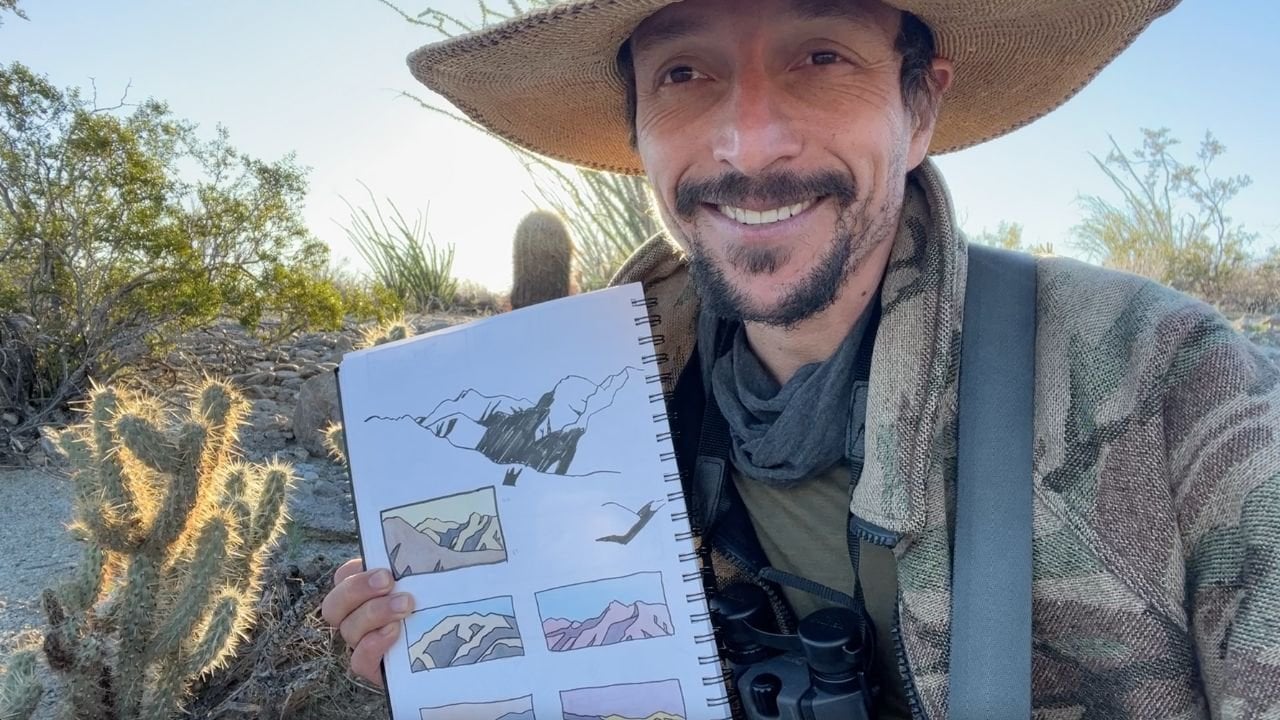
next hour day week after the creative exploration and how did it touch that experience? I'm just going to take a to-be pencil and I'm going to draw, I like to draw things
that are found on walks, but you can draw
anything that you like. You can draw from pictures or from a magazine or from memory. If you're that way inclined, I just have this
little pine cone here that I picked up on a walk. I've also got a paintbrush. I've got some watercolors and
I have this kneaded eraser. But generally we're
going to try and embrace the mistakes and
just sort of go with it. The point isn't to
make anything perfect. So the point is to just
really get into the process. The opposite of perfectionism
is flexibility. Gaining that flexibility
may take time, but we're going to be
self-compassionate. Remember that you are the channel that this
is going through. So what is it about yourself that is changing from
moment to moment? How would you sing? They
sing different ways. What does that tell you about what's happening
for you right now? But also don't
overthink it too much. Note the point is just to relax. You don't have to think
about anything at all. You can create different
perspectives from something and have no insights at
all about what it's about. It doesn't have to have a point. The point can just be pure enjoyment if indeed
that's how you feeling. You may wish to
focus on what are the positive pieces of
gold that you're finding. Even if it seems like
there aren't any, there always will be. You have to sort of dig for them if you don't
enjoy this at all. Well, That's also gold
because now you know, I'm just following the
little lines here. They're not perfect. They're
very tentative actually. I'm just going to
be okay with that because everything is welcome. And I'm aware that because I'm drawing this and filming it, I'm probably a little
bit more nervous than I usually would be.
Even that's okay. I'm aware that my thoughts
are my drawing this well, you know, uh, people going
to think it's rubbish. Maybe it doesn't really matter because the
more I practice, the better I will become.
6. Photography: So the third and final
medium is photography. Just go and google Peter
McKinnon. That's it. I'm just kidding. Safe to say this is probably the most expensive medium
if you allow it to be. There are a plethora of really expensive
DSLR camera bodies and lenses out there in any
combination you can think of. You don't have to go down that road though
if you don't want to use smartphone
is powerful enough. But it is slot is just something ergonomically that is
quite good to hold. What I'll say if you are
interested in having a DSLR, is that it can be
worth understanding the exposure triangle so that you can get the
best out of the camera. As I mentioned, this
isn't a technical class, but I will just give
you a quick rundown. You have something called
shutter speed and the camera, which is how fast or how slow the shutter actually
comes down in the body. So everything that
we're doing with the camera is about controlling
light into the device, through the lens and into the
body and onto the sensor. And we have different
ways of controlling. Now, if you set a
fast shutter speed, this is what's
going to happen and you're not going to let as much light in resulting in a
slightly darker image. If you allow the shutter
to be slow, more lice, he's going to come
into the sensor and that will result
in a lighter image. You also have an
iris in the camera, and this can be controlled by the f-stop is also
called aperture. If you have a very low
number for the f-stop, something like 2.8 up to
4.5 or something like that. You're actually opening the
iris as far as it'll go and allowing more light to reach
the sensor of the camera. But if you have a
higher f-number, something like F11 or
works F22 for example, you're closing the iris down, reducing the amount of light
coming into the sensor, resulting in a darker image. There's also
something called ISO, which you can think of as the camera's internal
light source of often heard it referred
to as fake light. You can increase
this or reduce this and it will add extra light
if there aren't a lot of, what if there isn't
a lot of light and the conditions around you? The problem with acidic can introduce artifacts and
noise into the image. So usually you want to keep
this as low as you can. There's no perfect camera. There's only the camera
that you master. What you need to do is to get comfortable with
your own camera. Look at the exposure
triangle and figure out how to balance
the settings and how they work on your
particular camera for the kinds of images that you want to create,
practice, practice, practice. You're free to go outside
and take pictures in nature or of buildings
and architecture, street photography, if that's something that appeals to you, It's nice to kind of achieve what I often call
public solitude, which is that you've got the
warmth of bodies around you, but you are focused and engaged with the thing
that you're doing. It's also really nice to have these little fleeting
interactions with people. It just as you bump into
them and meet them, It's quite a nice thing to
do when you're outside. Of course, it can
also be a little bit daunting going outside
with a camera. It can feel quite anxiety inducing to be out
around other people. And you've got this
really expensive kit. Sometimes if you don't
quite sure what you're doing or you thought you knew what you're doing and then
you go out and you're in this environment
isn't like it is in your home and you mind goes
blank and you don't really know what to do with this box that you've got that
controls light. Before this, I would really
recommend photographing yourself or objects if
you prefer at home first. The reason for this is that it is a controlled environment. There's less variables
for you to worry about. It's quiet usually, so it allows you to just
figure out your camera, figure out the
exposure triangle, and deal with all of those
things in a nice quiet way. Self-portraits can be a lot fun. I remember feeling a lot
of resistance actually when I first started taking
pictures of myself at home, because I had this notion, this belief that it was vain
to take pictures of myself. But then over time I became
more comfortable with it. And I started to see as
new ways of seeing myself. And so rather than looking at
a picture of myself and go, Oh, it's a picture of me. It was kind of like, oh, what else do I see about myself? What can I see as
a perspective in this particular image rather than it becoming all look at me. It's more a case of what
new things do I see. It's also important to
compassionately remember that photographing
yourself at home is not because you're
avoiding difficult things. It's about acknowledging
that there are some difficult things there. You are disrespecting that you're respecting your defenses. And this first step is
about taking something, taking a step that feels
manageable and the manager will step is photographing
yourself at home first, those defenses were
developed for a reason, honor them, change them just by having some
awareness of them. They'll change gradually,
dramatically in their own time. Build up to that with curiosity rather than pushing
yourself too hard, take the smallest
possible step towards something that you would
choose and go gently. You may need to allow
yourself a little bit longer to feel conflict
and that's okay. Give yourself that flexibility. Photography is a wonderful,
wonderful thing to do, but it can also be
very frustrating, can take a lot of time
just to get one image. Also allow for that as well. Be kind to yourself. If you're going to be shooting stills photography outside, you're going to
need some kind of bag if you're using
a DSLR camera. I have a couple of bags I use. This is one by a company
called Crumpler. It's weather resistant. It's got a really comfy strap. It's an over the body bag, so I wear it like a
subshell and it's really good if you just going out
somewhere for the day. But I also have a more heavy
duty bag which is by fuel. You can get a lot
more accessories in here and there's
extra compartments. There's also apart for
your laptop on your iPad, if you have both of those. There's also a part
to put your camera in which she's nicely
cushion and padded. It's also easy to
get out of the bag. If the bank is on your back, you can just swing it around and then access the
camera from the side. There's also a role top
part in this bag as well. So you can get some clothes in here like a couple
of days worth. This bag is also
where the resistant. And if you're going away
somewhere for a weekend, this is quite nice to have. Of course, if you're shooting
outside on a bright day, there's also something else
you might want to consider, which is an ND filter. This is a darkened
piece of glass basically which you screw
onto the front of your lens. And it helps you cut down
on some of the light that goes into the camera
if you're shooting inside, I would highly
recommend investing in some kind of external
point source. I use a paper lantern and
a day balanced lightbulbs. I would also recommend
investing in some kind of tripod to
stabilize your camera, especially to get into intricate angles if that's
something that interests you, if you're going to
take a picture of yourself or of an object, I want you to do it in
three different ways. That's what I invite you to
do in this creative study. In addition to this, there are two other things I want
you to think about. A way to think about
where the light sources coming from if you don't
have an external lights. And I also want you to
think about composition. How are you going to
frame the image and make it look as nice as possible? How are you going to make
it look as attractive and useful as possible? Take all these ingredients and I want you to
consider taking three to four images of different perspectives
and angles, maybe with different
light sources and different framing
compositions. Don't change everything,
so it's random. Just take maybe one element of those that you're
going to change and do images that just a variation on a theme and just have a look at what those different
perspectives give you. The first one is to
create a self portrait. And I want you to consider
ways in which you can do this. One way is to use a
mirror and to set up the camera in such
a way so that it can't be seen in the mirror. It might be that you
have a mirror at home. It could be in your bathroom or somewhere else in your house. Maybe you go to
dance classes and there are mirrors in the studio or a yoga class for example. They have to have millions. Maybe you go to
the hairdressers. Just have fun experimenting and seeing what kind of self
portrait you can create. What is this saying about? The second project is to
create a photo essay. This is heavily rooted
in photojournalism, and it's always is akin
to writing a story. Only you're creating at least
three interrelated images. Three or more
interrelated images that serve as a kind of narrative
and take us on a story. If you're interested
in photography, I'd highly recommend a couple
of books to have a look at. You don't have to pull through
these books specifically. It's just the kinds of
books that I think might be interesting to help you
look at visual language, but more importantly, to determine what
gives you pleasure. What images do you like, what is interesting to you, and what would you like
to take images of? The first one is to grab
a photography book, any kind of photography
book that is by one or more photographers. It has a collection
of photographs in it is something that you find interesting,
peaks your curiosity. And there's just something
that speaks to you about that. Yeah, I'd like to take
images like that. What do you really
get pleasure from? What speaks to you
in terms of themes? I just wanted to introduce you to a book that
was given to me. It was a gift and it's called
Tokyo a certain style. I'm sorry, I can't pronounce the name of the photographer. Apologies, but I will put a
link to it on my websites. This was given to me as a gift. I know it came from a bookstore
in the North of England. And what's so great about this book is that
it's called Tokyo. And it takes his concept of Zen Tokyo in Japan and
completely flips it on its head. In reality, there were lots
of people living in Tokyo in tiny apartments because
living space is at a premium. What this photographer deities, he photographed the messy but
still beautiful apartments of creative types and people who'd like
to collect things. This created a study of the living spaces which also double up as their
creative workspaces, spaces for the collections
wherever they may be. This totally changed
the idea of Tokyo with it's overcrowded spaces
for looked at lots of stuff. The lines being very blurred between your living
space in your workspace. It's just always
really spoken to me. That kind of practicality
of how are we going to live as a creative and how am
I going to get this done? Not allowing external factors
to limit what I can do. It's a book that I've
always been particularly drawn to and then come
back to again and again, I find it really inspiring
to look at the images here. I mean, if you're an intentional
liver or someone who's very minimalist and you
don't like a lot of stuff. This is going to make
your eyes bleed or your nosebleed or
something bleed. But there is a real
beauty to these images. And on the back of this
book there's an image. It's inside the book too, but it's one of my favorites. And this particular
living space belongs to a construction worker
who is also a musician. So he would go out
and work on building sites and then come back
and rehearses music. And I just loved that you've
got this central piece of the mattress or the
photon on the floor. You've got the guitar
and the two speakers. And then you've got this
little collection of jeans and t-shirts hanging up almost like curtain and
neck curtains or something. When I find the story
he really inspiring to me and just the symmetry
is so beautiful. The second book I'd
like to introduce you to is a book by John East B. And it's 150 photographic
projects for art students. And this is the book where I got the photo essay idea from. There were lots of
other photographic projects in here too. You can try them out. I'll put a list of books on my website if you're interested. And you don't have to choose
either of these books. It's just the types of books
that they think are quite interesting to get your
creative juices flowing.
7. Project: So now we've covered
three creative methods and how to create a creative
study and a body of work. This is something that I've
developed off the back of a concept by Bobbitt Rothschild
and it's called an oasis. An oasis is something that is an activity that
gets you into flow. It gets you out of your head
and into body and allows you to really engage with who you
are and what you're doing. In this sense, it's a creative activity
where we can observe and just look up in a
non-judgmental fashion, Any thoughts and feelings while we're actually
doing the activity. In this case, it's a creative
activity where we allow and observe things like judgment, self-criticism, perfectionism, knowing that there
are other things as well out there
such as curiosity, embracing imperfections
of flexibility. Remember that this is
about making progress. The important things
to remember is that this is a creative studies. So you have at
least three pieces of work from different angles, from different perspectives with any of these three mediums, you may explore
all three of them, or one or none. It's entirely up to you, but I'm assuming that if
you're taking this class, you will explore at least one. And you are creating a benign
dictatorship where you are free to express whatever you choose through the
channel of your body, whatever the
evolution is through your work creatively speaking, what else do you see in that and where do you think
it might lead you? I'd like to invite you
to share your work. Whatever that looks like. It might be three
iterations of a story. It might be three
different stories. It might be drawing or painting, or three photographs,
whatever feels right for you. It could be a photo essay. You might even want to go a step further with the photo essay. Imagine that you went
to a restaurant. You could just do one set of interrelated images
from one perspective, from one person who's
at the restaurant. Or you could do multiple
perspectives and say The wrote
different people at the same event at a restaurant. How would you know the
different points of view, the different perspectives
from those people? What would the differences
and similarities B, in those images, whatever it
looks like, just go for it. And the other thing I went
to encourage you to do is to prepare some explanatory notes to go along with your work. I want you to think of
this as kind of like the DVD extras that
you might get a way to really nerd out in front of an interesting ways and
think about how you can add extra value to the
work that you've created. How can you document
you solve for others to show your
creative journey? What does that look like and
how does it feel for you? I'm super, super excited to
see what you come up with. And I will be around answering
questions and interacting. So please, please,
please share your work. Remember why you took this
class in the first place. And I would encourage you to
listen to your inner voice, covered some time
and remember that this is the way that
you refill your energy. You are continuing to top up your emotional bank accounts so that you can continue to show up in other areas of your life
if you know for sure or you even slightly suspect that you nourish yourself with
alone time and creativity, I would really
urge you to listen to that inner voice
and honor it, respects it, embrace it. Enjoy yourself. Thank you very much for
taking this class. Bye.
 Lyndsey PC, Art guide