Seeing Red: The Power, Psychology, & Presence of Red in Art & Design
From passion to power, the color red taps into something primal—making it one of the most potent tools in any artist or designer’s palette.



When you think of the color red, what comes to mind? Is it the urgency of a stop sign, the velvety petals of a red rose or the infectious energy of a Chinese New Year celebration? Either way, you’re right. Red represents a myriad of (sometimes conflicting) things—fire and blood, love and anger, danger and good fortune. That sort of powerful dualism makes red one of the most psychologically and culturally rich colors in the world, capable of evoking a broad range of intense emotions and reactions.
Want to understand why red is so powerful? Discover how it functions in psychology, learn how it changes meaning across different cultures and see how it’s used with distinct purpose in both art and design. From the strategic use of red in global branding to its emotive power on a painter's canvas, we'll uncover why this single hue holds so much weight. Get ready to see red in a whole new light.
The Psychology of Red

There’s no denying that the color red is a potent psychological stimulus. Thanks to its strong associations with both biological and cultural phenomena, it’s deeply ingrained in our collective subconscious.
So in the realm of color psychology, red is often interpreted as a color of high arousal and intensity. Its effects are not merely symbolic, either; studies have shown that exposure to red can have real and measurable physiological impacts. In one study from 2015, for instance, researchers found that people experienced an increased heart rate after seeing the color red.
Why? It could be a primal response—since red is the color of fire and blood, it signals both danger and vitality. As such, the psychological impact of red is two-fold: it can be a color of passion and power, but also of warning and aggression.
These are some of the emotions and psychological effects that are frequently attributed to red:
- Passion and love: Red is the quintessential color of romantic love and passion. This association is seen around the world, from red roses given on Valentine's Day to red heart motifs.
- Anger and aggression: The saying "seeing red" perfectly captures this emotion. Red can symbolize rage, hostility and confrontation.
- Power and dominance: Red is often used to signify power, strength and importance. Think of a red carpet for celebrities or the red ties worn by powerful businesspeople.
- Danger and warning: Perhaps because of its eye-catching nature, bright red is used on stop signs, fire trucks and warning labels to signal caution and danger. As such, it triggers an immediate sense of alertness and a need to stop or be cautious.
- Excitement and energy: Red is a highly stimulating color that can evoke feelings of excitement and high energy.
- Courage and bravery: Red is associated with courage and valor, so it’s often seen in flags, military uniforms and heroic emblems. In fact, about 75% of national flags feature the color red.
- Hunger and appetite: In a marketing context, red is known to stimulate viewers’ appetites. That’s why many fast-food chains incorporate red into their logos and branding—to subconsciously make people feel hungry.
How Different Cultures Interpret Red
As Skillshare teacher Ana Marcu put it in her class on color psychology, “unlike any other color, red seems to have an effect on people from all over the world.”
Here’s how different cultures around the globe view the color red:
- In China and other East Asian cultures, red is a profoundly significant and auspicious color. It symbolizes good fortune, happiness, success and prosperity. It's also the most popular color for weddings, where it's believed to ward off evil spirits and bring good luck to the couple. And during the Lunar New Year, people exchange red envelopes filled with money, and homes are decorated with red lanterns and banners to invite prosperity and joy for the coming year.
- In some African cultures, however, red is a color of mourning and death. For the people of Ghana, for example, red is traditionally worn to funerals by family members of the deceased. And in South Africa, red is similarly used as a color of mourning, and also represents bloodshed.
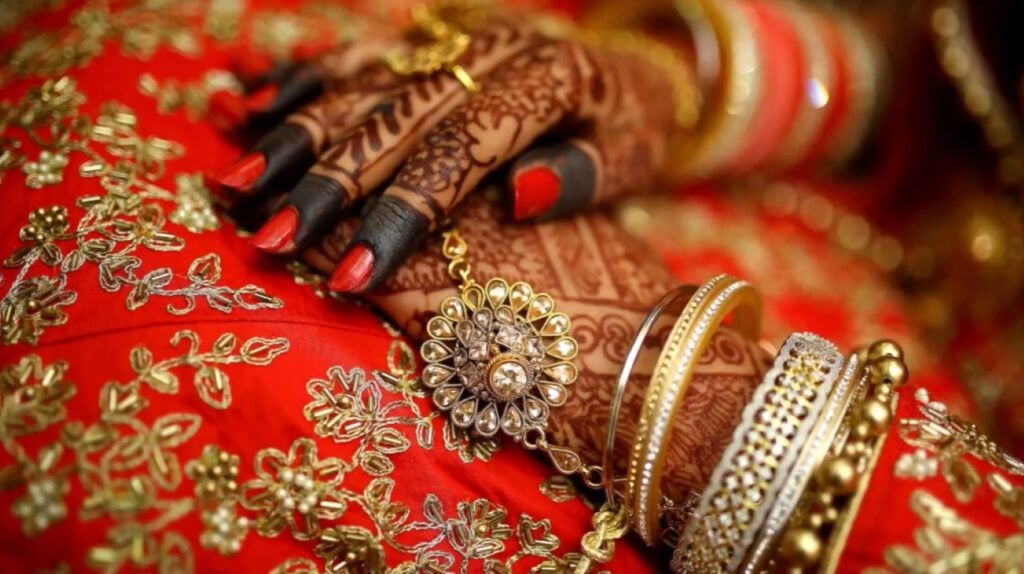
- In India, red holds immense spiritual and cultural importance. It's a color of joy, fertility and divinity. Indian brides traditionally wear red on their wedding day, and the color is associated with the goddess Durga, who represents female power. Red is also a symbol of marriage and a married woman's status, as seen in the red bindi (a dot on the forehead) and sindoor (a red powder in the hair parting).
- In Western cultures across Europe and the Americas, red is often linked to love, desire and passion, as is seen each year on Valentine's Day. But on the other hand, it also has strong connotations of danger, warning and aggression—think red traffic lights, fire trucks and stop signs.
- In some Middle Eastern cultures, red can be a color of good luck and celebration, just as it is in East Asian cultures. In other parts of the Middle East, though, it’s more likely to be associated with martyrdom and bloodshed.
Ultimately, the color red is far from being a monolithic symbol. Instead, its meaning is a tapestry woven from the threads of history, religion and social custom. While its primal associations with blood and fire may give it an inherent sense of power and urgency, the context in which it’s used—whether it's a wedding gown in India, a heart-shaped balloon in the United States or a lantern in China—determines its meaning.
Red in Art vs. Design
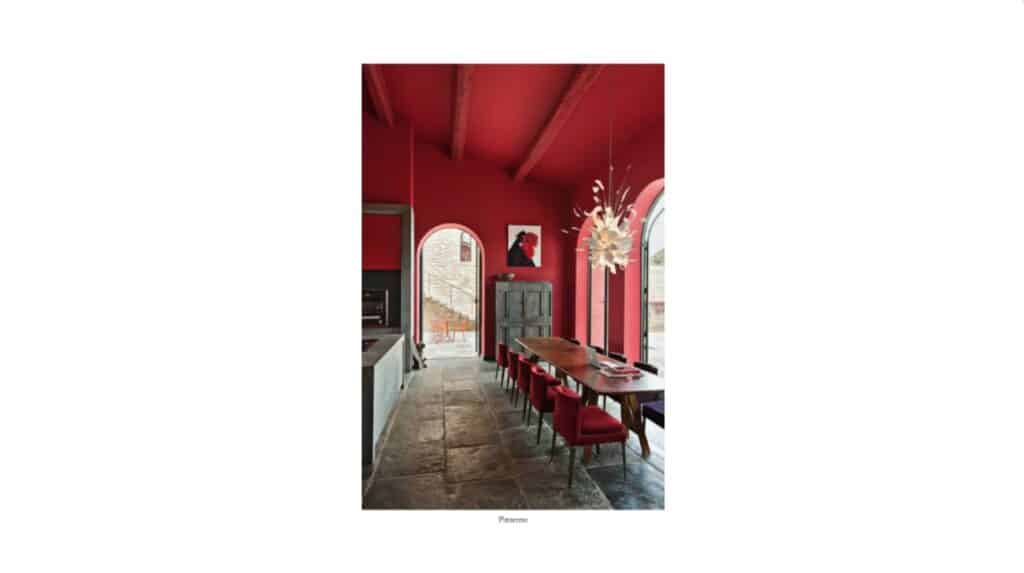
By drawing from the same psychological and cultural well, artists and designers can use the color red to achieve specific goals in their works. For instance, fine art often employs red to evoke emotion, challenge perception or make a statement, while design uses red with a functional objective such as attracting attention or communicating a brand's message.
Red in Fine Art
In the realm of fine art, red is a tool for expression and emotional resonance. An artist might use a striking splash of red to create a focal point, and they could even use it to symbolize a deeper meaning like rage, love or sacrifice. The color's meaning is often open to interpretation, depending on the artist's intent and the viewer's experience.
For instance, the abstract artist Kandinsky used red to portray passion, masculinity and energy. And in the case of surrealist artist Frida Kahlo, red symbolized good health, rebellion and eroticism. The bottom line is that in fine art, the use of red is less about a singular message and more about creating a powerful emotional experience.
Red in Design
In design, red is more likely to be used with a clear, strategic purpose to achieve a specific outcome. The goal is not open interpretation but direct communication.
Here’s how red is used across design disciplines:
- Advertising: In advertising, branding and graphic design, red is a power color that’s used to demand attention and stimulate action. It's widely used in sale signs to create a sense of urgency and excitement, and brands like Coca-Cola and Red Bull use red in their logos to project energy, passion and excitement.
- Product design: Red is a go-to color for products where visibility and urgency are key. Think of emergency stop buttons on machinery, fire extinguishers or brake lights on a car. The color immediately signals danger or an action that needs to be taken. And in consumer products, a bright red can convey speed, power or a bold personality.
- User interface (UI) design: In digital design, red is used for high-stakes actions. It's the color for "Delete," "Cancel" or "Error" messages, since it instantly signals caution and a need for the user to double-check their action. It's a visual cue that guides the user and helps to prevent mistakes.
So while artists use red to explore the depth of human emotion, designers use it to direct behavior and ensure a clear, functional response.
See Red in Action

The color red is a cornerstone of effective branding for some of the world's most recognizable companies. Their use of the color isn’t a fluke; they've harnessed its psychological power to build a clear brand identity, stimulate consumer behavior and create a memorable presence in the marketplace.
These are some of the most famous examples:
- Coca-Cola: Perhaps the most iconic use of red in branding, Coca-Cola's signature red is instantly recognizable worldwide. The company has used red since its inception, and it has become synonymous with the brand's core values of energy, tradition and happiness. The logo’s bright red color, which is often contrasted with a crisp white, evokes feelings of warmth, excitement and appetite, all of which are key for selling a sweet, caffeinated beverage.
- Netflix: From its early days as a DVD-by-mail service to its current global streaming dominance, Netflix has effectively used red to signal excitement and a cinematic experience. The red "N" and the red-on-black interface create a sense of drama and immersion, pulling viewers into a world of entertainment. The color suggests passion, energy and a bold, modern attitude, and also serves as a nod to the red carpets of film premieres and Hollywood awards shows.
- Red Bull: The use of red in Red Bull's branding is a masterclass in aligning color with brand messaging. The name itself, "Red Bull," and the logo featuring two red bulls charging a golden sun, positively scream energy, power and vitality. The company's marketing, which focuses on extreme sports, high-adrenaline events and daring stunts, further reinforces this message. In that way, the color red is used to associate the product not just with a caffeine boost, but also with a lifestyle of pushing boundaries and achieving peak performance.
- Target: The red bullseye logo used by Target represents a simple but impactful use of the color. The bullseye shape immediately suggests precision and hitting the mark, while the color red adds a sense of value and importance. It makes the brand's stores easily identifiable from a distance, and also helps create a sense of excitement and urgency among shoppers.
- Mountain Dew: This soda brand combines red and green—two colors that directly oppose each other on the color wheel—to create an even more attention-grabbing logo than an all-red one. Other brands, such as Heineken and 7-Eleven, have also taken a similarly contrast-focused approach.
Planning on using red in your brand’s logo or marketing? Just remember the advice of Skillshare teacher Faye Brown: “Red demands attention, so when using it in branding, make sure it's attracting the right sort of attention.”
How to Use Red in Your Work
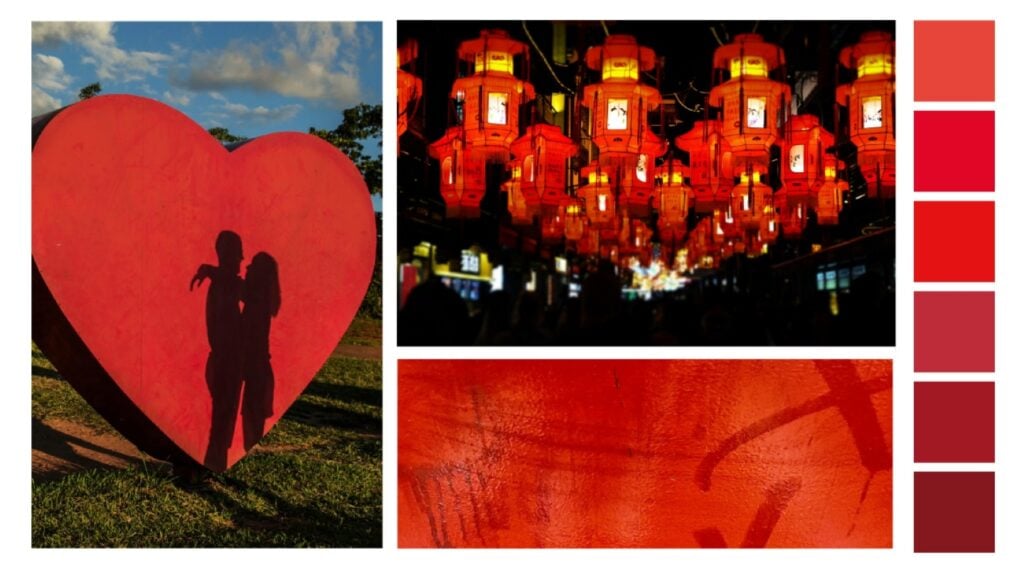
Whether you're an artist looking to evoke a powerful emotion or a designer aiming for a specific psychological response, the strategic use of red can dramatically impact your work.
If you’re an artist, try using red to:
- Create a focal point: Use a splash of red in a predominantly muted or monochromatic composition to immediately draw the viewer's eye. This can be red foliage in a landscape or a touch of red in a subject’s clothing—in either case, you’ll be able to direct the audience’s initial gaze.
- Symbolize emotion: Lean into red's psychological associations to represent specific emotions. For example, a deep, blood-like red can symbolize pain, passion or sacrifice, while a brighter, more vibrant red can represent energy, joy or aggression.
- Establish a mood: Use red as the dominant color to set the entire mood of a piece. A composition bathed in red can feel urgent, intimate or even confrontational, creating a sense of psychological weight and intensity.
- Command attention: In abstract or conceptual art, red can be used to make a bold statement or to interrupt the harmony of other colors. Its high visibility makes it an ideal choice for pieces that are meant to challenge or provoke.
- Play with light and shadow: Red reacts dramatically to different lighting conditions. Experiment with how it appears when lit from different angles or paired with shadows to create a sense of depth and mystery.
And if you’re a designer, red can help you:
- Communicate urgency and importance: Use red for calls to action, such as "Buy Now," "Sign Up" or "Download." The color's high visibility creates a sense of immediacy and encourages quick decision-making. It's also effective for warning messages, error states and urgent notifications.
- Evoke excitement and energy: In branding for products or services related to food, entertainment or sports, red can be used to project a feeling of excitement and high energy. It can stimulate appetite and create a vibrant, dynamic brand personality.
- Establish a brand identity: When you’re building a brand, consider what emotion you want to convey. If your brand is about passion, power or energy, red can be a cornerstone of your identity. Use it consistently in your logo, website and marketing materials to build a strong brand presence that won’t be easily forgotten.
- Create visual contrast: Use red against a neutral or complementary color to make key elements pop. For example, a red headline on a white background or a red button against a blue interface can guide the user's eye and improve usability.
- Signify authority and power: In corporate or luxury design, a deep burgundy or maroon red can be used to convey a sense of power, authority and tradition. It's often used in logos and branding for prestigious institutions or high-end products.
No matter how you choose to incorporate red in your work, you’d be wise to consider the words of Skillshare teacher Duplo. “Red is often and easily overused, and it's just not nice to look at after some time,” he explained in his class on practical color theory. So, “always consider your usage of red carefully,” and strive to incorporate it “appropriately and precisely.”
The Timeless Power of Red
From the primal pulse of danger to the fiery symbol of love and fortune, the color red is a complex and powerful force in art and design. It operates on a psychological and physiological level, capable of affecting not only our moods but also our bodies. But as we've discovered, red is much more than a simple signal. Its meaning is imbued with culture, history and individual perception; what is a sign of good luck and celebration in China is a symbol of mourning in parts of Africa, and what is a color of patriotism in the United States is a marker of beauty in India.
As a result, red’s power lies in its ability to be both universally understood and deeply personal. Whether a painter is using a single brushstroke to convey raw emotion or a designer is branding a product for global appeal, the success of the color hinges on a deep understanding of its context. By appreciating its psychological weight, cultural nuances and different applications in art versus design, you can harness the full potential of red to evoke passion, drive action and create work that truly speaks for itself.
Related Reading
Carrie Buchholz
Carrie Buchholz is a freelance writer who lives in Northern Colorado with her husband and dog.
Try Skillshare for free! Sign up for a 7 day free trial today!
Get Started- Unlimited access to every class
- Supportive online creative community
- Learn offline with Skillshare's app