Transcripts
1. Feel Less Burned Out by Creating for Just a Few Minutes : Sometimes you sit down to create and your body
already feels tired. You haven't been started, but it feels heavy. If you ever thought,
I don't have energy for a full session,
you're not alone. That quiet pressure can
slowly turn into burnout. Here's the gentle shift
we're going to try. Instead of asking, do I have time for a big
creative session, we'll ask, Can I create
for a few minutes? That small change can feel
surprisingly freeing. I Paul, I help beginners move
through creative block in simple calm ways so they can feel steady instead
of overwhelmed. I had seasons where
I pushed myself to create for long stretches. I thought that's what
serious people do, but I noticed something. The harder I force long session, the more I avoided
starting at all. I didn't need more discipline. I needed a smaller doorway. That's why I love this idea. Short session remove pressure. They make starting
feel safe again. While you're here, we'll
focus on one clear decision. How long you should
create before you stop, not what you make, not how good it should be,
how much time. This works on its own, and it also connects naturally with other simple starting tools if you're building a gentle,
creative routine. This is not for advanced
artists who already manage long structured
studio days. It's for beginners, hobby
artists, busy parents, tied designers or
anyone who feels blocked because
sessions feel too big. You don't need special tools, paper and a pen or pencil. We'll move slowly. First, you'll understand
why short session work. Then you'll create one small
time rule for yourself. Then you'll gently try it once. By the end, you'll know
exactly when to stop, and that clarity alone can
feel like relief. Let's begin.
2. Create Your Personal Short Creative Session Card : When you feel
blocked, it's often because the task feels endless. You don't know
when it will stop. That uncertainty drains energy. So instead of
creating a big plan, you're going to create one small card with
one clear time rule. You'll build it
gradually as we go. Your project is called
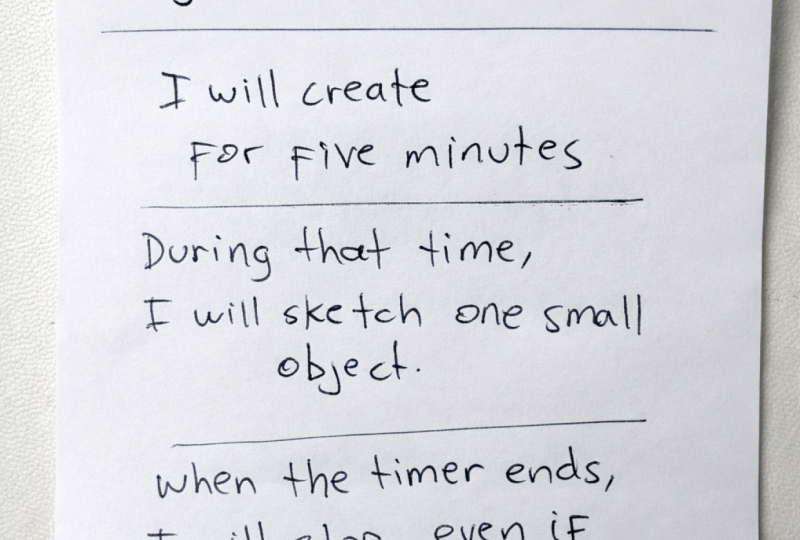
My short session card. It will be one small piece of paper with three simple
lines written on it. That's it. The only
material you need is one small piece of paper
and a pen. Or pencil. If you don't have paper,
you can use a sticky note, an index card, or even the
Notes app on your phone. But paper is nice because
you can see it clearly. First, you'll choose
your short time length. Next, you'll choose what
you'll do during that time. Then you'll write your
stopping sentence. By the end, you'll have a tiny, clear rule you can follow
anytime you feel blocked. If you want, you can pause
and write along as we go, or you can listen first
and build it after. The final result will look like a small card you can
keep on your desk, something simple, not fancy, not decorated, just clear. You don't need it
to look perfect. In fact, simple is better. The goal is practice,
not performance. You're already doing something
important by being here. You're not ignoring the block. You're gently working with it. Now, let's understand why short session makes
such a difference.
3. Decide Your Stopping Time Before You Start : Creative burnout often doesn't come from creating too much. It comes from not knowing
when you're allowed to stop. You sit down and think, I
should really work on this, but there's no clear end, so your brain resist.
Here's the simple idea. Decide your stopping
time before you begin. Not after, not in
the middle before. This matters because
when your brain sees a clear
boundary, it relaxes. It knows the effort is limited. Short session work for
three simple reasons. First, they lower pressure. If you only need to create for a few minutes, it feels doable. Even on a tired day. Second, they build consistency. A few minutes done
regularly is more powerful than one long
session once in a while. Third, they protect your energy. You stop before
you feel drained. That's how you prevent burnout instead of
reacting it later. For example, if
you tell yourself, I'll draw until I feel tired. That's unclear. But if you say, I'll draw for 5 minutes,
that's specific. When the time ends, you stop. No debate. That
clarity is calming. So here's the simple flow
length and write it down. Next, you'll write
one simple activity you'll do during that time. Finally, you'll write
a stopping sentence that gives you
permission to end. This three part card works because it answers
one question clearly. How long will I
create before I stop? Once that decided,
starting feels lighter. In simple words, you're
not building motivation, you're building a boundary. Now, let's create your card.
4. Write Your Short Time Rule on Paper : You might think short
session won't be enough. You might feel like 5 minutes
is too small to matter. That's okay. Many
beginners feel that way. Big effort feels more serious. But here's the small next move. Write down is short
time rule anyway. Even choosing a tiny
number is a win. Take your piece of paper. This will become your project called My short session Card. First, at the top of the paper, write the title clearly. My short session card. Next, leave a little space
and write this line. Will create for 5 minutes. You can choose a different
short time if you want. But for our shared example, we'll use 5 minutes. Then read it quietly
to yourself. I will create for 5 minutes. Notice how clear that feels. It has a start and an end. If 5 minutes feels too big, you can lower it to three. It feels too small, you
can raise it to ten. The key is that it stays short. When I first tried this, I chose 10 minutes because I
thought five was too small, but on busy days,
ten felt heavy. When I lowered it to five, I actually started more often. After writing the sentence,
look at it again. This is not a promise to
create something amazing. It's just a time boundary. You've now made
something visible. A clear limit. That alone reduces pressure. In simple words,
you're deciding how long before you even
begin that's powerful. In the next part,
we'll add what you'll do during those 5 minutes.
5. Add One Simple Creative Action : Sometimes burnout
doesn't come from time. It comes from not knowing
what to do once you start. You sit there thinking,
Okay, now what? Let's make it easier.
Take your card again. Under the sentence,
I will create for 5 minutes, write
this next line. During that time, I will
sketch one small object. Our shared example, we'll
use sketch one small object. You can change the activity
to match your creative area. Maybe it's paint one
small color test. Maybe it's write one
short paragraph, but keep it small and specific. Now read both lines together. My short session card, I will create for 5 minutes. During that time, I will
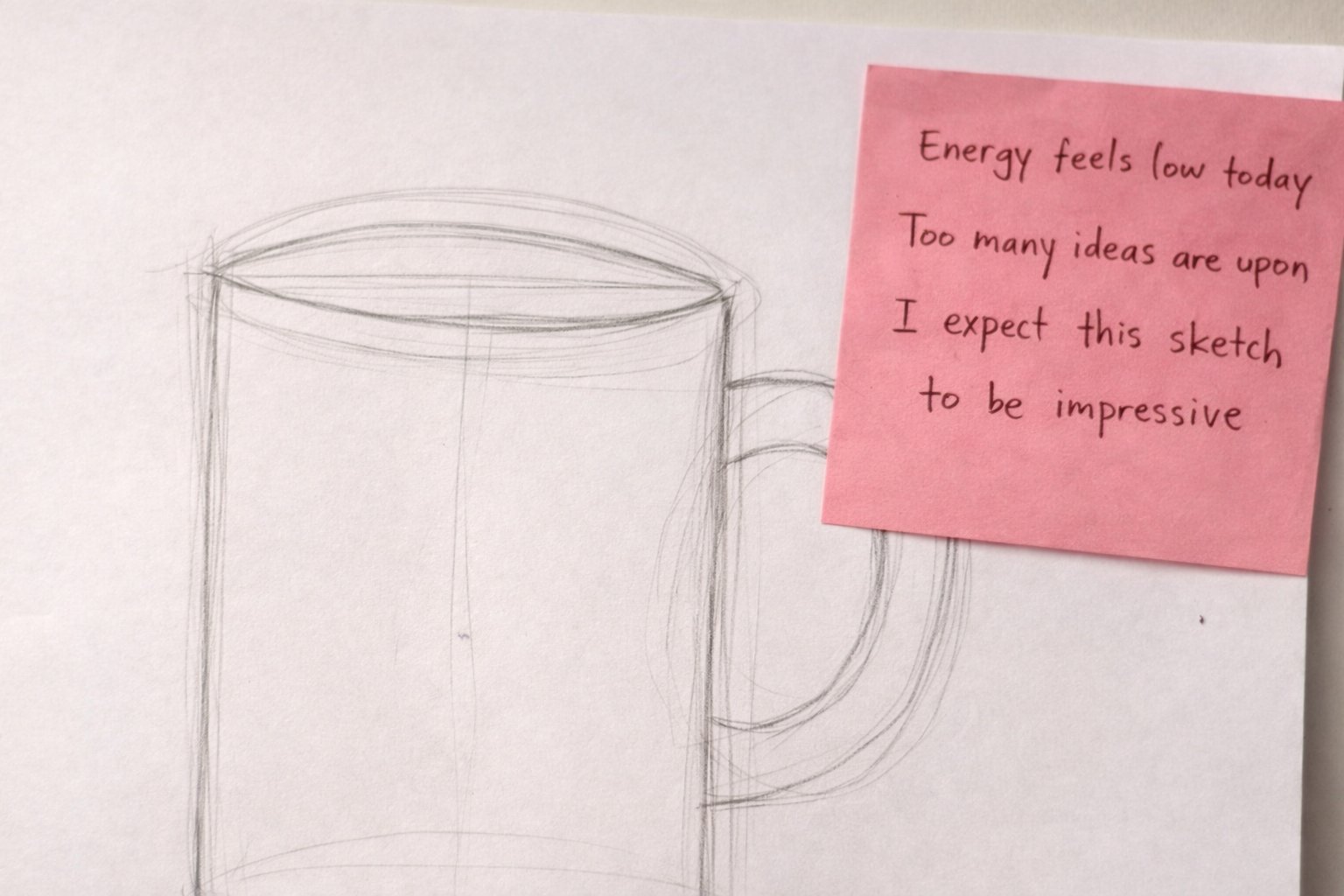
sketch one small object. Notice how grounded that feels. It's not work on my big project. It's not finish a painting. It's just one small object. When I started using
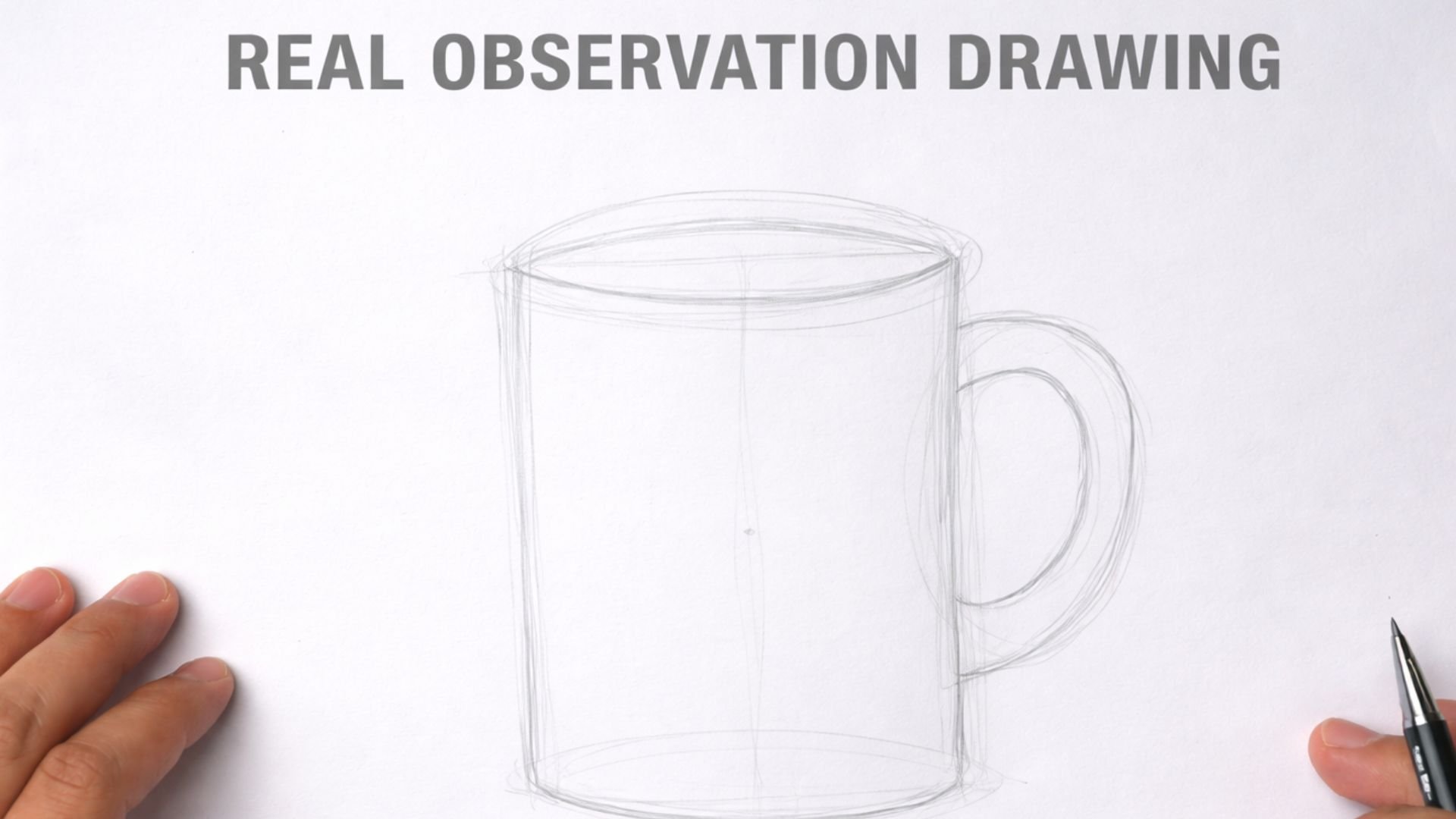
short session, I told myself I would
sketch just one mug, one leaf, or one simple shape. Some days, that's all I did, and that was enough. The key is that your action matches your short time.
Look at your card. You now know how
long you'll create, and you know what you'll do. That clarity removes hesitation. In simple words, you've reduced a huge creative task
into a tiny container. Next, we'll add the final line
that protects your energy.
6. Write Your Clear Stopping Sentence : Even with a short time
in a small action, you might still push yourself. You might think I
should keep going. That's how burnout
slowly builds. So now we'll gently
add the final line. Take your card again. Under your second line,
write this sentence. When the timer
ends, I will stop. Even if it feels unfinished. Let's read the whole card
together in its final form. My short session card, I will create for 5 minutes. During that time, I will
sketch one small object. When the timer
ends, I will stop. Even if it feels unfinished. Sit with that last
line for a moment. When the timer
ends, I will stop. Even if it feels unfinished, this is where the
protection happens. First, imagine setting a five
minute timer on your phone. Next, imagine sketching
a simple mug. Then the timer rings. Instead of thinking
just a bit more, you put the pencil down. After that, you step away. Finally, you notice
something surprising. You don't feel trained, you feel steady,
maybe even proud. This final sentence
gives you permission not to quit creativity
but to protect it. When I started
honoring the timer, I noticed I wanted to return the next day because I
didn't exhaust myself. You now have a full card. Before you may have felt that
session had no clear end. Now you have a visible boundary. You have shifted from
pressure to clarity. You completed your final line, and that's a real change.
7. See Your Finished Short Session Card : You use one piece
of paper and a pen. You created a small card
with three clear lines that define how long you will
create and when you will stop. Here is the final example, my short session card. I will create for 5 minutes. During that time, I will
sketch one small object. When the timer
ends, I will stop, even if it feels unfinished. That's the entire project. First, you wrote your
short time room. Then you added one
small creative action. Finally, you added your
stopping sentence. This simple card works because
it removes uncertainty. You don't have to negotiate
with yourself anymore. The boundary is already decided. To upload your project, take one clear photo or screenshot
of your finished card. Add the project title,
My short session card. Then write one short sentence describing what creative
activity you chose. The best time to
create and upload this is right after
you write it. Don't wait for the perfect day. Even a quick two minute
version is enough. Most people upload simple
imperfect projects. That's completely normal. No one expects
polish artwork here. This space is for practice. You've followed all the steps. Now, show your small card. Once it's uploaded,
you've turned an idea into something visible.
8. What If Five Minutes Feels Too Small or Too Hard : You made it through everything. That's something to celebrate. It's also normal to
have a few doubts. Let's gently answer some common
question. First question. What if 5 minutes feels
too small to matter? That makes sense. If you're
used to long session, 5 minutes can feel tiny. If you feel that way, then you can try
your short session for one week before
judging it because consistency over time show its effect better than one
big session. Second question. What if I want to keep
going when the time ends? That's a good sign. It
means you have energy left. If you really want to continue, then you can take a
short break first and start a new
five minute session because restarting keeps the boundary clear and
prevents slow burnout. Third question. What if
I forget to use my card? That happens. Life gets busy. If you notice you forgot, then you can place the card somewhere visible on
your desk because visual reminders gently guide your behavior without
pressure. Here's a small tip. If you often feel
resistance before starting, try setting the timer
before you even sit down. Hearing it count down can
feel strangely comforting. And one more mindset shift. Instead of asking,
is this enough, ask, Did I honor my boundary. That turns the focus from
output to consistency. All the answer
still come back to your same small card
and same three lines.
9. Remember Your Tiny Time Boundary : You did something
important today. You didn't force motivation,
you created clarity. You learn that creative burnout often grows from
unclear endings. And you answer that
with one small card. If there's one thing I
hope you take with you, it's this decide your stopping
time before you start. You now have a simple structure, a short time, one small
action, a clear stop. In simple words, you
use the word cut. Choose your short time,
understand your tiny action, terminate when the timer ends. Cut. It's a real word, and it's exactly what
protects your energy. I've noticed something
interesting over the years. The artists who last are not always the ones who
work the longest. They're often the ones
who know when to stop. Thank you for spending
this time here. Please upload your my
short session card, even if it's simple, especially if it's simple. If you found this
helpful, please leave a review on how this
short session idea helped you because your review
helps me grow as a teacher and helps other
beginners find these lessons. If you have questions, that's completely normal,
feel free to ask. You should feel proud.
Before session felt endless. Now they have a clear edge. That edge is not a
limit. It's protection. Clarity like this grows
quietly over time. Thank you for taking this class. I'll see you in the next lesson.
 Paul Nene, Helping beginners take action