Transcripts
1. Draw What You See Instead of Guessing From Memory : If you have ever sat
down to draw something simple and felt frustrated
because it did not look right, this will feel familiar. You might have looked
at a cup, a plant, or a shoe and thought you
knew what it looked like, only to feel confused once
your pencil touched the paper. That moment can
feel discouraging, especially when you
are trying your best. If you're feeling a little
tense or unsure right now, take a small breath.
You are not behind. This is one of the most
common beginner struggles, and it has nothing
to do with talent. It is simply about how our brain works when
we start drawing. While you are here, we will
take one calm step together. You will slow down just enough to notice
what is actually in front of you instead of what your mind
thinks should be there. Even trying this once
is already a quiet win. I and Paul, I help beginners
learn new skills in a clear and simple way so they can feel safe trying
something new. When I first started drawing, I felt frustrated all the time because my drawing never
matched what I imagined. I thought something was wrong
with my eyes or my hands. Over time, I realized the
problem was much simpler. I was drawing what
I thought I saw, not what was really there. I like teaching
this topic because it removes a lot of
pressure right away. When beginners understand
this one idea, drawing starts to feel
calmer and more possible. It stops feeling like a test and starts feeling like
a quiet observation. Here we will focus on one gentle scale drawing
by looking, not guessing. We will do this through a very simple activity
that you can finish today. This is meant for
absolute beginners, especially if you feel stuck, tense, or unsure when you draw. If you already draw confidently and enjoy detailed realism, this may feel too basic,
and that is okay. You can think of it as a
soft reset if you want. You do not need special tools. A piece of paper and
a pencil is enough. As we go, I will show you
exactly what to look at. When to look and how to move
your pencil without rushing. We will build this slowly
one small layer at a time. By the end of this,
you will have one simple drawing made
from real observation. It does not need
to look perfect. It only needs to be honest. Let us begin gently.
2. Create One Simple Observation Drawing : Many beginners feel pressure as soon as they hear
the word project. If that is happening
for you, it is okay. This one is intentionally
small and calm. You will create one
simple drawing of a real object by looking at it the whole time. That is it. No tricks, no fixing,
no perfection. You, an object,
paper and a pencil. We will build this drawing
slowly across the lessons. Nothing appears all at once. Each part is added gently, and each lesson adds only one small shift in
how you look and draw. The only material you need
is paper and a pencil. Any paper is fine,
and pencil is fine. If you only have a pen,
that is okay, too. What matters is not the tool, but the habit of looking. You can choose any small
object around you, a cup, a bottle, a remote, a shoe, or a plant. Choose something simple
that can sit still. Place it in front of you
where you can see it clearly. As we go, you are
welcome to pause, rewind or simply listen first. There is no rush to keep up. The final outcome is one
drawing made from observation. It will likely feel different
from how you usually draw, and that difference
is the point. You are allowed to
keep this imperfect. In fact, that is encourage. The goal is practice,
not performance. Just showing up and trying this once already means you are
doing something right. When you are ready,
we will talk about the simple idea behind
drawing what you see.
3. Notice Before You Draw : If drawing often feels confusing or disappointing,
there's a good reason. Our brain is very
good at shortcuts. When it sees an object, it quickly replaces
it with a symbol. A cup becomes a simple
shape in the mind. A face becomes an
idea of a face. This is helpful in daily life, but it gets in the
way of drawing. Drawing what you see means
slowing down just enough to notice real details
instead of mental symbols. It does not mean drawing better. It means looking longer. This matters because once you
start noticing real shapes, angles, and spaces,
drawing becomes calmer. You are no longer trying to
make something look right. You are simply responding
to what is there. There's one simple
idea behind this. Look more than you draw. When you look more, your
hand has better information. When you draw too quickly, your brain fills in
gaps with guesses. Looking breaks that habit. There are a few gentle
parts to this idea. First, your eyes lead,
your pencil follows. If your eyes stop, your
pencil pauses too. Second, drawing is
slower than thinking. That is normal. Let it be slow. Third, mistakes are information. They show you where
you stop looking. For example, if you draw a mug and the
handle looks wrong, it is not because you
are bad at drawing. It is usually because
you looked at the idea of a handle instead of the
real shape in front of you. When you look back at the
object and compare gently, you start to notice
small things. The curve is wider
than you thought. The angle leans
more than expected. Those discoveries are
success, not failure. Here is how we will
do this together. First, we will notice a common beginner habit that
pulls us into guessing. Then we will shift into
looking more than drawing. Finally, we will add a few simple observation
habits that help this stick. This flow works because it replaces pressure
with attention. You are not forcing improvement. You are allowing it. Let us begin with the
first small shift.
4. Catch the Guessing Habit While Drawing: Many beginners start
drawing with confidence and then feel disappointed
halfway through. That often comes from
guessing instead of looking. If that sounds familiar,
you are not alone. Right now, we will gently notice that habit
without judging it. The next step is simply
to become aware. Place your object
in front of you, put your paper down, hold
your pencil lightly. At the top of your paper, write the project title in
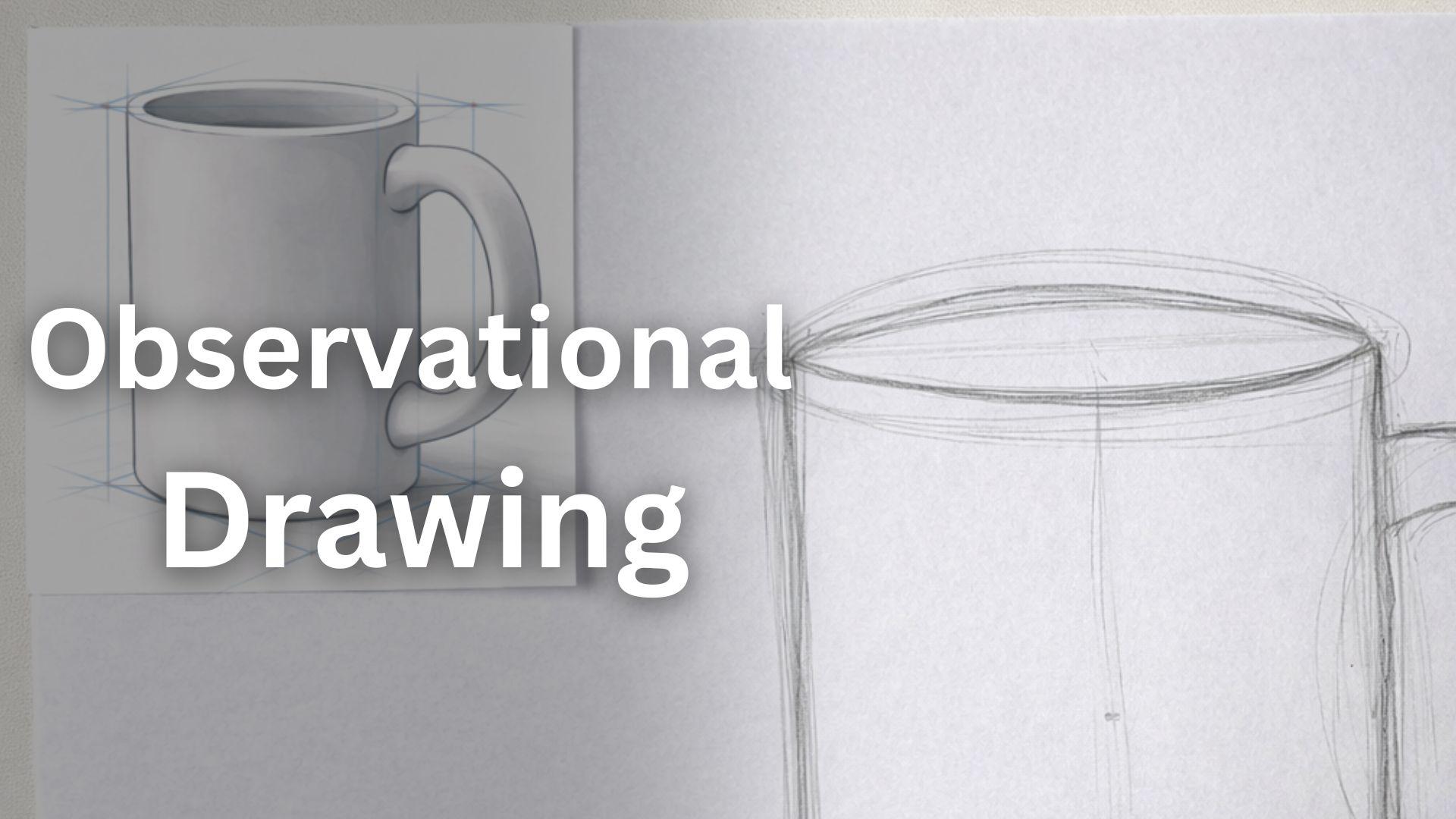
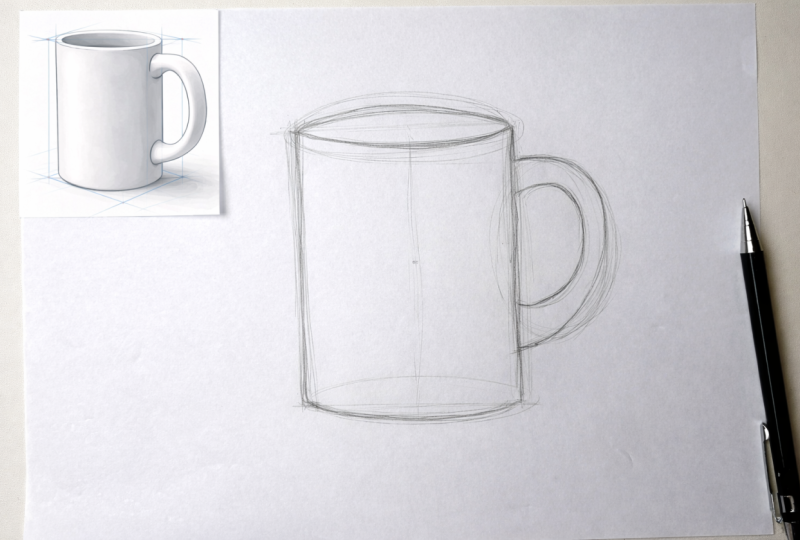
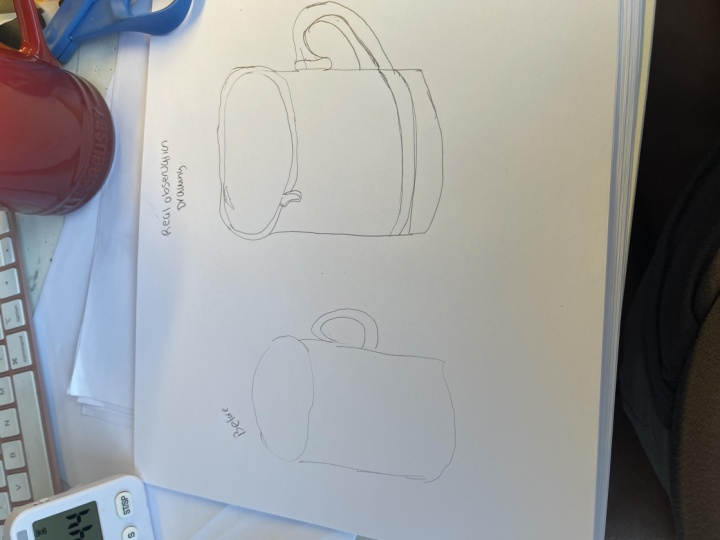
simple words if you want. Real Observation drawing. Now, begin drawing the object
the way you normally would. Do not change anything yet. Draw for a short moment. As you draw, notice what
your eyes are doing. Many beginners look at the
paper more than the object. That is the habit
we are noticing. If your object is a cup, you might notice
your hand drawing a familiar cup shape without
checking the real one. That is guessing, and
it is very normal. Pause for a moment, look
at the object again. Then look at your drawing. Notice the difference quietly. You will see that the top
is wider than you thought. Or the side leans slightly, or the base is shorter. Do not fix anything yet. Just notice. This moment is important. You are not doing it wrong. You are seeing how
your brain works. The awareness is progress. When I first noticed
this, I felt relieved. It explained why drawing
felt hard. I was not broken. I was just rushing. Take one more small
look at your object. Then rest your pencil. You have already
completed the first part of the project by
starting honestly. In simple words, this step is about catching
yourself guessing. Once you can see that habit, you can change it gently. As we move on, you will shift your attention in a calm way.
5. Look More Than You Draw : If you have ever felt
rushed while drawing, this part will feel different. Now we will slow things down
in a simple, practical way. Bring your object
back into view. Look at it quietly
before drawing. Let your eyes travel
along the edges. Begin drawing again, but this
time, do something small. Spend more time looking
than moving your pencil. For a moment, look
at the object. Then make a short
line, then look again. If you are drawing a bottle, notice where the top ends. Notice how the sides move. Look, then draw a little. If you cut yourself staring
at the paper for too long, pause, bring your eyes
back to the object. This may feel awkward
at first. That is okay. You are building a new habit. Add more lines slowly. Each line is guided
by looking first. You may notice your drawing
feels quieter. Less rush. That is a good sign. If something looks
off, do not erase. Simply look again
and adjust gently. Even adjusting is
a form of look. When I practiced
this, my drawings became simpler but more honest. They did not look fancy, but they felt calmer. But now, your drawing
has grown a little. It carries the marks
of observation. That is enough.
This step is about trusting your eyes more
than your thoughts. You are letting the
object teach you. Next, we will add
a few small habits that makes this
easier to repeat.
6. Use Simple Observation Habits to Stay Calm : Many beginners worry they will forget this once
they stop drawing. This part helps you anchor
the habit in a gentle way. Keep your object and
drawing in front of you. Before adding more lines, take a slow look from top
to bottom of the object. Do this without drawing. Then one small area to observe. Maybe the edge, maybe the
space between two parts. Draw only that area slowly. After that, pause again. Look, compare quietly,
then continue. If your mind says
this looks wrong, thank it and return to looking. The object is your guide now. Add the final lines with care. Do not feel the page,
do not decorate. Keep it simple.
When you feel done, stop, even if it
feels unfinished. Stopping is part
of the practice. I remember feeling
proud the first time I stopped without
fixing everything. It felt like trust. Look at your drawing
one last time. Notice how it feels
different from guessing. It holds attention,
not pressure. You have now completed the
full observation drawing. In gentle words, you learn
to pause, look, and respond. That is the heart of
drawing what you see.
7. Share Your Real Observation Drawing: The project you created is a real observation
drawing made by looking at one object
the whole time. You use paper and pencil. You place a real object
in front of you. You notice guessing. You look more than you drew. You use small observation
habit to stay calm. Here is one completed example
of the finished project. Project title Real Observation drawing,
project description, I drew one cup by looking at it the whole time and
slowing down my drawing. This drawing started by noticing how I
usually guess shapes. Then I slowed down and
looked more than I drew. Finally, I use small
pauses to observe before adding lines.
Your upload is simple. Take one photo of your
finished drawing, upload that photo with
the project title and short descriptions
if you want. It is best to upload
right after you finish while the
experience is fresh. Even a quick photo is enough, you do not need to clean it up. Most projects shared here
are simple and imperfect. That is exactly what
this space is for. Once you upload, you have
completed everything.
8. Common Questions Beginners Have : You have finished
the whole process, and it is normal to
have a few questions. First question, My drawing
still looks wrong. Did I fail? That
feeling is very common. If you drew while looking at the object the whole
time, then you succeeded. The goal was observation,
not accuracy. When you focus on looking,
improvement comes later. Second question. Can I use a photo instead
of a real object? If you need to, you can. But real objects are better because they keep
your eyes engaged. A real object helps you slow down and notice more.
Third question. I wanted to fix and erase a lot. Is that bad? That
urge is normal. If you notice it and
still return to looking, you are doing the
practice correctly. One helpful tip is to lift your pencil slightly
between lines. It reminds you to look
again before drawing. Another helpful mindset is to treat the drawing like notes, not a finished picture. Notes are allowed to be messy.
9. Trust Your Eyes One Line at a Time : You did something
important today. You slowed down and
paid attention. You learn how to draw what you see instead of what
you think you see. You practice looking
more than drawing. You built one calm
drawing from observation. If there is one thing I
hope you take with you, it's this drawing improves
when looking improves. I believe small habits
matter more than big talent. A few quiet minutes of looking can change how drawing feels. You might notice objects
differently now. A cup might feel
more interesting, a plant might feel less obvious. That is awareness growing. A simple way to remember
this is the word look. Look first, observe quietly. Only then move your
pencil, keep it slow. Thank you for being here and giving yourself
time to try this. If you can, upload your
project while it's fresh. Even a simple photo counts. If you enjoy this, leaving
a short review helps me grow as a teacher and helps
other beginners find this. Questions are always welcome. Be proud of this mold step. You are building clarity
one line at a time. I will see you in
the next lesson.
 Paul Nene, Helping beginners take action