Transcripts
1. Stop Avoiding Breaks Because You’re Afraid You Won’t Restart : Sometimes you know
you need a break, but you avoid it because you're scared, you
won't come back. You might think, if I stop now, I lose the flow. Well, that feeling
is very common, especially if you've struggled with creative block before. Here's the gentle
truth. You can take breaks and still restart easily. You just need one small habit before you step away. I'm Paul. I help beginners build simple
creative habits so they can feel calm and steady
instead of stuck. I've dealt with Creative
Block many times. I used to push through
exhaustion because I thought stopping
meant losing momentum. It didn't work. I got more
tired and more blocked. What changed for me was
learning how to pause in a way that makes restarting
easier, not harder. Here, we're focusing
on one clear decision. When you take a break,
do you stop randomly, or do you leave yourself
a clear return line? By the end of this, you'll feel confident choosing to leave a return line every time you
pause your creative work. This is simple and
basic on purpose. It works on its own, and it also fits naturally with any creative routine
you already have. If you're very advanced and already have strong
restart system, this may feel like a refresher. But if you're a beginner who freezes after breaks,
this is for you. You don't need special tools, just paper and a
pen or a Notes app, if that's easier.
We'll move slowly. First, you'll understand
what's really happening when breaks
turn into blocks. Then you'll create a tiny
written return line. Then you'll refine it, so restarting feels
almost automatic. You don't need to fix your
whole creative life today. Just this one small decision. Let's begin gently.
2. Create One Clear Return Line Before Every Break: If breaks have ever turned into I'll start tomorrow,
you are not alone. It doesn't mean you're lazy. It usually means you
stopped without direction. So here's what you'll
create while you're here. You'll make one simple
return line card. It's a small written
note that tells you exactly what to do when
you come back. That's it. One card, one clear line. You'll build it slowly
across these lessons. First, you'll write a
basic return sentence, then you'll make
it more specific, then you'll shape it so it
feels easy and inviting. Only need one piece
of paper and a pen. A sticky note works. An index card works. Even a scrap of paper works. You'll keep the same card the whole time. We'll
just add to it. By the end, your
finish card will have three short lines that
guide you back into motion. It will be simple enough
to read in a few seconds. Clear enough that you
don't have to think. You can pause and
write along with me, or you can watch first
and write after. Either way is fine. This is
practice, not performance. Imperfect handwriting
is welcome. You're already doing
something powerful by choosing to handle
brakes differently. Let's look at why this works.
3. Understand Why Breaks Turn Into Blocks : Mm you might think brakes
cause creative block, but usually it's not the brake. It's the unclear restart. When you stop without
deciding what happens next, your brain has to redecide
everything later. That feels heavy,
so you avoid it. The simple idea is this, before you stop, leave
yourself a clear next action. That's the return
line. There are three parts to understand. First, stopping is normal. Creative energy comes in waves. If you ever pause, you burn out. So brakes are healthy. Second, uncertainty
creates friction. If you return and
don't know where to begin, your mind hesitates. Even small uncertainty
can feel big. Third, clarity reduces pressure. If you come back and see
one clear instruction, you don't need motivation. You just follow it. For example, if you stop
painting and your last memory, is I was kind of working
on the background. That's vague. It feels fuzzy. But if you leave a
note that says, next, add darker blue to
the top left corner, that's clear. You don't think. You just do it. That's the power of
the return line. Here's the simple
flow you'll use. First, write one
clear next action before you take a break. Next, make that action
small and specific. Then shape it into a
friendly restart message. This works because it removes the biggest hidden obstacle. Not knowing how to begin again. In simple words, brakes
don't cause blocks, and clear restarts do. Now, let's build your
card step by step.
4. Write One Clear Next Action Before You Stop : When you're tired,
you want relief. Instead, let's take
ten calm seconds and leave a clear line. Take your piece of paper. At the top, right,
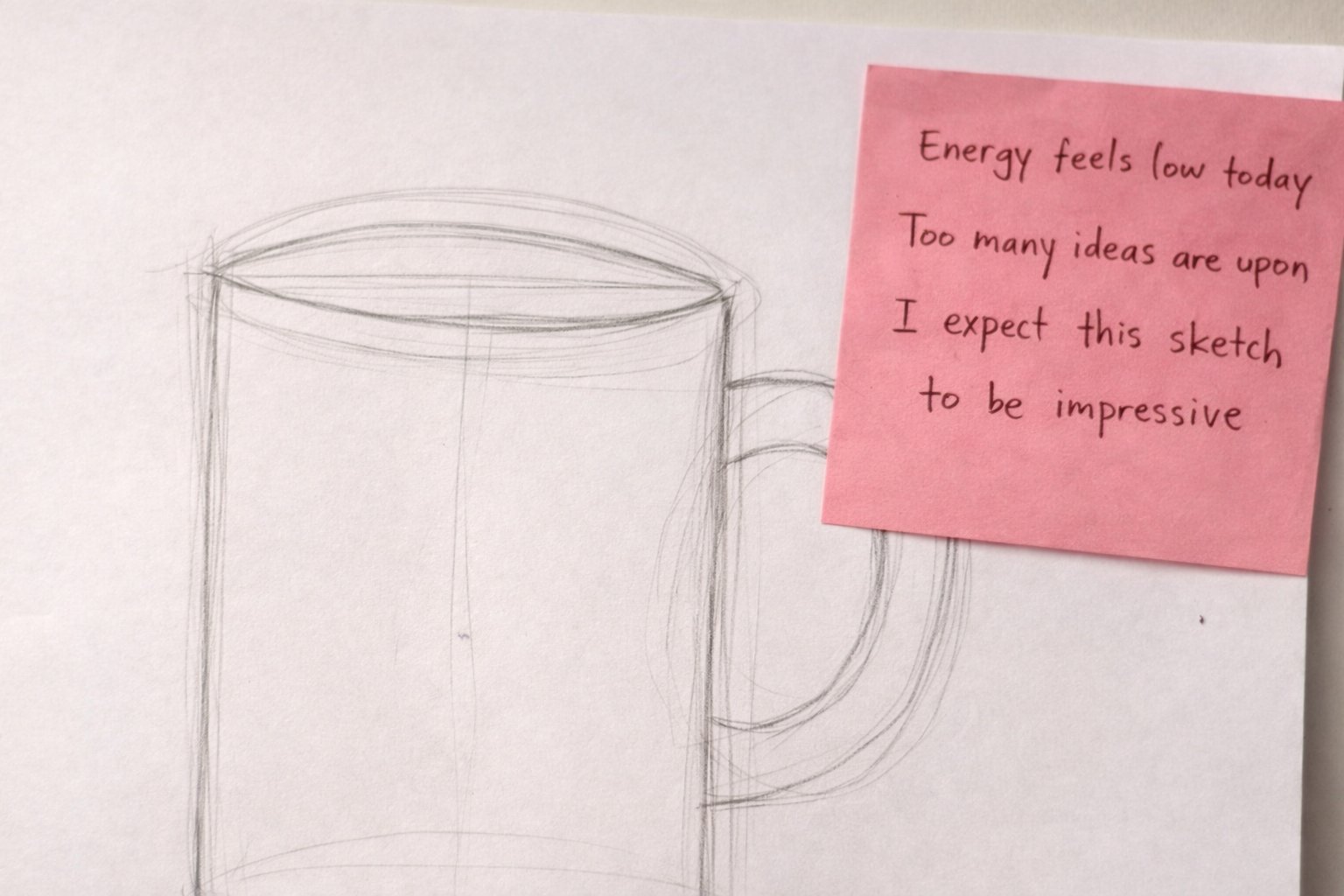
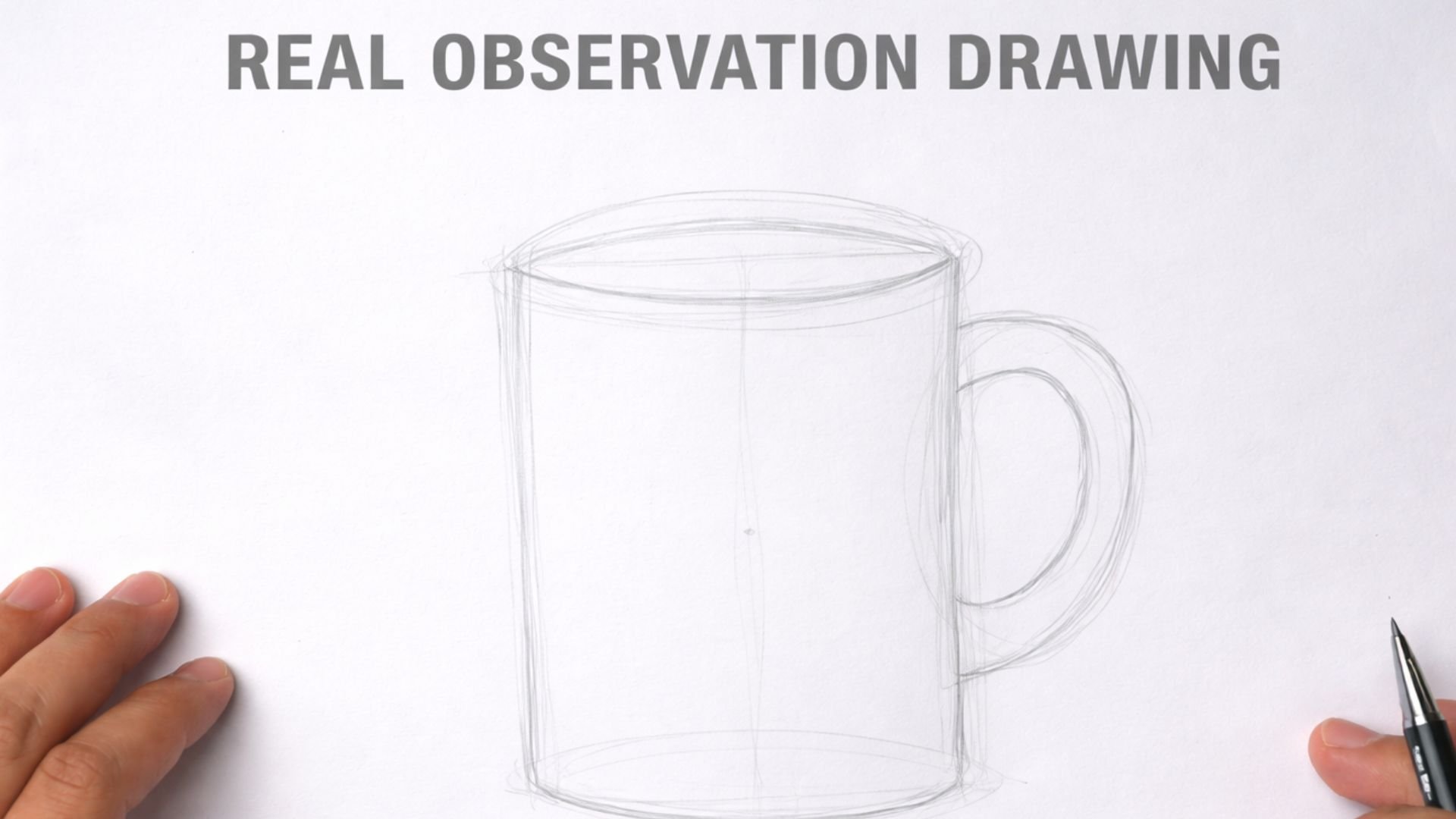
return line card. Now, imagine you're working on a drawing of a
simple coffee mug. That's our example for
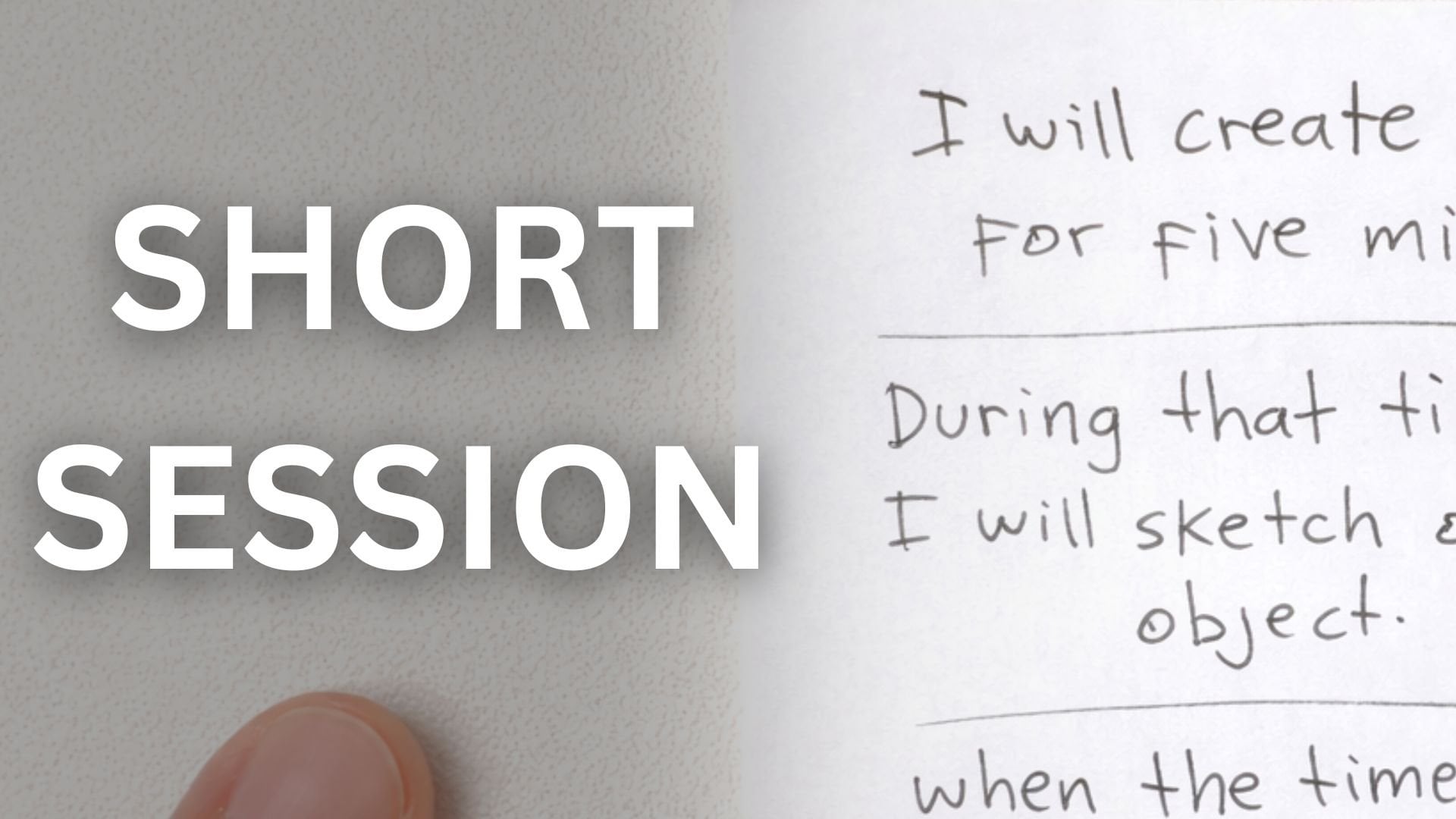
the whole time here. First, write this sentence. Next time, I will
sketch the mug handle. That's it. One clear action. Notice what you did.
You didn't write something vague like
continue drawing. You wrote one visible action. If you want to follow
along exactly, right. Next time, I will sketch the
mug handle. Keep it simple. When I first tried this habit, I thought it was too
small to matter, but that tiny sentence made
restarting feel lighter. Now, pause and read
your line slowly. Can you picture yourself
doing it? Good. That's the point. You just
reduce tomorrow's hesitation. In other words, you
created a door back in. When you take a break later, instead of guessing,
you'll follow the line. That alone can change
how safe breaks feel. Let's gently build on this.
5. Make the Next Action Small and Specific : Sometimes we write next action, but it's still too big. Big actions create resistance. So now we'll make your
line smaller and clearer. Look at your
sentence. Next time, I will sketch the mug
handle. That's good. Now, let's make
it more specific. Under that line, right, start with the light curved
line on the right side. See the difference. Now you
have a starting motion. When you come back, you won't think about
the whole handle. You'll just draw one
light curved line. That's manageable. When I do this in my own work, I try to reduce the next action until it feels almost
easy to begin. So your card now
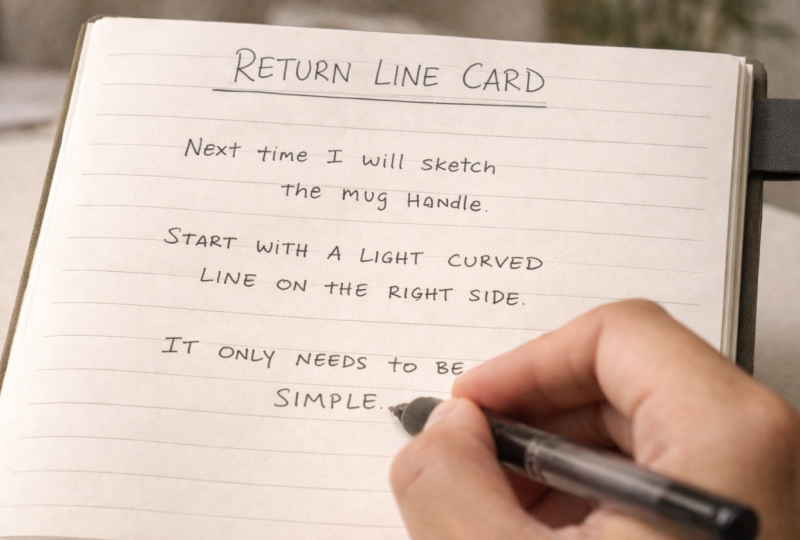
looks like this. Return Line Card. Next time, I will sketch the mug handle. Start with the light curve
line on the right side, read it again slowly. Notice how your body feels. It likely feels lighter
than finish the drawing. This is how you protect bricks. You shrink the restart. In other words, you're turning a big return into a
tiny first movement. That tiny movement is enough. Now we'll add the final piece.
6. Add a Gentle Restart Cue That Removes Pressure : Even with a clear action, sometimes you return
and feel stiff. You might think, What
if I mess it up? So let's add one
more calming line. Under your second sentence, right, it only
needs to be simple. Now, read your full
card, Return Line Card. Next time, I will
sketch the mug handle. Start with the light curve
line on the right side. It only needs to be simple. Take a breath. This last
line removes pressure. It reminds you that restarting doesn't
require perfection. When you return from a break,
you'll read this card. You'll see the clear action. You'll see the tiny
starting motion. And you'll see permission
to keep it simple. That combination
makes brakes safe. I've used this exact
structure in drawing, writing, and even when
learning new tools. Every time it
softens the restart. Before, brakes felt risky. Now they feel like a
part of the rhythm. You did not eliminate effort. You reduced friction,
and that's enough. You've completed the full
structure of your card.
7. Share Your Completed Return Line Card : You created one Return Line
card using paper and pen. Your project is a photo or screenshot of
your finish card. Here is the full example
exactly as built. Return Line Card. Next time, I will sketch the mug handle. Start with the light curve
line on the right side. It only needs to be simple. First, you wrote one
clear next action. Then you made it smaller
and more specific. Finally, you added a gentle
pressure reducing line. That's the complete structure. This simple card works
because it removes guessing. It keeps breaks from
turning into confusion. It gives you a
visible path back. To upload, take a clear
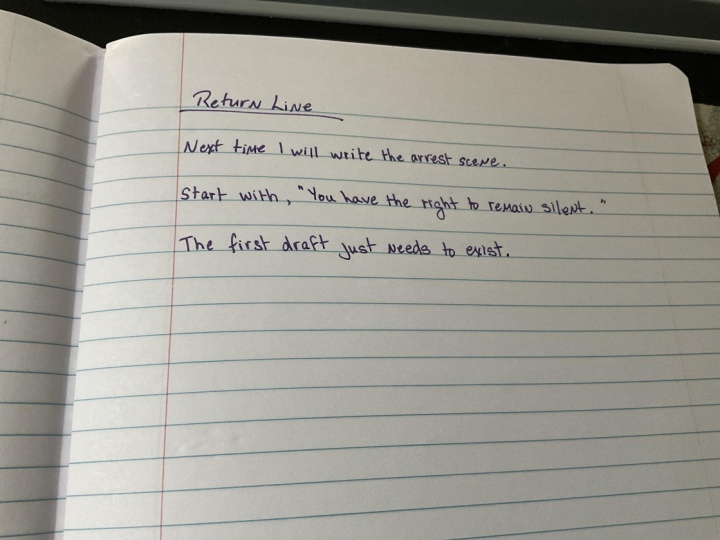
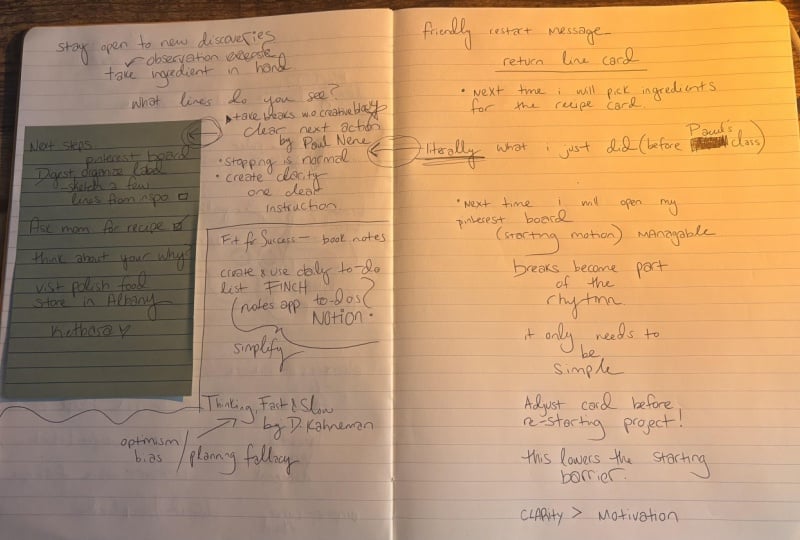
photo of your card. Add a title, Return Line Card. Write one short sentence about
when you plan to use it. You can create and upload this right after finishing here. Even a quick handwritten
version is perfect. Most people share
very simple version. That's normal. No one
expects perfection. You followed every step. That's what matters. Now, let's answer a few common questions.
8. Solve Common Restart Doubts : You may it through everything. That's already progress. It's normal to still have small questions. First question. What if I forget to write the return line before
I take a break? That happens if you notice
you stop without one. Then before you fully
leave your workspace, quickly write a
tiny action anyway. For example, if you already
close your sketchbook, reopen it and write next time, I will darken the Mug outline. Because even a late return
line is better than none. Second question, what if my
next action changes later? That's okay. If
you come back and realize you want to do
something slightly different, you can adjust the
card before starting. For example, if you decide
the mug needs shading first, then you can rewrite
the line to say, next time I will add
light shading under the rim because the
structure stays the same, even if the content changes. Third question, what if the project feels
too small to matter? Small feels almost
silly sometimes. But if you notice
hesitation after breaks, then using a tiny return line helps because it lowers
the starting barrier. For example, if in writing, draw one short line
can restart momentum. Here's a helpful tip if you're working on
something larger. Still keep the return line
focused on one visible motion, not the whole tasks, and one mindset
shift that helps. Restarting is not
about motivation. It's about clarity. When clarity is present,
action becomes easier. You already built clarity
into your process.
9. Feel Safe Taking Breaks and Starting Again : You did something
small but powerful. You learned that
brakes don't cause creative block,
unclear restarts do. You created a return line card with one clear next action, one tiny starting motion, and one gentle reminder
to keep it simple. If there's one thing I hope
you take with you, it's this. Before you stop, leave
yourself a clear line back in. You now see something you
may have noticed before. The fear wasn't the break. I was the blank restart. From now on, you can
remember the word line. Leave next action,
identify a tiny start, no pressure, enter gently. That's what you've been
practicing all along. I've seen again and again that simple systems create
steady progress, not dramatic pushes,
just small returns. Thank you for being here and giving yourself this
calm structure. Please upload your
Return Line Card so you can mark
this as complete. The best time to upload is right after writing it
while it's fresh. If this helped you, please
leave a review and share how this small shift changed
the way you see breaks. It helps me grow
as a teacher and helps other beginners
find this lesson. If you have questions,
that's completely normal. Ask anytime. You handled
breaks differently today. That's a real progress. And the next time you
pause your creative work, you won't feel the quiet panic. You'll have a clear
line waiting. Thank you for taking this class. I'll see you in the next lesson.
 Paul Nene, Helping beginners take action