Simple Ways to Stay Focused During the Day (One Calm Focus Block) | Paul Nene | Skillshare

Playback Speed


1.0x


  • 0.5x
  • 0.75x
  • 1x (Normal)
  • 1.25x
  • 1.5x
  • 1.75x
  • 2x

Simple Ways to Stay Focused During the Day (One Calm Focus Block)

teacher avatar Paul Nene, Helping beginners take action

Watch this class and thousands more

Get unlimited access to every class
Taught by industry leaders & working professionals
Topics include illustration, design, photography, and more

Watch this class and thousands more

Get unlimited access to every class
Taught by industry leaders & working professionals
Topics include illustration, design, photography, and more

Lessons in This Class

    • 1.

      Start With One Calm Focus Block

      1:38

    • 2.

      Why Focus Slips During the Day

      1:58

    • 3.

      Create One Focus Block

      1:27

    • 4.

      Protect Your Focus Gently

      1:22

    • 5.

      Complete and Close the Focus Block

      1:05

    • 6.

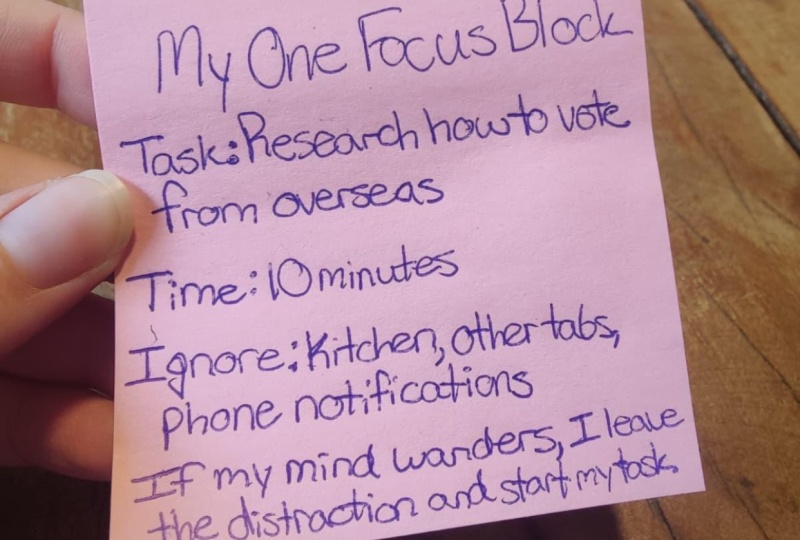
      Create Your One Focus Block

      1:05

    • 7.

      Common Focus Questions

      0:45

    • 8.

      Keep Focus Small and Kind

      1:02

  • --
  • Beginner level
  • Intermediate level
  • Advanced level
  • All levels

Community Generated

The level is determined by a majority opinion of students who have reviewed this class. The teacher's recommendation is shown until at least 5 student responses are collected.

54

Students

7

Projects

About This Class

Staying focused during the day can feel harder than it should. You sit down with good intentions, but your attention keeps drifting, and the day starts to feel scattered. In this class, you’ll learn a simple, calm way to create focus without pressure.

You’ll learn how to use one gentle focus block to give your attention a clear place to land. Instead of trying to fix your entire schedule or force productivity, you’ll practice working with your attention in a kinder, more realistic way.

What You Will Learn

  • How to create one clear focus block

  • How to protect your focus without stress

  • How to stop calmly without guilt

  • How to repeat this method anytime focus feels hard

Why You Should Take This Class

Focus isn’t about trying harder. It works best when it feels safe and contained. This approach helps you reduce mental overload, finish small tasks, and build trust with yourself again. I’ll guide you slowly, step by step, using simple language and everyday examples so you can follow along with ease.

This class is part of a calm productivity series designed to help beginners feel steady instead of overwhelmed.

Who This Class Is For

This class is for beginners who feel distracted, mentally tired, or unsure where to start. No experience is needed. If you already use complex productivity systems, this class may feel intentionally simple.

Materials / Resources

You’ll only need one simple tool:

A notes app or a small piece of paper

Meet Your Teacher

Teacher Profile Image

Paul Nene

Helping beginners take action

Teacher

I help beginners take action and stop overthinking so you can move forward and finish what you start.

My classes are designed for busy people who feel stuck or unsure where to begin. Instead of overwhelming you with too much information, I focus on a few simple steps that help you make real progress right away.

You won't just watch. You'll follow along with clear demos and walkthroughs, take small actions and see progress as you go. Each class is simple, practical, and easy to finish, even if you only have a short amount of time.

With more than ten years of experience in video editing and digital workflows, I break everything down into small ste... See full profile

Level: Beginner

Class Ratings

Expectations Met?
    Exceeded!
  • 0%
  • Yes
  • 0%
  • Somewhat
  • 0%
  • Not really
  • 0%

Why Join Skillshare?

Take award-winning Skillshare Original Classes

Each class has short lessons, hands-on projects

Your membership supports Skillshare teachers

Learn From Anywhere

Take classes on the go with the Skillshare app. Stream or download to watch on the plane, the subway, or wherever you learn best.

Transcripts

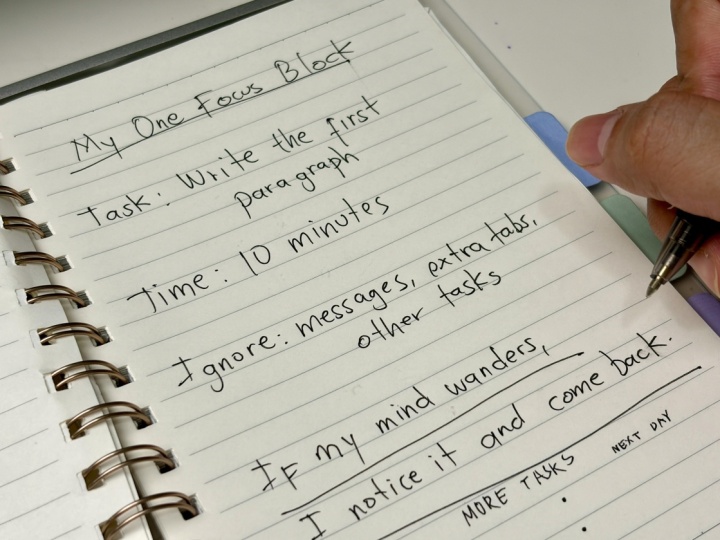
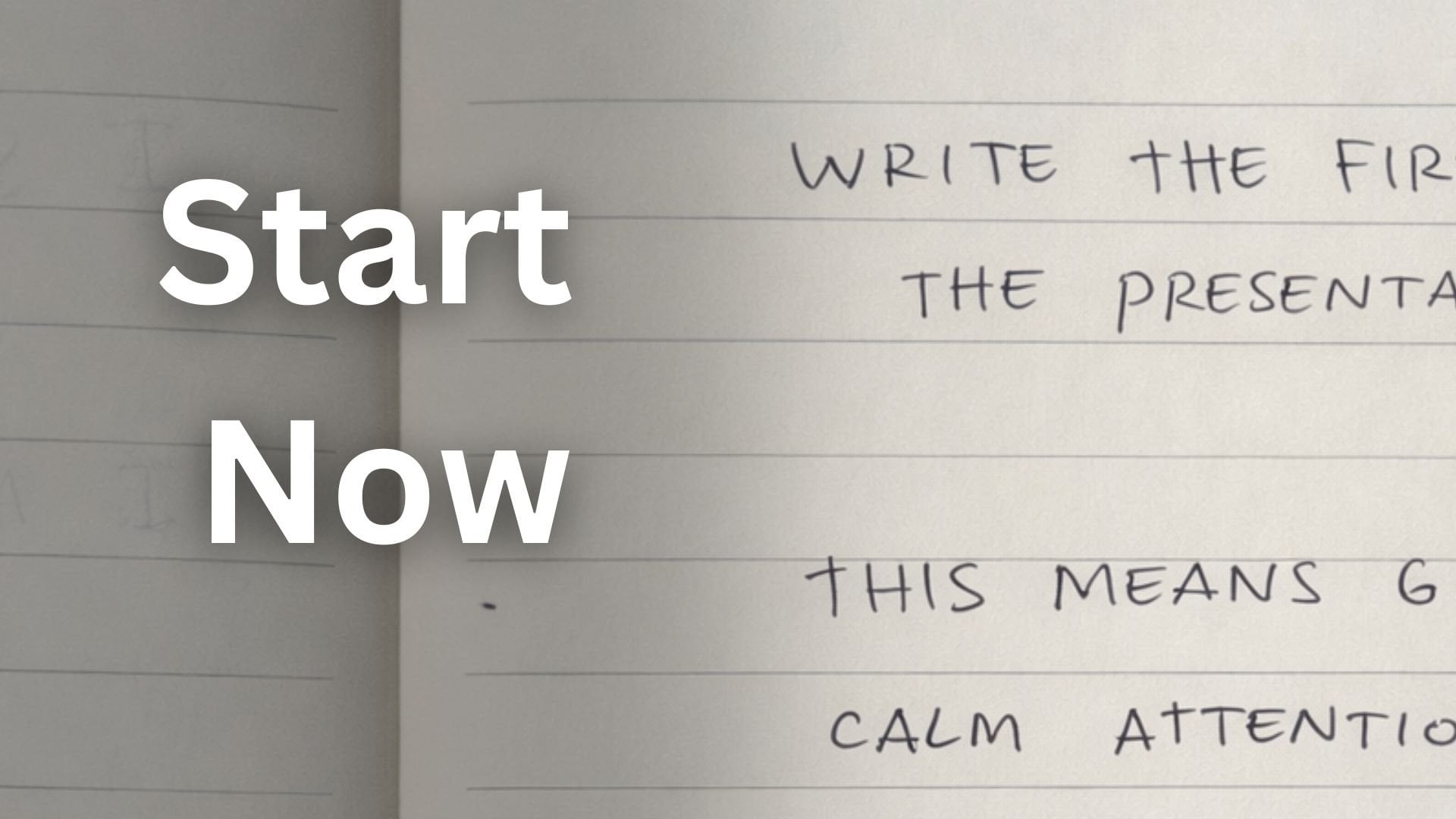
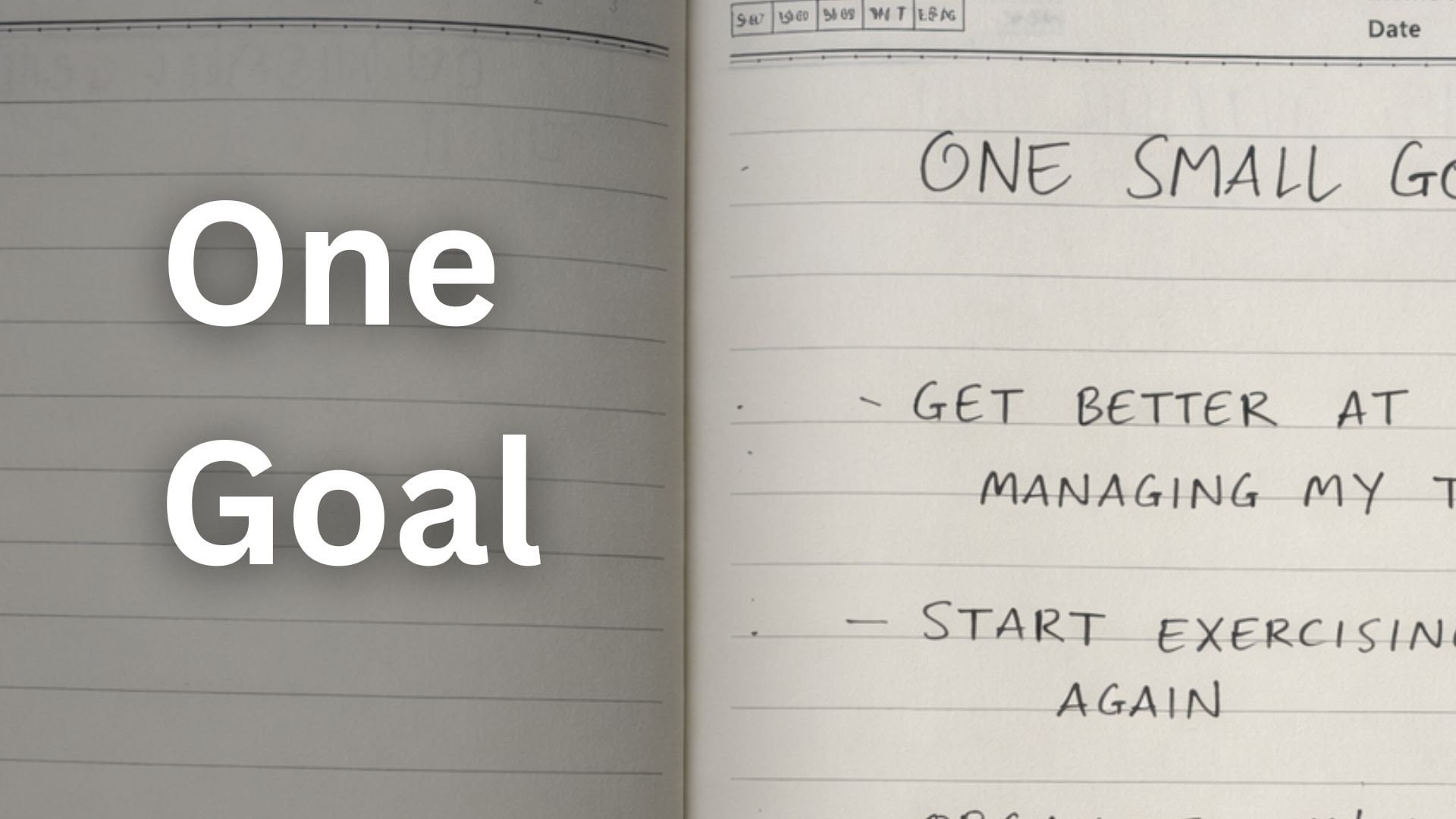
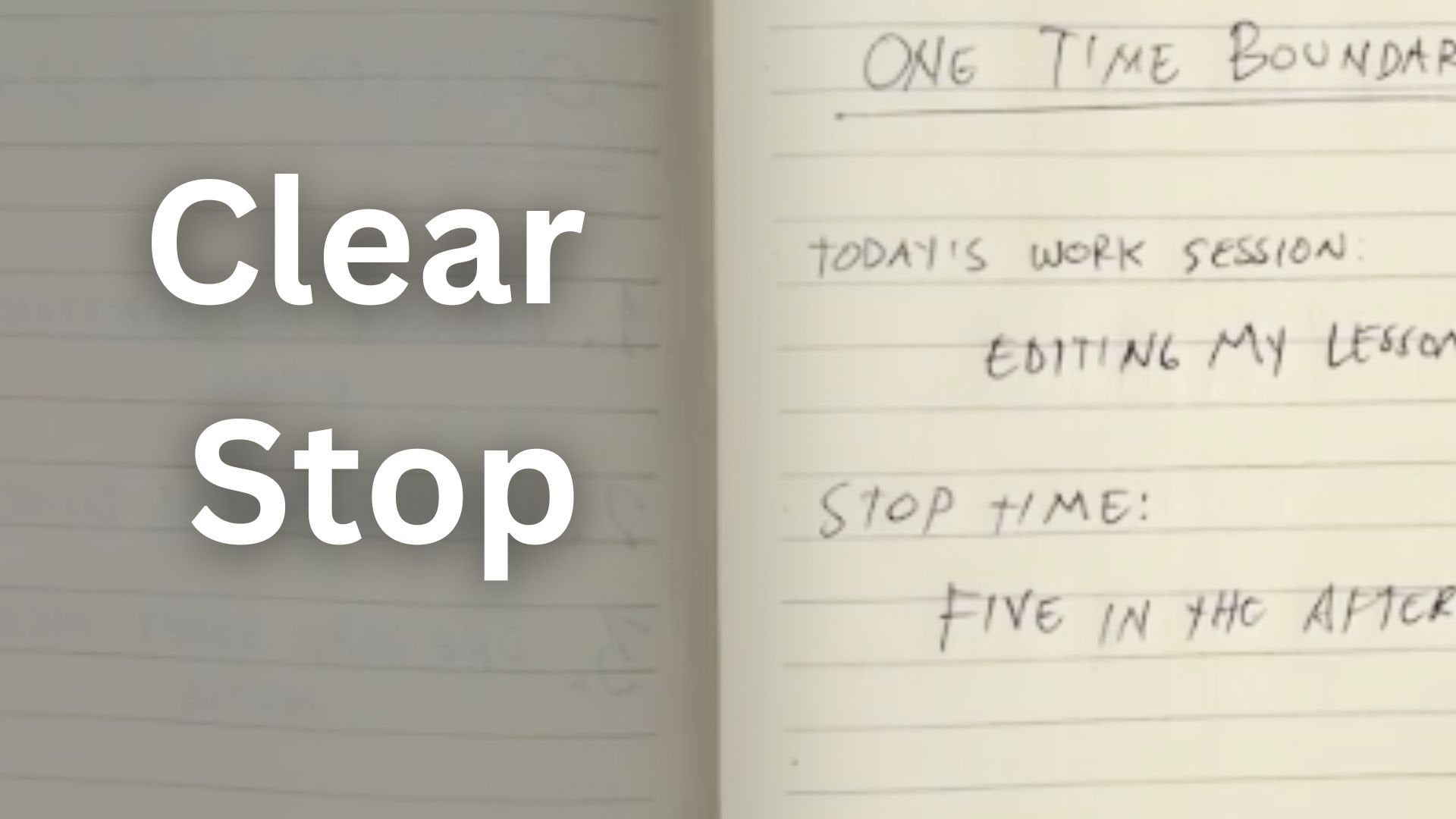
1. Start With One Calm Focus Block: Feeling unfocused during the day can feel exhausting. You sit down with a good intention, but your attention keeps drifting. If that's happening to you, nothing is wrong with you. Your mind just hasn't been given a clear place to land yet. Today we'll take one small gentle step, not to plan your whole day, not to fix everything, just to create one calm moment of focus. Paul, I helped beginners build simple systems so they can feel steady instead of overwhelmed. I used to think staying focused meant trying harder. I would tell myself to concentrate, push through distractions and power forward. And that never lasted. What finally helped me was learning how to give my attention a clear container. Something small, something kind. That's what we'll peel together today. In this class, you'll create one simple focus block you can use anytime during the day. It's short, flexible, and easy to repeat. This class is for beginners who feel scattered, distracted, or mentally tired. If you already use advanced productivity systems, this may feel very basic, and that's okay. You'll only need a noap or a small piece of paper. By the end, you'll have one clear focus block you can use right away. We'll move slowly step by step, with no pressure to be perfect. If you're feeling overwhelmed right now, that's okay. Let's start gently. 2. Why Focus Slips During the Day: Now, before we do anything, let's understand what's really happening. Losing focus often feels like a personal failure. Like, it should be more disciplined or more motivated. Well, you're not failing. Your attention is just being pulled in too many directions. The simple truth is this focus works best when it has boundaries. Your mind doesn't know what to focus on or how long to focus, it keeps scanning for something else. And that's exhausting. Now, here's the simple idea behind this glass. Focus improves when you give it a clear beginning and a clear not a full plan, not a long list, just one small container. Now, there are three parts to this idea. First, you choose one thing to focus on, not many, just one. Second, you protect that focus for a short time. You don't multitask, you don't switch. Third, you stop when the time is done, even if it's unfinished. For example, if you sit down to work but feel restless, then giving yourself ten focus minutes helps because your mind knows this won't last forever. Another encouraging thing is this, short focus moments build confidence faster than long force sessions. From my experience, finishing small focus blocks made me trust myself again. Here's how this works in practice. We'll create one focus block. Then we will protect it gently. Finally, we'll close it calmly. This flow works because your mind relaxes when expectations are clear. Keep that in mind as we begin. 3. Create One Focus Block: Let's move into the first small action. Trying to focus without a clear target can feel frustrating. Your mind keeps asking, What am I supposed to do right now? That's normal. So your only job here is to choose one focus block. That's already a win. You'll need your Notes app or a piece of paper. If you don't have anything special, that's fine. Simple is better. I started this with plain text and nothing else. Here's how to create your focus block. Step one, write the title my focus block. Step two, write one task you want to focus on. Just one. Step three, write how long you'll focus. 10 minutes is perfect. Step four, write one sentence that says what you are ignoring for now. Step five, read it once slowly. Now, here's an example, my focus block, task, write the first paragraph. Time, 10 minutes. Ignore messages, extra tabs, other tasks. That's it. This work because your attention now knows exactly where to go. Pause for a moment and notice how this feels. Even seeing it written down can bring relief. You've just created a clear place to your focus to land. Next, we'll gently protect this block. 4. Protect Your Focus Gently: Even with a clear focus block, distractions will still show up. That doesn't mean you're doing it wrong. Distraction is part of being human. So instead of fighting it, we set one gentle room. Your next step is to protect your focus block without pressure. When I first tried this, I thought I had to block everything perfectly. That only created stress. What work was choosing one simple agreement with myself? Here's how. Step one. Look at your focus block. Step two, add one line that says what you will do if your mind wanders. Step three, keep the rule kind and simple. Step four, except that distractions may still happen. Step five, commit to returning gently. For example, you might add, if my mind wanders, I notice it and come back. That's all. This works because you're not demanding perfect focus. You're practicing, returning. Notice how this feels different from forcing concentration. You're not fighting yourself. You're guiding yourself. You now have a protected focus block. Next, we'll close it calmly. 5. Complete and Close the Focus Block: Many people lose focus because they don't know when to stop. They keep pushing even when they are tired. That creates resistance the next time. So the final step is about closure. Your task here is to finish your focus block without pressure. Here's how step one, start your focus block. Step two, work only on the task you choose. Step three, when the time ends, stop. Step four. Even if the task is unfinished, pause. Step five, acknowledge that you showed up. This step works because finishing on time builds trust. I used to overwork and still feel unsatisfied. Stopping on purpose changed how I felt about focus. Now, take a moment and compare before and now. Before, focus felt endless and heavy. Now, it has a clear shape. You don't need to do more. You did enough. You've now completed the full focus block. 6. Create Your One Focus Block: Now let's walk through the full project from start to finish. Your project is one written focus block. You'll use the same structure we built in the demos. You'll need your No tap or paper. First, show your focus block as created in Demo one. My focus block. Task, write the first paragraph. Time 10 minutes, ignore messages, extra tabs, other tasks. Next, show the same focus block with the protection line added in Demo two. If my mind wanders, I notice it and come back. Finally, explain that you completed the block and stopped when time ended. That's the finished project. You can create this in the morning, midday, or anytime focus feels hard. To upload your project, take a photo or screenshot and write a short description line, This is my one focus block for today. Keep it simple. Most projects are shorts and imperfect, and that's exactly how this is meant to be. Once uploaded, you're done. 7. Common Focus Questions: Number seven, common focus questions. You've completed every step, and that's something to be proud of. It's normal to have few questions. Here are the most common ones. Question one. What if I can't focus even for 10 minutes? Well, that's okay. You can try 5 minutes. The structure still works. Question number two. What if I get interrupted? Well, that's normal. When you return, simply continue or close the block. Both are fine. Question three, how many focus blocks should I do in a day? One is enough. Anything extra is optional. Here's another helpful tip. Use the same focus block format every time. Familiar structure makes focus easier. When things feel messy, return to one block. 8. Keep Focus Small and Kind: You did it. You stayed with one idea from start to finish. Today, you learn how to create a clear focus box, protect it gently, and close it calmly. If there's one thing I hope you take from this class is that focus doesn't need to be intense to work. You now see focus as something you enter and exit, not something you force. My personal belief is this small kind focus moments build real consistency. Here's the simple shortcut you've been practicing all along. Just one thing, focus for a short time. Stop on purpose, and thank you for being here today. When you're ready, aplod your project, any time of the day is fine. If this class help you, leaving a review helps other beginners find it, too. And if questions come up later, that's completely normal. You started this class, feeling unfocused, you're ending it with a clear way forward. That's momentum. I'll see you in the next class.