Transcripts
1. Start a Task Without Waiting to Feel Ready : If you often know
what you want to do, but still feel stuck, frozen or oddly tired, before you even begin,
this is for you. That stuck feeling can be heavy. It can make you feel
like something is wrong with you when
really nothing is. Many beginners feel this way, especially when they
want to do things well. If that's you, take
a breath with me. You don't need
motivation right now. You don't need confidence. You don't even need clarity. You only need one
small beginning. And we'll do that together here. I'm Paul. I help
beginners build simple, calm habits so they can move forward without
pressure or overwhelm. I used to think that
starting meant being ready. I would wait until I felt organized, energized
or confident. Most days, that
feeling never came. So the work stayed untouched, and the guilt quietly grew. What I learned over time
is that waiting to feel ready was the very
thing keeping me stuck. Once I stopped trying to
prepare myself emotionally, starting became much easier, not perfect, just easier. While you're here, we'll focus on one gentle decision only. By the end of this, you'll feel clear about choosing to start imperfectly instead of
waiting to feel ready. That's it. Nothing
more, no system, no planning, just a calm shift
that works in real life. This works on its own, and it also connects naturally with other simple
productivity lessons. It's especially helpful if you're tired, busy,
or overwhelmed. This is not for people looking for advanced systems or
high pressure productivity. It's for beginners or anyone who wants a counter
way back into motion. You don't need special tools. Experience. You just
need to be willing to start without fixing
anything first. Here's what we'll move
through together. We'll gently understand
what's really happening when
procrastination shows up. Then we'll build a tiny project across a few simple moments that help your body and
mind experience starting in a safe way. If you've ever
feel behind before the day even began, you're
in the right place. Let's ease into this together.
2. Begin a Task Without Preparing First : Sometimes procrastination
feels like laziness, but
usually hesitation. It's the pause before starting that feels bigger
than the task itself. If you're carrying that pause
around, you're not alone. To keep this simple
and grounded, we'll work with one tiny project the entire time you're here. You'll build it slowly
without pressure and without trying
to improve anything. The project is called
Imperfect Start. It's exactly what
it sounds like. You'll begin a real task without preparing or fixing
anything first. Not later, not after
organizing, just starting. The only material we'll
use is your own awareness. No notebook required,
no special setup, just noticing what you
do when you start. We'll build this project
gently across the lessons. Each time you'll add
one small piece, nothing complicated,
nothing polish. The goal is not to
do the task well. The goal is to experience
starting without waiting. You're welcome to follow
along in real time, or you can just watch
and come back later. You can pause, you can rewind. There's no rush here. By the end, you'll have a simple confirmation that you started something imperfect. And stopped on purpose. That confirmation
is your project. It's small, but it matters. If your instinct says, this feels too
simple, that's okay. Simple is often where
real change begins. Let's look at the idea
behind it before we begin.
3. Choose to Start Instead of Waiting : When procrastination shows up, it usually is not about time. It's about readiness. Somewhere inside, you might
be waiting to feel focused, confident, or motivated
before you begin. That waiting creates pressure. Pressure makes
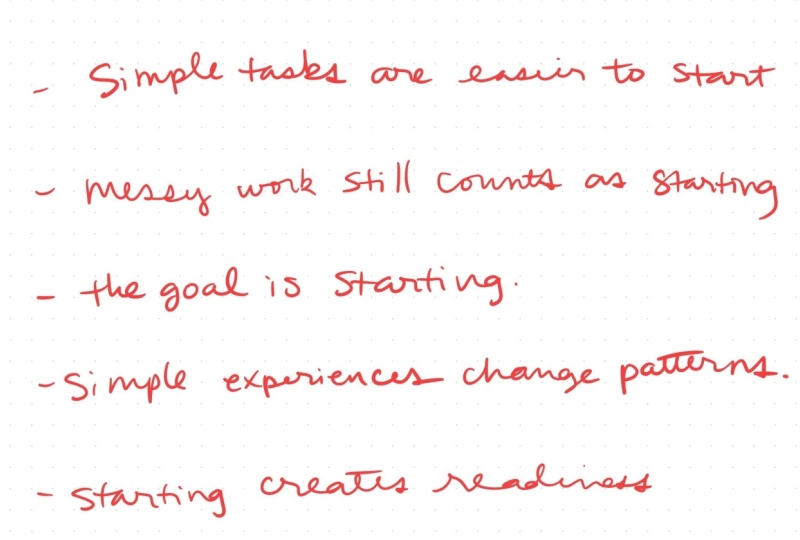
starting feel heavier, and the longer you wait, the bigger the task feels, even if it's small. The simple idea we're
using here is this. Starting creates readiness. Readiness does not
create starting. Once you begin, even briefly, your body receives proof
that starting is safe. That proof matters
more than motivation. There are a few gentle
parts to this idea. First, your mind often wants
certainty before action, but certainty usually arrives
after action, not before. Second, preparation can
quietly turn into avoidance. Organizing, researching, and
fixing can feel productive, but they delay the real start. Third, stopping after
starting is allowed. Beginning does not mean
committing forever. You can start and
stop on purpose. For example, if
you want to write, but keep waiting
for the right mood, you can open the document
and type a few messy words. That tiny action often
changes how you feel. When you start
without preparing, you bypass the emotional
gate that blocks you. You don't argue with yourself. You simply move. We'll use a simple flow. You'll choose one task. You'll begin it
without preparing. Then you'll stop after starting. That's the full loop. This works because it gives your nervous system a calm win. You started, nothing
bad happened. You're allowed to stop. That's enough. Let's move
into the first gentle action.
4. Choose One Task to Start Imperfectly : If you're feeling scattered or unsure what to do,
that's normal. Choosing can feel heavy when
everything feels important. Right now, you don't
need the best task. You just need a real one. The only thing you
need is awareness of a task that exists in your
life. It can be unfinished. It can be something
you've been avoiding. The project title
is Imperfect Start. First, notice a task that's been sitting
quietly in your mind. Something like
replying to message, opening a document,
washing a dish, or reviewing a note. Next, say the task to
yourself in simple words. For example, write one sentence, open the mail. Look at the file. Then gently decide that this is the task you'll
start imperfectly. You're not choosing it
forever just for now. After that, remind yourself that you are not here to do it well. You're here to begin without
fixing anything first. When I first tried this, I
chose tasks that feel too big. I learned to go smaller. Smaller task feels
safer to start. Once you've chosen
the task, pause. Notice how it feels to decide. That small decision
already counts. This moment matters because choosing one task removes noise. You don't need
options right now. You just need a starting point. We'll keep building from here.
5. Begin Without Preparing or Fixing Anything : It's common to feel the
urge to prepare right now. You might want to
clean, organize, or plan before you begin. That urge is familiar
and it's okay. Instead, we'll gently
step around it, bring your attention
to the task you chose. Then move directly into it
without adjusting anything. For example, if it's a document, open and type the
first rough words. If it's a message, open it
and write a simple sentence. If it's a physical task, touch the object and begin. Notice that you are not
improving anything. You are not setting a timer. You are not arranging
your space. You are simply starting. When I did this the first few times, it felt uncomfortable. Work look messy.
That was the point. Messy work still
counts as starting. As you begin, keep your
awareness on the action itself. Fingers moving, screen
open, object touched. You might feel resistance fade slightly or not.
Either way is fine. What matters is that you begin without
waiting. Pause again. Notice what changed. Even
a tiny shift is enough. We'll complete the
loop in the next.
6. Stop on Purpose After Starting : Some people fear starting because they think
they'll get trapped. Like beginning means they must continue forever.
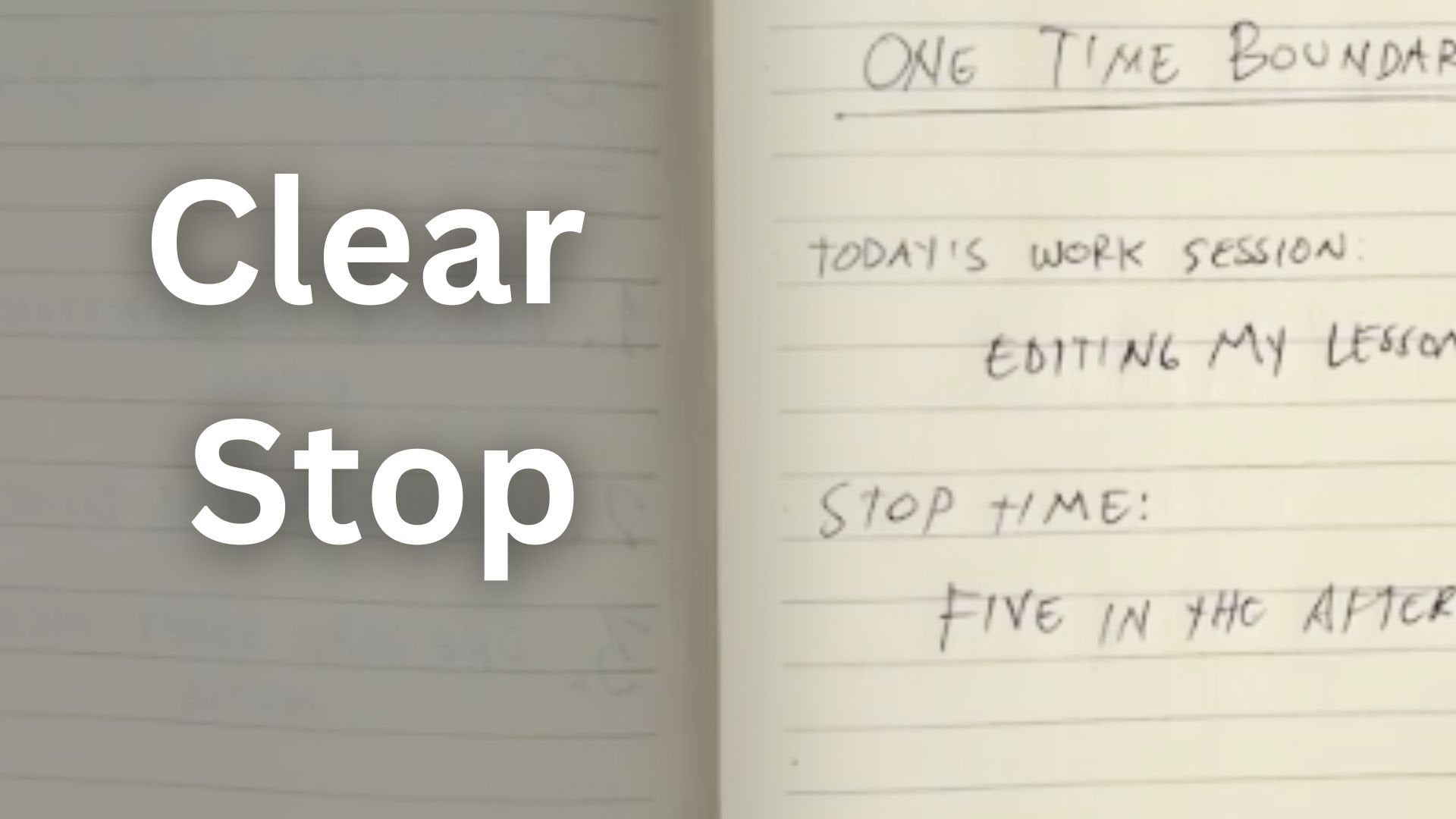
Here's the gentle part. You are allowed to stop. After you've started,
choose to stop on purpose. Close the document, step away, put the object down, say to yourself that
this was enough for now. This step is important
because it teaches safety. You started, you stopped. Nothing bad happened. When I learned this,
starting became lighter. There was no pressure to
finish. Notice how this feels. You took action.
You did not push. You respected your energy. Before starting
felt like a demand. Now it's a choice. That's the full experience. Starting imperfectly
and stopping on purpose. Take a breath. You did the hardest part.
7. Complete the Imperfect Start Project : H project you created
is Imperfect start. The only material used was your awareness
during a real task. Here is the completed
project example. Project title Imperfect Start. I chose a real task and started it without preparing or
fixing anything first. I opened it, did a
small imperfect action, and then stopped on purpose
after starting. That's it. This project was built
by choosing one task, beginning without preparation and stopping after starting. Each part mattered
because the getter, they showed your body
that starting is safe. To submit your project, upload
a short text confirmation. A sentence or two is enough. You can upload it
right after you do the start or later the same day. Most students keep this simple. Many upload a quick confirmation written in a minute or
two. That's perfect. This space is for
practice, not performance. Once you upload it, you've
completed everything.
8. Starting Without Feeling Ready : You move through everything, and it's normal to
have questions. First question, what if I choose the wrong
task? That's okay. If the task is real, it works. The goal is not progress. The goal is starting. If you choose a small task, you still practice the skill. Second question, what if I stop and never come
back? That's allowed. This is not about finishing. If you start once, your
brain learns something new. You can always start again
another time. Third question. What if this feels
too simple to matter? Simple experiences
change patterns. If you start imperfectly once, you've already
shifted something. That's how momentum begins. A small tip that helps
is reminding yourself that starting is
separate from finishing. They are different actions. The more you repeat
imperfect starts, the easier they feel.
9. Choose to Start Without Waiting : You did it. You chose to start without waiting
to feel ready. You'll learn how to pick a task, begin it imperfectly,
and stop on purpose. If there's one thing I
hope you take with you, it's that starting
creates readiness, not the other way around. I believe small
beginnings are powerful. They change how
you see yourself. Here's a simple shortcut
to remember this flow. Start, touch, stop. You stop waiting
and start moving. Thank you for being here today. Please upload your project
when you're ready. If you found this helpful, I'd really appreciate if
you leave a review. It helps me grow
as a teacher and helps other beginners
find this lesson. If questions come up
later, that's normal. Feel free to ask.
You're not behind. You're already moving. I'll see you in the next lesson.
 Paul Nene, Helping beginners take action