Transcripts
1. Choose One Daily Focus Without Feeling Overwhelmed : If you often start the day with good intentions and still
end up feeling scattered, behind or mentally
tired, you're not alone. Many beginners feel overwhelmed, not because they are
lazy or unmotivated, but because there are simply too many things pulling at
their attention at once. It can feel heavy before
the day even starts. Like your mind is already full before you've
done anything at all. Sometimes that feeling
shows up quietly. You sit down to begin and suddenly don't know
where to start. Other times, it feels louder, like a constant pressure in
the background of the day. Either way, it can
drain your energy before you even take
your first step. If that sounds familiar, take a slow breath. Nothing is wrong with. Your mind is just doing what it does when it has too
many open loops. It's trying to protect you by
keeping everything in view. But that often backfires
and creates stress instead. While you're here, we're going
to make this feel lighter. Today, the only thing you'll do is choose one clear
focus for the day, just one, not a perfect plan, not a full system. One calm focus you can return to whenever your attention
starts to drift. And Paul I help beginners
learn simple skills in a clear and gentle
way so they can feel safe trying something
new without pressure. I used to believe productivity meant doing more
faster and better. I thought if I just push
harder or plant better, everything would
fall into place. Instead, that belief
made me tired, stressed, and strangely
unproductive. Final help was learning how to choose one thing and
let the rest wait. I like this topic because
it brings relief quickly. You don't need new tools
or personality change. You don't need to become more disciplined or more motivated. You just need clarity.
That's why I teach this. I want you to feel the
small sense of calm that comes when your mind
knows what matters today. While you're here,
we'll move slowly. We'll build one simple project
together step by step, using everyday words
and real life examples. This works on its own, and it also connects naturally with other
simple habits you might build later without forcing
you to think about them now. This is not for people who love complex systems or
detailed planners. If you already enjoy
juggling many tasks at once, this may feel too basic. This is for real beginners,
busy parents, creatives, workers, or anyone who feels mentally full and wants relief. You don't need anything special, paper and a pen or a Notes
app if that's easier. As we go, take it
at your own pace. There's no rush here.
Let's begin gently.
2. Create One Calm Daily Focus Page : It's very common to worry that even simple
productivity exercise will turn into another
thing to manage. Many people have tried tools or routines before that
promise to help, but ended up feeling
like more work. If that thought pops
up, that's okay. We're keeping this very
small and very simple. You'll create one simple
daily focus page. It's just one short page that shows what you're
focusing on today. You'll build it slowly
across the lessons, adding one small piece
at a time without needing to plan ahead or
think about future days. The project is one clear
thing you will create a single daily focus page with a short title and a few
supporting lines. That's it. No formatting, no design,
no extra sections. You'll use one primary
material, paper and a pen. If you prefer, you
can use a Notes app. Use whatever you already have. There's no need to buy
anything or set anything up. As we go, you'll build
this page gradually. First, you'll write one focus. Then you'll gently add context. Finally, you'll complete it
with a calm stopping point. Each part builds on
the last in a way that feels steady, not rushed. If you want, you can
work along with me. You can pause or rewind anytime. You can also just listen
first and try it later. Both are completely fine. By the end, your finish page
will be simple and clear. You'll be able to look at
it and know what matters today without thinking hard
or second guessing yourself. Keep it imperfect. Messy is fine. This is
practice, not performance. You're already doing the
right thing by being here and giving yourself space to
try something gentler. Let's move into the
simple idea behind this.
3. Decide What Deserves Your Attention Today: When everything feels important, your brain has no
clear place to land. That's when stress shows up. You might notice your
thoughts jumping around, or you might feel frozen
and unsure where to begin. The goal here is not
to do everything. It is to decide what deserves
your attention today. Productivity in simple words, is knowing what to
focus on right now, not forever, not this
week, today. That's all. The simple idea is this. Your day feels calmer
when your mind knows one main
thing to return to. Even if destructions appear, you have an anchor. There are a few
parts to this idea. First, your brain relaxes
when it has a clear priority. It doesn't need to keep
scanning for what to do next or worrying about what
it might be forgetting. Second, choosing one focus does not mean ignoring
everything else forever. It simply means giving
one thing that means it today while everything else waits quietly
in the background. Third, Clarity comes
from choosing, not from listing more options. Adding more tasks usually adds more pressure, not
more progress. For example, if you
wake up thinking about work, family, chores, messages, and unfinished plans, your energy gets spread thin. But if you decide that today, your focus is finishing
one small work task. Everything else becomes
quieter in the background. You haven't solved everything, but you've created direction. This works because your
brain likes closure. One clear focus give it
something solid to hold. It turns noise into shave. Here's how we'll do
this step by step. First, we'll name the one focus. Next, we'll add a gentle
boundary around it. Then we'll decide when to stop. This flow works
because it reduces mental noise without
forcing discipline. It gives direction
without pressure. It helps you move
forward without pushing. Hold on to this idea.
One focus brings calm. Let's put it into practice.
4. Write One Clear Focus for Today: If you're used to
writing long task list, it can feel strange to slow down and choose just one thing. That discomfort is normal. It doesn't mean you're
doing it wrong. It means you're stepping
out of an old habit. Right now, the next
small step is to write one clear focus for today. Just one sentence, nothing more. Take your paper and
open your notes. At the top, write a simple
title today's focus. You can write it
plainly. For example, today's focus, finish
the presentation draft. That feels too big, you
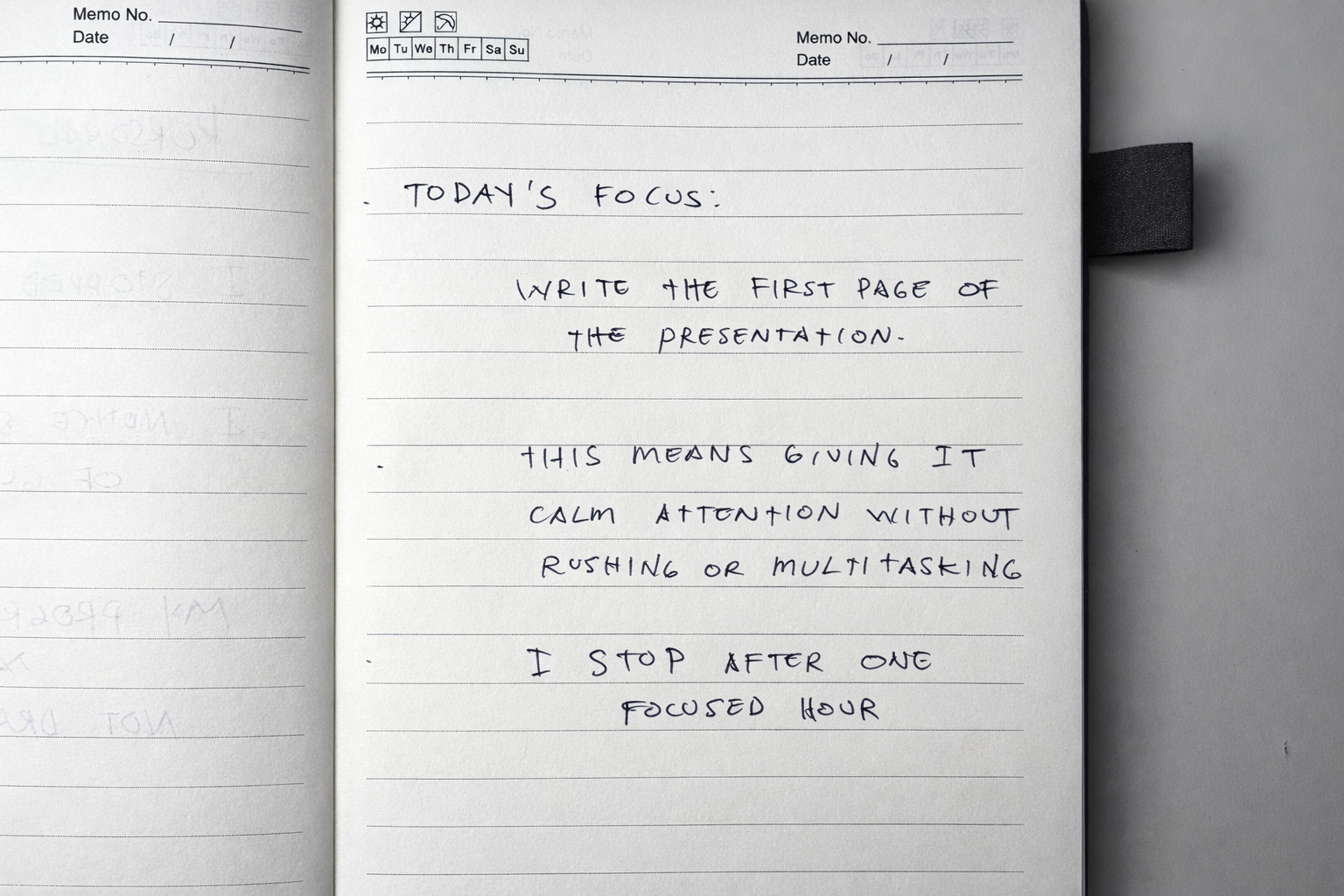
can make it smaller. Today's focus, write the first
page of the presentation. Start with whatever
feels realistic today, not what you think you
should be able to do. If you don't have paper,
any surface works. I started with scraps
and random notebooks. What matters is the
choice, not the tool. Now, pause for a moment and
look at what you wrote. That's your anchor for today. This is the point you return to when your attention wanders. If other thoughts
pop up, that's okay. You're not erasing them. You're simply choosing where
your main attention goes. This first part is about naming, giving your day a center. You're not committing
to doing everything. You're choosing one
thing to care about. Notice how it already
feels slightly clearer. Even if nothing else changes, you now know what matters most. Take a breath that's
gently build on this.
5. Add a Gentle Boundary Around Your Focus : Sometimes we choose a focus but still feel pulled
in many direction. That's because the focus
needs a soft boundary. Without it, the mind
keeps adding expectation. The next step is to add
a short line underneath your focus that says what
this focus includes. This helps your brain
understand how to approach it. Under your focus, write
a simple sentence. For example, this means working on it for a short, steady time. Or this means giving it my calm attention
without rushing. Keep it kind. This
is not a rule. It's guidance. It's there to support
you, not control you. When I first did this, I noticed I stopped
arguing with myself. I didn't need to decide
every moment what to do. I had already decided
how I would show up. This boundary helps you return
when you get distracted. It's like a quiet reminder that brings you
back without guilt. Look at your page now. You have a title and
a supporting line. Nothing fancy, just
enough to create shape. You are doing well. This
is clarity forming, even if it feels subtle. Let's finish it in a way
that removes pressure.
6. Decide When to Stop and Feel Complete : Many people struggle not
because they don't start, but because they don't
know when to stop. Without an ending, even
simple task can feel endless. That creates hidden stress. The final step is to decide
a gentle stopping point. This gives your day
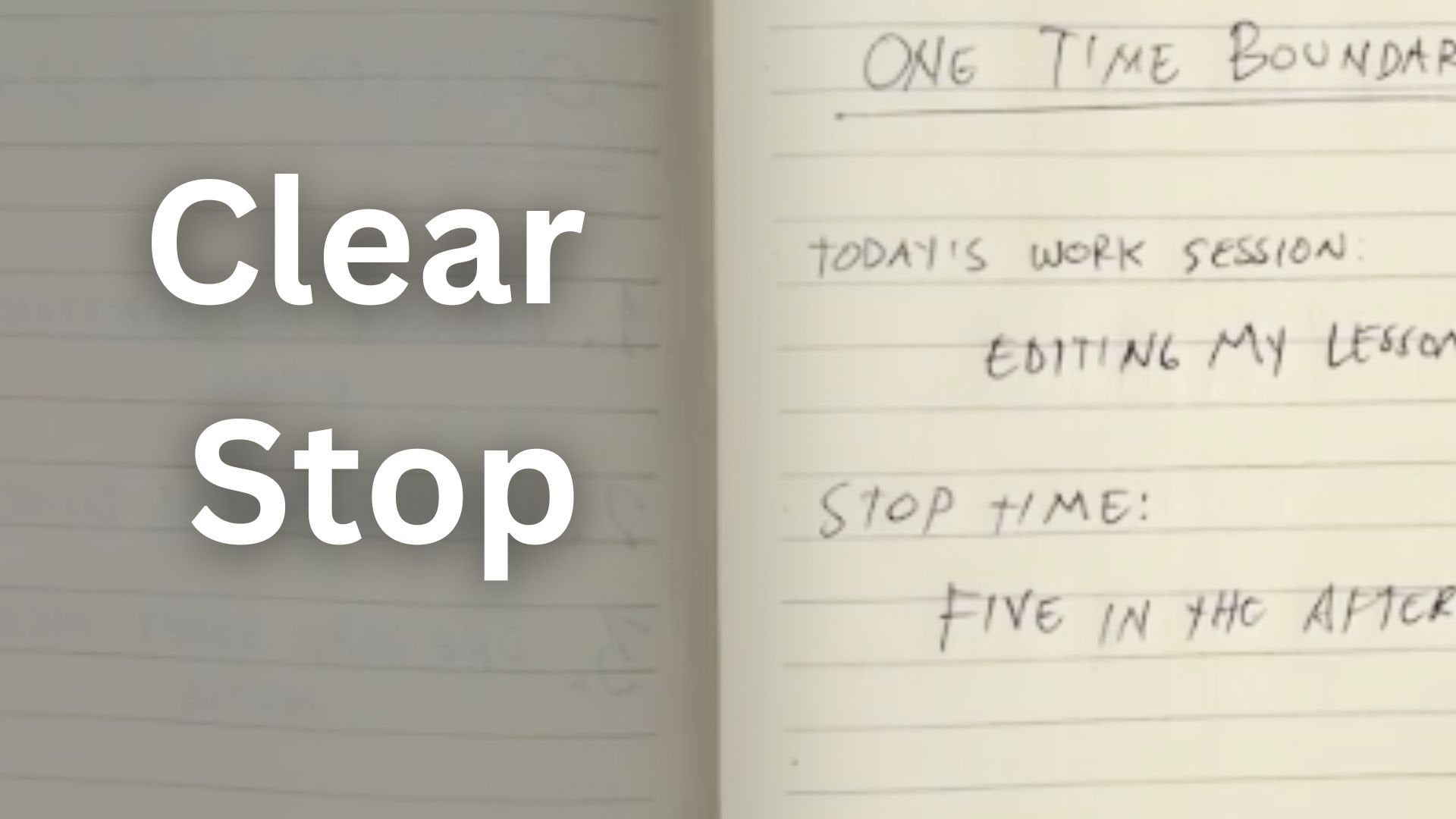
a natural close. Under your boundary line, write one simple sentence that shows when today's
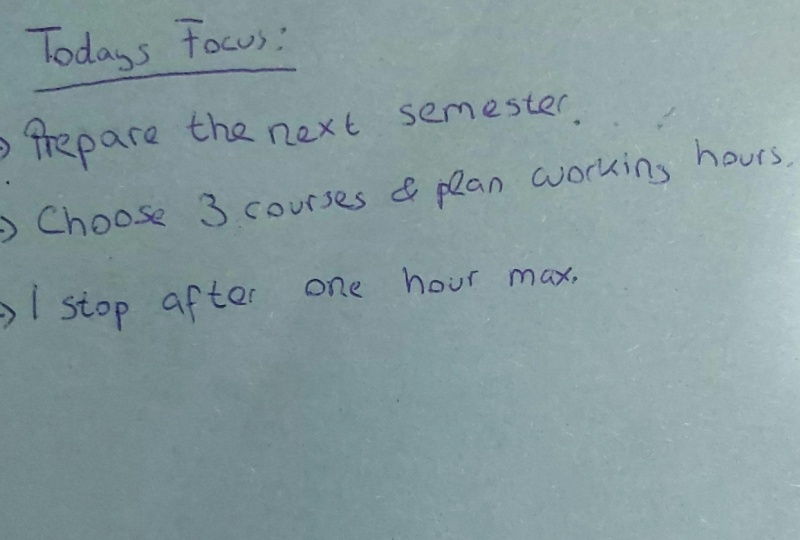
focus is done. For example, I stop after one focused hour or I stop when this small
piece is complete. Choose something that
feels kind and realistic. It should feel like
relief, not restriction. This is the calmst
part of the process. It tells your brain
there is an end. You don't have to push endlessly or keep checking if
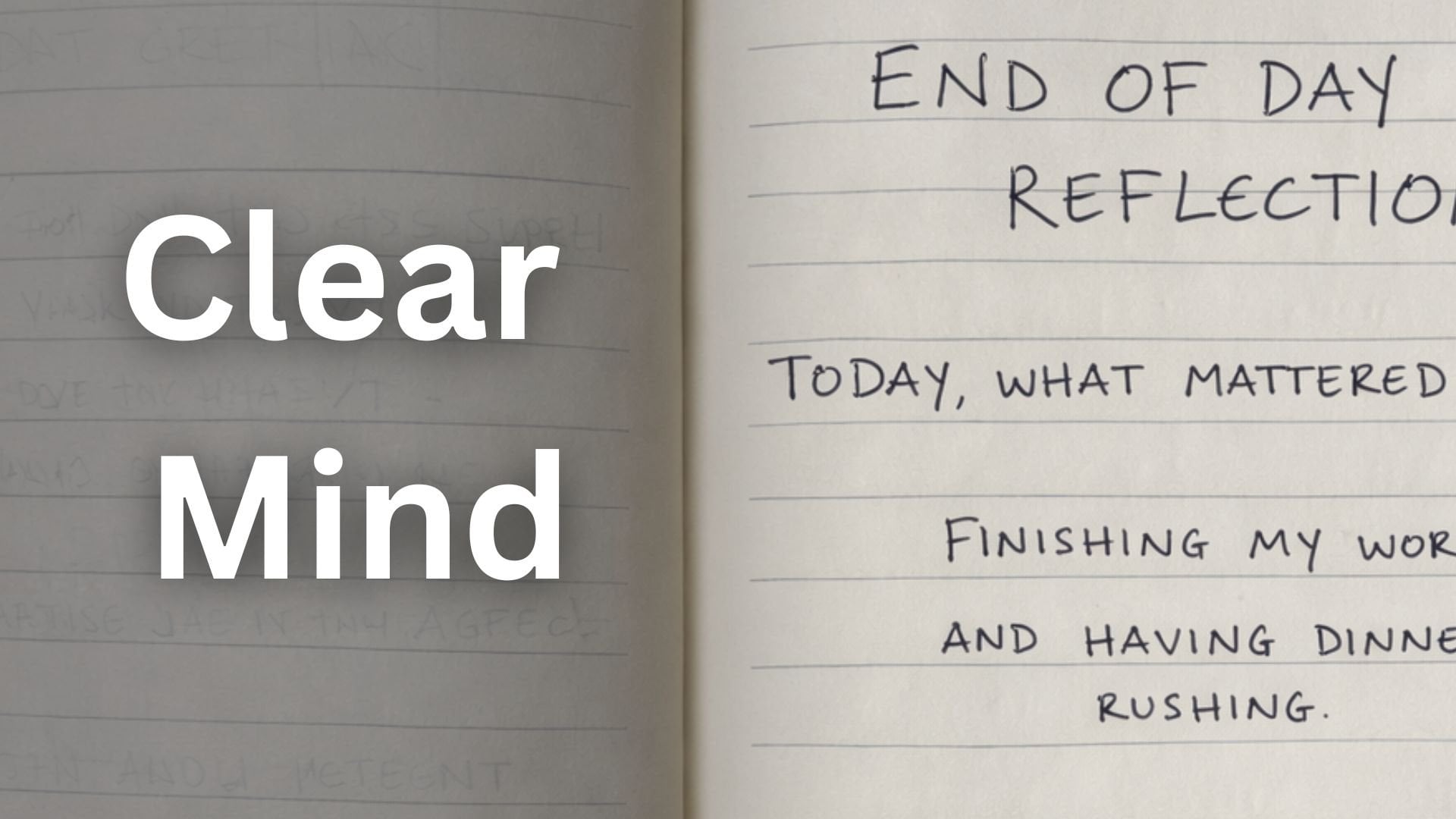
you've done enough. When I learned to do this, I felt relief even
before starting. I knew I wouldn't be trapped
in the task all day. I could show up
fully and then rest. Now, look at your full page. It has three simple
parts a focus, a boundary, a stopping point. Before, your day may
have felt blurry. Now, it has shape and direction. You've completed
the final piece. Let yourself feel that. You're not behind,
you're choosing calmly.
7. Share Your Completed Daily Focus Page : Your project is one
completed daily focus page. You use paper and
a pen or a Noeapp. The title is today's focus. Here is one complete example
of the finished project. Today's focus, write the first
page of the presentation. This means giving it calm
attention without multitasking. I stop after one focused hour. That's the full project. You started by
choosing the focus. Then you added what it includes. Finally, you decided
when to stop. This works because it replaces mental noise with clarity.
You don't need volume. You need direction to upload, take a photo or screenshot
of your completed page, add the project title and a short description if you want. That's all. You can create
and upload this today. Even a quick version is enough. Most people share
simple imperfect pages. That's expected here.
Once it's done, you finish. There
are no extra steps. Let's answer a few
common questions that often come up at this.
8. Common Questions About Choosing One Focus : By now, you've walked through the full process from
start to finish. It's normal for a
few questions to appear once you imagine
using this in real life. These questions don't
mean you're unsure. They mean you're thinking and applying it to your own way. Here are the few of the most
common questions beginner ask after trying this. Is it okay if my
focus feels small? Yes, if it feels small,
it's probably right. Small focus builds
trust with yourself because you can finish it and feel complete instead
of stretched. What if my day changes? That happens, life is flexible. If your day shifts, you can
gently update the focus. The skill is choosing,
not forcing. You're allowed to adjust. Do I need to do this every day? Not at all. Use it when you feel overwhelmed or scattered. Over time, you may notice
it becomes natural, even without writing it down. One helpful tip is to write
your focus in calm words. If it sounds harsh
or heavy, soften it. Your mind responds better
to kindness than pressure. Let's wrap this up gently.
9. Carry One Clear Focus Into Your Day : You did it. You move from overwhelm to clarity
by choosing one focus. If there's one thing I hope
you take with you, it's this. Calm productivity starts
with choosing, not pushing. You now know how to create a
daily focus page that gives your mind relief and
direction without stress. I believe small choices done gently change
everything over time. They build confidence quietly. A simple way to remember
this is the word calm. Choose one focus,
allow boundary, limit the ending, move on. Thank you for being here today. When you're ready,
applaud your project. If you can do it
today, that's great. If not, tomorrow works too. If you found this
helpful, leaving a quick review helps me grow as a teacher and helps other beginners find something
calm and supportive. If questions come up later,
that's totally normal. Feel free to ask. You showed
up and choose clarity. That matters more
than you think. The next common question
people have is how to return to focus when
distructions appear. Well, there's a simple
way to handle that, too when you're ready. Thank you for taking the time to be here. I'll see you next time.
 Paul Nene, Helping beginners take action