Transcripts
1. 01 Welcome Everyone: Hi, thanks for checking my new
course on self-discipline. Let me ask you a quick question. What's standing between
you and your success, between you and the results
you want to achieve. And a lot of us, we tend to
say things like information. There are things that
I would like to learn in order to succeed and I should learn them
before succeeding. While I believe this is true, there are also
another components and this is the environment. I believe the fundamental
question behind this as, how can I design a world
where it's easy to do the right thing in
order to wherever. This is what you're gonna
learn in the following videos. First, we are going to see why some people are
discipline and some are not. And why organizing your environment is
extremely important. And then we are going to see exactly what is an environment, what we mean by
the environments. I'm gonna show you how I personally organized
my environment. And I will make you go
through the whole process. We have a lot of
resources to download. You will be able to design your perfect environments geared towards your version of success. If you like it, that feels good. Please feel free to
just keep watching. See you on the other side.
2. 02 Why Some People Are Disciplined (and others aren't): Thanks for joining. So let's start with
this question. Why some people are discipline
and some people aren't? That's the obvious answer. All of us tend to Windsor
that it's just willpower. Some people. They
have it in them. They just know how to brute
force this amazing skill. That's why actually they
succeed. And we don't. I really believe it's not
healthy to keep this in mind simply because it makes us believe that actually we
are not trying enough. We are not trying hard enough. Obviously, a lot of other people are going
to say discipline. It's the obvious answer. Some people are
disciplined because well, they are discipline. I believe this is way too short. It's too easy to answer that. That's not even thinking
of the problem really. I believe really what's
the difference between discipline people and
that discipline people is just the environment. I believe discipline people. They figured out on some
unconscious level how to organize their environments to gear it toward the results
they want to achieve. It's really that question. How can I design a world where it CZ to do
the right thing? The most discipline,
people that I know do it on some
unconscious level. Maybe the education,
maybe they figure it out. I don't know how, but
it's just really that their environment,
physical environment, and not physical
environment is geared toward making them
take the right choice. That's really it. That's what I
believe, my belief. Next part. Why organizing your environment
is extremely important. See you there.
3. 03 Why Should You Organize Your Environment: Why organizing your environment
is extremely important. Less friction. Let's start
with this one. Less friction. From the moment you wake
up until the moment you sleep is just an
easier way of living. It's just that's just
you don't have to push and push and push and
push to achieve anything. Things tend to organize
themselves, themselves. It's like just really
having a awesome day. Every single day. It's
really less friction. I believe also the
most important. And maybe that's the most
important thing is you're not the victim of others
deliberate design anymore. I call it stepping into
the driver's seat. That's really powerful. I mean, this was
mind-blowing for me. I really believe that if you, if you are a discipline person, if you organize
your environment, simply, you are not
the victim anymore. Some people design
your life for you. You don't have to
accept it anymore. Now you can really step
into the drivers seats. It's also a feeling. It's also an amazing
feeling that your life is trending
in the right direction. That's, that's really a
feeling that I wake up with every day and I
wish the same for you. This is why we organize
our environment. The whole goal of it, the whole goal of
everything is creating a new identity, hopefully
better identity. It's being productive
and organized, not a task or a burden anymore. It's simply who you are. That's it. That's why organizing
your environment is so, so, so powerful. Let's see how to do it.
4. 04 What is THE Environment: What is exactly the environment? That's, that's something
that a lot of us, we don't even think
of it because I mean, here is my environment. That's it. That's
the books behind me, that's the camera in front of
me, that's my environment. Really. Something important
to understand right here is the environment is as physical as it is mental. It's what is obviously
in front of you. What is hidden? It's your desk. But not only it's what
is in front of you. I have kids. I mean, my desk
is always a mess. But it's your desk. But not only it's your apartment or your house, but again, not only it's also your
computer and your phone, but not normally, it's what is designed to be Hayden
in your phone. Those things that
designers and engineers make in order to facilitate
certain behaviors. But certain behaviors, behaviors
that are good for them, usually not really good for you. That's all the environment. And I will take, for
example, my iPad Pro. This is, this is the thing
that I'm working with. So in front of me I
have my computer, but it's not really the
thing that I'm working with. I work on this 13 inch iPad Pro, and it is designed, I designed it to be geared
toward productivity. This is really what I called being the architect
of your environment, not the victim anymore. So for example, I have no
social media apps on my iPad. 0 really? Nothing. No Facebook,
no. Instead, nope. Interests know wherever. Nothing. I don't have any random apps. All the apps that I
couldn't get rid of. I just put them in a file
that I call, no use. I never go in there. It's really that simple. No notifications whatsoever. It is remember, I need
my iPad to make me work, to help me achieve the results
that I put for myself. That means no notifications. I just simply there is really
no notifications and you can go into the settings
and just stuck them all. Sometimes I just really
unplugged the Wi-Fi. That's it. It's going to be that easy. Unplugging the Wi-Fi is
really, for example, taking charge of
your environment, design it to be be
productive for you. I have free apps that I'm working on every single
day on this iPad, Google Calendar, google
Keep google document, google world,
whatever. That's it. That's really it. I have nothing else on my iPad. And I'm going to show you also
how I work with this iPad. And you will see that
designing your environment, designing an environment
where it's easy to do the right thing
is not that difficult.
5. 05 How Do I Personally Organize My Environment: In this part, I'm gonna
take my life as an example. The thing that, that I do from really the
very more in the, very early in the morning
until late at night. In this course,
I'm going to focus especially on the waking
part and the evening part, simply because I want you to focus on some things
that are going to bring us the most results
really quickly. I wake up at I wake up
every single day at 555. Why? I like the numbers, That's it. But I wake up at
555 simply because my phone is never
sleeping next to me. Never It is charging or not, whatever, but it is
on my desk somewhere. It is going to wake me up, but I have to stand up
in order to shut it off. I have to make a
conscious decision to go back to bed
if I feel like it. But still, I have this
very quick those moments, those seconds where I
get to wake up and say, Okay, if I want to achieve
what I want to achieve, I need to stay up. My routine. I do some yoga exercise
every single day. Simply, I just wash my face and go and go
into my yoga routine. I don't even think about it. It's just it's
just really quick. Is just really like five-minutes,
not more than that, but I need to do them in
order to do anything else. It's called habit
stacking, wash my face, and then I do my yoga
poses very quickly. Then I go back to the kitchen. I pour a big glass of water for myself and another
one for my wife. She loves it. It's for her away of my way of saying I love you, I think of you every day, whatever she loves it anyways. So just really habits that I
stack on top of each other. So our wake up because my
phone is away from me. Come here, do my yoga stuff, go to the kitchen,
pour a glass of water. Then I go back to bed. And my iPad, the one
that we talked before, my iPad is right beside me. It's really at its
really on my left. I cannot not grab it. And then I take my iPad and
I switch and switch it on. My iPad is always switched off. If it's switched on,
that means work. That's it. By this time it's like 610615. I start my morning routine. My morning routine is very, very structured because
I needed that way. I needed that way I need to
know what is going to happen. So this is why I use
Google Calendar. I need to quickly check my day. You have it on iPad, on my phone, whatever. I need Google Keep
because I need to do my routine myself, talk, everything
is on Google Keep. I journal. Journal every single day. Have been doing it for months. I journal every single day. That's extremely
important. Well actually, that's a very good habit
to start for anyone. Really. This is this is how I
structure my my very, the very beginning of my day. Then go wake up the kids, make breakfasts, eggs usually, and milk, and then take
the kids to school. I walk every single day, five kilometers, which
means like free, 0.5 miles for the US. I do it every day. We have been doing
it with my wife for more than 450 days. I think something like that. I do it every single
day simply because it is embedded in my environment. I put the kids at school, I just keep walking. That's how we started
this behavior. I just really kept walking. Really. It's not something that I I didn't bought the shoes. I didn't striding. I don't care about what I'm wearing at the very beginning. That that's really what was happening with the
kids at school. Keep walking. That's it. And then we decided we want to after several weeks
actually, we decided, okay, let's make it five
kilometers, Let's make it, let's go by this way
for whatever reason. This year we started to stack another habit
which is skip roping. Today actually, I
knew best score, I did it 377 times. You can see by my face that
I'm really happy about it. I started at 20 times. I couldn't do more
than 20 times. Habit stacking. I just put the rope. I just took it in the morning because actually
Environment designing. Whereas the rope, it is
in front of my eyes, I cannot put my jacket on. Without looking at the rope. I cannot forget it because it is really in front of my eyes. I take it. And every single day we pass
through a park for kids. We just stopped
there and skip rope. I really I mean, if I started at 20 and
today it's more than 377. That's my new score. This is my morning routine. Everything is just
stacking on each other. I want the minimum
friction possible. And this is really the secret between designing
your environment. It's really that it is minimizing an environment
frictionless. So that's every behavior is geared towards doing
something, Right? Remember the question. And really I believe when
you ask the right questions, you'll get the right answers. Keep asking always yourself, how can I design a world where it's easy to do the right thing? Next, it is going
to be your turn. We have resources
that are coming. And we are going to
ask this question, in what ways can you set up
your environment for success?
6. 06 What Ways Can You Set Up Your Environment For Success?: It's your turn. It's your
turn now to organize, setup. An environment that is
conducive to your success. There are tons of resources
that are coming with this parts and I just,
it's really easy. You just look at the names and you download the resources. And we do it together. First of something that is, I didn't do it for
a very long time and I believe it is
extremely important to do. It's just follow your day
schedule for free days. Just do that really. You need to know where are, where it's going your
time effectively. Not really something that is not the belief
about your time, really what you are
doing from doing do we do it for free days
and just follow half an hour by half an
hour what you are doing. And I'm not talking
only about the work. I'm already talking from
the day you wake up until the moment you wake up, until the moment you sleep, just start with that. It is extremely important. In the meantime, during
those three days, what do you feel? Answer those questions on the sheets that
are downloadable. What do you feel is preventing you from achieving right now? Know that maybe it is true and maybe that's
just a belief. What do you feel is preventing
you from achieving? Just pause it. Just pause the video
and just go answer it. When you come back,
lists every item that is parts right now
of your environment. And I'm not talking only about things that
are work-related. I'm talking about everything
that is in your environment. Like I said, you need to
you need to view it not only not the physical stuff, only also the mental stuff. You need to think about. These things. Take the resources and
print them. And right. Then we need to think about
what do you want to achieve? I believe as long as you have a brain that
works normally, I believe you can
achieve everything. But I don't believe you can achieve everything at anytime. Some things are more
important than others. The question that I'm
always asking myself is, what is the master project? What is the project that renders the other projects
less important? Or simply useless? If you achieve that project, your life is trending
in the right direction. In order to, in
order now to look at how you can design the best environment in order to achieve the
results that you want. I believe that there are four types of changes
that you need to make. I'm gonna start with the very useless from one and go until the one that we are
going to focus on today. So first change is low
impact, high effort. Low impact, high effort, which means it's
very difficult to do it and it's basically useless. So we don't want to focus
on that kind of change. The second change is
low effort, low impact. This one also is
pretty much useless. It's not very difficult
to make that change, but basically it's not going to, it's not gonna change your life. It's not gonna make you
do the right things. Then there is the low
effort and high impacts, which is the one that we are
going to focus on today. The resources also
focused on this one. I'm coming back to it and
there is the last one which is high effort, high-impact. This one is kind of out of
the scope of this course. Very rapid course, because it's more geared toward big projects. We are going to focus on
low effort, high-impact. I want you to find doubts. What changes you can make
in your environment. Physical mantle. You can consider everything. Your desk, your phone, you, your computer, your environment, your physical environment,
your apartment, house. What are the changes that
you can make that will bring immediately between
40, 70% of results. That's what we're
going to focus on. Between 40, I want to be very, I want to very quickly
achieve 40% of results. I know that those rapid changes, low impact, low
effort tie impacts, those changes are not gonna make not going to
make big projects, but they are going to make me trend in the
right direction, which is what we want right now. How can you design
a world where you get between 40, 70% of results? Almost immediately. I put some examples in the
sheet you can download. And it's important that
you come up with your own.
7. 07 Your Personal Project: Now what's now it's your turn. We did a lot of things together. We did a lot of
thinking together. But now it is your turn to
think and do the exercise. Organize your
environment so that you achieve the results that
you want to achieve. And if you manage your projects, the way we discussed it, you are going to be successful. If you started to walk
or to run just by putting your sneakers in front
of your bed, for example. Well, we want to hear about it. We all like to celebrate. We all like to follow
people that succeed. So there you go. As a project, you just posts whatever is your
success in the section. And we will celebrate with you. Thanks.
8. 08 Quick Last Word: So that's about it. Thank you for following my demeanor series on discipline,
behavior, and habits. You can check my other courses. I will be happy to take you
through all the series. If you have any
questions, feel free. My e-mail is down below. I am always happy to answer. I am always happy to celebrate. That's really a pleasure. Thank you for following me. You take care. Thanks.
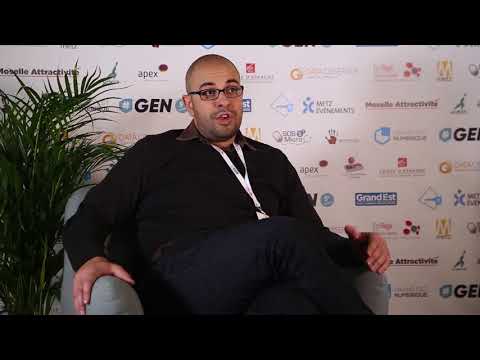
 Mohamed Semeunacte, Father, Husband, Entrepreneur.