Organize Tasks with a Clear and Simple Method for Busy Beginners | Paul Nene | Skillshare

Playback Speed


1.0x


  • 0.5x
  • 0.75x
  • 1x (Normal)
  • 1.25x
  • 1.5x
  • 1.75x
  • 2x

Organize Tasks with a Clear and Simple Method for Busy Beginners

teacher avatar Paul Nene, Helping beginners take action

Watch this class and thousands more

Get unlimited access to every class
Taught by industry leaders & working professionals
Topics include illustration, design, photography, and more

Watch this class and thousands more

Get unlimited access to every class
Taught by industry leaders & working professionals
Topics include illustration, design, photography, and more

Lessons in This Class

    • 1.

      Start Your Day Without Feeling Overwhelmed

      1:29

    • 2.

      Understand Why Tasks Feel Heavy

      1:26

    • 3.

      Write a Simple Daily Task List

      1:33

    • 4.

      Choose One Clear Priority

      1:12

    • 5.

      Close the Page with Calm Confidence

      1:03

    • 6.

      Complete Your Daily Task Page

      0:46

    • 7.

      Feel Confident Using This Method

      0:50

    • 8.

      Use One Page to Feel Clear Again

      0:49

  • --
  • Beginner level
  • Intermediate level
  • Advanced level
  • All levels

Community Generated

The level is determined by a majority opinion of students who have reviewed this class. The teacher's recommendation is shown until at least 5 student responses are collected.

29

Students

3

Projects

About This Class

Feeling overwhelmed by daily tasks is more common than you think.

This class helps you organize tasks with a clear and simple method that feels calm instead of stressful.

You’ll learn how to place tasks on one visible page, choose a clear focus, and end your day without guilt or pressure.

This gentle approach to daily time management is designed for busy beginners who want clarity, not complexity.

What You Will Learn

  • How to place daily tasks in one clear, visible space
  • How to choose one main focus without overthinking
  • How to reduce task overwhelm using simple limits
  • How to create a daily task page you can reuse anytime

Why You Should Take This Class

When tasks feel scattered, your mind stays busy all day.

This class shows you a calm, practical way to organize tasks so starting feels easier.

You’ll walk away with a method you can use every day, even on busy or low-energy days.

I guide you slowly, with real examples, so you never feel rushed or lost.

This class is part of a calm productivity series focused on simple, repeatable routines for everyday life.

Who This Class Is For

This class is for beginners who feel overwhelmed by task lists and want a gentler way to plan their day.

No experience, systems, or special tools are needed.

Materials / Resources

  • One sheet of paper or a notes app
  • A pen or keyboard

Meet Your Teacher

Teacher Profile Image

Paul Nene

Helping beginners take action

Teacher

I help beginners take action and stop overthinking so you can move forward and finish what you start.

My classes are designed for busy people who feel stuck or unsure where to begin. Instead of overwhelming you with too much information, I focus on a few simple steps that help you make real progress right away.

You won't just watch. You'll follow along with clear demos and walkthroughs, take small actions and see progress as you go. Each class is simple, practical, and easy to finish, even if you only have a short amount of time.

With more than ten years of experience in video editing and digital workflows, I break everything down into small ste... See full profile

Level: Beginner

Class Ratings

Expectations Met?
    Exceeded!
  • 0%
  • Yes
  • 0%
  • Somewhat
  • 0%
  • Not really
  • 0%

Why Join Skillshare?

Take award-winning Skillshare Original Classes

Each class has short lessons, hands-on projects

Your membership supports Skillshare teachers

Learn From Anywhere

Take classes on the go with the Skillshare app. Stream or download to watch on the plane, the subway, or wherever you learn best.

Transcripts

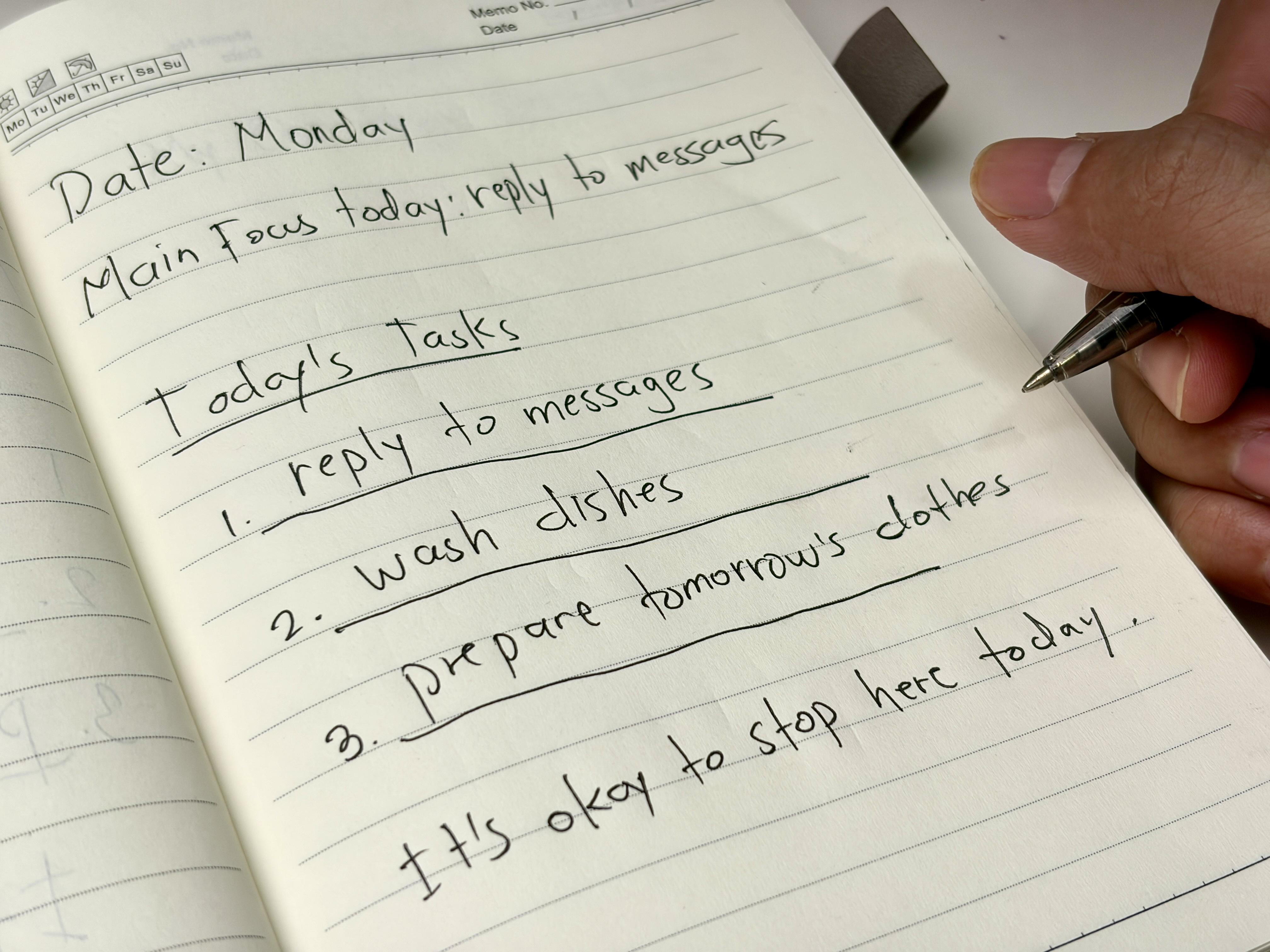
1. Start Your Day Without Feeling Overwhelmed: If your task list feels messy before it even begins, you're not alone. Many beginners open their notebook or Notes app and feel stuck right away. Too many tasks, no clear order. A quiet pressure to do everything. If that's you, take a breath. Nothing is wrong with you. You're not bad at planning. You're just missing a clear container. Today we'll take one small step together. Not a big system, not a complicated planner, a simple method you can finish today. Hi, I'm Paul. I help beginners organize daily life in a calm, clear way so things feel lighter instead of stressful. I used to write long task lists that I never finish. They look productive, but they made me tired before I even started. What helped me was in adding more tools. It was learning how to place task in a simple visible order. That's what I want to share with you here. In this class, we'll build one simple daily task page. You'll write it by hand or type it out. No special apps, no pressure to be perfect. This class is for beginners who want clarity and relief. It's not for advanced productivity systems or pack schedules. You don't need experience, you don't need fancy materials. By the end, you'll have one clear task page you can use again and again. You'll know exactly what to work on first, next, and later. Let's skip this gentle. You're doing better than you think. 2. Understand Why Tasks Feel Heavy: When tasks feel overwhelming, usually not because there are too many. It's because they're floating around with no clear place. Your brain keeps checking them. Don't forget this. What about that? It creates quiet tension all day. The simple idea behind this method is visibility. When a task plays in a clear order, your mind can relax. Going to use one daily task page, just one page, nothing hidden, nothing crowded. This page works of three simple ideas. First, task needs a home. When a task lives on a page, your mind doesn't need to hold it. Second, tasks need a clear order, not by importance in theory, but by what feels doable today. Third, task needs a gentle limit. Too many items create pressure. A short list creates movement. For example, if you write ten tasks in a row, you may freeze. But if you write three clear tasks, you're more likely to start. Here's the flow we'll follow today. We will write the base task list, then we'll add a simple priority line. Finally, we'll add Calming finish that closes the page. Each part builds on the same page. Nothing new, nothing extra. This works because it matches how beginners think and feel. Simple, visible, finishable. Let's begin slowly. 3. Write a Simple Daily Task List: If starting a task list already feels tiring, that's very common. You may be thinking, I don't even know where to start. Well, that's okay. We'll start small. The only thing you need is one piece of paper or one blank note. That's it. If you don't have a paper, a phone note app works. If you don't have a notebook, any scrap is fine. I started with whatever was nearby too. Perfection never helped me start. Starting helped me feel better. Now, let's write the baselist. First, write today's date at the top. This tells your brain, this is only for today. Second, below the date, write the title. Today's task. Third, draw three short lines under the title. Three, four. On the first line, write one task you already know you need to do. Use simple words. For example, reply to messages. Fifth, on the second line, write another small task. For example, wash dishes. Sixth on the third line, write one more task. For example, prepare tomorrow's clothes. That's it. No more tasks, not yet. If you feel the urge to add more, pause, three is enough for now. This step works because it reduces pressure. You're not planning your whole life. You're planning one day. Take a moment and look at the page. You already did something useful. In the next lesson, we'll gently decide what comes first. 4. Choose One Clear Priority: Sometimes even a short list feels unclear. You may look at it and think, Where do I begin? Well, that's normal. You don't need to feel confident yet. You just need one small decision. We'll use the same page, not in changes. We only add one line. Above your task list, write this label. Main focus today. Below it, live one blank line. Now, look at your three tasks. Ask yourself one simple question. If I only finish one of these, which would help the day feel lighter. Write the task on the main focus line. For example, reply to messages. You're not saying the other tasks don't matter. You're just choosing where to begin. When I learned this, I felt strange at first. I worried I was ignoring things. But what actually happened was I started more often. This works because your brain likes direction. One clear starting point reduces delay. Now, glance back at the list. Nothing else changes. You still have three tasks. You just know which one comes first. That's progress. In the next lesson, we'll close the page in a calm way so it feels complete. 5. Close the Page with Calm Confidence: Mm. Sometimes task lists feel endless. You do things, but the list tells feel finish. This final step helps your mind rest. Well, stay on the same page. No new sections, just one small addition at the bottom. Below your task list, write this sentence. It's okay to stop here today. That's all. This line matters more than it looks. It tells your brain that effort counts. It creates a natural ending. Now, let's gently review the page. At the top, you have today's date. You see today's task with three items. You see main focus today with one clear task, and at the bottom, you see permission to rest. This is the full method. When I started doing this, my dels felt quieter. I wasn't rushing to do everything. I was doing something. Before, Mel's made me tense. Now they make me steady. You don't need to finish all tasks today. You only need to return to the page. You've completed the final piece. Take a breath. You did this gently. 6. Complete Your Daily Task Page: Your project is one daily task page. It shows how you organize task clearly and calmly. You'll use one piece of paper or one digital note. So here's an example of a completed page, date, Monday, main focus today, reply to messages. Today's task, reply to messages, wash dishes, prepare tomorrow's clothes. It's okay to stop here today. So for the project title, my clear daily task page. When you're ready, upload one photo or screenshot of your finished page. Add the project title and add a short description. An example of description is, this is my daily task page using the clear and simple method. Keep it simple. Imperfect is welcome here. Most students upload quick, real version. Once it's uploaded, you're done. 7. Feel Confident Using This Method: You finish the full flow. It's normal to have a few questions. A common question is, what if I have more than three tasks? Well, if you have more, write them somewhere else. This page is only for today's focus because clarity helps you start. Another question is, what if I don't finish everything? If that happens, you can move unfinished task to tomorrow's page. This works because each day is fresh. A third question is, can I use this every day? Well, yes. That's the point. The structure stays the same, so your mind doesn't need to re learn it. One helpful tip. If you feel stuck, rewrite the page from scratch. Fresh writing often brings fresh energy. This method works because it's gentle and repeatable. 8. Use One Page to Feel Clear Again: You did something important today. You learn how to organize tasks without pressure. You learn to place task on one page. You learn to choose one focus. You learn to end the day with permission to stop. If there's one thing, I hope you remember, it's this. Clarity comes from small limits, not big systems. I believe progress grows when you keep things simple. Even tiny steps count. Here's the fun shortcut you may notice now. You were not just making a list. You were creating a calm start, a clear middle, and a gentle ending. That rhythm is the method. Thank you for being here today. Upload your project when you're ready. If you have questions that's completely okay, you showed up. You tried something new that matters. I'll see you in the next class.