Learn To Paint A Simple Bird In Watercolor: Easy To Follow Step By Step Painting | Ola Alhamedy | Skillshare

Playback Speed


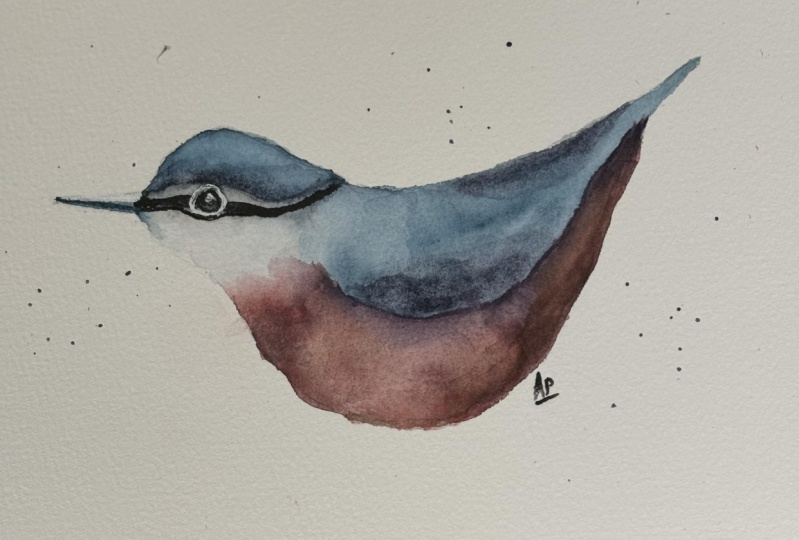
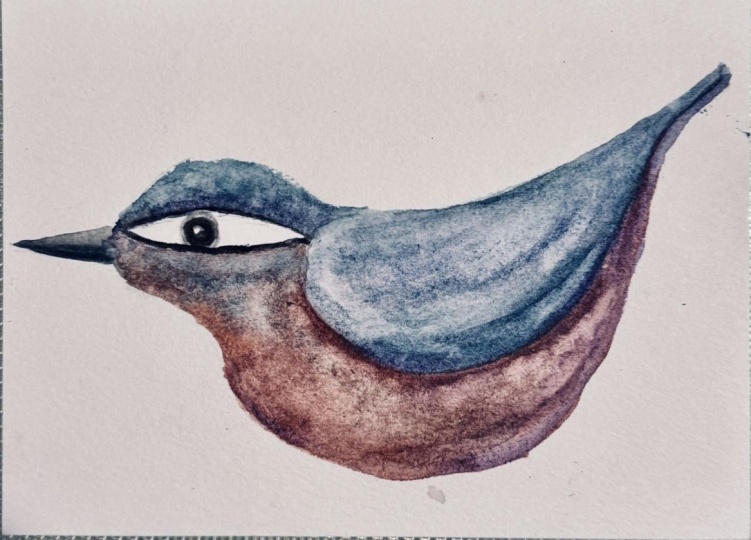
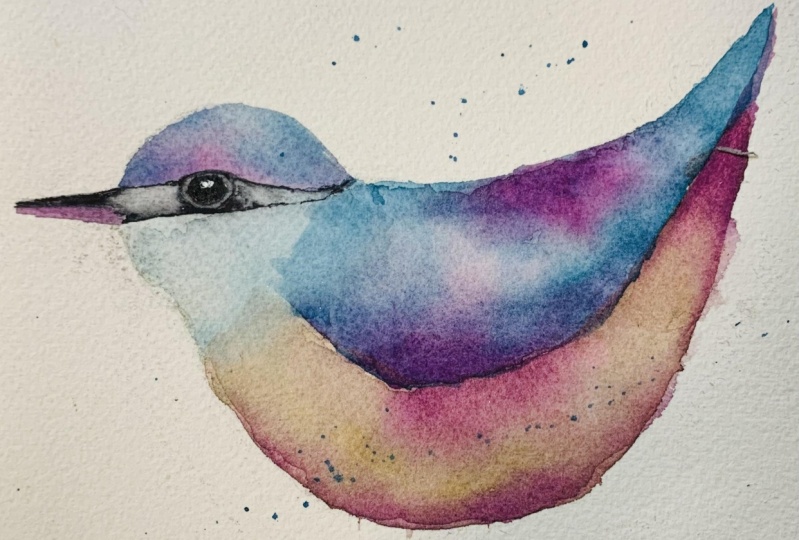
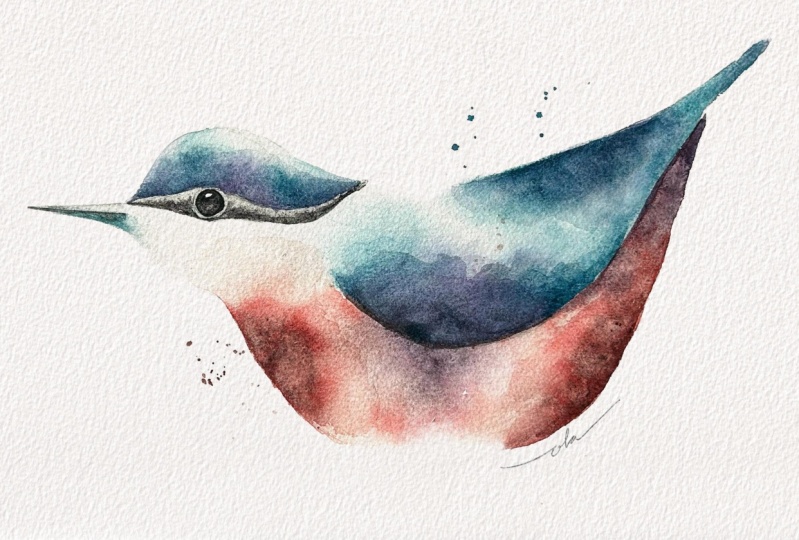
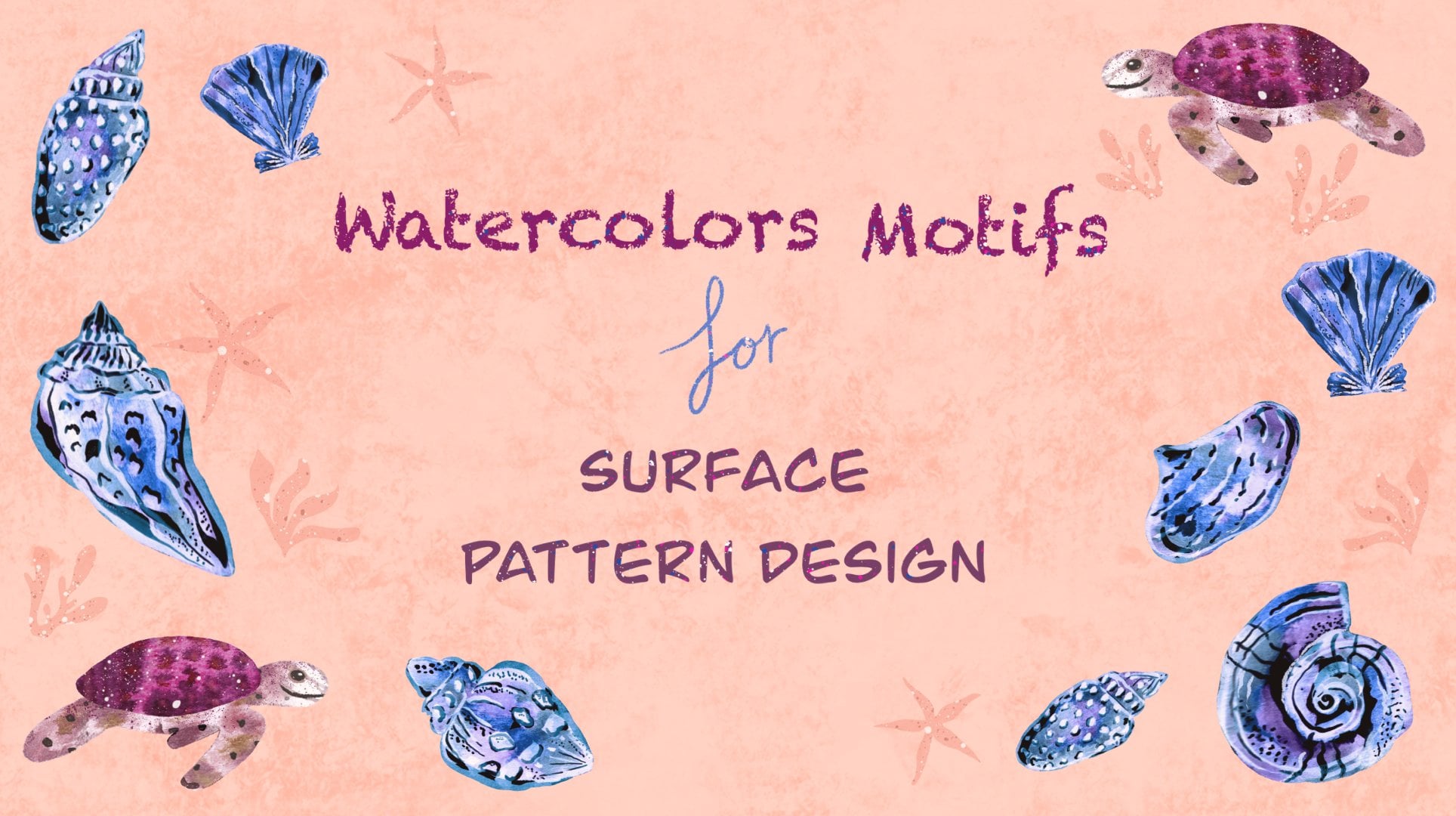
1.0x


  • 0.5x
  • 0.75x
  • 1x (Normal)
  • 1.25x
  • 1.5x
  • 1.75x
  • 2x

Learn To Paint A Simple Bird In Watercolor: Easy To Follow Step By Step Painting

teacher avatar Ola Alhamedy, Landscapes & Nature Paintings Acrylic &

Watch this class and thousands more

Get unlimited access to every class
Taught by industry leaders & working professionals
Topics include illustration, design, photography, and more

Watch this class and thousands more

Get unlimited access to every class
Taught by industry leaders & working professionals
Topics include illustration, design, photography, and more

Lessons in This Class

    • 1.

      Class Introduction

      1:12

    • 2.

      Class Project

      1:43

    • 3.

      Materials And Supplies

      1:19

    • 4.

      Body First Wash

      3:56

    • 5.

      Eye And Head

      3:30

    • 6.

      Wing And Beak First Wash

      4:47

    • 7.

      Second Wash

      6:25

    • 8.

      Finishing Off

      1:48

    • 9.

      Thank You

      0:35

  • --
  • Beginner level
  • Intermediate level
  • Advanced level
  • All levels

Community Generated

The level is determined by a majority opinion of students who have reviewed this class. The teacher's recommendation is shown until at least 5 student responses are collected.

90

Students

7

Projects

About This Class

Are you looking for a relaxing and fun class to improve your skills in watercolor painting? Then this class is perfect for you! In this class, you will learn how to paint a beautiful and simple bird in watercolor, using unique techniques to add depth and texture to your painting.

I will guide you through each step of the process, giving helpful tips and techniques that will make painting easier and more enjoyable. 

The class is broken down into several lessons, with each lesson building on the previous one, so you can follow along easily.

This class is the perfect way to learn how to paint a simple bird in watercolor, whether you're a beginner or an experienced painter. By the end of the course, you'll have a beautiful painting that you can be proud of, all while enjoying the relaxing.

Don’t forget to follow me on Skillshare and on Instagram

Meet Your Teacher

Teacher Profile Image

Ola Alhamedy

Landscapes & Nature Paintings Acrylic &

Teacher
Level: All Levels

Class Ratings

Expectations Met?
    Exceeded!
  • 0%
  • Yes
  • 0%
  • Somewhat
  • 0%
  • Not really
  • 0%

Why Join Skillshare?

Take award-winning Skillshare Original Classes

Each class has short lessons, hands-on projects

Your membership supports Skillshare teachers

Learn From Anywhere

Take classes on the go with the Skillshare app. Stream or download to watch on the plane, the subway, or wherever you learn best.

Transcripts

1. Class Introduction : Hello everyone. My name is Ola, I'm Arthur color, artist and surface designer. In this class we will be taking a relaxed and easygoing approach to exploring the magic of watercolor painting. Today we will be focusing on painting as standing watercolor bird. This subject will provide us with the opportunity to play with bright colors and experiment with exciting textures and techniques. One of the best things about this painting style is that it doesn't require a heavily detailed drawing. This means that you will be able to focus on expressing yourself and exploring new techniques without any added stress. I would love to have you in my class. So let's get started. 2. Class Project: Thank you so much for joining my water color class today. I am thrilled to have you here. And we were going to have a lot of fun, as you may have seen in the introduction video. Today, we will be focusing on painting a stunning bird. If you're feeling unsure about your drawing skills, don't worry, I'll be sharing my own mirrored sketch in the resources section for you to use throughout the painting process. So you can focus on learning the watercolor medium, etc. If you are having difficulty transferring your sketch to the watercolor paper, I highly recommend watching my other class called modern watercolor motifs for surface pattern design. In this class, I provide detailed instructions on how to transfer your sketch using a variety of transfer methods. I would love to see your process and final outcome. Please don't hesitate to take a photo of your painting and upload it to the student project gallery, which you can find under the Project and Resources tab. Here you can share your experience with other students. We use their work and offer feedback and support to one another. And of course, I'll be more than happy to give you my feedback. Now, before we get started, I would like to introduce you to the materials that we will be using in this class. Let's dive in. 3. Materials And Supplies: Before we dive into the painting process, let's take a moment to review the materials and supplies that you will need to follow along with this class. For color selection. I will be using thymine tie gentlemen, my end blue eye with his genuine and lunar black. However, feel free to experiment with different color combinations to make the artwork your own. In terms of paper, I'll be using Arches paper, 300 GSM. This high-quality paper is great for watercolor painting, as it can hold and absorb the water effectively, allowing for smooth and vibrant color blending. With regards to brushes, you will want to have a size ten or eight brush for larger washes and a size six or four. Additionally, irregular or size zero brush can come in handy for creating fine lines or small details. Now that we have all our materials and supplies, Let's get started on the painting process. 4. Body First Wash: Welcome to this class and thank you for joining me. Get ready to pick up your brush and dive into the fun part. First, Let's width our paper and start painting the body. Stay within the lines and make sure to keep this area nice and wet so the paint can move freely on the paper. I am using PyMOL tight, general, but feel free to use any similar colors you have on your palette. Let's add some interest by leaving some areas without paint, creating some less than found it. I am adding more concentrated color to some areas to create a nice texture. Now, let's add some dips and color by introducing emesis genuine as a shadow. This dark purple adds liveliness and vibrancy to the bird. That gray or black just can't achieve. Use the rigor or a size zero brush for details and finer lines. To add texture, Let's splatter clean water on the paper. I hope you can listen to the sound of the splattering water and watch it creating a unique texture. You can use a paper towel to remove any excess water. As we near the end of this first wash, Let's soften any sharp lines with clean water. The brush move smoothly across the paper. As we blend and refined the painting. Let's enjoy the process and see what we're going to paint in the next lesson. 5. Eye And Head: Let's work on the bird's eye. Now. I'll be using Leonardo black and a small brush. Remember to make the eye the darkest section of the bed and leave a small white area as a highlight. It's important to take your time to refine your lines. To make the eye look rounded and shiny, I am going to add only clean water to the bottom corner of the eye. This will give it a nice effect, rather than making it look like a solid color. Once you've finished the eye, we can move on to the head. Wet the area with clean water first, but be sure not to use too much. For the head. I'm going to use my end blue, genuine. If you don't have this color, just use a blue that you have. But try to make it soft and not too bold for this painting. Just as before, you don't need to fill the whole area with blue. Here I am using only clean water. To add dimension to the head, introduce some purple with a small brush. I'll be using MSS genuine. But if you don't have this color, use any purple you have on hand. Remember to soften the sharp lines. Let's add some texture to the head by adding concentrated blue to some areas. Then soften your lines with a clean brush. After you finish. Leave it to dry. 6. Wing And Beak First Wash: First, let's prepare to paint the link with the area with clean water using a big brush. Makes sure the surface is evenly them. Before loading your brush with Mayan blue. As you paint, try to leave some white areas to create Lost and Found edges. Then use a clean brush to soften any sharp lines. Now for the exciting part, Let's add splatters. While it's satisfying to splatter watercolors, take care to avoid overdoing it. Keep in mind, less is more. You can add some emesis genuine with a small brush. He had. I'm using just clean water to enhance the texture. Leaves the first wash to dry while you move on to another area. For this section, apply a light wash of Leonardo black, followed by Mayan blue. Outline the eyeball with a gentle touch of Leonardo black. Lastly, the wing area is almost dry. You can add some clean water to create a unique texture. This will give you a painting, a nice finish. Let your painting dry completely before moving on to the next step. 7. Second Wash: Now that the first layer has fully dried, it's time to add some more depth and dimension to our painting. We will be using a small brush to apply a second layer of Miami blue and MSAs genuine. Softening the edges with clean water as we go to create a more natural looking effect. For the next section, we will need a light wash of lunar black applied gently with a small brush. This area requires a little extra care. So take your time and be steady as you work through the tight spaces. Once we have that in place, we can continue by adding a more concentrated layer of United. This will help us in building up the details and textures of the painting. Repeat the steps until you are happy with the results. Remember to take breaks and step back from the painting. Sometimes it's best to leave a section for a while and come back to it later with fresh eyes. Don't hesitate to experiment two. You might find that layering new colors or techniques leads to some exciting results. So keep practicing and have fun with your painting. Don't be afraid to be creative and try out new ideas and techniques. This can lead to some truly amazing and unique styles. 8. Finishing Off: Now that we've completed our painting, it's time for the last few details to really make it shine. We can add some splatters to create some movement and texture. Using a brush or tooth brush to flick the paint across the surface. Any unwanted disport or mistakes can be easily cleaned up with a paper towel. Now for the magic step, we can erase any leftover sketch lines, allowing the colors and shapes to stand out more boldly and freely on the paper. It's amazing to see how a little bit of cleanup can make such a big difference in the final product. Typically, I prefer to make my sketches with light lines so they're easier to cover up later on. However, for the purpose of this class, I went ahead and made my sketch with darker lines so that you can see it more clearly on the camera. You remember that makes perfect and don't be disappointed if your first attempt doesn't turn out exactly as you hoped. With time and patience, your skills will continue to grow and improve. So keep experimenting. 9. Thank You: Thank you so much for joining me. I would love to see your finished painting. So please feel free to share it in the project section. And if you enjoyed this class, be sure to follow me on Skillshare for more upcoming classes and tutorials. Thank you for joining me. And happy painting.