Transcripts
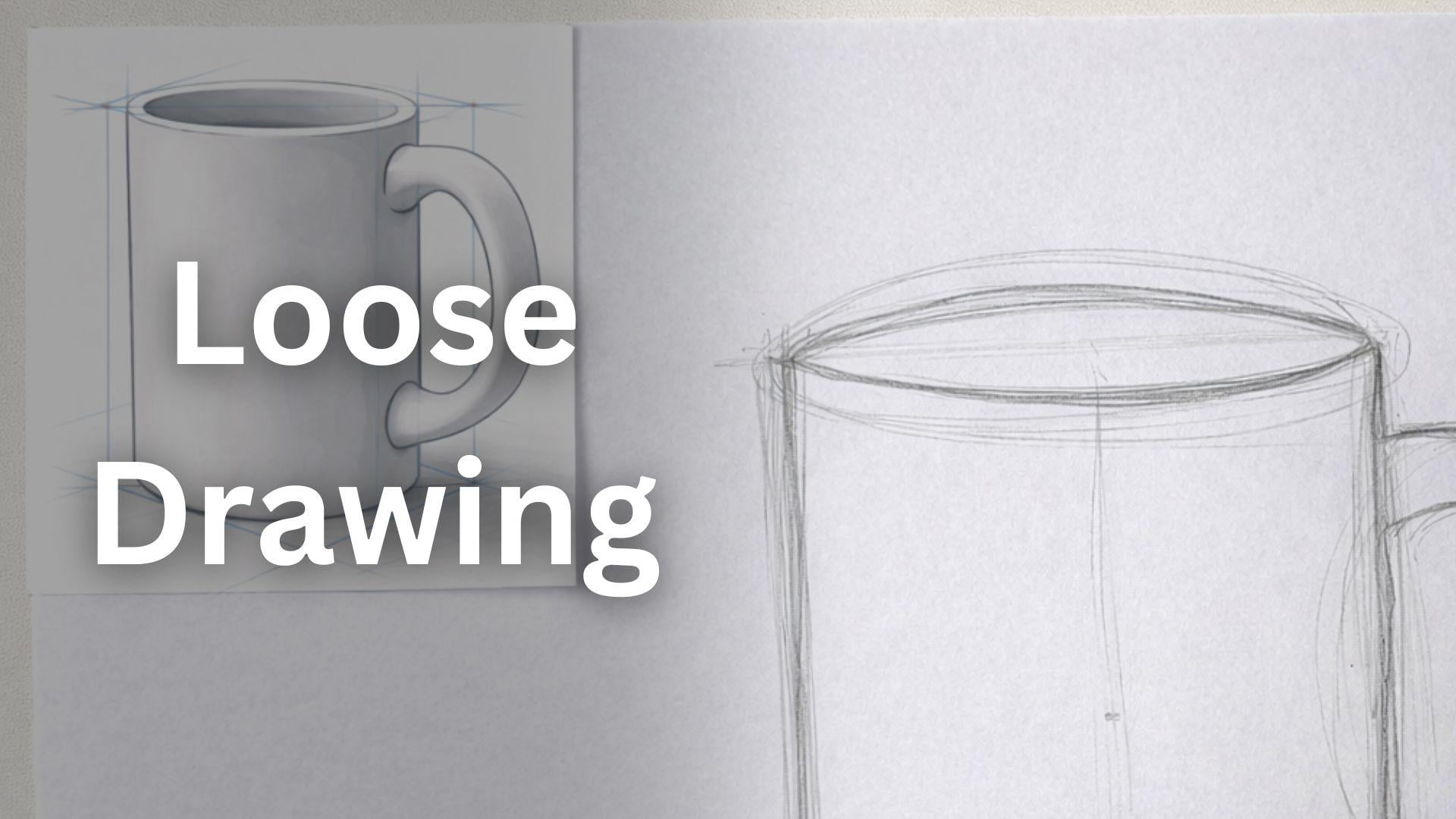
1. Start Drawing Loosely Without Freezing Up : If you have ever started a drawing and felt your
hand tighten right away, this will feel familiar. Maybe your lines feel stiff, maybe you pause too much. Maybe you feel like you are holding your breath
without noticing. That feeling can
make drawing feel heavy before it even begins. If that sounds like you, you are not doing anything wrong. This is one of the most
common beginner experiences. Many people think they need
more control to draw well. But what they actually need first is a little less control. Here is a small,
doable next step. Today, we will practice
letting your hand keep moving without stopping or
erasing, nothing fancy. Just paper and a pencil. Even being curious about
this is already a small win. You are showing up,
and that matters. I and Paul, I help beginners
learn new skills in a clear and a simple way so they can feel safe trying something new. When I first started drawing, my lines were tight and careful. I erased constantly. I thought good drawings
came from perfect control. What I did not realize was that the tightness was
what kept me stuck. I like this topic because
learning to draw loosely changed how drawing felt
for me. It became calmer. It became lighter. I stopped fighting the page
and started working with it. That shift is what I want
to share with you here. While you are here,
we will focus on one common struggle and
one simple solution. This is for beginners who
feel pressure to get lines right and want drawing to
feel easier and more natural. If you are already comfortable
drawing fast and loose, this may feel very basic. Think of it as a gentle reset. You do not need special tools, just paper and a pencil. That is enough. Will take this slowly step by step with
plenty of breathing room. By the end of this, you
will have one loose sketch you completed without
stopping or erasing. More importantly,
you will know what loose drawing actually
feels like in your hand. Let us take a calm breath
and begin together.
2. Create One Loose Sketch Without Erasing : If you ever freeze, when you start drawing, a big reason is that
the goal feels unclear. You are not sure what you
are supposed to make. So your hand tries to
control everything. That pressure builds quickly. To help with that, we will work on one very simple
project together. You will draw one object without erasing or stopping. That is it. The project is
called loose sketch. You will build it
gradually as we go, adding one simple idea at a
time. Do not need to rush. You can pause, rewind, or just listen first
if that feels better. The only material we will
use is paper and a pencil. Any paper is fine,
and pencil is fine. If it makes a line, it works. By the end, your
finished project will be one drawing
of a real object. The lines may overlap. They may feel messy. That is exactly the point. This is not about
making something neat. It is about practicing movement and letting
go of tight control. You are allowed to
keep this imperfect. In fact, imperfect
is preferred here. This is practice,
not performance. If you have ever felt like
drawing ask too much from you, this project is designed
to lower that feeling. You are already doing the right
thing just by being here. Let us talk about the
simple idea behind loose drawing before we
put the pencil to paper.
3. Understand Why Loose Drawing Feels Easier : When beginners
struggle with drawing, it is rarely because
they lack talent. Most of the time, the
real issue is tension, tension in the hand,
tension in the shoulders, tension in the mind. Loose drawing means
allowing your hand to move without constant
stopping and checking. It does not mean careless,
it means continuous. There is one simple
idea behind this. Your eyes guide the
movement, not your thoughts. When you stop thinking about fixing lines and
let your eyes lead, your hand naturally relaxes. This idea has a
few simple parts. First, movement creates flow. When your hand keeps moving, it does not have time to
overjudge every line. Second, stopping
increases pressure. Each pause gives your mind a chance to criticize
what you just did. Third, erasing reinforces fear. Every erase tells your hand
that mistakes are dangerous, even though they are
part of learning. Imagine watching someone
write their name. They do not stop
after every letter. They move through it. Drawing can work the same
way when you let it. When you draw loosely, you are not trying to
capture perfection. You are capturing observation. You are noticing shapes, edges, and directions while your
hand stays in motion. Here is how we will
do this together. First, we will understand why loose drawings help
beginners feel calmer. Next, we will practice continuous movement
with one object. Finally, we will let go of control and allow the
drawing to be what it is. This three part flow works because it removes
pressure in layers. Each part builds trust between
your eyes and your hand. Keep this simple idea in
mind as we move forward. Loose drawing is about allowing movement, not forcing results. Let us start gently with
the first hands on moment.
4. Start a Loose Sketch Without Erasing : Many beginners feel nervous when pencil first
touches the paper. That first mark can feel heavy. If that happens to
you, take a moment. You are not behind.
This is very normal. Here is a small next step. We will start the loose
sketch by choosing one simple object in
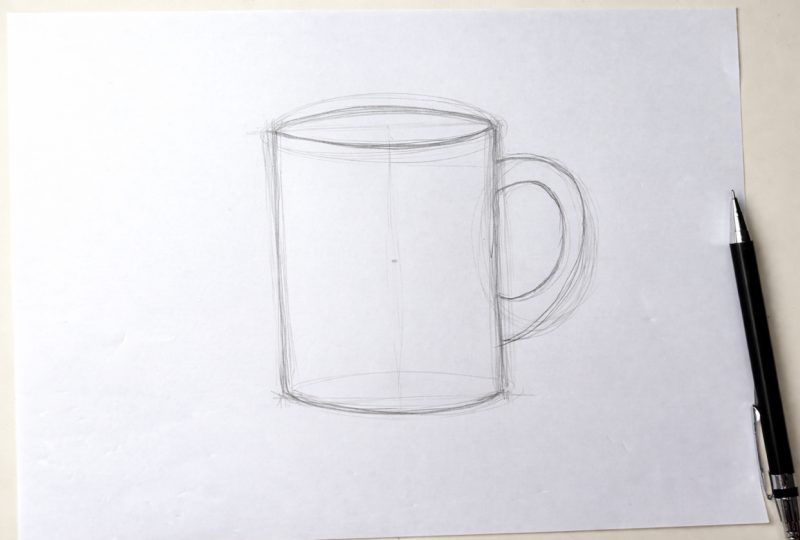
front of you a cup, a shoe, a phone, or a plan, all work well. You only need paper
and a pencil. If you do not have a pencil, a pen is okay, too. Use whatever is nearby. I started drawing, I used a
scrap paper in a dull pencil. I did not upgrade tools. I upgraded patience. Place the object where
you can see it clearly. Now, write the project title at the top of the
page if you want. Right, loose sketch. This helps your mind know
what kind of drawing this is. First, rest the pencil
lightly on the paper. Do not press hard. Let
the line be light. Next, look at the
object, not the page. Begin tracing the
outer edge with your eyes while your hand
moves at the same time. The line does not need
to match perfectly. After that, let
the line continue, even if it feels wrong. Do not stop, do not erase. Let the line overlap
if it needs to. Then move to another edge of
the object and keep going. Your hand stays in motion
while your eyes explore. Finally, allow gaps or odd shapes to exist.
This is not a problem. It is part of the process. If you feel the urge
to fix something, notice it and keep
moving instead. That urge is just habit. The first pass is about
allowing movement. You are already practicing looseness just by not stopping. Take a moment to look
at what you made. It may feel strange, but notice how your hand feels. Often, it feels lighter already. In simple words, loose drawings begins by choosing
movement over correction. Let us continue building
on this feeling.
5. Keep the Pencil Moving the Whole Time : M sometimes beginners start loose and then slowly
tighten up again. That is okay. It happens
to almost everyone. Here is the next gentle step. We will continue the
same loose sketch and focus on
continuous movement. When I was learning
this, I reminded myself that stopping
was optional. That simple thought
helped me keep going. First, look at your
object again and find one area you
did not draw yet. Next, place the pencil
down and begin drawing that area without lifting
the pencil. Let it glide. Then allow the line to repeat
over itself if needed. Repetition is fine. It builds confidence. After that, keep your
eyes moving slowly across the object while
your hand follows. Your hand does not need
to be fast, just steady. Then if it feel lost, circle back through the
shape you already drew. Do not stop. Just pass
through it again. Finally, let the drawing end naturally when your hand
feels ready to pause. There's no finish line here. Notice how this feels different
from drawing carefully. Continuous movement removes
the pressure to be right. Take a quiet moment to
notice your breathing. Many people breathe more freely when the
pencil keeps moving. In other words,
loose drawing grows when you trust motion
more than accuracy. We will now add the final layer that brings everything together.
6. Let Go of Control and Accept the Drawing : Even after practicing movement, some tension can remain. This last part is
about releasing the need to control the outcome. If you feel unsure here, that is completely okay. Letting go is a skill
that grows with practice. Here is the final step
for your loose sketch. First, look at your drawing
without judging it. Try to see it as marks on paper, not a success or failure. Next, add a few more lines
to suggest depth or overlap. Do this lightly
without planning. Then allow lines to cross
each other if they want to. Crossing lines are welcome here. After that, stop yourself
from fixing anything. Let the drawing remain as it is. Finally, put the pencil down
and take a slow breath. The drawing is complete. When I first allowed
myself to stop without fixing, it
felt uncomfortable. Over time, it became freeing. This is the calmest
part of the process. You are not adding more effort. You are releasing it. Before, drawing may have
felt tight and demanding. Now, it can feel
open and forgiving. You just completed a drawing
without erasing or stopping. That is not a small thing. In simple words, loose
drawing is about allowing the drawing to exist
without control. Take a moment to appreciate
that you followed through. That matters more
than how it looks.
7. Share Your Loose Sketch : The project you created
is a loose sketch. You drew one object without
erasing or stopping. The material used was
paper and pencil. The project title
is loose sketch. For the product description, you can write something
simple like this. This is my loose sketch of a cup drawn without
erasing or stopping. From start to finish, you choose a real object. Allow your hand to
move continuously and finish without
fixing or correcting. Each part built on the last. Here is the final
example of the project. The drawing shows
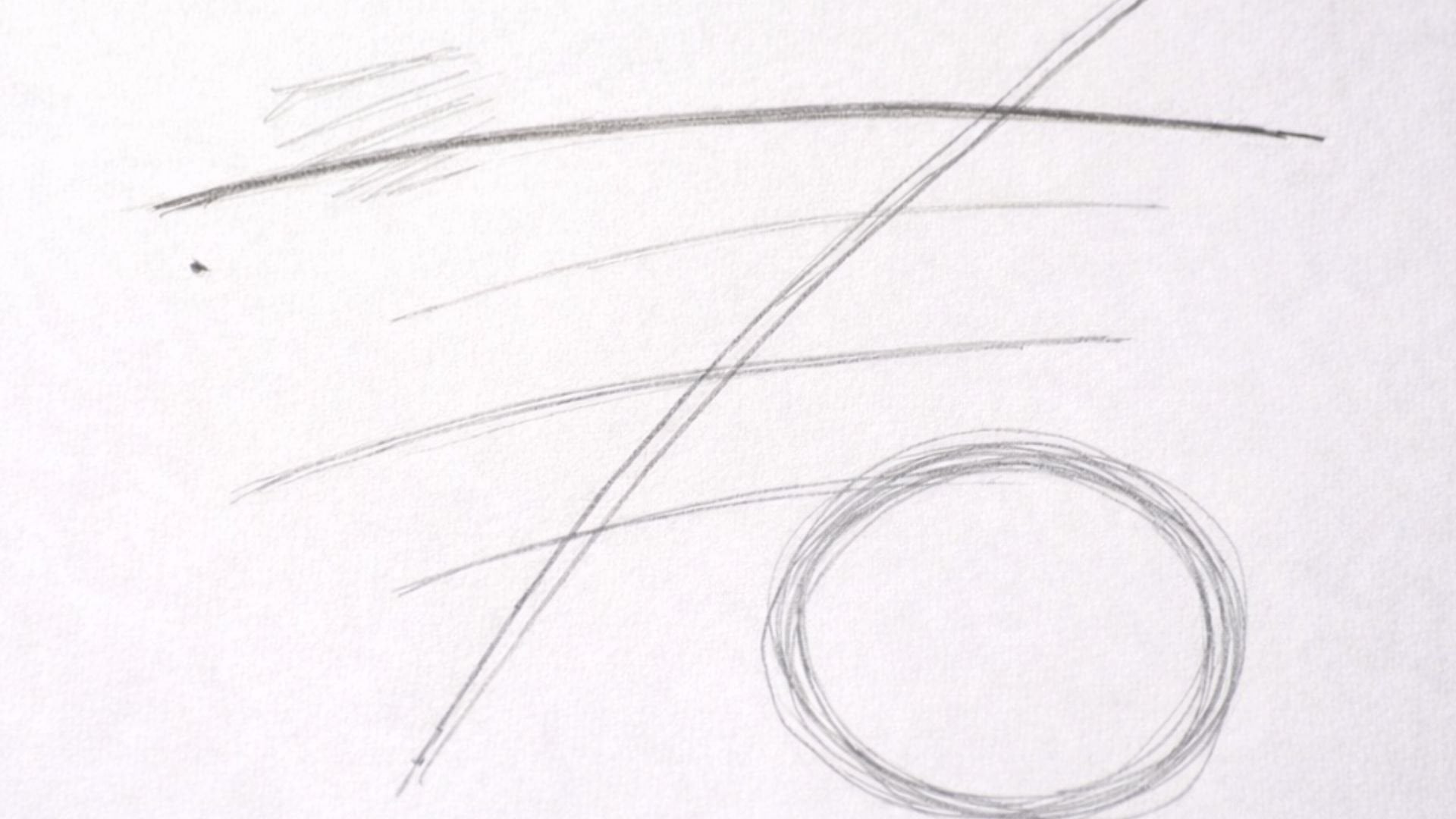
overlapping lines, light pressure, and
continuous movement. Simple project works because it prioritizes completion and
experience over appearance. Finishing builds confidence. To upload your project, take one clear photo of your drawing. Add the project title and a short description if you
want. That is all you need. It is best to upload soon after finishing while the
experience is fresh. Keep it simple. Imperfect
is expected here. Many students upload quick
sketches, and that is enough. This space is for
practice not performance. Once you upload,
take a moment to acknowledge that you
followed through. That is the real win. Let us wrap things up together.
8. Common Questions About Drawing Loosely : You made it all the way through, and it's normal to still
have a few questions. Let us look at some common ones. First question, My drawing looks messy. Did I do it wrong? If your drawing looks messy, you are likely doing it right. Loose sketches often look untidy because they
show movement. If you follow the process
and did not erase or stop, you practice the
skill correctly. Second question, I felt uncomfortable not
fixing mistakes. Is that normal? Yes, that
feeling is very common. If you felt the
urge to fix lines, it means you notice your
habit. By continuing. Anyway, you trained yourself
to tolerate imperfection, which is part of
drawing loosely. Third question. Can I use this approach
with other drawings? Absolutely. If you are drawing another object
and feel stuck, you can return to
this same approach. Keep the pencil moving. Avoid erasing and let the
drawing exist as it is. One helpful tip is to set a short time limit and commit to finishing
without correction. This reduces pressure even more. Another helpful
mindset is to think of each loose sketch
as a warm up, not a final piece. Warm ups are allowed
to be rough. These questions show that
you are paying attention, and that is a good sign.
9. Keep Your Drawing Light and Moving : Congratulations. You
completed the entire process from start to finish. That takes courage, especially when letting go of control. You practice drawing
without erasing, kept your hand moving, and allow the drawing
to be imperfect. If there's one thing I
hope you take with you, it's this looseness comes
from movement, not effort. I believe small gentle practices
create lasting change. You do not need to draw
perfectly to grow. You just need to
keep showing up. You are becoming someone who can stay present while drawing. That is a powerful shift. Here is a simple shortcut
to remember this process. Flow. Flow reminds
you to keep moving, look with your eyes, and
allow the drawing to exist. Sometimes I notice
that the best sketches happen when I stop trying
to impress the paper. That realization always
brings a quiet smile. Thank you for being here today. Please remember to aplod
your loose sketch. The best time to upload is soon before
overthinking sets in. If you found this
helpful, leaving a review means a lot to me. It helped me grow
as a teacher and helps other beginners
find this lesson. If questions come up, that
is completely normal. Feel free to ask. You should feel proud of what you did here. You took pressure off and completed something
simple and real. We begin with the struggle
of tight, controlled lines. We end with movement and ease. That is a meaningful change. Keep this feeling with
you as you move forward. I will see you in
the next lesson.
 Paul Nene, Helping beginners take action