Drawing Basics: Let Go Of Expectations Before Drawing | Paul Nene | Skillshare

Playback Speed


1.0x


  • 0.5x
  • 0.75x
  • 1x (Normal)
  • 1.25x
  • 1.5x
  • 1.75x
  • 2x

Drawing Basics: Let Go Of Expectations Before Drawing

teacher avatar Paul Nene, Helping beginners take action

Watch this class and thousands more

Get unlimited access to every class
Taught by industry leaders & working professionals
Topics include illustration, design, photography, and more

Watch this class and thousands more

Get unlimited access to every class
Taught by industry leaders & working professionals
Topics include illustration, design, photography, and more

Lessons in This Class

    • 1.

      Let Go of Expectations Before You Start Drawing

      2:24

    • 2.

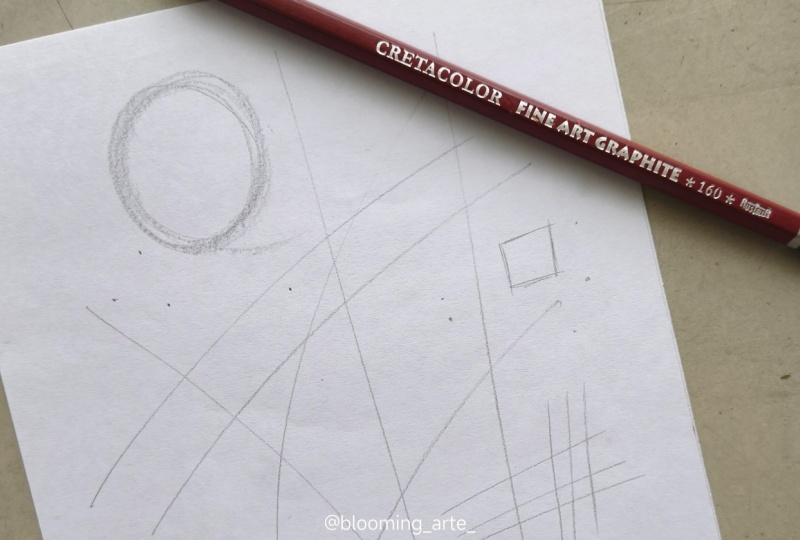
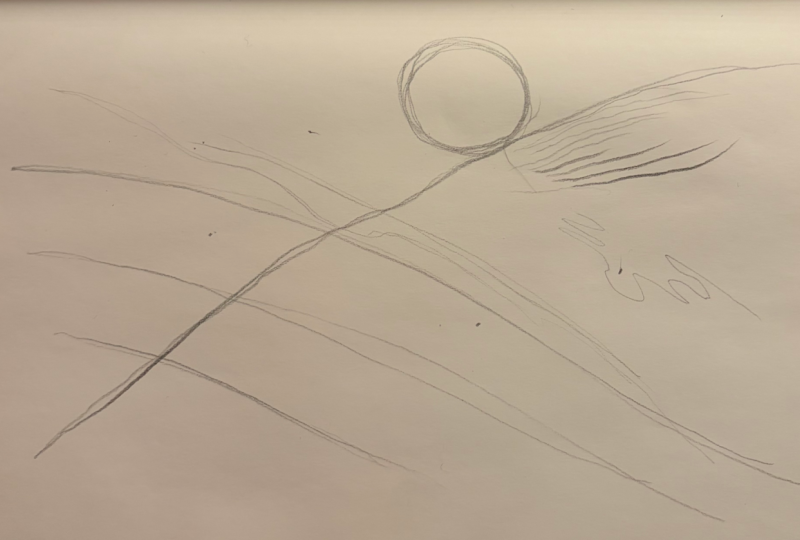
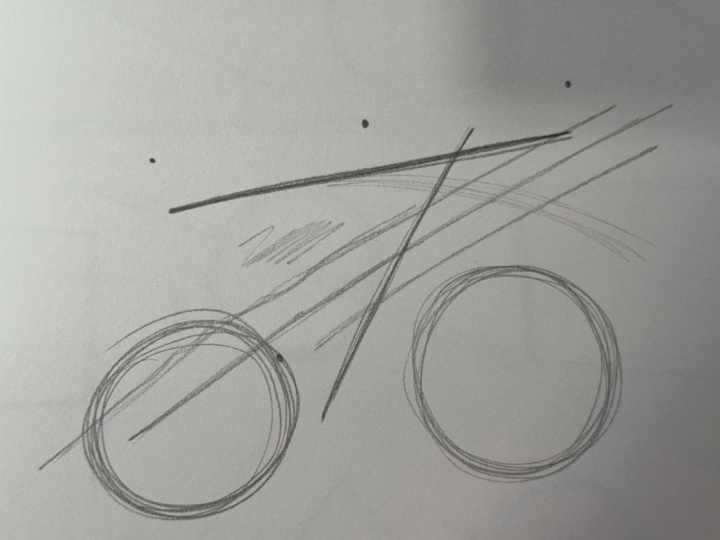
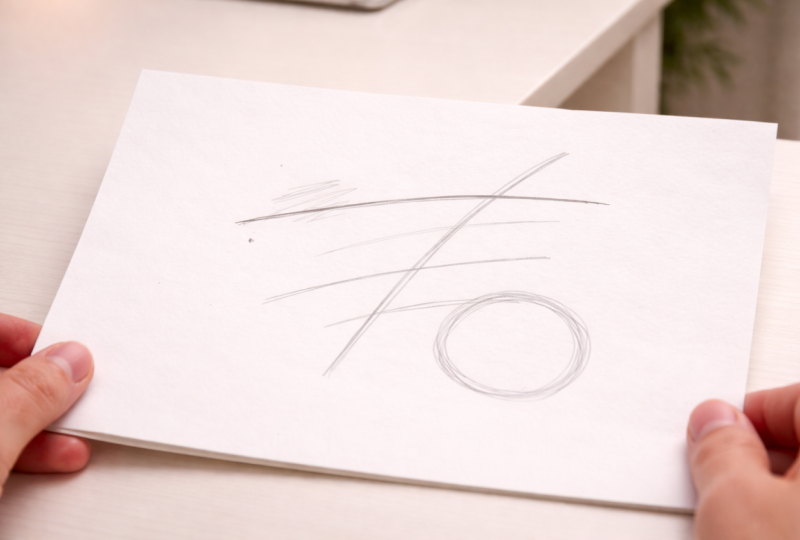
      Create One Pressure Free Drawing Page

      1:44

    • 3.

      Why Expectations Make Drawing Feel Hard

      1:38

    • 4.

      Make Marks Without Meaning

      1:32

    • 5.

      Add Lines Without Judging Them

      1:51

    • 6.

      Add One Simple Shape Gently

      1:24

    • 7.

      Your Pressure Free Drawing Page

      1:05

    • 8.

      Common Questions After Letting Go

      0:55

    • 9.

      Carry This Calm Forward

      1:15

  • --
  • Beginner level
  • Intermediate level
  • Advanced level
  • All levels

Community Generated

The level is determined by a majority opinion of students who have reviewed this class. The teacher's recommendation is shown until at least 5 student responses are collected.

30

Students

8

Projects

About This Class

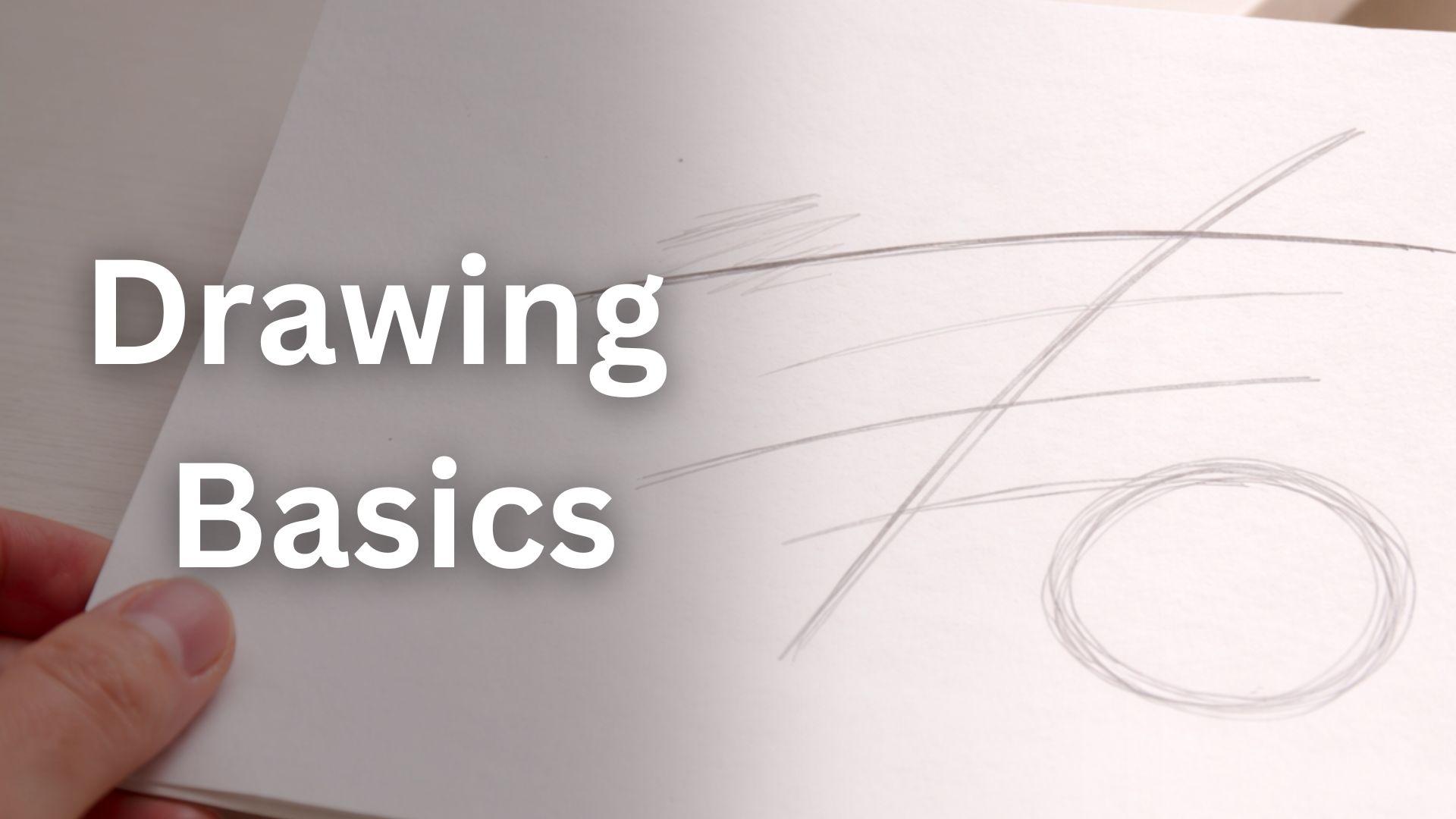
Starting to draw can feel heavier than it should. Before your pencil even touches the paper, you might feel pressure to do it right, to be good, or to make something that looks a certain way. This class helps you let go of those expectations so drawing can feel calmer and more possible.

In this beginner drawing class, you will learn how to approach drawing without judgment. You will focus on simple actions, gentle movement, and allowing marks to exist without trying to fix them. The goal is not improvement or results, but relief and clarity.

What You Will Learn

  • Why expectations make drawing feel stressful

  • How to start drawing without pressure

  • How to make simple marks, lines, and shapes calmly

  • How to feel safer and more relaxed when you begin

Why You Should Take This Class

Many beginners believe drawing feels hard because they lack skill. Often, the real problem is pressure. This class helps you understand that pressure and shows you a softer way to start. I guide you slowly, using clear language and simple examples, so you can focus on the experience instead of the outcome.

Who This Class Is For

This class is for complete beginners, returning drawers, or anyone who feels blocked or tense when starting to draw. No background or confidence is required.

Materials / Resources

You only need one sheet of paper and a pencil or pen.

This class is part of a calm drawing series designed to help beginners start gently and build confidence over time.
Meet Your Teacher

Teacher Profile Image

Paul Nene

Helping beginners take action

Teacher

I help beginners take action and stop overthinking so you can move forward and finish what you start.

My classes are designed for busy people who feel stuck or unsure where to begin. Instead of overwhelming you with too much information, I focus on a few simple steps that help you make real progress right away.

You won't just watch. You'll follow along with clear demos and walkthroughs, take small actions and see progress as you go. Each class is simple, practical, and easy to finish, even if you only have a short amount of time.

With more than ten years of experience in video editing and digital workflows, I break everything down into small ste... See full profile

Level: Beginner

Class Ratings

Expectations Met?
    Exceeded!
  • 0%
  • Yes
  • 0%
  • Somewhat
  • 0%
  • Not really
  • 0%

Why Join Skillshare?

Take award-winning Skillshare Original Classes

Each class has short lessons, hands-on projects

Your membership supports Skillshare teachers

Learn From Anywhere

Take classes on the go with the Skillshare app. Stream or download to watch on the plane, the subway, or wherever you learn best.

Transcripts

1. Let Go of Expectations Before You Start Drawing : If you are here, you might be feeling that quiet pressure that shows up before you even put pencil to paper, the pressure to be good, the pressure to get it right, the pressure to make something that looks like it should. That feeling is very common, especially at the beginning. Many people stop before they start because of it. If you have ever thought, I am not talented enough or I should already know how to do this, or what if I mess it up, you are not alone. Those thoughts do not mean anything is wrong with you. They simply mean you care and you want to do well. While you are here, the only thing to focus on is making this feel lighter, nothing more. You do not need to improve your skills today. You do not need to impress anyone. You only need to loosen the grip of expectation. Just a little. I am Paul, I help beginners learn new skills in a clear and simple way so they can feel safe trying something new. When I first started drawing, I expected every line to mean something. I expected each page to prove something about me. That made drawing feel heavy. Once I learned how to draw without carrying those expectations, everything became calmer and more enjoyable. Here, we will gently explore how expectations sneak in, how they affect your hand and your mind. And how to loosen them without forcing yourself to change. We will move slowly. We will keep things simple. You do not need special tools or experience. This is for people who want to draw but feel blocked by pressure. If you are already very confident and focused on advanced results, this may feel basic. That is okay. This is meant to be a soft place to begin or restart. All you need is a pencil or pen and a piece of paper. Any kind is fine. We will take this one small step at a time. As we go, notice how even small shifts can create relief. By the end of this, you will feel calmer about starting, not perfect, calmer, and that is more than enough. 2. Create One Pressure Free Drawing Page : Mm hmm. Can feel uncomfortable when you hear the word project. It may sound like something big or serious. That is not what we are doing here. This is simply a way to give your hands something gentle to do while your mind learns to relax. You will create one simple drawing page. This page is not meant to look good. It is not meant to be shared as art. It is simply a page where you allow marks to exist without judging them. You will use one sheet of paper and one drawing tool. A pencil is perfect. A pen is also fine. Use what you already have. Keeping it simple helps reduce pressure. As we go, you will slowly add a few things to the same page. First, you will make simple marks. Then you will add lines. Later, you will add one very simple shape. Each part builds gently on the last. If you want, you can work along as we go. You can pause or rewind anytime. If you prefer to just watch first, that is also fine. There's no rush. At the end, your finish page will show something simple and honest. It will show that you showed up and let go, even just a little, that is the goal. When you are done, you can take a photo of your page and upload it. That photo is your proof of completion. It does not need to be neat. It does not need to be explained. The page itself is enough. This project works because it shifts focus away from outcome and back to experience. That is where com drawing begins. 3. Why Expectations Make Drawing Feel Hard : Many beginners think drawing feels hard because they lack skill. In reality, drawing often feels hard because of expectations. Expectations tell you that drawing should look a certain way at a certain speed with a certain results. When expectations show up, your hand tightens, your breathing changes. You start watching yourself instead of drawing. This makes even simple marks feel stressful. The simple idea here is this drawing becomes easier when the goal is no longer to make something good, but to simply make something. Think about writing your name. You do not judge each letter. You just write. Drawing can feel the same when expectations are lowered. Here is the gentle flow we will use. First, we allow marks without meaning. Next, we allow lines without judging them. Finally, we allow a simple shape to exist without asking it to be correct. This works because your nervous system learns safety through repetition. Each small calm action teaches your body that drawing is not dangerous or demanding. You are not trying to remove expectation completely. You are simply giving them less power. As we move into the hands on part, remember that nothing you do here needs to kept or shown. It only needs to be done. 4. Make Marks Without Meaning : If you feel hesitant right now, that is okay. Many people freeze at the moment of first contact with the page. That pause is not failure. It is simply habit. Take your paper and place in front of you. Hold your pencil loosely. Notice how it feels in your fingers. There's no right grip here. First, place the tip of the pencil on the paper and lift it. Do this a few times. You are simply touching the page and letting go. Next, make a small dot. Anywhere is fine. Then make another dot somewhere else. These dots do not stand for anything. They are just marks. After that, allow your pencil to move freely for a moment. I can wiggle, slide, or pause. Let it stop when it wants to stop. Now, this notice any thoughts that come up. Thoughts like This looks messy or this is pointless may appear. That is normal. You do not need to answer them. When you finish, take a breath and look at the page. Nothing went wrong. The page now exists, and so do your marks. This is the first shift. Drawing is no longer about outcome. It is about contact and movement. 5. Add Lines Without Judging Them : Some people worry about lines because lines feel more permanent. If that feeling shows up, pause and breathe. You are still safe here. Using the same page, draw a slow line from one side to another. It can be straight or slightly curved. Let your hand move at a comfortable pace. Then draw another line. Then draw another line. It can cross the first one or sit far away. Both are fine. As you draw, notice how pressure changes the line. Press lightly, and the line looks softer. Press a bit more, and it becomes darker. You are simply noticing, not fixing. If your line shakes or bends, let it. That movement is part of you. It does not need correction. After a few lines, stop. Look at the page again. These lines are not good or bad. They are just evidence that you moved your hand. This moment matters because it shows you that lines do not need to be controlled to exist. They only need permission. 6. Add One Simple Shape Gently : Now, we bring everything together in the calmst way possible. There is no rush. Just one simple shape, a circle or a square works well. Place it anywhere on the page. Draw it slowly. If it does not close perfect, that is fine. If it looks uneven, that is also fine. Let the shape sit among the marks and lines you already made. It does not need to stand out. It does not need to be corrected. Now, notice how your body feels now compared to the beginning. Many people feel a little softer here, a little less tense. You have now completed the full motion, marks, lines, and a shape. Nothing was forced, nothing was judged. This is what letting go looks like in practice. Not emptying your mind, but allowing your hand to move anyway. You have done enough. The page is complete. 7. Your Pressure Free Drawing Page : Your project is one simple drawing page created with a pencil or pen on paper. You began by adding small marks without meaning. Then you added a few lines without judging their quality. Finally, you added one simple shape and allowed it to exist as it was. Your finish page shows all of these together, marks, lines, and one shape sharing the same space. To submit, take a photo of the page, make sure the whole page is visible. Upload the photo with a short note if you like. Or no note at all. This project works because it creates a clear end point. You are done when the page is done. No extra work is needed. Most people upload pages that look simple and imperfect. That is exactly right. This space is for practice not performance. Once you upload, take a moment to notice how it feels to finish without fixing or improving. That feeling is part of the learning. 8. Common Questions After Letting Go : You made it through the full experience. It is normal if questions come up. One common question is, what if my page looks bad? If that thought appears, remember that this page was not meant to look good. It was meant to be done. Completion is the success here. Another question is, what if I still feel tense? If that happens, that is okay. Letting go is a skill that grows with repetition. Even noticing tension is progress. Some people wonder if they should redo the page. You can, but you do not need to. One page is enough to improve. You can start without pressure. A helpful tip is to repeat the same page on another day. Use the same process. Over time, your body will remember that drawing can feel safe. 9. Carry This Calm Forward : You showed up and stayed with the process. That matters. If there's one thing to take with you, let it be this. Drawing does not begin with skill. It begins with permission. You learn how to make contact with the page without asking it to be good. You learn how to let lines exist. You learn how to allow a simple shape without fixing it. A simple way to remember this is the word MLS, Marks, lines, shapes. That is all you did. That is all you need to begin. If you found this helpful, I really appreciate a quick review. It helps me grow as a teacher and help other beginners find a complace to start. Thank you for being here and giving yourself this space. When you upload your page, you complete the experience. That small act help others feel less alone and helps me continue teaching beginners. If questions come up later, that is normal. You can always return to this approach. As you move forward, the next clarity will come from doing this again, not from thinking more about it. Thank you for being here. I will see you in the next lesson.