Accept Imperfect Drawings as a Beginner and Keep Going Without Fixing Them | Paul Nene | Skillshare

Playback Speed


1.0x


  • 0.5x
  • 0.75x
  • 1x (Normal)
  • 1.25x
  • 1.5x
  • 1.75x
  • 2x

Accept Imperfect Drawings as a Beginner and Keep Going Without Fixing Them

teacher avatar Paul Nene, Helping beginners take action

Watch this class and thousands more

Get unlimited access to every class
Taught by industry leaders & working professionals
Topics include illustration, design, photography, and more

Watch this class and thousands more

Get unlimited access to every class
Taught by industry leaders & working professionals
Topics include illustration, design, photography, and more

Lessons in This Class

    • 1.

      Accept Imperfect Drawings Without Fixing Them Too Soon

      2:21

    • 2.

      Keep One Drawing Without Fixing It

      1:23

    • 3.

      Stop Fixing Before You Can See

      1:44

    • 4.

      Notice the Urge to Fix While Drawing

      1:52

    • 5.

      Let the Drawing Stay Imperfect

      1:17

    • 6.

      Ignore the Voice That Wants to Correct Everything

      1:15

    • 7.

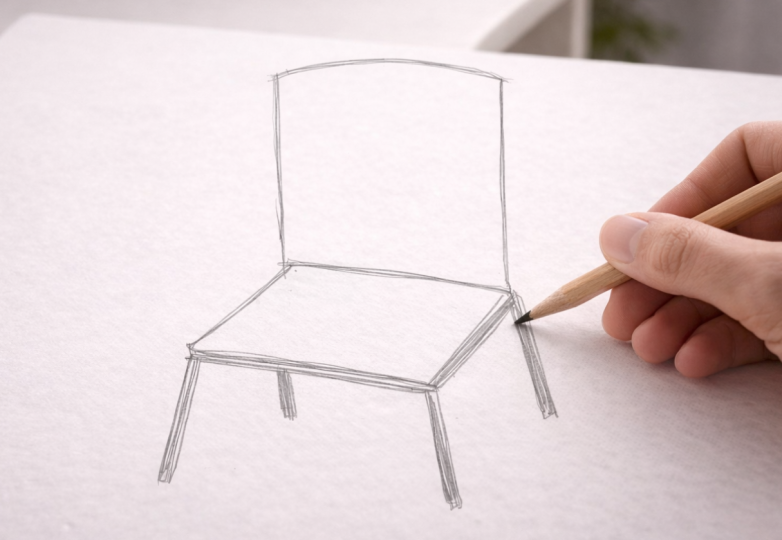
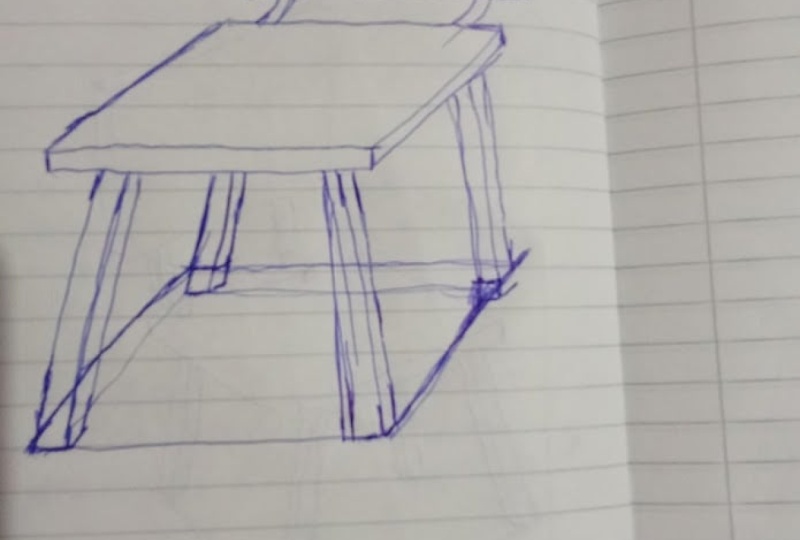
      Keep One Imperfect Drawing

      1:06

    • 8.

      Common Questions About Keeping Imperfect Drawings

      0:59

  • --
  • Beginner level
  • Intermediate level
  • Advanced level
  • All levels

Community Generated

The level is determined by a majority opinion of students who have reviewed this class. The teacher's recommendation is shown until at least 5 student responses are collected.

13

Students

5

Projects

About This Class

Accept imperfect drawings is a simple way to feel calmer when you draw. If you keep erasing, fixing, or starting over, drawing can feel like pressure instead of practice. Here, you will learn how to stop fixing too early so you can actually see what you made and keep going.

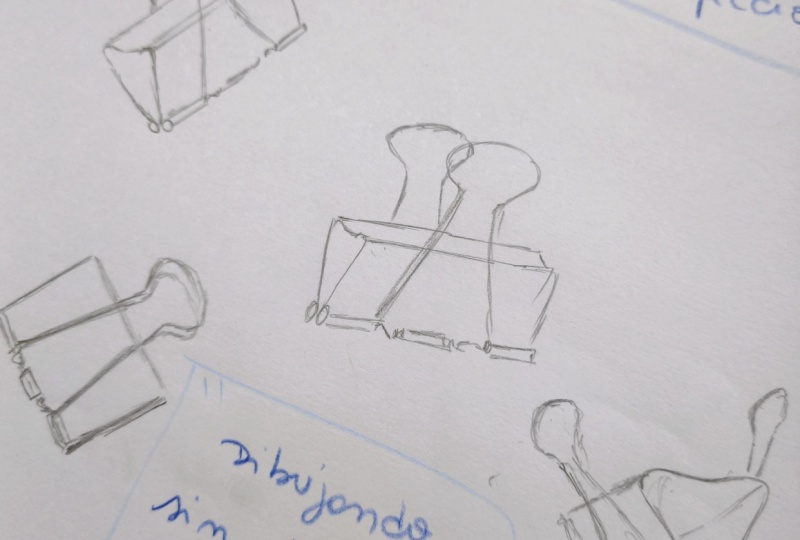
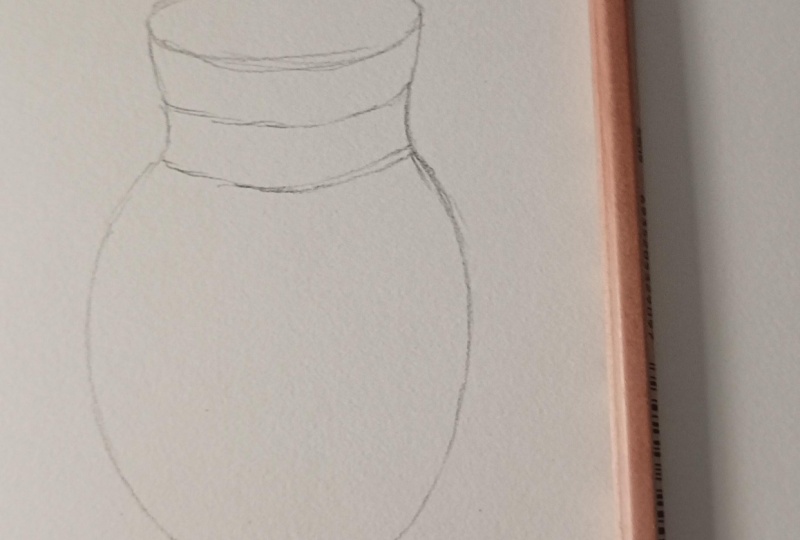
You will build one small project with paper and pencil, and you will keep it exactly as it is. Nothing needs to look good. The goal is to finish one drawing without correcting it.

What You Will Learn:

  • Why fixing too early makes drawing feel harder
  • How to leave one drawing alone without panic
  • What to ignore so you do not slip back into over correcting
  • How to finish a drawing with less pressure

Why You Should Take This Class:

When you stop fixing, you give your eyes and hands a chance to learn. You also give yourself a calmer experience. I will guide you slowly, in plain words, with real beginner examples, so you can feel safe practicing without feeling judged.

Who This Class Is For:

This is for complete beginners and anyone who feels tense, slow, or overwhelmed when they draw. If you already draw confidently and mostly want detail tips, this will feel too simple. If you want a calmer foundation, you will fit right in.

Materials / Resources:

You only need paper and a pencil. A phone camera is helpful for taking your project photo. This lesson also fits naturally inside my gentle drawing series for beginners who want to build confidence without pressure.
Meet Your Teacher

Teacher Profile Image

Paul Nene

Helping beginners take action

Teacher

I help beginners take action and stop overthinking so you can move forward and finish what you start.

My classes are designed for busy people who feel stuck or unsure where to begin. Instead of overwhelming you with too much information, I focus on a few simple steps that help you make real progress right away.

You won't just watch. You'll follow along with clear demos and walkthroughs, take small actions and see progress as you go. Each class is simple, practical, and easy to finish, even if you only have a short amount of time.

With more than ten years of experience in video editing and digital workflows, I break everything down into small ste... See full profile

Level: Beginner

Class Ratings

Expectations Met?
    Exceeded!
  • 0%
  • Yes
  • 0%
  • Somewhat
  • 0%
  • Not really
  • 0%

Why Join Skillshare?

Take award-winning Skillshare Original Classes

Each class has short lessons, hands-on projects

Your membership supports Skillshare teachers

Learn From Anywhere

Take classes on the go with the Skillshare app. Stream or download to watch on the plane, the subway, or wherever you learn best.

Transcripts

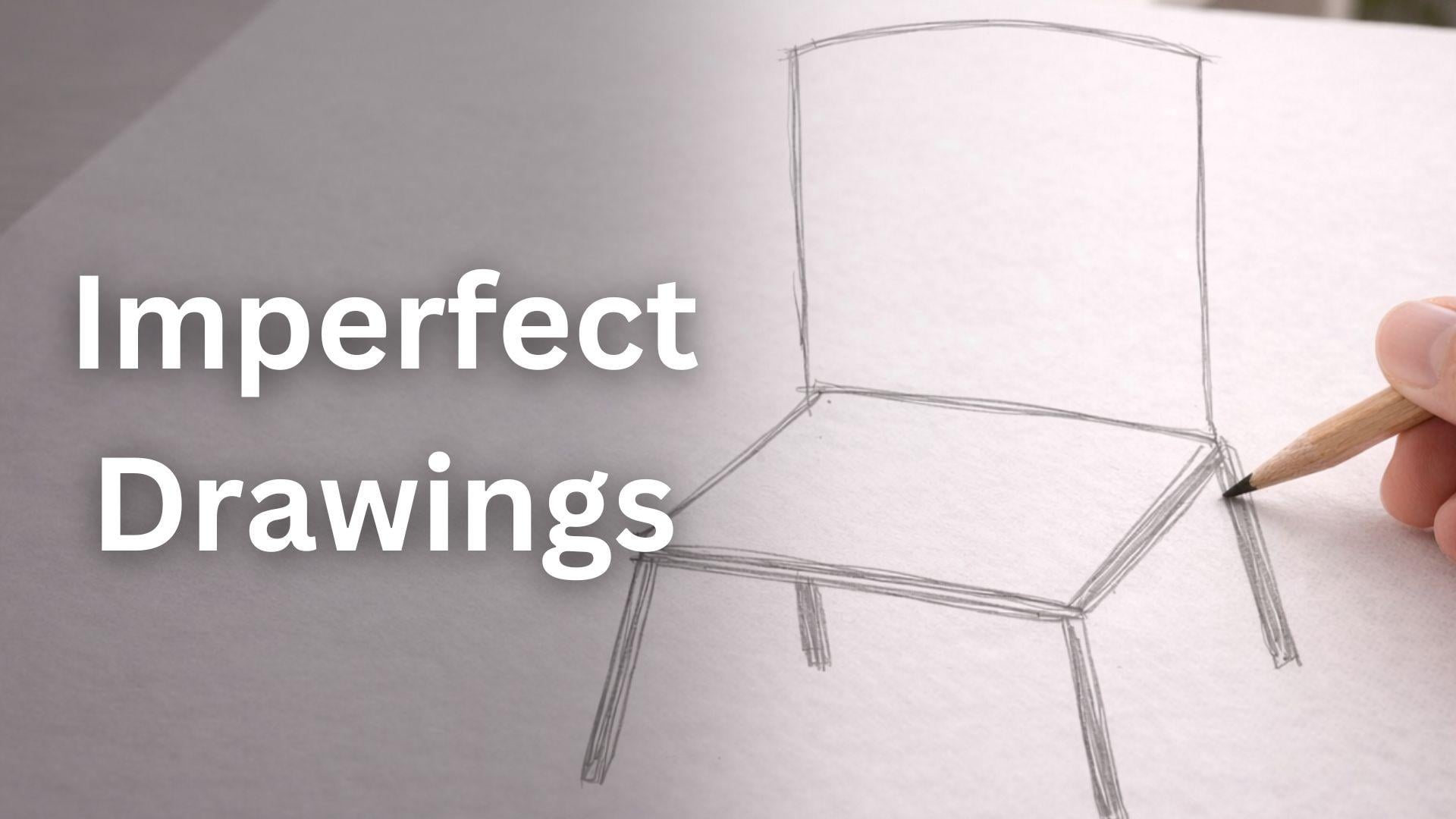
1. Accept Imperfect Drawings Without Fixing Them Too Soon : If you have ever finished a drawing and immediately feel the urge to erase, fix, or start over, you are not alone. Many beginners feel a tight pressure the moment they see a line they do not like. It can feel uncomfortable to leave a drawing as it is, especially when your mind starts pointing out everything that looks wrong. If this sounds familiar, take a slow breath with me. Nothing is wrong with you. Wanting to fix things quickly usually comes from caring, not from failing. It means you want to do well. That is a good place to start, even if it feels heavy right now. While you are here, we are going to try something gentle and very doable. Instead of fixing a drawing, we are going to practice keeping one drawing exactly as it is, one. You do not need talent, speed, or confidence for this. You only need a piece of paper, a pencil, and a few quiet minutes. I and Paul, I help beginners learn new skills in a clear and simple way so they can feel safe trying something new. When I first started drawing, I erased constantly. I thought fixing meant improving. What actually happened was that I never let myself see what I had done. Every page felt tense. Drawing stopped being calm and started feeling like a test. Like teaching this topic because it changes how beginners feel almost right away. The moment you stop fixing, something softens. You start noticing instead of judging. You start staying with the drawing instead of running away from it. While you are here, we will move slowly. We will talk about why fixing too early makes drawing harder. Not easier. We will look at how to let a drawing, stay imperfect. And finally, we will practice what to ignore next so your hands can relax. This is not for advanced artists looking to polish details. This is for true beginners or anyone who feels pressure the moment they pick up a pencil. You do not need special tools. Paper and pencils are enough. But the end of this, you'll have one imperfect drawing that you choose to keep. That alone is a real shift. Let us take this one gentle step together. 2. Keep One Drawing Without Fixing It : It is very common to think that drawing projects need to look good to count. That belief alone can stop people from starting. If you feel that pressure, you are not behind. You are simply human. Here, the project is simple on purpose. You will choose one drawing and keep it without fixing it. That is all. You are not improving it. You are not correcting it. You are letting it exist. The only material you need is paper and a pencil. Use whatever you already have nearby. This project is built slowly as we go. You do not need to finish it right away. You can pause, rewind or come back when it feels right. By the end, your finished project will look like a drawing that stayed exactly as it was when you stopped. It might feel unfinished, it might feel uneven. That is part of the point. You are allowed to keep it simple. You are allowed to feel unsure. Even choosing not to fix something is already doing the work. We continue, we will build this gently. First, we will understand why fixing too early hurts progress. Then we will practice letting a drawing stay imperfect. Finally, we will talk about what to ignore next so you do not slip back into fixing. You are already doing enough just by being here. 3. Stop Fixing Before You Can See : Oh when beginners feel pressure around drawing, it often shows up as fixing too early. You draw a line, judge it, erase it, and redraw it. Over time, this creates tension and confusion. The simple idea here is this. You cannot learn from a drawing you do not allow to exist. When you fix too early, you interrupt three important things. First, you interrupt seeing. You never give your eyes time to understand what is actually on the page. Second, you interrupt memory. Your hand never remembers what it just did because you erased it. Third, you interrupt calm. Each fix at a small spike of pressure. Think of it like speaking and cutting yourself off every few words. You never finish a sentence, so nothing makes sense. Allowing a drawing to stay imperfect does not mean you like it. It means you are letting it finish speaking. This matters in daily life because pressure builds quietly. Many beginners stop drawing not because they cannot draw, but because every page feels uncomfortable. Removing the need to fix brings relief back. Here's the simple flow we will use. First, you notice the urge to fix. Next, you let the drawing stay as it is. Then you choose what to ignore so your hand can rest. This works because it shifts your role. You stop acting like a judge and start acting like a witness. That change alone lowers pressure. As we move on, we will do this slowly with one drawing. 4. Notice the Urge to Fix While Drawing : If you feel tense the moment your pencil touches the paper, that makes sense. Meta beginners feel that way because they are already thinking about fixing before they even start. For now, we are not fixing anything. We are only noticing. All you need is paper and a pencil. Any paper is fine, any pencil is fine. If you are using something simple, you are doing it right. I remember starting with a scrap paper because I did not want to waste good paper. That alone made drawing feel lighter. Begin by making a small drawing. It can be a simple object like a cup or a chair or even a loose shape. Draw slowly. Let your hand move at a natural pace. As you draw, notice when the thought appears. It might say this line is wrong, or I should erase that. Do not push the thought away. Just notice it. Keep drawing anyway, let the line finish. Let the shape close. When you feel the urge to fix, pause for a moment and breathe. After that, place the pencil down. Look at what is on the page. This is the first version of your drawing. Take a moment to see how it feels to stop without fixing. It might feel uncomfortable, that is okay. You just practice staying. In simple words, this is about seeing before judging. That small pause is already progress. Next, we will practice letting the drawing stay imperfect on purpose. 5. Let the Drawing Stay Imperfect : If leaving a drawing alone feels hard, that is normal. Many people believe improvement comes from fixing. Here, we are trying something different. Pick up the same drawing from before, look at it again. Notice any areas that feel tempting to change. Instead of fixing, we are choosing to keep it. You can even say quietly, I am keeping this one. If it helps, gently write the word kept on the back of the paper. This is not decoration. It is a reminder of your choice. When I first did this, it felt strange. I worried that keeping a drawing meant I was settling. I learned was that it meant I was allowing myself to finish. Sit with the drawing for a moment. Let your eyes move over it without planning changes. This is what letting it stay looks like. Notice how the pressure shifts. You are no longer responsible for improving it. You are only noticing it. This is the second layer of the project. You have now chosen one drawing and kept it without fixing it. In other words, you are practicing acceptance before skill. Next, we will look at what to ignore so you do not fall back into fixing. 6. Ignore the Voice That Wants to Correct Everything : Even after you decide to keep a drawing, a voice may still show up. It may point out mistakes or compare your drawing to others. This is very common. Here, the final piece is learning what to ignore next. Look at your cap drawing again. When a thought appears that says you should change something, imagine placing that thought beside the paper instead on top of it. You do not argue with it. You do not follow it. You let it sit nearby. Take a slow breath, remind yourself that this drawing is finished because you decided it is. This is the calmst part of the process. You are not doing more. You are doing less. When I practiced this, drawing started feeling lighter. I could finish pages without tension. That was a big change. Alright, let's bring everything together now. You notice the urge to fix, you choose to keep the drawing, you ignore the voice that wanted to correct it. Before, drawing may have felt like a constant problem to solve. Now, it can feel like something you observe. You completed the final part by staying, that matters. 7. Keep One Imperfect Drawing : This project is about keeping one drawing without fixing it. The material is paper and pencil. The project title is Keep One Imperfect drawing. Here is the simple example of the final project a pencil drawing of a simple chair on a plain paper with an even lines and small shaped mistakes, kept exactly as it is without erasing or correcting anything. This drawing began by noticing the urge to fix while drawing. It continued by choosing to keep the drawing as it was. It finished by ignoring the thoughts that wanted to correct it. This works because completion builds calm. Finishing one drawing without fixing creates trust between your hand and your mind. To upload your project, take one photo of the drawing you kept. Upload that single photo, add the project title and a short sentence saying you chose to keep it. It is best to upload right after finishing before doubt grows. Keep it simple. Imperfect is expected here. Most people upload the quick, simple drawings. Once it is uploaded, you are done. 8. Common Questions About Keeping Imperfect Drawings : H you made it all the way through. It is normal to still have questions. What if my drawing feels really bad? That feeling is common. If it feels bad, you can still keep it because the project is about keeping, not liking. Letting it exist helps you build tolerance and calm. Second question, what if I want to fix it later? If you feel that urge, you can make a new drawing instead. Keep this one as a record. Keeping one does not stop you from drawing more. Third question. What if I only drew something very small? That is completely fine. A small drawing cap is still a finished drawing. Size does not change the skill you practice. Helpful tip is to place the drawing somewhere visible for a short time. If you see it without fixing it, your comfort grows. One more helpful mindset is this. Keeping is a skill, too. The more you practice it, the easier drawing becomes.