Transcripts
1. Intro: You want to create visually
intriguing Art Journal pages that express your
experiences, ideas, and emotions through
texture, rhythm, movement, unity and more than
look no further, you've come to the right place. With expressive Art journaling, you will explore a
variety of techniques and materials that will help
you achieve that goal. And after taking this class, you will have the competence
and the know-how to begin and maintain
your own Art Journal. Course is for anyone who has an interest in journaling Art, we're creating visual
representations of their day to day experiences and no previous
know-how is needed. I will walk you through at all. I am jenn Jordan, international artists
educator living in the vibrant city
of Warsaw, Poland. And I'm so excited to
share with you some of my favorite ways for making
and creating an Art Journal. Art has always been my
passion and I'm grateful to have the opportunity to
share it here with others. My own Art journaling began
during COVID with isolation, two small children, unlimited workspace and his
desire to keep making, I needed to find an outlet. And journaling was my answer. Journaling is a way to document, process, and share personal
experiences and a visual way. In this class, you will begin to unpack some of the tips
and tricks that I've discovered to create an
expressive Art Journal will explore eliminating
White Space, adding texts and images, and so much more. My goal for you is to become more comfortable
with creating small visual representations
of your memories, feelings, ideas,
and experiences. I know that the techniques
that you will explore here will allow you to feel more confident in your
journaling process. Are you ready? Let's get started.
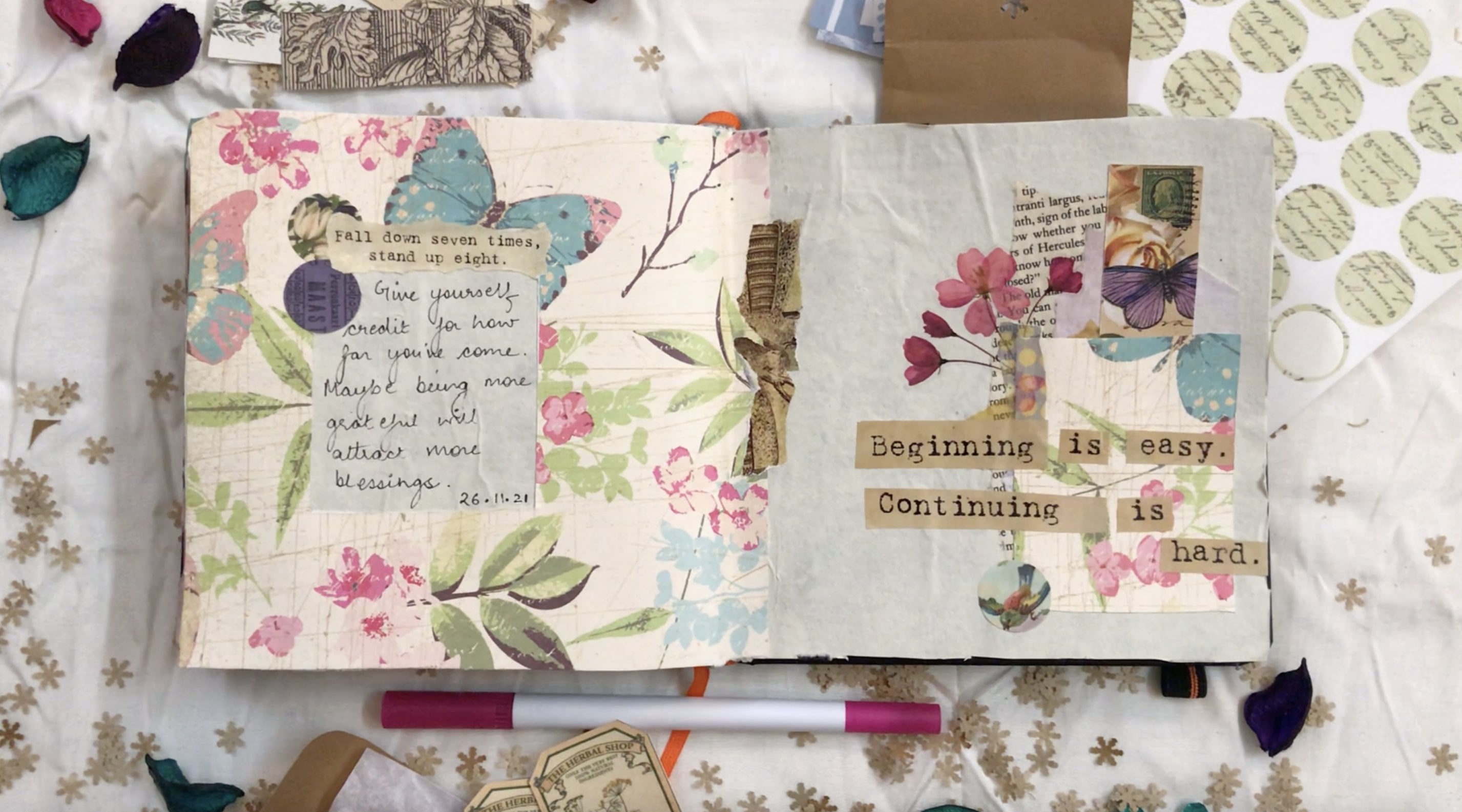
2. What is an Art Journal?: So what is an Art Journal? Many of you may already be
familiar with Art Journals. You may have even
created one yourself. But for those of
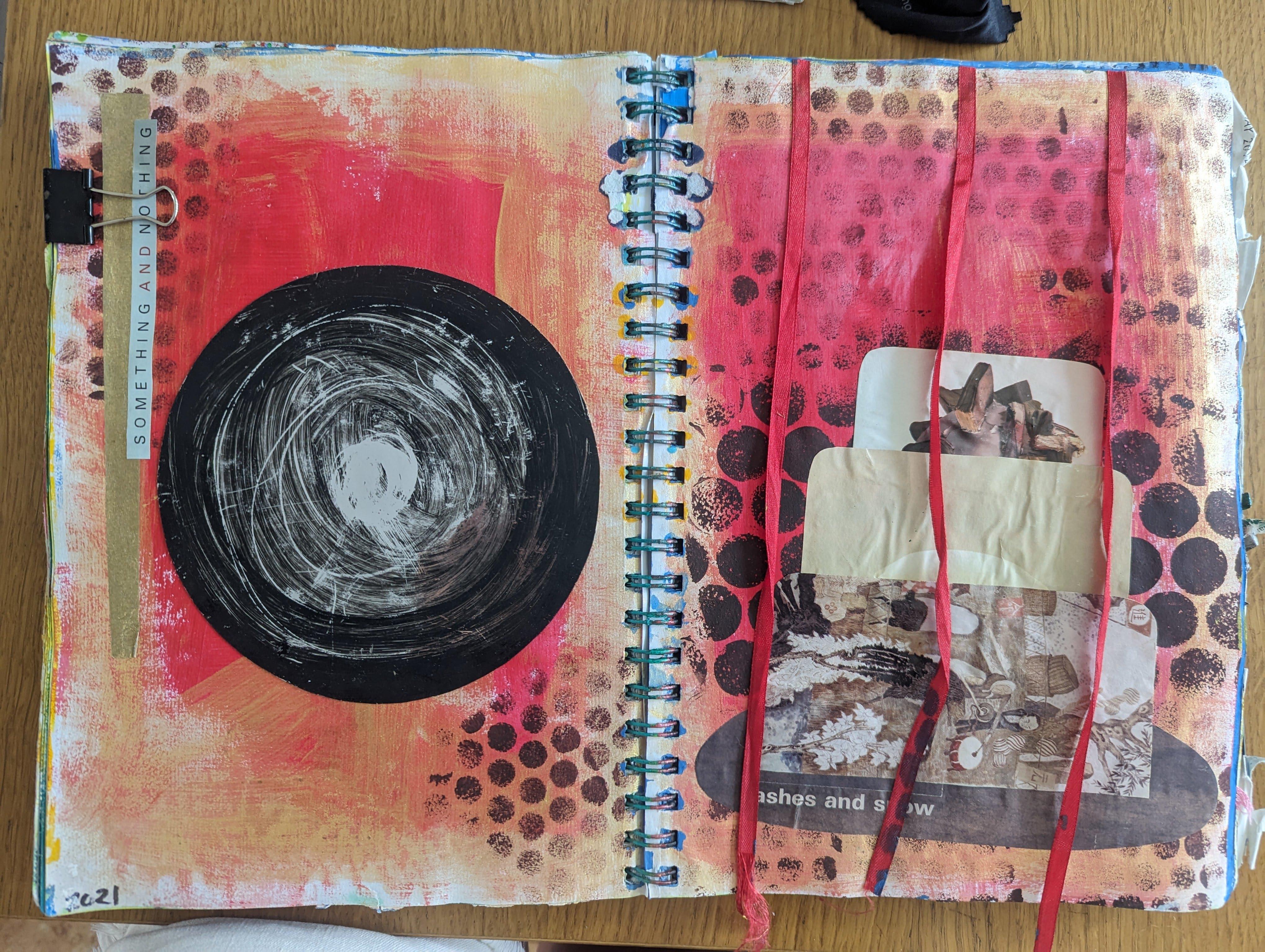
you who haven't, an Art Journal is a
personal creative diary that combines visual elements
and written Expressions. They serve as a
versatile platform for artists, hobbyists, anyone interested in
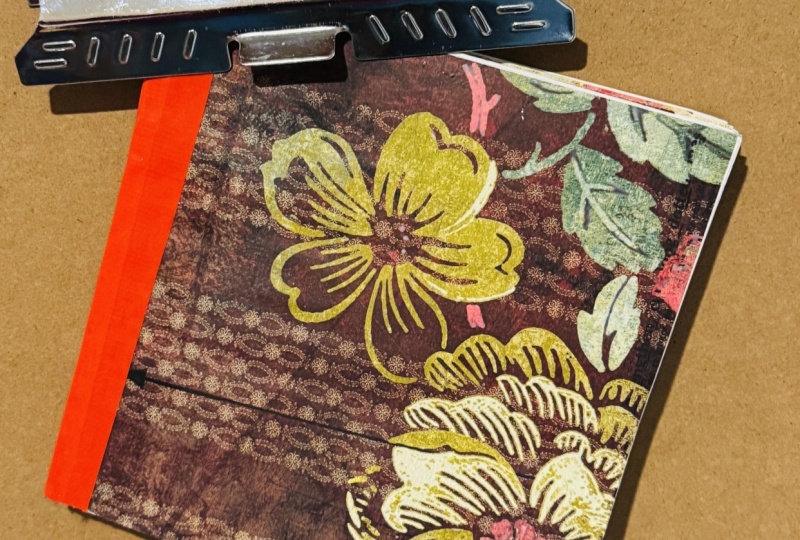
self-expression Art Journals can be in the form of
sketchbooks, notebooks, or even digital format, allowing individuals to explore
their artistic abilities and emotions and a unique
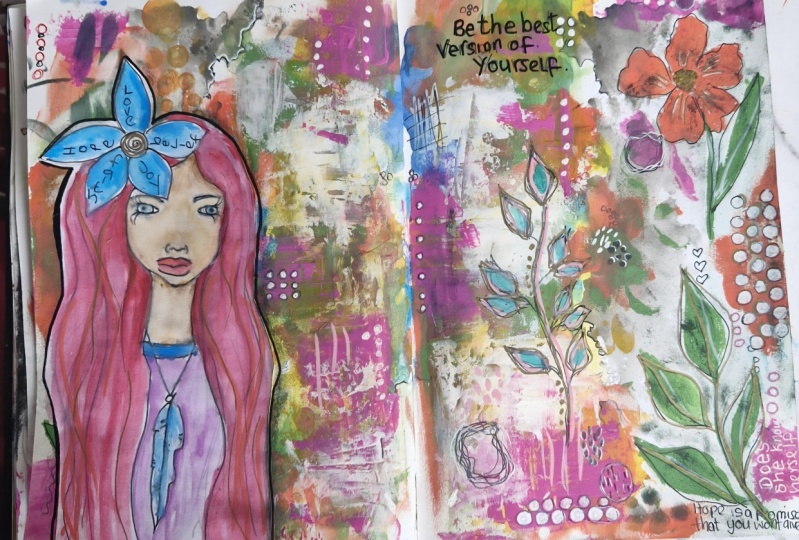
and individualized way. And then Art Journal, individuals have the freedom to experiment with
various techniques, such as drawing, painting, collage, and Mixed Media. And they have the
opportunity to use Art supplies like pens, pencils, markers, Paint, or even incorporate found
objects and materials
3. Materials: Here's a really quick
overview of some of my most favorite materials to use while working
in my Art Journal. First and foremost
as craft paint. This painting is great
because it's super cheap. You can get it pretty
much anywhere. And it lasts a really long time. So I like these little
craft acrylic paints. Something else I really liked
that I got really lucky to find are these
little rollers. These are test rollers that I found for Paint at my
local hardware store. So this is something that
I really love using. And the best thing about
it is that the rollers come off and you can wash them and then you can put them
back and save them. You can also refill these, so you can refill them
with new paint colors once your current paint
color has run out. Of course, brushes
are really important. You're gonna be painting, you're gonna be doing
the background. You need to have
some X-acto names. I like to have a variety
of X-acto knife. So this is a swivel tip
that I like for when I'm cutting small,
intricate shapes. Mod podge is really important. It's what I used to
glue down all of my tape Transfers and
to make sure that they adhere properly so you see up mod podge or even
something similar, you could use that acrylic
matte medium would work, or acrylic gloss
medium would work. A glue stick for all
of your paper stuff. So I like to have a
glue stick, Scissors, magazine pages, of course, stencils and punch and Ella, this is called punch in ELA if you're not familiar with it, this is what sequence
are punched out of, and this is the leftover
and these are really, really great for adding seats. Then the last thing
that I really like to use is thread and a string because I like to do embroidery and I like to
do a lot of stitching and then include that in my
Art Journal as well. So here are a sample of materials and tools that you can use for your Art Journal. Of course, as mentioned, you can use anything that
you have at home and you're materials might be
different or you might have different favorite
materials than I do. And that is what is going to make your Art
Journal so amazing?
4. Eliminating White Space: I often begin my
journaling by evaluating how I'm feeling and what
experiences I've recently had. But also, I think about
colors that are speaking to me or image and
phrases that I hear, see, or read in my environment. And those helped me to formulate my overall visual
representations for the day. But I don't always have a specific idea about
what to journal when I began and staring at a blank page can be
really overwhelmed, whelming, sometimes even
leaving two artists swap. One way that I've overcome this, beginning with
eliminating White Space. Eliminating whitespace
in your artwork can be a helpful strategy to remove
the pressure of getting a project started because
it creates a sense of progress and reduces the
fear of the blank page. The colors I choose
for this stuff often give me a sense
of direction for my journal entry and allow my
ideas to flow more easily. If I'm selecting darker colors, I might reflect on something
more heavy that I'm feeling. Whereas if I use lighter colors, reflect on something
that's more positive, uplifting, feeling nostalgic
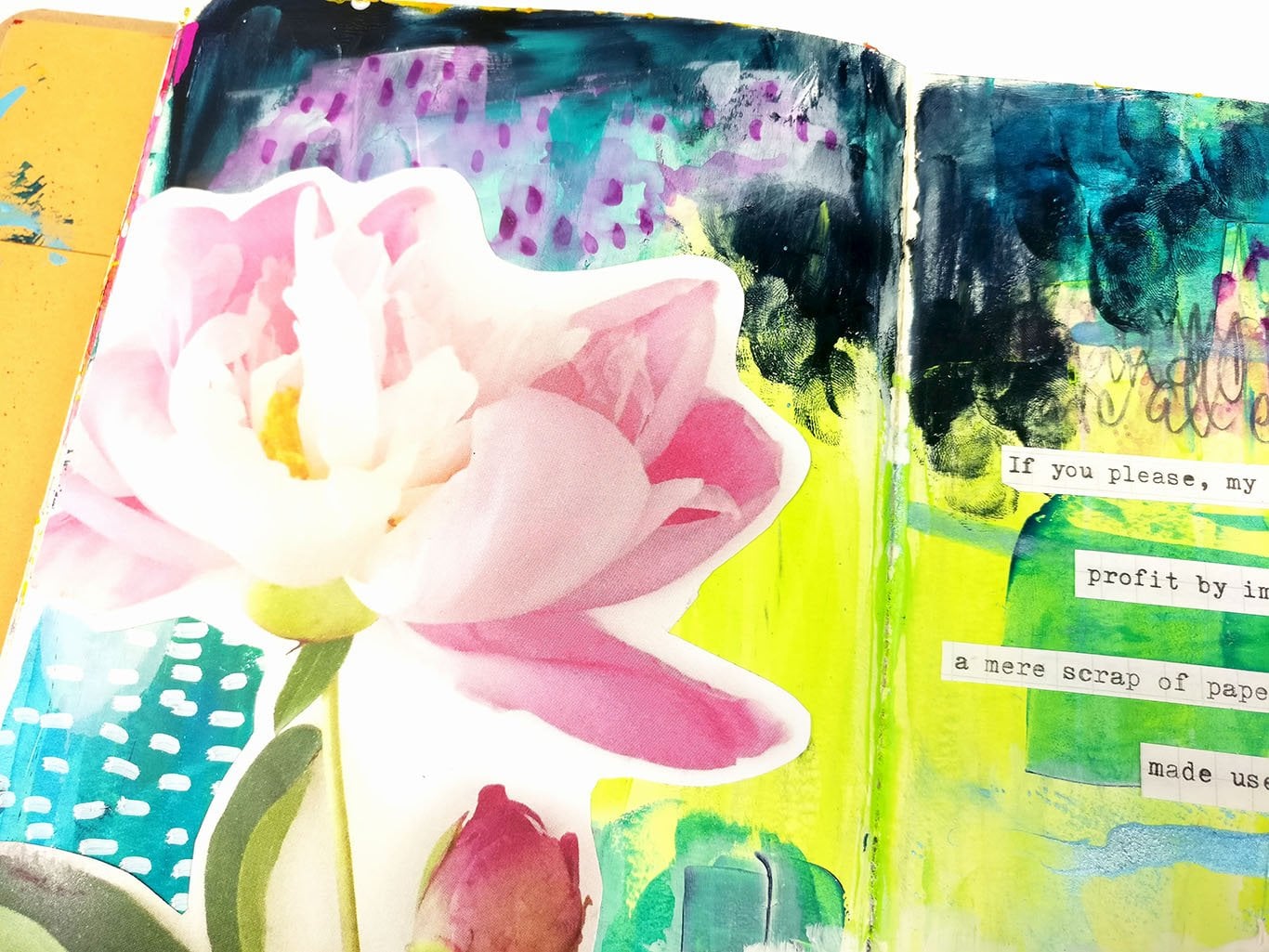
and energize today. And you can see here I'm
representing that by the colors pink, teal, and gray. I'm going to begin by
applying paint to the paper and randomly calculated
areas and sharing. I create a sense of visual
balance along the way. I want to wait of my colors
to feel cohesive and in harmony as this is the
foundation for my work. Take a few minutes to
consider how you are feeling today and choose some colors
that represent that mood. Use your own painting
style to apply the paint in a balanced way
on the entire background. Making sure to leave space
for layering and overlapping. Once you have filled
the entire background, let it dry completely before
moving onto the next step.
5. Tape Transfers: One way that I like to
add images and texts my Art Journal is
through the use of tape Transfers and stenciling. Let's begin with tape Transfers. A tape transfer involves
using packing tape to transfer inkjet printed images or texts onto another surface. To apply this technique, you begin by printing or selecting your desired
image or text. Next, you've covered the printed area with packing states, ensuring it adheres
firmly to the paper. Once the tape is applied, you soak the paper and water
until it becomes saturated. As the water loosens
the paper fibers, you gently rub off
the wet paper, leaving the ink behind on the
adhesive side of the case. Finally, carefully
position the case onto you desired surface using the
adhesive of your choice. I personally like
to use mod podge. However, glue, sticks and pens
as well as acrylic medium, we're also work well. So use the adhesive
of your choice. By using the tape
Transfers techniques, you can incorporate texts and images into your
artwork with ease. Now it's your turn. Take a shot at using the
tape transfer technique to apply images or texts
onto your journal. Make sure to snap a
picture and share your results in our
project gallery.
6. Stenciling (Adding Texture): The next technique stenciling serves two primary
purposes and my Journals. The first is to create
visual texture. On the second is to add
emphasis to my main idea. Stenciling is an easy
way to accomplish mode. In this case, I'll show you
how to use punch in ELA or the remanent scraps
leftover from punching sequence and
letter stenciling. Each can both be easily found on craft websites and stores. If you don't have these
materials at home, don't worry. You can also handwrite
your text for use other objects and materials
such as fruit bags, feathers, feeds, or toothbrushes to get some interesting
stenciling results. Here, you can see that
I'm using punch in ELA to create a frame
around my composition. These textual elements
add depth and dimension, as well as highlight areas
of emphasis in my journal. In this example,
I'm using a letter stencils to add words
that connect to or draw. Focus on my main idea. This is helpful when
combining many elements and you want to ensure your
focal point doesn't get lost. Adding texture to
your journal entry and a way that creates emphasis. Highlight your main visual
or I give I creating texture around and leading
to your focal points. Or by adding words or
phrases that connect to it. Make sure to take a
picture and share your results in our
project gallery. I can't wait to see
how you decided to use stenciling and add texture
and emphasis to your journal?
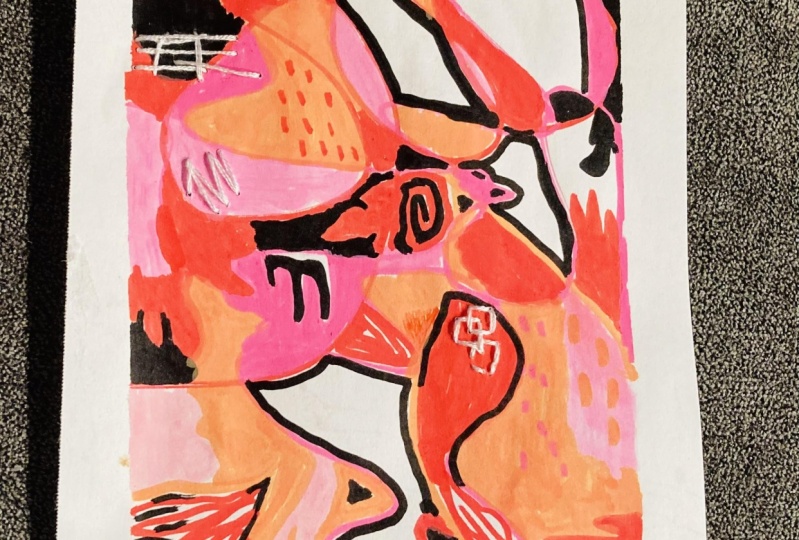
7. Adding Stitches: Adding Stitches or sewing is
another technique I like to use to add unity and visual
interests in my Art Journal. Stitches added to a work of
Art can significantly enhance its visual and conceptual
impact and can introduce and connect narratives and
storytelling elements. It is with this in mind that I used to work in my Art Journal. To begin your stitching plan, your path or pattern, determine which
did she will use. I most often use a backstitch
or a straight stitch. Pretty poke your holes
with the needle that you will use for
threading your string. Complaint your
Stitches. Higher knots. An optionally, you can hide
your knots by blowing on an extra page to the backside of your
paper when you're done. In order to incorporate
your Stitches, it's important to
have a clear idea of what and how you
want to include them. This example, you can
see that in stitching, a trail from the
phrase outlay is too late across the page behind
the skull and to the bird. Now it's your turn. Grab a needle, some thread, and get started on sewing some decorative and textural elements to your Art Journal. I can't wait to see
what you create
8. Closing: Thank you for joining me for this class about
expressive Art Journals. I hope that's an introduction to my process and the step
shared have helped you to envision how you can use expressive Art
Journals in your life. In addition, I hope that
through this practice, you have developed the
confidence to explore and play while creating
in your own journal. Art Journals are
wonderful additions to our journaling life as they
combine the visual with the written to formulate a
powerful documentation of our experiences through
eliminating White Space, Adding stitching and
applying tape Transfers, as well as painting,
drawing and collage. Art Journals become expressive of you and your everyday life. And how cool is it to
see and look through a finished Journal
and know where you have been and where
you want to go. I would love to see what you've created during this class. So make sure to post a project and share
your results with me. And until next time. Happy Creating
 Jenn Jordan, International Artist/Educator