Easy Watercolor Valentine's Day Cards With Cookie Cutters - Beginner Level | Carla Riseman | Skillshare

Playback Speed


1.0x


  • 0.5x
  • 0.75x
  • 1x (Normal)
  • 1.25x
  • 1.5x
  • 1.75x
  • 2x

Easy Watercolor Valentine's Day Cards With Cookie Cutters - Beginner Level

teacher avatar Carla Riseman, Dreamy Art for Friendly Humans

Watch this class and thousands more

Get unlimited access to every class
Taught by industry leaders & working professionals
Topics include illustration, design, photography, and more

Watch this class and thousands more

Get unlimited access to every class
Taught by industry leaders & working professionals
Topics include illustration, design, photography, and more

Lessons in This Class

    • 1.

      Introduction

      1:21

    • 2.

      Project

      1:12

    • 3.

      Materials

      2:25

    • 4.

      Card #1

      4:08

    • 5.

      Card #2

      2:16

    • 6.

      Conclusion

      0:51

  • --
  • Beginner level
  • Intermediate level
  • Advanced level
  • All levels

Community Generated

The level is determined by a majority opinion of students who have reviewed this class. The teacher's recommendation is shown until at least 5 student responses are collected.

39

Students

2

Projects

About This Class

Want to try your hand at making a watercolor Valentine's Day card? I've got you covered! The examples in the class videos are of winter holiday cards, but the techniques can be applied to any season or occasion. Don’t have heart-shaped cookie cutters? No problem–you can make a heart shape making tool using a toilet paper or paper towel roll. 
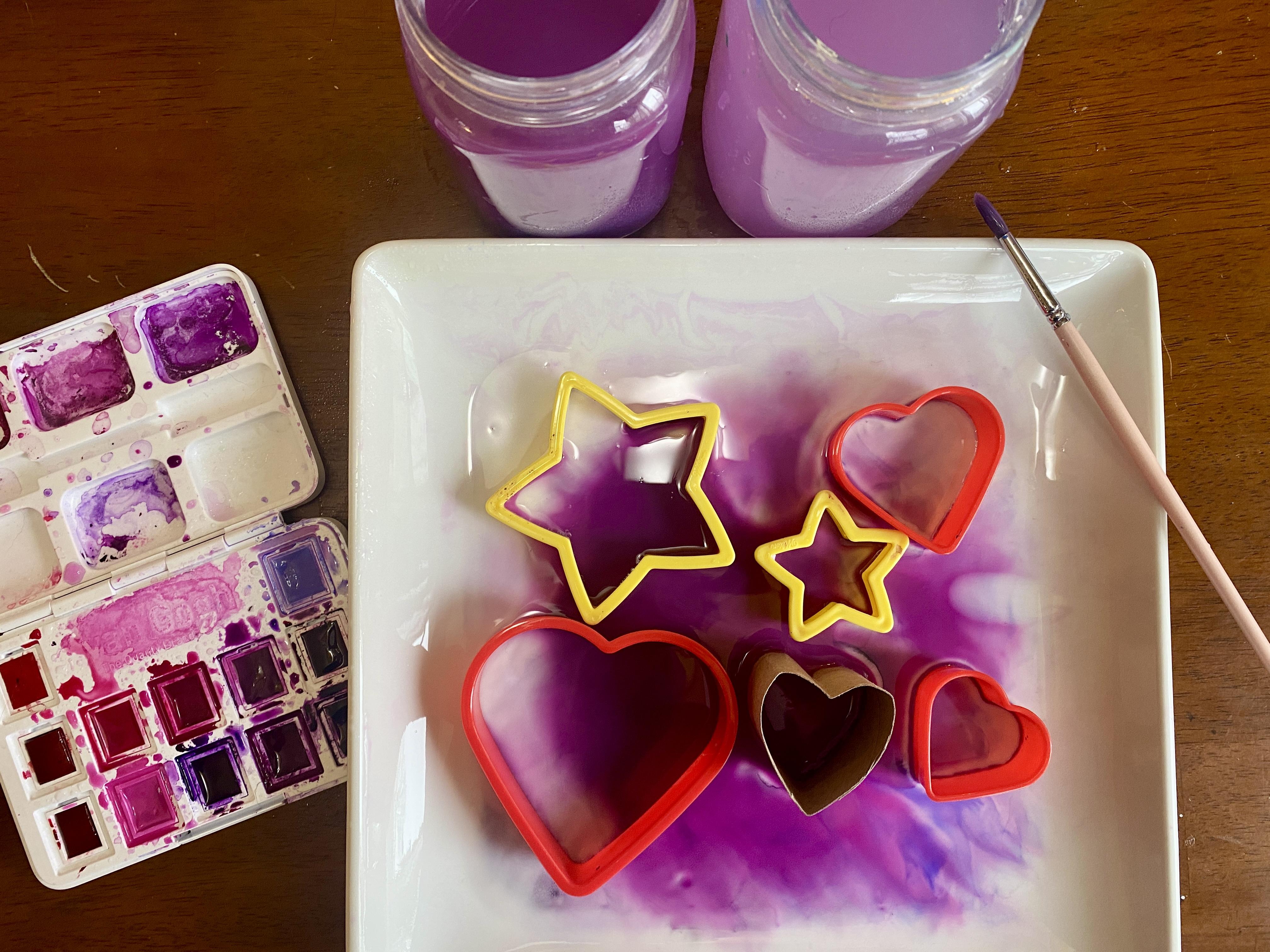
Tip: If you use a toilet paper or paper towel roll to make a heart shape, lightly mist the paper first and hold the shape firmly to your paper for an extra second or two.

In this beginner-friendly class, you'll craft your very own unique and stunning holiday and special occasion cards using everyday items like cookie cutters and other household objects. You can also add other mediums, like Posca pens, inks, and fine liners, to turn your cards into mini masterpieces. This class is perfect for beginners, but valuable and inspiring to artists of all levels. Grab your supplies and let's make one-of-a-kind handmade cards that will wow your loved ones.

I hope you’ll try my class and show me what you made in the projects section of the class–I can’t wait to see it!

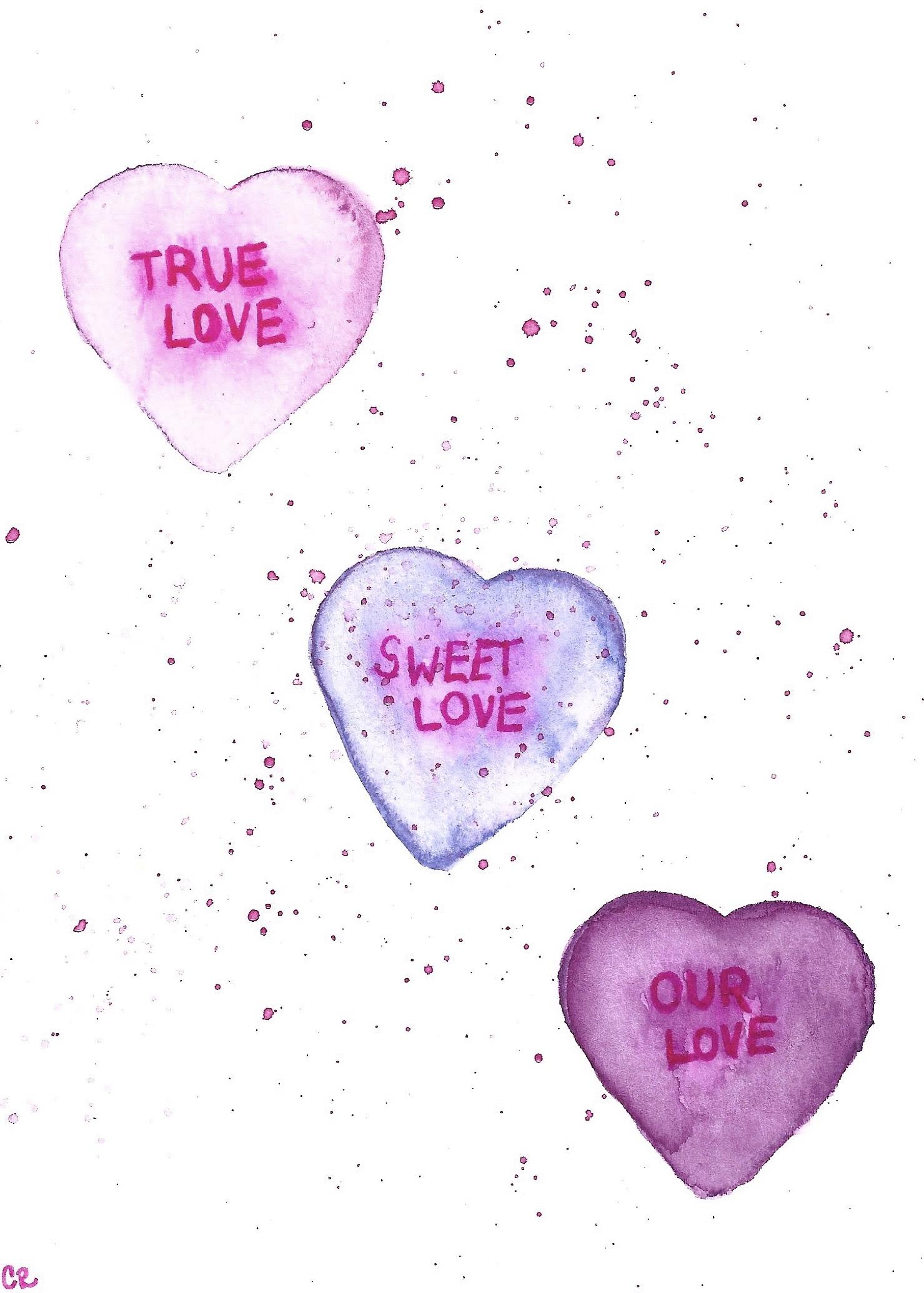
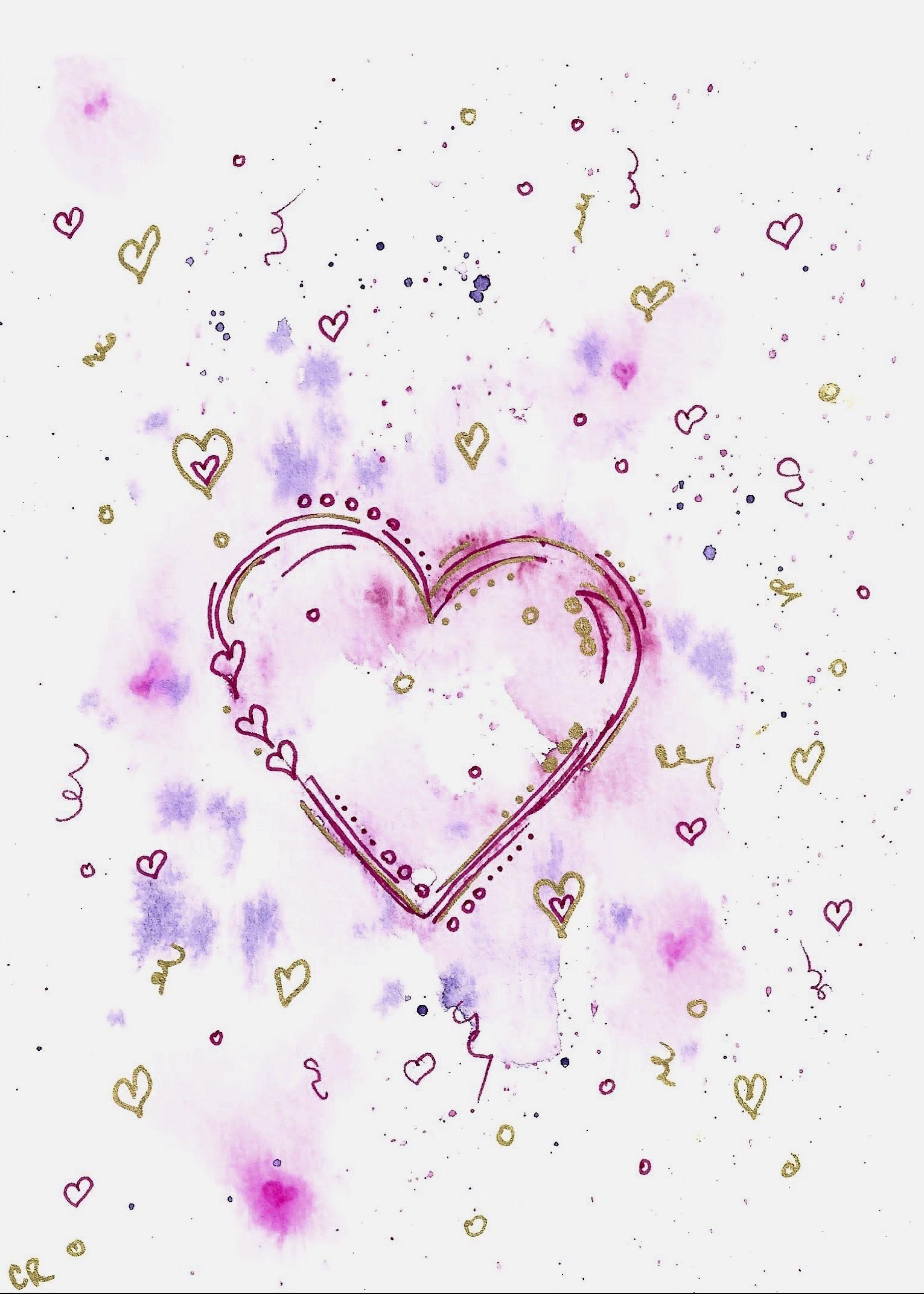
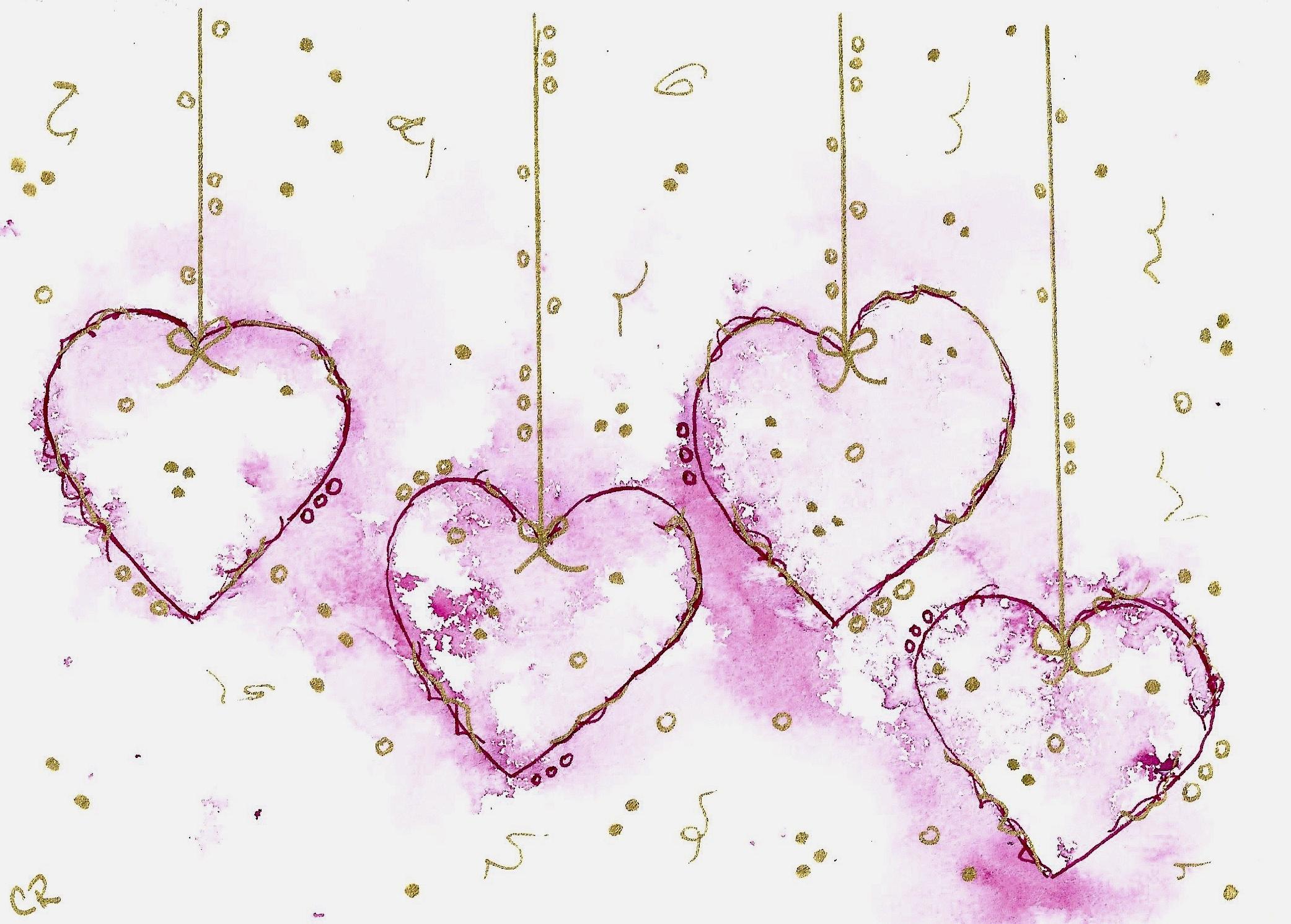
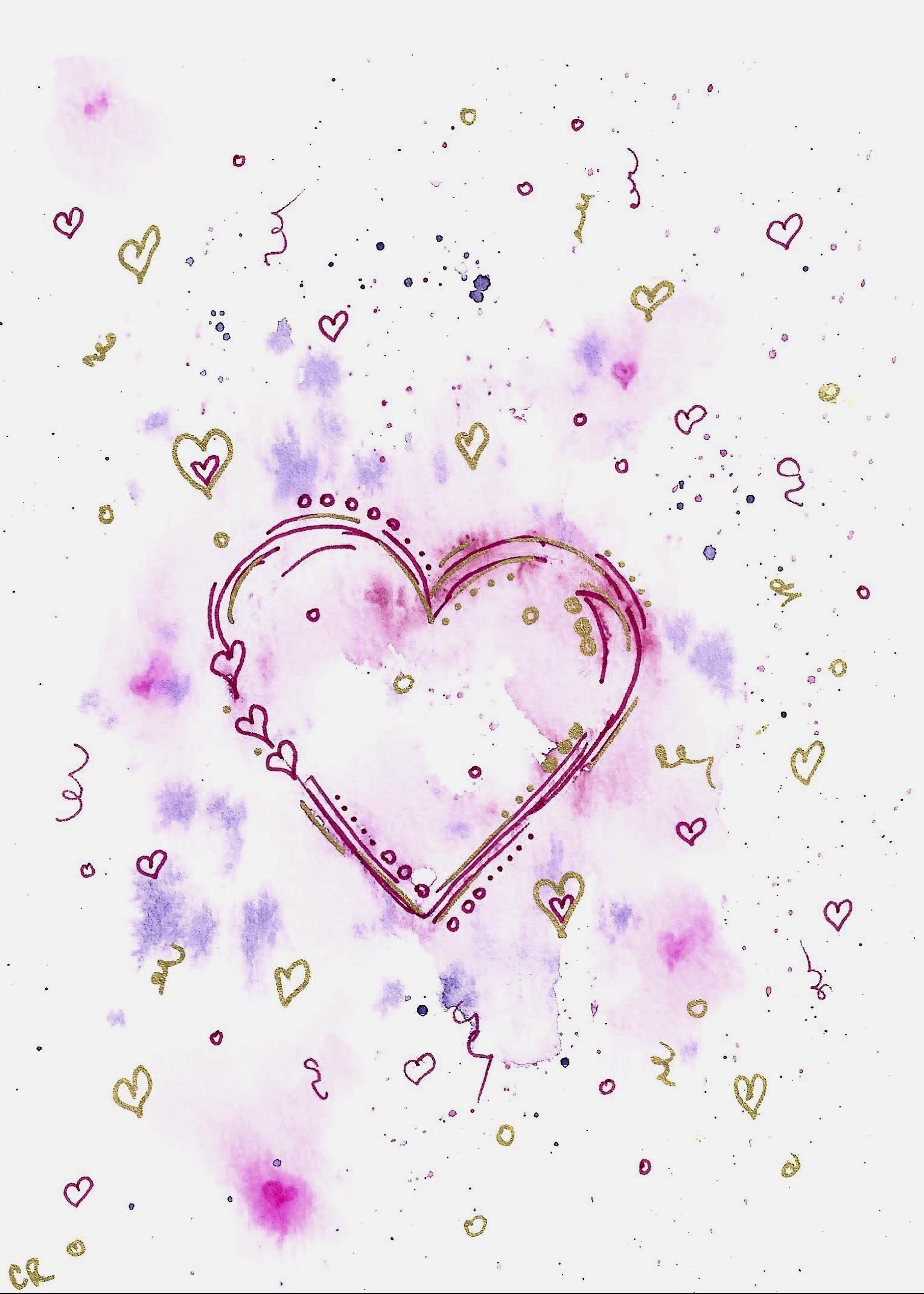
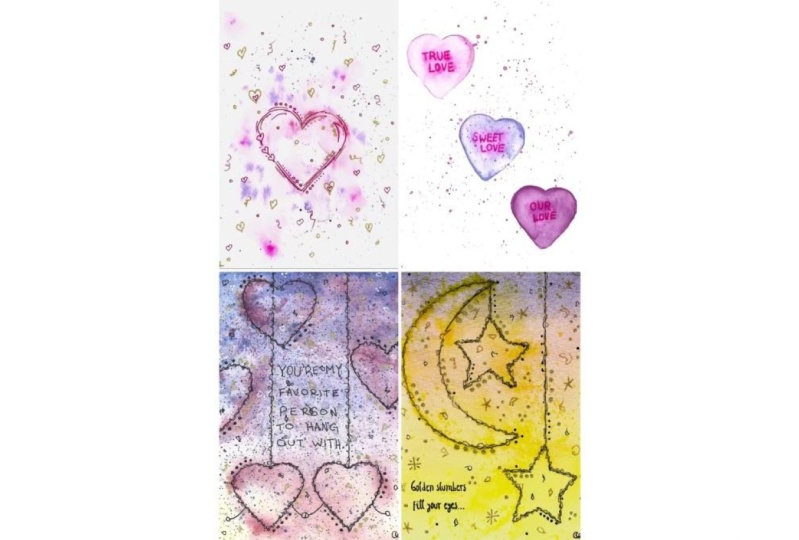
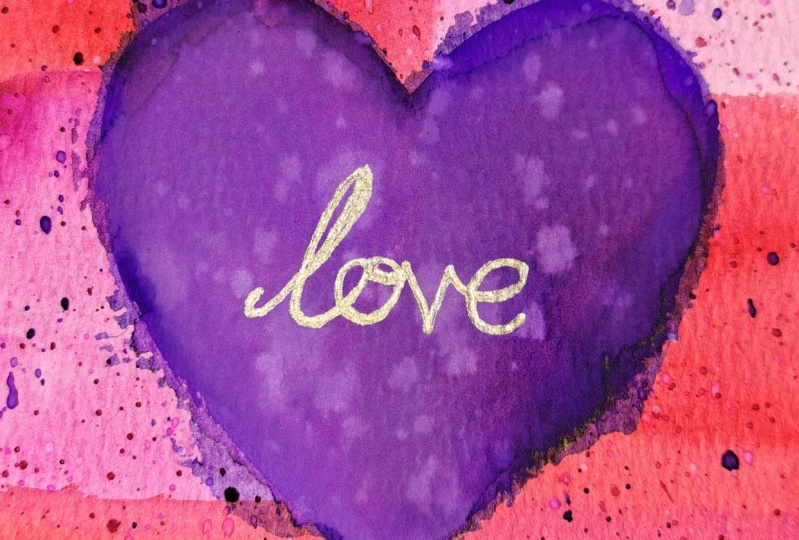
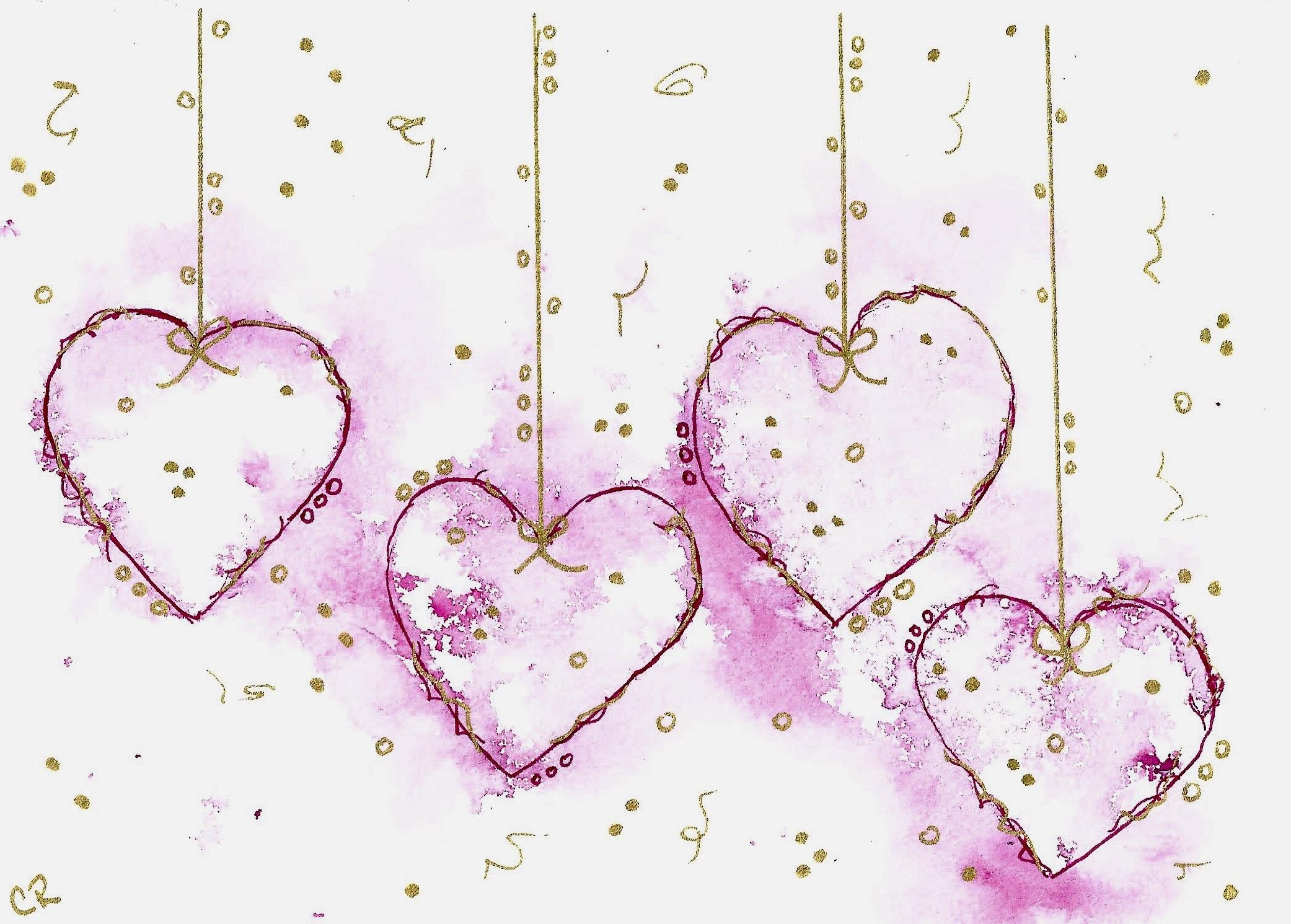
Here are a few examples of Valentine’s Day cards I made using the techniques in this class.
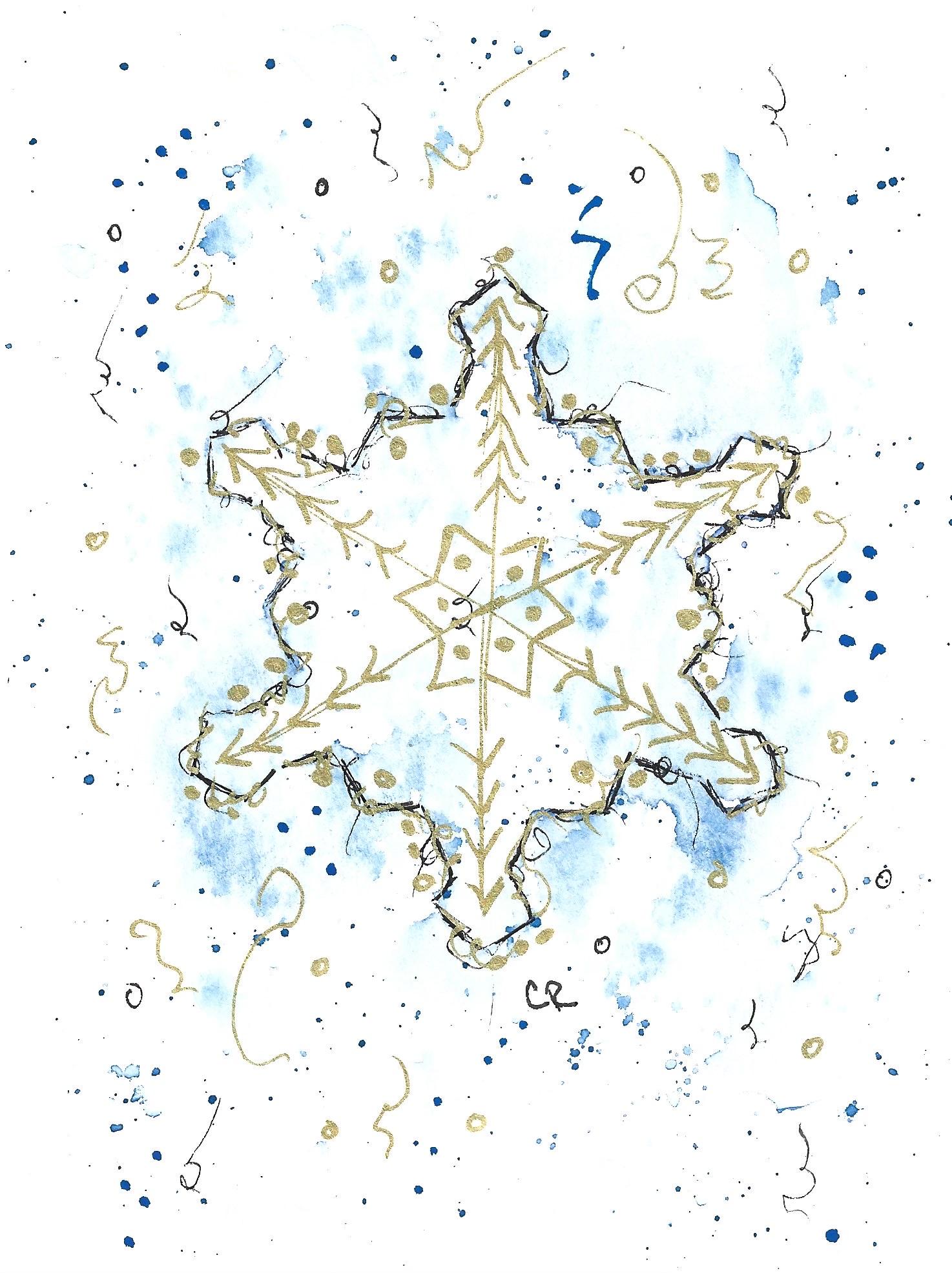
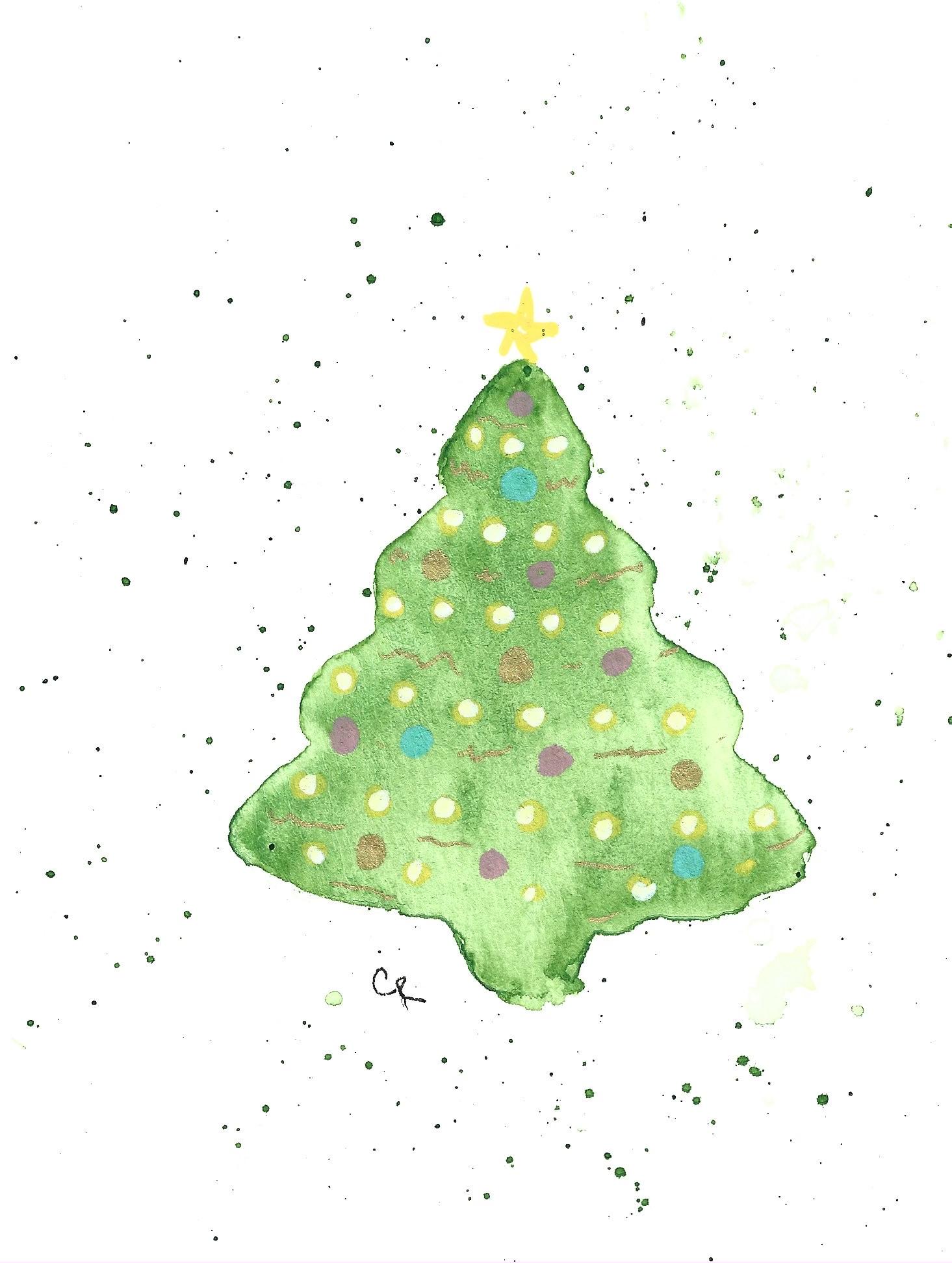
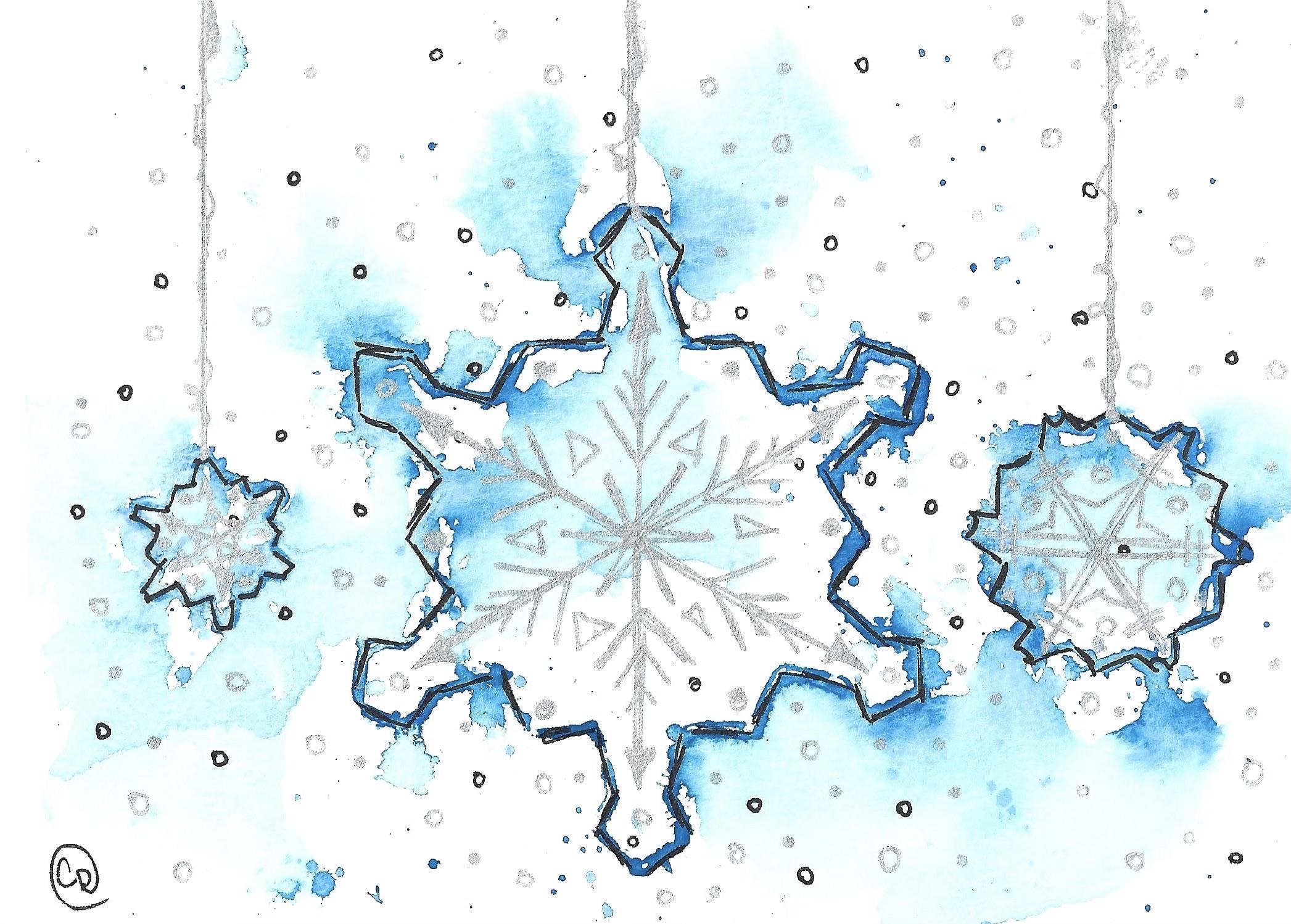
Here is an example of a winter holiday watercolor card you can make in this class.
Why You Should Take This Class

Whether you're a budding artist or a seasoned creative, this class will add new techniques to your repertoire and help you add a personal touch to your holiday and special occasion greetings. You’ll leave the class with a collection of festive holiday cards and new skills you can apply to your future watercolor and mixed media projects.

What You'll Learn:

Shape-Making Magic: Understand which items make the most effective shape-making tools and learn creative ways to modify them for the best results in your designs.

Perfect Paint Consistency: Learn to achieve optimal paint consistency for dreamy and expressive watercolor cards.

Watercolor Wizardry: Learn how water interacts with pigment so you can gain control over values and edges–soft or hard–in your watercolor paintings.

Mixed Media Marvels: Get inspired by examples that incorporate mixed media embellishments into your designs and expand your artistic toolkit.

Why Learn from Me?

I began my art journey with watercolor, which can be a challenging and sometimes frustrating medium. I’ve spent a lot of time learning how to jump its common hurdles, and I’m excited to share what I’ve learned with you!

Meet Your Teacher

Teacher Profile Image

Carla Riseman

Dreamy Art for Friendly Humans

Teacher
Level: Beginner

Class Ratings

Expectations Met?
    Exceeded!
  • 0%
  • Yes
  • 0%
  • Somewhat
  • 0%
  • Not really
  • 0%

Why Join Skillshare?

Take award-winning Skillshare Original Classes

Each class has short lessons, hands-on projects

Your membership supports Skillshare teachers

Learn From Anywhere

Take classes on the go with the Skillshare app. Stream or download to watch on the plane, the subway, or wherever you learn best.

Transcripts

1. Introduction: Picture this. It's the week before your winter holiday celebration, or maybe your favorite aunt's birthday, and you haven't bought cards yet, or maybe you just like making your own. Either way, I've got you covered in this super quick, super easy class. We'll use cookie cutters and other household items to make beautiful watercolor cards that are anything but cookie cutter. I'm Carla a mixed media artist living in the midwestern United States. I have been making my own watercolor cards for years, and my friends and family love and look forward to them. I began my art journey with watercolor and I've spent a lot of time with this often challenging medium, learning its ins and outs, and figuring out how to overcome its various hurdles. I designed this class to be short and sweet so that you can get started on making beautiful watercolor cards for your loved ones right away. As an added bonus, you will learn how water and watercolor pigment interact with one another. To form hard or soft edges, you can apply the knowledge and skills you learn here. As you continue your watercolor journey, I'm really excited to show you this accessible beginner friendly technique. Let's get started. Meet me in the next lesson, and we'll talk about the final project. 2. Project: For your final project, you'll make two handmade watercolor cards. I chose this project because I began my art career making watercolor cards. Often my clients would tell me who the cards were going to and where in the world they lived. And it made me really happy to know that art that I made was traveling near and far to bear messages from one loved one to another. What's great about this project is you can really make it your own like snowflakes. No two projects will look alike. We'll be using plastic cookie cutters and other shape making tools like a plastic cup, a milk elon cap, paper towel roles or anything else you'd like to experiment with. I'll share more about the shape making tools in the next video. We'll also talk about paper brushes and additional mediums for final touches. I encourage you to upload your projects to the project gallery first, so you can proudly share your great work. Second, so you can inspire and be inspired by the other artists who take this class. The materials lesson is important to watch, so you can learn what makes an effective shape making tool. It's also brief, so you can get started right away. Join me there. 3. Materials: We're going to make beautiful watercolor cards using items you have in your house. First, you'll need watercolor paint and a palette with a lot of surface area. I like to use basic ceramic dinner plates for the surface. You'll need either watercolor paper cards or mixed media paper cards. I'm using folded cards with envelopes today, but you can use flat water color postcard paper. Without envelopes, you'll want to make sure that the paper you're using can stand up to water. Watercolor paper or mixed media paper is ideal if you don't have watercolor or mixed media cards. You can also make your design on a piece of watercolor paper and then glue it to a craft paper card. You'll need some shape making tools. I'm using plastic winter holiday cookie cutters for this demonstration, but you can also adapt this lesson for other holidays and occasions and use spring or fall themed cookie cutters for the plastic cookie cutters. And use a nail file to dull the edges just a little bit so they are better at picking up paint. Metal cookie cutters don't pick up paint as well as plastic cookie cutters. I've tried using sandpaper to roughen up the edges of metal cookie cutters a little bit and make them better at grabbing paint. And it is effective, but it's a lot of work. Besides plastic cookie cutters, you can also use plastic cups, milk caps, paper towel rills, or any other shaped tools you may have around the house. You need a few paint brushes of your choice. I'm using one that is very soft and picks up lots of water and pigments, and one that is snappier for more precision work. I also have two water jars, one to rinse my brushes in, and the other to hold clean water only I also use a spray bottle, but if you don't have one on hand, you can just deposit water onto the paper using your paint brush and water from your clean water jar or finishing touches. You'll need a fine liner and other mark making media. I'm a big fan of Posca pens because they come in a variety of colors and nib sizes. But use anything you have on hand. That's all for materials. Meet me in the next video and we'll get started. 4. Card #1: Start with a puddle of watercolor paint that has the consistency of milk. Press your shape making tool into your petal of paint and then press it onto your paper card. Next, dip your brush and clean water and splatter it around the perimeter of your design. Notice that the paint pigment is beginning to flow into the water you have splattered onto your card in the places where the water touches the outline of your shape. This is because water color pigment flows in the direction of water. The pigment will continue moving along the path of the water until wet paper meets dry paper, which leaves a hard edge. Sometimes you want a hard edge, but if you want to soften the edge, dampen the paper surrounding the pigment. And with a clean, almost dry toward the pigment to soak up the excess water. This will slow the flow of the pigment down and make your edges nice and soft, Wet the paper in various places on your cart, and drag some clean water toward the pigment, along the edges of your shape, using the technique I just described to soften the edges in each spot. Now pick up some paint and splutter it onto your paper where the paint it dry paper, the edges crisp and the color will be saturated. Where the paint hits the wet paper, the edges will be softer and the color of those splatters will be less saturated. Next, splatter some clean water randomly on your design. And then take your brush and blot some of the splatters to desaturate them, leaving some untouched for visual interest. If you see a few spots you want to blot and blend before your card dries, go ahead and do that. Now, let your card air dry or use a hair dryer to speed up that process. Once your card is dry, take a fine liner and go around the perimeter of your shape. I don't get too precious here. I just want to refine the shape just a little bit and pull it forward. Once you've done that, you can draw swirls and squiggles along the perimeter to break the shape up a little bit and give it some more visual interest. Then add some additional doodles, shapes and symbols that are meaningful to you. Next, take your Posca pen and add some fun details. Since I'm making a snowflake, I'm adding the snowflake crystals and some random dots and swirls. But your details will vary depending upon the shape you used. Now admire your handmade card. Make sure to upload your card to the project gallery so others can admire it too. 5. Card #2: For our second card. You want the consistency of our paint to be a bit thicker about the consistency of cream. Take care not to make it too thick. We don't want it to be so thick that it won't deposit on the paper. Dip your shape making tool into the paint and press it onto the paper. Before you lift your shape making tool from the paper, use a spray bottle to spray some water on the interior of your shape. If you don't have a spray bottle, you can use a wet paint brush full of clean water to drop water into the center. Design. Hold the shape making tool on the paper for a moment or two to allow the pigment to begin moving toward the water you deposited into the center of the shape. Now begin to pull the clean water from the center of your shape towards its edges. Once the water meets the pigment, the pigment will start moving toward the middle, where most of the water is And filling in your shape. Use your brush to make sure the pigment is distributed evenly. Now, take some of the paint from your puddle and make some light splatters. Let your card air dry or use a hair dryer to speed up that process. I did not outline my tree because I felt the lines around it were strong and well enough to find use Posca pen or other media to add fun details and finishing touches And enjoy your beautiful handmade card. Remember to upload your finished card to the project gallery so you can inspire and be inspired by your fellow artists. 6. Conclusion: You did it. Congratulations on completing this class. You should now have two finished cards along with the skills and knowledge you'll need to continue creating cards for years to come. Making your own beautiful greeting cards is a rewarding, fulfilling activity, both for you and the people who receive your cards. I hope you continue to explore and apply the techniques you've learned today. Please remember to upload your work to the project gallery. I can't wait to see what you've created. I would love it if you'd leave me any constructive feedback. By way of reviewing my class, make sure to follow me on Skillshare so you can be notified when I release new classes. You can also find my social media channels on my Skillshare teacher profile. Thank you so much for joining me. I hope you enjoyed our time together until next time.