Illustration Masterclass: Watercolor Washes 101 | Stefanie Schmiedel | Skillshare

Playback Speed


1.0x


  • 0.5x
  • 0.75x
  • 1x (Normal)
  • 1.25x
  • 1.5x
  • 1.75x
  • 2x

Illustration Masterclass: Watercolor Washes 101

teacher avatar Stefanie Schmiedel, Illustrator and Animator

Watch this class and thousands more

Get unlimited access to every class
Taught by industry leaders & working professionals
Topics include illustration, design, photography, and more

Watch this class and thousands more

Get unlimited access to every class
Taught by industry leaders & working professionals
Topics include illustration, design, photography, and more

Lessons in This Class

    • 1.

      Watercolour Washes 101 - intro

      1:23

    • 2.

      Watercolour Washes 101 - Materials

      1:00

    • 3.

      Watercolour Washes 101 - Wet-On-Dry Flat Wash

      1:30

    • 4.

      Watercolour Washes 101 - Wet-On-Dry Gradient Wash

      1:25

    • 5.

      Watercolour Washes 101 - Wet-On-Wet Flat Wash

      1:47

    • 6.

      Watercolour Washes 101 - Wet-On-Wet Gradient Wash

      1:59

    • 7.

      Watercolour Washes 101 - Glazing

      1:16

  • --
  • Beginner level
  • Intermediate level
  • Advanced level
  • All levels

Community Generated

The level is determined by a majority opinion of students who have reviewed this class. The teacher's recommendation is shown until at least 5 student responses are collected.

781

Students

3

Projects

About This Class

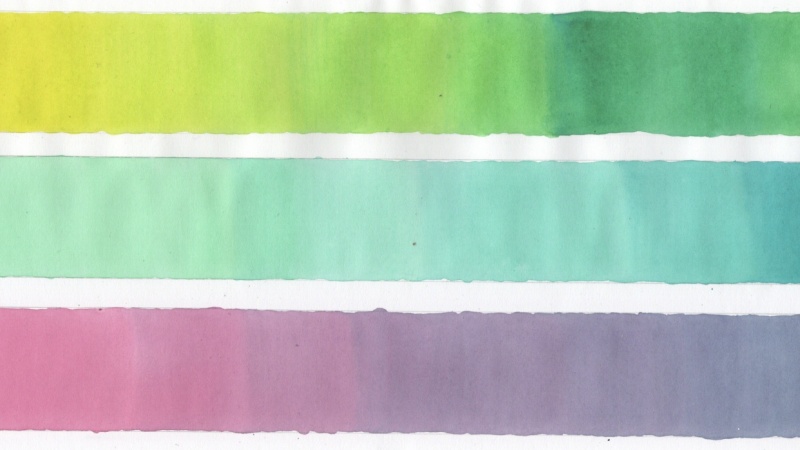
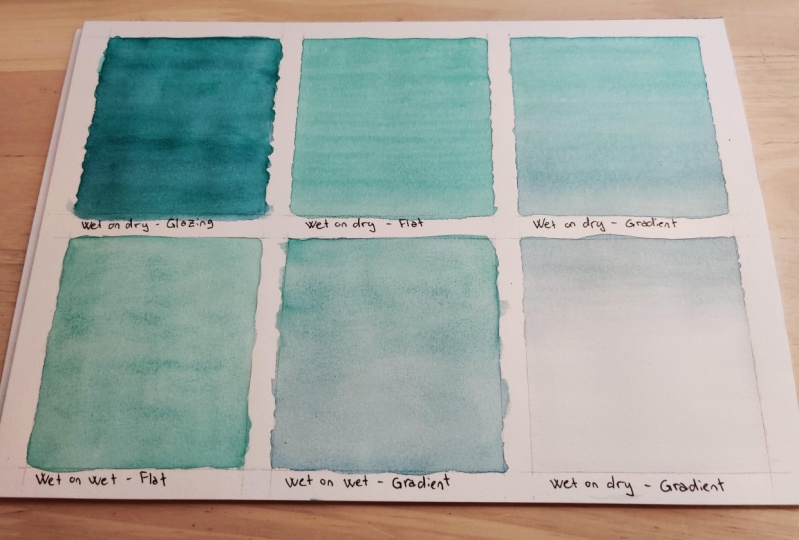
Learning to create flat and gradient watercolour washes is an essential skill for using watercolour. In this class you will learn how to create perfect wet-on-dry washes, glazes and wet-on-wet washes. 

Meet Your Teacher

Teacher Profile Image

Stefanie Schmiedel

Illustrator and Animator

Teacher

My name is Stef.

I am an Illustrator and Animator currently living in Birmingham, UK.

I started drawing as soon as I was able to hold a crayon my chubby little hands. My Grandpa was an Artist and started teaching me at an very early age. Fresh out of school I started working as a background painter on the Movie "Laura's Star" and soon after became a traditional Animator. 

For fourteen years I worked in the Animation and Film industry, animating on several great titles like "Guardians of the Galaxy", "Maleficent", "Avengers, Age of Ultron" and many more.

But in the past few years I wanted to go back to my roots and work traditionally again. I enjoy working with Watercolour, Gouache and a bit of Mixed Media. I love to Illustrate and ... See full profile

Level: Beginner

Class Ratings

Expectations Met?
    Exceeded!
  • 0%
  • Yes
  • 0%
  • Somewhat
  • 0%
  • Not really
  • 0%

Why Join Skillshare?

Take award-winning Skillshare Original Classes

Each class has short lessons, hands-on projects

Your membership supports Skillshare teachers

Learn From Anywhere

Take classes on the go with the Skillshare app. Stream or download to watch on the plane, the subway, or wherever you learn best.

Transcripts

1. Watercolour Washes 101 - intro: I'm stuck in treacle. I'm no street at a major from Germany, currently living in the UK For 14 years I've been working in the industry. I started as a traditional background painted and later and later moved into three unusual facts. But I never stopped illustrating traditional like water. Then, using logic of registration is very important that you know how to do flat wash, so this course will go over different techniques. You will learn how to do a flat and braiding wash in right on dry on a flat and a 1,000,000,000 wash and red and wet, and also you will learn about raising place. We agreed to share your practice washes in the Persian Gallery and asked me any questions. 2. Watercolour Washes 101 - Materials: For this gas, you will need a gun. Watercolor pad was dredged Piece of what kind of paper? What kind of paint off your choice. It doesn't matter if it's in pounds, tubes or liquid. You will also need a soft brush that doesn't spring back, can hold plenty of porter. A stiff brush that's brings back can easily pulled a pigment off paper and is not fitted For most of these techniques, especially not glazing, you lost me to paper towel or an old cloth where you can write your brush to remove any excess paint. 3. Watercolour Washes 101 - Wet-On-Dry Flat Wash: for this technique. You always want to paint at its land, so try to have your paper or your board at a 30 to 45 degree angle. Make sure you have plenty of color premixed to cover the entire wash. Start pulling down the mixed paint on a dry piece of paper and let gravity do the work. It would pull down the paint and create a bead at the bottom. Gently pull the beat down new wash, adding more pained when necessary. It is important that you always have plenty of paint in the bead, but not too much that it would start running. Once you started wash. Make sure that you don't stop. Always keep pulling the beat down. When you get to the end, you can see that you manage the same consistency through the entire wash. If you don't remove the bead at the bottom, the paint the bloom up into the Washington drying to remove the beat but drying your brush on the paper towel and soak up the excess paint 4. Watercolour Washes 101 - Wet-On-Dry Gradient Wash: way. Start the same way as we did with the flat wash. Make sure that your papers at stand really a brush with plenty of paint and laid down on the dry piece of paper. Remember to the gravity, do the work and just keep putting down to be gently. This time we was told to keep adding water or second color to our beat. Make sure to add little by little. All the radiant won't be even. Remember to remove any excess paint at the end. Board will start blooming up into yours. Dry a brush on the paper towel and soak up any excess paint a water. 5. Watercolour Washes 101 - Wet-On-Wet Flat Wash: for the wet on wet technique, you want to work on a flat surface. Notice land. Start by covering the whole area of your wash with clean water, now at pain to your wash, roughly covering the whole area. Once the whole areas covered, start pushing around the Pickman, removing any excess pain to be necessary. Make sure that you don't have any puddles or buildups, since they would bloom into your wash. If you're working on the large wash, you can use a spray bottle of clean water to keep the area of it until you're happy with your results. 6. Watercolour Washes 101 - Wet-On-Wet Gradient Wash: for the Grady in red on Red Wash, we start again by covering the whole area of the wash with clear water. If you want to do to colored wash, start by laying down one color moving the pigment to cover about half the area of the wash . Now at the second cover, pushing the pigment into the area that he already covered with the first color, carefully blending the two pigments together once again, make sure that you remove any excess paint or build ups to avoid blooming as long as the area still. But he can keep pushing the pigments around until you completely happy with your blend. For a monochromatic, radiant wash, simply start with less pain. Keep removing the pigment but drawing your brush and soaking up excess pained, spreading the Pickman throughout the wash. 7. Watercolour Washes 101 - Glazing: in lazing we're layering. Wash over an already existing wash. This is usually done with a better on dry technique because you want to avoid reactivating the Pickman from your previous wash. Remember to have your paper to slammed the 30 to 45 degree angle to let gravity do the work for you. Glazing is a great way to even out the wash. What are the different colors over another to mix rich and interesting colors without muddying?