Transcripts
1. Draw Basic Shapes Without Judging Yourself : If you have ever sat
down with a pen and paper and suddenly felt
unsure where to begin, this is very normal place to be. Many beginners freeze
before the first mark because they worry the shape
will look wrong or messy. That quiet pause, the one
where your hand hesitates, is often filled
with self judgment, even before anything
appears on the page. If you are feeling
that right now, take a slow breath. You do not need
talent, confidence, or experience to be. You only need a pen,
a piece of paper, and a few calm minutes. The next step is
small and gentle, and you can do it. I'm Paul. I help beginners
learn new skills in a clear and simple way so they can feel safe
trying something new. When I first tried drawing, I believe shaves had to
be perfect to count. I raced constantly. I compared my lines to
other people's work. I thought something was
wrong with my hands. Over time, I learned that drawing is not about
perfect shapes. About seeing and placing simple forms one at a
time without pressure. I like teaching
this topic because shapes are where
drawing truly begins. Everything we see from
a cup to a chair, to a face, it's built
from a simple shapes. When you feel calm with shapes, drawing becomes less
scary and more open. While you're here,
we will focus on one small doable outcome. You will draw a few basic shapes on one page using
a pen and paper. That's it. No shading, no details, no erasing. Just clear simple
shapes, play with care. This is for absolute beginners
who want gentle start. If you already draw
complex objects or detailed illustrations, this will feel very basic and
may work better as a reset. This is for anyone who
feels nervous about starting or wants to build
confidence from the ground up. You do not need special tools. A pen and any paper will work. A quiet surface in a
few minutes is enough. As we go, I will explain one
simple idea about shapes. Then we will slowly
draw together. Each lesson adds a small piece, and nothing is rushed. The end of this, you will have a finished page and a calmer
feeling about drawing. Let's begin gently.
2. Create One Page of Simple Shapes : It can feel
overwhelming when you think about drawing
as a big skill. Your mind may jump
ahead to finish drawings or imagine mistakes. That's why we're keeping
this very small and clear. The project here is simple. You will draw basic shapes on one page using a pen and paper. This page will grow
slowly as we go, and you will only upload
one photo at the end. We will build the same page
together across the lessons. Nothing new appears suddenly. Each time you add one
shape and then pause. You are welcome to work along, pause the video, or
simply watch first. There is no right pace. The only material you
need is paper and a pen. If you do not have a pen, a pencil is fine. If you do not have
drawing paper, any notebook or
loose sheets works. This is about practice,
not supplies. By the end, your page will show a small set of simple shapes
drawn by your own hand. The shapes do not
need to match mind. They only need to
exist on the page. You are allowed to
keep this imperfect. In fact, that is the point. A slightly uneven shape
is still a shape. A wobbly line still counts. You are already doing the
right thing by being here. Let's move into the simple idea that makes drone
shapes feel easier.
3. Understand What Shapes Really Are : Many beginners believe shapes are something you have
to copy perfectly. That belief creates pressure. When pressure appears, the hand tightens and the mind
judges every mark. Shapes are not test. Shapes are containers. A shape is simply a close
line that holds space. That's all. It does
not need to be smooth. It does not need to be balanced. It only needs to close. When you see a circle, you are not seeing perfection. You are seeing a line that
return to where it started. When you see a square, you are seeing straight
lines that meet. When you see a triangle, you are seeing three
lines that connect. The simple idea here is this, you are placing space
on paper using lines. When you draw slowly
and allow lines to be imperfect, your body relaxes. When your body relaxes, your shapes improves
naturally over time. There are three gentle
parts to this idea. First, your hands learns by
moving, not by thinking. The more you draw shapes, the more natural they feel. Second, shapes do not need
correction to be useful. Even uneven shapes
help your eye learn. Third, finishing a shape matters more than
fixing a shape. Completion builds confidence. For example, if you try to draw a circle and stuff halfway
because it feels wrong, your mind stays tense. If you keep going close to
shape, your mind relaxes. This flow works because it
replaces judgment with action. You are not evaluating. You are placing lines. Here's how we'll
do this together. We'll start by drawing
a simple circle. Then we'll add a square. Finally, we'll add triangle
and bring the page together. Each one builds on the
same column approach.
4. Draw a Simple Circle Without Fixing It: It's common to feel
the most tension at the very first mark. Your hand may feel
unsure and your mind may say it should look
better. That's okay. You can still begin.
Place your paper in front of you and
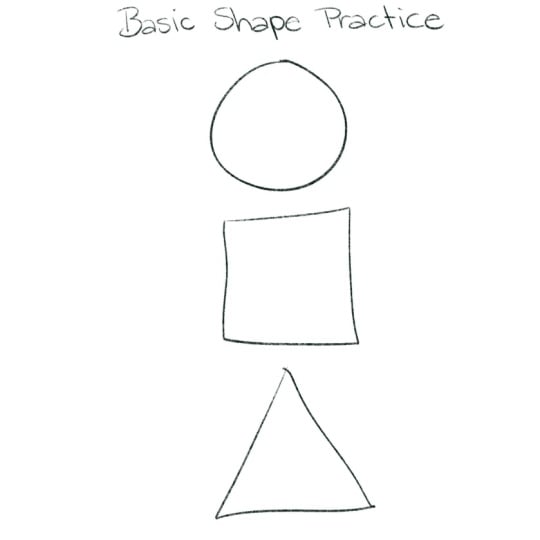
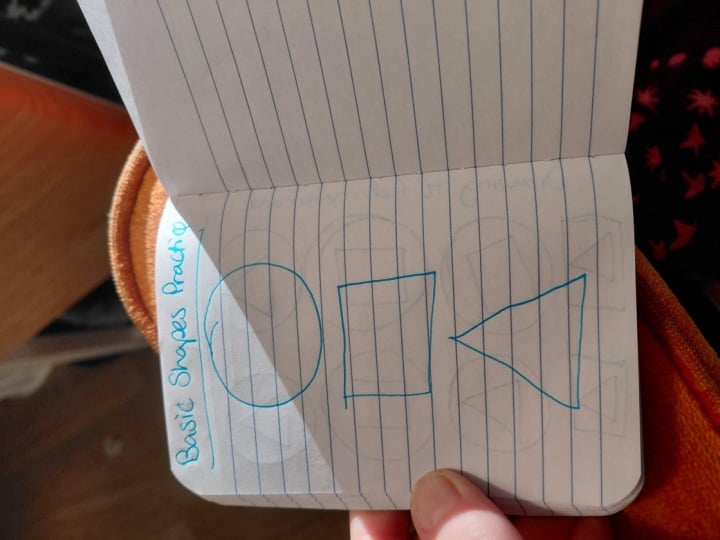
hold your pen gently. There's no need to grip tightly. Rest your hand on the page. At the top of your page, write the project title
Basic Shapes Practice. Write it lightly and simply. Now, leave some space
below the title. First, place the pen
on the paper and begin moving in a curved motion. Let the line travel
slowly. Do not rush. Next, continue the curve
even if it feels uneven. Let the line wobble
if it needs to. Then guide the line back
toward where you started. Let it meet itself. After that, stop. Do not adjust the shape. Do not trace it over, let it be. Your circle may look
round or slightly oval. Both are fine. The
important part is that you close the shape. When I first did this, my
circles leaned and tilted. I wanted to fix them. Over time, I learned that leaving them alone helped me trust my hand. Take a moment and
notice how it feels to finish a shape
without correcting it. That feeling of completion
is what we're building. You've already done the
hardest part. You started.
5. Add a Square With Calm Lines: Sometimes starting feels
easier than continuing. You may wonder if the neck
shape will feel harder. We'll keep it just as gentle. Look at your circle and then
move slightly below it, leaving a small space. Place your pen down and draw a straight line
from left to right. Move slowly, then pause briefly and draw a
line going down. It does not need to be
perfectly vertical. Next, draw another straight
line back toward the left. Then draw the final line
upward to meet the first line. Stop once the shape closes. Let rest. Your square
may lean or stretch. That is normal. A square is
simply four lines that meet. I used to measure and adjust
my squares constantly. I made drawing stressful. Letting them be uneven
made drawing feel lighter. Notice how your hand feels now compared to the first shape. Often, the tension is
already a little less. You are building
familiarity, not perfection.
6. Complete the Page With a Triangle : As you reach this final shape, some beginners feel
pressure to make it better. This is a good moment
to slow down even more. Look at the space
below your square. Place your pen down and draw a line going upward
at a slight angle. Then draw another line going down toward
the opposite side. After that, draw the final line back to where you started. Once the triangle
closes, stop, breathe. Your triangle might feel
tall, wide, or uneven. That's okay. It exists,
and that matters. When I first allowed
my shapes to be uneven, something changed. Drawing stopped feeling like a test and started
feeling like movement. You now have a page with simple shapes created
by your hand. That is real progress before you may have
hesitated to start. Now you've completed
a full page.
7. Review Your Finished Shapes Page : The project here
is one page with basic shapes drawn
using a pen and paper. The project title written at the top is basic
shapes practice. The finished page shows
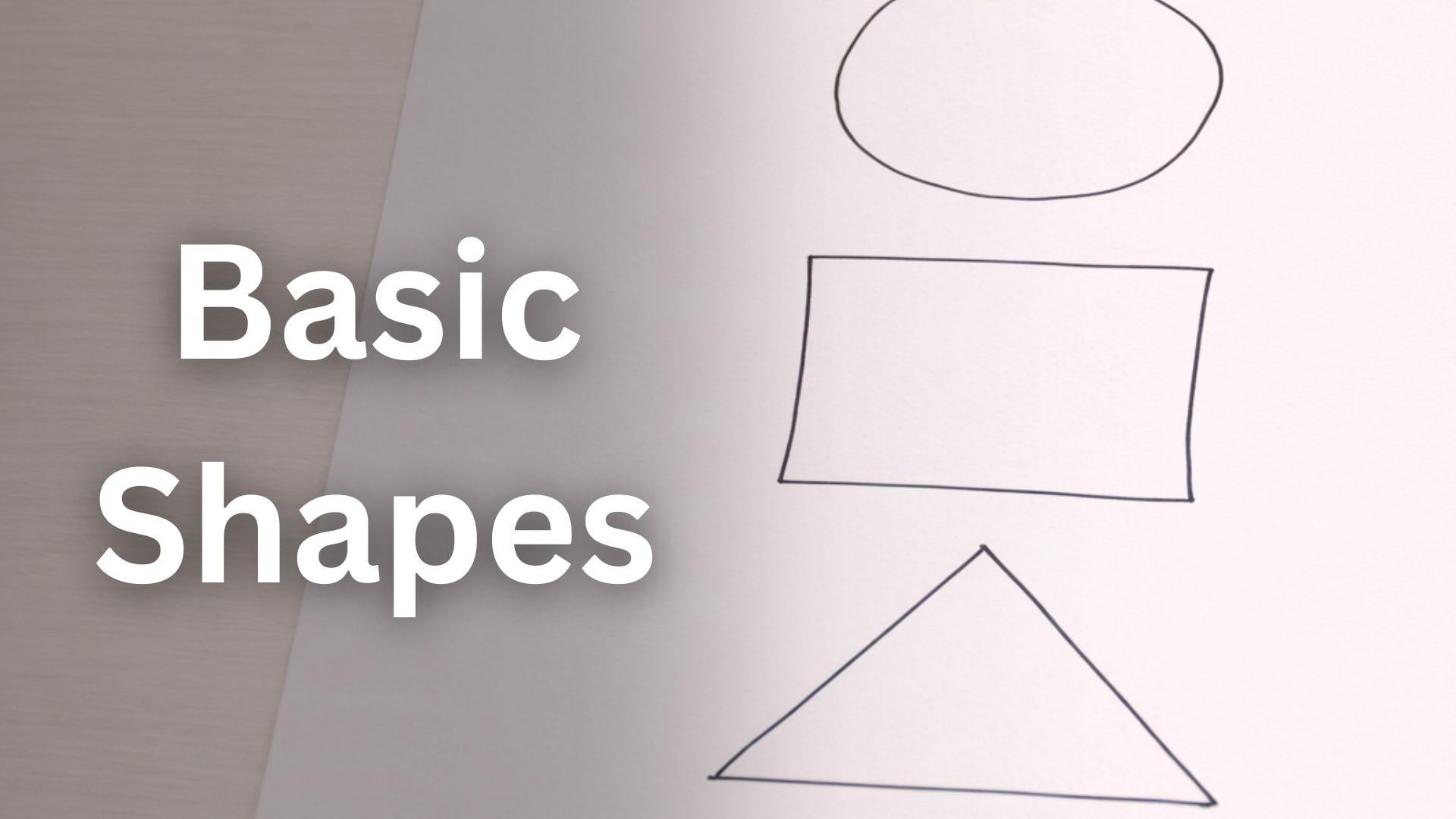
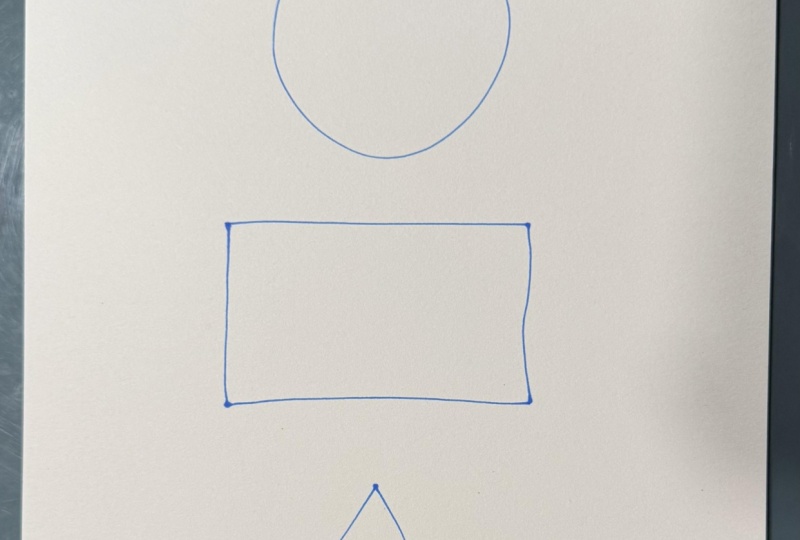
the title at the top, followed by a circle, a square, and a triangle drawn below it. This page was built slowly. First, the circle was
placed and closed. Then the square was
added beneath it. Finally, the triangle
completed the page. This simple project
works because it focuses on completion,
not correction. Each shapes exist as it is, and that builds calm confidence. To upload your project, take one clear photo of your page. Make sure the
shapes are visible. At the projectile and
short descriptions like my first shapes page. The best time to upload is
right after you finish, while the feeling of
completion is fresh. Keep it simple. Even a
quick photo is enough. Most students upload very
simple pages, that's expected. This space is for
practice not performance. Once you upload, you've
completed everything here.
8. Common Beginner Questions: Is it okay if my
shapes look uneven? Yes, absolutely. If you're shaped close
and exist on the page, they are doing their job. And even shapes are a
natural part of learning because your head is still getting familiar with movement. Question number two. What if
I feel like starting over? If you feel that urge, pause and look at the page
you already made. Finishing one page builds more confidence than restarting. If you want to draw
another page later, you can, but let this one stay. Third question, do I need to
practice more shapes now? If you feel calm, you can
repeat this page another day. If you feel tired,
stopping here is enough. Small finished practice works
better than long sessions. One helpful tip is to keep
your pen pressure light. Light pressure helps your hand move really and reduces tension.
9. Feel Calm Starting With Shapes : You made it to the
end, and that matters. You started with hesitation
and finish with a real page. You learned that
shapes are not test. They are simple containers
made from lines. If there's one thing I hope
you take with you, it's this. Finishing a shape matters
more than fixing it. I believe small calm
actions create real change. Drawing one page without
judgment is a powerful start. You can remember this
flow with the word calm. Close the shape, allow it
to be uneven, let it rest. Move on. A small observation
I've noticed is that hands often relax after
the first finish shape. The body learned
safety through action. Thank you for being here today. When you upload your project, you complete the experience. If you found this helpful, leaving a review
helps me grow as a teacher and helps other
beginners find the space. If questions come up
later, that's normal. You can always return
to the simple page. Be proud of what you did today. You showed up, you
drew, and you finished. I'll see you in the next lesson.
 Paul Nene, Helping beginners take action