Daily Planning for Beginners: Create a Simple Routine That Actually Sticks | Paul Nene | Skillshare

Playback Speed


1.0x


  • 0.5x
  • 0.75x
  • 1x (Normal)
  • 1.25x
  • 1.5x
  • 1.75x
  • 2x

Daily Planning for Beginners: Create a Simple Routine That Actually Sticks

teacher avatar Paul Nene, Helping beginners take action

Watch this class and thousands more

Get unlimited access to every class
Taught by industry leaders & working professionals
Topics include illustration, design, photography, and more

Watch this class and thousands more

Get unlimited access to every class
Taught by industry leaders & working professionals
Topics include illustration, design, photography, and more

Lessons in This Class

    • 1.

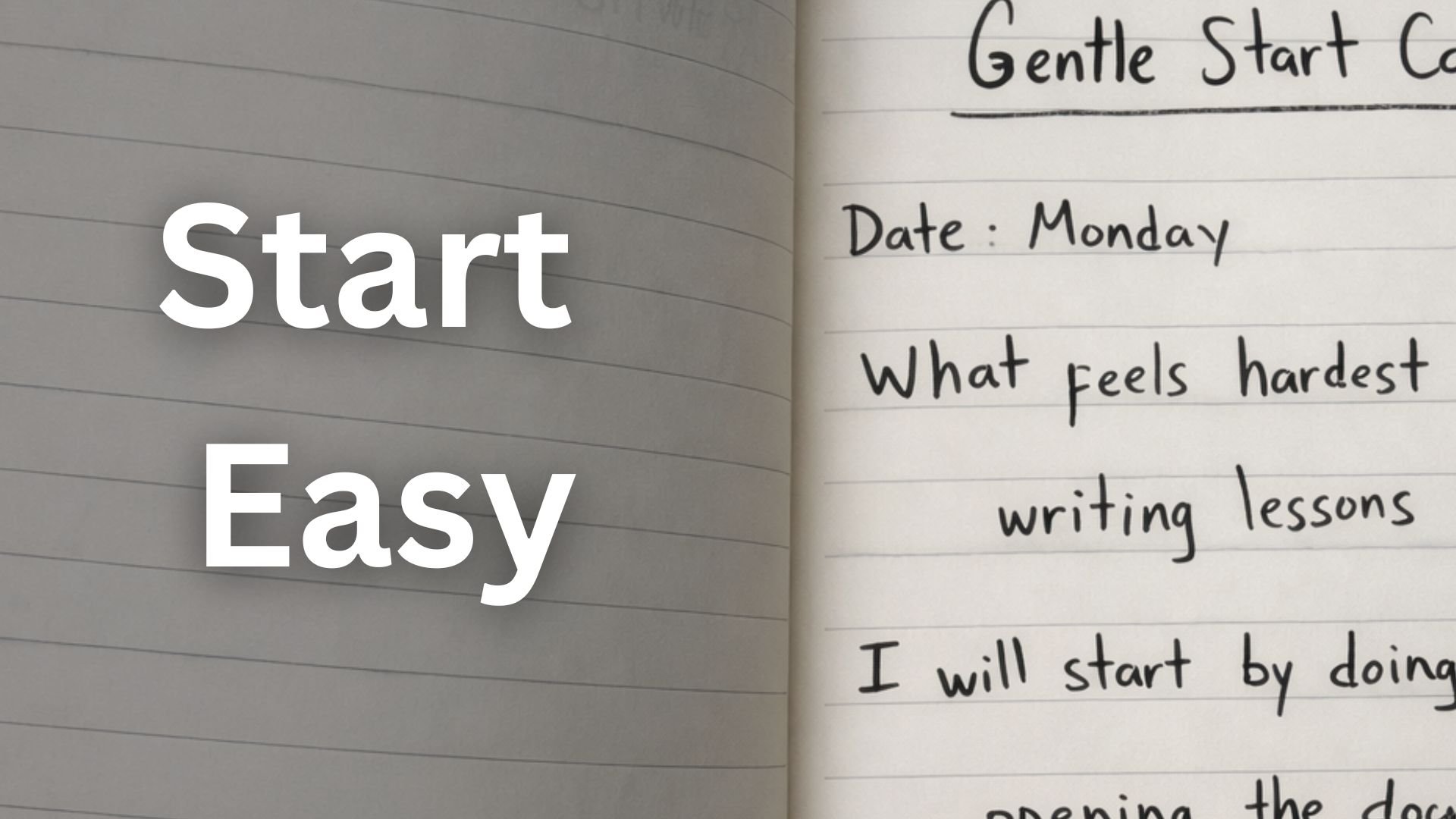
      Start Your Day With a Simple Plan

      1:45

    • 2.

      Understand What Simple Daily Planning Really Is

      1:26

    • 3.

      Notice What’s Already in Your Day

      1:18

    • 4.

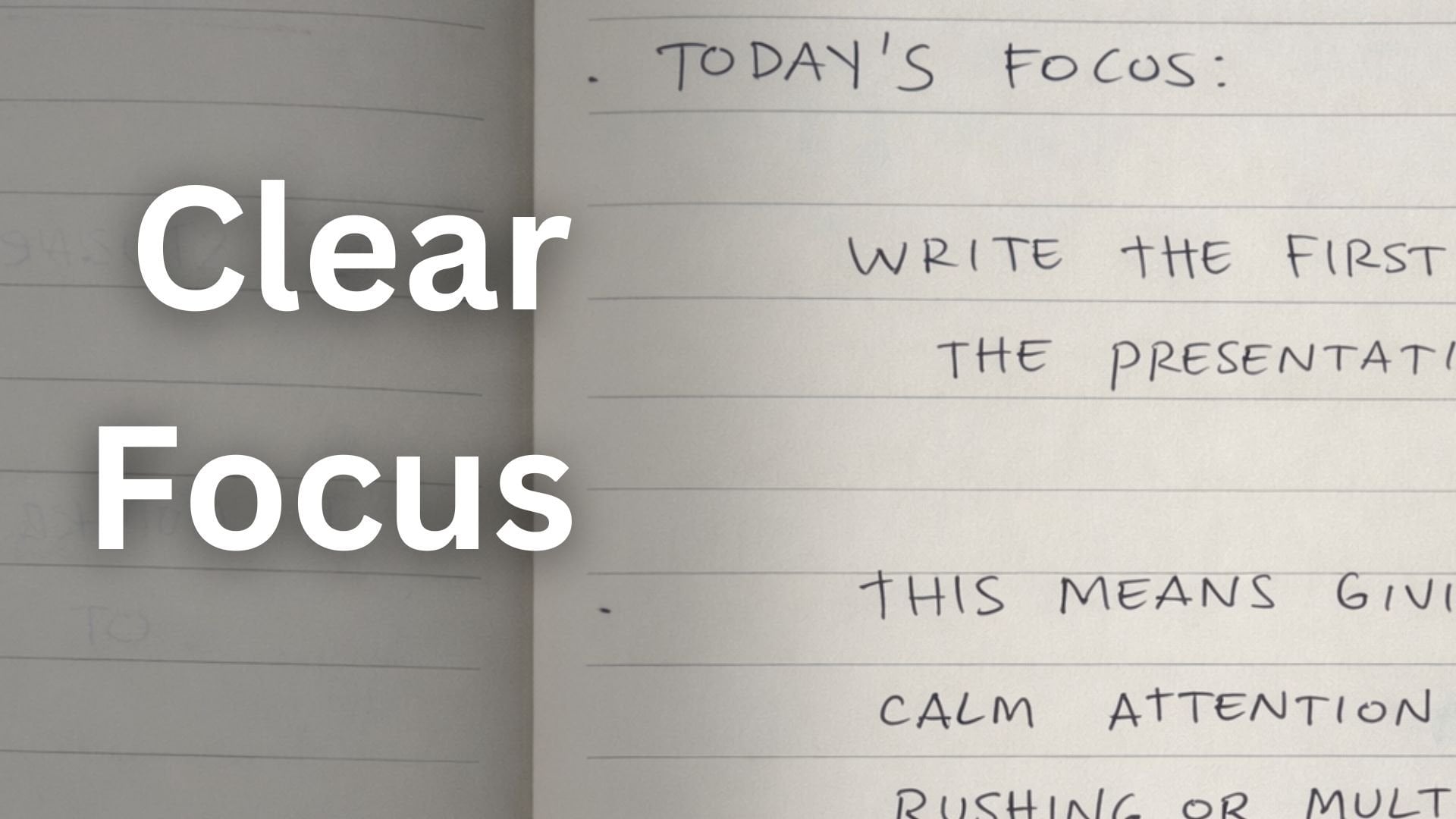
      Choose a Few Clear Actions

      1:16

    • 5.

      Move Through Your Day Without Pressure

      1:18

    • 6.

      Create Your Simple Daily Plan

      0:52

    • 7.

      Clear Up Small Doubts

      0:48

    • 8.

      Keep Daily Planning Simple and Steady

      1:08

  • --
  • Beginner level
  • Intermediate level
  • Advanced level
  • All levels

Community Generated

The level is determined by a majority opinion of students who have reviewed this class. The teacher's recommendation is shown until at least 5 student responses are collected.

120

Students

7

Projects

About This Class

Creating a daily planning routine can feel harder than it should. This class helps you build a beginner-friendly daily planning routine that feels simple, calm, and realistic for everyday life.

Instead of long schedules or strict systems, you’ll learn how to plan your day in a way that reduces overwhelm and helps you move through your time with more clarity. This daily planning class focuses on small steps you can use right away, even on busy or unpredictable days.

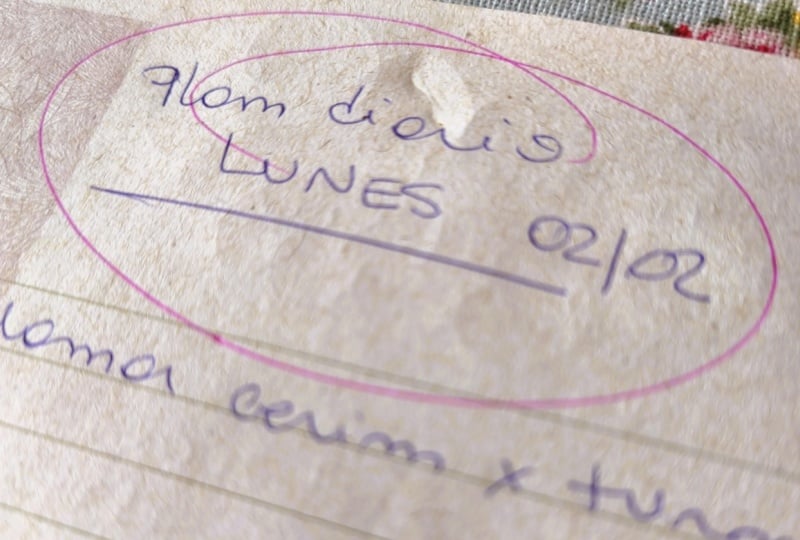
You’ll learn how to notice what your day already holds, choose a few clear actions, and gently guide yourself through the day without pressure. Everything is designed to feel doable and flexible, not perfect.

What You Will Learn

  • How to create a simple daily planning routine
  • How to plan your day without feeling overwhelmed
  • How to choose realistic daily priorities
  • How to stay flexible when plans change
  • How to use a notes app or notebook for daily planning

These skills matter because daily planning affects how you work, rest, and move through your day. You don’t need more discipline. You need a calmer way to see your time. I guide you through this process slowly and clearly, using real-life examples that beginners relate to.

This class is for beginners who feel stressed by planning or unsure where to start. No experience needed. This class is part of a calm productivity series designed to help you build simple daily habits that last.

Materials are minimal. You only need a notes app or a small notebook and pen.

Meet Your Teacher

Teacher Profile Image

Paul Nene

Helping beginners take action

Teacher

I help beginners take action and stop overthinking so you can move forward and finish what you start.

My classes are designed for busy people who feel stuck or unsure where to begin. Instead of overwhelming you with too much information, I focus on a few simple steps that help you make real progress right away.

You won't just watch. You'll follow along with clear demos and walkthroughs, take small actions and see progress as you go. Each class is simple, practical, and easy to finish, even if you only have a short amount of time.

With more than ten years of experience in video editing and digital workflows, I break everything down into small ste... See full profile

Related Skills

Productivity Time Management
Level: Beginner

Class Ratings

Expectations Met?
    Exceeded!
  • 0%
  • Yes
  • 0%
  • Somewhat
  • 0%
  • Not really
  • 0%

Why Join Skillshare?

Take award-winning Skillshare Original Classes

Each class has short lessons, hands-on projects

Your membership supports Skillshare teachers

Learn From Anywhere

Take classes on the go with the Skillshare app. Stream or download to watch on the plane, the subway, or wherever you learn best.

Transcripts

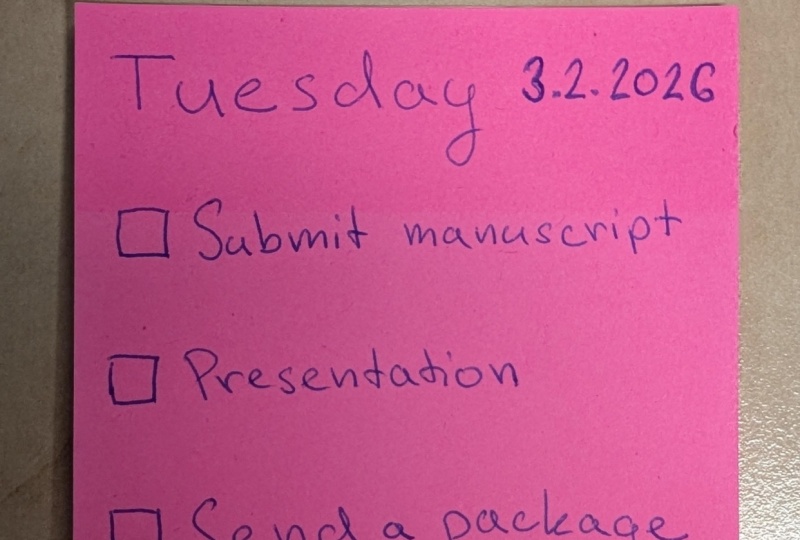
1. Start Your Day With a Simple Plan: Feeling like your day keeps slipping away even when you try to plan. Well, that feeling is very common. You're not doing anything wrong. Well, today, we're going to take this slowly and make it feel lighter. You don't need to fix your whole life. You just need one small place to start. Picture this. You sit down with your phone or a notebook. You want to plan your day. 5 minutes later, you're already tired and unsure what to write. Well, in this class, we'll build one small daily planning routine that feels doable, nothing fancy, nothing strict, something you can actually use. I'm Paul. I help beginners learn new skills in a clear and simple way so they can feel confident trying something new. I used to think planning meant writing long list and perfect schedules. Well, that only made me avoid planning even more. Once I simplified it, everything changed. I like this topic because daily planning affects real life. Work, rest, family time, even small personal moments. In this class, you learn a calm step by step way to plan your day without pressure. This class is not for advanced planners who love complex systems. It is for beginners who want clarity without stress. You'll only need a notepp or a small notebook. The end, you'll have one simple daily plan you can finish today. We'll start with one clear idea. Then we will build it slowly in three small steps. Let's begin. 2. Understand What Simple Daily Planning Really Is: Many people struggle with planning because it feels heavy. If planning feels hard, that makes sense. We are going to make it smaller. Daily planning is not about controlling every minute. It's about seeing your day clearly enough to move calmly through it. Here's the simple idea. A good plan shows only what matters today. Take a moment to think. When you look at your day, what part usually feels unclear? Well, this idea has three parts. First, your plan is only for today, not tomorrow, not next week, only for today. Second, your plan uses simple words. No long explanation. Third, your plan stays flexible. It can change if your day changes. When your plan stays small, your mind feels calmer. You stop arguing with yourself about what to do next. And I notice that when I write less, I follow my plan more. Now, here's the flow we will use. We notice what's already there. We choose a few clear actions, then we gently move through the day. This works because it matches how real days actually behave. Now, let's walk through it step by step. 3. Notice What’s Already in Your Day: Sometimes the hardest part is starting. If you ever stared at a blank page, you're not alone. Today we'll just begin by noticing. Well, you're already doing better than you think. Before we plan anything, we look at what already exists, and you'll need only one thing. A Noe tap or a notebook. If you don't have one nearby, even a scrap of paper works. I started with my phone because it was always with me. Now, just notice how your day feels right now. Third, write down anything that already has a fixed time. For example, a meeting at ten or lunch at noon. Fourth, leave a space between each line. This gives your day room to breathe. Fifth, stop there. That's enough for now. If your day includes caring for someone or waiting for deliveries, write those two. You're not making a list, you're observing. When I first did this, I realized my day wasn't empty or messy. It was just unseen. Now, this step helps because you're not deciding yet. You're simply becoming aware, and that awareness alone can bring relief. Next, we'll gently choose what to add. See there. 4. Choose a Few Clear Actions: Sometimes planning feels overwhelming because we add too much. If you worry about choosing the wrong thing, that's okay. We'll keep this very small. Now that you see what already in your day, we'll add a few actions. I usually choose three. You can choose two if that feels better. Here's how. First, look at the open spaces between your fixed times. Second, ask yourself one simple question. What would help today feel complete? Third, right, one short action in plain words. For example, reply to emails instead of listing every email. Fourth, repeat this until you have two or three actions. Now, the fifth, stop. More is not better here. If you're working from home, one action might be tidy desk. If you're busy with family, one might be quiet break. When I stopped overloading my plan, I stopped avoiding it. This step works because your brain likes clear choices. Fewer options means less friction. Well, take a breath. Who, your plan is already usable. Next, we'll learn how to move through it calmly. 5. Move Through Your Day Without Pressure: Sometimes plans fail because we treat them too strictly. If you ever felt behind by noon, this part matters. We'll slow this down. You already move at your own pace. This step is about how you use the plan, not how perfect it looks. Here's a gentle way. First, when the day starts, glance at your plan once. No judging, just look. Second, the next small action, not the whole list. Third, do only that one thing. Fourth, when something changes, adjust the plan quietly, cross out, rewrite, that's allowed. Fifth, at the end of the day, read what you did, not what you missed. I used to feel like changing a plan meant failing. Now I see it as responding. When you use your plan this way, it becomes supportive instead of demanding. Before, your day may have felt noisy and rush. Now it feels guided and calmer. You don't need to finish everything. You just need to keep moving gently. That's it. You've now completed the full routine. Let's turn this into a small project you can share. 6. Create Your Simple Daily Plan: Your project is to create one daily plan using what we practice. Grab your Noe app or notebook at the top, write a clear title. For example, Daily plan Tuesday. Now, follow these steps. First, write today's date and any fixed times This anchors your day. Second, add two or three simple actions in plain words. This keep the plan realistic. Third, leave a space between lines. This makes the plan flexible. A finished project might look like a short list that fits on one screen. You can create this in the morning or the night before. Both are fine. Keep it simple. Many students upload the quick plans that take only a few minutes to make. This space is for practice not performance. When you're ready, upload your project. 7. Clear Up Small Doubts: You made it through all the steps, but it's normal to still have a few questions. One common question is about misktask. If you didn't finish something, you can move it tomorrow because days change. Another question is about busy days. If your day is full, your plan can be just one line that still counts. A third question is about consistency. If you forget one day, you simply start again the next day. And one thing to avoid is turning this into a long checklist. Short plans are easier to trust. Another helpful tif is to plan after one's small daily habit like breakfast. That creates a natural rhythm. When doubt shows up, return to the idea of keeping it small. 8. Keep Daily Planning Simple and Steady: You did it. You created a beginner friendly daily planning routine. You learn how to notice your day, how to choose a few clear actions, and how to move through them calmly. And if there's one thing I hope you take from this class is this small plans are easier to follow. And I believe progress comes from showing up gently, not perfectly. Here's a shortcut you've been using all along. See, choose, move. It's funny how something so simple can feel so helpful. Now, remember, simple done projects are successful projects. Upload your projects when it's ready. If you have questions, post them in the discussions. If the class help you, a short review helps other beginners find it. You can follow me here on Skillshare for more beginner friendly classes. Now, before you started this class, feeling unsure, now you have a clear way to plan your day. That momentum matters. Thank you for being here, and I'll see you in the next class.