Transcripts
1. Start Even When You Don’t Feel Ready: You sit down knowing
you should begin. But instead, you pause. Maybe you stare at the screen, maybe you open a
tab you don't need. Maybe you tidy something that doesn't really matter right now. Well, you check your phone, you adjust things around you, you wait for the right feeling. And if you're nodding a little
right now, that's okay. If this happens to
you, you're not alone. This is one of the most common
struggles beginners face, especially when life
already feels full. Many people think
procrastination means they don't care enough,
but most of the time, it means starting feels heavy, heavy in the chest,
heavy in the head, heavy before anything
even begins. So let's make this lighter. Just to be clear right away, today's next step is very small. We are not fixing
your whole day. We are not planning
your whole week. We are only learning
how to begin. That's it. I'm Paul. I help beginners build calm. Simple habits they can start without pressure and
keep going gently. And I want to say this honestly. I used to wait until
I felt motivated. I told myself I would
begin after I felt ready, after I felt focused, after I felt confident. But most days, that
feeling never arrived. What helped me wasn't pushing harder or being
stricter with myself? It was learning how to start
badly slowly and kindly, almost like easing into cold
water instead of jumping. That's why I love
teaching this topic. Starting is often
the hardest part, and it deserves care. In this class, you'll build one simple written page
called a Gentle Start Card. Not a plan, it's not a schedule, is a soft way to begin
when your mind resists. This class is for
busy beginners who delay starting task
even when they care. It's especially for people who think too much before starting. It's not for advanced
systems or strict routines. And if you already love
rigid productivity methods, this may feel very
basic on purpose. You'll need one piece
of paper or a no tab. That's it. No special
tools, no setup. By the end, you'll have a finished gentle start card you can use anytime you feel stuck. So before we move on,
take a slow breath. You don't need to
be ready. You just need to begin gently.
2. Understand Why Starting Feels Hard: Procrastination often shows
up right before starting, not in the middle,
not at the end, right at the very beginning. And that detail matters. This happens because
your mind sees the task as unclear or too big. When that happens, your
body pauses to protect you, not to sabotage you, not to be lazy,
just to stay safe. The simple idea in this
class is this starting becomes easier when the
first move feels safe. That's the heart of
everything we're doing here. We will work with one calm idea made of three clear parts. Each part does one small job. First, we name what
feels hardest to start because when something stays a name, it stays heavy. Second, we shrink the beginning until it feels almost too easy. Small beginnings reduce
resistance in a very real way. Third, we decide what counts
as a win before we begin. This removes pressure
and fear of failure. For example, if you
tell to yourself, I need to finish this.
Your body may freeze. But if you say, I only
need to open file for 2 minutes, movement
becomes possible. That difference may sound small, but your nervous system
fills it immediately. So here's the flow
we'll follow together. First, we will write what
feels hardest to start. Next, we'll choose
tiny starting move. Finally, we'll define what
success looks like today. This works because it lowers emotional weight
before action happens. We're not fixing motivation, we're changing the entry point. You don't need discipline,
you don't need willpower. You need a starting
point that feels kind. All right, let's move into
the first gentle action.
3. Name What Feels Hardest to Start: If you're delaying something right now, pause for a moment. Just notice it. Notice how
it feels in your body. That tightness or resistance
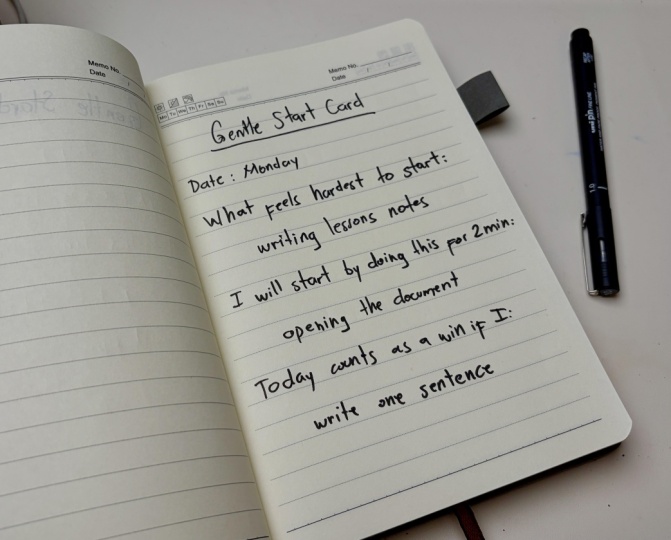
you feel is very common. So instead of fighting it, we're going to acknowledge it. The next step is small and safe. You'll need one piece of
paper or a Notes app. That's all. Our project
title is Gentle Start Card. Use whatever you have nearby. And just so you know, I've
written this on receives, envelopes, and phone
notes up before. The paper doesn't matter.
At the top of the page, write today's date.
Nothing fancy. This just grounds
the page in today. Below it, write
this label exactly. What feels hardest to start? Now, pause before writing. You don't need to
explain yourself. You don't need to justify it. Write one task or area that
feels heavy to begin today. For example, what feels hardest to start
writing lesson notes, opening my inbox,
cleaning the desk. This is not a promise to do it. This is important. You are not committing to anything yet. You're just naming it. And naming reduces pressure. It brings the struggle into the open instead of
letting it float around. Look at the page for a moment. Even this is a form of movement. You didn't start the task, but you started the
relationship with it. That already counts.
In the next lesson will make the beginner
feel much smaller.
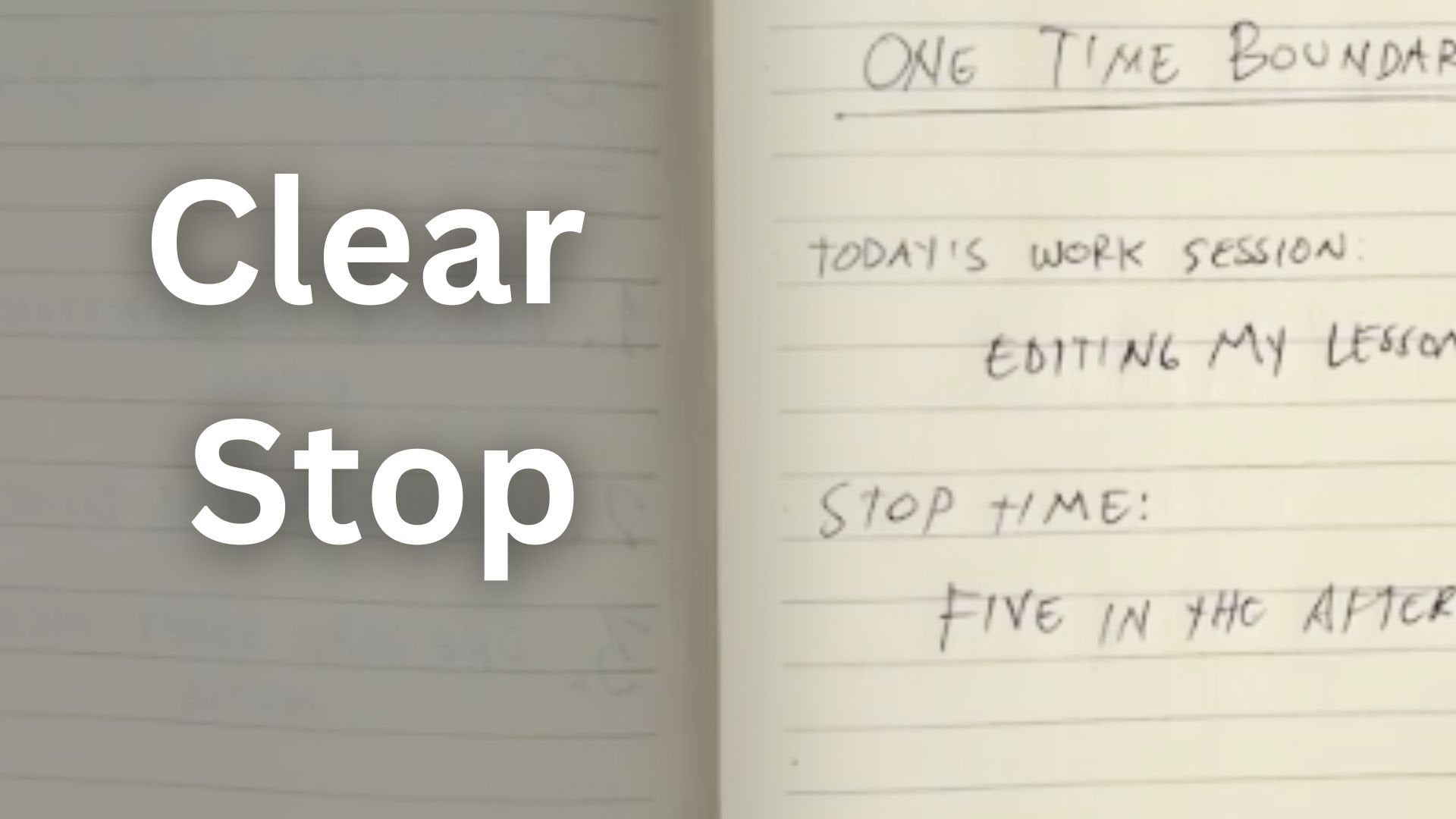
4. Choose a Two Minute Beginning: A lot of procrastination happens because the first
move feels too big, even if the task
itself is not huge. So now we shrink
the entry point. Under your first line,
leave a small space. Then write this label exactly. I will start by doing
this for 2 minutes. Yes, 2 minutes. Not as a trick, not as pressure, just
a gentle doorway. Now, write one tiny action related to what you named above. One action you can do
without warming up. For example, I will
start by doing this for 2 minutes,
opening the document. Reading one email, clearing
one corner of the desk. Notice what we're doing here. We're not deciding the outcome. We're only deciding
the entrance. I used to tell myself
I needed an hour. That thought alone
made me delay all day. 2 minutes feels possible. Your body relaxes
when it sees it. Now, read your page again from top to bottom. You
named the hard thing. You chose a gentle beginning. You're not forcing progress. You're opening a door and
standing there calmly. And that's enough for now. Next, we'll remove the
pressure to continue.
5. Decide What Counts as a Win: This is where people get stuck. They start and then stop because they don't
know if it was enough. So we're going to decide
that ahead of time. This final part
is slow and calm. No rushing here. At the
bottom of the page, write this label exactly. Today counts as a
win if I below it, write one clear
condition that tells your mind it's okay to stop. For example, today
count as a win if I open the document
and write one sentence. Read one email without replying. Clear one small surface. This part matters
more than it looks. You are defining
success before effort. That removes fear. Now, read the full card
from top to bottom. The date, what feels
hardest to start, your two minute beginning, what counts as a win. Notice how different this feels compared to earlier today. Before, the task
felt like a wall. Now it feels like a door
you can open gently. You've completed the
gentle start card slowly and without pressure. This is how starting
becomes possible.
6. Complete Your Gentle Start Card: Your project is one
finish Gentle Start Card. You'll need one piece
of paper or a Notep. Project title is
Gentle Start Card, project description example, a simple card I used to help myself start task
without pressure. Here's how your project comes together exactly as we built it. Step one, name what
feels hardest to start. Step two, choose a
two minute beginning. Step three, decide
what counts as a win. Here's the final
completed example. Date what feels hardest to
start, writing lesson notes. I will start by doing this for 2 minutes opening the document. Today counts as a win if
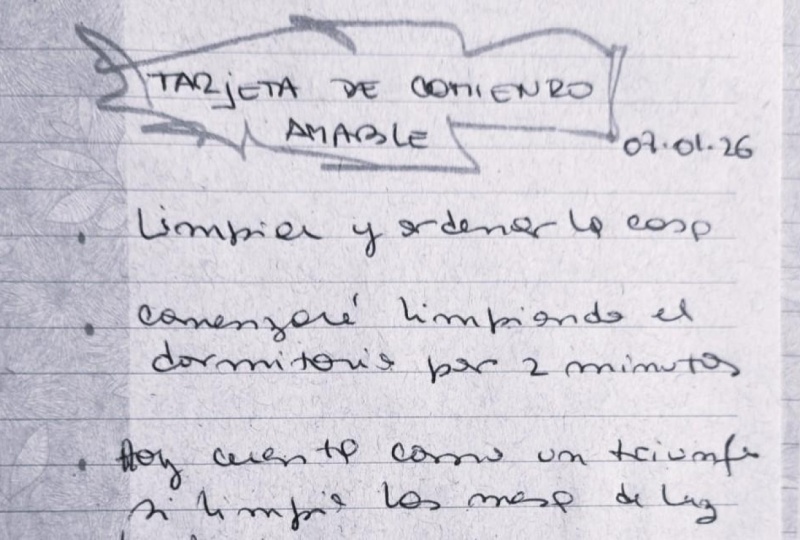
I write one sentence. That's the entire project. Nothing extra, nothing hidden. To upload, take a photo or screenshot of your
completed card. Add the project title
and a short description. The best time to upload is
after you use the card once, even if it only took 2 minutes. And just to say this clearly, most students upload
imperfect pages. That's not a problem.
That's the point.
7. Clear Common Doubts: You finish all the steps
from start to finish. That's something to
notice. It's also very normal to have
a few questions. One common question is, what if I keep going past 2 minutes? If that happens, great. If not, you still succeeded. Another question is, what if the task changes
during the day? You can rewrite the
card. The card is meant to support you,
not to lock you in. Another question is, can I
use this card every day? Yes, many people use the same structure daily
and just change the words. One helpful tip
before we wrap up. If you feel frozen, rewrite the card without doing the task. Often, that alone
unlocks movement.
8. Begin Gently and Keep Moving: You did something
meaningful today, even if it felt quiet. You learned how to start
without waiting for motivation. If there's one thing I hope you take from
this class, it's this. Starting doesn't
need confidence. It needs kindness. You name what felt heavy. You shrunk the
beginning. You decided what success looks like. And here's the simple shortcut you've been using all along. Name the weight, shrink
the start, define the win. That's it. Once you notice it, you'll see it everywhere. I still use this card
on days when my brain wants to delay everything and
reorganize my desk instead. And, yes, that still happens. Thank you for being here today. Approach your project
when you're ready. Even a quick photo is perfect. If you have questions,
feel free to ask. If this help you,
leaving a review helps other beginners
find this class. You're not broken, you're
learning how to start gently, and that's a skill you can keep. I'll see you in the next class.
 Paul Nene, Helping beginners take action