Transcripts
1. Start Small Without Feeling Overwhelmed: Feeling busy but still
feeling behind is exhausting. You try to manage your day, but everything feels
too big to fix at once. And usually it's not because
you're doing nothing. It's because you're doing a lot just without a clear
place to put your energy. If you ever thought, I
should be more productive. And then felt tired just thinking about it,
you're not alone. That reaction makes sense. Today we'll take one small
doable step together, not tomorrow, not someday, just one step you
can actually finish. Nothing dramatic,
nothing intense, no system overhaul. Just something gentle. That you can finish today. Small wins matter. And even if it doesn't
feel like it yet, you're already capable
of this. I'm Paul. I help beginners learn
simple skills in a calm, clear way so they can feel confident instead
of being pressured. And I say that very intentionally
because pressure is usually the thing that breaks
most productivity attempts. I used to think
productivity meant strict schedules and
perfect routines. I tried copying systems
that work for other people, and I kept failing. And each time I thought
the problem was me, not because I was lazy, but because the system were
too heavy for real life. They look good on paper, but they didn't fit normal days. What finally helped me
was learning how to build tiny habits that fit
into normal days, busy days, messy days, days that don't go as planned. Days where you're already
tired before lunch. That's why I love
teaching this topic. Not to help you do more, but to help you feel steadier
and less overwhelmed. In this class, we'll build one simple productivity habit using a single page of paper. Nothing fancy, nothing polish. You learn how to start small, at one step at a time, and end with something that
actually feels usable. This class is for
beginners who feel busy, scattered or unsure
where to start. It's especially helpful
if you've tried system before and quietly
stopped using them. It's not for
advanced planners or people who enjoy
complex systems. If you love color
coded calendars or multi steps dashboard, this will probably
feel too basic. You don't need any apps, tools, or experience, one piece of paper and a few
quiet minutes. By the end, you'll have one small daily habit written down that you can
use right away. Not something theoretical,
something real. We'll move slowly step by step, and I'll guide you
through each part. I also explained why we're doing each thing so it doesn't
feel random. Take a breath. You don't need to fix
everything today. We're just starting small, and starting small
is not a weakness.
2. Understand Why Small Habits Work Better: It's frustrating to feel busy all day and still
feel unproductive. That feeling often comes from trying to manage
too much at once. When everything feels
important, nothing feels clear. Your brain stays busy,
but nothing settles. Here's the simple idea
behind this class. Small habits work because
they reduce pressure, and pressure is usually the
thing that makes people quit. Now, a small habit is one clear action you can
finish without stress. It doesn't try to
organize your whole life. It just gives your
day a little shape. Of it like placing one
bookmark in your day, not writing the whole book. Just marking one place
you can return to. There are three
parts to this idea. First, clarity. When you write one
small habit down, your brain stops
juggling everything. You don't have to remember
it. You can see it. Second, consistency. Small habits are easier to repeat because they don't
require motivation. You don't need a
good day to do them. Third, trust. Each time you finish
something small, you start trusting
yourself again. And that trust quietly changes
how you show up tomorrow. For example, if your
day feels chaotic, you can choose one tiny
task to anchor it because one finished task is better
than ten unfinished plans. So here's how we'll
build this together. We'll start with one
clear daily focus. Then we'll add one time anchor. Finally, we'll add
gentle closing node to reduce pressure. This three part flow works
because it matches real life. It doesn't fight busy days. It works with them. By the end, you won't
just understand the idea. You'll have something
real in front of you. So with that in mind, let's
start building it together.
3. Write One Clear Daily Focus: It's hard to know where to start when everything
feels important. That confusion can freeze
you before you even begin. So instead of
solving everything, we'll solve one small thing. All you need is one piece of
paper and a pen. That's it. And this paper is going to
become your class project. At the very top,
write the project title M one page daily habit. If you don't have paper, a
notebook or Notap is fine. The point is not the tool. It's the simplicity. I started this way because
it removes excuses. No setup, no preparation,
no friction. Now, right under the
projectile, write today's date. Nothing fancy, just the date. Below it, write one sentence. Today's focus is now,
pause for a moment. Don't rush this part. Look at your day
as it really is. Not as you wish it were. Choose one small
task that would make today feel lighter
if I got done. Not five things. No
tire to do this. One. Write it after
the sentence. For example, today's focus is reply to two
emails. That's it. Stop there for a second. Notice how that already
feels different. You didn't plan your whole day. You just gave it a direction. This works because your
brain likes clear edges. One focus gives your day
direction without overwhelming. Take a moment to look
at what you wrote. You've already done
something productive. In simple words, you've created a small
anchor for your dame. In the next lesson, we'll gently add one more step to
support this focus. Nothing heavy, just
as small assist.
4. Add a Simple Time Anchor: Sometimes we know what to do, but we don't know when to do it. And that uncertainty can
quietly delay everything. If that happens to you,
you're not broken. You're human. So
we'll make timing obvious without
forcing a schedule. On the same page,
under your focus line, right, I'll do this when now, choose a moment that
already exists in your day, not a new routine,
not a perfect time, something you already do. For example, after lunch, before lunch, after
I sit at my desk. Write that phrase
after the sentence. For example, I'll do this
when after breakfast. This works because habits stick better when they attach
to something familiar. Your day already has rhythm. We're just using it. I use this because it
removes decision making. You don't need to
remember all day. The moment reminds you
take a breath here. You're not locking yourself
into a strict rule. You're giving yourself
a gentle cue. Look at your page now. You have a focus
and a time anchor. That's already more clarity
than most days have. Next, we'll add the
final step that makes this feel calm
instead of demanding. This part is small, but it
matters more than it looks.
5. Add a Gentle Closing Line: Some productivity systems fail because they end with pressure. They judge the day
instead of closing it. We'll do the opposite. If you miss a day,
that's normal. If you forget,
that's normal, too. This final part helps you
stay kind to yourself. At the bottom of the same
page, write this sentence. It's okay if the
day is imperfect. Pause after writing
it. Let that land. Under it, add one kind
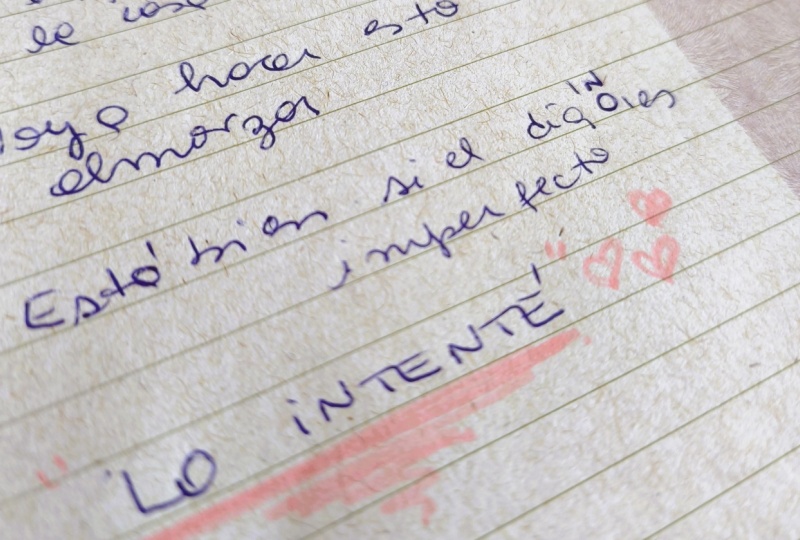
line to yourself. For example, I showed up. I tried. That counts. This matters because how you end your day affects how
you start the next one. A harsh ending
creates resistance. A gentle ending
creates consistency. I learned this after years of quitting systems
that felt strict. Nothing lasted until I softened the ending.
Now look at your page. You've built something complete. You didn't rush, you
didn't overthink. Before, your day may
have felt scattered. Now you have one clear focus, one moment to act, and one kind close. You did this step by step, and that's a real progress.
6. Complete Your One-Page Daily Habit: Your project is one
simple daily habit page. It helps you stay focused
without pressure. You'll use one piece of
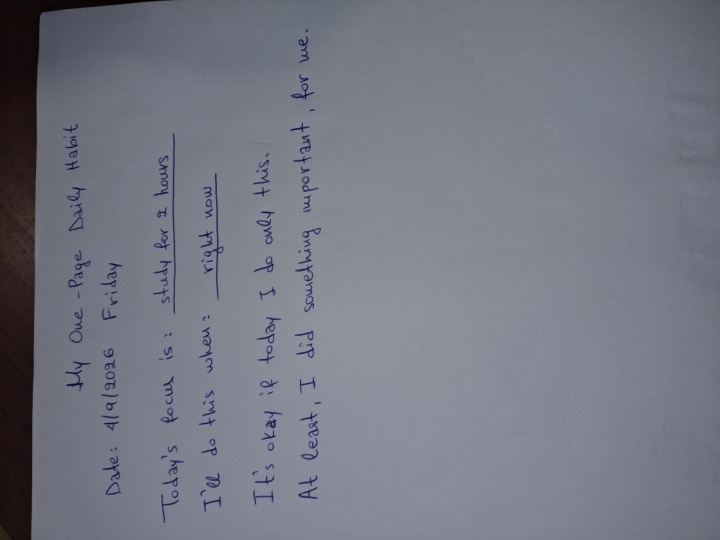
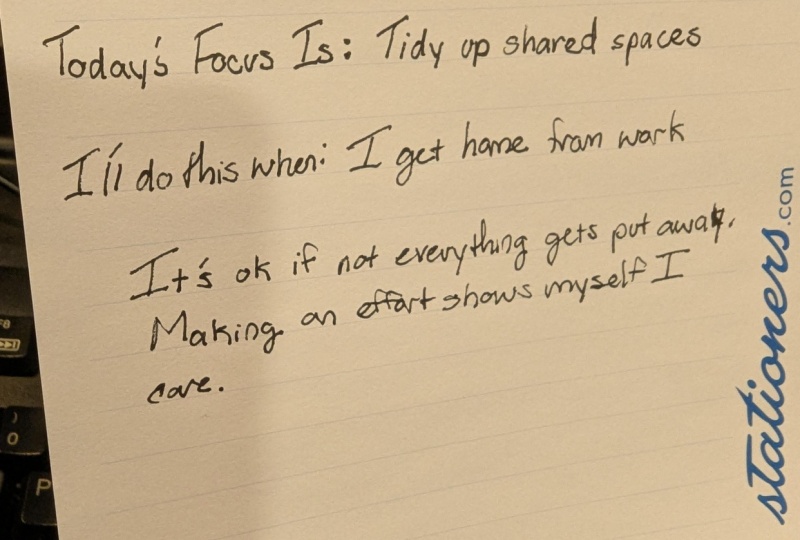
paper. Here's how it builds. Step one, write the date
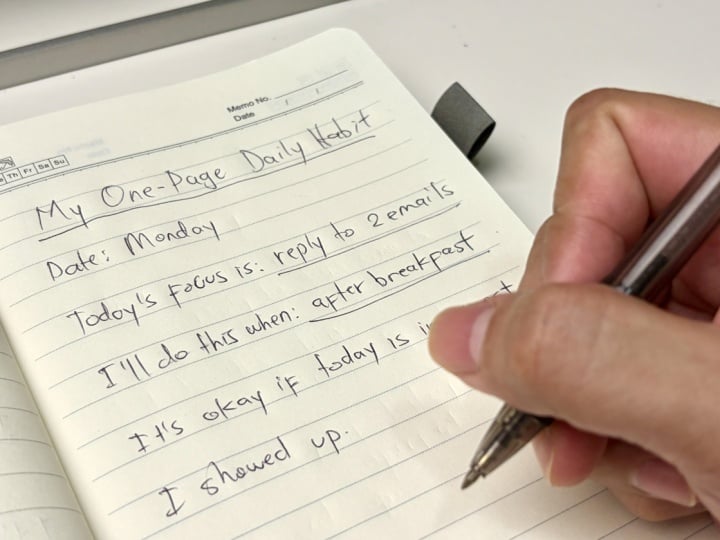
and one daily focus. For example, date Monday. Today's focus is
reply to two emails. Step two, at one time anchor. For example, I'll do this
when after breakfast. Step three, at a
gentle closing line. Example, it's okay if
today is imperfect. I showed up. That's it. To upload your
project, take a photo or screenshot of
your finished page, and the project title M
one page daily habit. Example, description
you can copy. This is my simple
daily habit page to stay focus without pressure. You can create this in
two or 3 minutes, really. Simple is enough. Imperfect is welcome here. Once it's uploaded, you're done.
7. Clear Common Beginner Questions: You made it through
all the steps. That alone deserves a credit. It's normal to still
have a few questions. Most beginners do. Here
are the most common ones. Question number one. What if I don't finish my focus?
Well, that's okay. If you don't finish, you
still practice clarity. You can write a new
focus tomorrow because the habit is the
page, not the task. Question two. Can I change
my focus during the day? Yes, if your day shifts, you can rewrite the
focus ones because flexibility keeps habits
alive. Question three. What if this feels too simple?
Well, that's a good sign. Simple is the point. If you stick with this, it becomes powerful
through repetition. Now, one helpful tip. If you feel stuck
choosing a focus, pick the smallest visible task because small wins
build momentum.
8. Keep Going With Calm Consistency: You did it. You build a small productivity habit
from start to finish. You learn how to choose
one clear focus, attach it to a real moment, and end with kindness
instead of pressure. If there's one thing I hope you take from this
class, it's this. Productivity doesn't
start with doing more. It starts with feeling
safe enough to begin. My personal belief is simple. Small habits done
gently last longer. Done big plans, done once. Here's the fun shortcut
you can remember. Focus, moment, kind
close. That's it. Thank you for being here. Upload your project
when it's ready, even if it's messy. If you have questions,
that's totally normal. You showed up today, and that matters more than you think. Thank you again for being here. I'll see you in the next class.