Transcripts
1. Feel Less Overwhelmed by Writing Tasks Down : If your head feels
noisy, full or crowded, before the day even
really starts, this will feel familiar. You might be trying to remember too many small things at once, and it can feel tiring
even before you begin. That feeling is very common, especially when you care
and want to do things well. If you ever thought,
I'll remember this later or it's
not that much, you're not doing anything wrong. Your mind is just doing too much holding
instead of living. The next small step here
is simple and gentle. We're going to let
your head rest by placing things
on paper instead. Even choosing to be here
is already a small win. It means you want a calmer way, not a perfect way. I'm Paul, I help
beginners learn simple, human ways to feel more clear and less overwhelmed
in daily life. Used to keep everything
in my head, errand, reminders, even tiny things like replying to someone or
buying something small. I thought writing things down meant planning or organizing, and that felt like more work. But what I learned is
that writing things down is actually a way to stop
working for a moment. I like this topic
because it helped me breathe again during
busy seasons, not by doing more,
but by carrying yes. I teach this because I've seen how many people
think they're bad at productivity when
they're actually just tired of holding
too much mentally. Here, we'll move slowly. We'll make one simple
list together, nothing fancy,
nothing optimized. Just one list that clear
space in your mind. This works on its own, and it also fits naturally with other simple habits
you might build later. It's not for advanced systems or people who love
complex planners. It is for real beginners,
busy parents, creatives, workers, or anyone who feels mentally full
and wants relief. Only need paper and
a pen. That's it. As we go, I'll show you
how to put task down on paper in a way that feels
calming instead of demanding. We'll start gently,
then add one more idea, and then finish by
stopping on purpose. Let's take this one small step together. You don't
need to rush.
2. Create One Simple Task List on Paper : O when overwhelm shows up, it often comes from having too many thoughts
floating around at once. That can feel heavy, even if the tasks themselves are small. If you've ever felt tired just thinking about what you need
to do, you're not alone. The project here is very simple. You're going to create one
short task list on paper, not a planner, not a schedule, a single list that
lets your mind rest. We will build this list slowly
across the next lessons. Each time we'll add
just one small piece. You can follow along as we go, or you can watch first
and come back later. Pausing or rewinding
is completely fine. The only material you
need is paper and a pen. Any paper works, a notebook, a loose page, the back of
something you already have. A pen or pencil is fine, too. By the end, your
finish list will be one page with task written down. Nothing more. When it's done, you close it and stop. You don't need neat handwriting. You don't need perfect wording. This is practice,
not performance. You were already doing the right thing by
keeping it simple. Let's gently move into the
idea behind why this works.
3. Clear Your Mind by Putting Tasks on Paper : When tasks stay in your head, your mind treats them
like an open loops. It keeps checking them, reminding you, and pulling
your attention away. That's not because
you're disorganized. It's because your mind is trying to protect
you from forgetting. Writing task down gives your
mind permission to rest. It sees the task somewhere safe and stops holding
it so tightly. Simple idea here is this. Your mind is for
thinking and noticing. Paper is for holding task. When everything stays inside, your mind feels busy. When things move to paper, your mind feels lighter. There are a few gentle
parts to this idea. First, you don't need order. Order can come
later if you want, but right now, Order
adds pressure. Second, you don't need
to finish everything. The goal is not completion. The goal is relief. Third, stopping is
part of the process. Ending the list is
what makes it calming. For example, if you kept
thinking about buying something, replying to someone, cleaning, and starting a small task, your mind keeps jumping. When you write
those things down, your mind says, Okay, I don't
have to hold this anymore. Here's how we'll do this. First, you'll write task freely. Next, you'll stop when
it feels full enough. Finally, you close the
list and do nothing else. This works because it
moves the weight out of your head and onto paper.
Let's try it together.
4. Write All Tasks Down Without Order : Sometimes the hardest
part is starting, especially when things
feel messy inside. If you're feeling
unsure, that's okay. We're just taking one
small, do a bold step. Take your paper and your
pen. That's all you need. I'll call this list
simple task list at the top of the page.
You can write that. First, begin writing tasks
as they come to mind. Don't sort them.
Don't group them. Just let them land on the page. Now, you might write
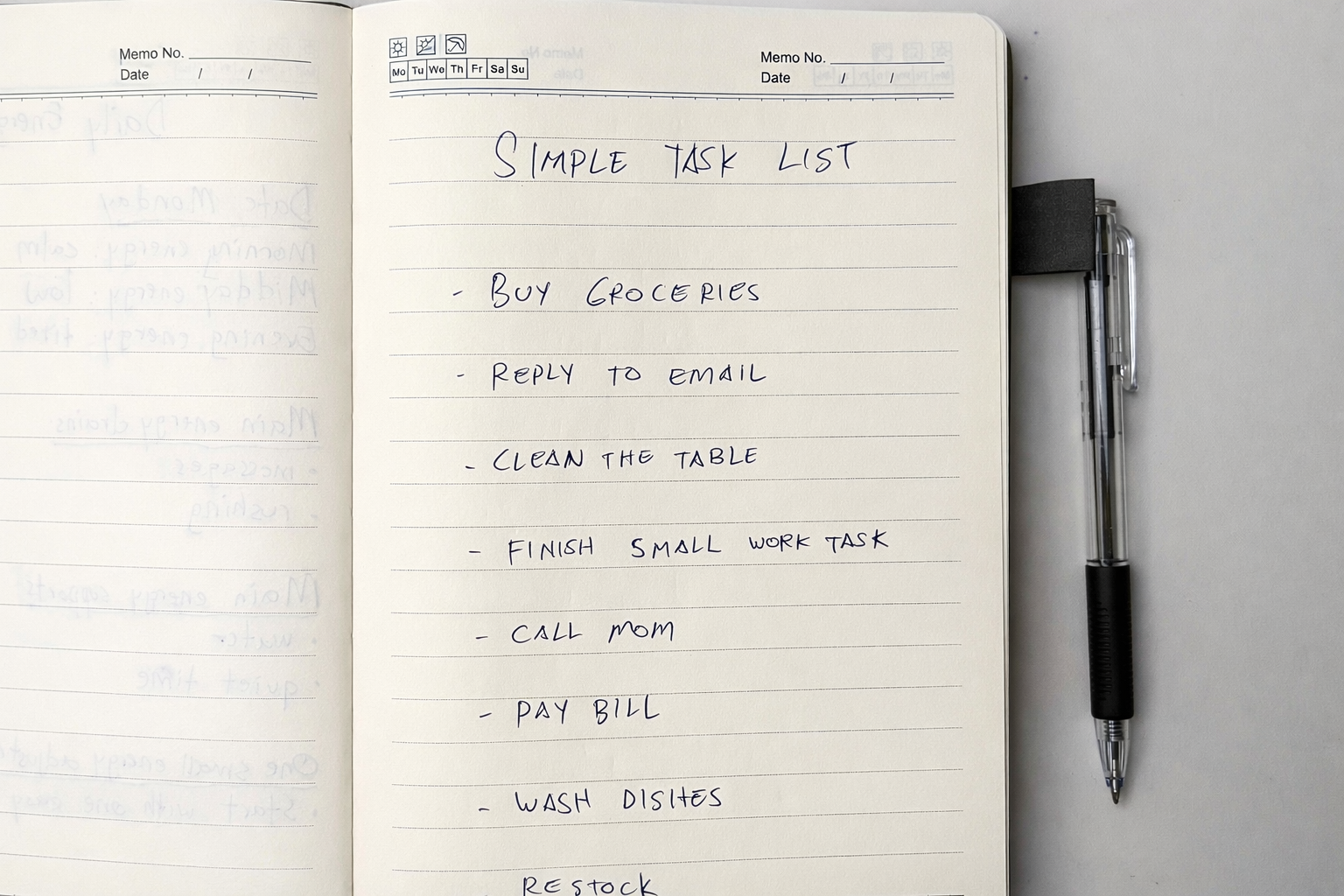
something like buy groceries, then maybe reply to email,
then clean the table. Then finish small work task. Write exactly what
comes up for you. Next, keep going. If another task appears,
add it underneath. Call Mom, pay bill, wash dishes, restock something. Even very small thing counts. Then allow yourself
to write messy, crosswords and even
spacing imperfect lines. This is not about how it looks. After that, notice
how it feels to see the task outside your head. Even if the list looks long, the weight usually
feels different. When I first did this,
my list surprised me. I realized how much it
was carrying silently. Writing it down felt like putting a heavy
bag on the floor. Take a moment to breathe. You've already done
something helpful. We're not done yet, but you can already feel a small shift. Let's gently move
to the next part.
5. Stop Writing When the Page Feels Full Enough : Sometimes lists feel stressful
because they never end. That's why this next
part matters so much. If you ever thought I
could keep adding forever, you're right, and
you don't need to. Look at your page now.
Notice how full it feels. No how many items are there. Full enough is a
feeling, not a number. Next, choose to stop writing. Even if you think of more tasks, even if something
pops into your head, let them stay there for now. Stopping is a scale. It tells your mind that
this container has limits. When I learned this,
it changed everything. I realized the list is not meant to capture my entire life. It's just meant to give
me space right now. Sit with the list as it is. Read it once if you want, or just look at it. Notice the relief that comes
from choosing to stop. You didn't fail. You finished. This is still the same list. We're just allowing
it to be enough. In simple words, you
gave your mind a place to rest without trying
to fix everything. Let's take the
final gentle step.
6. Close the List and Do Nothing Else : If you're used to
pushing yourself, this part might feel unusual. That's okay. We'll go slowly. Take your list and
physically close it. If it's a notebook,
close the cover. If it's a loose page, turn it face down. Then do nothing else. No choosing a task, no
organizing, no planning, pause. This is the moment where
the liz does its real job. It holds the task so
you don't have to. When I first practiced this, I felt a strange calm. My mind stopped buzzing
because it trusted the paper. Let yourself sit with that calm, even if it's brief. Before, everything was
floating in your head. Now it's safely placed
somewhere else. You've completed
the full process. You didn't rush, you
didn't optimize. You simply allowed
yourself to stop. That ability to stop is what brings the relief.
Take a breath. You did enough.
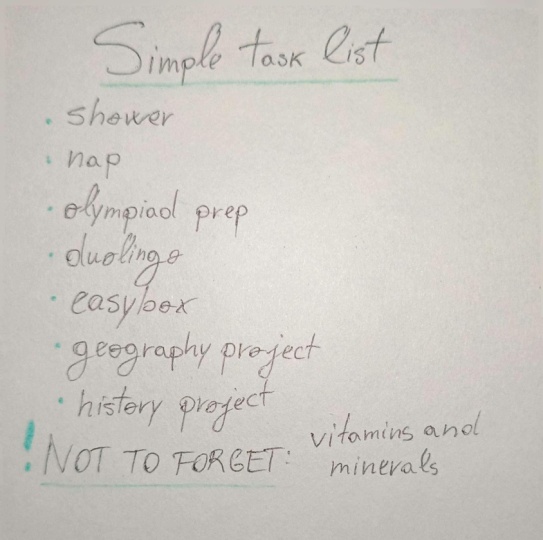
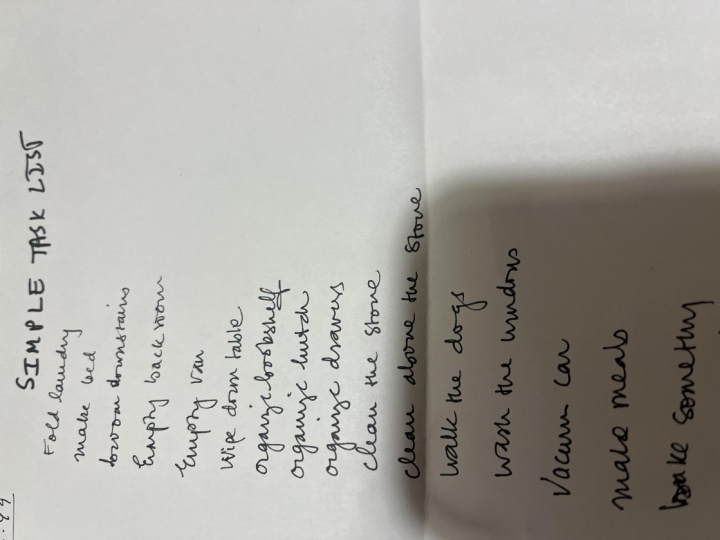
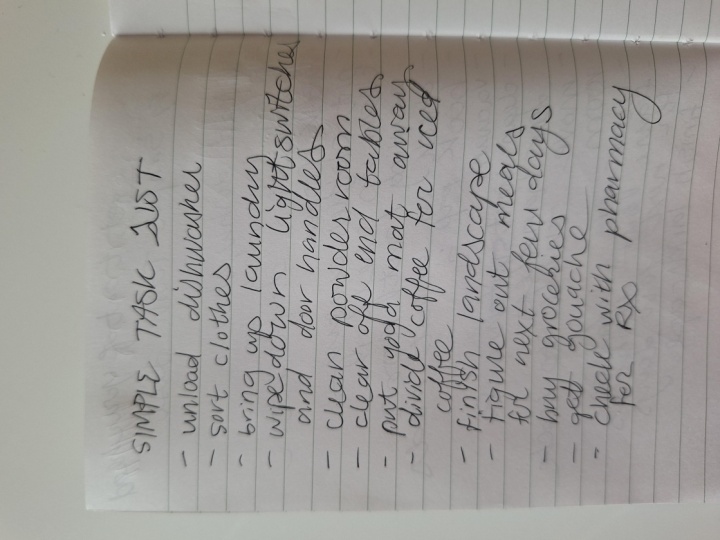
7. Show Your Finished Simple Task List : The project here is one simple task list created on paper. You use paper and a pen. You wrote task freely. You stopped when it
felt full enough. You closed the list. Here is one example
of a finished list. Simple task list, buy groceries, reply to email, clean the table, pay bill, call mom, wash dishes. This example shows everything added during the
earlier moments. The exact words don't matter. The structure does. To
complete your project, take a photo of written list
or share the written text. Upload one photo or
text showing the list. Add the project title and a short descriptions
if you want. Like wrote one simple task
list to clear my mind. It's best to create and
upload this soon after finishing while the feeling
is fresh. Keep it simple. Imperfect is welcome. Most people share
quick, honest list. Even a few minutes is enough. Once it's uploaded, you're done.
8. Common Questions About Simple Task Lists: You've already done
something meaningful. It's normal to still
have questions. First question. What if I think of more tasks after
I stop writing? Well, that happens to everyone. If you think of something later, you can write it on a
new list another time. This list did its job for now because it gave
your mind rest. Second question. What if my list feels messy or incomplete? Messy is perfect here. The goal is not completeness. The goal is space. A messy list still works because it moves tasks out of your head. Third question. Can I turn this into a daily
habit? You can. If it feels helpful,
I overwe shows up, then writing one list can help because it gives you a
pause instead of pressure. One helpful tip is to remember that stopping is part
of the practice. Ending the list is
what makes it calming, not how much you wrote. Trust the container you created.
9. Feel Clear by Writing Tasks Down : Mm hmm. You did it. You move from holding everything mentally to placing
it somewhere safe. If there's one thing I hope
you take with you, it's this. You don't need to remember
everything to be responsible. You just need a place
to put things down. You should feel proud of the
clarity you created today. If in small space is powerful, I believe simple actions
done gently are what last. Writing one list, stopping
and closing it is enough. A helpful way to remember
this is the word rest. Write things down the list, shut the page, take a breath. Small rhythm, but it works. Thank you for being here today. Please remember to applaud your project when you're ready. Sharing helps other
feel brave, too, and leaving a quick review
helps me grow as a teacher. If questions come up
later, that's normal. You can always ask. You showed yourself care today.
That matters. The next common question
many people have is how to choose what to
do after the list, and there is a simple way to approach that when you're ready. Thank you for taking
the time to be here. I'll see you in the next lesson.
 Paul Nene, Helping beginners take action