10 Inspiring Line Art Projects to Boost Your Creativity
Discover 10 inspiring line art project ideas to spark your creativity, with tips on techniques, tools and resources for artists of all levels.



Line art is a gorgeous form of drawing that thrives on simplicity and precision. With it, artists can convey form, emotion and movement using only lines. This minimalist approach has a timeless appeal and offers both artists and viewers a sense of clarity and focus. Whether it’s a single elegant stroke or an intricate web of patterns, line art demonstrates that sometimes less really is more.
Looking to refine your artistic skills or experiment with a new creative avenue? Try tackling some line art projects. Their focus on clean lines encourages a deeper understanding of composition, proportion and detail. And since line art is exceptionally versatile, you can achieve beautiful results with traditional drawing implements, digital tools or a mix of the two. Ahead, you'll find ten inspiring line art projects to spark your imagination and get your creativity flowing, no matter which medium you choose.
1. Minimalist One-Line Flowers
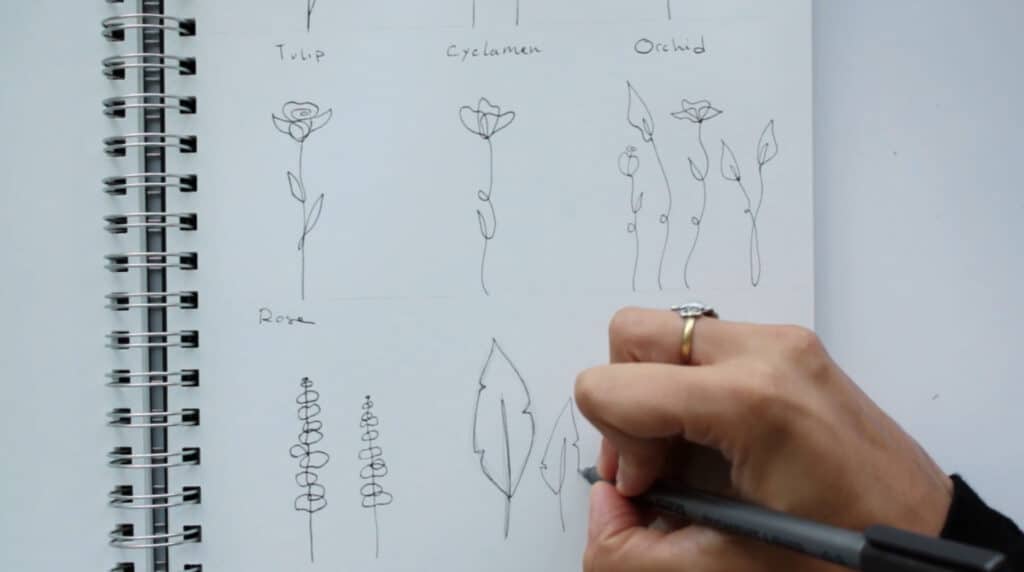
This whimsical project challenges you to draw various flowers using a single, continuous line. This style celebrates simplicity and elegance, requiring careful thought to capture the essence of each bloom without lifting your pen. The result is a collection of beautifully minimalistic floral designs you can leave as-is or dress up with a pop of color.
Suggested Tools
- Traditional: Fine liners, ink pens or gel pens.
- Digital: Drawing apps with pressure sensitivity.
Skill Level
Beginner to intermediate: This project is approachable for new artists and allows intermediate creators to experiment with fresh techniques.
Learning Resource
Altea Alessandroni’s Skillshare class, "One-Line Drawing: Cultivate Calm & Creativity with On-Trend Illustrations."
Tips for Success
- Start with simple flowers like daisies or tulips before moving on to more intricate blooms.
- Focus on the flow of your line, and aim for smooth, confident strokes.
- When in doubt, use light pencil sketches as guides.
2. Abstract One-Line Portrait
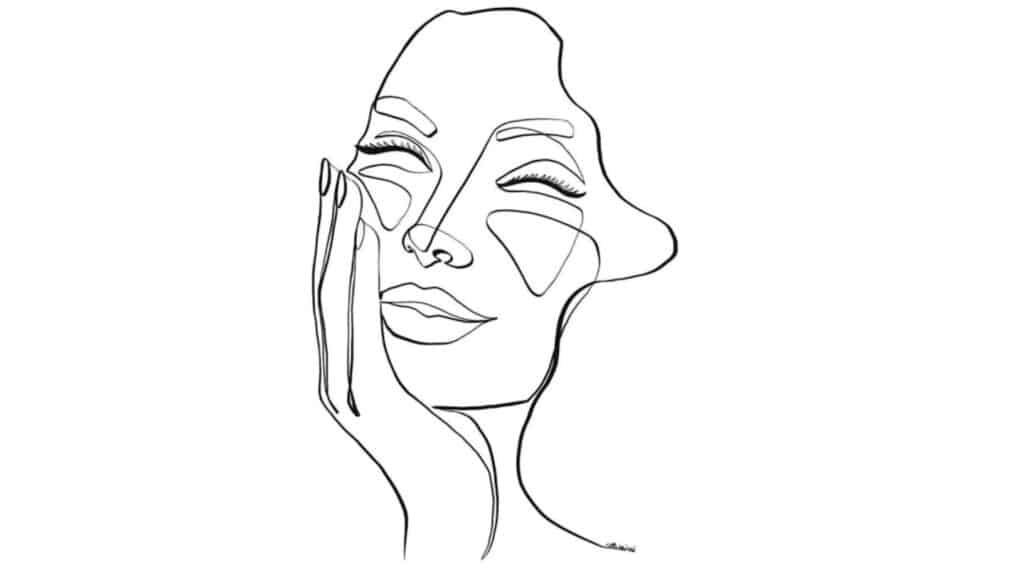
This is a creative exercise that combines minimalism and expression by drawing a human face using a single, continuous line. It emphasizes simplicity and will encourage you to focus on capturing the essence of the subject, rather than chasing realism.
Suggested Tools/Medium
- Traditional: Fine liners, fountain pens or brush pens.
- Digital: Drawing apps with precision tools.
Skill Level
Intermediate: While beginners can enjoy experimenting with drawing continuous line art faces, some prior experience with proportions and facial features will certainly help.
Learning Resource
Attabeira German’s Skillshare class, “Abstract One-Line Face Drawings: Discovering Your One Line Art Style Using Procreate.”
Tips for Success
- Start with quick, loose sketches to familiarize yourself with the subject.
- Choose reference photos with clear shapes and contours.
- Focus on areas of emphasis, like the eyes or lips.
3. Intuitive Doodles
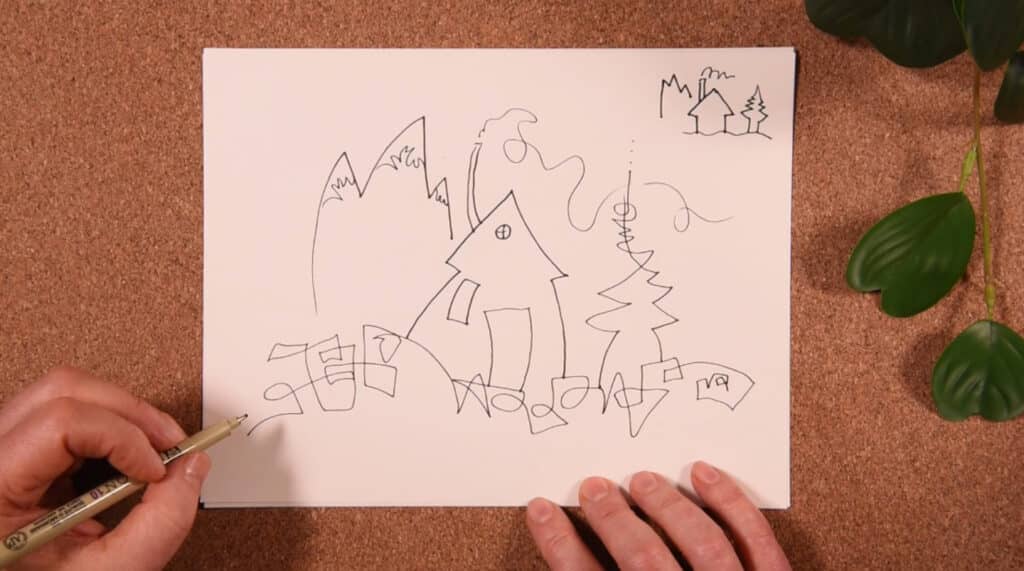
With this freeform line art project, you'll learn to let your creativity flow without a specific plan or end goal. The idea is to start with a single line and allow it to evolve into patterns, shapes, scenes or whimsical forms based on your artistic intuition.
Suggested Tools
- Traditional: Gel pens, fine liners or ballpoint pens.
- Digital: Drawing apps with customizable brushes, like Procreate or Adobe Fresco
Skill Level
Beginner: This project is accessible to everyone.
Learning Resource
Joe Smigielski’s Skillshare class, “Intuitive Line Drawing: Invite Creative Flow with the Doodle Mindset.”
Tips for Success
- Start with a blank page and draw your first line without overthinking.
- Experiment with different line weights and textures for added visual interest.
- Try focusing on themes like nature or geometry to give your doodles direction.
4. Detailed Botanicals
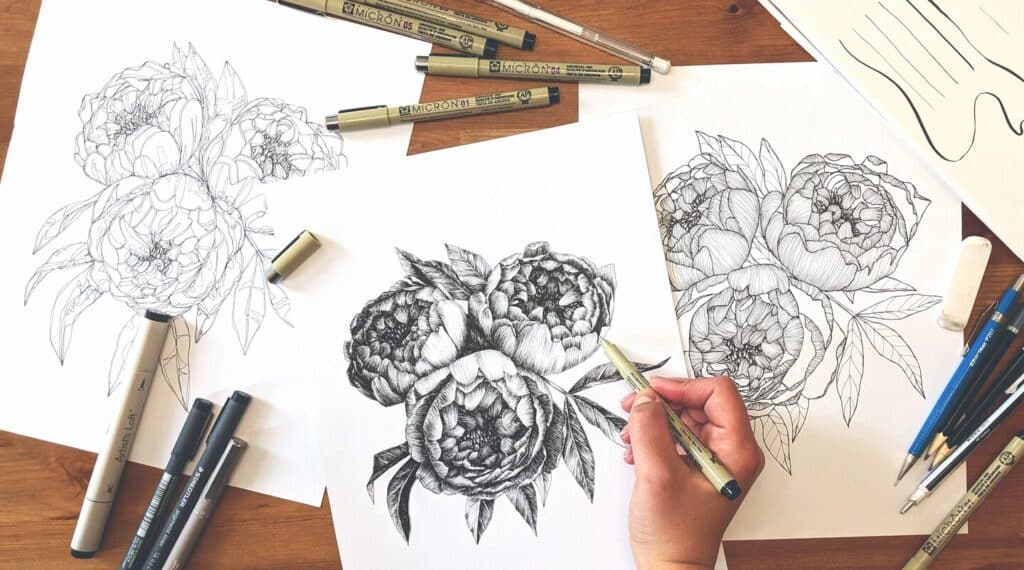
This project focuses on creating intricate, realistic ink drawings of chrysanthemums, and emphasizes fine detail and careful observation to capture the flowers' complex layers and textures. By the time you complete this project, you'll know how to translate organic shapes into precise line work.
Suggested Tools
- Traditional: Micron pens or fine-tipped gel pens
- Digital: Drawing apps with detailed brush settings to simulate cross-hatching and other techniques.
Skill Level
Intermediate to advanced: This project requires patience, a steady hand and attention to detail, which makes it ideal for intermediate and advanced artists.
Learning Resource
Gio Vescovi’s Skillshare class, “Find Your Style & Master Botanical Drawing With Ink Pens.”
Tips for Success
- Start by studying reference images or real chrysanthemums to understand their structure.
- Use a light pencil sketch to map out the flower’s main shapes before inking.
- Focus on building depth through line density with techniques like hatching or cross-hatching.
5. Intricate Insects
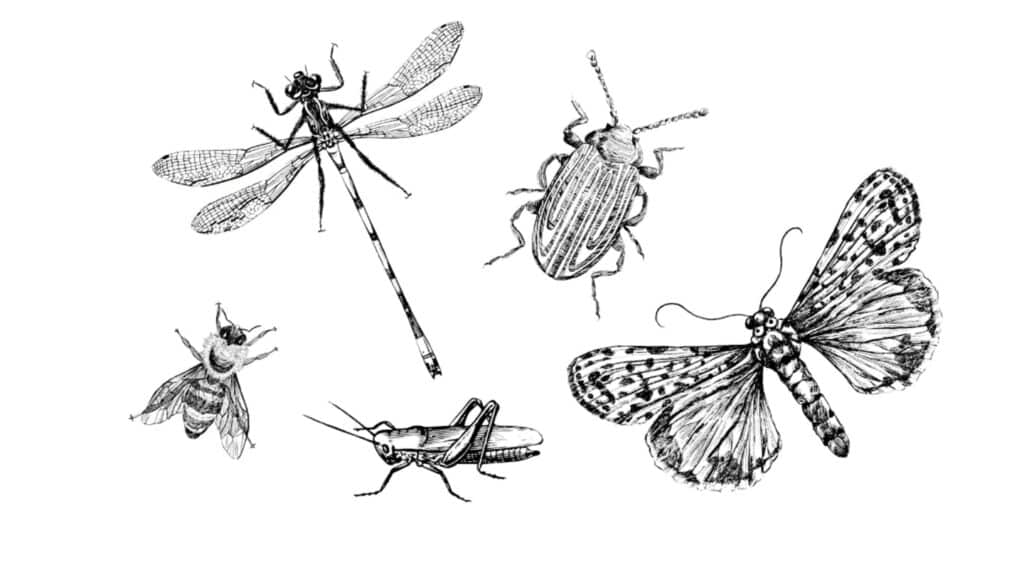
This project combines fine detail and artistic techniques like hatching, stippling and shading to create highly detailed ink drawings of insects. From delicate butterflies to shiny beetles, this project allows you to explore intricate patterns and textures.
Suggested Tools
- Traditional: Micron or technical pens with waterproof ink.
- Digital: Drawing apps with precision brushes or pen tools for detailed line work.
Skill Level
Intermediate to advanced: This project requires an understanding of light, shadow and texture to bring insects to life.
Learning Resource
Gio Vescovi’s Skillshare class, “Fundamentals of Line Art Drawing: A Complete Guide To Ink Pen Illustration.”
Tips for Success
- Choose a high-resolution reference image to study the fine details of your chosen insect.
- Begin with a light pencil sketch to outline the insect’s basic shape before adding ink.
- Practice techniques like hatching and stippling separately to understand how they can create depth and texture.
6. Cute Cacti
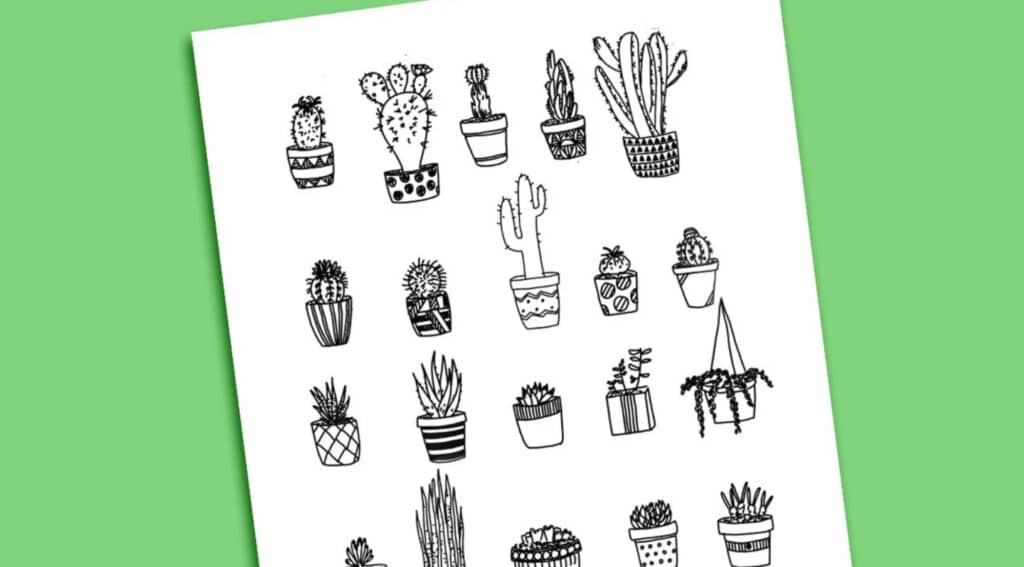
Choose this whimsical project to create small line drawings of cacti and succulents. It emphasizes playful simplicity and is perfect for experimenting with clean lines and minimal details to convey personality and charm.
Suggested Tools
- Traditional: Fine-tipped, gel or fountain pens.
- Digital: Drawing apps with customizable pen brushes
Skill Level
Beginner to intermediate: This project is easy to start but offers room for creativity and refinement as you progress.
Learning Resource
Peggy Dean’s Skillshare class, “Line Drawing: Cactus & Succulent Edition.”
Tips for Success
- Add character to your cacti by drawing decorative pots, playful spikes or small flowers.
- Keep your lines clean and consistent, and use light pencil sketches as a guide if needed.
- Experiment with negative space, such as by leaving gaps in lines.
7. Colorful Pop Art

Try your hand at pop art with this fun project. In it, you’ll outline a can of Heinz beans with bold ink lines, digitize your work and then fill it with bright, eye-catching colors. This blend of line art and color play can transform a simple can of beans into a striking work of art.
Suggested Tools
- Traditional: Waterproof ink pens, alcohol markers or colored pencils.
- Digital: Drawing apps with layering and color fill tools.
Skill Level
Beginner to intermediate: This project requires detailed line art but also encourages experimentation with color.
Learning Resource
Mel Rye’s Skillshare class, Pop Art Illustration with Line Drawing & Texture: Adobe Photoshop Basics.
Tips for Success
- Start with a precise ink outline of the can, and focus on clean lines to capture its iconic shape and label.
- Use a palette of bright, contrasting colors for maximum impact.
- For digital art, use layers to separate the outline from the colors, which will allow for easy adjustments.
8. Posing Puffins
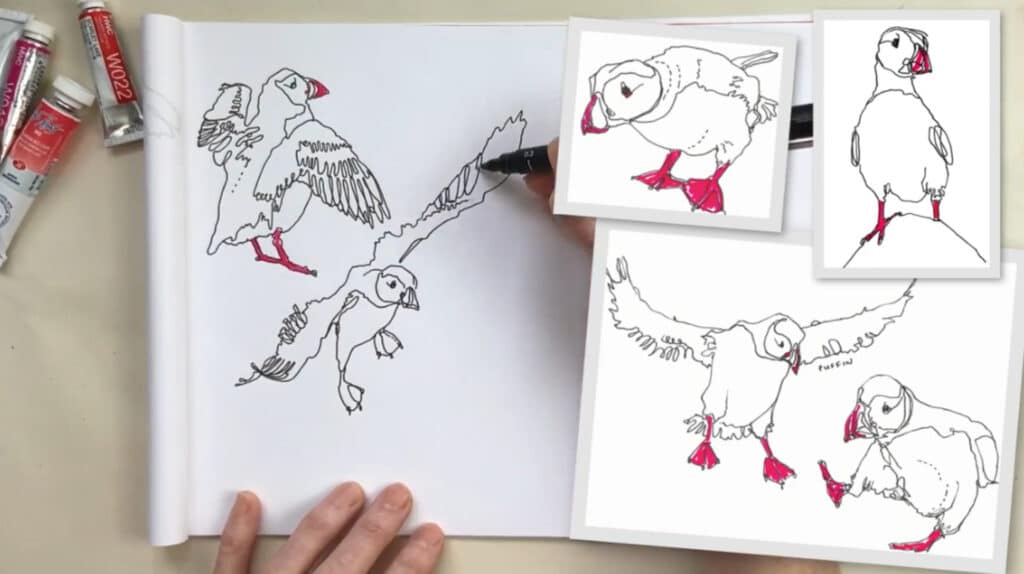
Bring puffins to life in your sketchbook using the one-line drawing technique explored in this whimsical project. The challenge lies in capturing these charismatic seabirds in various poses—standing, flying or perched—using a single, unbroken line. This minimalist approach emphasizes movement and character, and can result in playful and dynamic illustrations.
Suggested Tools
- Traditional: Fine-tipped, gel or ballpoint pens.
- Digital: Drawing apps with pressure-sensitive tools
Skill Level
Beginner to intermediate: The simplicity of the one-line technique makes it approachable, while the focus on capturing unique poses adds a layer of complexity for more experienced artists.
Learning Resource
Catherine Jennifer’s Skillshare class, “Line Drawing: A Three-Step Approach (And a Five-Day Birdacious Bootcamp).”
Tips for Success
- Observe reference images of puffins to understand their distinctive features, like their beaks, stocky build and expressive posture.
- Start with basic poses before attempting more complex ones.
- Don’t stress over perfection; slight flaws will only add charm to your birds.
9. Continuous Urban Sketch
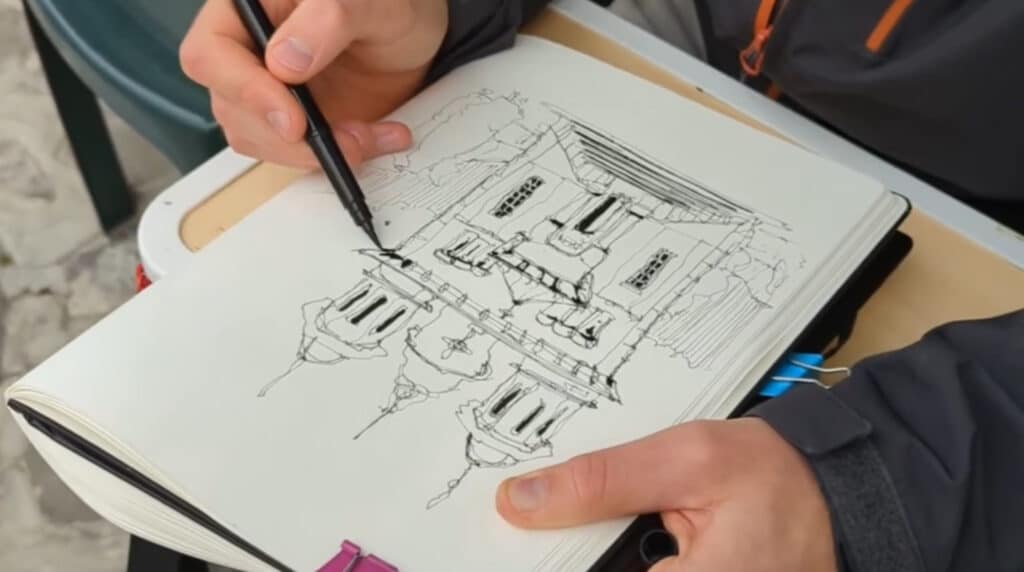
This project involves creating line drawings of urban landscapes using a single, continuous line. The goal is to capture the essence of buildings, streets and cityscapes with uninterrupted strokes.
Suggested Tools
- Traditional: Fine liners or fountain pens.
- Digital: Drawing apps with precision line brushes.
Skill Level
Intermediate: This project is ideal for artists with some experience in drawing structures and working with line flow, but ambitious beginners can also join in.
Learning Resource
Toby Haseler’s Skillshare class, “Urban Sketching: Learn to Use Continuous Line Drawing and Watercolors.”
Tips for Success
- Start with simple building shapes and gradually incorporate more detail.
- Observe cityscapes to understand the relationships between buildings, windows and other architectural elements.
- Use a light pencil sketch to plan your composition, but keep the final drawing unbroken.
10. Geometric Designs
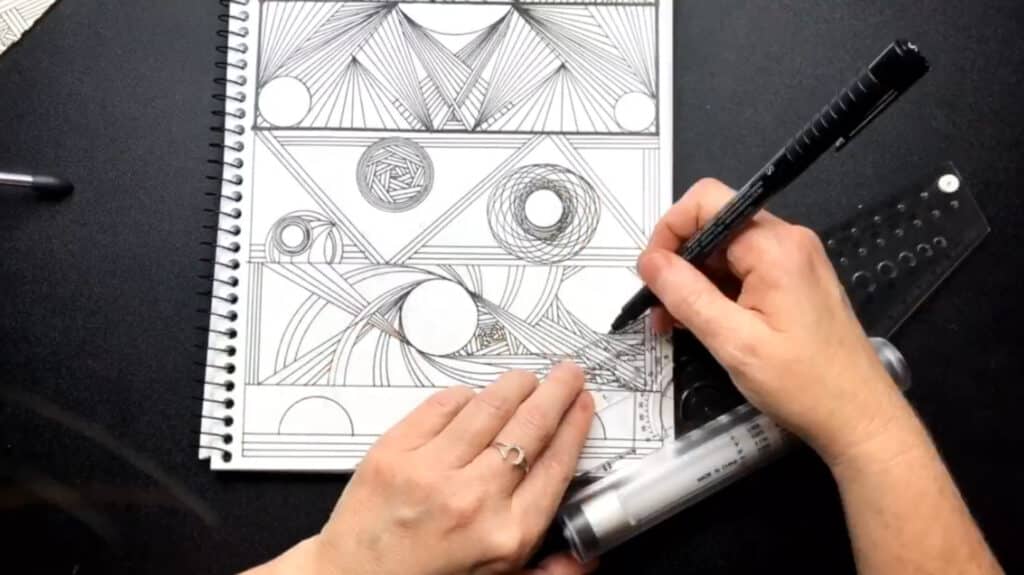
This project explores the beauty of symmetry and precision through intricate line and circle-based patterns. This project involves combining shapes and lines to form complex, visually striking compositions.
Suggested Tools
- Traditional: Rulers, compasses and fine-tipped pens.
- Digital: Drawing apps with shape tools and grid systems.
Skill Level
Beginner to advanced: This project can be as simple or complex as you want it to be.
Learning Resource
Selina Shapland’s Skillshare class, “Create Intricate Line Drawings.”
Tips for Success
- Begin by laying out the basic shapes using a pencil and ruler, then gradually build more complex patterns on top.
- Use a compass or circular template for perfect circles.
- You don't need a ruler to create perfect lines—any straight edge will do.
Tips for Getting Started with Line Art
Use these tips to set your line art illustrations up for success:
Embrace Experimentation
Don’t be afraid to try different tools to discover what feels best for you. Also explore techniques like hatching, stippling and cross-hatching to see how different textures and effects are created and identify your favorite methods. And if you’re ever unsure what to draw while practicing, try some ideas from our list of 100+ things to draw.
Use Time-Saving Tools
For beginners looking to dive into digital line art, tools like Procreate and Adobe Fresco are fantastic options. Both offer user-friendly interfaces, customizable brushes and the ability to easily undo mistakes, as well as access to infinite color choices and layering techniques.
Find Inspiration Online
When you're just starting out, finding inspiration is key to staying motivated and discovering your unique style. Social platforms like Pinterest, Instagram and Behance are excellent places to do just that.
Practice Line Art & More with Skillshare
The best way to improve, not just at line art but at any drawing style, is consistent practice. Start by trying one or two of the projects outlined above, and focus on experimenting with different styles and techniques. Whether it’s a simple one-line doodle or a detailed botanical illustration, the key is to keep creating and pushing your boundaries.
Remember to document your progress by taking photos or saving digital copies of your work over time so you can see how much you’ve grown. And if you're looking for more structure, try enrolling in one of Skillshare's many online drawing classes. There, you'll get the opportunity to share your projects with instructors and fellow students, gain valuable feedback and even schedule 1-on-1 sessions with your favorite teachers.
Related Reading
Carrie Buchholz
Carrie Buchholz is a freelance writer who lives in Northern Colorado with her husband and dog.
Try Skillshare for free! Sign up for a 7 day free trial today!
Get Started- Unlimited access to every class
- Supportive online creative community
- Learn offline with Skillshare's app