Watercolor Flowers: Exploring Wet-on-Wet and Dry-on-Dry Painting Techniques | Inga Yoon | Skillshare

Playback Speed


1.0x


  • 0.5x
  • 0.75x
  • 1x (Normal)
  • 1.25x
  • 1.5x
  • 1.75x
  • 2x

Watercolor Flowers: Exploring Wet-on-Wet and Dry-on-Dry Painting Techniques

teacher avatar Inga Yoon, Digital illustrator and teacher

Watch this class and thousands more

Get unlimited access to every class
Taught by industry leaders & working professionals
Topics include illustration, design, photography, and more

Watch this class and thousands more

Get unlimited access to every class
Taught by industry leaders & working professionals
Topics include illustration, design, photography, and more

Lessons in This Class

    • 1.

      Introduction

      1:36

    • 2.

      Getting Ready

      2:17

    • 3.

      Sketch

      0:56

    • 4.

      Adding First Layer

      3:28

    • 5.

      Adding Second Layer

      2:27

    • 6.

      Final Details

      4:05

  • --
  • Beginner level
  • Intermediate level
  • Advanced level
  • All levels

Community Generated

The level is determined by a majority opinion of students who have reviewed this class. The teacher's recommendation is shown until at least 5 student responses are collected.

47

Students

4

Projects

About This Class

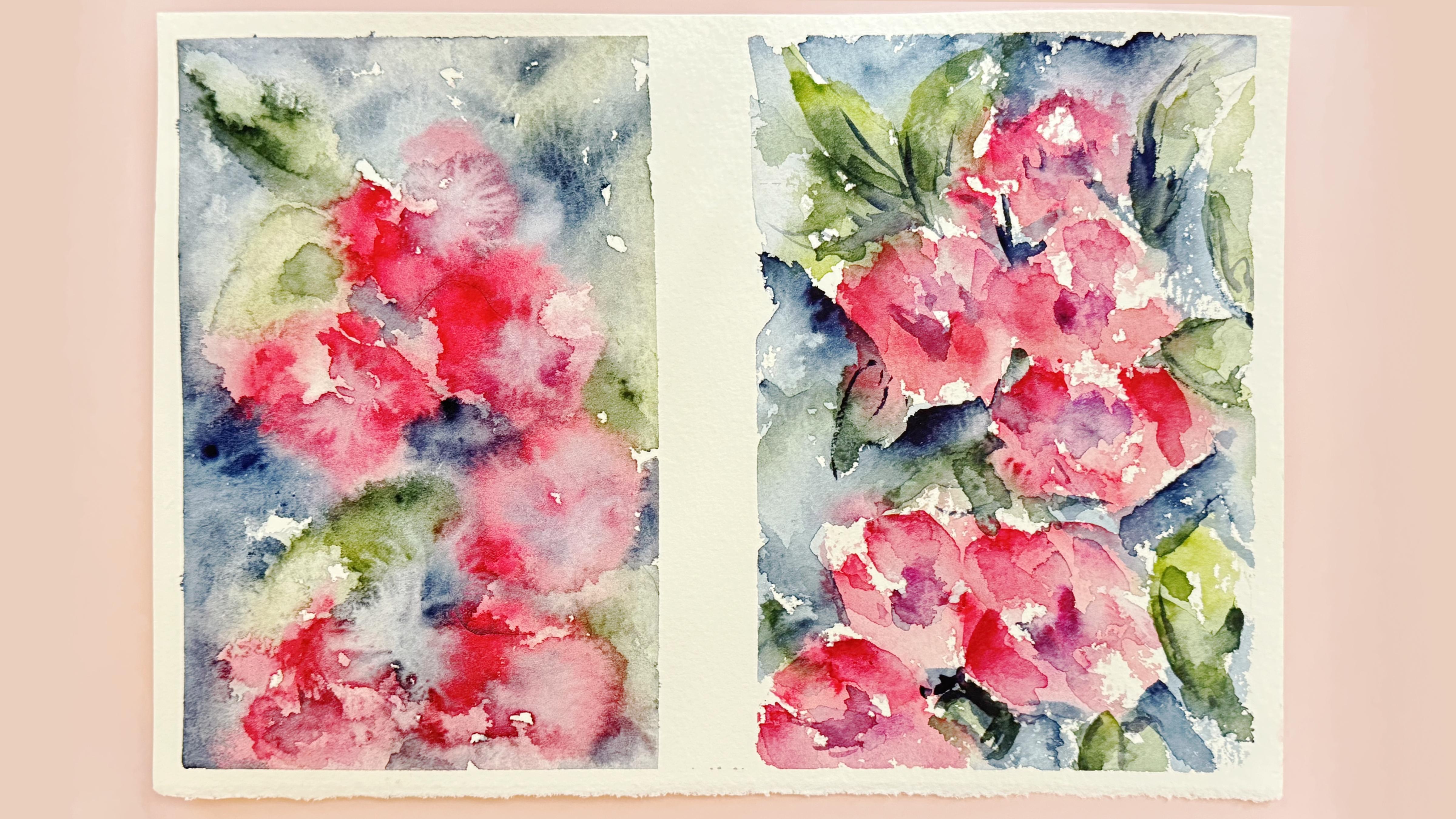
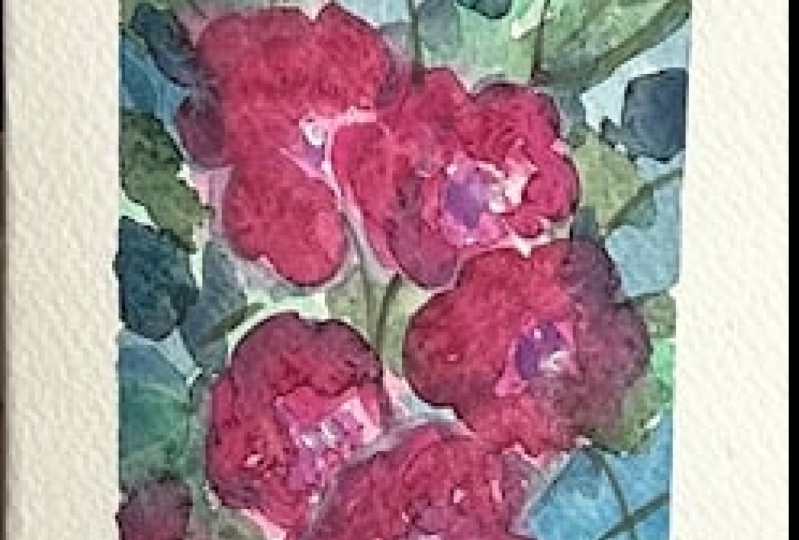
Welcome back to my class and let’s dive into watercolor art and paint altogether flowers in two different techniques: wet-on-wet and dry-on-dry.

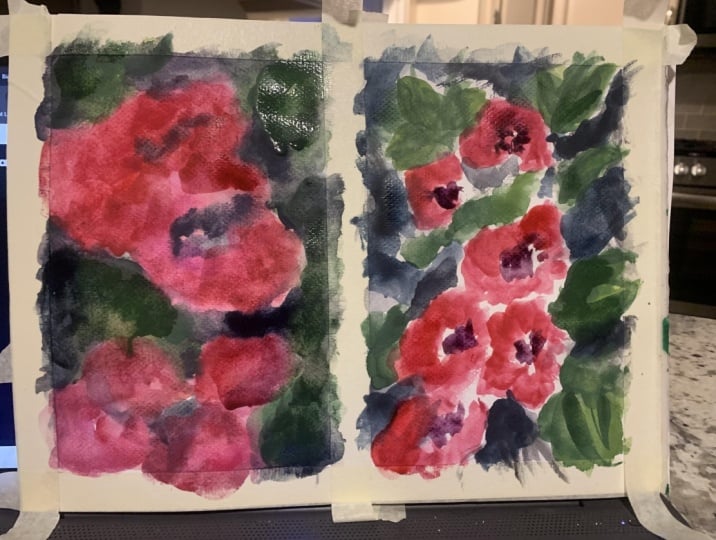
At the end of my class you will learn more about traditional watercolor medium, especially how to sketch in a fast way, how to enhance your art by using layers. And most importantly - you will learn how to define for yourself what do you like more: wet-on-wet or dry-on-dry painting technique. It’s a short class, so we will paint in a fun and simple way.
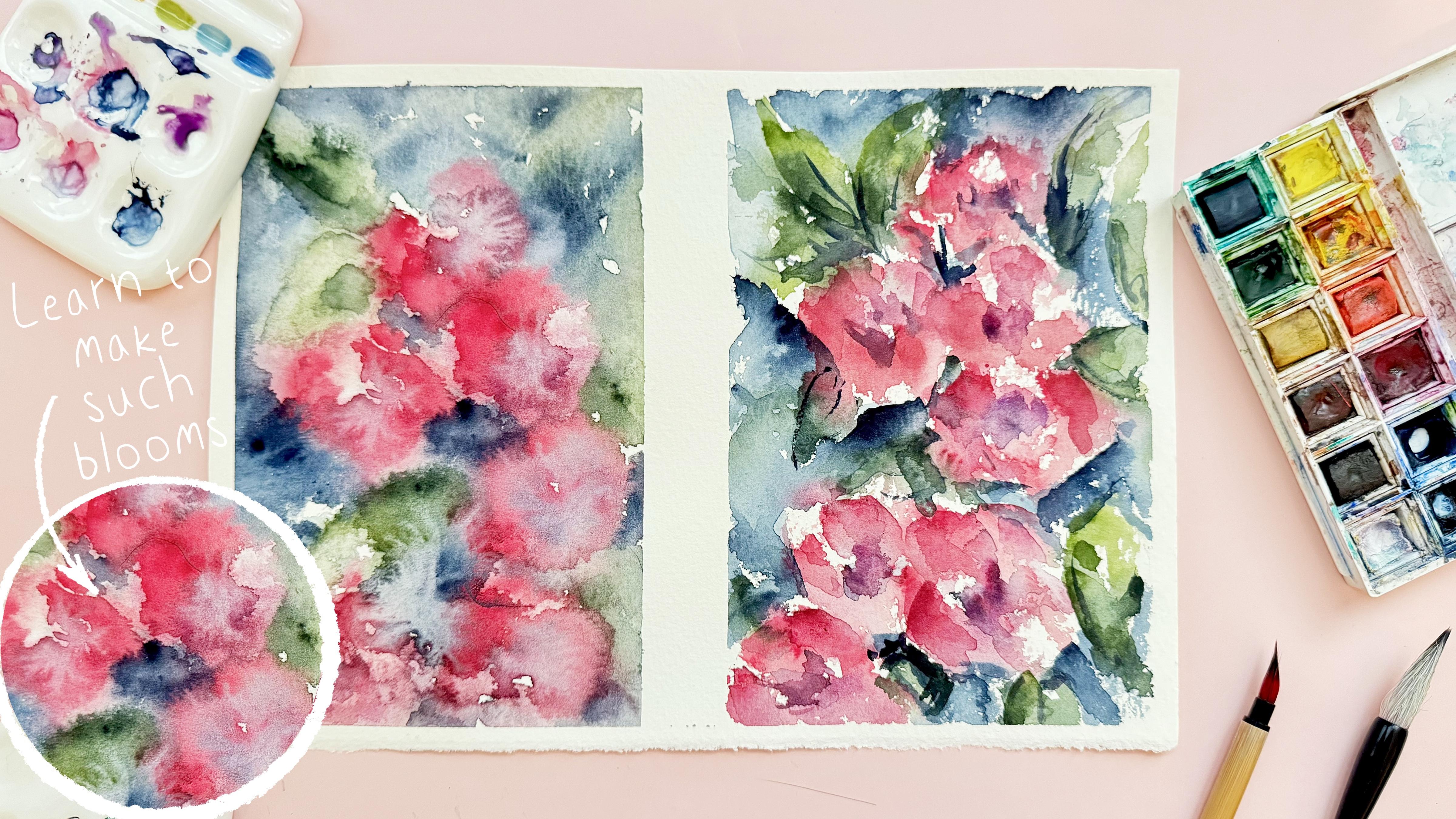
I will show you my whole process from the start till finish.

First of all, I will show you how to get ready for the painting session. Our next step will be - creating sketches. After that we will paint beautiful flowers in traditional way in two different techniques. I will show you how to create floral art from the simple shapes and how to add more and more details - so we will make our painting process a little bit more advanced.

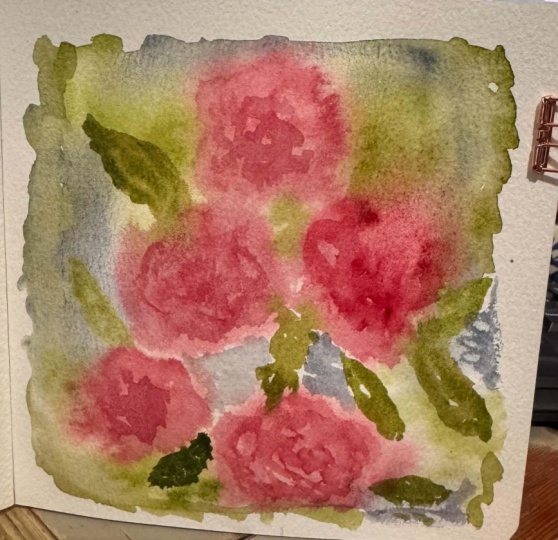
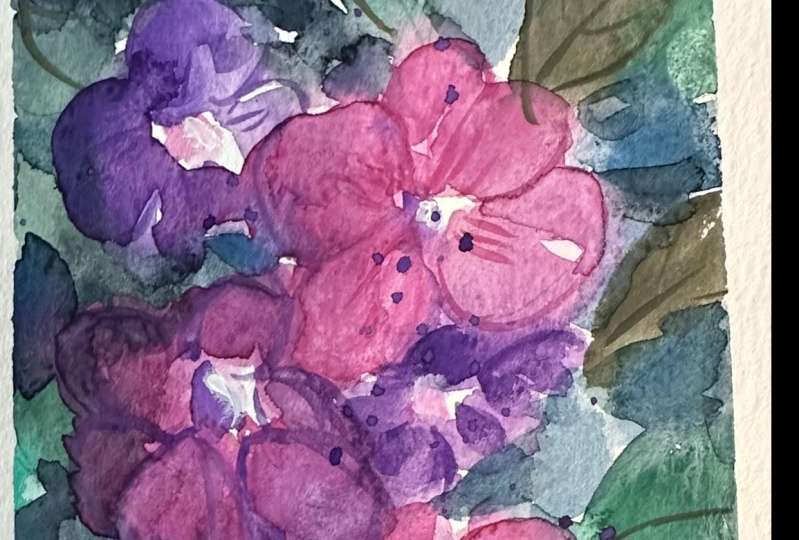
And as a bonus I will share with you reference picture and picture, that I created.
This class is great for intermediate level and for beginners - for everyone, who is interested in traditional watercolor art and floral illustrations.
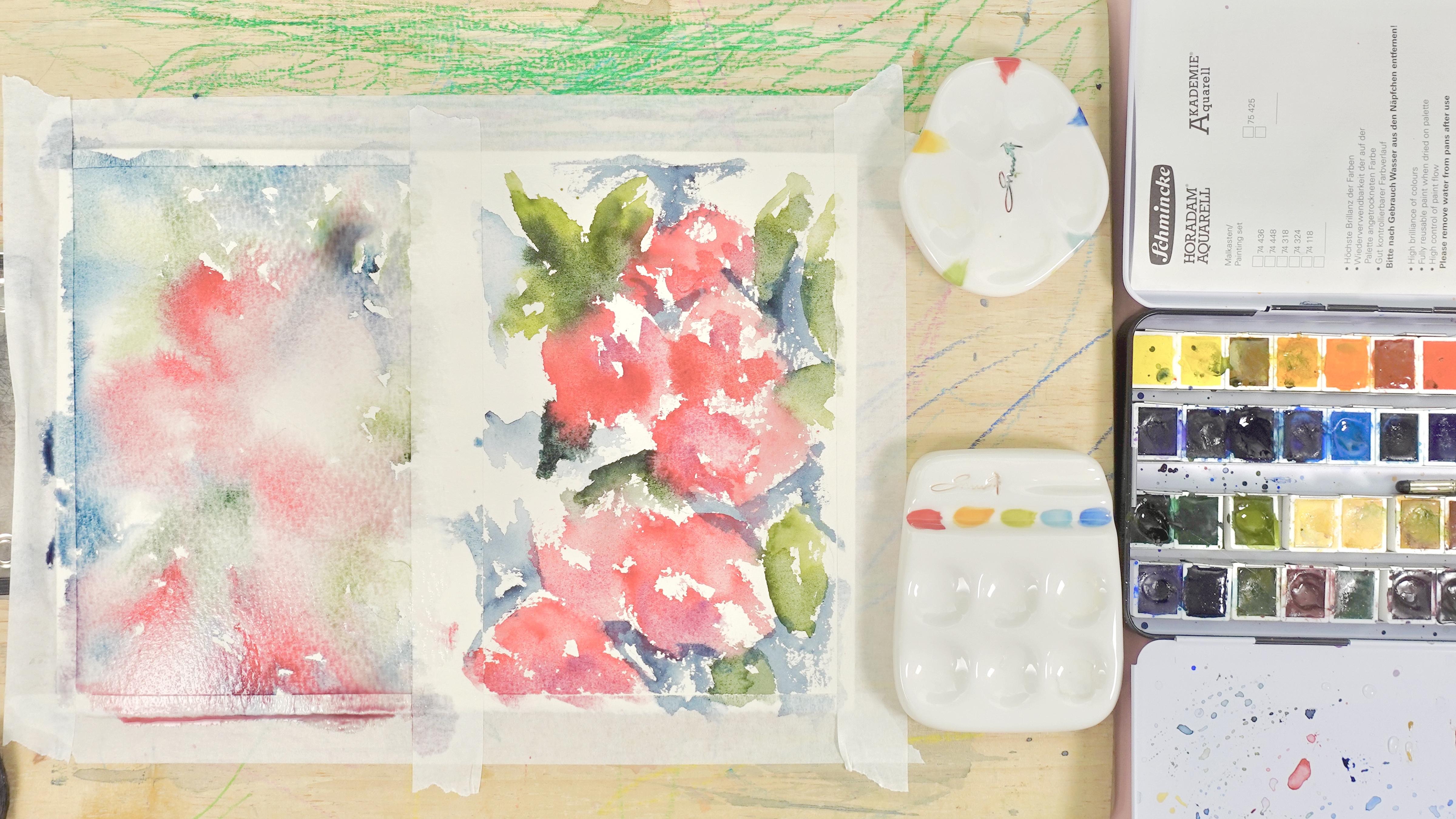
And one more thing that I want to mention: your opinion and your feedback is very important to me. So feel free to tell me what you think about the class in discussion or review sections. I will be glad to reply to you.
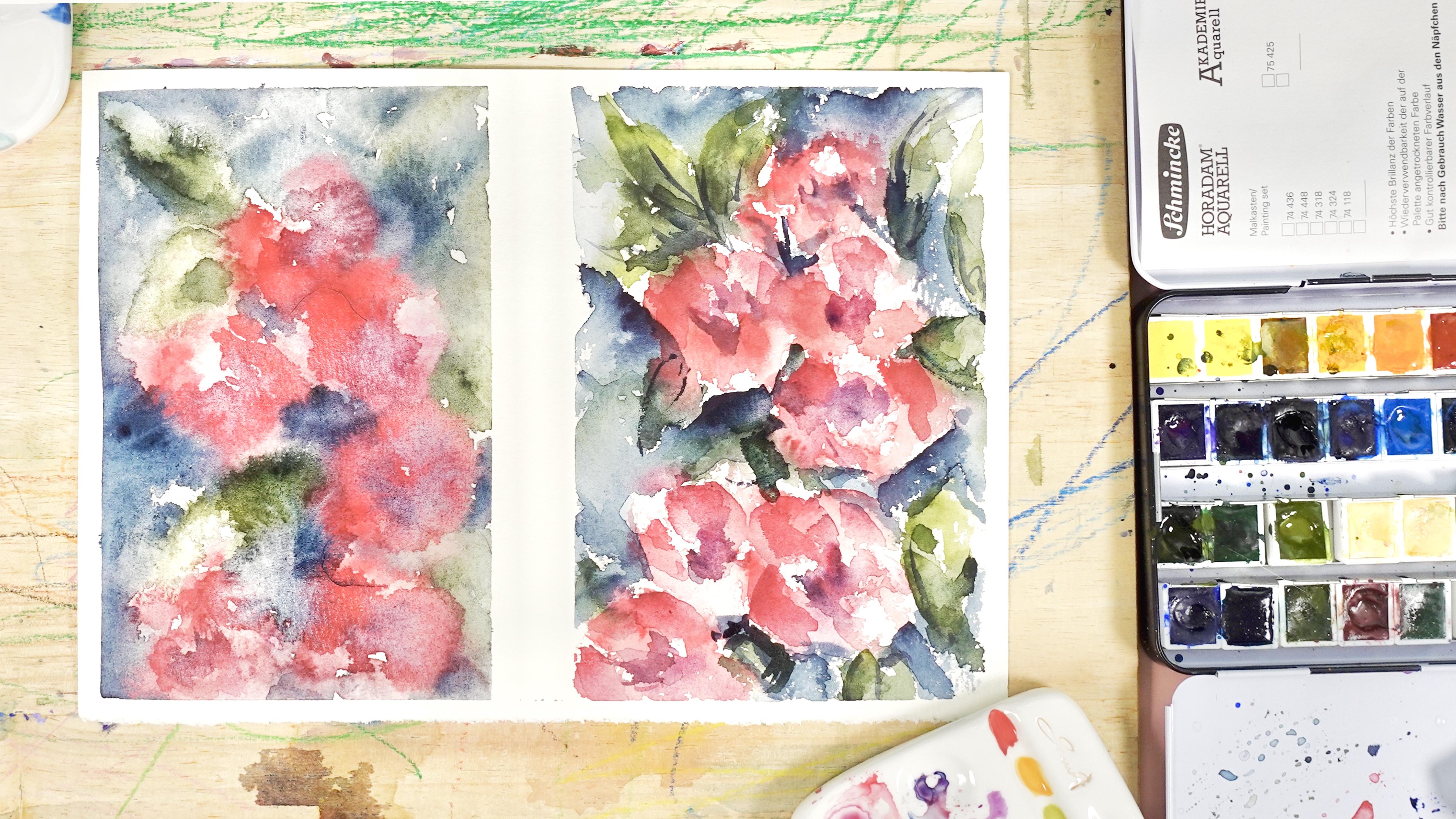
My dear art fellows, I can’t wait to start this class and definitely I can’t wait to see what you upload to project section.
So let’s not wait, grab your paints, paper, iPad with Apple Pencil and let’s paint together.

Meet Your Teacher

Teacher Profile Image

Inga Yoon

Digital illustrator and teacher

Teacher


Hello, guys!

I am Inga Yoon, artist, digital illustrator and tutor.

Throughout these years I took part in different exhibitions, TV shows on local Ukrainian channels, organized workshops, you name it. I am major is gouache and oil painting, but I am obsessed with watercolor and like to share all the knowledge that I have about the art.

I have been painting for more than 15 years and last 5 years I devoted to digital watercolor and Procreate.

Hop along for the ride.

See full profile

Level: Beginner

Class Ratings

Expectations Met?
    Exceeded!
  • 0%
  • Yes
  • 0%
  • Somewhat
  • 0%
  • Not really
  • 0%

Why Join Skillshare?

Take award-winning Skillshare Original Classes

Each class has short lessons, hands-on projects

Your membership supports Skillshare teachers

Learn From Anywhere

Take classes on the go with the Skillshare app. Stream or download to watch on the plane, the subway, or wherever you learn best.

Transcripts

1. Introduction: Well, my lovely Skillshare community. I'm in gayon artist, prudence illustrator. I'm obsessed with watercolor, procreate, and magical things. And during my classes, I constantly share the knowledge that I have about the procreate, about watercolor, and I've shown you different painting techniques that can ease your painting lifestyle and maybe can give you some of the inspiration. And my today's class is pretty special. It's a short class where I decided to experiment and paint with you in two different painting styles, watercolor painting styles. First of all, is wet on wet painting technique, and the second one is dry on dry painting technique. So we're going to use one reference picture for out today's class. I will share with you this reference picture so you can follow my steps do exactly what I or if you don't want to follow my steps, just grab the pictures that you like, and let's just paint together. So again, our aim today is to see the difference between those two different painting techniques and see what suits our style more. My class is great for intermediate beginners, anyone who is interested in watercolor painting and flowers because we're going to paint lovely roses today. And about final project, again, you need to create illustration in two different styles, dry wet and wet painting technique, and just have fun during painting process. So if you are ready, you might grab paper, pencil, pens, and let's paint together. 2. Getting Ready: Hello, my lovely Skillshare community. Today, you have short class where I will explore with you pretty interesting topic, and it sounds like what are the differences between painting in wet technique and dry technique? So for this class, I'm going to use just one reference picture, and like I said, I will paint it by using two different painting techniques. So first will be wet on wet and second dry on dry painting. And I'm going to use different brushes for it. And how it can help you. Maybe you can discover for you that you like some particular style, particular way of painting, or maybe we can just have fun during our taste class. So let's get started. I'm going to use as brushes for dry and dry painting technique, traditional Chinese calligraphy brushes, and for wet and wet techniques, I have Sonnett brush and bonds. And I just want to have, like, soft round brushes. And for about Chinese brushes, it's a little bit sharp. The lines. So I think it's sets perfectly for the dry and dry and about the paper, I'm going to use arches paper. So what we need to do is to separate it into two parts. I also have two small carpals that I like so much and about the paints, I'm going to use SminkePaints. But again, use any paints you have. You don't need to have exactly the same paints, the same brush that I have the same paper, and I'm going to use some tape. And let's just separate paper into two parts. And about painting way, I'm gonna apply two layers of colors, and that will be the end. I won't spend too much time. Obviously, we still can use so much time if you want to give Edding so many details, but I really think we need to understand the essence, the essence of painting style. And let's just separate it into two parts like this, yeah. I. Okay. Next step is sketch. 3. Sketch: Ding ding. So now let's just create sketches. You see, I decided to make our reference picture a little bit easier because we won't spend too much time on painting flowers. The same we're gonna do here. Let's start painting. 4. Adding First Layer: For wet and wet painting technique, we need to apply some water before we add pigment. I'll dry and dry, we will not add any water. Apply some pigment, not everywhere because I have some spots which are pretty dark as you see, this brush is amazing. Gives you very unexpected and sharp results. I just want to emphasize the darkest part. And because you don't need to wait until it dries, it's pretty easy to move. I'm going to keep it this way. And now let's come back to our wet and wet painting technique and do the same with this wet pigment and you see the way how the color bleeds is totally different. Wrap some olive color. Oolive colour on the leaves. Olive. Now, let's grab darker shade. So white and white technique usually is used for painting in blue watercolor style. So now let's grab red color, something between red and pink. Berman carmine colour, I think would be useful. And here in the middle, it's really hard to separate flowers, one from another. And if you want, you can use some kind of tissue. Now, let's make sure that a brush is not too wet. And let's just add leaves over there. I still a little bit wet, so be careful. So I decided to use olive colour over there and here. Here. Here I mixed olive color and this dark green. Again, one more green color. So in dry and dry painting technique you're going to have more white spots. And we're going to have less bleeding of color one another. So this way of painting is easier to control. But on the other hand, it doesn't give you those unexpected beautiful blooms that you might get here. So I might say that this way of paintings probably more sharp. Red and purple. Now, let's wait until everything dries. 5. Adding Second Layer: Part of the paper is already dry part. And you see, also, it's pretty lovely we see some of the blooms over there, and I think we are ready to keep painting. So now let's start with white and wet painting technique, and let's just try to add tiny details. So I'm going to use permanent carmine and purple colour together. I even more purple. In especially here, we're going to have very purple shades. Et's separate. So this is indica color. Oolive color. Tiny beauty some woman's. Not everywhere. I don't want to make our painting too dark. Unexpected blues. I want to change the brush to the swan. And the painting style is also slightly different here. You just make some straight lines. H green color. I won't add too many details here. Lines, I just want to add a little bit more green shades. I just want to show that we still have some leaves in some areas. Purple shade, maybe even a tiny bit of diga color, especially here. It's mankinese wild and permanent carmine together. 6. Final Details: Our very, very final touches, final details we end our today's class. Just mainly to show shape. Because even though we were waiting for a long time until the color dries, it's still not fully dry. And same we're going to do with dry on dry painting technique. I'm going to change the brush to the small calligraphy brush. Indica color mixed with permanent carm strokes over there. Oh I don't want to it too much. Set. Lines. So let's wait, tiny bit. We will removee the tape and see what we're gonna have in end. I think we are ready to removee a tape. Then I just put it away. And think Okay, looks good. And And we receive two different painting technique results. So now you can see, and you can decide by yourself which style you prefer more. So once again, this is wet on wet painting technique, and this is dry on dry painting technique. And in end of my class, I hope now you know better. What are the main difference? Between wet and wet and dry and dry painting technique, and as you see, wet and wet is so soft. The color is sometimes it's hard to control. And sometimes you might get unexpected results, for example, like here and here. And of course, if you spend more time, you can paint more and more details. But what is special about wet and wet painting technique is that it can help you to reach those watercolor effects, and I think it looks great. Dry and dry technique is more sharp to my mind. It gives you also sometimes some unexpected results. But also, you can add some of the very thin brush strokes. It is very comfortable and also gives you a little bit different feeling. And what I like about dry and dry technique is that we have some source white spots somewhere, and it also gives you some air, some freedom during the painting process. This is an out today short class. I hope you enjoy it as I did, and you saw the differences between painting techniques and you define for yourself which style you like more, or maybe you would like to paint in those two styles, so you don't need to choose specific one. My dear art fellows, I wish you a lot of luck, a lot of inspiration, and let's see each other very, very soon.