Transcripts
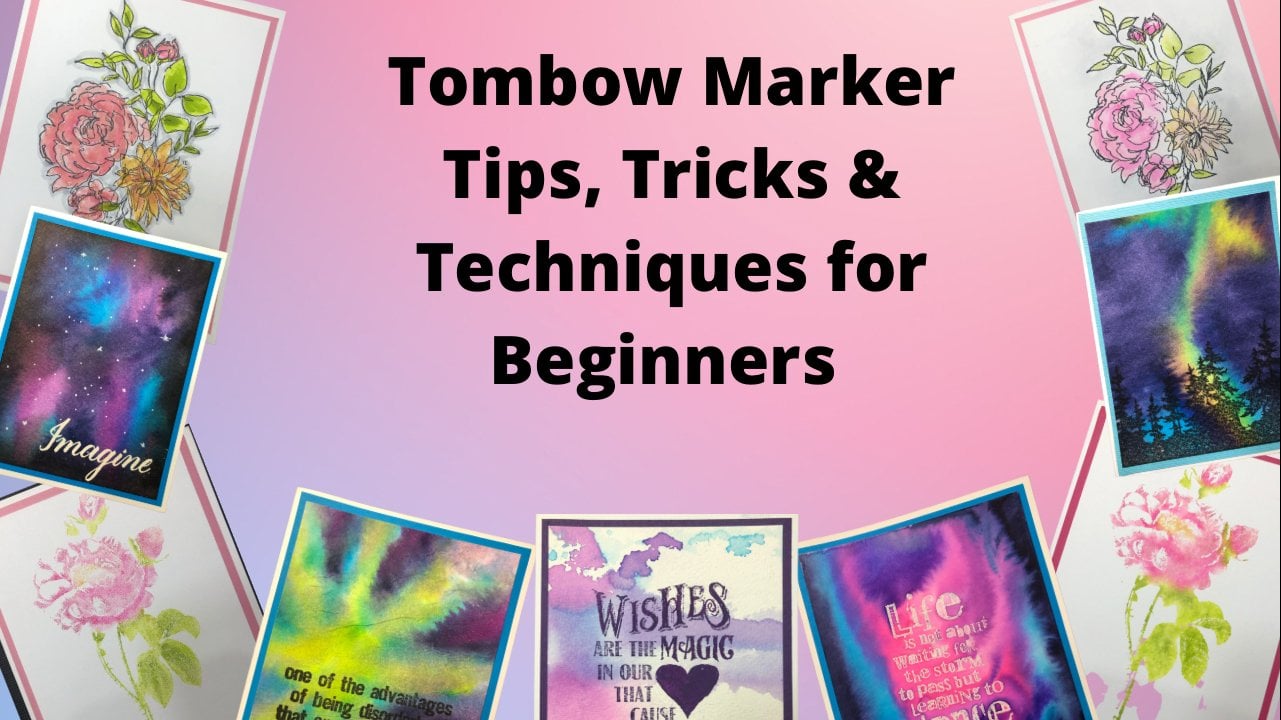
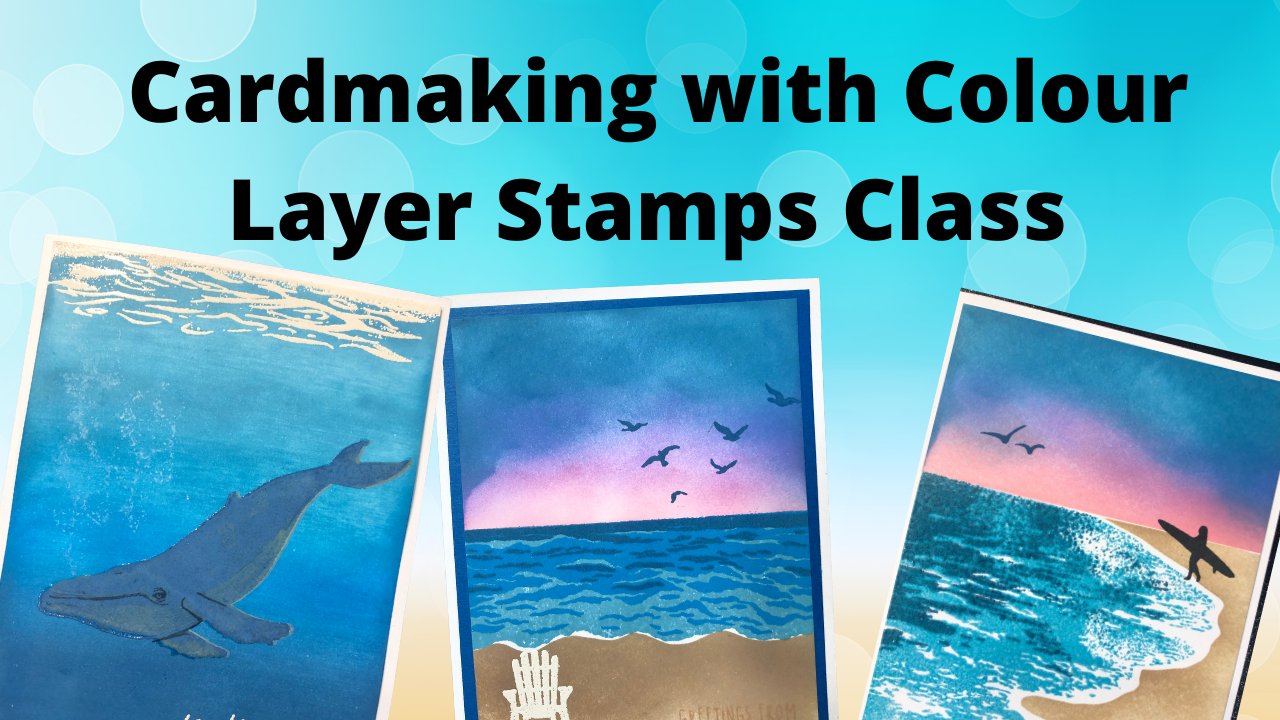
1. Stamping Tips, Tricks & Techniques for Beginners Introduction: Welcome to stamping tips, tricks, and techniques
for beginners. Sometimes when you're
learning a new skill that can be a little bit
overwhelming and daunting. So I've taken all my
favorite tips and tricks, as well as my favorite
techniques that are very beginner friendly and put
them all in one class. I'll walk you through step-by-step and
what I've learned in the past 30 years or so
of my stamping journey. The first thing
we're going to start covering is the basics. I'll go through the
different types of stamps and the pros
and cons of each, as well as my favorite
stamping inks to use on a daily basis. I'll show you some tools
that you're going to need, as well as some
helpful tools that we're using for part
of this course. And while some of these
tools aren't required, they're definitely going to
make your life a lot easier, especially when it
comes to placing things precisely on the
fronts of your cards. We'll go over basic coloring
techniques for beginners, as well as my favorite
way of coloring, which definitely
has a little bit of a learning curve to it, but it is beginner friendly. If you're wanting
to go that route. Will cover tips that I've
learned over the years with heat embossing and what
to do and what not to do. I'm going to go
over water coloring as well as it's one of my favorite ways of relaxing
and filling in images. And if that's not
your cup of tea, I'll show you how to fake it. I'll show you how to get different gradations of
color with the same stamp, as well as how to do
watermark images. And then will level up
those watermark images by adding some Micah
powders to them. We'll cover a
simple way to group different stamps
together to make it look like one big stamp, as well as to add pattern
to your silhouette stamps. Lastly, I'll show you how
to use leering stamps, which are some of my favorites. Now let's get started.
2. Stamps & Inks 101: All right, First off, I start at the very
beginning stamps. So there are three
main types of stamps. The ones that most people are, most common width are the
rubber stamps on wood blocks. They were sold like
that for years. And they're great and it's
really my favorite way of stamping because you've
got a lot of control. But the thing is,
especially if you love stamping and you accumulate
a lot of stamps, they take up a lot of space. So you're going to find it
takes up a lot more space to store stamps on wood
blocks, then it dies. Unmounted stamps. For unmounted stamps,
There's two different kinds. One is cleaning rubber stamps, which are the most similar to the rubber
on the woodblock. These you use
acrylic blocks with, and you also use acrylic
clocks with the clear stamps. They clear stamps. The nice thing about them and the reason why a lot of
people love them is because you can see through
them and they find it makes it a
little bit easier to stamp with because you can position things exactly by being able to see
through the stamp. The only thing is
the acrylic stamps are a little bit softer
than the rubber. So if you use the same
pressure with them, often you'll get
a smudge stamped image from this one because sometimes you press
a little bit too hard, whereas this one you
have to press nice and firmly to get a
clear image on it. The other thing that people
have an issue with it, It's mostly with acrylic stamps, sometimes with rubber stamps, but it seems to be a problem
more with a colleague stamp. Let me open this one up. When these are made, there is a release agent put on the mold that helps them
come out of the mold easier. And that agent, and I realize
I've already done that, but that's one that Egypt
makes it resist ink. So the very first thing I do, especially with acrylic stamps, when I open my package is
I take a white eraser, just a plain white
school eraser, and I rub all over the
stamping surface and that removes that residue and helps your stamp to
receive ink better. Now the other thing
you could do is do it, rub it on a t-shirt
or a pair of jeans that will do exactly
the same as this does. I've also heard from people
light sanding paper, but I've never tried that
one because to me that's the best way to ruin your stamp is something that's abrasive, whereas these are not abrasive. You're never going to
ruin your stamp with it. I've been doing it for
years and not one stamp has been ever destroyed
by doing that. So after you do that,
sometimes you'll have a little bit of eraser residue. So you're just going
to brush that off. And as soon as I've used
one stamp for my set, because the second I opened my set it to
the entire stamp, I know that the whole
set has been done. It never has to be done again. And that's going to receive
in a little bit better. So this particular one here is a layering set and
one of the segments on this class has a segment
on layering stamps. I'm not going to use
this exact one because I'm not sure if
it's availability, but there's one that
I have that I know is available to people and I'll show you exactly
how to use them. They're really quite
fun and easy to use. So like I said,
with rubber stamps, you may need to use
the eraser trick if you found that you're
having a hard time, especially with
silhouette stamps, because there's
little bigger surface for the ink to stick to. Sometimes those are the ones you're going to
have an issue with. But again, exactly
the same trick. White eraser, rub it on, brush off the little eraser bits and you'll be good to go. And again, once I do want, I do the entire set so I just know the whole
thing is done. Now for stamping aches, these are the main
ones I'm going to be using in this class. So momental ANC is a dye ink is fade resistant
and water resistant. So I'll often use
this one for when I am coloring because
it's nice and simple, as easy to clean off my stamp because it
is just a dye ink, it's not a permanent ink. When I'm doing anything, especially with watercolor,
I will use my stays on. It is a permanent ink. So what that means is when
I go to clean my stamps, I need a special cleaner to clean the stays on
off the stamps. But they have a store sells the stays on the usually
solve the cleaner to it. So it's not that hard to find. The other thing we're
going to be using is a watermark stamp. So it's just a clear ink stamp. It's often used with embossing, although you can
use some other inks with embossing as well. But that's what is
mainly used for. The other thing you can
do with it is just create a watermark impression
on your paper. Just give it, it makes the
tone of the card stock just a shade darker in the pattern of whatever
stamp that you use. And I typically
have two of these because they do get
stained after awhile. This one's actually not too bad. So I'll have one that stained
and one that's clear. I can use the clear one or the non-standard one for
my watermarking. This I tend to use with embossing powder
that is not clear. So if I'm using gold or black or whatever
embossing powder, you're never going
to see the ink. So I save my steamed
one for that. So even if yours
does get stained, don't need to throw it
away. You can still use it. The other thing that I
think that I like to use often is distress ink. So just stress is a
water reactive dye ink. So there's some fun techniques
that you can do with it, and I probably
won't be doing any of them with this class. I'll do, I've used them
with some other classes. But basically it's
just a nice dye ink and it comes in 60-plus colors. I don't remember the
exact amount rate now, but there's a few
different techniques that we'll be using that with. Because it's DIE, It's
very easy to get off your stamp to clean them. The other thing I
wanted to mention, most ink pads, you can get refills for them and
I haven't pulled the refill it for this one yet. So think of your ink pad as the car and the refill
ink as the gas. When you've used up the ink and the car,
you just rethink it. You don't need to buy a
whole new stamp pad for it. You simply rethink it, and I'll show you exactly
how that is done. So I will typically
squeeze it out on the pad. And you can typically
tell when you're squeezing it out if it's
sucking it up really quickly, that means your
pad is fairly dry. As you're filling it up. You'll notice that it
sucks it up slower. But one of these refill
bottles will fill up a pad 3, 4, 5 times depends on
how dry you let it get. Typically, I don't
let it get very dry. As soon as I notice it drying
out just a tiny little bit, I'll just add a squeeze
of the reoccur. And it's good to go. So that's good enough. I'm going to leave it like
that. The other thing, when I've read yanked my pad, I'll put the lid back on
and I'll just let it sit for a while like about an
hour before I go to use it. If I use ET rate after I read ink, it's
going to be Blache. If I let it sit for awhile, the inks kinda settled where it needs to go and I don't find a have any
blotches with that. So that is all on the stamps and the inks that we are going to
use throughout this class. Next, we're going to talk about acrylic bur blocks and
positioning tools.
3. Stamping Tools: All right, so for width stamps, you don't need a holder because it comes already on
a block of wood. So your stamp is good to go. However, with both
the clear acrylic and the claim rubber,
you need acrylic blocks. They're just clear
plastic blocks. These cling to the block
just like a window, clean clings to a window.
And that's all you do to it. Some of them will have grid lines on them and I'm
like you can see them. That just makes it easier to line up and have
things straight, especially if
you're using words, but not all of them have them. And for myself, there
is sometimes handy, but I don't really pay attention
to the grid that often. If by chance after using your stamp a lot and
cleaning your sample lot, you're finding it's not
sticking to the block as well. Typically that will be from ink residue or stamp
cleaning residue. Wash both your block
and your stamp with some warm soapy water and
dry them off completely. And you should be good
to go just like new. And that works for the
acrylic stamps as well. The one thing to do, I would maybe wash them
in a separate container, not wash them in your sink
because if by chance you've missed a piece and there's one sitting
in your synchronous, really tiny and you pull the drain, it'll go
down your drink. So I typically do them in a separate container so that
I don't risk that happening. Most of the time
when I'm stamping, I am going to be using just the acrylic block and just eyeballing
where things go. If by chance you're
doing a project that you want things to be
positioned perfectly. There is a tool here, this
is called the position it. You can also get just L, L brackets or
braces or whatever. And you can put your acrylic
block in the corner and position your stamp
and then put it on your block exactly how you're wanting it to go
so that you have some control over exactly
where you are going to stamp. So for instance,
say I had and have a spare piece of
paper and you may say I have a piece of
paper in there and I know I want the Sam to
be exactly right there. That's exactly how I
want it positioned and I do that before I ink anything. I will go and I will
put this block rate and the corner and then press it down to maybe
put it on my blog. Then I will ink it
up and I will know, and I usually have my piece
of paper tape trade on there. I will know that I want
that stamp exactly there. I will link it. And I can stamp it exactly where I want it to go on
my piece of paper. The other thing, especially
when you're new, if you don't get
a clear stamping, if you've got a positioner and you've know
exactly where it is, everything's taped or whatever. If I don't get a clear image, I can go and rethink
the stamp and place it down exactly the same
place the first one went. And I can stamp things exactly in the same
position all the time. The other thing too is
if I'm doing a bunch of exactly the same card and I
want them to be identical. You can use a tool like this. Another tool you can use
is this is very similar. The only thing
difference between that and this one is
this is on hinges. So I can put my piece
of paper in here, put my stamp exactly
where I want it to go on my piece of paper. And then this particular one, once I'd says clear, the
other side says rubber. I put it on there wherever side. Lift up my stamp, ink it exactly the same thing.
I can stamp it down. If by chance I didn't
get a clear image, I can ink it again
and stamp it again. So I'll be using
this tool a couple times throughout the class, changing it from clear
to rubber depending on what stamp I am using. This exact version
is discontinued. You can't buy it anymore, but there are versions
that were there. I know Misty is one
company that carries them, so it shouldn't be too
hard to find a version of stamp press like this. If I find one, I will link it to are on the supply list so you
can find your own. But it is a really
great tool to have, especially if you're
starting out and for certain
techniques that we're gonna be doing
throughout this class. We will see you in
the next video.
4. Stamping & Colouring Stamped Images: So the typical first place to start when you're
learning how to stamp in your card making is just
stamping and coloring images. Now, these are exactly
the same image. This one is colored in
with dye based markers. This one is colored in with
alcohol-based markers. So I've got some Tombow
marker markers here, which are our database. I've got Copic markers here works which are
an alcohol-based. Now, Copic markers are my favorite way to color because you can get some beautiful
blending with them. You can work the paper and it's not going
to start pilling. But there's a learning
curve to working with Copic markers and the
diabetes markers, the tumble markers. They're similar to
what we grew up with. The markers that
we used in school. So most people start there
because there's something familiar and they don't
need to learn how to blend, like you do with Copic markers. But I'm going to show
you both here. Now. I don't have a piece of paper here that's big enough
for the whole card. Just because I want a
scratch on the side and and want to be free to I'm not making
a card front basically, I'm showing you how to color it. It's going to be exactly the
same as if you had a piece of paper big enough
for the card front. But I'm just doing them in smaller pieces of paper because I don't plan on using
these afterwards. So I have my momentum, Inc., which is the water resistant
Incas had died in ink. I need to use that with
the Copic markers. I can't use my
permanent ink with the Copic markers
because they react and the alcohol
ink in the markers will make the stays on Run. So these two are not
a good combination. These two are the Tombow
markers I can use either or for this because this
is a water resistant ink. It takes a lot before water or moisture makes
it blend or smear. And because my drawing
is quite fine, even if it does
smear a little bit, you're probably
not gonna see it. If I'm using a bigger
surface or water coloring, I will use seize on because I want to make sure that
my ink does it run. So I've got my
stamp on my block. Like I said, it just
clings to the block like a post-it note. You should do that
before you put ink on the stamp so you don't
get ink on your fingers. I'm going to tap it in the
ink and then I'm going to position it where I want
and then press down firmly. And I tend to rock
just slightly. And I'm going to stamp both
of them at the same time. This particular
image has the stems and the flowers separately. And I obviously didn't clean
it after the last time I used I used it with permanent
ink and every point it off. So I haven't I'm not very good at cleaning
my stamps sometimes, especially if it's
permanent doing it, it's not going to
affect anything. So now I'm going
to stamp the stem. Now I'm going to eyeball it. If you're concerned
with exact placement, you can use either the position it to or the stamp platform. For this, there is a tiny
little bit of overlap there, but for what we're doing, it doesn't matter even on
the front of the card, I just eyeballed it. I didn't bother using the
positioning tools for it. So for the die based
markers will do that first. Now the reason why
Copic markers are my favorite as opposed to die
markers is with dimer occurs. You have to color fairly
quickly because already, I sure if you can
actually see it already, the paper is pilling
and lifting almost like Linton fuzz on clothing. So you have to work
fairly quickly with them. And you don't really
have a lot of time to just blend and play with your markers because it starts to
affect the paper. For an image like this, because the spaces
are fairly small, it would probably be
fine if the paper started pulling parts of it, especially the center
of the flower, we'll just add a little bit
of texture to the flower. So I'm just going
to go and just, I'm just kinda flicking the
color from the center out. I only want the color
on the center part. And really for flowers, It's whatever you
want because, I mean, there's so many different
colors they come in, as well as the fact that sometimes they're
dark on the outside, sometimes they're
dark on the inside. If it's a flower that
is all one color, the darkness tends to
be on the in-source, the inside of the flower
where the shadows are. So I only used one brown for my center of
the flower there. And I'm going to use the
green to do the leaves. And I'll typically for this, I'll do it later
in a darker color. The darker color just adds a little bit of interests,
a little bit of shading. You don't need to. I could have colored it all one. Plain color and it would
have been just fine. But sometimes adding that x second color just adds a little
bit more interest to it. Now when it comes to
coloring with the kopecks, I'll start with the
center of the flower. So there's a little bit
of a technique to it. I'm showing you the
basic coloring. I do have a class just based on Copic markers that if this is something
you're interested in, I highly recommend it
because it just goes into further depth with different
techniques you can do. So the basic way of coloring with kopecks is
start with a light color, then put the darker
color in the shadows, and then go back with
the lighter, the green. So when you're starting
out with kopecks, typically, you start
out with two colors. So you start with
a lighter color. And you can tell You might be able to tell
on here, I'm not sure. I'm not being super, super careful with the lions. If you look really closely, I do go a little bit
out of the lines, but that's also because
I'm trying to be speedy while I'm coloring
and I'm also talking, which means I'm
not totally paying attention to perfection here. But the basic coloring
with two markers is light and then dark and then go back over to
the light to blend it out. It takes a few minutes
for the ink to dry and the ink continues to
blend while it's drying. When you get a little bit more into when you get to the intermediate area of
coloring with Copic markers, you're going to
use three colors. So I'm going first in
with my light color. Then I go in with
my medium color. Especially where petals go
beneath or behind each other. That's where there
would be a shadow. Before I forget to mention it, the nice thing about
Copic markers is you can get refills and you
can refill them markers. So when your markers dry out, you simply refill them as
opposed to the Tombow markers. You can't refill them. You need to throw them out
and you need to buy new ones once once you've run it in ink. The other thing is, is the
tips are a lot higher quality on the Copic markers and they
tend to last a lot longer. But if by chance you
have a typical funny, you can get replacement tips. So even if you have a
tip that goes on weird. And I've had my copays for
about 15 years and I've only had to replace me be a
half a dozen of them. But if you have one
that goes weird, you can just get
a new tip for you don't have to throw
out the whole marker, whereas the Tombow
markers again, you can't replace the
tip so you need to toss the entire thing out. If by chance it goes weird. Oh, before I forget. So the Copic markers, I can sit here. I could sit here for
hours if I wanted, and go back and forth,
back and forth. And that paper never starts
to break down and pill. I'm not sure if you can you
can see it right on here. But yeah, that paper,
I've used them for years. The paper never starts to pill, but the dye based 1, it starts to feel quite quickly. So you have to be a little bit careful or more
careful with that. And with the Copic markers, with the blending, you take
a little bit more time. But one thing to
keep in mind though, is because as you're
working them, you're adding more and
more and more and more ink does tend to go
out a little bit. So you do want to be adjusting your coloring so that your ink
doesn't go past the lines. And like I said, it's
a learning curve, but it's definitely a learning
curve that's possible. And to me, I just like the
blending that I can get with the kopecks more than you can get with the
Tableau markers. And I can go back. I'm going to wait for this
to dry and I can go back and continue to work those
flowers because some of the darker color went a little bit past where
I want it to go. But that's what it looks like
when it's completely dry. So we'll see you
in the next video and we're gonna do
some embossing.
5. Embossing Stamped Images: Alright, embossing, there are thousands upon thousands of
embossing powders out there. So the sky's the
limit really when it comes to embossing,
there's metallics, There's glitter sparkling, one's looking up, the
other one right there. There are different
variegated ones where there's a few different
colors within the mix. These ones here are glazes, so they are like a clear
translucent embossing powder. And then there's just
some solid colors. And by solid, I mean, they'll end up being
shiny unless there's some specific ones that have
a matte finish to them. But the process with
embossing is the same. Really no matter what
powder you choose. Now, most of the time, we use the verse of Mark, the watermark stamp
for embossing. The other option
that you can do if, say for instance you want to do one image embossed
with a red embossing, say for Valentine's Day, what you can do is
you can use are red ink that stays
wet for a little bit longer and then a clear powder with it in order to
give the illusion that you've used red ink
for it on paper here. And you're going to
have some needs some scrap piece of paper. But this is the process. So I need to get him out of the way
because I don't need them. I'm going to emboss with gold. I'm going to use my steam pad because the gold is
an opaque color. So even if this is a little bit off tint and places the
gold is going to cover it. You're never gonna see through. So I'm tapping my pad and I'm making sure to
cover the entire surface. So I worked with
scrapbooking store for years and so often I
would get people going, but the stamp is
bigger than the pad. How do I do it like how? This is how you do
it. Flip the stamp over and pounds it up and down. You don't wanna do
this because you can wreck your path that way. And by pouncing it up and down, you can get good coverage. You can see exactly where the
ink is because it's shiny. I'm not sure if
you can see it on camera and then you're going to press it down firmly. Now I typically
hold my finger in the center so that my stamp
is not going to move. And then I will press around the perimeter of
the stamp to make sure it gets a good
impression to it. Pour the powder on
the image here, and then tap away the excess. Now this one was really good. There's not really
any excess there. To get it off. You can
flick this side gently. If by chance I had say a fingerprint here and
the powder stuck to it. All you do then is you take a soft brush and
just brush it off. You have to do that
before you melt it. Because if you wait
until after it's melted, it's going to be
stuck to the page. You're not going to
able to get it off. All of this excess goes
back into my container. So I'm not wasting any of that excess that
I poured onto it. Close the container
before embossing. Now to emboss, you need
a heat gun. You do not. It will not work with
a hairdryer because a hairdryer blows air, a heat gun emits
heat by blowing air, what it would be doing would
be drawing that income, blowing the powder rate
off by emitting heat. It's not blowing anything. It is just melting that powder. So it's going to be
a little bit loud, so I'm not going
to talk during it. But here we go. You're going to see it
go from HDL and mapped, too shiny and gold. So you'll notice it took a bit for the first
little bit to start melting and that's because
my heat gun was cold. The other thing
you'll notice I'm moving it around slowly, giving it time to melt. I'm not doing this. So many people, that's their first
reaction is to do this. And all you're
doing is spreading the heat around it and ends up taking a lot longer by
moving it around slowly, you're giving it a chance
to melt the powder. The other thing is I typically
do this holding a piece of paper because then
he can go through, if you do it on a surface, you either want to make
sure that your surface can handle the heat or you want to make sure that you have a map
there to absorb the heat. And sometimes if
you're on a surface, it can curl the paper
up a little bit. The other thing is, is if
you are holding the paper, make sure to point
the heat going away. It does get quite
hot and you don't, you don't want to burn yourself. So I'm going to do
a last half now. Alright, and then before we
do any techniques I tend, tend to attend to it are tilted in the light to make sure
I haven't missed in area. If there's an area that's not
as shiny as the rest of it. It's not quite melted. There we go. So this
piece is ready to use. We're going to be using
it in the next section where we're going to be
doing some water coloring.
6. Watercolouring Stamped Images: All right, so there's
a couple of ways to watercolor and image. Either you can stamp with your permanent ink and
then watercolor the image. I don't recommend men
this as a beginner simply because no ridges around
it when you emboss, there's kind of ridges
around everything. So if you were to say
color this flower, you would either need to
color each individual petal separately or you would
need to color this petal, say than this leaf,
you'd have to wait until sections were dry before
you could color beside it. Case in point. So this one here, I painted
all the same yesterday. And you'll notice where
the dark parts are. It just blended rate
over the lines. Whereas on my embossed version, it stayed within
the lines because it had the ridging
from the embossing. So the ink stayed where I wanted it to and it didn't
bleed into the next section. Neither one is right or wrong. It's personal preference. And if by chance you
like the look of the black outlines and one and Emboss just use black
embossing powder. So I'm using these inks that water coloring
with our distressing. These are the refill inks for the distressed ink pads that I am using periodically
through this class. So this is the ink to refill
the pads of the same color. Obviously, I wouldn't
be using the pink one to refill the green one. But I have this pink one
out because it is one of the colors that I'm using
to watercolor with, and I happened to
be empty on that. So this particular palette
is intended for this. And I have a well, for
each of the colors, I have a little label that I've marked what the colors
are and I've also painted it so I know what
the color looks like. The one thing to know about this though is the inks
never dry on here, so it has to be
sword horizontal. You can't put it
vertically to dry. But here is how we are going
to watercolor on here. I'll do this little, this
little, my paper towel. I'm gonna do the little
flower right here. So I've got the first color that I'm using is
called spun sugar. And I'm doing this as
if I was like I don't, because this one here
has we've gone over the lines to blend. I'm going to do the
same with this one. I don't want to do a
different style of painting. So I'm just putting
the dark color towards the center
of the flower. This brush here has water
rate in the handle. So when I want to change colors, I just squeezed the water onto the paper towel and my brush is clean and I can go
to the next color. So I used spun sugar and then warn lit or in
lipstick on the center. And I'm just going to use
some bundled sage on my leaf. And I typically will end my painting in a section
where I want it to be the darkest if by chance like
that one went pretty much all even and I want it to
have a bit darker center. What are the words, the base,
I'll get a darker color. And just do that
while it's wet and it will continue to blend in. So I'm going to leave
this one to this side because I want to do the water coloring
or the rest of the water coloring on
the one with embossing. I find this is much
easier for a beginner. Like I said, because
you've got the ridges. So if I put dark in one area, it's going to stay in that
area and I don't need to worry about it bleeding where
I don't want it to go. So I find it kinda
get a little tiny bit of insurance if you
say, if you will. Now this particular
image is very fluid and It's not
very precise anyways. And because of that, I'm not
trying to paint precise. Oops. I went into the
lighter color and I wanted to go into
the darker color. If you get a little bit
too much like that, just brush your are
clean your brush off, and then just lift it back up and you can lighten
it a little bit. Squeeze your brush out when you want to go to a different color. I'm gonna do this little
yellow flower here. And I'm sorry, I'm doing
this super quickly. If you want, you can be a
lot more precise and to each individual
petal separately. But I prefer how
it looks when you do it somewhat quickly. I like the fluidity,
fluidity of watercolor. And just do this
little flower here. I mean, like I said, you
can even tell the image itself is very loose because
there's a leaf right on top of the pet or raid
on top of the flower. And the lines from the flower
go right through that leaf. So it's not intended to be something that's
absolutely perfect. Which is great when
you're starting out because you
can just interpret the different sections to be
what you want them to be. And I'll mark down
on the supply list all the different colors
that I used to do this. But really the sky's the limit. You can use whatever
colors you're wanting. This is a perfect card for. So in anniversary, say
Valentine's Day, a birthday. And it's just a
fun one to paint. So I've got to leave overlapping each other there if I want one to look a little
bit different so that you don't
lose the other one. I can add a second
color of green there. The great thing about
this brush with the water in it is if you happen to be a little bit
accident-prone like I am, you don't have a jar
of water sitting there waiting to be knocked over. I'm nearly done, so
I'm not going to stop. Well, my furnace
kicked in there. So just a little bit
on these little buds. Little bit of dark
towards the center. And then a tiny bit
of green on the base. And then all I
would do from here would be to cut a match. To enhance some of the colors
in here, I did a pink, what you could do a
green, and then put it on a card based this
particular one, I have some extra spaces, so I stamped a sentiment
there and I actually twisted it because
this particular image, it doesn't really matter
which way it goes. But there you go. Simple, easy watercolors
stamped image. See you in the next video.
7. Faux Watercolour Technique: So while I absolutely love water coloring and I
find it very relaxing to do sometimes you don't
necessarily want to go to the extensive stamping and embossing an image and then
doing the water coloring. And sometime the stamp doesn't lend itself to
this, this one here. I quit stamp it and emboss it and then
watercolor the inside. But there's also a fun technique that gives you the watercolor look without needing
a palette of colors, without needing a
brush or whatever. So this is full, the full watercolor technique. What you're going to
need is dye ink pads. You could also do
this with dye marker. So this will work with
those tom will markers that I was using as well. And what I'm doing is
I'm using the edge of the pad to ink where I
want the color to go. One thing I need to
mention that I forgot to mention in the last video
with the water coloring. If you want to make
sure you're using watercolor paper for this, as well as for the stamping, embossing and water cooling. Anytime you doing
water coloring, you need to use the
specific paper that's meant for that regular
card stock is not meant for the amount of water that's needed
with watercolor. So I've got my stamp
completely inked. Now you'll be able to see
that there's ink all over it. But I use this at 1 with
some black permanent ink. And purposely didn't wash
it off because I wanted to. You'll see all the detail so I can't see exactly
where the color is. I know the general area. So I'm going to take a misting
bottle with some water. I'm going to missed
it so that it is wet. Now, really, I shouldn't have
missed it quite as much, but I noticed there
was a spot that was that the mist head myth
or the water had missed. So I wanted to make sure
that got done as well. I'm putting my stamp down, holding it in place for a
few minutes to make sure that the ink transfers. And there we go. So
I'm going to let that dry completely like that. Only other thing I added to this as I added a
little sentiment, often I'll wait for 17 minutes until I'm handing my card zone. I like to just make
cards for fun. And then I typically
will wait until I'm actually going to
give it out before adding a sentiment to it. But this one just seemed to
to need a sentiment on it. So while that's drying, I'm going to glue on
my mats to my card. I've got them all pre-cut. Typically I'll use this
or my collage medium. I'm just using this
one right now only because I'm trying
to use it up so that I can toss away the tube. The glue works
really, really well. I just don't need just don't need a whole bunch of
different choices on my desk. So I'm just putting a thin
line around the edges. Don't need any more than that. The thing I like
about liquid glue, especially when you're starting
out and buy liquid glue. I mean a liquid goo
that's meant for this. You wouldn't want to go and yet get Elmer's school
glue or whatever. That's not meant for
children's craft is not meant for hard making. But what I like about it is the liquid blue part allows you to have a few seconds to shimmy things in place, in line everything up. Whereas tape runners, while
they are convenient and easy, you pretty much have to put it down and you don't really have a big opportunity
to lift things up. If it happens to be a tape runner that you can lift it up, those cards tend to fall
apart over time and sometimes we'll even make it to the recipient without
falling apart. But there we go. We've got
a foo water colored card. This one is still wet. This is what it looks
like once it's dry, but it's a really
fun technique to do. It works awesome on
silhouette stamps. So these stamps that
would work great on, I didn't want to do them for this particular card just
because they're quite small. And I figured there was more opportunity for color choices with
the butterfly. But all sorts of stamps will
work with that technique. We will see you in
the next video.
8. Generation Stamping Technique: So another fun technique to try is called
generation stamping. And really all it is is you
have one stamp in this case, I'm using a tree, one ink pad, and you stamp it three times
without rethinking it. And you'll get
different hues are tones or tense of
the original color. I mean, it's just a fine way to get a little bit of depth, to have a little bit of interest with a very, very
simple technique. So all we need is a piece
of card stock here. I've got my ink pad. I'm going to ink my stamp. And anytime you
ink it like this, especially once it, if it's not, doesn't have
permanent ink on it, you can see exactly
where the ink is. You want to make sure that it's completely
covered properly. And I am doing this a
little bit to the side. And like I said, I'm
immediately stamping it again and then again
for the third time. So each time I stamp it, there's less ink on the stamp, which results in the ER, the image hovering, the appearance of
different colors when you actually don't. So super simple, super quick. Let me get this out of
the way so that I don't get it on my piece while
I'm gluing it together. I've got my mat already cut. I'm going to glue that
onto my card base. And I'm just eyeballing
it so that it's center. Some people prefer to use a ruler to make sure
that it's centered, but I find that I can
eyeball it pretty good. And because I'm
using liquid glue, I can shimmy it in place. If I don't initially put
it completely straight. Place the second one.
And there we go. So this works better. If you have a silhouette stamp or stamp that's got a lot
of surface area on it. If you were to do it with an outline stamp like
something like this, it would make no
sense because there's never really an instance
I can think of that you would want that
stamped a couple of times. And also because they are
such fine lines to this, you're not really going
to see a whole lot of difference to it. So you definitely
want to use this with some more solid images. Will see you in the next video.
9. Watermark Stamping: So watermarking, so this was the ink that I used when I was doing the embossing for
stamping and embossing. The other use that you
can use with it is just watermark sampling and all that is is inking your
stamp and stamping it. And this is what the stamp or the paper looks
like ahead of time. And this is what it
looks like after. So it just gives you the
impression or the image from the stamp with a
slightly darker tone. And it's a nice way to
just add a bit of a print, a bit of a texture to your paper without needing to do
a lot of work really. So all you're going to do is anchor stamp makes sure
it's perfectly inked here. And I typically go
over it a second time. And by doing that, you tend to fill in any areas you might
miss the first time. And I'm just going to stamp the ink that's
outside my card stock is going to go onto my surface, but I'm just going
to clean my surface off before I work
on something else. If you don't want it to go on to the surface
you're working on. You can put a piece of scrap
paper underneath there. But you'll notice I'm
using one hand to hold and then the other hand is
going around and pressing. And by doing that, I'm
making sure that my stamp doesn't shift or move. I'm keeping it all in one
place and making sure that I've gotten good pressure
all around the stamp there. It will typically
stick to the stamp because the watermark ink
is a little bit sticky. But there you go.
Just a perfect way to add a little bit of texture with a very, very
simple technique. So in the next video, I'm gonna show you another way
that you can use this ink.
10. Watermark & Perfect Pearls: All right, So when
we do the embossing, the reason there's
some art works so well is because it's a
nice sticky ink. The other thing
that we can use it with is perfect pearls. Now these are just
really, really fine. Micah, Micah powders that
have a binding agent put in them just to make sure that your powder is all the
way to the bottom. It's always a good idea to tap
them before you open them. Sometimes it gets stuck in
the threads of the lid. And in that case, you end up with a
bunch of powder on your desk that ends
up being wasted. So we can stamp with our versa
mark on a piece of paper. And then we can dust
the perfect pearls on it and get the
image of our stamp. And it's going to be
nice and shimmery. So there's a couple of
different perfect pearls. There is a metallic, there's just a color,
which is cappuccino. This one is cuter,
and then there's ones that are called
interference. Now the interference
are the ones that work best on Flack. This here is the same
exact interference, one on white and you can
see it on the white, but it definitely has more impact when you
use it on the black. So here's how you use it. Let's put these cards
to the side of the way. So I've got my pieces of paper
here already cut to size. I'm going to put these
to the side here. And you're going
to want to work on a piece of scrap paper. So I'm going to take my stamp. I'm going to ink
it with some arc. There happens to be a
hair sitting on it. So let's pick that rate off. And we're going to stamp it
makes sure that you've got nice pressure here
and then lift it up. So because we've got
the watermark ink, it's kinda hard to see
where everything is, but it does have a
bit of a shimmer. So I'm going to dip my
brush into the powder. I'm going to tap the excess off. And there are deer mean here, then I'm going to
make the brown color and there's a couple of
birds up in that sky there. So that's all I'm
doing with the brown. For this one I'm going
to do the silver. Don't really need to clean
my brush off between colors because
there's so little on it by that time that it's
not gonna do anything. So all I'm doing is putting
some powder on my brush, tapping the excess off because you can
always add some more. If you have excess powder that ends up being on your
scrap piece of paper, it's going to go in the
garbage. You can't reuse it. So best to use less
and have to add more. Swiffer cloth is going to be your best friend with
this technique has once you've got all of
the stamp image covered, you use the Swift for cloth
and it takes all the excess that's not stuck to
your stamped image. Now there's one more
step that we need to do before we can start
assembling it to a card. But I'm going to ink
the next 1 first. So we're going to ink the stamp. So for this one,
I'm going to use that interference green that I said works much better
when we use it on black. But I'm just going
to show you It's exactly the same technique
to use it on white. Once again, I'm going
to put some brown on those deer because they would look awfully silly
if they were green. Tap the excess off. And then I'm gonna put the
green or the green on. I didn't have enough off, so it got a bit of
brown on my trees, but that is totally okay. There we go. So you see, you can see
some of the green there, but it's not bright. When you to go and use the
interference colors on white, they're very, very subtle. And so many people don't realize that they work best when
used on black card stock. So stamping my inking my
stamp for one last time, stamping it down, make sure that everything's gotten
some pressure so you get a good image. And then once again,
let's do those. Do your brown or had a little bit too much a little bit too much
powder, but that's okay. Now let's do the green look how much better and
how much brighter those trees appear on
the black background. And that's the thing
with interference. Anytime you see
interference colors, you can get wax pace, you can get paints
that are interference. You're going to have a
huge difference between how they look on Black and
how they look on white. Okay, before we go further, I'm going to close
these containers. And then I need to use the
Swiffer cloth on this one. And I realized while working on this one that I
didn't do it on this one. So I need to do that. Make sure all the
excess is taken off. Now here's the
thing. If we were to leave these pieces like this. The ink will dry and then you'd kinda be able to wrap
the powders off. But there is a binding agent in them that is activated by water. So I'm going to leave
them on the scrap here. I'm going to miss
them with water. It just needs to
be a light myths, but you do want to make
sure that it's all covered because wherever
you don't get water, it's not going to seal. So that needs to sit and
then dry completely. And then we can
assemble our cards. So I'll be back once
they're completely dry and we will put
those cards together. Okay, so those are dry. I'm going to set those to
the side so that I have some space here to use to
put my cards together. So I'm going to
do the first one. The one that had the Peter. Like a powder, perfect pearls. I've got a map here
already pre-cut. I'm going to glue that to the cart and I know I want it a little bit higher. I want to put a
sentiment below it. I have one picked out
that works perfectly, in my opinion with this image. And blue this piece down. Oops. Making sure that it's
straight. Here we go. So I've got a little
sentiment here that says walking in a
winter wonderland. And we're going to
put that here below. You could put it in
this entry if you want. I like to put it below and
a little bit to the side. And I just tilt my block just a little bit
just to make sure to get a good impression of that sentiment so that
one There is done. So that to the side. Now we're ready
for the next one. There's my glue. A lot of these colored
card stocks have prints, printed or textured sides and solid sides you choose
which side you like. Often I'll use the
textured side out. Sometimes I decided to put
that the flat side note, it's really personal
preference, no right or wrong. Some people like the texture, some people don't
center this one here. This one I'm going
to leave just as is. I'm not going to put a
sentiment on this one. So I will check that
one to the side and let's put together our last one. But something dark
green card stock for my map for this one. See how I had it far, too, far, too close to the side. So it's super easy
when you've got liquid glue to just shift it
over to where you want it. All right, there we go. And I've got a different
sentiment for this one. This one I just put,
it's your birthday. Now I happen to have felt
my finger go in the ink. So if you're paying
attention and you feel your finger go into the inkwell, your
inking, your stamp, make sure you clean it
off because it will transfer over if
you happen to touch your lovely white
card stock base and we don't want
that. So there we go. So one card, two
cards or three cards. Very simple but super-effective technique that looks stunning.
11. Masking Technique: Now sometimes when
you are sampling, it's neat to be able to take
three individual stamps and be able to group them together
as if they were one stamp. Now if I were to go
and just stamp out, just gonna do this on a
scrap piece of paper here. I only need to do to, to demonstrate what
I'm talking about. So if I were to just go
ahead and stamp them, I'd have the overlap
between the two stamps. So there's a technique called masking that will
mask the one image, the image that you want
to be at the front, and it will make it appear like the other images
are behind it. So this is how we do it. Let's put this away. So first off, we're going
to take that first stamp. Now I've already got ink on that stamp from
that first damping. So I'm just gonna
take a little baby wipe here and wait my fingers off so that I'm not
transferring it. So first thing we're
gonna do is we're going to stamp that first image. And I'm putting it
right in the center. And then we're gonna take
that image and you can post or stamping on a
piece of copy paper. I've got Post-It note here. While I'm doing the next part, I'll just put the lid
on the stamp pad. So putting the lid on your stamp pad helps
it to not dry out. So I've got my image here. I'm just going to
quickly cut around. You wanted to be fairly
precise with this because the better you,
better job you do it, cutting it, the more accurate
your mask is going to be. Now, having said that right at the bottom
here, these legs, I don't need to cut those out
because they're just lines. So that's not going to matter. Almost there, just go to this little tiny bit out right here. All right, so I've
got my mask here. Now if I were to just
lay this on top of here, it might work, but it also
might shift and move around. So what you're going to do
is you're going to take a glue that is removable
and tumble multi here. So one of my favorite blues, if I put that onto the back of the paper and then just let it dry completely tell it's clear. It's going to be like a jacket
or like a post-it note. So right now it's white. Once it's dried, it looks completely transluscent,
a little bit yellow. But that's what you want to you want it to look
like if there's any whiteness to its
still has not dried and it's going to leave glue
residue on your piece here. So what you're gonna do
is you're gonna take your little mask
and you're going to cover your end
image, masking it. And typically if I
make these masks, I just go and store them
with my set because often I want to do the same
technique a couple of times. And now I'm going to
stamp this second guy. And then I'm going to
stamp this third guy here. Got a little piece of
paper or on the ink pen. I'll take that off in a
second with some tweezers. Alright, so now we've got
our images stamped there. All you do now is lift
this masquerade off. And you'll notice I just
did a squiggle line of that ink on the
back of there. It doesn't need to be
completely covering it just enough for it to hold while you are
stamping is perfect. Now, before I move on and
before I forget to say yes. I talked at the beginning
about cleaning your stamps. Now there's many different
companies that make stamps, scrubbers are stamped cleaners
or whatever out there. Some of them have
fuzzy partners. My other one here. Some of them have the fuzzy part
on both sides. Some of them have it
just on one side. We'll have just lifted up. Basically, if you have
it on just one side, you're going to put your
stamp cleaner on there. You're going to use that
describe your stamp and then you can use
paper towel to dry it. If you happen to have a scrubber that has an on both sides, you're going to use one side
to clean once I did dry. So I've got some
stamp cleaner here. And you're going to use your cleaner while your
stamp is still on the Block. Wrote on the one side,
rub it on the other side. This one because it's dry, it cleans your stamp off and
then you can put it away. And typically because I was
trying to show the masking, I took my stamps off before
going to the next step. So typically you'd leave them on and you clean them as you go. But that's how to make it super simple to
clean your stamps. I've got some ink on
here because I've been doing permanent stuff with them. So I've got some
permanent ink residue left on them from before. But stamp scrubbers are perfect for cleaning your
stamps quick and easy. And if you happen to be
doing a lot at one time, it's just a great
thing to have out. And then before I forget, let's take that little
piece of paper off of my ink pad there. Otherwise it'll interfere
with future projects. All right, So there we go. That is how you mask your images and it
works with any image. The one thing I would
caution against doing is images that are far too difficult to to cut out,
typically simpler images. You're going to have more
accuracy with your mask. But a great way to get an image and make
it look like it's a group rather than three separate individual steps will see you in the next video.
12. Stamp to Stamp Technique: So another fun
technique to do is called stamped to
stamp stamping. So what you're doing is
you're using texture stamps to add some texture to more
solid silhouette stamps. So I've got three
different textures on those trees there. If I were not to
add those textures, this is what the trees
would look like there. So just adds a little
bit of interests to it. And it's just a fun
technique to do. So this is how you do it. And we've got two
different colored inks, 1 darker than the other. I've got my tree stamps. And apparently I don't have a piece of paper ready for him to do them, so
I got it right. So now we are ready. I'm going to take my
two ink pads here. So the first thing I'm going
to do is I'm gonna take my darker ink and I'm going to put it on my darker
or my pattern. And I don't need to
ink the entire stamp. The stamp that I'm using
isn't big enough to fit this whole thing anyways, so there's no point in
making up that entire stamp. Now I'm going to ink my tree up with a lighter color and then I'm
going to simply stamp it onto that
background stamp lifted and stamp it
onto my card front. So there we go. And now you've got the texture from this stamp
in this one here. So I'm going to change
up my stamps so that I don't have three exactly
same ones in a row. If you want to have three exactly the same,
you absolutely can. And I'm just choosing
not to today. So dark ink on the pattern, light ink on my tree
and then I'm going to stamp it firmly
on the pattern. And then stamp it
on my card fret. Let's get these guys
out of the way. You definitely want to make
sure that your stamps or on a solid surface and not
on a bumpy surface. This one here, this is
just a set that's about some random patterns in it. But they are big enough
to cover my tree there. So I'm going to use
this guy right here. Make sure it's
completely covered. Now putting a light
color on my tree. And then the stamping
it to my pattern. And then rate to my card
front, tuck that aside. And then I've got just a
little sentiment here. I thought BY original was cute with this one
simply because The trees are a little
bit original because of the patterns. But there you go. Fun way to get some pattern within some
solid colors, dance. Solid rubber stamps. Some patterns are going to
work better than others. But there you go.
Just a fun technique to try and to experiment with.
13. How to use Layering Stamps: All right, For my last sample, last technique, we're going to use some of these
color layering stamp. So I'm going to use this
little turtle guy here. And what it is is they haven't
structures on the back, which is fantastic for people that may not know exactly
what piece goes where. So you're going to stamp
one solid silhouette, and then you're
going to stamp the different layers on top. And it ends up creating a
realistic looking image, which is one of the reasons
I love, love these stamps. Now, you could try to position all of these stamps on your own
without a stamp press. But I like using
them with a set with a stamp press because if by chance you don't
get a clear image, you can go back, rethink it, and easily stamp
exactly the same spot. So first step we're
going to do is the silhouette of the turtle. And then as I'm doing it, I'm going to do this
little seaweed guy three times with the
different colors. So I've got three different
colors of distressing. I've got bundled
payment for small, so I've got them
sitting there open with their lives by them, so I know exactly what
color is what I've got those stamps exactly
where I want them to be. So I'm going to close this. It is going to I just realized I have
it on the wrong side. So this particular stamp
press has once I for rubber, one side for clear and I hit at it on the rubber side but
I wanted on the clear side. So let's make sure they're
positioned where I want them. All right. Oops. I have my paper rate
in the corner here. These magnets are
holding it down, but if by chance it
lifts up like that, like it with that like
it did with that. It's doing it right now because the sand has a
little bit sticky. I can just put my
paper rate back in the corner so no problem
if it does that. I'm taking my lightest color. I'm going to ink it. Now for this particular one, they are all going to
be a shade of green. There are some layering
stamps that are flowers and stuff like
that that you would choose different colors for. So you see how it's a
little bit splotchy. There is a brand new step stamp. And even though I've done the eraser technique that I
taught at the very beginning. Sometimes when stamps are new, you will get a
little bit of that. So that's why this is
perfect because I can just go back and re stamp it. Now. If that was the only
stamping this whole thing, I would worry about
resampling it again, but because we have several different colors that
we're going to be using, I'm not going to
worry about that. So the next section, this one goes here. And this is where
the clear stamps come in handy because you can see through them so you know exactly what's going
to stamp where. Hardest part is. Sometimes the bottoms of
the stamps want to stick to your fingers a little bit
when you're positioning them. Which is really not
a huge problem to have, but sometimes happens. All right, so that
one goes there. And this one goes there. We've got another
stamp that's going to be the second layer
for the shell. But I need to do that
separate because it will interfere with these leg and arm pieces. And I've already
repositioned my seaweed. So now I'm going to stamp
in the medium shade. Makes sure that
everything is covered. Make sure I've
stamped on each one. And there you go with a little
bit more dimension to it. And typically if I was
doing this just on my own, I would take the time to clean the stamps between
each stamping. I'm not doing that
right now because I'm wanting to make sure that I have enough time to do
the whole video. And I don't want to I don't want to
possibly waste time cleaning and make the
video go too long. All right. So I don't
need to move this because it's going to stamp
at the same place anyway, so I don't need to
worry about that. Now I'm going to stamp the
shell in the medium shade. There we go. And now I'm going to
do the bottom one. The bottom one I simply
mean the darkest color. And why I said the bottom layer, but really I actually
mean the top layer. So I've got that position
where I want it to go. Just for fun. I'm going to do this shell
part of this 1 first. And this is where
the clear stamps come in handy because it's
really nice to be able to see exactly where
those bits are going. To. Use my dark ink, ink that up. Here we go. Don't you just love
all the dimension that the different
layers give it? No, I don't need the
seaweed anymore. And now I just want the
last bits of the head and arms, two more. And in this particular set has a few different words in it. One of them is Surf's Up and
then there's more hollow. And so I'm just putting
surface up on this one here. So I'm going to close
it one more time. Stamp, that last layer. There we go. So now we've got to all stamped. One thing to note is
I've got my magnets for this platform are
wrapped in washi tape. And the main reason
is, is there really, really strong and sometimes if they're too close together, they attract each other and they slapped together
and they can break. So by wrapping them
in washi tape, I have a bit better grip on them and it protects them just
in case that happens. So there we go. We've got our
stamped image there. What I'm going to do is cut it down just
like this one here. So I have a bit more of
the green border on it. And then I'm going
to turn it into a card exactly like this. But I just love how
all those different layers give the turtle really realistic look.
The coolest thing. Love it.
14. Stamping Tips Tricks & Techniques for Beginners Thank You: Thank you so much for joining me for stamping tips,
tricks, and techniques. I hope you found the
information very helpful and took some of the intimidation out of
learning this new skill. Hope to see you in
the next class.
 Artsy. Island Girl, Teacher