Transcripts
1. Sewing Skills Builder Course Introduction: Hi. Welcome to the sewing
skills builder course of Isi Saw Academy. My name is Lorraine, and I will be your teacher
in this course. If you have completed our basic advanced
sewing course or when you already sew comfortably
and want to grow your skills, this sewing course is the perfect place to
continue your journey. You will learn new techniques, build confidence and expand your understanding of both
woven and knit fabrics. This course, I'm giving
you three patterns, but I want you to go beyond
just following my steps. This is your chance to use the skills you've
already learned, think creatively and make
each project your own. I'll guide you through
the important techniques, but you will also
need to problem solve and explore ideas and
so with confidence. This course is all about
growing your skills and learning to think
and sew independently. Will create three complete
water pieces in Section one, a feminine cored dress
with sleeves and pockets. In section two, a stylish
pair of white leg pants. In Section three, you learn
to sew on spandex fabric, and then as a test, sew your own versatile
aline knit top. With each section,
you will receive PDF documents that
you need to download. These documents will be
available under resources. A list of supplies
needed for each of the projects are included in
the sewing guide documents. Enjoy the journey, be creative and make these
patterns uniquely yours.
2. Print and Tape your Pattern: In section one, you sew
the gathered dress. In this lesson, you print
out your Perf pattern, and you will learn how to
cut and type the sheets. You will receive the pattern
in four different formats. For home printing, please use only the A four format
or the US letter size. The other formats are
for copy shop printing. Make sure to choose the correct format
for your paper size. For the pattern,
set your printer to actual size or 100% scale. Do not fit the page and
use auto orientation. Print the first page and check the test square on
page one to confirm print accuracy before you print the rest of the pages
on the same settings. For the course preparation
and sewing guide, set your printer on fat to page. Your printed pattern
might look slightly different from the
one in the video, but the principle of
typing the sheets together remains
exactly the same. Use the diagram on page
14 or 15 as a guide. You need your printed pattern, clear allotype, and
paper scissors. The instruction
document, look at the picture of the format
that you have printed. The pages are numbered. See how many pages there are
in the first horizontal row. Left line means on
your left side when the printed side of the paper is facing up and the
number is upright, cut straight on the lines, otherwise your pattern isn't
going to fit in correctly. Row one, do not cut
the first page. The rest of the pages
in the first row, cut the left line. Tape the left line of page two to the right
line of page one. Take your time
aligning the pages, tape the corners slightly. Then check that the
rest of the lines fit in and tape the pages together. Next is page three. Page four. Page five. Number six is the
last page of row one. Row two, cut the
top line of page seven and tape it to the bottom of page one. The rest of the pages foot two, cut the top line
and the left line, tape the top of page eight
to the bottom of page two and the left of page eight to the right
of page seven. Page nine. And I. Page 11. Bige 12, which is the last
budge in Route two. Then do the same
as in row two with all the other rows until you've finished
typing the pattern. If the lines of the
pattern don't match, loosen the type and retype it. When the sello type does
not come off easily, cut the beginning of the type, then carefully pull the paper so that the type is in half. Move the pattern
so that it lines up and then type it again.
3. 3. Take Your Measurements: When you take your measurements, write it in the spaces
provided in the document. Shoulder to shoulder
divide by two, the bust measurement should
be taken around the per line. Make sure that the type measure is in a straight
line at the back. The waist is the smaller part of the body above the belly button, and below the cage. Again, make sure that
the type measure is in a straight
line at the back. The length, measure
from the middle of your shoulder down
to your waist line. Then on the pattern,
measure from the middle of the shoulder line down
to the waist line.
4. 4. What Size to Cut: What size to cut? The different sizes each have
their own line and color. When you print in
black and white, you will still be able
to identify the lines. To find the correct size, put a ruler with your
shder measurement on the back pattern from center
back to the shoulder points, then mark your measurement. When your measurement
falls between sizes, use the bigger size at the
shoulder and armor lines, compare your bust and
waist measurements with the pattern measurements, when your measurement
falls between sizes, cut the bigger size
at the side lines as you can pin and do adjustments later when
you do a fitting. It is important that
the pattern parts that must fit together are
cut to the same size. For example, if the shoulder
and armor lines are cut on a large sleeve cap should
also be cut on large. If the sides of the top
are cut on extra large, cut the sleeve sides and the skirt sides also
on extra large. Cut your pattern
out and if needed, do the lengthen or
shorten adjustments.
5. 5. Lengthen or Shorten the Pattern: Lengthen or shorten the pattern. For a shorter torso, calculate the
amount, the pattern should be shortened as follows. Pattern shoulder to
waist measurement minus your shoulder
to waist measurement. Mark the amount that you need to shorten the pattern above the lengthen or shortened
line as indicated in red. Cut the lengthen
or shorten line. Then move the bottom
piece up to the line. The center front or center
back age should line up, type the pieces together, connect the side line. For a longer dorsal,
calculate the amount, the pattern should
be lengthened as follows your shoulder to waist measurement
minus the pattern shoulder to waist measurement. Cut the lengthen
or shortened line. Now you need a piece of piper, which is wider
than your pattern. Draw two horizontal lines on the piper with the lengthen
amount between the lines. Then draw a vertical
line on the right side, which will be the center
front or center back line. Type the pattern pieces
against these lines, making sure that
the center lines are in line with each other. Connect the side line. Remember to make
these adjustments on both the front and
back pattern pieces, do the same on the skirt
or any other pattern, you need to lengthen or shorten. Taking accurate
measurements and making precise alterations will result in a well fitting garment. Before you do adjustments
on your patterns, you must check
overall proportions. For example, if you
shorten a dress, ensure that the waist
line and design details like pockets still
align correctly.
6. 6. Pattern Layout: The pattern lie out. When using fabric with prints that
face in all directions, you can fold the right side of the fabric inward or outward. When your fabric has
repeatable prints, you must fold the fabric with the printed side
outwards so that you can see that the prints line
up at the side lines. Note the direction of the grain, which will be with the
salvage of the fabric, Fold the fabric double
and light the pattern pieces out as indicated
on the sketch. First pin the pieces
that have ps on the fold markers on the
fold of the fabric. Make sure you don't
we spice in between. Pen the sleeve in position. Both sides of the
grind line should have the same measurement from
the fold of the fabric. Pin the pocket and leave enough spice for
the facin pieces as you will cut the facin lighter after ironing the
fus in to the fabric. Fold the piece of
fabric for the ties over so that you can cut
all four pieces at once. To save time, you can cut the length of the
bottom panel and place it on top of the other piece so that the
pattern is pin only once. The print on the fabric of
both pieces should face the same direction as the
bodies and sleeve patterns. Before you lay out your pattern, take away the edges of the
bottom layers of your fabric, Mark it with a pin, Make sure that the folds are
in line with each other, place your pattern below the pen and on the
fold of the fabric.
7. 7. Cut the pieces out: Cut the pieces out, cut all the other pieces out, but keep the spice on the
fabric for the facings, leave the pens in. Cut against the edges
of the pattern pieces. Do not cut into the extra fabric as you
need more fabric for the other two pieces of the
pocket and the facings. Place the pocket
piece under of cuts. Make sure that you leave enough fabric to cut
the two pieces for the. Pen the pocket piece and it out. Fold two of the remaining
fabric on the grain, pulling the fabric at the f to test the grain
against the grain, the fabric will be stretch. Fold the fabric until the
pattern pieces fit in, place the pieces on the To prevent the facings from losing shape when
fusing is ironed on, cut the fabric larger than the fc and then on
the f onto the fabric before you cut out the f. S. Place the facing fabric on the fusing with the wrong
side to the glue side of the and cut the f
the size as the fabric. Cover the f with a piece of and then with a hot
on without steam. Fold the pieces double, and place the pattern pieces for the on the pent and it out. Aah. I cut out this pals.
8. 8. Notches and Markings: Mark the sleeve notches by cutting them about two
millimeter in on the edge. Mark the side and mal notches
on the front pattern. Mark the side and mal
notches on the back pattern. Mark the pocket placement
notches on the bottom panels. Do the stitch line mark on the
wrong side of the pockets. And mark the right side of the front and back
panels for that ties. Make sure to mark
the correct si. The blue making pin is not
very clear on my fabric, so I'll go over the marks
with a white making pin sole.
9. 9. Prepare the Ties: Prepare the ties,
unpin the pattern. On the right side of the fabric, draw a line five millimeter
from the edge on both sides. And also on the one end, fold the fabric on the lines to the wrong side and press it, then do the same
with the other ties.
10. 10. Staystitch and Tacking stitching: Sy stitch the curve of
the front neck line, about 5 millimeters
from the edge, stitch lengths on three. This is to prevent the edge from stretching out while
sewing the seam. Tacking stitches on the top
edge of the bottom panels. Leave a long piece of thread on both sides of
the stitch lines. Right side of the
fabric, facing upwards. The first row, five millimeter from the top edge of
the bottom panels, right side of the sewing foot
on the edge of the fabric, needle position to the right with the longest stitch
length on your machine. Do not backstitch when
you sew tacking stitches. Second row, The right side of your foot should be
against the first line. Put the needle settings
to the far left. Then sow another stitch line. If your fabric has
pulled in a little, you have to smooth
it towards the side.
11. 11. Sew the Gathers: Fold the front and back
skirt panels double. Mark the center with your
pencil on the top edge. And put a pin on the mark. Then fold the bodies
front and back panels double and mark the center
on the bottom edge. Place the bodies and skirt panels with the right
sides facing each other. When the center marks together. And pendcides, 1 centimeter in from the edge to leave
space for seam allowance. Hold the bob and thread
tails at the one end. Ma both threads, then gently s the fabric
along the threads to the. The fabric will gather
and form soft folds. Once the two pieces are the
same length at the same line, not the threat against the fabric to secure
the gathered length, adjust the gas until you
achieve the desired fullness, Put enough pins in to keep
the gathers in place. Do the same on the
opposite side. So the same with the
one same allowance, stitch length on 2.5, which is the normal length. M. I over the seams. O. Out the tacking stitches, press the seams and
overlok the side edges. Then overlog the
pocket pieces all ad. A. And overlook the shoulder edges.
12. 12. The Facings: Overlook the shoulder edges
of the facing pieces. Place the back and front
with the right sides facing each other. Put pins in. Sow them together with a one
centimetre seam allowance. Price the seams open and
overlok the outer edge. Place the bodies back in front pieces with right
sides facing each other, pin the shoulder edges, So the shoulder seems with one sent to me the
same allowance. Pres the s o. With the right sides
facing each other, be the ad the neck
line of the body. The shoulder seams so line up. Start at C B and save it all around with 1
centimeter same allowance. Cut tra angles at the
curves along the same line, it helps reduce the bulk by removing some of
the axis fabric. Them press the sea towards
the undertitch the s on the. Turn the neckline to the
inside and press it. Pen the facing in place and
then hand tack it all around on the edge of the
overg stitching with the right side
of the fabric, facing upwards, do
a top stitching around the inside of the
hand tacking stitches. If you find it difficult to sew even next to the
tacking stitches, use a foot and keep the mark next to the needle on
the tacking stitch line.
13. 13. Attach the Files: Fold the ties double
with the right side of the fabric facing
outward and press them. Make sure the folded
edges are lined up. Put a pin on the end that you're going to sew to keep
the fabric in place. Start to sew against
the unpin end. Your machine may
struggle to feed the ties at the start
because the ties are narrow. To help wrap the thread
ts around your finger. And gently pull back as soon
as you start stitching. So an itch stitch on both sides in the
length and the one end, stitch length on three. Place the unstitched end
of the ties on the marks. The tie should face
the opposite side, pen it in position. Sit on the edge. Then so a second row 1.5
centimeter from the edge. L's. Fold the tie over so that it forms a fault against the
second stitching, pant in position, then the top stitching
two ce from. So, the other three
ties the same way.
14. 14. The sleeves: Overlook the side
edges of the sleeves. Make sure you place the front of the sleeve on the
front of the arm hole. P the under arm
points of the sleeves to the under arm points
of the arm holes. Ensure that notches
match up and pin them. Pen the center mark of the sleeve cap on the
shoulder stitch line. Then pin the rest of
the sleeve working from the under arm area
towards the shoulder. Keep in mind that the same
allowance the sleeves and the s. You must pull the and
p as to fit the sleeves. To make the sleeve foot in
easily, if you have an, set yourer together and a the sleeve cap between the notches to pull in
the seam allowance a bit, or you can sew a line of
long straight stitches on the seam allowance along the sleeve cap
between the notches, then gather the seam
allowance slightly. So the same with the one s
to made the same allowance? M. Lock the seams and press it to the sleeves.
15. 15. The Inseam Pocket: You're going to sew
the in sem pockets. Boot pins in with the placement
marks on the side lines. Note that the curve
of the pocket faces down towards the hem line. Place the pocket pieces
on the side edges of the front and back
panels between the marks with right sides facing each other and pin them. So it was once in to
meet the same allowance. Fold the pockets out, press the seams
towards the pockets and do a top stitching
on the seam against the Place the side edges of the front and back panels of the trees with right
sides facing each other. Bend the sleeve points together. Bend the underarm
seams together. Ben the wise seam
lines together. Remember, it is based
to light the dress flat on a table while
pinning the seams. In disguise, I don't have
enough spice to light the dress on the table
in front of the camera. Pen the top end of the pocket. And pin the bottom
end of the pocket.
16. 16 Double folded Hem: Olo the am edges of the sleeves, follo stitching to the
wrong side and press, fold it over again and press. Make sure the seam fases to the back with the right side
of the fabric facing up. Start at the under arm seam. So the am five millimeter
in from the edge, stitch length on three.
17. 17. Single Folded Hem: Overlook the hem
edge of the skirt, fold it 1.5 centimeter to the wrong side and
pin it all around. Press the hem. Then
tag out the pins. As the hem is folded
in 1.5 centimeter, sow the m 1.3 centimeter. To sow the hem, use a sewing guide foot or
any other sewing guide. Measure from the
middle of the foot to see in which groove
the guide should be. Start at one of the seams. The right side of the
fabric is facing upwards, side the hem, keeping the
fold against the guide, stitch length on three. I hadn't met though. Congratulations on reaching
the end of your sving co. Remember, saving is a
lifelong learning process, and every project is
an opportunity to. Enjoy your sving
journey and keep.
18. Wide Leg Pants - Introduction: In this section, you
make the wide leg pants with a front waist band
and elasticized back. You will learn how to achieve a great fit and
finish of your pants. I will guide you through
some of the key steps, but you'll be responsible
for completing the bicyc steps as
you have lent in our bicycle advanced
sewing course with the help of the
downloadable sewing guide. Please note that the
fabric specified in the requirements list is not necessarily intended
for the mockup. Instead, you can use a less expensive
fabric for the mockup, requirements 2.6 meter
by 150 centimeter wide, light to medium white fabric, like cotton, linen, and denim, ten centimeter light wit
woven fusing for the we band, the printed pattern and sell
type to type the sheets. Basic sewing tools, including your sewing machine
and pip processors. Remember to buy at
least ten centimeter of extra fabric to account for shrinkage and make sure to wash and iron your fabric
before you start sewing.
19. Wide Leg Pants - Prepare and Sew the Basics: Pair and sew the bass. Print your sewing guide
document on I four paper. Print your pattern
on actual size. Then type the sheets together as you did in
the previous section. Don't rely on your usual
size as patterns can vary. The measurements
that you need is your ist circumference and
your lower hip circumference. This will be around the
widest part of your lower ip. Stand up straight with
your feet together, wrap your type measure
around your body snugly, but not too tight. Ensure that type measure
is level all the way around and is not
digging into your skin. Compare your measurements
to the pattern size. If your measurements
fall between sizes, you might need to grade
between the sizes. This means adjusting the
pattern from one size to another in different areas
as from the it to the heap, Fold the fabric double and light the pattern pieces
out as indicated in the skitch with the gran line of the pieces on the
grain of the fabric, pin it to the fabric
and cut the pieces out. Follow the instructions of the swing guide and
sow steps one to five
20. Wide Leg Pants Steps 6-15: Step six, you're going
to do the elastic. Since elastics come in
different strengths, measure your back waist
from one side to the other, calculate the elastic
measurement to be about 20% shorter than
your back measurement, and mark this measurement
on the elastic. Wrap the elastic
around your back waist with the marks on your
sides to test the fat. Then if needed,
adjust the length. Along the marked lines with six A stitches to
prevent fraying. Thetrim the elastic just
outside the zig zag stitching. Step seven, fold the waistband, five centimeter to the wrong
side and pin it in position. Now you can put pins on
the outside near the fold so that your pins will not be in the way when you
saw in the groove. Band should now be
four centimeter wide on the outside. Step eight. So it in the groove of the waist band seam
on the right side, but be careful not to
sew into the side seams as you still need to fit your
elastic in the side seams. Smooth the fabric to
the sides while you do the stitching so that your stitches will be in the groove and not
on the waistband. As your stitches
are in the groove, it will not be visible from
the outside. Step nine. Then the back waist over to
the front at the side seams. The wrong side so face outwards. Step ten. Place the elastic against the stitching
of the seams between the two parts of the seam
and pent in position. Fold the back waist
over at the other side. Make sure that your
elastic doesn't twist win pinning the other end. Step 11, attach the elastic by sewing two lines of
stitches on the side seams. Step 12, fold the
back five centimetres in over the elastic
and put it in place. Make sure the puns do
not go th the elastic, allowing it to slid
in the west band. When you're done
with the pinning, s a straight line
by hand tacking on the overlog stitching
and take the pins out. Step 13, try to keep your elastic against the fold of
the fabric while you sew. Sew it from side seam to side seam above the
tacking stitches. To save time, I'm not
going to do the hand, but I do recommend that you
do the hand tacking as you break or bend your needle and pins in the process
of sewing over them. Step 14. S three lines
of top stitching, one centimetre apart with a large stitch
length, about 3.5. Pull the elastic
to keep the fabric straight while doing
the top stitching. Step do a fitting of your pants. You need to take the sides in, pin it wa necessary, making sure that the sides are
folded on the stitch line. Adjust the side seams by marking the fabric on the wrong
side against the pins. Make sure that you take in the
same amount on both sides. Then sew the seam on the marks, but make sure that
the new line flows smoothly in with the
existing stitch line. Olock the raw edges of the hams, fold it three centimeter to the wrong side,
pant in position. Then sew the hems
on the right side of the fabric as
a top stitching, 2.8 centimeter from the fold, stitch lengths on three, press the hems to
finish your pants.
21. Sewing on Spandex Introduction : In this section, you will learn and practice how to
sew stretch fabric, as well as how to troubleshoot common problems
that might occur. You'll be sewing a sample of a neck line with a facing
on Spandex fabric. Once you have
completed the sample, you can download and
print the PDF pattern and the instruction sheets to
make your net e line top. Printing the pattern,
set your printer to actual size or 100% scale, not fed to page, and use auto orientation. For the course preparation
and sewing guide, you can set your
printer on Ft to page. The sewing of the top
is your chance to practice what you have
learned in this course. The sample, you
will need one piece of 35% spandex fabric, measuring 30 centimeters or 12 " long by 150 centimeters
or 60 " wide, matching poles to sewing thread, a walking foot that fits your
machine for top stitching, magic type for the
universal sewing foot, stretch or ballpoint needle, and a twin needle. You will also need
30 centimeter or 12 " of lightweight stretch
interfacing for the facings. This amount is enough for both the sample and
the net line top. For sewing the top, you will need 1.9
meter or 75 " long by 150 centimeter or 60 " wide
of light to medium weight, 35% stretch fabric,
such as Viscos spondex, cotton spondex and
matching polyister thread.
22. Percentage Stretch in Fabric: Measure the percentage
of stretch in fabric. This is viscous spandex. It is normally used for tops, t shirts, and dresses, a four way stretch fabric, which means it stretches
well in both directions. To measure the percentage, stretch in your fabric, fold the fabric
double on the groin. Hold the fabric firmly with your one hand against
a cutting mat, a ruler or type measure. With your other hand, grip
the fabric ten centimeter further and stretch it to the point where it still
stretches comfortably. Don't pull the fabric too tight. This fabric stretches
3.5 centimeter easily. Multiply the amount
of stretch by ten. That will be the percentage
of stretch in your fabric. In this case, it is 35%. Is a Nylon spondex known to me as gra used for sportswear, swimwear and form fitting
garments like leggings, underwear and dance wear. It is a four way stretch fabric, which means it stretches
in both directions. This fabric stretches
3.5 centimeter easily. So the percentage
of stretch is 35%. This fabric is called bon bon. It is a synthetic
blend of polyester and spondex also a four
way stretch fabric. Is used for tops, pants, dresses, jumpsuits,
skirts, and cardigans. Stretch percentage, 35%. This is a four way
stretch cotton spondex. This fabric is soft on the skin. It is perfect for casual wear, sleepwear and children's wear. Also, 35% stretch. This is a nylon spandex blend. In some shops, they
call it Bentley. It is ideal to use for
straight leg pants, tapered pants, and
pencil skirts. It is more a two
way stretch fabric as it stretches well
against the grain, but not much with the grain. 1.5 centimeter stretch.
23. Test your Stitching: Now you will sew on
small fabric pieces to test your machine tension
and different stitches. After each sample you sew,
examine your stitching. If it doesn't look right, set your machine tension slightly looser or tighter and sew again, keep doing this until
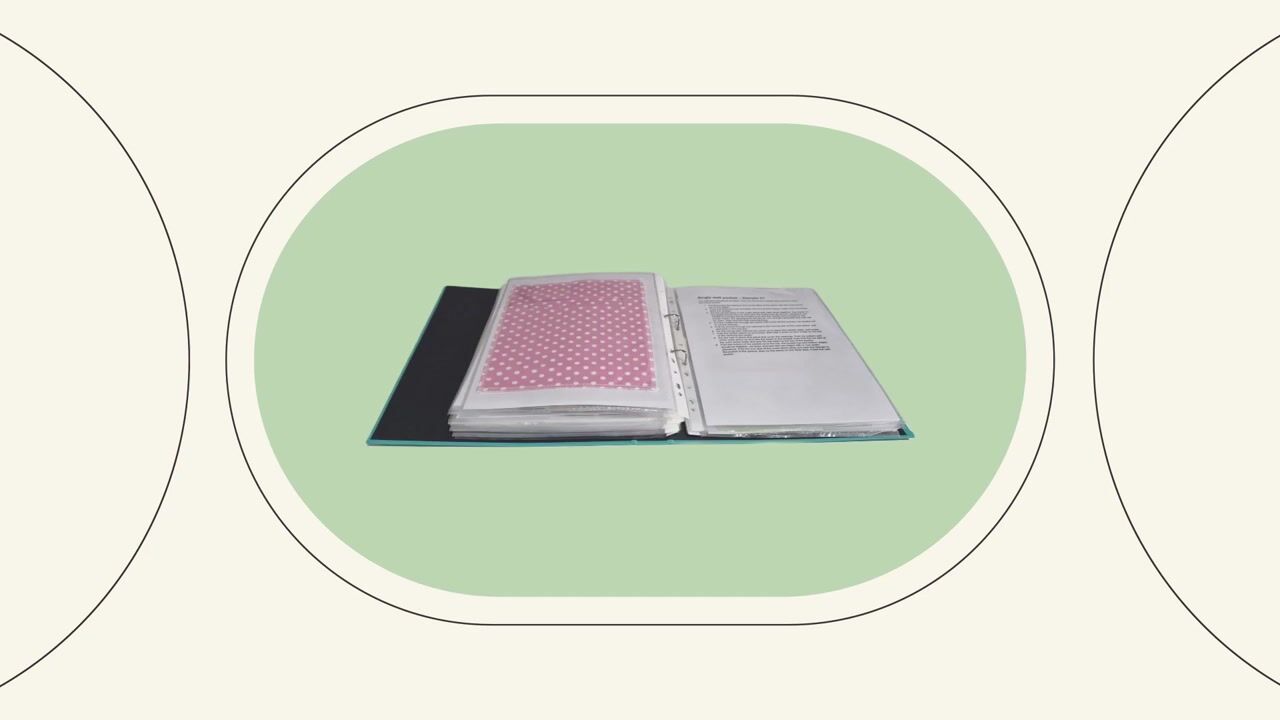
it looks correct. Make a note of the settings and keep it with your
sample in a file. A 14 centimeter or
5.5 inch strip from the fabric and set the remaining piece aside for the neck line
sample pattern. Then cut the strip
into smaller pieces, each about ten
centimeter or 4 " wide. You will use these samples
to test your sewing machine, experiment with different
stitches and adjust your settings to find what works best for your fabric
and for your machine. Fold a sample piece double and put it under the
universal sewing foot. Put your stitch length on 3.5 and set the tension of your machine
at the normal mark. On my machine, it's four. Start by sewing a
straight line to see how your machine performs
with the normal settings. On my machine, the stitches
come out perfectly. If your stitching doesn't
look right, don't panic. You will continue
testing until you find the correct stitch or method
for your fabric and machine. On the back, the stitches
look slightly loose, but this is necessary to
allow stretch in the seam. And there is enough stretch
in the stitching for a seam because of the slightly
longer stitch length. Set the stitch length to 1.5 and test what
difference it makes. H. The stitches were very small but even. And because this is a
firm spandex fabric, the fabric did not stretch out. There is enough stretch
in both stitch lines. Now, this might vary
on another machine. So I'm going to do the same
test on Viscos spandex, which is a thinner
and softer fabric to show you what might happen. The stitch length
was set on 1.5. You can see the fabric
as stretched out. This happens because there
isn't enough space in the short stitch length for the fabric to return
to its normal size. Now, see what happens with the
stitch length back to 3.5. Because of the longer
stitch length, the fabric did not stretch out. For the next sample, set your machine to a zigzag
stitch with a width of 0.5 and a stitch length of 3.5. And The small zig ac works well for seams, but it's not as neat
for top stitching. If your sewing machine has the option for a
double overlok seam, then you can try this sample. For any stitching on stretch fabric or other fabrics that are difficult to sew, you can place a piece of magic type under
the presser foot. In many cases, the type helps
prevent skipped stitches. This stitch work as both the seam stitch and the
overlook finish in one. The walking foot helps feed
both layers of fabric evenly, and in many cases, it prevents skipped stitches. It has feed dogs underneath the foot
that grip the top layer of fabric so that it fits
evenly with the bottom layer. Make sure that you buy a walking foot that
fits your machine. The feet might differ, but they all have a bracket that fits over the
machine's presser bar. This is the bar where the
needle clamp screw is attached. You can use the walking foot for seams and especially
for top stitching. There's your stitch
length again on 3.5. The stitching looks neat and has enough
stretch for a seam. You're going to use the twin
needle for sewing a hem. Light the second
spool of thread on your machine and thread it
the same way as the first, but guide one thread through the right needle and the other
through the left needle. Put your stitch length on 3.5 and the tension
on the normal mark. Fold a piece of
fabric over for the m. It should be a little bit
wider than you want the hem. This stitch is very stretchy, which makes it ideal for
seams on spondyx fabric. Trim the is fabric from the hem, right along this stitching, and you'll have a
neat clean finish. H.
24. Preparations for the neckline with a facing: Preparations for the
neckline with a facing. Download your sample
pattern and print it on A four or letter size paper with the settings on
actual size or 100%. Place the front
and back panels on the fold of the fabric
and cut them out. Make sure that you
pin them correctly as you learned in
the basics course. Keep the facing
pattern one side. Lay the fabric piece for the facing down with
the wrong side up. Check for the grain
of your fabric. Cut a piece of interfacing
the same size as your fabric. The smooth side will face upwards as the rough
side is the glue. Find the grain of
the interfacing. Place the interfacing with the glue site down
on the fabric. The grain should line up. A good quality iron
shoe is worth the investment as it prevents
burning or melting. Set your iron on a high
heat without steam. Cover the interfacing
with a piece of piper before you press it. Avoid pressing at one
place for too long, as the glue can overheat
and turns brown. Once you have completed the entire piece,
turn the fabric over, cover it with a clean
paper and iron it on the right side to
ensure a secure bond. Fold the fabric
double on the ground, place the pattern
pieces on the fold. Open them and cut it out.
25. The shoulder seams: Olok the outer edge of
your facing pieces. The front facing will be overlooked from the
shoulder to the V point, and then the other side from
the V point to the shoulder. Be careful when you overlook
not to cut into your fabric. At the V, pull the loose
thread toe through the overlook stitching at the
back to secure it neatly. If the overloking
looks a bit pulled in, smooth it with your fingers. Overlook the shoulder edges
of the front and back panels. Bn the front and back panels together with the right
side facing each other. A Do the same with the facing. Place a piece of
magic type under the regular price of food to help the
fabric light smoothly. Test your machine settings on scrap fabric before
you start sewing. Put the stitch length
around three to 3.2. Sew the shoulder seams with
1 centimeter seam allowance. Inspect your stitching
for any skipped stitches. If you notice gaps, restitch that section to
ensure a neat and secure seam. Your stitches are not
supposed to skip. So be careful not to pull
your fabric when you sew. The edges of the facing should line up on both
sides of the seams. If not, unpick and sew it again. Press the seams open.
26. Attach the facing: Fold the facing double at the
V point with the wrong side out and mark a line on the fold. The seam allowance for the
neck line is 1 centimeter. Make a mark 1 centimeter
from the inner edge of the V. If your pattern has a seven millimeter
seam allowance, then this mark will be seven
millimeter from the edge. This is the pivot mark, meaning you let
the needle down in the mark and then turn
to sew the other side. Pen the facing to the neck line. Make sure the shoulder seams
line up with each other. I The V at center front should
also be in line. The facing and the neck line should fit together comfortably. When you lay them down, they should align naturally. So be careful not to
stretch it while pinning. So the neckline with the 1
centimeter same allowance. When you get to the
V at center front, let the needle in
the mok and pivt Inspect your stitching. I
27. Clip the seam allowance and sew under stitching: Cut the seam allowance at the V. Be careful not to
cut your stitches. Then cut the seam allowance
around the curves. The more you cut into the seam, the neater the neck
line will turn out. Praise the sin to the facing and sew understiching
on the pacing.
28. Sew the Top Stitching: Then the s into the inside
and pin it all around. Hi tack the facing all
around the outer edge, making sure that the
facing and outer fabric lie smooth and flat. Use small tacking stitches so
that the facing is secure. The tacking stitches should be the same distance from the
neck line all the way around. If your seam allowance
was accurate, then the width will come
out perfectly even. Mark center back so that you know where to start
your stitching. For the top stitching, put the walking foot
in your machine. By using a walking foot, you prevent the top layer from stretching
out while you sew the top stitching
because the facing is firmer with the interfacing
than the outer fabric, and the walking
foot will help that all the layers fed
through at the same time. Start at center back and sew a top stitching slowly so
that you can keep control. Use a bigger stitch length. On my machine, it's 3.5. Tiest this on scrap fabric
before you start to sew. For a neat stitching, keep one side of the foot aligned with
the tacking stitches. So to the view point. Perfect. And continue
sewing down the other side. Remove the tacking stitches. When you press the neckline, press it on the inside. In other words, on
the facing to make sea mark showing on the
outer fabric less visible.
29. Sew the hem: Now you're going to
practice the m. Test your overlooker or search your settings on a
piece of scrap fabric, put the differential
feed die on normal. The stitch length
between three and 3.5, tension between three and 4.5, and adjust the
settings if necessary. If you are happy
with your stitching, but the fabric has
drawn in slightly, smooth it out with your fingers. Overlook the bottom edge
of the front panel. Yeah, you can see, again, the longer stitch length helps the fabric to move back
to its normal width. Fold the hem 2.5
centimeters or 1 " to the wrong side
and pin it in place. Now, you're going to sew the m through the
overlog stitching, but on the right
side of the fabric. We do a top stitching
because the bob and stitching is usually
not as neat as the top. To align the stitch with
the overloksm base it on the outside of the overlog stitching
with the hand tacking. The hand tacking will be your
guide when you sew the hem. Put your walking foot in your
machine for the stitching. Stitch length on 3.5. Tension on what tasted the
best on your scrap fabric. Sew the hem next to the
hand tacking stitching. Be sure to guide the fabric with both hands because pandix
moves a lot while you sew, and it can easily pull away. Once you are happy
with your stitching, you can take the
tacking stitching out, otherwise, unpick
and sew it again. Check if there is enough
stretch in the hem. Press the m on the wrong side. Then you're done
with your sample.
30. Test Your Skill: Now it is time to
test your skill by following the steps
from page five to 11 in the course preparation
and sewing guide to sew this line top. Please note that this is a test, so there will be no
video guidance included. For printing the pattern, set your printer to actual
size or 100% scale, not fit to page, and use auto orientation. For the course preparation
and sewing guide, you can set your
printer on Fit to page. If you don't have an
overlocker or serger, you don't need to overlook the edges as the fabric
will not unravel. Using an overlog stitch on
a regular sewing machine might stretch out or distort
the edges of your fabric. Instead, you can finish the
hems with a twin needle. Just remember to add
a little extra to the hem allowance when cutting out so you can fold a wider hem. Now that you know
what to expect, you one step closer to
starting your test project. Keep practicing, keep learning, and most importantly,
keep sewing.
 Loraine Vd Berg