Rose Leaf Study in Gouache or Watercolor | Mixing & Naming Neutrals | Holly Tomas Art | Skillshare

Playback Speed


1.0x


  • 0.5x
  • 0.75x
  • 1x (Normal)
  • 1.25x
  • 1.5x
  • 1.75x
  • 2x

Rose Leaf Study in Gouache or Watercolor | Mixing & Naming Neutrals

teacher avatar Holly Tomas Art, Watercolour | Gouache | Mixed Media

Watch this class and thousands more

Get unlimited access to every class
Taught by industry leaders & working professionals
Topics include illustration, design, photography, and more

Watch this class and thousands more

Get unlimited access to every class
Taught by industry leaders & working professionals
Topics include illustration, design, photography, and more

Lessons in This Class

    • 1.

      Welcome!

      4:29

    • 2.

      Creating Neutral Backgrounds

      10:17

    • 3.

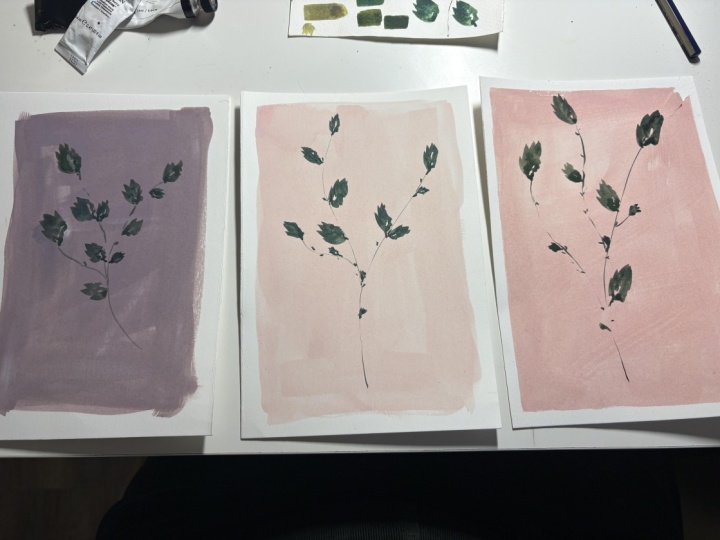
      Rose Leaf Study | Practise

      4:49

    • 4.

      Rose Leaf Study | Class Project

      3:38

    • 5.

      Thank You!

      1:15

  • --
  • Beginner level
  • Intermediate level
  • Advanced level
  • All levels

Community Generated

The level is determined by a majority opinion of students who have reviewed this class. The teacher's recommendation is shown until at least 5 student responses are collected.

29

Students

1

Project

About This Class

Accessibility: There are subtitles available for my hard of hearing & Deaf followers. Start your lesson rolling and click on the icon, which you'll find next to the volume button. A full transcript it also available. If you experience any problems with access, please don't hesitate to get in touch via a Discussion or over on instagram hollytomasart

Welcome to this is Grassroots introduction to mixing neutrals. In this series of classes, we're going to be creating effortlessly beautiful neutral backgrounds. Even more fun, we're going to name each one before choosing our favourite to paint a study on. In some classes the focus will be on the neutrals, in others the study will take Precedence.

  • The classes in this series will either be 'total beginner' level, or 'confident to intermediate' level. This class is set at beginner level.

Neutrals make THE best background for your studies. as they don't compete with your paintings, but rather offer a balanced supporting background, allowing your paintings to stand out. 

* I would suggest that you do a few backgrounds in each neutral colour, so that you don't feel pressured when it comes to committing paint to paper :O)
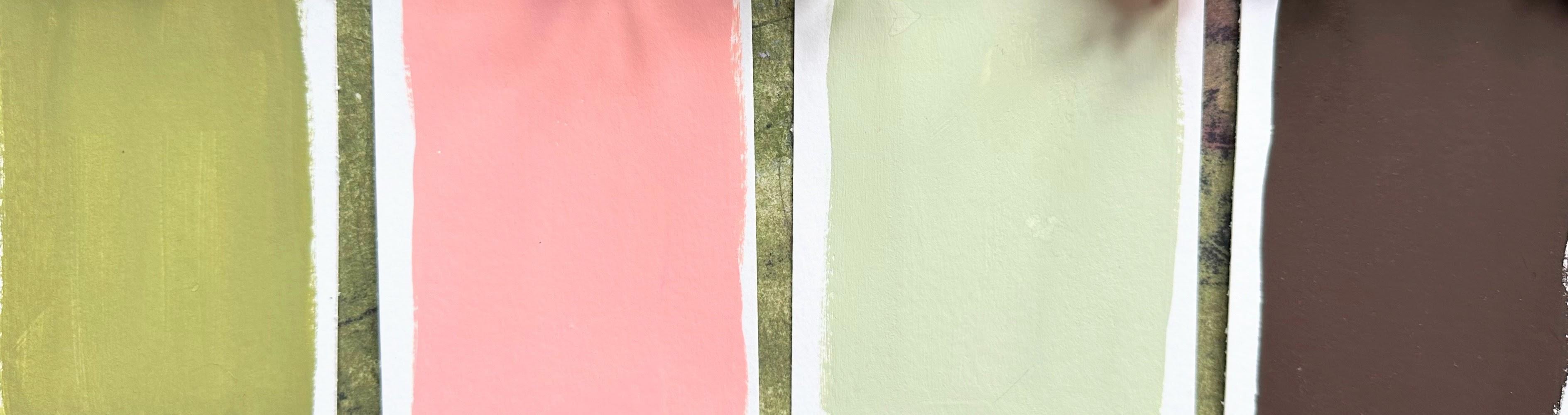
Neutrals can be warm or cool, 'Near to' (pale beige, green, mauve etc) or deeper hues. and we'll be running the full gamut of hues, from lighter grey, cream and fawns to Deep Violets, Caput Mortuum Browny Pinks and Russet Fox hues.

We'll be using only the 3 primary colours, plus white or black!!

If you have found, even getting started on neutrals a bit overwhelming, then this is your space to develop and learn. To tune into your intuition & relax. To challenge art technique "Oughts' 'Shoulds' & 'Have To's' & allow yourself to mix colours with abandon. We're going to engage with our curiosity and ask 'what would happen if'... and then do it! 

We're going to reach a place of confidence, where we'll feel able to replicate our neutral 'recipes' time and time again.
Even better.... we're going to name our curated colours! It really is great fun and will help to solidify your learning, whilst providing you with handy backgrounds for future studies.

So, I invite you to:

  • Explore,
  • Experiment
  • Express yourself

If you get an inkling to plump for a certain colour or colour combi, go for it! Don't question yourself. Getting in in that split second before our analytical brain kicks in, is the sweet spot! The more we practise this, the more trust we build in our decisions.

Above all, have fun!.... the great thing about neutrals is, you won't mix any 'yukky' colours!! lol... because the white and/or black is so balancing.... The addition of white transforms even the muddiest colours into sumptuous neutrals!! Don't take my word for it... try it for yourself :O) 

Class Study:
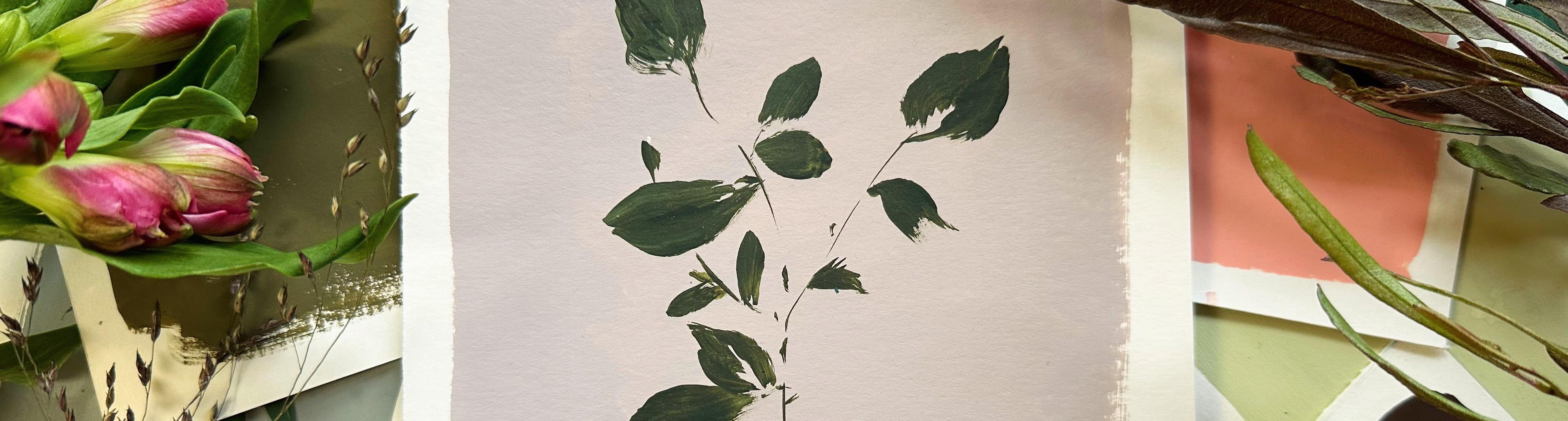
So, what are we going to be focusing on today?

In Class One of the series, we're starting off with warmer neutrals of Pink & Peach with a slightly red bias, before exploring Light greys.

This class is a beginner level class, though I feel it might be of interest to everybody & anybody... it's always handy to revisit neutrals from time to time, even if you're a seasoned artist.

We're going to create a wee Rose Leaf Study, choosing our favourite background to paint on. We'll have a quick practise on some scrap paper recreating on our background.

So, above all, we're going to have fun.... the great thing about neutrals is, you won't find any 'yucky' colours lol... because the white and/or black is so balancing.... so the addition of white transforms even the muddiest colours into sumptuous neutrals!! Don't take my word for it... try it for yourself :O)

So, shall we get started? Let's go!

MATERIALS

Watercolour or Mixed Media/Sketch paper (I used Fabriano Student Hot pressed)

White 

Black 

Ultramarine

Pyroll Red

Quinacridone Gold 

Hansa Yellow Light

Prussian Blue

1/2 inch flat brush

Size 10 round brush (I used an Escoda brush)

Meet Your Teacher
Teacher Profile Image

Holly Tomas Art

Watercolour | Gouache | Mixed Media

Teacher

Hello, I'm Holly :O) I am so happy to have you here!

I'm a Skillshare Teacher, recently selected for the Skillshare Rising Teacher's Programme. I paint flowers and leaves for the most part, particularly wildflowers, as I am surrounded by so much inspiration, living, as I do, in rural Scotland.

I love exploring new techniques, and I'm very keen on finding brush strokes and media which make painting just that little bit less challenging for us, whilst gently broadening our knowledge.... I always say 'easy but effective' is the way forward! My classes are mostly watercolour and gouache, but I also delve into mixed media & leaf printing.

I have a humble little mission statement :0) .... 3 facets which are really important to me, when I am considering cla... See full profile

Level: Beginner

Class Ratings

Expectations Met?
    Exceeded!
  • 0%
  • Yes
  • 0%
  • Somewhat
  • 0%
  • Not really
  • 0%

Why Join Skillshare?

Take award-winning Skillshare Original Classes

Each class has short lessons, hands-on projects

Your membership supports Skillshare teachers

Learn From Anywhere

Take classes on the go with the Skillshare app. Stream or download to watch on the plane, the subway, or wherever you learn best.

Transcripts

1. Welcome!: Welcome to this grassroots introduction to mixing neutrals. In a series of classes, we're going to be creating effortlessly beautiful neutral backgrounds. We'll be using gouache, but you could also mix your favorite watercolor to white gouache. In some classes, the focus will be on the neutrals. In others, the study will take precedence. Neutrals make the best background for your studies, as they don't compete with your paintings, but rather offer a balanced supporting background, allowing your paintings to stand out. Neutrals can be warm or cool near to hues like pastel peach, green, mauve to deeper hues like deep violets, brownie pinks and russet fox hues. We'll be using only the three primary colors plus white or black. If you found even getting started on neutrals a bit overwhelming, then this is your space to develop and learn to tune in to your intuition and relax, to challenge art technique, outs, shuds and half dos and allow yourself to mix colors with abandon. We're going to engage with our curiosity and ask what would happen if and then do it. We're going to reach a place of confidence where we'll feel able to replicate our neutral recipes time and time again. Even better, we're going to name our curated colors. So I invite you to explore, experiment, and express yourself. Above all, have fun. The great thing about neutrals is you won't mix any yucky colors because the white or black is so balancing. The addition of these transforms even the muddiest colors into sumptuous neutrals. So let's have a look at what we're going to be doing today. In class one of this series, we're starting off with warmer neutrals of pink and peach. Before exploring light grays, we're going to create a wee rose leaf study, choosing our favorite background to paint on. We'll have a quick practice on some scrap paper. Before diving into our study, Before we move on, I'm just going to take you through quickly all the different sections underneath the class. So the about section is full of class details and also a materials list. There's a project and resources area where you'll be able to upload your project and access any resources that I've shared. Next, we have reviews and a huge thank you to all of you who have taken the time to leave reviews. It means the world. Discussions is our lovely community area where you could ask me questions and share tips and feedback. And in our final section, you can access a full transcript of the class. So, shall we get started? Let's go. 2. Creating Neutral Backgrounds: In this lesson, we're going to explore a lovely neutral color, which I named cloud Blush. And we're going to use this for our rose leaves. Because we're creating backgrounds, there's quite a few papers that we can use. I'm using Fabriano studio Hot pressed paper, 11 " by 14 ", 28 by 35.6 centimeters. But you could use your favorite watercolor paper or mixed media paper. And you can see here I just folded it in half and creased just one tiny edge. And then cut that in half. And then I did the same again, creating a little crease. I couldn't see that one, so I'm just making a pencil mark. And there we have our study papers. Now, as the class went along, I did actually cut those in half again to create some smaller backgrounds. Onto our neutral background. So how did I reach the color Cloud Blush? Because I did all of the backgrounds together, a lot of them I did as I went along. So I started out with Pyle red and white. And I'm just using my flat brush there. I found that the best for mixing and for painting the backgrounds. So we're going to create a simple pink with just the Pyle red and white. Now, the Pyle red is very, very vibrant, so a little goes a long way. Adding a bit of water. I've really enjoyed mixing these neutrals. It's quite different for me, as I often work with bright colours. So some ultramarine blue now and a little handsome yellow light. Mixing a green a touch more pyl red. And then we're going to add little tiny touches of that green to the pink. And what that does is make it slightly more dusky. I love this color. Bit more white. And then I took a step further and added some quinacridone gold. So adding the quin gold will turn this more of the peach, and I've called this water Avon peach. Green gold is lovely to mix with. It's so vibrant. So a little bit more of the Pyrrole red, white, and quin gold together. Adding some water. And then I did a small background in this color. That's a gorgeous color. So that's a color that I called water Avon peach. And now I'm going to add more quin gold. See what happens if I push it even further in the direction of a peach. A little more white. Just mixing that all in. Let's see what that looks like. And then I used this on a larger sheet. The great thing about creating your own colors and naming them, which is fun, is that you can keep a track record of these mixes so you can come back to them time and time again. Lovely. So that's water Avon peach. I called this one summer storm. So we've got that lovely peach base at the moment. And then I wondered what would happen if I added some black. So that's lamp black and more white. So I'm knocking this peach right back now to create a gray scooping up all of that black. I love this color. That's so nice. We're getting closer to our cloudblush color. So that's our summer storm. So now I'm going to make that a lighter, warmer color. And this is how we reach Cloud Blush. Adding more Pyl red and white to that beautiful gray that we've just mixed. This was one of my favorite mixes. Just keep adding small amounts of Pyl red or your choice of red. And let's just put that down on this small piece of paper first. I love that so much. Gorgeous. Nice. And I am going to do that on a larger piece of paper, because I love it so much. Just waking that up again a little bit bit more water. I don't want to lose this color. I feel it needs to be slightly thicker, so I'm adding more white. And a touch more of the red so I know I can get a good coverage on this piece of paper. I think this is a mix I will definitely be remembering. It's going to make a lovely background. I wonder what names you'll have for yours. I'm glad that I had enough there. Gorgeousness. So happy with that color. 3. Rose Leaf Study | Practise : So let's just get a scrap piece of paper, and I'm using my size ten round brush. I've already got some green mixed up there from a previous painting, but I just want to show you how we can achieve this. So I wanted to create one of my favorite greens, which is ultramarine blue and quin gold. That's what that looks like. It's a bit dark, so I'm just going to add a little bit more quinacridme gold. Give that a good mix. Touch of white. That's looking a bit better. Bit more white. Yeah, I think I'll go for that. Just getting the excess paint off my brush. I'm using this brush in particular because it has a really good point. And let's just practice laying down a stem. This is going to be a bit more of an expressive one, so don't worry if your stems are broken. And of course, you can use a smaller brush if you feel more comfortable with that. So I just want three little stems, really. And I'm just adding some little dashes to denote thorns because I've got in my head that these are rose leaves. So let's have a practice of a leaf that I love doing. Let's do it down here. So put the brush down and then push back up to the left, and again, and then down to the bottom. And it gives you that serrated look. You can always bring a very thin line down in the center. It leaves some white space, which I think is lovely. I've been doing these leaves lately and really enjoying them. And then I just wiggle on that side. So let's try that again a bit more quickly. Aren't they cute? So we don't have to do them all the same, but let's start off with our top leaf. So just replicating that squiggly movement, let's add a smaller one here. So I've got a slight dry brushing feel. So I've got a lot of paint on my brush, not a lot of water. And maybe a very simple one here, tip, belly, tip. Then a little one. I love this color. And then maybe a little one going out rather than drawing in the leaf, a little movement outwards from the stem. I love these little leaves. Another wiggly one. I think we're almost done, but maybe something a bit further down here. Wiggly movement again on a smaller scale and another slight outward movement. E 4. Rose Leaf Study | Class Project: So here we are with cloud Blush. And I'm mixing up a green. We've just done this in our practice, but I did these on separate occasions, so I'm just remixing. Using the quin gold, Ultramarine and mixing those together, it makes the most lush green. And here's my size ten Escoda round brush. And a touch of white. Adding a bit of water there. If you see a lot of the background come through, that's okay. You can just allow it to dry and mix a bit more paint, less water, and you can go over it. So laying down those three little stems again, And you can always map this out with a pencil first. So adding our little thorns. I've kind of mixed the green and the white on my brush here. Just wanted to see what that looks like. Just get a mix of the paints on the page. Oh I'll see how that top one looks as they go along. And this one has a slightly different character to our little Practice one. Now we're doing that wiggly movement. And slightly dry brush effect on the edges. A smaller wiggly one, leaving the center as white space. And I'm just going over this because I wasn't all that keen on how that mixed on the page. And that's it. Oh 5. Thank You!: Thank you so much for joining me. I hope you're going away feeling so much more confident about mixing neutrals and using them for your own little studies. Today, we concentrated on rose leaves. But in other classes in this series, we're going to be painting yellow blanket flowers. Daisies always my favorite and Woodland motifs. So keep a lookout for these classes. You can build up your array of studies on your beautiful backgrounds. Any questions? Fire away. You can contact me through discussions when you upload your project or over on Instagram. Thanks again. Take care of yourself. Bye for now.