Transcripts
1. Introduction + Welcome: Whether you're an intermediate
watercolor artist, looking for a fun
project to work on where we're incorporating
different techniques, or perhaps you're looking to
understand more about how to use a reference photo to achieve higher
levels of realism. While not being a slave to your reference and trying to copy everything exactly as is, this course is for
you. Hey, everyone. My name is Erika, and I'm
a traditional media artist working with a range of
drawing and painting mediums. My day to day life revolves
around creating and selling as well as creating
helpful resources for beginner and
intermediate artists, which I share via my website, my YouTube channel, and, of course, my membership site. I have over 15
years of experience working in creative
and artistic fields, first as a graphic designer, and then I moved on to work as head art teacher in a school
environment for many years. During this time, I started my own art business on the side, selling art and also
teaching artists of all levels and ages out
of my own home studio. After some time, I decided to take what I was doing locally to the online space in order to help even during this time, it's been such a joy to connect with growing
artists from all over the world and being
able to help others in their journeys as I continue
growing as an artist myself. In this course, I am
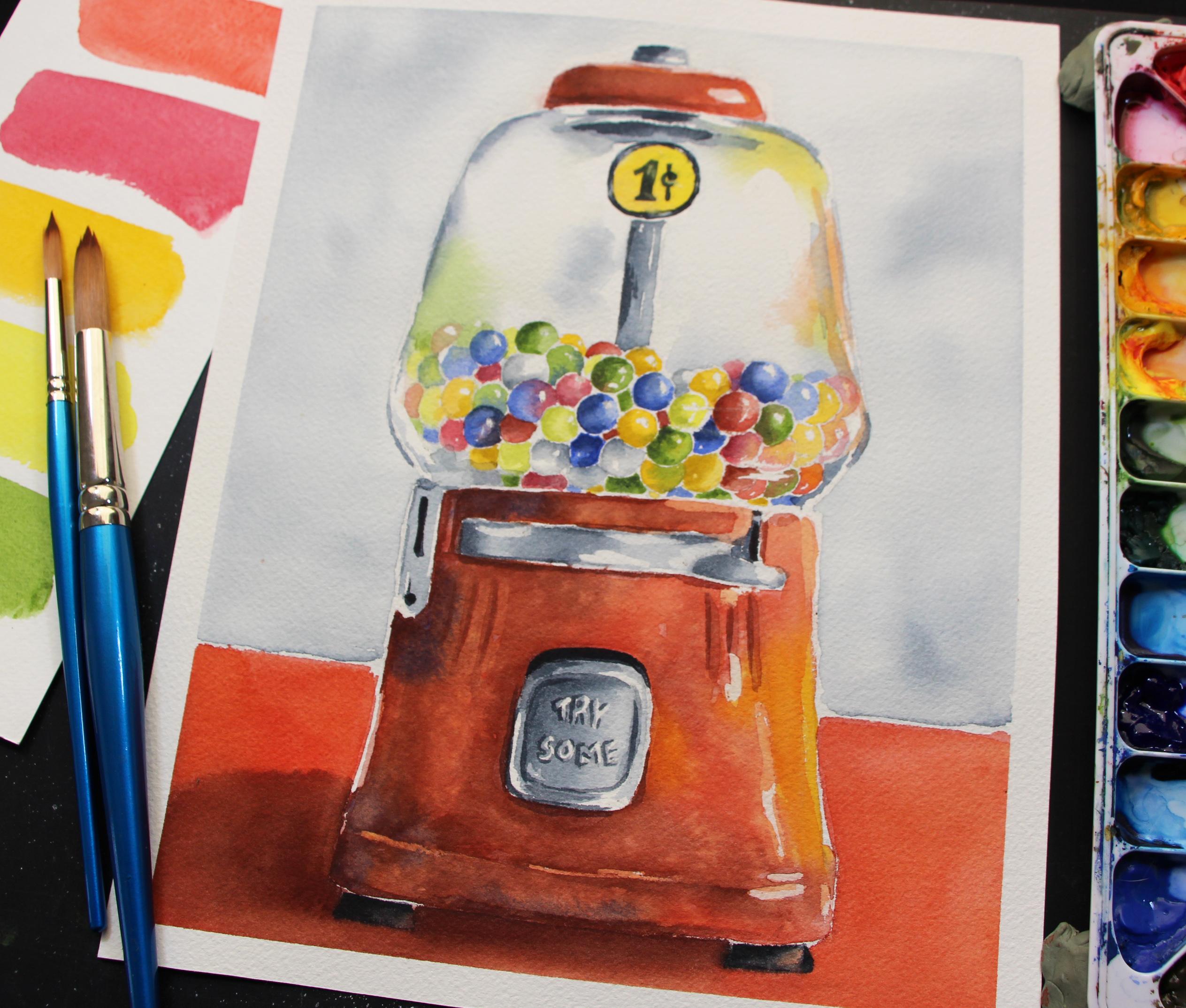
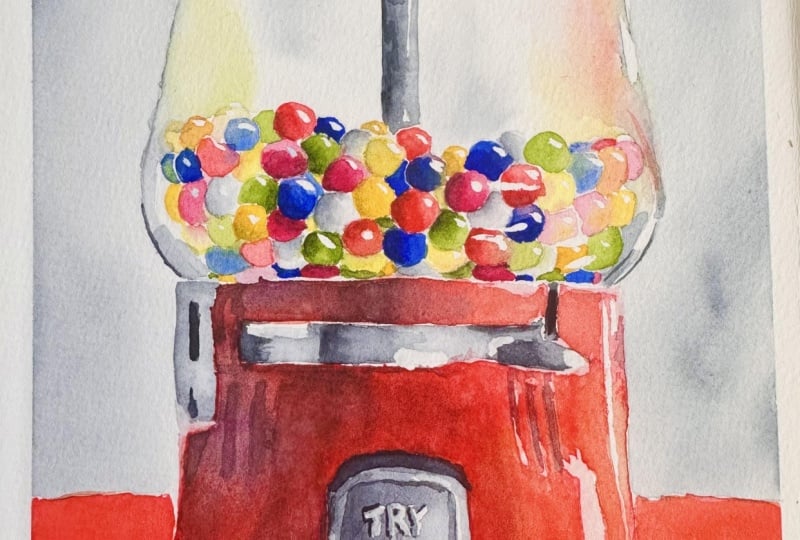
taking you through my entire painting process for this colorful retro
gumbo machine piece. Everything from initial washes to layering watercolor
for depth and detail. I share my thought process
and my favorite techniques. That help me arrive at a
level of realism that I enjoy while still keeping
things fresh and painterly. In this one, we're
not only bringing in foundational watercolor
techniques such as wet-on-wet,
wet-on-dry and layering, we're also bringing in
techniques that require a certain amount of
water and brush control, such as painting large washes, protecting highlights
with masking fluid, and also splattering,
scrubbing and blooms. This project is also a
fantastic opportunity to practice painting
glass and metal. As well as making
artistic choices to bring in more interest
and color harmony into the piece while removing or simplifying other areas that are not contributing
to the composition. If you're just getting
started with watercolor, I would highly recommend
checking out my watercolor one oh one course here on
Skillshare because in that one, I share essential information that you should be aware
of when it comes to watercolor and I provide helpful exercises that will help you develop
your skills faster. All right, so if you're
ready, let's jump in.
2. Course Project: By the end of this course,
you'll have completed a colorful and realistic
watercolor still life painting, featuring a retro
gumball machine. As you move through
these classes, you'll be gaining
powerful insights and tools that you'll
be able to take with you to tackle future
watercolor paintings with greater ease and success. I broke up my
process into phases, each of which has its own class. And before jumping
in, I swatch out my paint colours for you
on a scrap piece of watercolor paper so that
you can see what they look like and replace whichever you don't have with
something similar. Before putting
paintbrush to paper, I would recommend watching the next phase
through or at least skimming through that
video so that you can understand the objectives
for the phase on hand, the process, and also the main techniques that
are being used. This will help you
then follow along more smoothly and
with greater success. And I would recommend taking
your time with each phase. Don't rush through the process
and make sure that you're allowing each layer to dry
before working over it. I've prepared a set of downloadable files which you're
going to be able to find in the projects and resources tab right below any
of the class videos. Simply click on this tab, scroll down a little bit, and you'll find a section that is titled Download Resources. On any file that you
wish to download and it will be saved onto your
computer or device. For this one, you'll find the outline sketch that
I have prepared for you, which is what I would
recommend tracing over as you're doing
your transferring onto your watercolor paper. You'll also find a high
resolution reference photo, which is what I would recommend observing as you're
moving forward with the painting process so that you can see tonal
changes and shadows, details, textures, and so on. You'll also find a photo that
I took after having placed my masking fluid in case you'd like to use it as you're
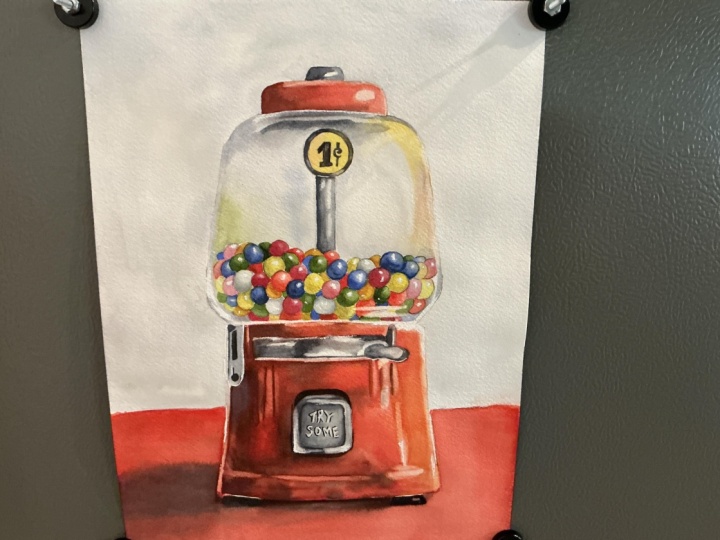
placing your own, a photo of my finished painting
in case you'd like to use it as reference as you're
working and your supply check. To post a photo of your
work here on Skillshare, all you have to do is click on the Projects
and Resources tab. Once you're in, you'll
see this purple button on the right that
says submit project. When you click on this button, you'll be taken to a
new page where you'll easily be able to both upload
a photo of your piece, as well as share any thoughts, experiences, struggles or questions that you
might have for me. Here you can create a
title for your project and click on that larger
content section underneath. And if you want to add in
that photo at the beginning, you can go ahead and click on that image icon on the bottom. Simply find the photo
that you're wanting to share on your
computer or device, select that file, click open, and it will be immediately added into this content section. Then under your image, share anything you'd like, whether it's
struggles, questions, wins, aha moments that you might have experience
throughout this course, anything you'd like to share. I always love hearing from you. At the bottom of this
content section, you'll see different icons. One is for formatting your text, you can use the other
one to add emojis, the Add Image icon, which we just talked about,
and you can even embed links. You're free to add even more
pictures if you'd like. They can be process
or supply pictures. And over here to the right,
we see this preview area where we can see a thumbnail or cover image for your project. You can go ahead and
change it to a title image that you have created in
a more horizontal format. You can just go ahead
and leave it as is. Once you're ready, go
ahead and scroll back up. Click on the Green
Publish button, and you'll be all done. If you'd like to share your
work over on Instagram, please do make sure to tag me at Erika Underscore
Lancaster Underscore Art. I love seeing student work over there and giving you
shoutouts in my stories. And, of course, go ahead and tag the Skillshare
account, as well. It goes a very long way and inspires other students
to share their work too. Skillshare is a
safe learning space for all of us to continue
growing together. So make sure that you're
using this gallery, and let's all connect
and help each other out. I can't wait to see your work and to help out with
whatever you might need. Let's move on to our next class.
3. Supplies: I'm going to be
working on a sheet of watercolor paper from arches, which is cold pressed. It's 140 pounds in
thickness or in weight, and it is 100% cotton. For this one, I would
definitely recommend using paper that is 100% cotton and that tolerates layering as well as the
scrubbing technique. This arches pad
that I have offers paper that is nine
by 12 " in size. But I did cut off
an inch so that that rectangular
format wasn't as long. So the sheet of paper that you're going to
see me work in is actually 9 " in width
by 11 " in length. Is totally up to
you if you want to cut off a section of
your watercolor sheet and work in exactly
the same size as I am or if you want to
work in a larger size. I'm going to be using a combo
of watercolor paint from Daniel Smith and Windsor
Newton's professional line. Seven paint colors were
used to create this piece, and these colors
were Windsor lemon, new gamboge, a zarin crimson, pyrrol scarlet, sap green, ultramarine blue and pains gray. I will be swatching out
all of these colors for you before jumping
into the process so that you can see
what they look like on paper and you can replace whichever you don't have with something that is similar
to what I'll be using. The brushes that I had on hand, as I was creating
this piece were four round brushes
in sizes 14, eight, four and zero, a
size six mop brush, and I will be bringing in an extra size ten multimedia
cheaper round brush. And this I'm not
sharing on screen, I just brought that in
to do my splattering, which is completely optional. And the only reason why I
brought in that extra brush is because it has
stiffer bristles and I think it lends itself better for the splattering
technique than these brushes that I'm using for the actual watercolor
painting process, which have softer bristles. I will be bringing
in a couple of extra cheaper brushes to
place my masking fluid. These are also a couple of
rounds in sizes six and zero. Aside from these basic supplies, I'm also making sure to
have a few scrap pieces of watercolor paper on hand to test out colors as I'm moving
through this process. I have my container
with clean water, which I change a few times. As soon as I see that my
water starts turning murky, I go ahead and change that. You're free to bring in a couple of different containers or even three containers
so that you don't have to change it as often
if you don't want to. I have my blue Scot absorbent towels in
order to stay on top of water control and do any lifting that I might need to do throughout
this process. I'm going to be taping down
my watercolor sheet with regular 1 " masking
all I make sure to do is run my pieces of masking tape over
my clothes a couple of times before using them to tape down my
watercolor sheet. This helps soften that
adhesive and make it less likely that I'll damage my paper at the end
when I remove it. I have my bottle of color less masking fluid from
Windsor and Newton, and you can also see a
few sketching supplies as well as a sheet of tracing
paper right here on screen, which were used to prepare my preliminary outline sketch
on my watercolor sheet. Before getting started
with the painting process. I do have a full
class on how I use tracing paper to trace over
my reference photo and do my transferring
and then how I do my final refinements and my final preparation of
my preliminary sketch. I'll make sure to link to
that class down below in the recommended resources
in case you'd like to learn how to use tracing
paper for your transferring. But of course,
you're always free to use whatever
transferring method you prefer to create your preliminary outlay
sketch on your watercolor. Would recommend tracing over
the outline sketch that I have created for you and not
over the reference photo. And this is because I have changed the composition
a little bit. However, I always like including the reference photo as
well so that you can observe that as you're
moving forward with the painting process so
that you can see shadows, value changes, texture
changes, and so on. Of your downloadables are in the Projects and Resources tab, which you'll see right below
any of the class videos. There you'll find your outline sketch, the reference photo, a photo that I took after having placed my
masking fluid in case you'd like to use it as reference as you're
placing your own, a photo of my finished piece, which you're also free
to use as reference as you're working and
your supply checklist. Go ahead and collect
your supplies and your downloadables, and I'll see you
in the next class.
4. Applying Masking Fluid: I I decided to bring in masking fluid
to block out highlights for this one because of the metallic and glass materials present in this gumball machine. It is super important to
make those highlights happen when it comes to this reflective and
smooth material. By using the masking fluid, we're going to be
able to speed up other parts of the
painting process because we're not going to
have to very carefully make our way around these
highlights and stuff. We're going to be able
to paint quickly and in an expressive way and the masking fluid is going to keep those highlight
shapes protected. I have on hand are a couple
of different round brushes, and these are cheap
multimedia brushes. This is a size six round brush, and this is a zero right here. And I've already coated these bristles with
liquid hand soap, which is going to help protect those bristles from the
masking fluid because masking fluid is liquid latex and it dries fast
and it dries hard, and it's going to completely ruin your paintbrush bristles if you don't keep them protected
with some kind of soap. And even if you do take those measures to
protect those bristles, I still wouldn't use your favorite expensive
watercolor brushes for the purpose of
placing that masking. Just going to be
changing between these two brushes as needed, depending on the size
and the complexity of that highlight shape that I
am going to be blocking out. Now, this is a masking fluid
from Windsor and Newton. It's color less masking fluid. All I do is pour some of this masking fluid
into this little cap. I wouldn't necessarily
recommend you use the cap of the bottle to pour that masking fluid into
because as I said, the masking fluid
dries very fast, and if it dries on those
edges of your cap, it can make your
bottle harder to open. If you have anything similar
to that that you can pour your masking fluid into,
that's going to do just fine. I'm doing here is I'm observing that reference photo and I'm going to make my way
from top to bottom, starting with my size
six round brush. I'm just observing those brightest almost white
looking highlight shapes that I see present throughout
this gumball machine. That is essentially what you're
going to be blocking out. I would recommend making sure that your masking
fluid is placed in a thin application because this is going to help that
masking fluid dry faster. If you place it in
a very thick blob, that is going to take
a lot longer to dry. Other thing that I want to
make sure that I mentioned is just because we're
using a reference photo, it doesn't mean that we have to create a carbon copy
or make everything exactly the same as
it is present in that reference photo in order to arrive at believable results. It is very important that yes, we're observing that
reference photo in order to see the different
value shapes or tone shapes present throughout
these different parts of the gumball machine and how those different value shapes
relate with each other. What I mean by this is constantly observing
and asking yourself, is this section here light darker than this other
section over here. What you're painting is a
three dimensional structure sitting in space that is
being affected by light. You're painting
something that is three D that has plane changes, and in this case, I can tell that the light is hitting this object
from the right. If you notice the
brightest highlight shape in this glass section
is right here. It's a big abstract, white highlight
shape right here. There is also a very
bright highlight shape down here in this metal section. I also see the cast shadow on the surface of the red table
right here on the lower. Opposite to the light source. I used my artistic
license quite a bit, especially for the table, and I also removed this bottle right here on the I think
it's a mirror over here. I removed all of that, and I also changed
the table line, so it's just straight horizontal instead of a slight diagonal, taking a little bit
of masking fluid from my little cap here. And I'm noticing where those
brightest highlight shapes are that I want to mask out. I'm just going
over those shapes, making sure that these shapes
that I'm masking out are relatively small and also
very abstract and irregular. I don't want to create
very large, blocky, very geometric shapes when
I'm placing my masking fluid. You don't have to
worry about getting in every single little
highlight shape that you see in the reference photo and your
highlight shapes don't have to be exactly the same as you see them in
that reference photo. There is room for looseness and a certain level
of interpretation, and as long as you have the three
dimensional structure and the light source in
mind as you're creating these different highlight shapes and tone shapes in general, as we move forward in
this painting process, you will arrive at
believable results. You just have to make sure that the different tonal
or value shapes that you create are similar to what you're observing there
in that reference photo, getting those tonal
relationships right. It's a small narrow
highlight down here. I don't want you to get super perfectionistic
and obsessive about getting everything
exactly as it is in that reference photo
because it's not necessary. In fact, oftentimes, especially when we're
working with watercolor, trying to get things
exactly the same as you see them in whatever
reference photo it is that you're using or even if
you're observing something in real life that you have in front of you
that you're painting. Sometimes that is going to be a disadvantage because when you're painting with watercolor, you can start over describing or overworking the piece
with too much detail. Quite easily, way more easily than with other
painting mediums. This medium lends itself for creative expression when
it comes to choosing your colors and honestly making decisions as to the
level of detail that you're going to be
adding to the piece. I'm going to be, of course, taking a photo of my piece after having placed my
masking fluid so that you can have it as reference
as you're placing yours and you're going to be able to find it
as a downloadable, that's going to be
available for you. And I'm going to switch
to my smaller brush. I just add a few
little highlights to some of these gumballs. These over here
nearest the light. I can see many of these
have little highlight. If you notice those little
highlights in those gumballs, they are all on the upper right, which is nearest
the light source or the part that is closest
to the light source. Not all of the gumballs have to have a little
highlight, by the way. But as long as a lot of them
do, we're going to be good. Make sure to keep your
application of masking fluid nice and light and
a thin application. I'm going to create
a highlight here, long highlight on the glass, little highlights on the glass. And this is colorless
masking fluid. So when I first apply
it on my paper, it goes down, white
and opaque and milky. And as it dries, it becomes more like a thin
translucent yellowish film. And that's when you know
that it's dry when it looks like a transparent
yellowish film. You have to make sure that
before you start to paint, your masking fluid
is completely dry. It should feel tacky but no
longer sticky to the touch. Okay. I'm almost done here. Going to do a little kind of
an outline to the sticker. Not a completely totally
all around outline, just in a few edges
here and there. And finally, going into this bottom metallic
portion here. Try to think of where edges that are coming out from the structure could
be catching light, and you can place some
masking fluid there. I'm also going to
be blocking out the letters in this
little flap that opens. Even though the entire letter is not going to be a highlight, I mask out the entirety of these letters because
I want to paint them after I've painted the overall
general majority portion of the little flap, and I want to give myself more control so that I can paint those letters very carefully
and make them legible. But as I said, not
the entire letter is going to be white or the
whiteness of the paper. I'm just going to be leaving little sections of those
letters as highlights. But I'm going to be developing a little bit of a
range of gray values throughout each letter so that I can give them a sense
of three d form, a voluminous structure
popping out from that flap. Bit of this edge over
here nearest the light. All right. Awesome. I'm all done with my masking
fluid placement. I'm going to go ahead and wash out these
paintbrush bristles before the masking fluid damages them anymore
than it already has. I'm going to pour my
masking fluid back into the bottle and I'm going
to close it tight. A
5. Swatching Paint Colors: Through repeating colors,
we're going to be able to harmonize the painting more and we're going
to be able to create much more integrated
end results. The first color that
I'm going to be using is Pyl scarlet, which is a warm red, and this is a red
from Daniel Smith. I'll show you what this looks like so that you can replace this color with
whatever you have that is similar to this, a warm red. The next color that
I'm going to be using is a zarine crimson, which is a cool red. This is a zarine crimson from Windsor Newton and
it looks like this. The next color that
I'm going to be bringing in is new gamboge, which is a warm yellow, and this is from Windsor
and Newton as well. The next color that
I'm going to be using is Windsor Lemon from
Windsor and Newton, which is a cool yellow and
Windsor Lemon looks like this. The next color that I'm going
to be using is sap green from Windsor and Newton and
sap green is a warmer green. Let's watch it out for you. Sap green looks like this. I'm going to be bringing
in ultramarine blue, which is a warm blue, and ultramarine blue
looks like this. Finally, I'm also going to
be bringing in Panes Gray, which is a cool
blue biased gray. Pains Gray looks like this. This is it in terms of the different colors
that I'm going to be using for this painting.
6. Top, Sticker + Gumballs Layer One: I'm going to get started with this top metallic
section right here. This is gray, this is red. I'm going to be
kneading my pains gray and I'm going to be
kneading my piral scarlet, which is a warm red. This is a size
eight round brush. I also changed my water. By the way, I have
clean water and I'm going to take a small
amount of this pains gray. You can see how I'm taking
it from the edge of this pains gray puddle here
and it's pretty water down. I'm going to start
painting this section in using just the tip
of my paintbrush here. It's a very small shape, so you'll want to stay
on top of water control. And keeping things light
and watered down initially pretty pale so that I can build toward those
darkest values. You can even do some lifting if you feel you've darkened
things too much, especially on the right
because the light is hitting the gumball
machine from this side. I remove that paint from my paintbrush
bristles and now I'm going into the pyroal scarlet. Same thing here. I'm making sure to take my color
from the edge of the puddle and I'm
making sure that my color is relatively
water down. Starting on the darker side, which is over here, going to start painting this in. I always start in the
darkest side that I see in that reference photo or
darkest area that I see, and I make my way towards the lightest area
because this helps me not apply too much pigment too quickly into those
lightest value areas. Running my paintbrush bristles
over everything a couple of times so that it can stay
wet for a little bit longer. Taking a little bit more
of this pyal scarlet, but now from the center
of the puddle here. I'm going to start developing
those darker values in this area by dropping in more of a saturated pyal scarlet
on the darker side, leaving lighter areas or paler
areas in the lighter side. As I mentioned before,
I'm going to be creating a darker version of
my piral scarlet by adding a little bit
of pains gray into it and I don't want to
go too dark too fast. We're building incrementally towards those darkest values. So don't add too much
gray into your red, but do get it darker than the plain red that you
were just using before. And this is still
wet, by the way, because I took my time with
that first layer and I ran my paint brush bristles over that shape a couple of times, which keeps it wet for
a little bit longer. As you can see, I
darken those areas, especially the left half, which is the side opposite
to the light source and it's the darker area that I
see in that reference photo. You can always go in and do
some lifting if you feel that that darker red has expanded too much or you've darkened
things too much in general. Go in while the paint
is still wet and use the clean and only
slightly down bristles of your paint brush as a
little absorbent sponge. Right? Moving down from there, I'm going to paint
in the first layer in the sticker,
which is the yellow. When it comes to
the yellow sticker, I don't have to make my
way around the one and the scent symbol because that's going to
be painted black. The paints gray, which is what I'm using for my
grays and blacks. That is going to completely cover up the yellow underneath. So it's absolutely no issue if I just paint in everything
with yellow first. I'm going to be using the
new gamboge for the sticker, which is a warm yellow, and I'm going to make sure that my yellow is nice
and watered down. Think of a tea a coffee
consistency for that first layer. You don't want to go in super saturated right off the bat, or too dark right off the bat. Even if the yellow
is a light color, I still want to make
sure that I'm going in nice and watered
down initially, and I'm just going to
paint the entire thing. Why not? I'm going to take a little bit of my cool yellow. I'm going to pop it in there
for just a little bit of a cool yellow glow
in certain sections. Okay, so I'm going to start with my first layer in
all these gumballs. For this, I'm going
to switch on over to my size for round brush. It's just a bit smaller, so I think it'll be helpful
for those smaller shapes. For this first layer
in the gumballs, I'm going to make sure to go in with all of these
colors that I'm going to be using in a pretty
water down pale state. These are just the
first lightest values that we're creating with this
first layer all throughout. You don't want to go
too dark too fast because that is going to
lead to a flat heavy look. We need those lighter values to create a little bit
more of a spherical, believable, three d
to these gumballs. That's number one. You
want to go in nice and light and pale with
all of these colors. The second thing that I
want to make sure to do, if you zoom into the
reference photo, you're going to notice that some gumballs are reflecting
off others or you're seeing a little bit of the color
of the gumball next to it or above it on the gumball
underneath or next to it. And what I'm going to be
doing is I'm going to be creating little blooms here and there, just as an example. If this is a blue
gumball and this is a yellow gumball
sometimes you're going to see a little bit
of blue on the yellow one or a little bit of
yellow on the blue one. This is something
that I see here and there happening
throughout that photo. But I'm going to be using my artistic license and I'm
probably going to be doing this more than I actually see it happening in that reference
photo because again, I know that this is
going to help me create more of an integrated,
interesting look. Another thing is if I want to change colors of
specific gumballs, I'm going to go
ahead and do that. I am not going exactly
by what I see in that reference
photo and also I am sure that I have extra
gumballs added into my pencil sketch and maybe
I've even left some out. That is perfectly fine. Let's jump right in. I'm going to be
using my size for round brush and I'm taking a little bit of this
lazarin crimson. From the edge of
this puddle here, it's pretty watered down, as you can see, I'm noticing where some of these
pink gumballs are. I'm just going to
start painting in that first pale layer. Water down a zarin
crimson is going to look pink. Skip one. Feel free to leave
extra little teeny tiny highlights
where the paper is left alone and unpainted if you want to add
extra highlights. There's a pink one here. Um. If you make sure to run your
paint brush bristles over these shapes and this
initial layer of paint, it's going to stay wet for a little bit longer so that you can create those blooms that
I was talking about before. This is new gamboge,
my warm yellow. This is going to be
an orange gumball here in between these two pinks. I can place a little
bit of that orange in the gumballs next to that one for a little bit
of a reflection there. I can go in and paint that
orange gumball right here. If you're trying
to stay away from bleeding where you have colors starting to
merge into each other, then I would recommend
jumping around. But for me, I'm pretty
happy with bleeding, especially in this first layer. I think it'll look very nice. I remove that paint from my paintbrush
bristles completely, and I'm going into the blue now. Uh, When I was choosing my colors
for this piece, I did notice that there are lighter blue gumballs
and darker blue gumblls. But I made a choice since
the beginning to just use one single blue and keep all of these blue gumballs
in the same blue. Before this blue dries, I'm going to pop some
Windsor lemon into this one. Because this is going to be
a yellow gumball over here. Doing a little bit
of lifting here. I don't want to go
too dark too fast. So whenever I accidentally go in with too much paint or
color that is too dark, I immediately remove that paint from my paintbrush bristles and go in to soften with a clean
and slightly damp brush. H. I'm going to switch colors
and I'm going to do some pyral scarlet gumbels
warmer red gumbels. That's too much paint.
That very small shape. This is a very
repetitive process, but try to enjoy
what you're doing here and create those little
blooms whenever you want to. Not every single
gumball has to have a colorful bloom in it of a different color, but maybe 20, 30% of your gumballs can have them so that you can have
an interesting look and more of a cohesive
feel in this group that's made up of all sorts of different colored objects. Y. Too much paint, helping myself
with my absorbent towel. I'm going to take
some sap green, add it onto my
palette and make sure to go in nice and
pale initially, taking some green from the edge of my puddle and
getting started here. Okay. Another green one down here. You can see how I'm constantly helping myself
with my absorbent towel, dabbing the tip of my brush onto that towel to remove
excess water and paint. As you're painting in
all of these gumballs, noticing those edges
is very important. Took some of my zarine crimson and dropped it right there onto that edge of this
green gumball so that I can create that
illusion of reflection. This gumball that I painted with a zarine crimson is
reflecting off the green. I'm going to paint
some cool yellow ones. For that, I am using
my Windsor lemon. Taking a tiny bit of this
Windsor lemon and dropping it into this gumball
right here underneath, which is still wet because
I just painted it in before for a little bit
of that reflection. Continuing with the
yellow gumballs. H. It's super important when you're painting
something like this to understand or at least
plan which gumball is in front of which or behind others so that those edges of those shapes can make sense. Going to go back
to my new gamboge, which is the orangish
looking yellow, the warm yellow, and I'm going to paint some of
the orange ones. Very small shape here. I'm going to drop
in a little bit of my new gamboge into
that sap green. The green is still wet so
I can take advantage of that and continue painting
my orange gumballs. You can create as many
little blooms as you wish and continue
jumping around if you're not looking for any bleeding. Okay. I'm going to do a
few white ones now. For this, I'm going to
take some of my pans gray. It's very water down. Going to take just a bit
from the edge of my puddle here and I'm going to notice where some of these
white gum balls are. I'm going to start
developing a little bit of a gray value on the edge of the gum ball that is opposite to
the light source. If you want something
to look white, you do have to make sure to incorporate plenty
of that white paper, don't cover up all
of that paper. The paper is going to help
that gumball look white. If you just go in and
cover it all with gray, it's going to look
like a gray gumball. Wherever a gumball
is creating a shadow on a gumball under it or
behind it or next to it, you can also paint a little
bit of a shadow there. Right here, we have another white one and
another white one down here. This is definitely a lot of
shadow under some other ones. I I'm just going to do a little bit
of softening of this edge here for
this gray shape. It's looking a little bit too
sharp for this first layer. You can always go in
and soften edges with a clean and slightly damp brush and even soften that
color if you need to. I'm going to paint
one more gray one before switching colors. G to make this one a
white gumball right here. Okay. I'm going to switch on back to the blue
and paint a few blue ones. Back to the ultramarine blue. I changed these gumballs
on the right half or right third quite a bit from what I saw in
that reference photo. I'm just going to choose
what colors I want for these gumballs and paint them to my liking blue one down here. This first layer, when it comes
to painting the gumballs, is the most time
consuming one because we're painting the entire shape for all of these gumballs. But when it comes to the
second and third layers, those are going to
be faster because we're just going to be
painting the shadow shapes. I I'm going to add a little pink bloom
on this one because I have an lazarin
crimson gumball here, so I can take some
lazarin crimson, pop it into the blue there. Just touch the tip
of the paintbrush to the previous color that is still wet and that is
going to create a bloom. Okay. Nice little pink
reflection there. Softening the transition
a little bit with a clean and slightly
damp brush. All right. Moving on from there,
more blue gumblls This gumball right there
next to the one that I just painted was painted with a
warmer piral scarlet red. I'm going to do a little bloom on that blue gumball
using that warmer red. I'm going to do some warm
red gumballs over here. This one is right beneath
an orangish gumball. I'm going to do a little
bloom with the new gamboge, added more new gamboge
into that palette. I'm just going to
pop it in there. Can barely see it because
this red is so intense. All right. Removed all
of that color from my paintbrush bristles and going back into the pains gray, very water down pains gray, and I'm going to do a
few more white ones. Painting in the shadow shape right beneath this orange one. Leaving plenty of
that white paper shining through in this one
so that it can look white. I'm just softening the edges of those gray shapes that I just painted in with a clean
and slightly damp brush. Back to the gray, and I'm going to paint in
some shadow shapes. This white gumball is
beneath the yellow one. Same thing there. I painted
in those gray shadow shapes. I remove that gray from
my paintbrush bristles and I'm going into soften
edges of those shapes. Painting in a tiny
section of this one here, the bottom, which is in shadow, so I can go in with more gray or cover up more
of that white paper. Go to paint a few
more green ones. I feel I'm missing
some green gumballs. Going back to my sap green, adding more sap green
into this puddle, but I'm going to make sure
to take the sap green from the edge and make sure that
it's pretty water down. Going to add a little bit
of a zar and crimson into this one a bit because it's
next to a pink gumble. I can add some blue into
this one because it's next to a blue gumble. I painted that color in, remove that color from
my paintbrush bristles and those green
gumballs are still wet. While they're still
wet, I'm going to make some little ultramarine blue
blooms in these gumballs. And here, I'm going to paint a few more green ones. I remove that ultramarine from my paintbrush bristles and I'm going to make
this one green. I feel like I'm missing some green ones over
here on the right. I'm going to add
some lazarin crimson into these in just a bit. A little section of a green one peeping out from behind
those blue ones. Green one down here. Maybe I can add some
red into this one. Before that layer in those
green gum balls dries, I'm going to take
some lazar crimson. Pop some in here and here. Softening that little transition just a bit with my brush
before allowing this to dry. But I'm really doing my best
to allow that paint to do its thing and I'm
not overblending. If I start over blending, I can start muting down colors, especially when it comes
to complimentary colors, red and green are complimentary colors in the color wheel. If you continue over blending, you can create a gray or
even a brownish color. Try your best to allow that
paint to do its own thing. If you need to go in and
soften any transitions, do it minimally
and super gently. Going back to my orangish
color, the warm yellow. And I'm going to continue
painting a few more. Maybe I can do a green bloom
on that one in just a bit. Um gonna make this
one warm yellow. But as you continue painting
in all these shapes, really understand
what's covering up taking some sap green, adding it into my
palette so that I can thicken up that mixture
a little bit more. I'm going to pop it in
here in this bottom one. By doing these blooms, I'm integrating
things more so that the gumballs look like they
are part of the same group, part of the same composition. A I'm going to take more
of my zarin crimson. Play some zarine crimson. This one to darken some areas
because it's in shadow. Go to paint this one in
with a azarin as well. I'm missing some
red in this area, I'm going in with
some lazarinPainting in a section of a pink one that perhaps
is behind all of these. Really paying attention to the curves and the
ones around it. Another are a azarin
Crimson one over here and we're almost done with this first
layer and the gumballs. Going to do another piral
scarlet one with my warm red. Paint in the space in
between these four. My pyral scarlet. Maybe in here as well
in between these four. I think I'm missing some
green ones down here. I'm going to take some
more my sap green, add it into my mixer, water it down a bit, paint
some other ones down here. Make this one green as well. M paint in this section green in between these other gumbals. And a little section here. And a little green
section right here. I'm going to do a final bit of a yellow one with my cool
yellow Windsor lemon. This is a white one in
the reference photo, but I'm going to make it yellow. I think I have
enough white ones. I'm going to use the same
yellow to paint this one. I'm going to take
some of my blue and paint in some of these
sections at the bottom. I'm going to take some of my new gamboge,
the warmer yellow, and just paint in a little bit of this color in these other little sections. With that, we're
going to be all done with this first layer
in the gumballs.
7. Metal Base + Glass Layer One: I so now we can get to work on
the bottom portion of the gumball machine. For this, we're going to be
using the same colors or color mixers that we were
using for the top portion, which is the piral scarlet
with a little bit of pains gray and the
pains gray on its own. This bottom portion though is, of course, a lot larger, so you do want to make
sure that you're using an appropriate paint
brush for this area. I'm going to be
switching between my size 14 round brush and my size eight
round brush for this. I'm going to add more pains gray into this portion of my palette. Remove that pains gray from my paintbrush bristles and I want to make
sure that I have enough pyal scarlet over here and I'm going to be creating
the darker version of my pyal scarlet with some pains gray right here in this
little corner of my palette. I'm just going to go
right in to start painting those
metallic sections, the ones that are
gray or silver. Those shapes are much
smaller than the red part. For that, I'm going to be using my size eight round brush. Going in with a T
consistency of pains gray. I'm just going to go right in. You can paint over any
black looking sections because those are just going
to be painted over the gray. I'm going to lighten a
good amount of this. Just going in with lifting. My color was a little bit too
dark for that first layer. Going into this part
right here, once again, starting on the dark
side opposite to the light source to give myself a little bit more control space and making my way
toward the light side. I can just paint this section in along with the
larger portion of it. With that second layer that
we're going to be working on, we can define and darken,
separate out sections. Here, I can do some lifting in those lighter
sections that I see in the reference photo
using the bristles of a clean brush as a
little absorbent sponge. Moving on from
there, this section right here is very dark, so I can go right in and
paint it with my gray. And this entire section here
can also be painted in. I can just paint in that whole. Right above this
little flap that opens and just painted in along
with this flap at once, combine these two shapes and then we're going
to be separating out the shapes with the
second and the third layers. Once we're darkening the darkest darks
and defining edges, that will visually separate
out the two sections. For now, we can just
paint it all in at once. If you feel you've
darkened things too much or you need to
go in and lighten, use a clean and slightly
damp bristles of your paintbrush as a
little absorbent sponge. I also have to paint in the little plastic
sections right here in the bottom which help keep
the candy machine in place. Those are very, very dark black
looking plastic sections. I'm not too worried about keeping very light
value areas visible or little highlight shapes in these little feet, if you will. These keep the candy machine
from slipping around and sliding on the surface of the table or wherever
it's placed. I also want to paint that
bottom metallic part of the upper lid of the candy machine and this host or pole
there in the middle. For that, I'm also going to be using the plain Pains gray. I'm going to leave some little
extra highlight sections. I take a little bit
more of this Paine's gray and darken this section opposite to the light source. The left half. Start creating a little bit of a variety
of gray values here. Taking more of my pains gray, and I'm just going
to be darkening some little sections
over here in a very loose expressive
way to help me convey a little bit of
that metallic thing right here under the lid. Taking a little bit
more of my pains gray. It's a very dark section
there under the lid. I added more pains gray into the mixture and I'm
just dropping it in Dropping in more
paints gray there. Little bit of lifting
here on the light side, and I'm all done there. Let's move on to painting the reds in this
metallic vase here. I'm going to switch
on over to using my size 14 round brush.
It's much larger. It's going to help me paint
this section nice and quick. Make sure that this is plain piral scarlet that I'm
going in with initially. Colors can definitely start intermixing on your palette
if you're not careful, starting on the dark side opposite to the
light source again. Dipping my paintbrush in my water and
softening this color. This is a pretty large
area and I want to make sure that I create
some nice effects with my gray and so I want to make sure that I am taking my time as I am painting in
this initial layer of red. Make sure that you go over
everything a few times so that the red layer can stay wet
for a little bit longer. You want it workable for
a little bit longer. And so what you're going to
see me do is I'm going to dip my paintbrush in
my water a couple of times as I move
through this process. I'm also going to
continue coming back to this section
where I started. And then I go back to
where I left off and I make my way a little
bit further down, and then I go back
to where I started, I re wet this area, and I then go back to continue covering
up a little bit more. Because if you just make your way once from
left to right, by the time that you reach
this edge over here, this edge is going
to be dry already. As I said, my objective is to keep things wet for
a little bit longer so that I can have more time to darken areas and develop that range of
values that I need. I'm going to go in
with a little bit more paint and drop it in here. I cannot emphasize enough how important it is that you take your time with
this initial layer, remove that paint from
my paintbrush bristles, remove that excess water. I quickly pick up that
edge with a damp brush and make my way toward the
light side on the right, pulling a small amount of
paint toward the right edge. Because I've been
working pretty quickly, my paint is still damp. I'm easily able to pull some of this paint toward
this lighter edge. Using a larger
brush is definitely helpful when you're painting
larger areas as well. This would be super aggravating and frustrating to paint
with a smaller brush. You wouldn't be able
to move as quickly. Or load up enough paint to paint quickly in your
paint brush bristles. The larger the brush, the more paint and water it's able to hold
in its bristles. It's going to help you paint those large sections
much faster. You need to make sure that
you have the right tool in your hand that is
going to help you with that area that you're
painting or that part of the painting process that
you're working through. Everything is still wet
and workable because I have continued going in with water in my paintbrush and
I've continued coming back to this area that I first
started to re wet as I went. What I'm going to do is first, I'm going to go in with a
more thicker version of my piral scarlet and I'm going to drop it into darker
areas that I see there. We are darker areas
that I see there? Look at those darker midtones
and the darkest darks. Going to remove that paint
from my paintbrush bristles, remove that excess water, and now I'm going in with my pyal scarlet plus a
bit of my pains gray. I'm going to drop in
this darker color only in the darkest
dark areas that I see. Keep it loose,
keep it painterly. Observe those major tonal or value changes and
make those happen. It doesn't matter if things are looking a little bit
different in your painting. We're not trying to create
a carbon copy of the photo. Plus, this is just the first
layer where we're trying to achieve somewhat of a range of values that we're
going to be building on. Switching on back to my
size eight round brush. I'm just going to use this
brush to clean up edges. Since I've been
using a larger brush and I've been painting quickly, I see some slivers of white
paper left unpainted, and so I'm just cleaning up those rough edges and maybe
pushing a little bit of the wet paint into those
sections so that I'm not left with white outlines
around these elements. Once I feel I'm done
with that range of values for this first layer
or once I'm almost done, I can go ahead and change to a smaller brush to
clean up edges. Have a little bit
too much water here, so I'm just going to do
a little bit of lifting, absorbing up some of that excess water and paint
with my larger brush. Now I'm going to be creating some colorful blooms in this red section that is
still wet and workable. This is to give it
a more expressive, colorful look and also to
create a sense of integration and color harmony throughout the piece by repeating colors. I'm going to continue using
my size 14 round brush, and to create blooms, all you have to do
is take a little bit of the color that you want
to create your bloom with. Would recommend the consistency
being more of a coffee or even milk consistency so that you can actually
see that bloom. Make sure that that paint
underneath that you're going to be creating your
bloom on is still wet. Otherwise, the technique
will not work. What you do is gently touch the tip of your brush
onto that wet paint and that new color is
going to travel down the bristles and it's going
to push that wet paint out, creating this beautiful b
going to add in some of these yellow new gamboge blooms on the light side and then I'm going to rinse out my
brush and I'm going to create some blue blooms on the shadow side using
my ultramarine blue. There is no specific pattern or shape that I'm trying to
create with these blooms. I'm just dropping them in where I think it will look best. Make sure that you don't overblend after
you've dropped in your color because
this will flatten everything out and disappear
that beautiful bloom. That's my first layer
in that red section. Going to do a tiny bit of cleanup work once again
with my smaller brush. I had a little bit of red
go into this gray flap. I'm just going to quickly
absorb some of that up. Go to use my
absorbent towel here. It's very carefully. Absorb some of that up. And with that, I'm all done
with this initial layer. I will come back and do a little bit of
splattering later after the paint has had time to settle on that paper
a little bit longer. If I do it right now, while the paint is
still very wet, I'll likely see it
in the beginning, but then it'll disappear. The splattering in this bottom red base section is optional. You can decide not to do
any splattering at all. Or you can wait a
little bit longer like I'm going to be doing
and in the meantime, we'll work on the first
layer in the glass. Then we can come back and do our splattering in
this bottom section. The paint still
needs to be damp for that splattering
technique to happen, so we do need to work swiftly. If you will be doing
it at this point, all you have to do is
take a clean brush, dip it in your
container of water, then use the index finger of your non dominant hand to flick
those bristles and you'll see teeny tiny drops of
water get splattered on that drying paint and that will create this
beautiful texture. You'll see me do
this in just a bit. Let's work on the glass. For this, we're going to be
using our pains gray again, but we're going to
make sure that it is being used in a very
watered down state, more of a T consistency. Before doing that, I'm
going to change my water. It's very murky and I don't want this murky water to affect my light grays that I
need for the glass. All right, so let's
get started with the very light
graze in the glass. What we're going to be doing is we're going to be
using a large brush. I'm going to go back
to my size 14 round, make sure that you have clean
water in your container, and we're going to be doing
very gentle pre wetting, especially along the left and the right edges
of this section here. You want to do it very gently
because you don't want to disturb or reactivate
those sections that you've already painted. If you go in and you
start scrubbing, you're going to very likely
reactivate that paint. Be very careful.
Very gentle here. You can see how I'm reactivating some of this color already. I'm going to take
a small amount of Pain's gray from my palette. Make sure you're not going
in and taking too much. I'm going to start
applying it in sections that I want to
darken throughout the glass. I'm observing that reference
photo and noticing where midtones and darkest darks are throughout the
glass portion here. Because I am taking out
the mirror over here, I am not going to be darkening that shape that is part
of the mirror frame. Okay. There's a little bit of a gray there down here along this edge, I don't want to
darken everything. Going to remove that gray
from my paintbrush bristles, remove that excess water, and soften any edges
that I need to soften. Give me a tiny bit more gray over here. Okay, great. Everything is very irregular, very loose, very abstract. That's exactly what I wanted. I want to add just a little
bit of color in some areas. Going to take a little
bit of my new gamboge, maybe add a little bit
of my Winsor lemon into that things are still wet and workable all throughout the
glass section, by the way. I'm just dropping in some
color here and there, making things a little
bit more colorful, adding a tiny bit of sap green, dropping in a tiny bit
of sap green down here. Going to remove all that color from my paintbrush bristles, remove that excess water, soften some hard
edges that I see. I'm going to just clean
up this edge a little. Alright, all done with
that initial layer in the glass, I'm going
to leave that alone. And now I'm going
to jump back to the red metallic base section. For me, this area is still damp, so I should be able to do my
splattering with no issue. So this is where I
bring in that cheaper, synthetic size ten round brush. Those bristles have a
pretty good snap to them, so I know that this
brush is going to work well for
the splattering. Dip this brush in
my container of water so that those
bristles absorb just a bit, and then I use my index finger of my left hand to
do some flicking. You can see these
little tiny blooms created by drops of water which are getting
splattering on my paper and pushing out that
paint that is still wet. These are also blooms only. Instead of using paint, we're doing it with water. And with that, I'm
finally done with these initial layers in
the glass and the metal.
8. Background Wall: While that dries,
we're going to go ahead and paint the
background wall, which is going to
be a light gray. I switch on over to my mop brush and I'm going to start pre wedding the entire background
wall with water. Now, if the inside of your
glass portion is still wet, be very careful as
you work around the glass portion of the candy machine because
if it's still wet, you can start
creating back runs. I'm trying to leave a
little sliver of paper, especially along this edge
and this edge just free of water so that I don't
have any back runs. Over everything multiple times, don't rush this process. Same thing applies that I was mentioning when we were
painting this red portion here. You want to make your way forward and then go back
to where you started and then continue filling in a little bit more and then go
back to where you started. Because otherwise, if you just make your way from
side to side once, that section where you
started is going to be dry by the point that you
reach the opposite edge. Everything has a
nice even sheen, which means that I'm ready
to start dropping in my gray and this wall is
going to be a light gray. I don't want to go too dark. Start here along the bottom, drop in a little bit
of gray at the top, remove that paint from
my paintbrush bristles, remove that excess water
and just soften that gray, leave plenty of that white paper shining through for
the background wall. We just want to develop
some light gray values. Taking some more pain scray and just dropping it
in here and there. Softening with a clean
and slightly down brush. Cleaning up edges here. Adding a little bit more paint here and there for a
little bit more of an irregular look in the wall. Yes. Okay. Awesome. I'm going
to leave it as is. Cleaning up some edges here. You can see how the
splattering that I did, especially in this left
half of this portion here, it almost completely
disappeared, whereas this splattering
is still very visible. The reason this is
is because this he was still very wet when
I did my splattering, and this part was
already starting to dry. When paint is very wet, it's still moving around
on the paper quite a bit. So if you do your splattering, first you see those
little blooms created by the drops of water but then since the
paint is still moving around so
much, they disappear. I'm going to just go ahead and switch to my round brush here, the synthetic that
I was using before. I'm just going to do
a little bit more of that splattering so that
it now stays visible. Now that it has dried
a little bit more, it should be a little
bit more visible. So we've done quite a bit
and I can't really do much comfortably right now because I have very large wet areas. If I started painting in the table right
now, for example, the red that I paint in for
the table is going to start seeping into my background wall and I definitely
don't want that.
9. Metals, Sticker, Gumballs Layer Two: Everything is completely dry and before moving on to the
next part of this process, I'm just going to very quickly
clean up some things here. Sing my size a round brush
and a clean absorbent towel. You can see how I have
some shapes here with visible edges where this gray didn't reach the candy machine. So what I'm going to do is
I'm just going to go in with a clean and
slightly damp brush and I'm going to do some scrubbing so that I disappear
that visible edge. Okay. Or at least make it look softer reactivating
that gray a little bit. I'm just softening that
edge with some scrubbing. Going in with my absorbent towel and I'm going to
do the same thing here for these edges of gray shapes inside
of the candy machine. To make those edges at least
somewhat less visible. Softening those edges. I'm going to start
with my next layer in these parts over here at the
top of the candy machine. What I'm going to do
in this second layer is I'm just going
to be darkening those darker midtones and darkest dark sections
in these metal parts. I'm going to be using
exactly the same colors that I was using before, pains gray and pyl scarlet with a little
bit of pains gray. I'm going to be using my size
eight round brush for this. Because this is the
second layer where we're developing those darker mid
tones and darkest darks, I can go in with
my pains gray and my pyral scarlet plus pains
gray color mixture in a thicker state than
what I was using before. When I'm working on my
second and third layers, I like zooming into these different sections in
the reference photo so that I can have a better
understanding of these different shapes created
by these different values. This way I can really see
those darker midtones and darkest dark shapes and try to make them happen to the
best of my abilities. It's not necessary
to get everything exactly the same way that it appears in
the reference photo. As long as your value shapes are similar to what you're
observing in terms of shape, size, and location, you're
going to do just fine. Taking a little bit
more of my pains gray, making it a little bit thicker. And dropping it into the
darker shadow area there. Can remove the paint from
my paintbrush bristles, remove that excess water and you can soften edges if you need to, but make sure that
you don't overly darken the right side over here, which has lighter values
in that reference photo. I removed all of that gray from my paintbrush
bristles and I'm going in with my piral scarlet plus
pains gray color mixture. I'm going to be developing those shadow shapes in
this area down here. Painting in those abstract, irregular shadow shapes, where are those darker areas
in that reference photo? Removing that paint from
my paintbrush bristles, removing the excess water,
and softening edges. You can see how I'm getting a little bit of bleeding
there along the edge and that's because since I just did scrubbing
along the edge, that section of my paper was
still a little bit damp. I'll fix it later. I'll go in with my absorbent towel in
just a bit to lift that up. I add more pyal scarlet
into my mixer to lighten it because this is pretty dark over here and I'm getting into
the lighter section. I don't want to continue
using that very dark red in the lighter
section over here, but I do want to darken
little bits in this area. I want to make sure
that I'm going in with the plain pyral scarlet
without any pains gray in it. If I want to create
darker values over here, but I don't want these
shapes to be as dark as the super dark red shapes that I created over here
opposite to the light. So it's all about modifying
the ratios of your colors and your color mixture according to what value you're
trying to develop. We're doing a little
bit of lifting here and softening of edges. Lifting. Going to take my clean dry towel and do a
little bit of lifting here where that red
started seeping into my background wall and I'm
going to allow that to dry. Moving down from there, I can now paint in the one
scent lettering there. I'm going to switch on back to my size four round brush and I'm going to use my
pains gray to paint in the one and the scent
symbol very, very carefully. This sticker also
has a black outline. I'll paint that in just a bit. And just the tip of
my paintbrush is coming into contact with my paper as I do
this lettering work. Then the black outline, have some masking fluid right there and some outline sections. Not all of this is going to be a consistent thickness
for my black outline. But once we remove
the masking fluid, we can come back and do any refinements
that might be needed. Making my way down from there, I'm going to switch on back to my size eight round
brush and I'm going to continue using my pains gray to paint some
shadow shapes down here. This is a dark shadow
shape right here and You see a very dark
shadow shape here, very dark shadow shape over here along the edge
of this metal. A hole here I want to
darken, push back. I also have dark grays right here where we have the
section coming out. I'm going to paint those in take more paints gray and
add it into my mixture to darken it for those
darker values. With a clean and
slightly damp brush, I'm just softening some edges of the shapes that
require softening. I have a bit of a gray mid
tone right around here, I'm going to take some of this and I'm just going to paint in a shape that's
similar to what I'm observing there
around this area. Notice how I'm not
going in and painting a rectangle with perfect edges. I'm more so thinking of abstract irregular edges
as I'm painting these. Not so much the
holes where I do see defined edges on those shapes
in the reference photo. Those I can leave
with clean edges. But when it comes to
these softer transitions, that's where I do go
in and soften edges. It's important to
pay attention to that reference photo
and notice where you have soft transitions between your values and where you
have hard defined edges. So that you can make those
happen in your painting. Going to soften
edges right here. Since I applied more paint, the paint expanded out. Then I got sharp edges again. I'm going to allow that to dry and later I'll
come back and do a little bit more definition and also development of darker value shapes wherever I need to. But for now, I want
to do some work over here in the little flap, adding more paints gray
into my palette here, still using my
sizate round brush. I do have a very, very dark a hole. Right here. I'm going in and
darkening that first with a pretty thick pains gray because it is almost black there in
the reference photo. I can go in with a
thicker pains gray. I'm going to water
down my paints gray a bit because the gray
values that I'm going to be creating on the
flap are not as dark as the ones that I was just creating in
that little hole. Starting here in the center, you can see how light
this gray looks. I'm just going to go in and start developing
some gray values in this middle portion of the flap with plenty of the first layer shining
through because it has lighter values making my gray
color mixture a little bit thicker on my palette by adding more pains gray and dropping in the pains
gray along this edge. While that layer is still wet, removing that paint from
my paintbrush bristles, removing that excess water and softening this
edge so that I can get a transition where
the darker gray turns gradually into
the lighter gray values right here along this edge. I'm going to allow this to
dry before going in and developing some gray
values in the outer shape. I'm going to darken the
little plastic holders. I don't know if that's
the right word, but I need to darken these more and we can barely see
these in the reference photo. We just see very dark shapes, but I am going to leave at least a couple of different
values in these sections, even if I just see a very dark value in
that reference photo, because I know
it's going to help me provide more dimension to these little elements
in my painting. I can have at least a couple of gray values in these sections, especially in this one where the light is able to
reach that section. It is now time to work on our second layer
in the gumballs. Going back to my size
four round brush, going to be using
exactly the same colors that we were using
before in each. But this time, we're
just going to be doing more layering of paint in those shadow shapes that
we're looking to darken. I definitely should be quicker than what we did with
the first layer. Not only this, but we're
not going to be doing any more work in these gumballs
over here and over here. We're just going to be
developing greater detail and contrast and definition in
these gumballs in the middle, which are closest to us as
the viewer of the scene. This is going to help us create more depth in this painting. Let's get started
with the cool red, which for me is zarin crimson. This time, because it
is the second layer and we're working on developing
mid tones and darkest darks, you can go in with
your colors in a slightly more saturated
or thicker state. For example, I'm going to go into this
lazarin crimson one. I'm going to darken
the shadow areas. I remove that color from
my paintbrush bristles, remove that excess water
and paint, and soften. You can see how I didn't
paint the entire thing again. I just developed
those shadow areas, pushing those darker
areas a little bit more. Back to the Alizarin
crimson and this one here was also painted with a zarine crimson,
so I'm going in. I'm noticing what's what when it comes to overlapping
taking place. I create a little bit of
a shadow shape there. And there you go. More zar and crimson. I have another one here. And a little bit here
under the green one, remove that paint from
my paintbrush bristles, remove that excess water. Soften edge and leave plenty of the first
layer shining through. I think this one expanded
a little bit too much. I'm pushing that pigment back, making sure that I have the first layer
shining through in those lighter value sections,
more lazarin crimson. Creating those shadow shapes in this one. Softening the edge. Moving on to blue gumbals, adding more ultramarine blue into my mixer onto my palette, for example, this one here. I'm going to allow that bleeding
to happen if it happens. I'm just going to develop
those shadow shapes. Softening that edge. Taking a little bit
more ultramarine, if I want to darken
things a little bit more, but placing it along
the shadow edge. Into the ultramarine blue. Going in, thinking of where the light
source is located and thinking of how overlapping is taking place in
this particular one. Painting that shadow shape in, removing that color from
my paintbrush bristles and softening that edge. Softening here, sticking
with the blues, going in and darkening. And lifting and softening. Going in with my pyrrol scarlet, adding more pyal scarlet
into my palette and this one here opposite to the light, removing that excess
paint and water from my paintbrush bristles
and softening that shape, trying to leave some of that
first layer shining through, especially on the light side. I can darken little sections
of these teeny tiny shapes, the piral scarlet shapes that I had painted in between some
of the gum balls there. This one here looks pretty flat, so I definitely
need to go in and develop some values there. As I said, I'm going to
leave the ones along the left and right edges free of any extra detail
and value development. I'm going to go in and do
some work in the white ones, for those I'm going to
need some panes gray. Going in with the panes gray, this one here, Where would
the shadow shapes be? Where is the overlapping
taking place? This one here needs some darker gray values right here opposite
to the light source, and behind this blue one here. More whites. A few more white ones. This one here, is very, very small shape, so
I need to be careful. Going into the green ones. Adding more sap green onto
my palette, plain sap green, but slightly thicker than
the green that I was using before and working on
the green ones now. Some of these along the bottom
are very much in shadow. If it makes sense to
darken the entire thing, you can darken the entire thing. Some of these in the bottom
are very much in shadow, it makes sense to go in and
darken the entire thing, especially when you
have very small shapes, you can go in and darken
the entire thing. I will say though that whenever you can develop
at least a couple of different values in any area, you're going to end up with
a more believable look, even if that area is very small, going in and softening edges. If some of your gumballs
ended up having wonky edges or you need to perfect those circles or curves, this is also a great
opportunity to do that with that second layer
or even a third layer. Going in with my
ultramarine blue again, gumballs that I wasn't
able to paint in before because I didn't want to create back runs and blooms. Adding more ultramarine
blue into the mix, dropping it into
that darker portion. I'm going to continue
moving forward, doing the same thing all
throughout the ones where I want to develop a little bit more detail, more roundness. Just using the same colors
that I was using before. Going to do a tiny bit of
scrubbing and lifting here. I got some gray in
this yellow one. Here we go. Soften that
little gray shape. When it comes to the yellow
and the orange gumballs, it's going to be hard to develop the midtones and
the darkest starks because those colors
are so light. If I go into the yellow
and the orange gumballs with just new gamboge
and plain Windsor lemon, I'm not going to
be able to develop those darker values because
those colors are so light. What I'm going to do in those yellow and
orange gumballs is I'm going to be adding a tiny bit of pains gray to darken that. For example, this is my
new gamboge on its own. I'm going to add a tiny bit
of pains gray into it to create a slightly darker
version of this new gamboge, which is the warm yellow. Then using this
slightly darker version of my new gamboge, I can go into the orange ones and I can develop little
shadow shapes with this color. Another one. Another one. And here, I'm going to soften that edge. This one here. I'm going to do the same thing
with the Windsor lemon. I'm going to add
more Windsor lemon onto that mixing area of my palate and I'm going to
add a tiny bit of panes gray. Because the pains gray has
a little bit of blue in it, it's going to start turning
a little bit green. I don't want to add
too much gray into the yellow just a bit to create
a slightly darker version. And round out these yellow
gumballs a little bit. A little bit of a shadow shape
here under the blue one. I'm almost done with the
second layer in the gumballs. That's a little
bit too much water and paint for that small shape. Using my absorbent
towel to stay on top of water control
as best as I can. I'm missing this one here, which is new gamboge, I need to go back to the
slightly darker version of my new gamboge that has
the pains gray in it, and I'm going to darken those
shadow areas in this one. If you want to darken
some little ones over here at the bottom, you can do that with whatever
color mixture makes sense. You can see how by developing a greater
range of values in these right here in the center and not in the ones
on either side, I've created more
depth in the piece. I'm going to just
add a little bit of a edge to this blue one here, I should develop a little tiny bit
more detail in this one. A and we're just going to be going in
with one last layer, especially in the
ones in the middle, a little bit later
after this dries, sap green, working
on this one here. A little bit of detail
in this one right here. After this layer,
we're going to have one more layer to do in
the gum balls and it's going to be very quick
because we're just going to be developing those
darkest darks by adding pains gray into
these different colors and just painting in those darkest
darks in the gum balls, especially the ones
in the middle here, but we're no longer
going to be working on the ones on either edge. That these gray or
silver metallic parts in this bottom portion of the
gumball machine have dried, I can now go ahead
and start working on midtones and darkest
darks in the red part. For this, I'm going to be using my pyral scarlet
plus Panes gray. I have my size 14 round and my size eight
round on hand again. I'm only going to be working on darkening those
darkest areas. Add some pains gray into this
corner of my mixing area. I'm going to start
with Pyl scarlet plus a little bit of pains gray, and then I'm going to move on to this color mixture that is
heavier on the pains gray. Always good to make your way incrementally towards
those darker colors. Here I'm noticing those
dark shadow shapes or areas that need
to be pushed more. I'm just painting those in with my pyrrol scarlet plus
pains gray mixture. Here I have a bit of
a shape like that. It is not my intention to
cover up the previous layer, but just to darken areas
that need darkening. Consider all of these
shapes that you're painting in right now as abstract, irregular shadow shapes because I'm painting on dry paper, I'm being left with
sharp defined edges. I need to darken
a little section here down here. I will be removing the
masking fluid in just a bit. Notice those darker
shadow shapes that you see throughout
the machine. There should be at
least a little bit of shadow over here opposite
to the light source. Things are pretty dark
in that reference photo and it's not necessary
to go as dark. But you do want those
value relationships to be similar to what
you're observing. What I mean is if this section here is darker
than this section here, I want to make that relationship
happen in my painting. Darken this portion
a little bit more. Continue observing
that reference photo. And depending on the value
that you're trying to create, whether it's a lighter midtone or a darker midtone
or a darkest dark, alter the ratio of your
colors in your paint mixture, and you can also play
around with a consistency. So you can add in more
pains gray if you're looking for a darker
value, more piral scarlet, if you're looking
for a lighter value, but you can also water the color mixture down if you're looking for
a lighter mid tone. Just make sure that you're
not going in and covering up all of the first layer of paint that you've
already created. It is not my intention to go in and cover up
all of that work, and I also want
to make sure that I don't cover up
that texture that I created via my
splattering technique or the colorful blue
and yellow blooms. I am just looking to push
those darker shadow areas, expanding that range
of values toward the darkest darks
and creating more of a sense of structure
and three D form. Going back to my piral
scarlet with a little bit of pains gray and I want
to create a little bit of an illusion of
those little sections that are kind of popping
out on either side here, so one, two, three, loosely making
those shadow shapes happen for these little bumps. Because I am now painting these darker shapes
on dry paper, sometimes they look a
little bit too stark to me or I want to go
in and soften edges. To do that, I paint
in that shape. I remove that color from
my paintbrush bristles, and I go back in with a clean
and slightly damp brush to soften that color or soften whatever edge
I'm looking to soften. However, I try to do
this minimally and very gently because if I
do this too much, if I continue fiddling with my paint after it's
been placed on paper, I'm going to start overworking everything and
covering up all of that previous layer
that I created or darkening things
way too much. Okay. I don't want to overly cover up my
first layer and get rid of my splattering and get rid of my
blooms that I created. I don't want to start
overworking things. I'm just trying to capture
some of that detail. In a loose way. You can continue
modifying that ratio in your red plus gray
color mixture as needed depending on the value that you're trying to develop. But do remember that in
the light side over here, where the light is reaching, you want less pains gray than what you use over
here on the shadow side. I'm going to allow this to dry and later I'm going to come back with a very
quick third layer to just push those darkest
darks a little bit more and create a little bit more
definition in some areas. I'm going to soften
this edge right here and I'll be all done
with this layer. Oops. Pretty much removing
all of this. I am going to allow all of
this to dry and later I'll come back to see if
there's anything that I need to define or darken. For now, I want to go ahead and start working on the table.
10. Red Table: I'm going to go back to my mop brush and the
table is going to be red, so I need my pyral scarlet, which is my warm red, and I will be using the
Pyl scarlet plus Pains gray for the cast shadow shape over here opposite
to the light source. But first, we want to go
in with the lighter color. Go in with pyal scarlet. I'm just going to go right in. This is a much smaller shape
than the background wool, which is why I'm not
doing pre wedding. I'm just going right in
with my color right away. I'm going to be creating
those shadow shapes under the gumball machine and on the bottom left
opposite to the light source. Trying to keep this
side of the table lighter in general than
this one over here. Adding a little bit
more pyral scarlet into the mixer to thicken it up before going in with my
Pyl scarlet plus pains gray, just creating a little bit of a bridge color, a
bridge transition. Now I can go in with
my pyrrol scarlet plus pains gray with my pyrrol
scarlet plus pains gray, I'm developing some
darker values. Where I see some
cast shadow shapes in that reference photo. I'm going to switch on over to my smaller brush and
work on some edges here. Okay. Absorbing this excess
water and paint from my edges of my painting, taking a little bit more
of my piral scarlet to darken this section a little bit more making it brighter. And taking more of my piral
scarlet plus pains gray. Tiny bit of lifting here. I'm working on
these shadow shapes until I arrive at
something that I like tiny bit of lifting
here, the light side. With that, I'm all
done with the table. I'm going to allow this
to dry and then it's finally going to be time to
remove our masking fluid.
11. Removing Masking Fluid + Pushing Contrast: Time to remove our
masking fluid. I'm going to be using
my hands to do this. If you have sensitive skin, I would recommend using a rubber cement pickup to
remove your masking fluid. You shouldn't have to press down super hard to rub it off. It should come off
relatively easily. And if it doesn't
would recommend investing in a better
masking fluid. As I remove the masking fluid, I'm being left with these
white highlight shapes that the masking fluid has
kept protected from me as I have been
painting this piece. So as you can see, the
masking fluid has left all of these bright white
highlights protected for me as I have been moving
along painting this piece. Usually, I remove my
masking fluid when I am 80% of the way through
the painting process. There is still some
work to do afterward. Masking fluid has been
completely removed. I'm going to do some work
in the little flap section. For this, I'm going to be using my size for round
brush, clean water, and I'm zooming into this
section in the reference photo, starting with a pretty
watered down version of my pains gray. So first, I have some
gray values to develop here in this outer
portion of this flap. I have some work to do
in the middle section too before starting
with my letters. But I don't want to wet around the letters
because if I do, I'm not going to be
able to work on them. I'm just very carefully
darkening some sections. All right. Using a very
watered down version of my Paine's gray, I'm just going to go in and darken some little sections
inside the letters, especially opposite
to the light source. I'm going to leave little
sections of those letters alone with no paint in
them on the light side. Little highlight sections. Going to allow
that to dry before I do any more work
in the letters. In the meantime, I'm going
to continue working on some values around the
flap, the opening. Darkening sections
here, creating a little bit more of
a symmetrical look than what I had before. You can fix your shapes as well. If things are looking
a little bit wonky, a little bit lopsided or asymmetrical, you
can fix things. I want to encourage
you to continue thinking of the structure
and the light source, more so than trying to copy everything as is in
that reference photo. Sure, you can look at that
reference for ideas and clues and little
reminders of what's what. There's nothing
wrong with making artistic choices and
deciding to push things more or leave things lighter as long as
generally speaking, the value relationships
make sense. Go to darken this more, the whole behind
this little flap. I'm also going to darken
the little plastic feet, the little plastic
supporting sections here. Any other little holes or indentations that
you feel you need to darken more can also
be darkened with your thicker pans gray. I'm going to add
some pains gray into the pyral scarlet
I'm going to darken. I'm going to create
a little bit of a shadow shape right
here under the flat and also over here
opposite to the light source. Tiny bit over here as
well. The light side. Creating those final
darkest red shapes in the red section. Taking a little bit of
my water down pains gray wherever you feel that those highlight shapes are
a little bit too large, you can go in and
add some water down pains gray into that area
to make them smaller. Another thing that I
like doing to soften the look of large stark
highlights left behind by the masking fluid
or to make them look smaller is to use the
gentle scrubbing technique, go in with a clean and
slightly damp brush and scrub along those edges and do some gentle blotting with
your absorbent towel. That is going to activate that color at least
to a certain degree, and you're going
to at least make those defined edges
less visible. And through pulling
in a little bit of that color into
the white highlight, you're going to make it smaller. Of course, how much
you're able to activate that color
after it has dried and how much you're
able to scrub off is going to depend on the
staining qualities of the specific pigment or color on hand and also the specific type of paper that you're using. But be very gentle when you're using this
kind of technique. All right, so the entire
little opening flap down here with the letters
is completely dry. What I'm going to do
is I'm going to take my size zero round brush
and using my pains gray, I'm going to start adding
little narrow shadow shapes along the edges
of these letters. And these shadow shapes
are going to help raise those letters and give
them more of a raised look. Notice how I'm not
going in and creating a dark gray outline around
all of these letters. Just darkening along some
sections of these edges, focusing especially on shadows that would be created
opposite to the light source. If I go in and create outlines around the entirety
of these letter shapes, that's going to
lead to flatness. Remember that what you're
painting are shadow shapes, and there are no
outlines in realism. I'm also making sure that the gray that I am
painting in doesn't look super stark on the background grays that
I've already developed. If you have a very
light gray value developed all throughout this little opening flap
section and you paint in very dark thick
gray shapes over that, that is going to look super
stark and contrasting. I always making my way incrementally towards
those darkest darks. If I have to create a
bridge tone or value before adding in and making those darkest
shadow shapes happen, I'm going to go ahead and
create that bridge tone shape. Any other final darkening
that you might need to do around the flap with your
thick pans gray, you can do. I'm all done there. Using
my size eight round brush, I'm going in doing some softening of these
highlight shapes. Anywhere where you feel the highlights are
too stark looking, too large, too bright, you can go in and do
gentle scrubbing. This will activate the paint around those highlights and will pull or push a little bit of that pigment
into the highlight, making it smaller and making it more of a light value shape instead of a lightest
highlight shape. It's going to make it
less stark looking. You can do this anywhere in your painting where
this is happening. Just make sure that you're
completely rinsing out those paintbrush
bristles before moving onto an area that's a
very different color. This way, you can avoid muddying
things up accidentally. I'm going to leave
the highlights in the glass section alone. I'm going to fix
the black outline around the sticker because I did have some masking
fluid in that area. I'm going to take some
of my paints gray. This is my size four round brush and I'm just going to fix this very carefully using just
the tip of my brush. I want to soften
this black later. Plain black is a little
bit too stark looking, especially in a
watercolor painting. I want some sections to appear gray instead of plain black. Plain flat black. Developing some
quick darkest values right here in this
top little section. Is very quick, loose darkest values there.
Same thing here. Abstract irregular
darkest shadow shapes. And a little bit
of a darker gray. That middle post. Using my pyro scarlet
plus pains gray mixture, going to be adding a
little bit of a detail, a little line, if you
will, right here. Using my size for round brush, I'm just going to
develop some final darkest values in the gumballs. I'm just going to be adding
a little bit of pains gray into the same colors that I was using in the gumballs
for those darkest values. I'm just going to be adding these darkest darks to the gumballs in the
center of the piece. This is a blue gumball that I was painting
with ultramarine blue. Those dark values
that I just created, the darkest shadow shapes
that I just created were painted with ultramarine blue plus a tiny bit of pains gray. I'm going to do the same thing in the gumballs in the
center of the piece. A Using sap green plus Pains gray for the green ones. You can soften edges
by going in with a clean and slightly damp
brush if you need to. A green plus a tiny bit of Paine's gray here. Working on the red ones now. So back to my piral scarlet
plus Pains gray mixture. I just want to make sure that
my gumballs aren't flat. So coming back and see
everything as a whole and try to notice if you have
any flat looking gumballs, especially in the center here. If you do, try to go in and develop at least a
couple of more values, whether it's through
removing color, going in and using
a little bit of scrubbing and lifting
to remove some of that color and
create lighter values, or whether it's through adding color and developing
darker values. Going into the white ones now, the ones here in the center
with the pains gray, just creating those
darker shadow shapes, pushing those darkest areas. Finally, adding some
pains gray into the lazarin crimson for those darkest values
and the pink ones, and just working on a few. Softening edges. Now that
the gum balls are finished, I can finally create those final gray
shapes in the glass. Going in with my pins gray in a coffee consistency using
my size eight round brush. I'm just going in and creating those final shapes in the glass. I'm seeing some
dark shapes along the edges there
in the reference. Noticing where those are I'm leaving white
sections of my paper alone unpainted because
those highlights, as I said in the beginning, it's important to have some of those bright highlights
in glass and metal. Wherever you want
to soften the edge, remove that color from
your paint brush bristles and go in and soften. Going to darken right
here at the bottom, very water down gray. I want to darken that very
dark cast shadow shape right under the machine. I'm going in with my
piral scarlet and pains gray This is my
size eight round brush. This time, I'm going in and
painting this shadow shape on dry paper so that I'm left with sharp
defined edges and I have a little
bit more control. Then I have a larger casado
shape over here. I need more. A removing that paint from my paintbrush bristles, removing that excess water, and softening this edge. Again, removing that paint from my paintbrush bristles
and softening the edge. Working on my cast shadow shape. This is wet still. I
can apply more color I softening the edge here, and that is it for the
cast shadow on the table. Little tiny thing
that I'm going to do here is a little bit of
lifting in the sticker to reveal a little
bit of that paper and so that the black sections aren't super stark looking. It's very, very carefully
doing a little bit of lifting. This helps that sticker look
less flat and less dark. This will make the sticker
look more natural, like it's older material. And with that, we're all done. Let's go ahead and
change our water again so that we can move on to the
next part of the process.
12. Final Red Glaze: All right. And finally,
we're going to be working on a last unifying and brightening red glaze
that we're going to be painting over the red
metallic sections in the machine and
also on the table. So the difference between normal layering and a glaze
is that when we're glazing, we use our paint in a
water down consistency. So more of a T consistency
so that we can still see all of that value work and the textures that we
have created underneath. It can be considered
a type of layering, but not all layering is glazing. It's very, very important that everything is completely
dry when you go in with this glaze and
make sure that you go in very gently
with your paintbrush. You don't want to
start scrubbing and reactivating that paint
that has already dried. Also, make sure that
you're jumping over highlight sections
that you want to keep as brightest highlights. I'm going to clean
out a section of my mixing palette so that I just have the colors that
I want in this final glaze. I definitely don't want
any gray in there. I'm going to use my large
size six mop brush. Make sure it's nice and clean. I'm going to go in with
pyrrol scarlet and some of my new gamboche and a little
bit of Windsor lemon. You want to make sure
that you're going in with a tea consistency of this new mixer that we just created and you don't want to
go in and do any scrubbing. This is going to be
applied super lightly. Make sure this is
a tea consistency. It's very watered down. All I'm going to do is go in and very gently add in this final
brightening glaze. The objective here is not
to cover everything up. It's just to
brighten some areas. Final brightening glaze. I don't want to go in
with too much pressure. And start messing up the
values that I've created. This is just a very light glaze. Here, I decide to go in with this red orange color
that I've created for my final glaze and add a few brush jokes into
the glass section. This is just for a little
bit of an extra pop of color and more integration
with that repetition of color. Then I rinse out my
brush and just go in to soften some edges to make that red a little
bit more subtle, a little bit softer
on the glass. And I'm going to do the
same thing for the table. Go over those little
plastic parts. Tiny bit of lifting here. And with that,
we're all done with this watercolor gumball machine. It's always super satisfying to remove the tape
off those edges and reveal those clean white borders that really help frame
the piece, isn't it?
13. Thank you: You so very much for
joining me in this course. I really hope that you enjoyed
it and that you learned many new tips and
techniques that you can take with you to future
watercolor paintings. Don't forget to
share your work in the projects and resources tab. I so look forward to seeing it and helping out with
whatever you might need. Don't forget to follow me here on Skillshare because I have many new courses coming
down the pipeline for you and make sure to check out
my YouTube channel for free, helpful videos
every single week, as well as my
Instagram for shorter, helpful videos and
inspirational post that will help you stay
consistent with your practice. Thanks again for spending
this creative time with me. Have a wonderful
rest of your day, enjoy your art practice and
see you very, very soon.
 Erika Lancaster, Watercolor + Sketching + Artist Mindset