Paint A Crane at Golden Hour | Using Loose Watercolor Approach | Shanan Subhan | Skillshare

Playback Speed


1.0x


  • 0.5x
  • 0.75x
  • 1x (Normal)
  • 1.25x
  • 1.5x
  • 1.75x
  • 2x

Paint A Crane at Golden Hour | Using Loose Watercolor Approach

teacher avatar Shanan Subhan, Watercolor/Gouache | Art Educator

Watch this class and thousands more

Get unlimited access to every class
Taught by industry leaders & working professionals
Topics include illustration, design, photography, and more

Watch this class and thousands more

Get unlimited access to every class
Taught by industry leaders & working professionals
Topics include illustration, design, photography, and more

Lessons in This Class

    • 1.

      Introduction

      0:34

    • 2.

      Easy way to paint loose.

      0:52

    • 3.

      Color guidance using Color wheel

      0:33

    • 4.

      Class project - Paint a Crane at Golden hour!

      5:52

    • 5.

      Outro - Thank you!

      0:21

  • --
  • Beginner level
  • Intermediate level
  • Advanced level
  • All levels

Community Generated

The level is determined by a majority opinion of students who have reviewed this class. The teacher's recommendation is shown until at least 5 student responses are collected.

51

Students

5

Projects

About This Class

Paint A Crane at Golden Hour | Loose Watercolor Approach 

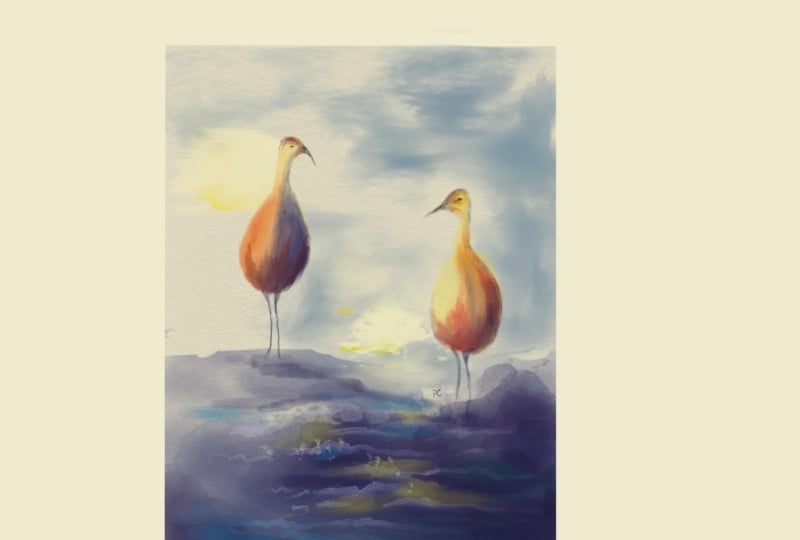
In this quick, under-10-minute class, you'll learn how to paint a stunning crane at golden hour using a loose watercolor technique. No need for sketching, just grab your brushes and dive right in!

You’ll discover how to simplify shapes, create soft transitions between light and shadow, and add subtle details, all while keeping the process relaxed and fun. Perfect for anyone wanting to explore a loose, expressive painting style.

Join me and let’s create something beautiful together in no time!

Meet Your Teacher
Teacher Profile Image

Shanan Subhan

Watercolor/Gouache | Art Educator

Teacher

Hello, I'm Shanan Subhan, an Artist currently residing in Bangalore. I am a software engineer turned Artist.

Nature/landscapes are among my favorite subjects to paint. I thank nature and great photographs for inspiring and challenging me.

I started coloring at an early age, even before school taught me to read and write. Unaware of art and the theory of colors, I loved scribbling on papers, books, and walls! All I felt was colorful walls are merrier than monotonous ones.

Although I loved painting and coloring, because of studies and the competitiveness of day-to-day life, I somehow got disconnected from art a few years ago, but I always felt that emptiness in life. Back in the end of 2017, I felt the need to fill this gap so I gifted myself a basic... See full profile

Level: Beginner

Class Ratings

Expectations Met?
    Exceeded!
  • 0%
  • Yes
  • 0%
  • Somewhat
  • 0%
  • Not really
  • 0%

Why Join Skillshare?

Take award-winning Skillshare Original Classes

Each class has short lessons, hands-on projects

Your membership supports Skillshare teachers

Learn From Anywhere

Take classes on the go with the Skillshare app. Stream or download to watch on the plane, the subway, or wherever you learn best.

Transcripts

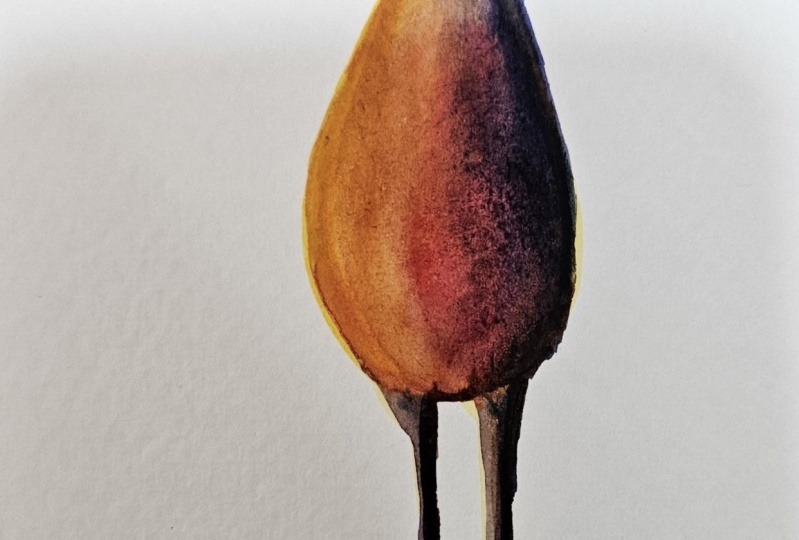
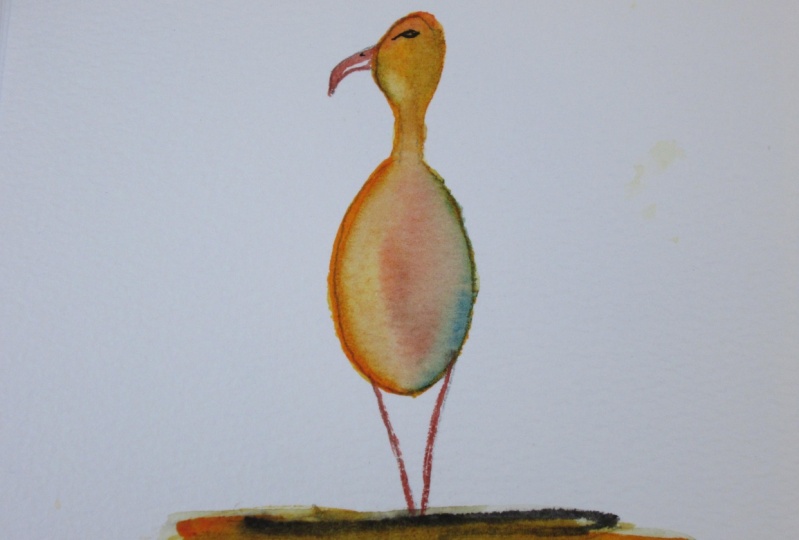
1. Introduction: Do you get nervous about painting loose artworks or without a sketch? If yes, don't worry. I'm here to help. We will paint a beautiful crane at Golden ar using loose watercolor approach. It is going to be a simple and short class, and I'm sure you're going to love it. Hi, I'm Shannon van, a watercolor artist from India. Join me in this class, and let's paint together. 2. Easy way to paint loose.: In this chapter, I'll show you a simple way to paint a crane. If you find painting birds challenging, this technique will definitely help you. Start by drawing a circle for the head. Next, we'll draw two lines or simply a pipe like structure for the neck and for the body, we'll draw an oval shape. Next for the legs, we'll use two straight lines. Next, we'll repeat the same thing, but with the paint brush. We're not going to draw anything in the main artwork. Once everything is in place, we will soften the edges and lines using a clean brush that will give the bird a seamless and smooth look. 3. Color guidance using Color wheel: We are painting the crane at golden, so the bird will appear to glow with a warm golden tone. Now, to decide the shadow colors, I'll show you how to use the color wheel. Since we are using yellow for the glow, its complimentary color is purple. For the split complementary effect, we will add blue and red. These colors contrast beautifully and create a nice harmony, giving the painting that glowing effect we are aiming for. 4. Class project - Paint a Crane at Golden hour!: Let's begin. We will mainly be using four colors for this painting. The first one is permanent yellow. Then we have orange, which I'll makes using red and yellow. Next, we need ultramarine blue, and then volt color. You could also use purple. For the detailing purpose, you could use paints gray or black. That is for the later stage. Now, like I mentioned earlier, we'll start by drawing the basic shape of the grain. First, we'll draw a circle for the head. Next, we'll clean the brush and take diluted paints and we'll paint the neck. For the neck, we'll add a pipe like structure. After that, we'll sketch out the lower body of the crane using another circular shape. This is more like an oval shape. Fill in the area inside the sketched part. Once the basic shapes are in place, we'll soften the corners and edges to avoid any harsh lines. Finally, we will add the long legs to complete the overall shape of the grain. Here, we won't be painting the toes of the grain since they are partially submerged in the water. I'll simply apply some horizontal lines depicting the water. Next, it's time to add light and shadows. We are considering the light source to be from the left side, so the shadows will fall on the right. To build these shadows, I'll use ultramarine blue on the right side. Now for a smoother transition, I'll add a bit of a red and orange color to the center area and also some shadowing around the neck as well. Blend the colors well for a seamless transition. It shouldn't look like you have applied a rough patch of colors. Applying some orange brush strokes on the lower body. Next, using red and violet, I've mixed a darker color. I'll use this to paint the beak. Now, I'll switch to my fine line of brush to get some nice precision for the details on the beak. The smaller brush helps us achieve cleaner lines and sharper edges. Also adding the same darker color around the legs to add a sense of depth. Next, I'm going to apply some horizontal strokes using purple blue and orange. For blending, you can use clean water. I'll add some more darker blue color as well. This will create a realistic reflection and add depth to the water surface. Next, I'll go back and add the second layer. Apply a swift brush stroke of ultramarine blue. Then right next to it, I'll place orange shades. This layering will help enhance the depth and create more intense and vibrant look in the artwork. Now we will let it dry. You could either let it dry naturally for about ten, 15 minutes, or if you're short on time, you can use a head dryer to speed up the drying process. Next, you can mix any brown color to paint the eyes and add in some details around the head. Use a fine liner brush to achieve a defined look. I'll also add a soft outline around the legs to give them more definition and help them stand out. Next, I'll use my fine liner brush to add details around the beak and the head part. This will help sharpen the features and bring more attention to the delicate areas of the grains phase. I'll also add a redish patch around the head right next to the beak area. If you observe cranes closely, you'll notice they often have these distinct red patches, which add character to their appearance. And in the water, I'll add some partially submerged grasses, the tiny grass plates, add some horizontal lines on the reflection part. 5. Outro - Thank you!: And there you go. We are all done. I hope you enjoyed this quick and fun class using loose brush Trokes. And if you have painted along with me, please share your work in the project gallery. I would love to see your creations. All right, thank you for joining this short class, and I'll see you soon.