Transcripts
1. 1 Intro: Hello, everyone, and
welcome for this new video. In this one, we're
going to learn how to pre shape Baggett and
how to pre shape round. This video is
accessible to anyone. There's no level
required for this. Anybody can do it. And about
me, I'm the French baker. I've been working for
more than 15 years, maybe almost 18 now as a baker, and now I'm a teacher, and I'm really happy to teach
you anything about bakery. So you can check on the channel everything you need
to learn about it. I make bread recipes and
many technique lesson. So thank you for choosing this lesson and no
need to talk more.
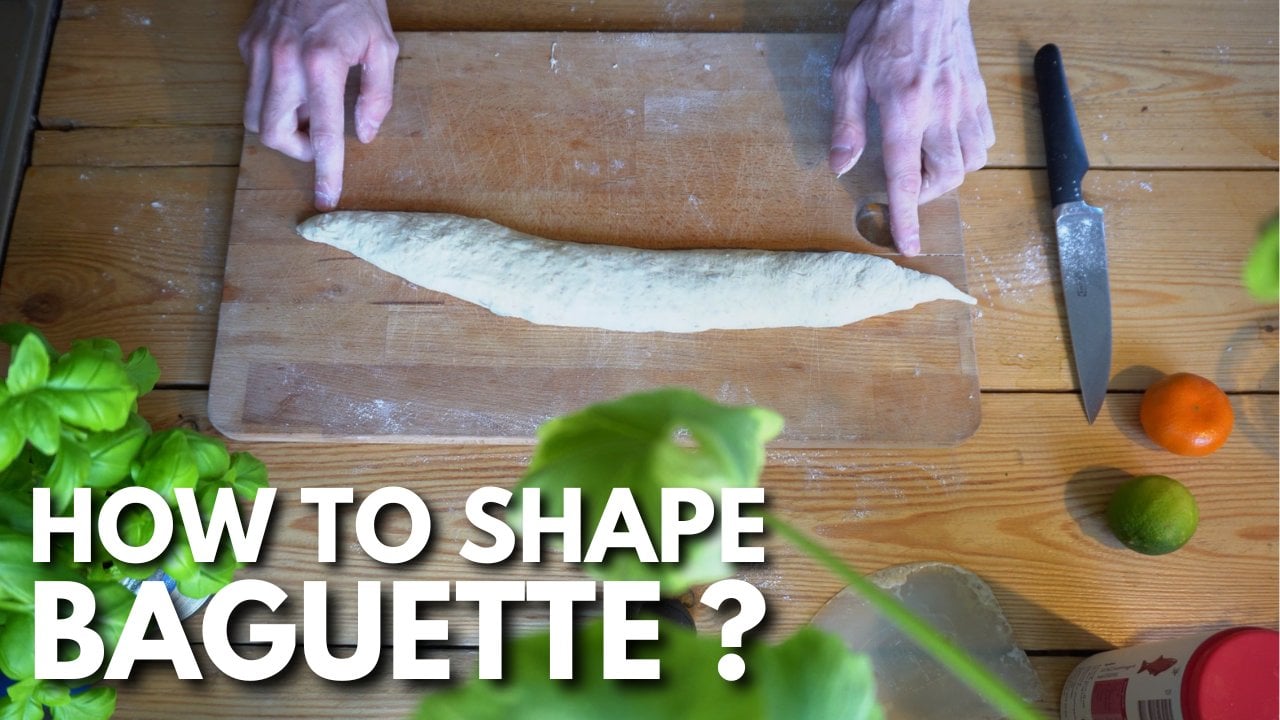
2. 2 Baguette preshaping: Hello, everyone. In this video, we're going to look at how to prepare your dough
pieces, your pattern. That's how we call
them in French. And also how to shape
round loves and bull. You don't need any
special skills. You can be a complete beginner. Because this video is
accessible to everyone, and I'll try to use
simple vocabulary. I'll explain anything
that needs clarification. Alright, let's get started. We'll begin with the
first dough piece. So now I've just dusted the work surface
with a bit of flour. My bread dough is ready, and once the dough is ready, the next step is dividing. So you divide your dough and weigh each piece to
the size you want. I've already weighed in mine. This one is a baguet and we'll start with a pre
shape for baguettes. To pre shapes, actually. Four baguette pre shaping. I recommend giving the dough
a slightly elongated shape. My dough is a bit sticky here, which is not ideal. So the best thing to do is
fold the dough onto itself. It's quick normally
takes 2 seconds. I'll show you better
on the second one if it doesn't stick too much. So you simply fold the
dough onto itself. You can just take your dough
like this and fold it once, twice, three times,
and four times. And now you have your pre
shaped dough. You see? It's just a pre shape. We're giving the dough a
form and a bit of strength. The strength refers to
the dough elasticity. What keeps it from collapsing and helps it hold nice shape. So this is the ideal pre shape for Baggett, because later, when you flip it over for
the final shaping and actually you can check out the Baggett shaping
video that I made, well, you'll be able
to shape it easily. So you pre shape, then place the dough on a board or whatever
surface you're using. And as you can see,
the flower might fall into the gaps
here, which is a
3. 3 Normal speed: Annoying. So now I'm dividing
my second dough piece, and I'll show you
quickly with one hand. There, just a simple pre
shape at normal speed, and you can see how fast it is. But now we have two pre
shaped dough pieces. This one is a bit
bigger because I waited this one slightly
smaller earlier, and this one is already
starting to relax. It only takes a few minutes
for the dough to loosen up. That's the ideal pre shaped
4. 4 Round preshaping: Gets. So now I've
divided my dog again, and this time, we're going
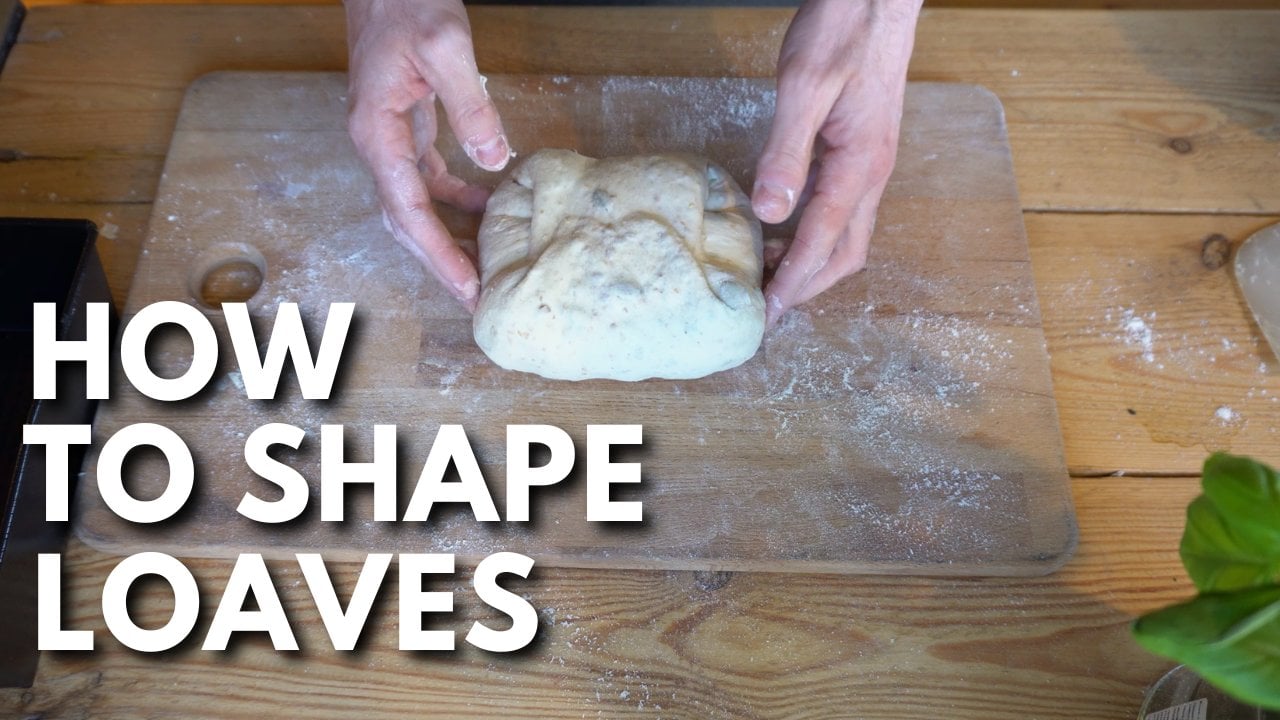
to pre shape around piece. So why pre shape around piece? Simply because it helps
with the final shaping. Whether you're making
bata or big round loves, pre shaping gives you uniform base and adds a bit
of strength to the dough. It also slightly
boosts fermentation. So it's really all positive. And if you try to
shape directly from a freshly divided
dough piece like this, you end up with a
loaf or a bull that's a bit uneven and lacking structure,
something not regular. So pre shaping is
very important. So for round pre shape, you have several options. Some baker use this
technique. You fold here. Then take this side, and each time you bring the
edge toward the center. You see, it works, but it takes forever. Then you flip it over, and it's more or less
pre shaped already. It's technique like any other, but I'll be honest with you,
I don't like it at all. It takes way too long. It's great for Instagram, great for the Internet, great for OB Bakers, but in a professional environment,
it just doesn't work.
5. 5 Second technique: Going to take this dough
piece and pre shape it again using a
different method. So you can use your dog
scrapper if you want. This one is a plastic scrapper, but you can also use a
metal one like this one. And the technique is simple. Flip your dough piece
so that the bottom, the side you'll
eventually shape is in contact with the work
surface like this. Now with the scrapper, we're going to slide
under the dog. You touch the surface and pull toward the
center. See that. And at the same time,
with your other hand, you rotate the do. And this creates a circular
motions underneath the dog, almost like a little wheel pull, and it tightens everything
towards the middle. And that's exactly what we want. So you pull unders
and you rotate. As you can see, I'm
moving around a bit here, but the D is the same. Pull and rotate. And you can see what's
happening under. Obviously, don't put
your hand like this. I'm only doing it so you
can see better on camera. Normally, your
hand stays on top, guiding the dough,
that's how it's done. Sikosa Coffee. And you don't need to
stay there for ages. I'm doing it slowly so you
can see the movement clearly. You slide undonis and rotate, and if you look undonis you should see a circular
tightening effect. If you do it quickly,
unlike me right now, you'll see a very clear
tightening in the center. So that's the other method. This one is already
more professional. It works well and it
takes 5 seconds to do. And you
6. 6 Third round: Exact same thing with your hands if you
don't have a scrapper. To do that, you can
start by folding your dough quickly towards
the center, just like that. Then you take your dog
in your hand like this. And these two parts of your hand should stay in contact
with the work surface, and the front of your hand
should likely touch the dough. You hold the dog like this. Just make sure to keep your hand in contact
with the table, and you have to fill it to
round the dog properly. Then do the same movement. Rotation while pulling
towards yourself. Rotation and pull. You can wrap your hands
around the dog if you want. The goal is always the same. It's really a simple
movement, as you can see, you just pull, and at the same time,
you're going to turn. You're going to do
it a few times, then you're going
to fill the dough. Bring the part of the dog
that's touching your hand under knees toward the center
in a circular motion, so it tightens into
a wheel pull shape. You take your dog
piece and you do this. So watch carefully the movement, and you can reproduce it easily. You can even just
stay in place and pull or you can wrap
with both hands. There's a few different
way to do it, you know? Every Baker that
its own technique. It will be alright, anyway. You know, it's also a matter
of touch and feeling. You can also do it
with your finger, also, just like that. Same ID, scrap the surface and bring your dough under
knees towards the center. Ah. And all of this forms a
bowl and tighten the dough. And you're also going
to digas it a little. And there you go. You
already have a pre shape, a round pre shape. So if you want to
shape Ba afterwards, you just take it and shape it. And for this, feel free to check the video on shaping
bread as well. There's a section
with basic lesson of bakery on the channel. So that's the round pre shape. There are not 50 different
types of pre shaping. It's mostly oval or round, and those are the most common, and I'm not going to
show anything else here.
7. 7 Reel speed technique: And now I'm going to show you the real speed version
I would use at work. By the way, since we're
talking about shaping bull, and remember when I say Bull, I'm talking about round, the technique is
exactly the same. Just remember because
when I say Bull, I mean round and round
is bull in French. You just pre shape your bull, then you shape your bool. It's the same movement, just a bit stronger, tighter. You tighten the dough a bit more during shaping than
during pre shaping. So even if the shaping of your round is the same
shape as the pre shaping, it's not a problem, but you still need to pre
shape your dough. But again, it depends on your dough and how it
behaves at the moment. Yeah, because if your dough
is more or less hydrated, it will be a little
bit different. Here's the real speed
pre shape I do at work. And look at this. And
that's it. Four second. In 1 minute, you
can do about 15. In 1 hour, you can do the mat. So the pre shape is
done. So let's say 20 minutes of rest half past. Now I need to shape my lof. So I take my dou piece, place it here, and I
just do the same thing. So now I'm doing right
after the pre shape, so it doesn't really count, but you get the ID.
8. 8 Two rounding: Technique and you get
a nice round loaf. So now, if you have smaller
du pieces like these two, the technique is still the same. You wrap and rotate while staying in contact
with the surface. You take your du pieces, and in your palm, you keep the smooth
side facing outwards. Your hand wraps around
the dough and rolls it. You stay in contact with
the surface and rotate. You're not doing this big
movement like tightening and rotating in the same time from the top, it doesn't work. What I want is trying to bring everything
toward the center, and it's the same
technique as you do with both hands when
you shape a big round. Then I take both the pieces
and tighten like this. It's a bit sticky here, but you need to
remember that the faster you go, the
less it sticks. Of course, you can use flour, but try to be fast. And there you go,
nice little bull. You can check them
with your hand. You should feel a
bit of strength. You should feel
everything is right. So this can be a pre
shape or a final shape. Both work if you want round. As I said, you rub the door. My hand barely moves, but the door rotates
inside my hand. The bottom of the door stay
in contact with the table. I keep the smooth side in my palm and the other
side against the surface. That's what tightened the door underneath. You can
also do like this. The door rotates while staying in contact
with the surface. And the faster you go, the
better it works. Very simple,
9. 9 Outro : It for this lesson
on pre shaping. I hope it helps you
understand how to pre shape and shape your bool
and shape your round. Thanks for watching, everyone. I recommend checking
out the other video on technical baking skills. There are plenty of them,
and I hope this was helpful, and I'll see you in the
next video. Bye bye.
 Vincent Baker, Artisan Baker & Home Bakery Mentor