Transcripts
1. Introduction: And Hey, everyone. My name is Olivia, and I'm an artist here
in San Jose, California. Today's watercolor class is a basic introduction to
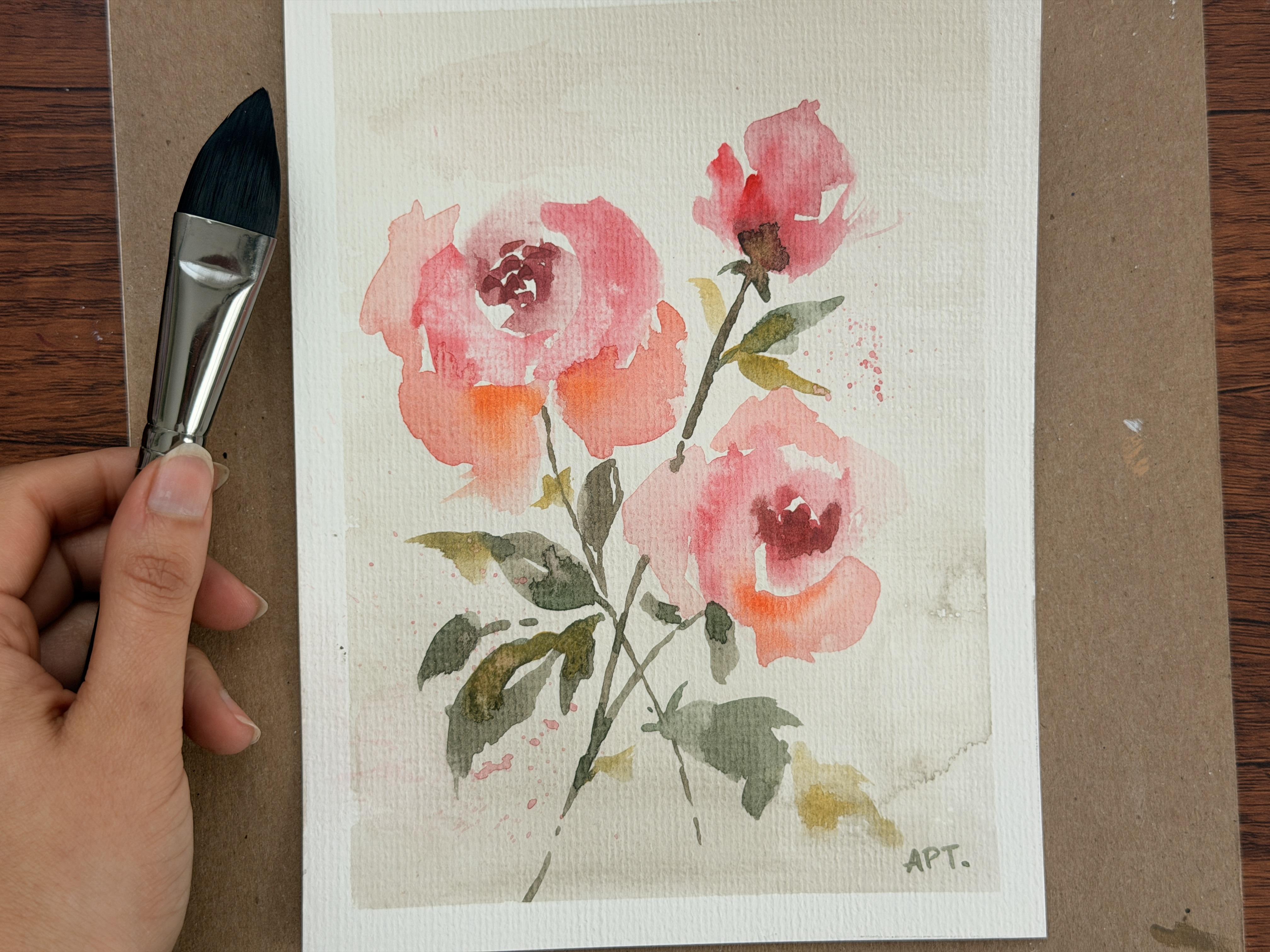
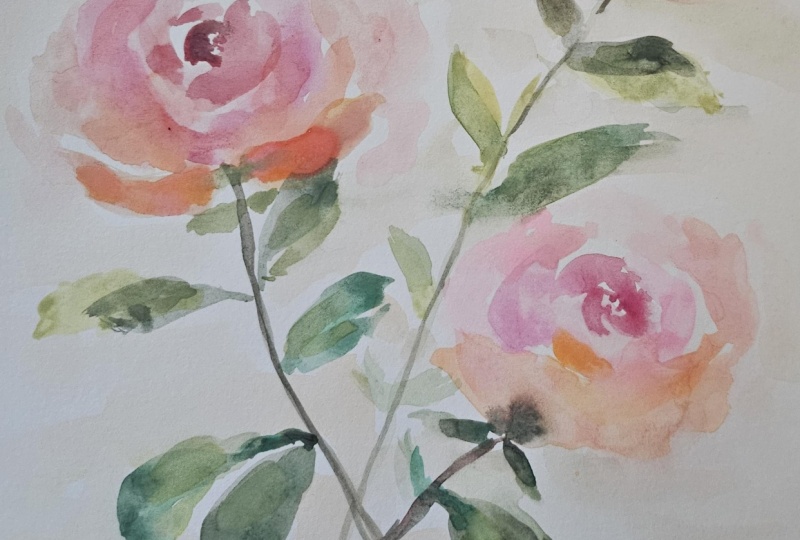
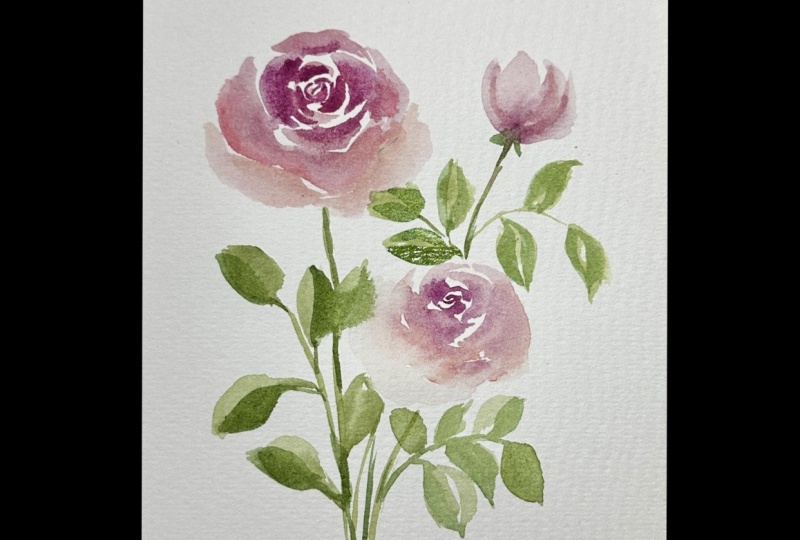
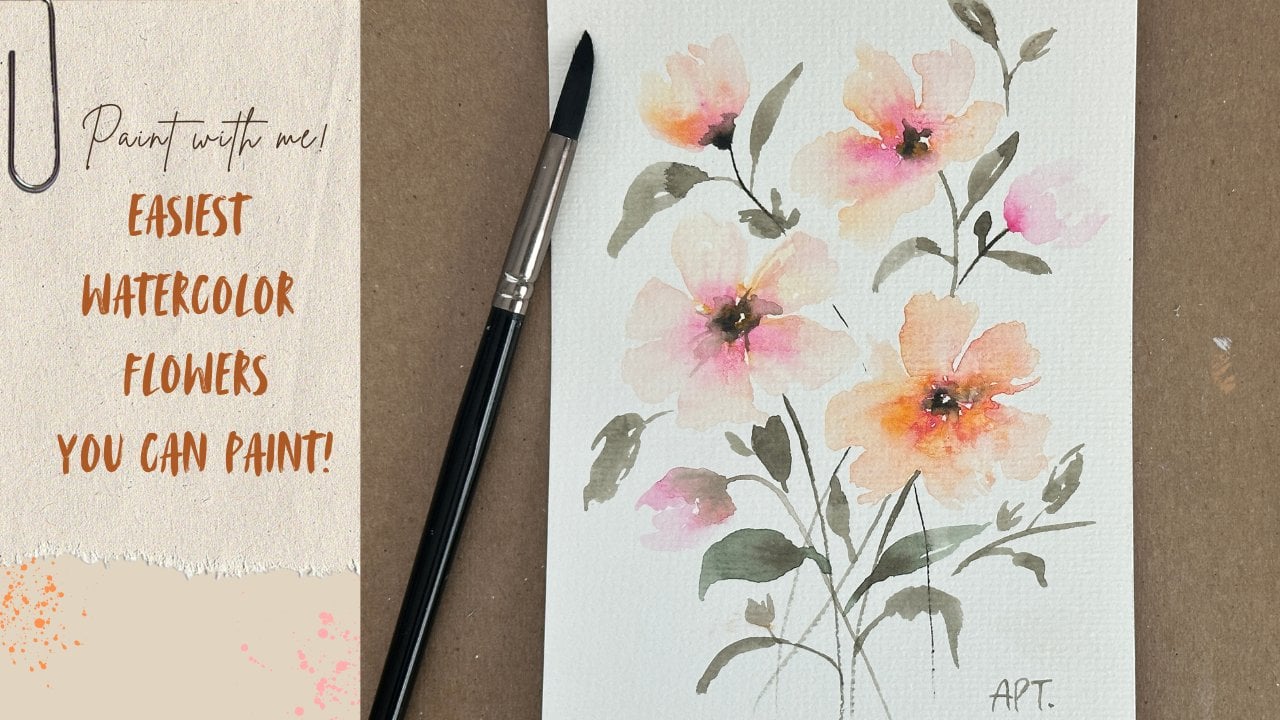
loose watercolor roses, simple, easy, and surprisingly very quick with only a few
brush marks and techniques. I'm going to have
two extra exercises, one on painting leaves and
another on painting roses. And then we're going to
paint this project step by step. So let's begin.
2. Materials: Use my watercolor
pad. I cut mine into a six by eight inch and I
boded it with a washy tape. You'll need a bowl of water and some paper
napkin of some sort. And then I used two brushes. I used a number six round brush and also a three fourths
cats tongue brush. And then for my paints, I use my Artisa 36 palette
paint palette. All right.
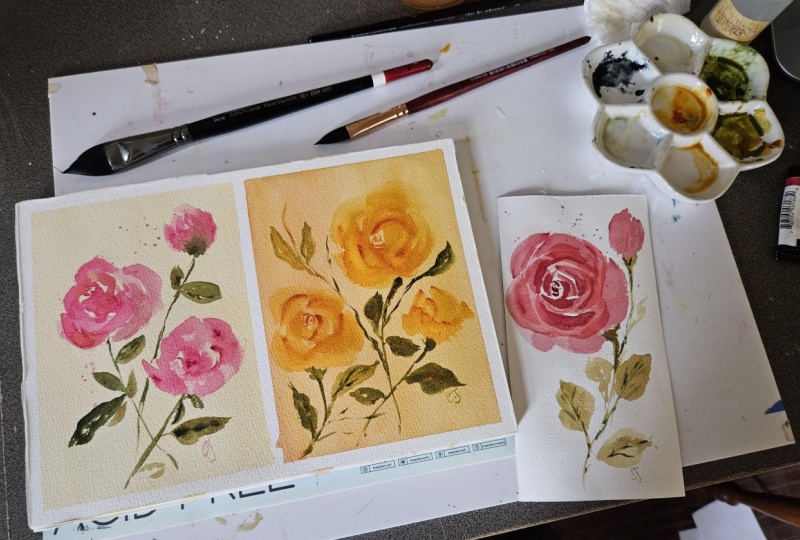
3. Exercise - Painting leaves: Okay, so before we begin, I wanted to do a quick
exercise on painting leaves. I'm going to show you a very basic shape
here and how you can practice painting leaves by using just simple brush strokes. So holding your
brush straight up, use the fine tip to make a thin line and press
down more by using the belly of the brush to
create the body of the leaf and gently lift up your
brush as you near the end, creating a little pointy tip. You can add more
definition to your leaves and drop more paint in
certain areas of the leaves. You want to create
a more loose feel. Keep practicing the
shape and brush stroke over and over until it
comes more natural to you. Now, let me show you what
the shape would look like if we were to
paint it on a stem. So again, make a
short thin stroke to begin using the
tip of the brush, and then press down gently
using the belly to form the body of the leaf and then lift off gently
towards the end. Feel free to pool color
more in certain areas. So either at its tip or at its base, that's
totally up to you. Also, remembering to leave
some white lines and spaces every now and then
to create more interest. Another way to create this basic shape is also
starting at the tip first. So basically the
opposite direction of the ones I just showed you. Here I'm starting at the tip of the leaf and pressing downwards by curving slightly towards the base of the
leaf and the stem. I then close off the shape
from the other side, leaving a little white
line in the middle. Here I'm simply making a slightly different variation
of the leaf by using a more warm color and making
my leaves more longer and crooked at the edges to create more of a
dried leaf outcome. There are tons and tons of
leaf variations out there that would probably be a
separate class by itself. But for the purpose
of today's project, I'm only showing you one
simple and easy leaf that you can practice
yourself to get better at.
4. Exercise - Rose brushstrokes C shape: Alright, so in this lesson, I'm going to walk you through simple brush strokes that will be used in
today's class project. This brush is also used
to paint the roses, and it is listed in
the description below, so check that out if
you're interested. So I call this brush stroke
the sea brush stroke, which also resembles
a half crescent moon. So begin by holding
the brush straight up and use the tip of the
brush to begin and slowly use the
belly of the brush to form the sea like shape in the center and then end it by using the tip
of the brush again. All right, so one more
time, use the tip first to make a thin
stroke and then the belly to form its center and
then lift the brush back up by using its
tip to narrow the end. I'm just working with this
stroke big to small so that you can get some practice on the different sizes
with this brush stroke. Now swit sides for
an opposite like shape and practice going
small to big this time. Feel free to practice
this brush stroke over and over again
as long as you like. Experiment with some
of the thickness and taper some ends
more than others. The more you will
use this stroke, the more confident you will
be while painting this rose. Now, let's loosen this
stroke up a little bit by shaking up your brush
more as you paint. For instance, this time, we will use the belly
of the brush more and squiggle your brush
as you taper at the end. This will give your petals a
more loose and organic feel. I use this brushstroke a lot on the outer
petals of the rose. So again, same thing. Just keep practicing from big to small. And then once you
reach the middle, switch sides and practice
on the other side, so the opposite C, but in a more natural organic
sort of free form method. So just to show
you some reference on how these brush
strokes are applied. So here we have these tighter sees in the center of the rose, and then the more loose
see like shapes are applied towards the
edges of the roses here. This loose organic
brush stroke has also been applied to
the rose bud here, but we'll go over this in more detail once
we begin painting.
5. Painting Background wash: I cut my paper into
a six by eight inch, and I've taped down the
edges with a washy tape. So this stuff is
totally optional, but I like having a
light wash to my paper. I think it leaves
for a good framing once the tape peels off. I'm using a mixture
of some graze, and I'm just warming it slightly by adding a little
bit of yellow ochre, a very, very light wash just enough to show some
color in the background. Before we begin, I also wanted
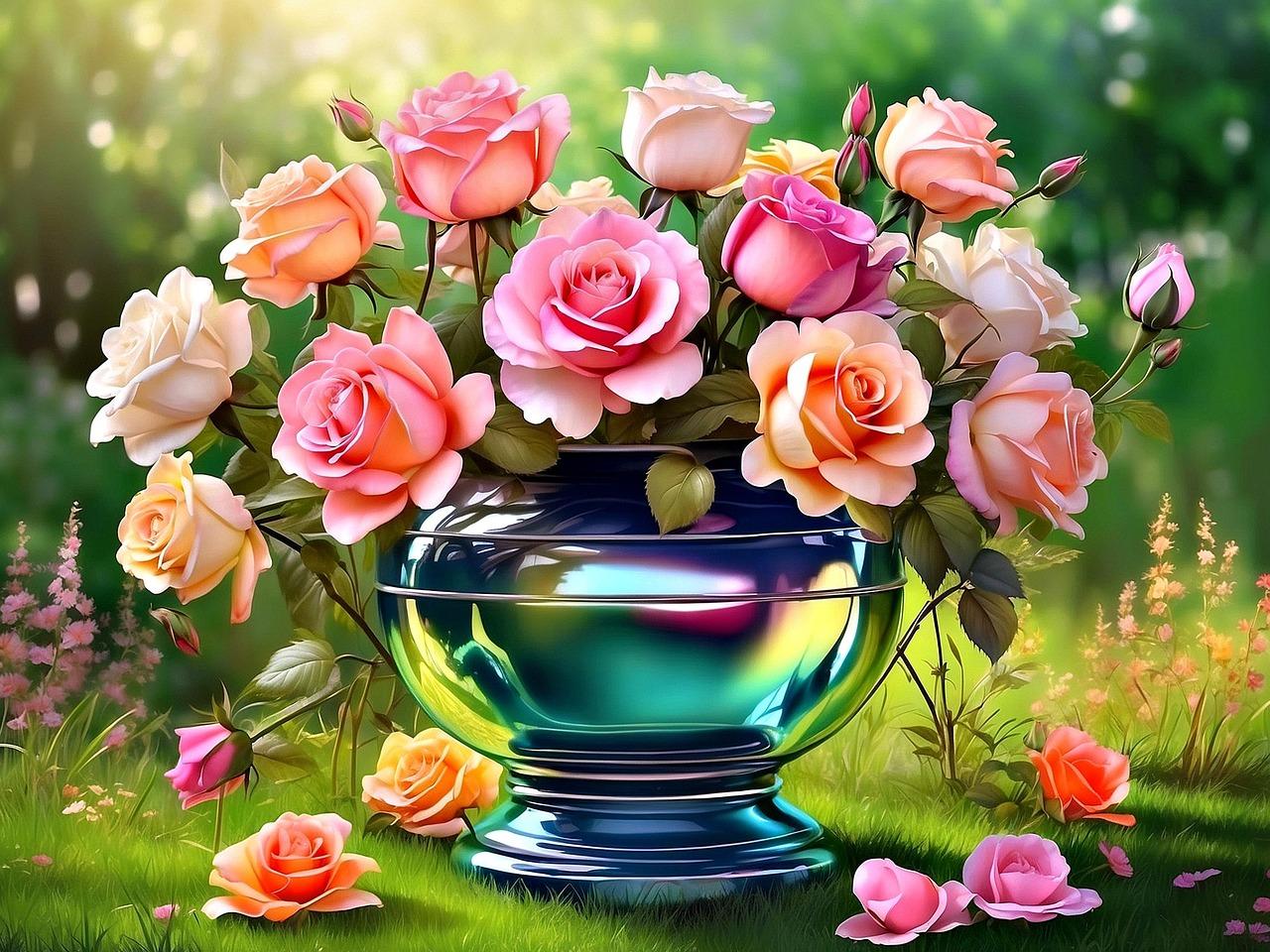
to mention that I do have a reference picture attached in the projects and resources
tab below for inspiration. I have not directly used that for my painting,
but I have, you know, just opened it up on
the side so that I like to get a better idea of how roses look and
are structured. So it's always a good idea to have some sort of reference
opened up on the side, whether you're directly using it for your painting or
just for inspiration, have it pulled up on the side
so you can follow along.
6. Painting Roses: Alright, so once your
paper has dried up, we can move on to the roses. I'm using a three foot
inch cat's tongue brush from NrtFor this
entire painting. I'm just going to
be using one brush, and I've linked it below,
so you can check that out. Let's begin with our first rose and the center of the bud, which I always like
to start with. So I'm using a dark, sort of like a rust maroon red, and I'm creating little sea
like strokes in the center. Here, I was just
double checking if my paper was actually
dry before I started. Once again, creating
little specs here for the center bud and
then I'm going to bleed those colors around it. Wiping off that brush a
little bit and just getting down a watered down version
of that paint color, I'm using that same stroke, but creating larger
sea like shapes to close up the bud
on either side. Now, taking in a
brighter red color and making similar larger organic
sea like shapes around it. Lifting off some paint here with my napkin to soften
up the color. Okay, so adding that same
stroke on the other side now. Here, I'm just trying
to, like, kind of blend the color a little bit more and not have that definition
in the middle. Adding a little bit of that
orange in this mixture, I'm going in with some more of these seal like shapes below it. So when you paint roses, you are basically adding in layers
by layers at a time and sort of grouping
them in a circle like shape and pasting it
around the central pd. Adding in a pool of
orange color just at the top edge here to
keep it natural looking. So the key to making your roses loose is to not mess
with them too much. You kind of have to
be confident in just adding your strokes and
then just leave them be. So the more you fluff with them, the more defined and
unnatural it may look if you're going for
that, you know, loose effect. So keep things organic and
free flowing by doing less. We are going to leave this rose, and we're going to move
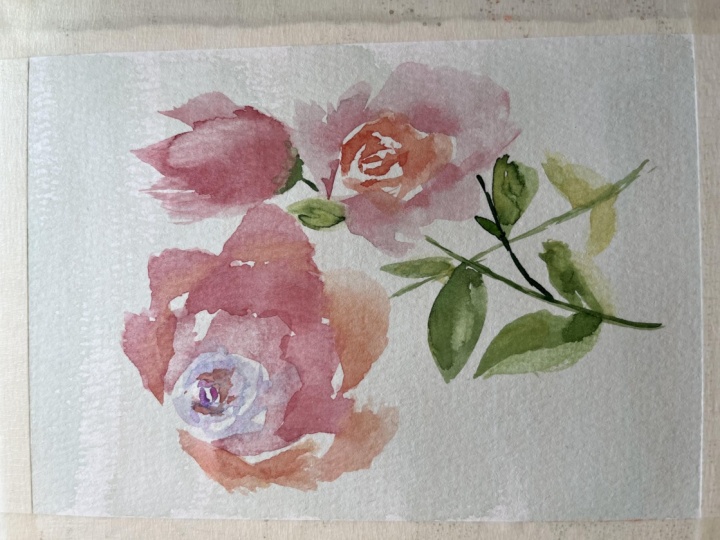
on to the next one. Exact same similar steps here, except I am facing this direction of the
flower to the right. So start again by adding a few small strokes
for the center bud. And then you just want to
bleed that color and soften up the colors by closing
off the shape around it. Try your best to add your stroke once, and
then just leave it be. Here I'm adding smaller sort of softer petals on either side, just to kind of fill
up the rose bud. So if you're confused
on how roses look, this would be a
great time to look at some of the reference
pictures that I've listed below. So definitely pull
them up and it'll give you an idea of
how roses look and how the petals look and it'll
just help with being able to kind of mimic it in a more
organic flea flowing way. Here I'm adding in
a dash of color to the corners of my petals to
mimic natural looking roses. I'm going back in the
center and adding a little bit of a darker
color to intensify it. So I added my third
little flower, like, a little bud, and then I realized that I didn't
film the process. So I'm going to demonstrate another bud here instead on
a different piece of paper. So I'm using the
same exact brush, and I'm just taking
the shape of the brush itself to make the
body of my flower bud. So that's why I feel like
these cat tongue brushes are really handy when you
have to paint roses. So I'm bleeding off the edges into an upward sea like
motion on either side. This one's rather very
simple and loose. Again, just I'm not
thinking too much. I just have the main
body of the bud, and then I'm just bleeding
off the color on either side, and that kind of makes you know, those closed small roses. That's kind of what I'm
trying to aim for this one. So to keep your flowers loose, I'm not focusing on details, rather an overall
shape of the flower, which makes them soft,
organic and breezy.
7. Painting Leaves & Final Project!: Alright, so now let's
go ahead and add some foliage stems and leaves around these roses
to complete our project. I'm using a combination
of dark greens, and I'm starting by
pulling the center of this bud here at the base, and I'm just going to pull off a thin stem along the center. I have switched my brush to
a number six round brush. I'm going to use this brush for the stems and all the
foliage and leaves. Adding a few basic leaves
around these stems, keep the shapes and sizes different to keep it natural
and interesting looking. I always free flow my
foliage and think of good compositions and balance when it comes to adding leaves. So each leaf should be
very intentionally placed. Think of adding in
different sizes and have a good balance
on either side. Also, play with slightly
different colors to keep it organic. So here I'm adding
in some warmth to my leaves by adding in some yellow ochre
to my green mixture. Don't forget to sign
off your painting to finish off your
accomplishment because you, my friend, deserve it. Share your projects.
I would love to see them and do not forget to
leave this class a review. Ask me any questions in
the discussions tab below. Adding a little splash of
red with my rough brush, totally optional
step, and I also advise you to do this step
before you take off the tape. That's it, guys, a really
simple and quick practice of loose watercolor roses. I hope you learned
some brush strokes and techniques along the way. It takes a little practice
and confidence to have your brush marks loose without
meddling with it too much. But the more you do it,
you will gain confidence. I invite you to explore the different classes I
have created for you. Classes in watercolors,
as well as acrylics are available if
you want to learn more. So do consider following
me so that you do not miss out on future
painting classes from me. Follow me on Instagram to
keep up with latest updates, giveaways, and all
that fun stuff. Thank you, once again,
and happy painting.