Transcripts
1. Introduction: They didn't change either. Very challenging ambition. And it can be
difficult to really land change in the
way that we want to, without the tools, the skills, and the know-how of how to effectively navigate some
of those challenges. Now a lot of organizations have very commendable diversity
and inclusion ambitions. There are so many initiatives, so many strategies that
people want to develop, so many great passionate ideas, but often sometimes they
lack a clear approach. Without a clear approach, it is very difficult
to achieve success, but also to measure success and codify it
so that you can use it, use the approach
into the future. So if you're here, it's most likely
because you've been tasked with needing
change within your organization or you're interested in learning
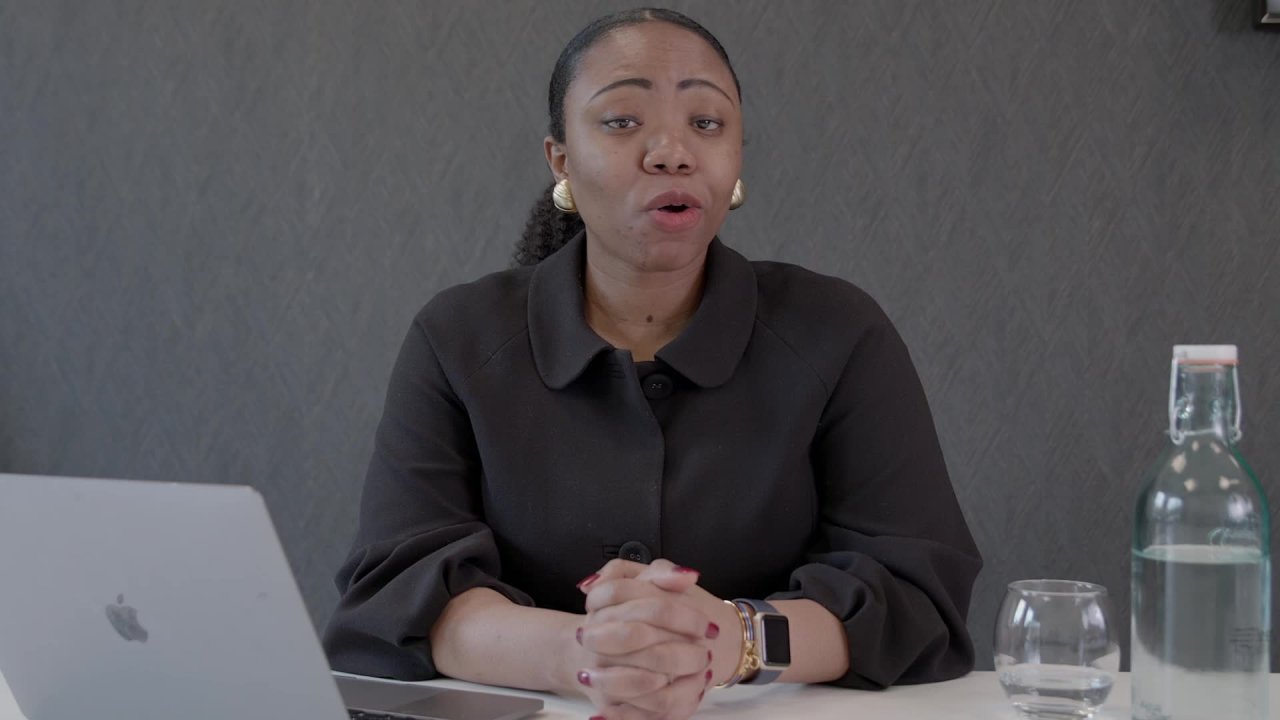
about leading change. My name is advocate
on the fourth icon, and I am a diversity and
inclusion specialist. So I worked with
organizations and individuals to promote
diversity and inclusion. In today's class, we will talk about what diversity and
equity and inclusion means. So a bit of a refresher, we'll look at some of
the common pitfalls and barriers to implementing
effective change. And I will provide a strategy and approach
that you can adopt to build diversity and
inclusion change within your organization will also
look into a case study that will bring together all of these learnings and show you how in real time you can apply these principles to
implement change. There'll be an
action plan as well, which will be a
great way for you to reflect on your
learning place. Some of the things that
you're taking away back they can
really use to build that average and
our strategy for your organization to
support you to do that, you can download
the actual template in the resource section, which will then list out what you need to
do as we progress across the classes to really develop this
plan that can help you. It may be that you want to use this plan for one
single project, so one single initiative
that you want to launch, or it could be a
cluster of projects. So Program of Projects that you'd like to use the
action plan for it. It's my hope is that
you'll walk away from this class week. The skills, the tools, and the insights
you need to develop a really robust diversity and inclusion strategy for
your organization. Now, let's get started.
2. Grasping the Basics of DEI: If you're here, you're
probably already familiar with the concept of equity,
diversity and inclusion. But here is a refresher. Anyways, equity, often
mistaken or convoluted with equality is actually the
ability to provide support, inclusion, belonging to
people based on their needs. What equality is about treating
everybody has the same. Equity is really treating
people as individuals, finding out the specific
needs and trying to meet them where they are so that you can provide the right
level of support, inclusion and belonging
that they require. So if you think about
your colleagues or your organization and your customers or your
clients, your service users. And think about the
different groups of people that you interact with. Do they all need the same thing? Do you know what the
differences are in their needs? Because equity really begins in understanding that people are different and people are unique. And that leads us quite clearly to thinking
about what diversity is. If equities about treating people based on their
individualities. Diversity is this concept
that we're all different. Diversity exists everywhere. Sometimes I hear people
say things like, Oh, when we become more
diverse and the o, okay, every, every organization
is already sort of diverse. Now you may not be
representative, which means that the
diversity within your organization may not
mirror the diversity outside. But it is in itself true that every organization is diverse because
we're all different. You have different
personalities, different behaviors,
different thoughts, different perspectives. And so we already
have diversity. Now we may have more diversity in certain areas than others. So you might find an
organization that's got lots of different learning styles and letting our beds and
learning approaches, but they might not have a
lot of gender diversity. So that can happen
where you might have underrepresentation
in certain areas. So diversity is really
creating an environment where different people from
different walks of life with different perspectives and backgrounds can
all come together. And finally, inclusion. Inclusion is this intentional. And we have to stress the word intentional because
inclusion is not organic. It doesn't happen as a
result of diversity. You don't just
become diverse and then become inclusive
automatically. Inclusion is the intentional
steps that we take to bring all of this diversity into a meaningful
positive experience. To create a sense of belonging, to make people feel respected, to give them a voice, to engage with them, to treat them in a really positive way that
allows them to thrive. Now, inclusion is a
really core human need. Psychologists tell
us that the pain of social rejection is experienced in the same way we
experience physical pain. So that means that we all
really can feel the neglect, the exclusion that can
come into place when we're in environments where we don't feel a sense of belonging. We also know that
when we're looking at Maslow's hierarchy of needs, belonging is a
very critical part because after we have
satisfied our basic needs, but we're looking for is
connection with people. I think leaders underestimate the power of inclusion are
really missing a trick. People really do want
to feel purposeful. They wanted to feel
connected at work. A lot of it is up
to the leaders to really create the
environment for all of these needs and requests to really be met
and to flourish. Equity is very
important in that it is really about individuality, fair outcomes for everybody. Diversity is key
because we create the space for people to
flourish in their differences. And inclusion is that
intentional step that we put in place to bring
all of it together. Some tactics to really start
to embrace this change is to think about the need for diversity and inclusion
in three parts. The first is that there is a legal need for
diversity and inclusion. I mean, I walk across
different organizations in different countries. And in a lot of
countries there are laws that protect people
from discrimination. I know in the UK, for example, we have the Equality Act that really covers different
groups of people. I'm mixed discrimination
and harassment victimization illegal. So we have the
legal justification for diversity and inclusion, but there's also the
business justification. I mean, if you do a quick
Google search right now, you'd see lots of
different data points showing us that diversity and inclusion works that you
are more innovative, you're more agile,
you're more reactive. You're more thinking
about exploiting and exploring opportunities with more diversity in your teams. And even if you look
at Google Trends, you find that in recent times the interests and
inclusion has really skyrocketed with lots of organizations investing
in this work. Finally, we have
the social case, which is that even when we're
not following the law, it, when there is not
a business case, that inclusion is the
right thing to do. That an opportunity and an atmosphere for people
to have an experience that is positive in the workplace is the
right thing to do. So think about this
three motivators, the legal, the business, and the social case as the
real compelling arguments for printing EDI work at the forefront of what you're doing within your organization. So whether it's because
you're doing it to follow the law or you're doing needs to actually continue to
strengthen your business, attract talent, or you're doing it because it's
the right thing to do. I always say that the best-case for
diversity and inclusion is a case that has those
three elements in them. So for this lesson, you Austin an action following the EDI action plan is to
describe in your organization, do you think your
equitable, which is, do we understand the
different needs of people and are we
able to meet them? Do you think your diverse,
when you look around, can you see an adequate level of diversity across
different demographics, whether that's gender,
ethnicity, disability, sexual orientation,
singular marital status, and so on and so forth. So what's your own arise and analysis of
your organization? Do you think your inclusive
as an organization? Just a subjective
analysis of where you think you are as an organization
in terms of inclusion. So think about
those three things. Do we have equity,
diversity, and inclusion? And if the answer is yes, Great, Keep doing
what you're doing. But if the answer is no, it's now is the really good
time to start thinking about why might that be and what do we need
to do differently? In the next lesson, we'll be looking at
the common pitfalls of EDI change, rookie errors, but blind sides and some of
the mistakes that leaders can make when they're trying to
lead change in this area.
3. Avoiding Common Pitfalls : So common pitfalls, things we
should avoid as we start to prepare to lead change in equity, diversity,
and inclusion. In this class, we'll be
looking at how you can navigate some of those common
errors that can happen, but also to make you aware of what those arrows are
in the first place. So often the most common
pitfall is poor communication. Not clearly communicating to people what our approach and
our strategy is all about. Or not clearly communicating to people what our needs are, what we're trying to achieve, and how they may play a part
or have a part to play. Sometimes we get
really excited at the prospect of
launching a new project, of launching a new initiative, of bringing our organization into a more inclusive landscape. And those are all great things. But we forget that we are not the early people
will be part of the change that we
need to communicate to people who have
no understanding, nervous ability as to
why we're doing this. In your communication is thinking about
effectively communicated. Why is it the business case, the moral case, the social
case, the legal case? What is driving diversity and inclusion interests
in your organization? Do people understand that? Like if I walked into
your organization today and I asked somebody at the reception and I asked
somebody at the board level, do they have a
common understanding of what you're trying to do? So poor communication
can really, really negatively
impact your ability to succeed in this space. Another common challenge is poor stakeholder identification. So again, because we are so
in theorist and passionate, or even because sometimes we're responding
to audience needs, we can really just go
straight into delivery. We can go straight
into trying to implement change
without adequately identifying who are the people that we really need to
bring to the table. Who are the people
that have been doing work in this space that
we need to leverage the knowledge other people that we need the absolute buy-in. It's like trying to change
the recruitment process in your organization and not
including hiring managers. One of the key
stakeholders and what you want to do is in
the first instance, bring these people together, hear from them, understand
their needs and help them to really see out
what you're about to do. It's going to make
their lives easier. So take the time out to really properly identify
who your stakeholders are. There'll be people who
will be responsible. Before it will be accountable. People you need to consult and
people you need to inform. So following a standard
racy approach, but take the time how to
identify your stakeholders are. Another common challenge is
lack of a systemic approach. This happens a lot. So I go into an organization and doing
training over there. Somebody is doing a
survey over there. They're about to
rewrite the policies. It's just a lot of interesting, but positive things are
happening, but not systemic. Now when they approach
is not systemic, you can very quickly leads to diversity fatigue where we get retired and they stop responding positively because
they feel overwhelmed. You can also make it very difficult for you to
measure success and progress if you
don't bring all of your approach into
one systemic place. A lack of a systemic
approach can really lead to long-term problems
in implementing and sustaining EDI change. Another common challenge can
be lack of authenticity, not being authentic, not
really having a true story. Now, I do empathize because this happens often because leaders are under a lot of pressure, you must be seen to be doing
something very quickly. You can go into
that performative mode where you're just doing, doing, doing to respond
to the situation. But in the long run, you'll expose your organization to certain risk that if
you're not very authentic, It's okay to have authentic
ambitions to say, right, we want to really be the most inclusive
organization in the world. Well, we know that it's going to take awhile and
so we're going to focus on doing a first and then do B first and then do see this. So be authentic. Don't just say what you think is going to give
you a good Press, was going to make you look good because that's not sustainable. But think about what is really the core of what you
want to achieve. What is the story
that is true to your organization and use
that in your communication. So watch out for
poor communication, poor stakeholder identification,
lack of authenticity. And finally, watch out for
lack of a systemic approach to be able to really bring it all together in
a meaningful way. To manage this pitfalls, I recommend having a comms
plan from the very early days, are you going to communicate to different groups of people? There'll be people
who will be directly impacted by change. Some people not so directly
impacted by change? Or will you communicate
to them how a clear stake holder plan
or my stakeholders? I will I reach out
to them. I often do. I need to reach out to them. And what are the messages
I need to take to them? And how a systemic approach, what are you going to do first, you can even follow a standard project
management methodology, initiates design, develop, and deliver,
and then evaluate. So you can use that as
a systemic approach. Finally, be authentic. Watch out for performative
authenticity where we start to see things because we think is the
right thing to say, but it's not what
we really mean. So start from the heart, find the true story for your organization and
let that be destroyed. A Utah. For this class,
the student action is to reflect on some
of these pitfalls, whether that's poor
communication, lack of a systemic approach, or poor stakeholder
identification. Which ones do you think are
relevant to your contexts? Where do you think that
perhaps you're stronger? Are you confident with
your communication tactics and your plan? Or do you think, actually, we need to do a bit
more work on that? Are you confident of your
stakeholder analysis and engagement planning? Are you confident on
a systemic approach? Are you authentic
and transparent, honest in this journey? So think about this pitfalls and identify which ones really
resonates with your context. In the next lesson, we'll be looking at the
pillars for actual change. So how do we lead EDI change? I'll talk you through the
pillars as developed by Professor Arvind Hillary at
Northwestern University.
4. Leading DEI Change: In this lesson, we will
be introducing you to decreed methodology for
leading EDI change. C, R, E, D, as developed by
Professor Arvin Tilray of the Northwestern University. This methodology provides
a solid framework regardless of where
you sit within the organization to initiate, implement, and sustain
meaningful change. A lot of organizations
have great ambitions. But as I said earlier on, lack of a systemic
approach can really cause problems in leading
and sustaining EDI change. My hope is that by providing
you with this methodology, you can go into your
organization to be changed from ground-up using
a tried and tested model. The creative
methodologies stands for common Popper's research, education, equanimity,
and deliverables. And organizations come and
propose is a collection of their objectives and
their envisioned future. What is it that you're trying
to achieve your objectives? But also what do you want
the future to look like? So that forms the common
poppers for your EDI change. So it may be that your
common poppers is to have a lot of objectives and
one vision for the future. So your objectives can be
better recruitment practices, a lot more recruitment
opportunities to people from underserved
communities. And your envisaged future
is that your organization becomes representative of the communities
that you work with. So spend some time gathered the right stakeholders
into a room and creates together a list
of objectives and your picture of the future that forms the common Popper's, the message that you
communicate to people, what we're trying to achieve and what we hope to
see in the future. So start with C,
a common purpose. They are in the Creed
methodologies stands for research, having the data to back
the business case up wherever you are thinking of launching this
initiative, as I said, based on legal motivation and a business motivation
or social motivation, is finding the research
to really support that. This allows you to save your resources as an
organization and not expand them on Chase and solutions for problems
that don't exist. Do you have the data to backup
that you have a challenge? So for example, if
you are looking to launch flexible working
after you've done some research to
show the impact of not having flexible working
on your organization. This can be researched around asking that
people are they fill, which may be an inclusion study. It could be a demographic
studies studying the types of people and the
makeup of your organization. Or it could be an
equity analysis, figuring out where people really advanced and where people may not advance at the
speed that you want them to within
your organization, but take up the time once you've found
the common popovers, once you've identified
your objectives and your desired future, to really start to think about what the research
has to look like. What is the data that is
going to back the stereo. Selective EDI change comes
with a lot of pressures. And E stands for equanimity, the ability to stay
calm under pressure. It's important that leaders that are going to
lead EDI change, not get flustered, are easily swayed by a lot of
the challenges. Sometimes even
push back that can occur as a result of trying
to implement change. So creating a plan for action, creating a plan for
managing risks, for managing blue box, for managing backlash is a really powerful thing to
do while leading EDI change. Do you recognize some of
the challenges that can occur as a result of the change you're
trying to implement. Do you have a plan for action? Are you respond so that
you remain grounded and connected to your papas
on through the journey. I haven't done the research
and gathering the data. We've also then created
an action plan to manage the risks that we practiced equanimity or
through the process. The next E stands for education. Now, again, often
EDI changes led by people who are
quite knowledgeable about diversity and inclusion, people who are
passionate about it. But as I said earlier on, you need a host of
stakeholders to help you to achieve your objectives
and realize your ambition. So once you have the
plan for action, once you have your research, once you have your purpose, you now have to educate people around you,
your stakeholders. This can look like
upskilling some people. This can look like running focus groups to
share your ideas. This might look like
running town all sessions. It could look like
different things to different organizations
and individuals. So it is important that in
your EDI change approach, you create the space
for education. So then you can have
a lot of people keen in and binding to watch
you're trying to do. But that buy-in that Kenan
is underpinned by education and how well they understand what the
concept of equality, equity, diversity, and
inclusion really stands for. And finally, the D
stands for deliverables. I always say actionable
deliverables because you might even
over-promise out of excitement that just the
motivation that comes from leading change deliverables are the quantifiable things
that you can report on, that you can scale on, that you can measure. So beyond the common Popper's, the research to equanimity
approach to education. You now want to come up with a clear list of deliverables. Watch you wants to do. Now be careful to differentiate between deliverables
and objectives. So your objectives, this is
what we want to achieve. This is where we want it to go. This is how we will get there. We're going to do this. So if you think about an
objective being to really increase representation of
women in your organization, your deliverables can be one, engage in new recruitment
partners to revise in your online portal for
careers and so on and so forth. So clearly creating a
list of deliverables that you can resource and turn
into a shadow for action. So top tips for effectively
creating and leading EDI changes in the Creed model is to one create a project team. So get together a group
of people who can really help you to chat the cost of identifying the common paupers, the research, education, the equanimity, and
the deliverables. So try not to do it alone because it's
quite a lot of work. So come up with a project
team that can support you. And from the very early onset, start to think about what
the purpose could look like, what their research
pathway could look like, what you think the
deliverables could be. So start to think inherently and constitute a team of people
who can support you. So for this lesson, you Austin action is to use
the templates to really identify within your own context in terms of the change that
you're trying to initiate. Do you have a common purpose? I've done some research. What are you going to do is a risk plan to
promote equanimity. What do you need to
educate and what are the deliverables that you
hoping to get out of it? In the next lesson, I'll talk you through a case
study of an organization. They use the crude
methodology to successfully implement EDI change within
their organization.
5. Following a Story of Success: Our case study is a UK based organization with a workforce of about 600 plus. Although they operate in an
ethnically diverse location, they had been over the
years struggling to attract and retain
colleagues who are from ethnically
diverse backgrounds or recently employed at of diversity and
inclusion was very passionate about
resolving this challenge. And so she launched
a project to tackle lack of ethnic diversity
within the organization. When she came into
the organization, the makeup of the
organization was ninety-five percent
white and 5% non-white. She set a target to change
this metric over the course of 24 months to about
75 to 25 per cent. The first step was to
identify a common partners. What were the objectives
of this project? To increase diversity within the organization and to develop a more representative
workforce that mirrors the diversity outside
the organization in the communities
they work with. The envisaged future was a
future where there was a lot of ethnic diversity across different levels of
the organization, from senior roles to team
member contributors. Secondly, she did some research
to support this ambition. Trying to find what exactly
the challenges were. Was it that the organization was good at attracting
diverse candidates, ethnically diverse
candidates, but not quite good at converting them through the interview process? Or was it that the attraction in itself was already limited? So therefore, the number of ethnically diverse candidates
coming through the process, we're limited through
the research. She found that the
main challenge wasn't even the attraction. It wasn't a selection process. So that actually they
did get quite a lot of the ethnic diversity
through people applying, but somehow through
the CV selection, through the sorting process, some of the diversity levels
dropped from research to then create an action
plan to underpin equanimity. As soon as word got
out that this project was going to be initiated
in the organization, there were loads of
mixed reactions. Some people felt strongly
that this was positive, and some people felt strongly
that this was negative. To manage the process, she created a plan for us. You would manage people
that were resisting change, people that were
inter-frame to change, and people that we're proactively
championing for change. She also created a
plan for managing backlash and some of
the public portals within your organization
where people might share their opinions and
shed expressions. She also provided
line managers with FAQ documents and talking points that would allow them
to navigate difficult, complex relationships
and questions. An arise from their
teams following the equanimity action
plan should then create an educational
action plan as well. Identifying the people within the organizations that
add educational needs. Creating a blend of
e-learning solutions, workshops and focus groups, as well as roundtable
discussions with key stakeholders to really
explain the strategy, why the strategy was needed, and the benefits that a strategy would offer the organization. From then on, she proceeded to create a list of deliverables, which were some of the
actionable things that people could commit to as
part of this change program. This included hiring quotas
for certain line managers. Hiring practices being revised, recruitment principles
being redrafted, an inclusive and diverse
recruitment being added to KPIs for
certain line managers. Using a combination of
common purpose research, equanimity, education,
and deliverable. She was able to carry
a really diverse mix of motivations and
perspectives along to really see that this idea of creating more ethnic diversity
in the workplace was beneficial to the business and a clear pathway to add the organization
would achieve this. In addition to following the creed methodology
for EDI change, she was also mindful of the common pitfalls should create a robust
communication plan. A detailed stakeholder
engagement plan was very careful to follow a
systemic approach end-to-end. And two, only promised what was authentic to the organization. Fast-forward 24 months following the systemic approach and
using the creed methodology, the organization actually
exceeded its expectations. Not only achieving 75 to 25 per cent ethnicity splits
across the organization, but a 70 to 30% split with 10% greater representation in leadership for ethnic
lead diverse colleagues. When I spoke to the
head of diversity in the case study that
I just shared with you because I had been
coaching her for about 24 months to really
figure out what she felt were really this
tan dot points in the projects and what really
underpinned a success. She said to me that one of the most powerful
steps was equanimity. Knowing how you will react to resistance and backlash
for how she felt like that was the point
where she could have been de-motivated, derailed,
and destabilized. But because she had
a plan for action, she was able to navigate those
challenging conversations. Does difficulties with
a little more ease. So please do follow
the crude methodology. Focus on the areas within the organization
where there might be a real need for you to have
a proper plan for action. The student's action
for this lesson is to think about the case study
that I just shared with you. The head of diversity sought to bring greater ethnic diversity in the organization and urine
organization's context. What are some of
the similarities? Do you have similar ambitions? Or are you still
on your journey of figuring out what does
ambitions should be?
6. Final Thoughts: Thank you so much for being
part of today's class. I hope that you've gained
some insights that will allow you to be more effective in leading EDI change within
your organization. In today's class, we looked at the basics of diversity
and inclusion, offering you a bit
of refresher to refresh your understanding
of the key things. We talked about, some
of the common barriers and the common pitfalls that you need to be mindful
of poor communication, lack of adequate
stakeholder identification, lack of authenticity or
a systemic approach. Then we introduced ourselves to the creed methodology
for EDI change. Common paupers, research, equanimity, education,
and deliverables. I hope that you're walking away today with a greater sense of clarity for what
you might need to do within your
organization next, with a confidence to act and ability to navigate some of the challenges that may arise. I look forward to hearing from you as you share
your views through the discussion
board and you share your EDI action plan
through the gallery. I would really be
fascinated to hear your experience with
a fried methodology. Are you navigated
some of the pitfalls and some of the
things that you'll learn through the process. Thank you and all the
very best for the future.
 Aduke Onafowokan, Leadership, Diversity and Inclusion