Intro to Wet Cyanotype: Creative Botanical Prints | Diana Caragan Stinyard | Skillshare

Playback Speed


1.0x


  • 0.5x
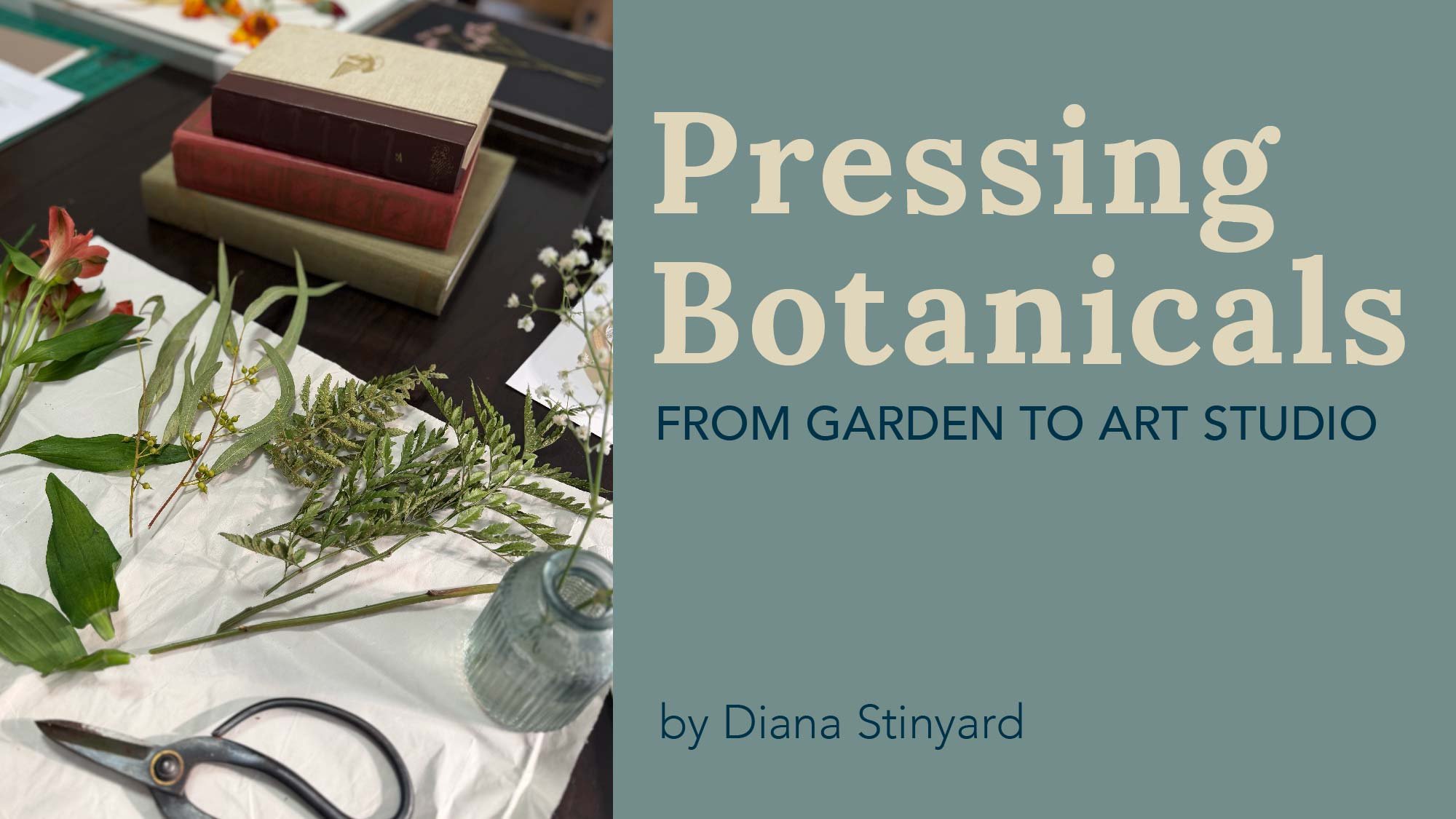
  • 0.75x
  • 1x (Normal)
  • 1.25x
  • 1.5x
  • 1.75x
  • 2x

Intro to Wet Cyanotype: Creative Botanical Prints

teacher avatar Diana Caragan Stinyard, Artist/Designer/Photographer

Watch this class and thousands more

Get unlimited access to every class
Taught by industry leaders & working professionals
Topics include illustration, design, photography, and more

Watch this class and thousands more

Get unlimited access to every class
Taught by industry leaders & working professionals
Topics include illustration, design, photography, and more

Lessons in This Class

    • 1.

      Wet Cyanotype Intro

      1:33

    • 2.

      Materials

      1:24

    • 3.

      Class Project

      1:52

    • 4.

      Preparing Botanicals

      1:07

    • 5.

      Experimental Additives

      1:16

    • 6.

      Assembling the Print

      1:06

    • 7.

      Exposure

      1:07

    • 8.

      Rinsing and Drying

      1:47

    • 9.

      Closing Thoughts

      1:48

  • --
  • Beginner level
  • Intermediate level
  • Advanced level
  • All levels

Community Generated

The level is determined by a majority opinion of students who have reviewed this class. The teacher's recommendation is shown until at least 5 student responses are collected.

22

Students

1

Project

About This Class

Step into the sunlight and discover the magic of wet cyanotype printing — a creative blend of photography, chemistry, and nature!

In this beginner-friendly class, I'll guide you through the wet cyanotype process, a playful variation of traditional cyanotype printing that uses water, soap, vinegar, and natural materials to create soft, painterly effects.

You’ll learn how to:

🌿 Choose and prepare botanical materials for printing

💧 Experiment with wet techniques and natural additives

☀️ Expose your prints to sunlight for rich, unpredictable results

🎨 Rinse, dry, and finish your prints for framing or mixed-media projects

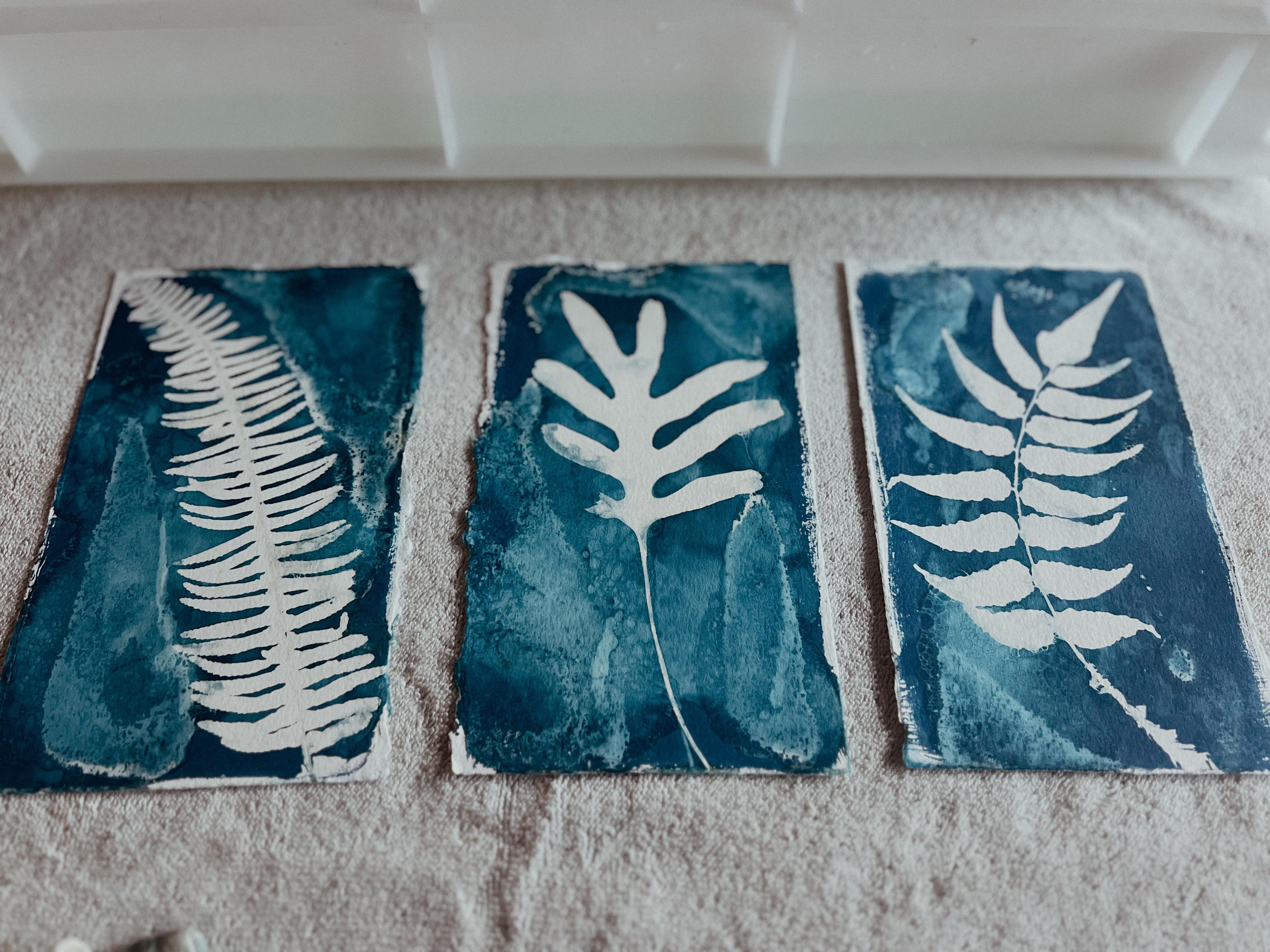
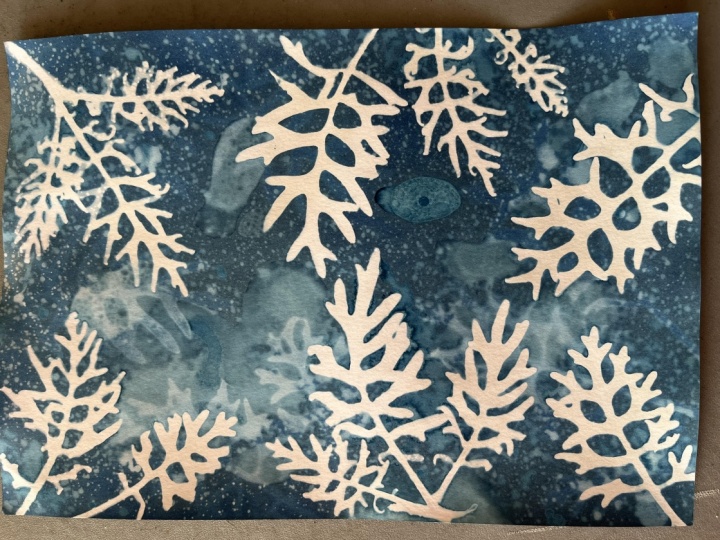
This class is all about exploration and creative discovery. Each print you make will be unique — shaped by the light, weather, and materials you choose.

No prior experience is needed — just curiosity and a willingness to play!

Who This Class Is For

  • Beginners curious about cyanotype and alternative printmaking
  • Artists, photographers, or nature lovers looking to experiment
  • Anyone seeking a relaxing, hands-on creative practice

What You’ll Create

By the end of this class, you’ll have your own collection of botanical blueprints — expressive, one-of-a-kind cyanotype prints that capture the delicate details of plants and the unpredictable beauty of sunlight and water.

Materials You’ll Need

  • Cyanotype paper (pre-coated or hand-coated)
  • Botanical materials: leaves, flowers, grasses, ferns
  • Spray bottle with water (optional: add vinegar, soap, or turmeric)
  • Glass or acrylic sheet, binder clips, cardboard
  • Running water for rinsing, basin
  • Gloves and apron (optional)

Meet Your Teacher

Teacher Profile Image

Diana Caragan Stinyard

Artist/Designer/Photographer

Teacher

Hey there, I'm Diana, a fine artist, graphic designer, and photographer from Texas living in South Italy. I grew up surrounded by artists and musicians in my family, so art has been a big part of my life. I love everything about creating nature-inspired art, whether designing illustrations, taking photos, or making cyanotype prints. Art has given me so much joy, inspiration, and a sense of gratification. Over the years, I've learned different skills from different projects I worked on. Most of my inspiration comes from my culture, social background, travels, and experiences in life. I am passionate about learning new things and sharing that knowledge with everyone.

See full profile

Level: All Levels

Class Ratings

Expectations Met?
    Exceeded!
  • 0%
  • Yes
  • 0%
  • Somewhat
  • 0%
  • Not really
  • 0%

Why Join Skillshare?

Take award-winning Skillshare Original Classes

Each class has short lessons, hands-on projects

Your membership supports Skillshare teachers

Learn From Anywhere

Take classes on the go with the Skillshare app. Stream or download to watch on the plane, the subway, or wherever you learn best.

Transcripts

1. Wet Cyanotype Intro: Welcome to this workshop on botanical printing with the wet cyanotype process. Cyanotype is one of the oldest photographic printing methods discovered in the 1840s. Traditionally produces those iconic deep blue images by exposing sensitized paper to UVlite. The wet cyanotype variation introduces water, soap, vinegar, spices, or other natural additives during the exposure. The transforms the process from predictable to wildly experimental. The results often look painterly, smoky and full of unexpected textures. In this class, we'll explore the materials and setup, prepare to compose prints with botanicals, experiment with different wetting techniques and additives, expose the prints to sunlight, wash, reveal, and dry the final works. By the end, you'll have not just a set of unique botanical prints, but also a process you can keep experimenting with on your own. Hi, my name is Diana Stinar. And in this class, we're going to explore the beautiful experimental world of wet Cyanotype printing. If you're ready to dive in, let's head on to the next video. 2. Materials: You'll need a few basic materials to get started. Cyanotype paper, either pre coated or hand coated with sensitizer solution. Botanical materials, leaves, flowers, grasses, seed heads, anything that can lie flat against paper. A spray bottle filled with water, optional mix with a few drops of vinegar, dish, soap, or even lemon juice, additives for experimentation. Turmeric, paprika, baking soda, even washing soda. These create unpredictable halos, colors and textures. A sheet of glass or acrylic to press the botanicals against the paper, a tray or board to transport your print outdoors, some binder clips to secure your contact print, running water and basin for rinsing after exposure. Tip for students. Always work in low indoor light or sheet to avoid accidental exposure before you are ready. 3. Class Project: For your project, you'll be creating your own set of botanical cyano type prints using the techniques we covered in class from choosing your plants, wetting your paper, and exposing your prints to rinsing and drying them. Once your prints are dry and complete, take a few photos of your final pieces. You can photograph them flat, styled with your materials or even displayed in your home or studio. Then head over to the class project section here on Skillshare and upload your images. I'd love to see your results, the colors, the shapes, and all the beautiful surprises that come from this process. Don't worry about perfection. This is all about exploration and creativity. Every print tells its own story. And while you're there, please make sure to share your experience in the class discussion section. Tell us what worked, what surprised you, what you might want to try to experiment next time. Connecting with other students helps everyone learn and grow together. I can't wait to see your botanical blueprints and hear about your creative journey. Let's fill this class gallery with sunlight, color, and inspiration. 4. Preparing Botanicals: When selecting botanicals, look for a mix of shapes and densities. Ferns, lacey leaves and flowers with transparent petals give delicate detail. Thick leaves or stems create bold silhouettes. Pressing plants between books beforehand helps them lie flatter. But in wet cyanotype, a slight curl or lift can actually create interesting shadows and ghostly effects. Spend a moment arranging your chosen plans on dry paper before adding water. Think of it like composing a collage. Play with layering, capetition or asymmetry. Remember, negative space is just as important as filled space. 5. Experimental Additives: This is where wet cyanotype diverges from the classic method. Lightly spreads your paper with water. You don't want puddles, a good amount to cover the paper. For some textures, spread some bubbles onto your paper. For warmer tones, sprinkle turmic or paprika onto the damp surface. For this class, I'm using turmeric on the prints. Always test small amounts first. The idea here is to experiment, not control. Each additive reacts differently, depending on the plant material, paper, and sunlight that day. 6. Assembling the Print: Once your paper is misted and ready, lay your plants carefully onto the damp surface. If they don't sit flat, that's fine. Lifted edges allow light to seep in and create glowing outlines. Place the glass or acrylic sheet on top to press it gently down. This ensures good contact but still allows the chemistry to move and bloom beneath the surface. Then secure everything on a firm board and use some binder clips so you can carry it outdoors easily. Now you're ready to take it outside for exposure. 7. Exposure: Now, let's expose the print. Place your setup in direct sunlight. On a bright sunny day, eight to 15 minutes is usually enough. On overcast days, leave it for 30 to 40 minutes or longer if needed. As the print develops, you'll notice the color shifting, pale greens and yellows deepening into bronzes, purples, and eventually blues. Don't be afraid to peek under the glass once or twice, but keep in mind the process is slow and unfolding. Remember, there is no perfect exposure time in wet cyanot. Each piece develops its own life in the sun. 8. Rinsing and Drying: Once the exposure is done, bring the prints indoors and carefully remove the glass and botanicals. You'll see ghostly shapes where your plants were surrounded by smoky textures. Rinse your paper gently in bath water. At first, the yellows will wash away, and rich blues will begin to appear. This step fixes the image and stops the exposure process. Wet cyanotypes often show subtle tones beyond blue, bronzes, grays, and smoky violet. Some of these may fade over time while others will remain. Continue to rinse your prints until all the yellow tones disappear. Once developed, remove the prints from bathwater and gently place them on a flat surface. Use an old towel or dish towel to blot the excess water. Then allow your prints to dry thoroughly, flat on a surface or hanging with clips. As they dry, the blues deepen and the textures become more pronounced. Wet cyanotype is unpredictably by nature. The beauty lies in embracing what happens rather than striving for control. 9. Closing Thoughts: Congratulations. You've just created your first set of wet cyanotype botanical prints. As you can see, no two are alike. Each print captures not just the plants, but also the water, air, sunlight, and all the choices you made during the process. I encourage you to keep experimenting. Try to use different plants. Work on a sunny day or a cloudy day, try different additives, change up your exposure times. Every variable opens up new possibilities and most of all, enjoy the process. It's all about play, curiosity, and discovery. Thank you for joining me in this class and I can't wait to see what you create. If you'd like to explore other creative projects using what you learned from this class, Intro to wet sci and type printing, please check out my other courses here on Skillshare.