How to Draw a Duck: Simple Pencil Sketching Basics | Andy Villon | Skillshare

Playback Speed


1.0x


  • 0.5x
  • 0.75x
  • 1x (Normal)
  • 1.25x
  • 1.5x
  • 1.75x
  • 2x

How to Draw a Duck: Simple Pencil Sketching Basics

teacher avatar Andy Villon, Fine Artist

Watch this class and thousands more

Get unlimited access to every class
Taught by industry leaders & working professionals
Topics include illustration, design, photography, and more

Watch this class and thousands more

Get unlimited access to every class
Taught by industry leaders & working professionals
Topics include illustration, design, photography, and more

Lessons in This Class

    • 1.

      Welcome to Class!

      3:21

    • 2.

      Initial Sketch

      5:52

    • 3.

      Adding Details

      5:27

    • 4.

      Final Details

      4:25

    • 5.

      Thanks for Watching!

      1:13

  • --
  • Beginner level
  • Intermediate level
  • Advanced level
  • All levels

Community Generated

The level is determined by a majority opinion of students who have reviewed this class. The teacher's recommendation is shown until at least 5 student responses are collected.

29

Students

5

Projects

About This Class

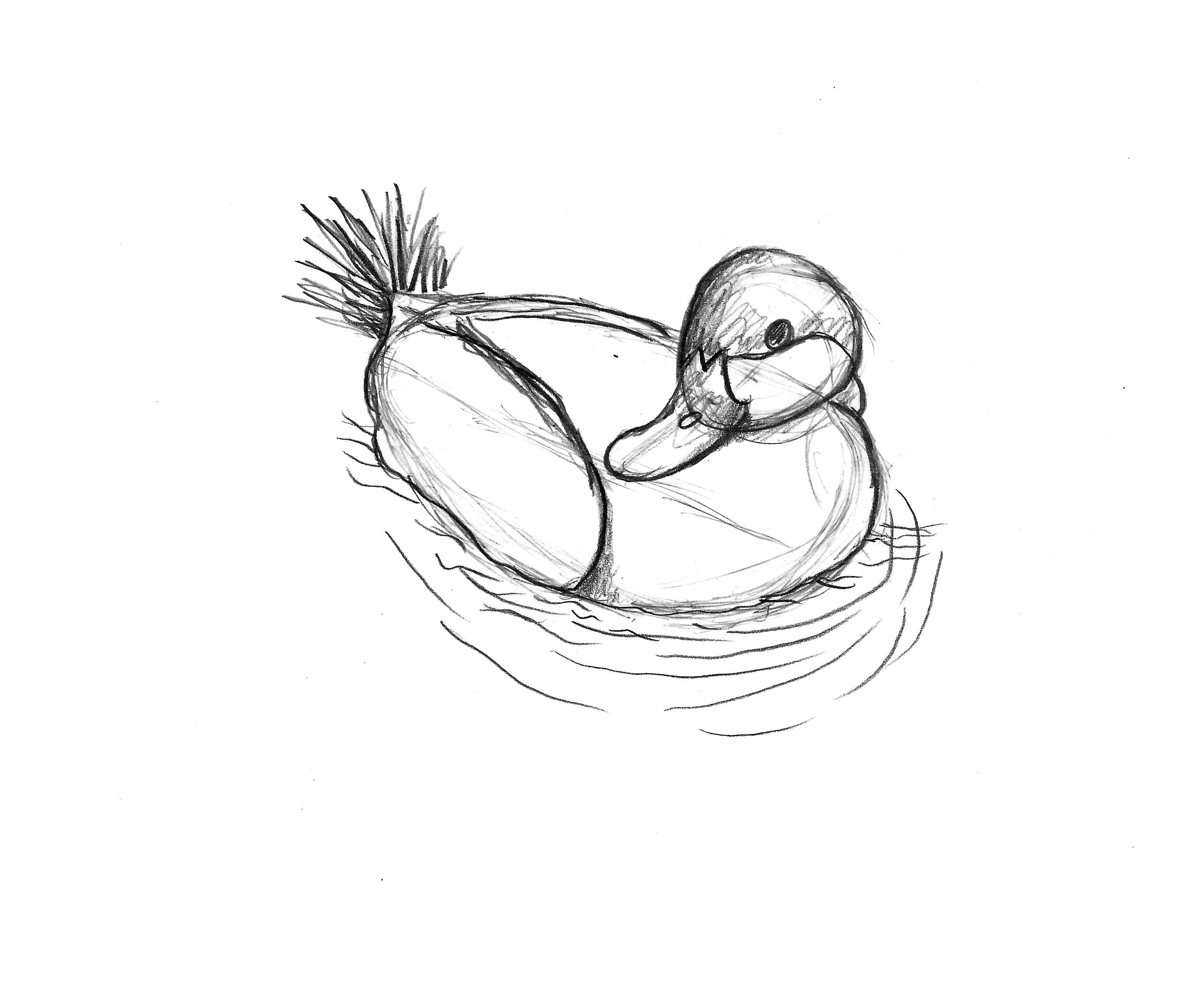
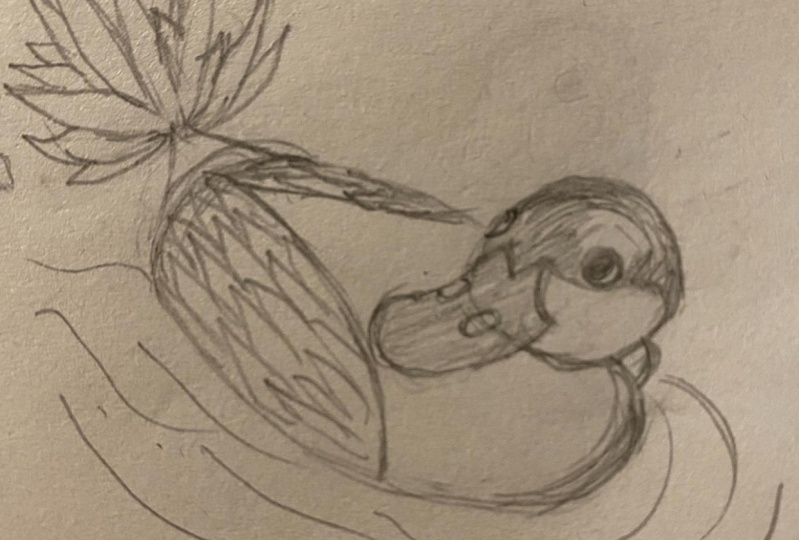
In this class, we’ll sketch a duck in pencil with a simple, beginner-friendly approach. The goal is to keep things loose and clean, focusing on the basic form of the bird instead of getting caught up in tiny details.

I love painting and adding color, but sketching is where a strong drawing begins. A lot of artists struggle with the early stage—figuring out proportions, shapes, and structure—so I created this lesson to help you practice the fundamentals in a calm, approachable way. We’ll build the duck using simple shapes and an easy outline, and you’ll learn techniques you can apply to drawing other birds too.

This class is perfect for animal lovers, bird lovers, and anyone who wants to strengthen their sketching skills—whether you’re brand new or just want more confidence drawing from reference.

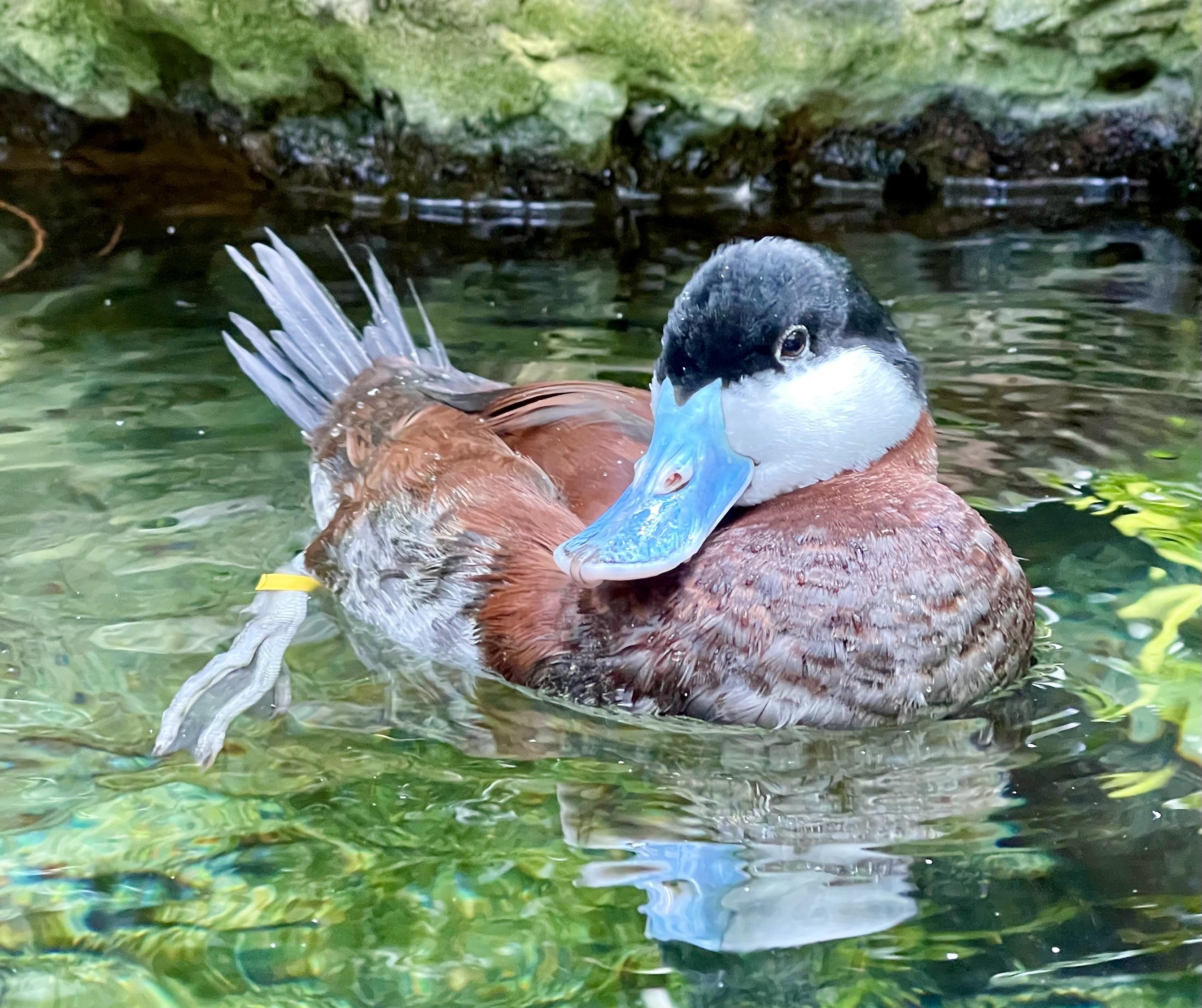
In the project section, I’ve attached the duck reference photo for you to use while you draw.

Materials you’ll need:
I'd love it if you would visit my Etsy Shop where I offer prints and other handicrafts of my artwork: AndysARTtitude

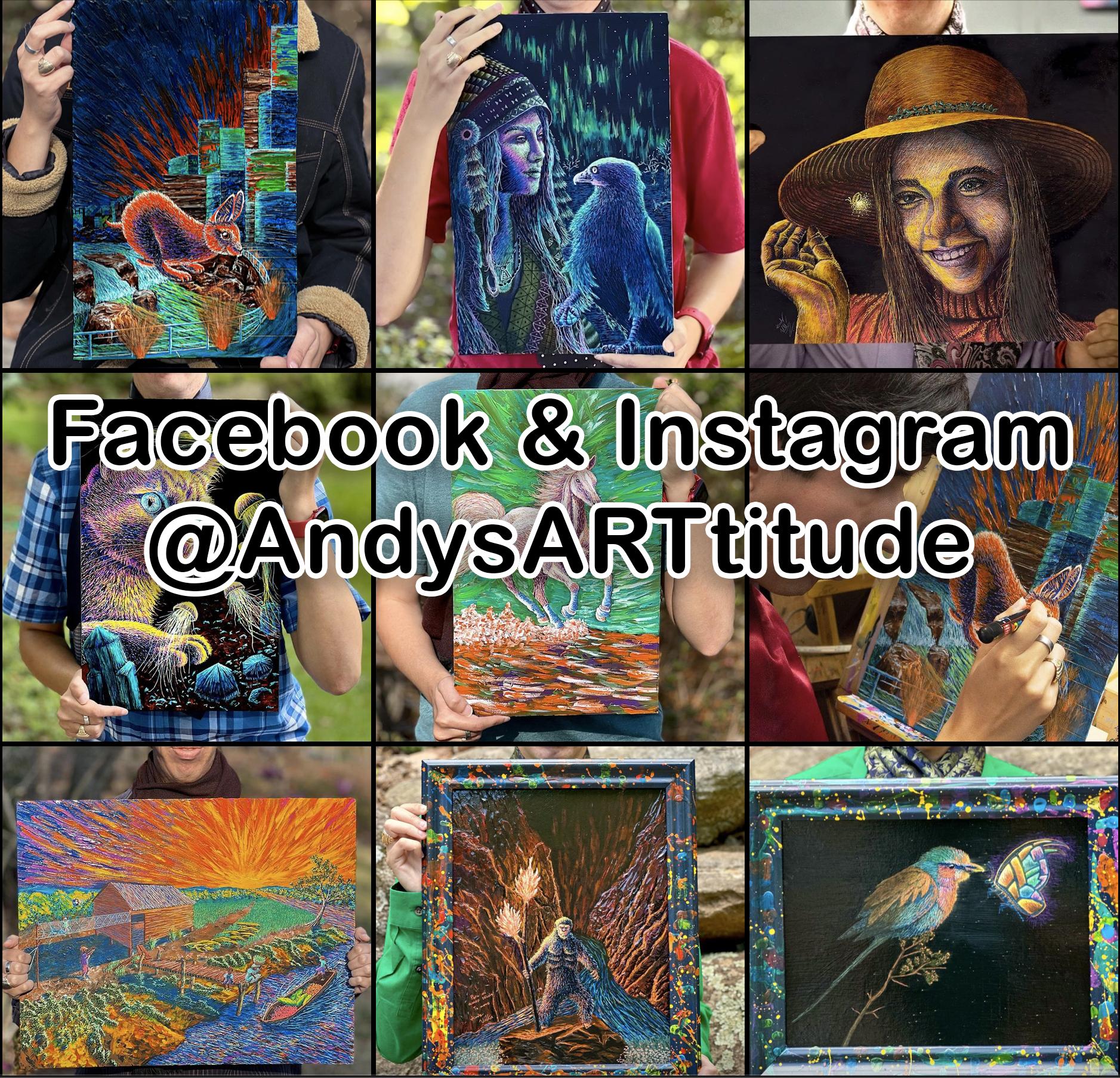
Be sure to check out my social media pages on Instagram and Facebook where I post updates of my art I also announce when there is a new SkillShare class.
Meet Your Teacher

Teacher Profile Image

Andy Villon

Fine Artist

Teacher

I'm a fine artist and Skillshare teacher specializing in colorful, realistic animal and floral art using Posca markers, acrylic paint, watercolors, and mixed media. I've been working as a professional artist since 2013 and teaching art since 2021, helping beginners and growing artists build confidence through clear, step-by-step instruction.

My classes are beginner-friendly and project-focused, designed to help you create vibrant artwork while learning practical skills like shading, layering, texture, and color control. I'm especially known for teaching realistic animals, glowing effects, and eye-catching florals, inspired by bold color palettes and what I like to call Instagram-style art -- bright, expressive, and visua... See full profile

Level: Beginner

Class Ratings

Expectations Met?
    Exceeded!
  • 0%
  • Yes
  • 0%
  • Somewhat
  • 0%
  • Not really
  • 0%

Why Join Skillshare?

Take award-winning Skillshare Original Classes

Each class has short lessons, hands-on projects

Your membership supports Skillshare teachers

Learn From Anywhere

Take classes on the go with the Skillshare app. Stream or download to watch on the plane, the subway, or wherever you learn best.

Transcripts

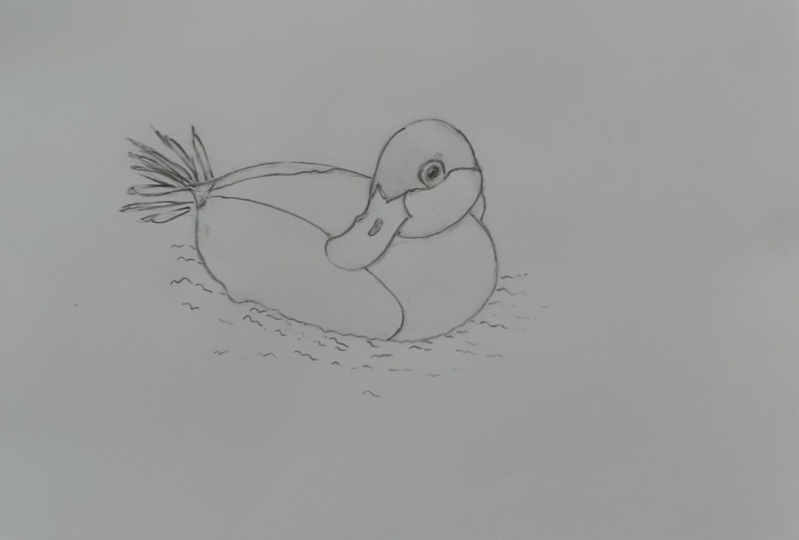
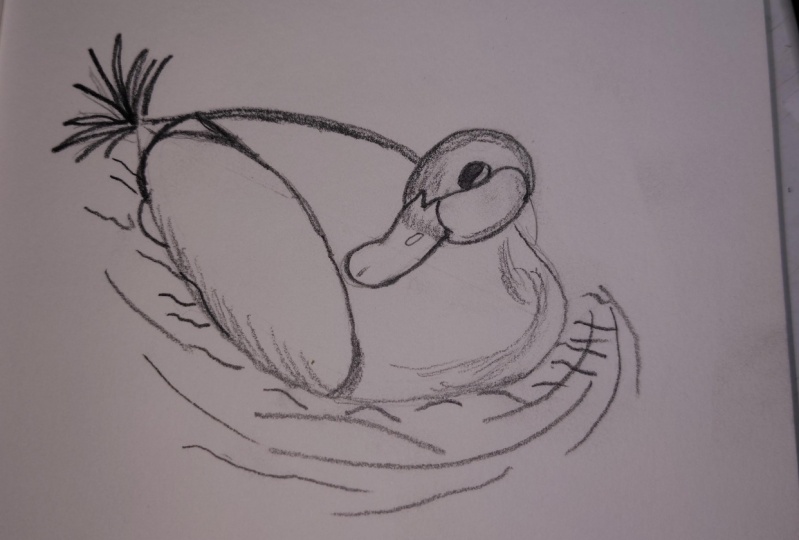
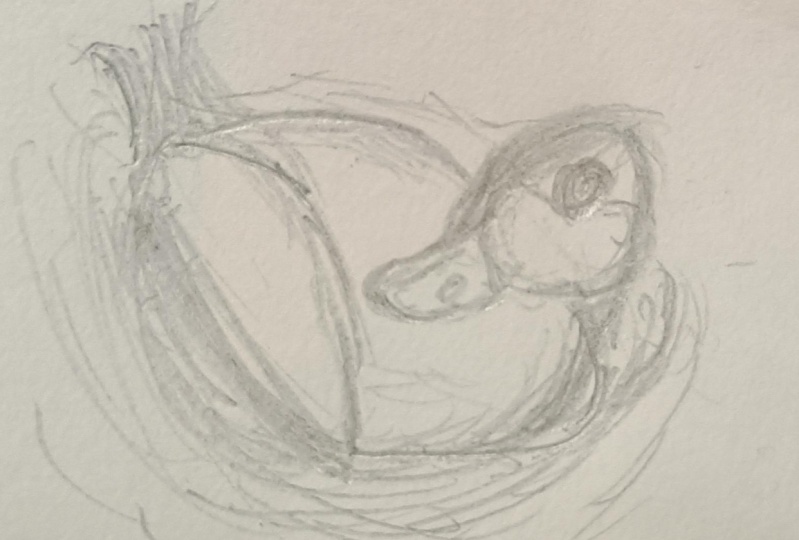
1. Welcome to Class!: Hey there, how are you? My name is Andy one, and I'm so happy that you've decided to join me here for this class. I enjoy working with alcohol merkers, Pasco, merkers, and colored pencils. And sometimes I event like using all three and even more, such as acrylic paint and watercolors and doing something called mixed media. Over the past ten years of my artist's career, I've learned and gathered knowledge on how to draw and paint. Over the past three years of teaching, I have learned what appeals to my students and how they learn best. In this class, I want to help build your artistic abilities. Here's what we're going to learn in this class. The animal we will be drawing this time is a duck. We will use this reference photo that I took in Tampa Bay Aquarium a few years ago when I was visiting that aquarium. With this photo reference, I will point out it is very simple. We only have to really draw the head and the body and the tail. We don't have the feet in this view because it's under the water. Now, the tools that you'll need is your sketch pad. I will be using Strathmore Bristol Board paper. I will also be using a two pencil for the initial sketch and then a five B pencil for some detail work and a bit of shading later on. So this will be a quick drawing that will be done in about 15 minutes. We aren't going to add too many details or go too far with this drawing so that in the future when we do add color, we won't have to go over too much pencil work. I will display the reference image on the screen. So you can see that up there beside the drawing. You can also download the reference image as well as my scan of my drawing in the class project resources tab. In the coming weeks, I will have more classes drawing birds and in the future, other animals. So stay tuned to see what I upload next. There's a list down below this video with all the details and full description of what you might need. I also invite you to please, when you're done with this class, leave a review and be sure to share your work here on skill share so that all of us can see and check out what you have done. If you have any questions at all, please don't hesitate to ask me and I or someone else will be sure to help you out. Final thing is that I'd like you to feel free to check me out on Instagram. My page is Andy's attitude and you can see my work. What I do on a daily basis. It is now time to start this class. Sharpen your pencils and let the class begin. 2. Initial Sketch: In this example, we'll be working and drawing this picture of a duck. Starting out by finding the basic gesture and flow the basic curve of the body. We'll just go in and start mapping out where we want to have our duck. What I see when I look at this photo is the dug the body is flowing down to the right at the head on the right and here sitting on top almost for what I see as a question mark. That's really all I want to lay in right now. Then I basically know where the body is. The back end will be here, the front chest here, the top of the head will be here. At the side of the neck will be somewhere over here. This really helps me get basic layout and idea of the area that I want my drawing to be at this point. If I said, hey, I want this stuck to be bigger, then I would have to make this, this line longer and maybe the head a bit taller and so on. This is what I need right now to know what area I'm going to take up on my paper. This is what I want. I'll start, I'm going to add in a nice big long oval sweeter in the body. Will now add in a quick head by adding in another oval oval. If it had an axis or a line fluid would basically come like this, with the front of the head being here and the back being here. At this point, I might check, I need to make this front of the body a bit bigger. So I might extend it ever so much, I might widen out this back just a tad. I might make this sign, that curve what I'm doing, you may see this and say, hey, this looks like a mess. But I'm really trying to avoid just going in and throwing the bird outlining it and throwing it in. I'm trying to think three dimensionally. I'm trying to really visualize what's happening with the head, with the way it's pointing, the direction of the body, the basic size of each head and body and neck. I'm also using this time to figure out what size everything needs to be. By adding in the simple shapes, it allows me to really find the dimensions of each object and in other words, of the head body. And those are the two biggest that I see of the stuck. And that have to really pace myself and not get carried away adding details too soon. So let me go in now and clean up some of my lines. 3. Adding Details: Okay, so now I'll start dividing this up and adding in some details little by little. I know I have the wing back here that's folded up. It comes out from the middle right here. Let's say this is the middle of the back end of the duck. We come forward, if we compare where the end of the peak would be, I think the end of the beak would come forward, right in here. The end of it would be right about there. Wing comes in this view, right about there to the end where the end of the peak would be, where different things are in this picture. And that helps me construct my bird, my animal and put it together. In the scene, I'm comparing where the peak is, where the end of the peak is, to where the end of the wing starts to curve. And then we have the water line of the tuck at the edge of where the water is. Right along here. We have a little porch right here of the neck, I believe it is. We have a bit of a triangle right in here, and they look a bit like cat ears. Whenever I draw, I like to think of what I'm drawing, what it looks like for the shape that it looks like in comparison to something that I can visualize. And I have around me for example, like I said, phase two look like cat ears and so on. This shape is very similar to a skateboard, Comes very flat and wrong here. And then a nice gentle curve, we have a bit of a bow effect. It bends down, right along here, and then goes up. I'm going to add in where edge of this white and black. I notice it's right near this point of this cat ear that we said it comes wrong. So it curves a little bit down and then, and then down like this. We'll go ahead and add in the eye. And the eye is ever so much oval shape, it isn't a perfect sphere. It's right in the crest of this division of the white and the black. The final things we'll do is we'll add a little point back here to the back end. Then we have our feathers. For the feathers, we really don't want to add too much detail. They basically think of this as a center point and they radiate out from there. The longest ones would be in the middle. We don't have to add too many details. We could show the other edge of the other wing over here if we want. Looking at this, I think my dog came up pretty good. I could have been a bit shorter here. A bit less area right in there. May go in and adjust my wing a little bit. 4. Final Details: So now I'll come in with my charter, my five pencil just to add a bit of detail. I'm going along this spot of age and adding a bit of waves basically from red out here where the end of my pencils is, where the water level and the techs body starts. So I'm going around with a very gentle wavy line just some indications of little repose in the water. Okay, so there is our book. I added in a few ripples right around here. And that concludes our drawing. Just to review, we added in our basic line of our axis of the body and the head, and we found the size we wanted the B to be. Then we added in our barrel shape of the body and the oval shape of the head. And then we went on adding our details. So really simplifying, thinking of simple shapes, ovals, spheres, basic clamar shapes, and then working and adding more and more details. 5. Thanks for Watching!: Thank you so much for watching. I really hope you enjoyed this class and we're able to learn something from it. Please feel free to post a picture of your drawing below this class so that all of us here on Sco chair can see what you did. If you have any questions, don't hesitate to start a discussion in the discussions tab below this video, and I will be happy to answer your questions. Well, if you would like to support me, please check out my website at www.andsartitude.com And feel free to visit me on Instagram and Facebook where you can see daily updates of my artwork at andsartitude Stick around here on Skillshare and follow me, because in the coming weeks I will be uploading more classes. That's been it for now. I hope you have a wonderful day. See you in the next class.