Transcripts
1. Introduction: If you are a blunder user and you don't know how
exactly you're going to use your skills to make money or passive
income on the side, then you are in the right place. In this class from
Inspiration Cuts, I'll share with you
my experience over the years on the best
methods available to you as a three artist to monetize
your skills and experience in five practical ways that
I know for sure can work for you if you put in the
necessary time and effort. I am mostly known for
creating content online, which is a great way to use your skills as a three artist. I have almost 300,000
followers on YouTube, where I create content about three D software such
as Blender, Maya and Max. I help my followers with
general knowledge about three D and all the new tools and features that they might
need to be successful. I started using three D
software back in 2008, starting with Max,
over the years, I tried different software. But under got my attention. I started using it and shared my knowledge about it in
the last five or six years. Over the years, I
was able to make a living as a three D
artist using my skills. Not only that, but I was able to hire people to work with
me in a small business. If anything, this proves that it is possible
to be successful too, if you are serious
about it, of course. But today, we'll go through all the other popular
and effective methods like selling three D assets, selling courses, adds, freelance work, and
creating content. Each one of these methods has its own approach and conditions, but it mostly depends on you and which ones
suits you best. In addition to your background
and skills as well. We'll start with methods that I would recommend
for beginners who basically are at
the beginning of their career and end with
methods for those who are more advanced and
have more experience in the field of three D. By
the end of this class, you'll have a solid and
practical understanding of the best methods to monetize your scales
and hopefully start generating some
income as soon as possible.
2. Before We Start: Before you think about making money using three D software, such as blender and
three D art in general, I suggest you get good
as a three D artist in the first place because there are millions of people
new to this field. So you want to stand
out a little bit, but most importantly,
I would say, you need to get better
for your own sake. You don't want to offer clients something that is
not good enough. In fact, you want
your clients to be thankful and impressed by work to the extent that they
come back and want to work with you or
buy from you again. This pretty much applies to all the methods we're going
to cover in this class, whether it be selling three
D assets, making courses, freelance work for clients, or creating content
for three D audiences or any service or product that you're going to
sell to your clients. I have made money from
all those methods to a certain extent
and varying degrees. And I can tell you one thing. People don't care about
who you are, what you do, or how much you're
passionate about it, but they do care
about one thing, and that is how good you are. You don't have to be
an expert though. You just need to be good enough for your
clients or products that you are selling at the
level you are at right now. For example, a few artists
only are good enough to work on a video games
or in big VFX houses. But tens or hundreds
of thousands of artists are making
a living online. And we just have to be
one of those as a start. And trust me, it is not
impossible to be one of those, and it is not far fleshed. Getting your foot in the door is probably the hardest thing, and this is what this class
is going to help you with. With that out of the way.
Let's start with one of the obvious and one of
the most known method, which is working as
a freelance artist.
3. Method 1: Freelance Work: Working as a freelance three
D artist Hume Blinter or any other three D
software present unique opportunities
and challenges. Meaning there are great
things to benefit from and difficulties that you need
to know about and overcome. But thankfully, by focusing on certain key strategies like thousands of other freelancers, I'm sure you can navigate
the freelance landscape more effectively and build
a successful career as a three D artist. I should also mention that this method can be
suited for all levels, and even if you spend a
couple of months to three D, you can find someone who can
use your three D skills. The interesting thing is that probably the majority
of self employed three D artists spend
most of their time on this method making money
as a three D artist, which is working
as a freelancer. Before doing anything as a
freelance through the artist, I would recommend creating a strong portfolio
of through the art, which is by far, your most
powerful marketing tool. It should showcase not
only your best work, but also a range of skills and styles to attract
different clients. If you are, for example,
an environment artist, you can show
different environment projects that you
have worked on, ranging from exteriors
and interiors. Also, you can showcase cities, environments in nature, and
everything else in between. But it is always better to
include only your best work, even if you have
a couple of them. One thing I would recommend also is to keep it
simple and clear. Don't use fancy auto
scrolling images or some unnecessary things that your clients don't care about. To be honest, there is
more to it than that. But as a start, this
should help a lot. Also, regular updates to your
portfolio as your skills improve and your body of work
increases is recommended. Also as someone who doesn't have a lot of experience
in this field. One important thing I want to mention is that on started out, it is okay to accept
smaller projects. In fact, any project will do. These early experiences will help you build your portfolio, hone your skills, and
become more known. This means, for example, if you work on a game character
for a small ID studio, you can post it on
your portfolio. And this will hopefully attract
some bigger studios like Double A game
studios to work with them or even hire you
for that position. After a few years of experience, you can even work with
Triple A Game Studios as a freelance character artist, if this is what you want. So persistence is crucial and success in freelancing
often comes after consistent effort and
continuous learning because it is a process to put simply
every completed project, no matter the size is a step forward in
the right direction. The question now is, how to start or how to get clients
in the first place. Well, first of all, don't
hesitate to reach out to potential clients or local
companies that you admire, or maybe small companies, maybe even productions
that you know of. By the way, your clients
don't have to be big companies because
even small shops, small companies, or
even individuals need services of a 30 artist. So a well crafted e mail that
highlights your skills and portfolio can open the door for many possibilities for you. You can contact as
many as you can, but don't do it randomly though. Only those you believe you can work with, At the same time, you can create accounts in popular freelancing
websites like Fiver Upwork, our station, and other platforms
because this is where people looking for
skilled three D artists go to find talented, but most importantly, three D artists who can do the
job at the best price. So this is a good place to get some low hanging
fruit kind of job. And if you ask me, if you
can get $110 job as a start, you probably should take it. Not for the sake
of money itself, but the momentum and the
confidence you will get that you can work as a freelance
artist and get the job done. And over time, you can build your way up to
higher paying gigs, which eventually will happen
if you persist long enough. I should also mention that social media platforms are also powerful tools for showcasing your work and reaching
potential clients. You can share your
projects behind the scenes process and insights into your
creative journey. So, engaging content can
attract followers and lead to freelance opportunities as well. How do I know this? I cannot tell you how
many times people reach out to our social
media platforms, seeking to work on some projects
like three D animation, modeling or game
development projects. So it works. Also, what many
through D artists may neglect is building
relationships with other artists because this can lead to opportunities
and cooperations. A simple example would be one of your fellow through the
artists will recommend you for a job or simply
forward a job to you if he or she has too
many on their plate. A good place to start is to
attend industry events or participate in online forms and engage with other
artists on social media. It is worth it because
a recommendation from a fellow artist can be
incredibly valuable. But now, the real question is, how much do you charge
for your services? Determining the right price for your services can be
sometimes challenging. You can do this by looking at whatever experienced artists are pricing their services at, but you need to
consider your level of experience as well, and factor in the
complexity of each project. So don't undersell
yourself because pricing reflects the value of your skills and the
quality of your work. So keep that in mind. At the end of this chapter, I would like you to create a good portfolio
of your work and a freelancing account
and try to get your first client no
matter how small it is, and no matter how
long it's going to take because you will
eventually get there. If you already have
worked before as a freelancer or if
you already are, I would like to know what your experience with
your first client was and how did you get that
client in the first place?
4. Method 2: Sell 3D Assets: Now we're going to talk about
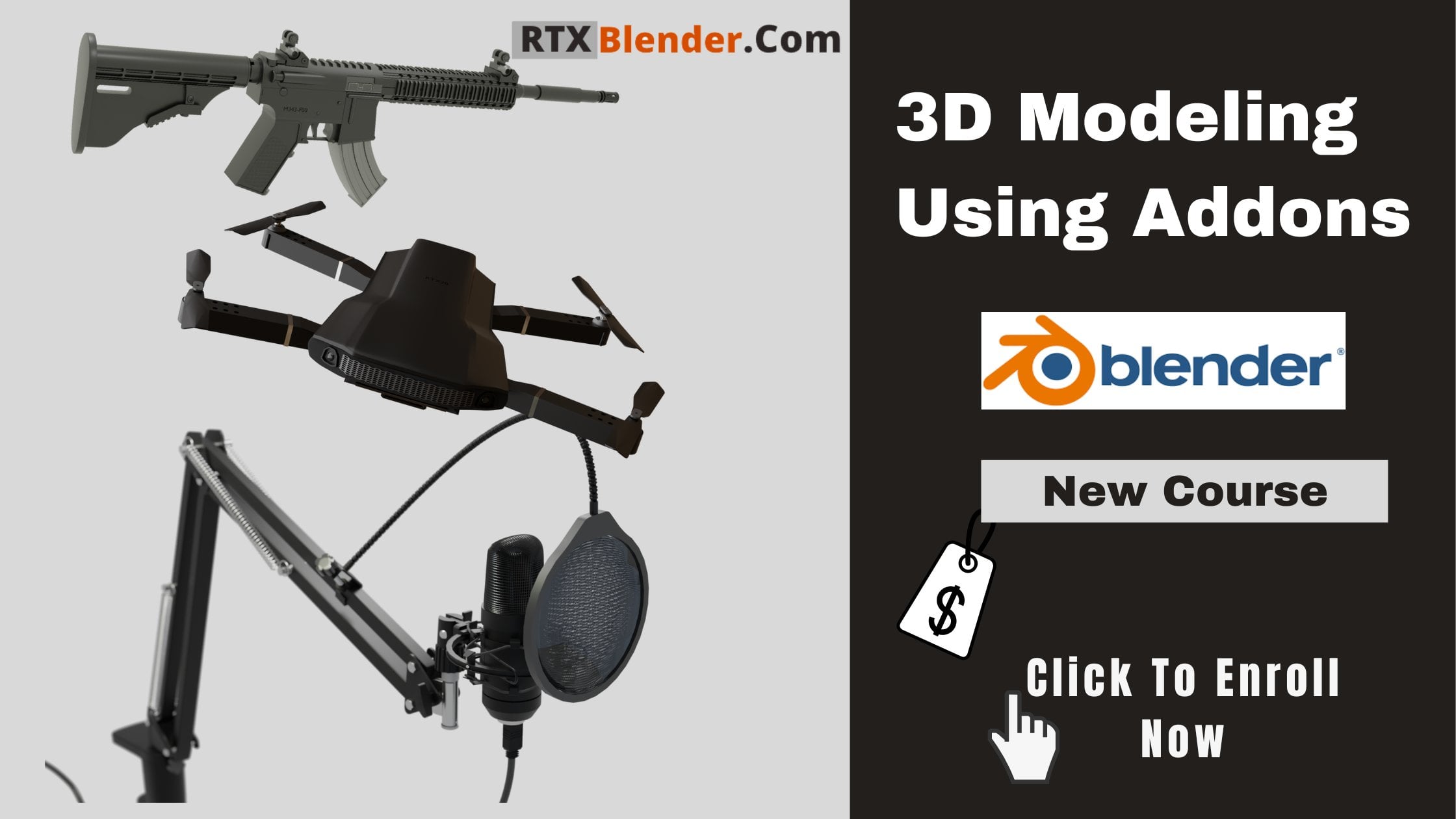
selling through the assets. Selling through the
assets includes not only three D models
but also materials, textures, decals, brushes,
alphas, and so on. For the sake of simplicity, we're going to talk
about three D models, but pretty much the same applies to all types
of three D assets. This method is recommended
for three D artists who spent at least one year of modeling and tax oring
three the assets, so the intermediate level
or professional artists can find varying success
from what I have seen. The first thing I would
recommend is to choose the type of three models and the type of audience
you want to sell to. But this should not be random or based on what
you'd like to sell, or even based on what
you'd like to make. I think your best
option is to dive into the field you have
most experience with, whether it'd be
game development, arcVse product design,
three D printing, engineering, you name it. This is the case because each one of those fields requires certain knowledge to
fulfill the needs of your clients and
their projects. For example, what
game developers need is different from
architectural visualization, which is different
from VFX and so on. Once you choose the market
that you've got to sell through the asset to
and see some sales, I think it's going
to be better to specialize like selling
environment assets, weapons, characters,
vehicles, robots, masters, you name it. This choice should not
be random, though. Rather, it should be based on your experience of selling
through the assets. From the data you have
collected over the months, you should see some assets
sell more than others. This should give you a hint of which category of assets
is lucrative for you. If you want to
sell everything as a generalist, it's
going to be fine. But specializing in
certain types of three D models gives
you authority, and buyers will trust you more. Especially if you have the data and sales that back you up. From my experience,
finding out what sells the most is
an educated guess, but it is a guess nonetheless. Most famous websites for selling three D assets like CG
trader, sketch Vab, Turbos quid, and so on, give you data or
information about what is popular in a
certain period of time. You can take advantage
of that information to see if it is going
to work for you or not. After a period of time, I would say at least
a couple of months, you will start to get an
idea of what works for you. Start selling what
works for you most. You can also take advantage of special occasions like
Halloween, Christmas, and so on. So plan ahead for these
events because usually, people will be looking for
certain types of 30 assets. So if you prepare well,
you will do well. Now, let's get into the technical stuff,
starting with modeling. When it comes to
three D modeling, anyone who's got to purchase
your three D assets, especially professionals
will appreciate it if you create good topology. In other words,
you need to create something clean and
pleasant to look at. Also, another important practice that your clients
will appreciate is naming your assets properly and according to their
name in real life. This helps a lot. Especially for assets with a lot of parts because small parts can easily be lost
in a long list of objects named
like cylinder four, plane 23, cube one, and so on. This is also super important
for small assets in an environment filled with
tens or hundreds of assets. At the same time, this
will also help you personally to keep your
work clean and organized, even if you are not
working with clients. It goes without
saying that naming your assets and
parts properly is a must as a pro If you want to stand out from the rest of the competition, you need to include
as many details as possible in your
three D models, especially if it is a
character, a weapon, or a vehicle, also
known as hero assets. This does not mean, however, environment props, for example, should not be detailed. In fact, they should be two. Because it shows you care and that you are doing
a professional work, and it gives a client an impression that you
are one of the best. Otherwise, how are you going
to stand out from the rest. But generally, if
something is away from the camera or an asset or three D model is going
to be in the background, meaning something that
you're not going to inspect. Closely, it is not recommended
to add necessary details. After you're done with modeling, you got to create UVs
for your three D assets, simply because they
allow you to create the accurate and good
looking textures. Personally, I have certain
rules I have to follow to make good looking and correct UVs that help me avoid stretches, in addition to artifacts
within materials. For example, make sure to keep everything as
strict as possible. Keep your island sizes
proportional to each other and always use all the
UV space when packing. In addition to other
tips and tricks, that helpi creates
something accurate when it comes to creating
textures and materials. On a side note, actually, a very important note, I want to let you know
that poly count matters, especially for real
time applications such as video games
or vr3d models. This is the case because real
time projects don't have the capacity to handle a huge number of
polygons in one scene, similar to what is possible in VAFX projects where VFX
artists can easily have a scene full of
assets and characters with hundreds of millions
of polygons sometimes. To know exactly how many
polygons is optimal, it's kind of hard and
easy at the same time. But a tip I can give you is to go to websites
like Sketch Fab, click on any model
that you like from a professional seller
and start to inspect it. In the inspector in Sketch Fab, you can see how many
polygons it has, see the wire frame model, and how the low poly model looks if it is a
game ready asset. By the way, there
are certain methods to reduce the Polycount of your game asset
properly without being too low poly or not loop enough, which is a balance
that you need to keep. Generally speaking, You will
get used to this over time. And when it comes to texturing, I recommend you use
substance painter if you have it in
the first place. If not, Blender is
going to help you a lot because it also
has a nice workflow. Once you're done modeling
your three asset, whether it be a
character, a weapon, a vehicle or just an
environment prop, you need to export it in
different formats like FBX, OBJ, and so on. Also, when exporting materials, you need to export in different
sizes like one K, two K, and four K, just to give users more options
to choose from, depending on the quality of the projects that they
will be working on. Another important tip I
can give you is to render as many images as possible
and from different angles. Meaning, when rendering
your three D models, you have to render them from
as many angles as possible, first, because it shows that
you have nothing to hide. Secondly, it gives the client the opportunity to inspect
your models thoroughly, and this also includes
three 60 renders, which is also available
in some websites. But I would say the best
option for inspecting your three D models
is inspectors, like the one found in sketch AP, which allows clients
to check everything thoroughly and find anything
that they are looking for. In addition to doing
final renders, a very important thing to
include is wire frame renters. This is important
because it shows how good the topology of
your three D model is. For example, me personally, I can tell if a
seller is good or not just by looking at
the wire frame renters, especially if it is a gain ready asset or Polycount matters. Presenting your model
is great in everything. But this is not enough. To increase the chances
of selling more, a good idea is to upload
to different markets. For example, you have
platforms like CG Trader, Sketchfab, Turbo quid,
blender Market, and so on. There are more, actually,
but for the most part, these are the most
important platforms for selling 30 assets. Generally speaking,
Each platform has its own rules
and best practices. However, they have more in common compared to
their differences. In addition to uploaded
vendors for presentation, a mandatory thing you have to do is to let your
clients know about your three D model
and what it is about by including a properly
written description. You compile the video
and read some of the descriptions a chose for you from some of the
best sellers I know of. This is a simple thing, but it can help people
understand a lot about your model in a
short period of time. So make it simple,
organized and neat. Also, make sure to include all the necessary information in there because
buyers are looking for a lot of models and you want to be the one to let them know that your model
is going to be the one model that
they are looking for. Another thing to include in addition to the
description of your model is to fill some
information required by the marketplace that
you are selling at. This includes things like whether the model is
animated or rigged, how many polygons
and vrtices it has, whether it includes
textures and materials, and whether the PBR
materials or not. This in addition to UV mapping
information and the use of additional tools
like render engines or additional errors. One additional important thing, which might be a crucial factor is to price your
assets accordingly. This actually depends
on many factors, but mainly try to look for similar three D models and try not to veer off too much
of the market price. Basically, don't price
it too high or too low for reasons that we will
discover in detail, maybe in another
class as we can go in detail on every aspect
we talked about here. At the end of this chapter, I encourage you to share
with us what needs of selling three D models you
will start with and why. Also, if you have some
experience already, let us know what worked for
you and what didn't. Okay.
5. Method 3: Selling Courses: The next method which is selling three D courses is
recommended for those who spent a couple of years or several years working
as a three D artist, whether it be for yourself or as a professional for some
company or studio. So it goes without saying
that teaching people anything or requires
knowledge of a topic at hand. I personally recommend having
at least a few years of experience under your belt in at least one
field of three D, whether it be game
development via fax or archivis in
addition to other stuff. This is important because
you need to provide good value based on
your experience, during which you must
have seen the best and the most optimal
ways of working on certain three D projects
that you specialize in, so you can bring a lot
of baggage with you. This, in addition
to all the traps, pitfalls and shortcomings
that you need to avoid as a three artist and that you can tell
your audience about. Just like what I'm doing right now with the Skillshare class. The first thing when you
want to create a class or a course is choosing
a topic which is very important
because it will lay the foundation for basically anything
that you will do next. For example, if you have
experience in Rc Vs, you can create a course on
how to create and render interior visualization scenes,
maybe exterior renders. If you are a game developer, you can create courses about creating different types of
game writing characters, vehicles, or simply
environment props. Maybe animation, simulation
or effects for games. And creating the course
itself requires preparation. First, you need to create a structure for the
class or the course. For example, basics of blender, like interface, simple
tools, its main tools, maybe explain the
requirements of the course and gradually
move to complex chapters, depending on the complexity of the topic in the first place. One important thing to
keep in mind is to let your audience know
about the software you will use in the
course beforehand. Some examples would
be used in blender, substance, Z brash,
al, and so on. This is important because it sets the expectations
for students, and you don't want
to cast them off guard when it is
too late and they discover that you will use software that you don't
have in the first place. For bginter classes, it is
better to keep things simple, clear and fun because
beginters don't have enough knowledge of
the topic and they don't have enough
or I should say, they have limited
investment in three D, so you don't want to make
it hard or too complicated. One thing I recommend from my experience making a
lot of tutorials is to keep things as simple as possible and avoid
unnecessary shortcuts. If it is necessary,
move slowly and speak clearly and explain what
you're doing step by step. It helps also to
show the keyboard keys that you're clicking on, which helps the
students to follow. Now, we're going
to the next step after making your course, which is marketing because
it will do you no good, making a course and leaving
it to collect dust. One of the best and
easiest ways to market your course is to publish it on different platforms
like Skillshare. This basically will increase the visibility of
your course simply because people
search for learning materials on certain
platforms, but not others. This will give you
more reach and more clients because this way, you will reach a wider audience. If you want people to know about your course and
build hype for it, you need to create a teaser, which lets people or followers
know about it beforehand. This can also help build hype
for it, like Medcradors do, such as the live course
by Pirc Peacot In addition to the human course by CG Coke or the two
animate course, which are very successful, simply because they
marketed their product successfully and they
built hype for it. These teachers made
teasers and built high for their course for
weeks or even months. When it dropped, it
already had momentum and sales started
rolling in immediately. Another important
tactic for marketing your course is to
talk to influencers, especially blender
influencers and there are many and plenty
of them these days. One of them or a couple of
them may help you do that. Easier alternative
is posting about your course on forms or
social media groups, or maybe your own social
media or website if you have one and it already has some
traffic coming to it. Otherwise, it's not going
to help you that much. Now, another important thing
that you need to think about before starting to
sell your course is pricing. At first, you may want
to start by testing different price points to see what works and what doesn't. You can try to offer
a price that seems affordable because you don't
have experience at first. If you start seeing some sales, keep it as it is because there's going to
be a good balance between the value of the course and what students
are willing to pay. You can actually raise prices, but I personally don't recommend it if this is your first course. Because at first, you want
to sell as many as you can. It will give you momentum, exposure and confidence, which is important
for the next one. But sometimes things
can go south. Deciding one to
drop the price of your course is important
because sometimes, especially as a beginner, you don't know what to expect. If you actually see
some bad results, you can lower the
price a bit or not bringing as many sales
as you expected. Another strategy for
bringing more sales is creating a discount for
your course at the beginning. You can offer an early bird
discount like 20% or 30% off. And hope for the best. This tactic actually works because a lot of
course creators do it, since it gives an incentive for buyers to hurry up and
make a choice immediately. But I think overall that this process is mostly
based on trial and error. Until you find something
that works for you and the range of pricing
that helps you most. Now, at the end of this chapter, I would like to know how you are going about creating
your first course. And what are some ideas you
would like to start with? For example, is it about
modeling, character animation, simulation, hard
surface modeling, or maybe just a beginner
course about the fundamentals. Also, what level is it
going to be for beginners, intermediate or
advanced level artists? Okay.
6. Method 4: Selling Addons : Oh, boy, this is a very old method of making
money using three D software, which is perfect for
developers who have at least some experience
with three D software, at least in one of its aspects, whether it be modeling, UV mapping, rigging, animation, simulation, lighting,
you name it. You need this
knowledge of three D, in addition to some
experience of programming. A couple of years, at
least, I would say, which allows you to solve problems and the challenges that come with creating tools and
anons for three D software. And in Blender, in particular, there are a lot of problems to solve and a lot of
challenges to go through. For aver software such as Max, Maya and Cinema four D, this method of making
money using three D has been taking place
for at least 20 years. But for Blender, this has been exploding in the last
four years or so, which means this is a
great opportunity to be a source of making a living as many artists
and developers do. In fact, many blender developers are doing this full time and even creating small
companies around blender tools and
developing ons. From reviewing hundreds
of blender ons and interviews with many
successful blender developers, I'm going to give you what
I personally concluded, which I'm sure you will
find very valuable. First of all, the first thing that might occur to
you when you want to make blender dons is having
a good knowledge of coding, and you're right if you
think this is the case. To create dons for Blender, you primarily need
to learn Python. But this is good news actually, because Python's readability and easy views make it ideal for both beginners and
experienced developers looking to extend
blender's capabilities. You also need to know
about Blenders API, which stands for application
programming interface. Which is easily accessible
through Python. This allows you to write
ons that allows you to do different things
like automating tasks, creating custom
tools for modeling, texturing, lighting, and
other things to enhance blender's functionality
because this is what blender users
are looking for. But if you don't know a
lot about coding, luckily, there is a great on
called serpents, which is basically a
visual scripting tool for non programmers. Here is the thing. The
shortest way to create a successful blender ons is to look for a problem
within vendor, which artists are suffering from or something that is lacking
within the software. This can be anything within
your range of experience, whether it be modeling, rendering simulation,
you name it. For example, flip fluids is an add on that solves the
problem of simulating liquid using its own
simulation system and it's customs sets of
force fields and solvers. In a sense, we can say it is its own little
software within vendor. This type of on, I would
say, is hard to make. But it is rewarding because these developers have
sold more than 13,000 copies at the price
of $76 per copy because it is just that good and solve that
big of a problem. Another example would be the box cutter and hard
ops once with more than 37,000 copies sold because this couple of als made the
problem of modeling complex, hard surfaces a lot easier. You can take a look at
the other popular ons and see the problems they solved
and how popular they are, and you will see a correlation
that you can deny. One of the most important
things to a mat, if you want to make a
successful lender add on is to help lender artist
save time when it comes to something tedious and repetitive like UV and
wrapping and packing Vs. Two successful ons are U V Pacmaster and Z UV when
it comes to this regard. They are both great and
can save you many hours of UVs work each day or
each week or each month, depending on how regularly
or how often you work on three D models
and do U V and wrapping. Imagine how much time artists are going to save on each model, if modeling a whole environment
full of three assets. Well, it's going to be a lot. Another example would be on productivity with tools
like clean panels, which helps to organize your end panel if
you have a lot of different tools in addition to adults that you
can keep track of. From what I can see, this can save you a lot of
time and headaches. And when it comes to
you, you can also aim for adults that save
danger artists effort. For example, when
making libraries of materials and
three D models that can be further customized within an adults like libraries
of vegetation, buildings, VD Bs, street signs, in addition to other stuff, and you can get
creative with that because only imagination
is going to be the limit. We review a lot of danger adults on inspiration
test YouTube channels. I noticed over the years that there are two different
kinds of developers. Some who focus on one
or just a couple of adults and keep
making them better on a regular basis
with more updates. On the other hand, there are other developers who make
tens of different ads, but guess who is
more successful. Of course, those who focus
on one or just a couple of adults and try to maximize
their adults value over time. Because the better it is, the more incentive
artists have to get it and use it on their projects. And from what I have seen, working with successful gender
developers over the years, quality is way more
important than quantity. The next point is
extremely important too. For God's sake, if
you are going to make an add on that you're going
to develop over months, please spend at least 10% of that development
time on marketing. What do I mean by that? Over and over again, I see blender developers
creating great addons. But then they just
take some screenshots and some text of what the
addon can do, and that's it. I would say this is not
enough, not even close. You have to spend time and
effort marketing your product. First of all, you have
to make a kind of a chorio or a trailer of
what your add on can do. I would say in a
couple of minutes max, to let people know about
your add on and what it can do in a short
period of time. You can put that on
top of the page on Gumroad or Blender
Market, for example. Follow that by explaining in text format what your add
on does on that page. But it is always better to make a Tutorial explaining
how your add on works. But most importantly, you need to let people know
about your add on. You can contact YouTube
creators and bloggers or post it on forums or websites
such as Lender nation. If this is not enough, you can contact us at
inspiration touch, whether it be on the website
or the YouTube channel, and we'll probably
talk about it if it is good enough to help
you push it out there. Before you publish your add on, you have to make sure
that you include the documentation of
exactly how the add works. I cannot emphasize that enough. Because if you don't, it may indicate that you are not serious enough and
people will get stuck, get frustrated and give you
a negative review which can hurt your reputation and the add on itself
in the long run. It may even kill its momentum at the start, which
is really bad. You won't believe how
many people leave one stop reviews just
because they don't know how to use the addon
and they didn't find documentation to
explain how it works. So you need to be
careful about that. Responding to clients and
taking their feedback and suggesting seriously
is also important. In an interview we
conducted with Lukas, the developer of UV PAC Master, he told us that the
most important updates of his add on UV PAC Master are from clients suggestions because it is that important
and very useful. So you have to listen to your clients and respond
to their concerns. At the end of this chapter, I would like to know what
on ideas you have in mind because there are a lot of them and not all of them
are going to work the same if they are going to
work in the first place. So I would like you
to share with us your ideas and what field is going to be in and how
you're going to go about achieving it. Okay.
7. Method 5: Create Content: This method of making
money as a three artist, which is creating online content is becoming more
and more popular, especially among blender users, as you can see with
some blender tubers, in addition to
forums and websites. But I would say it is
not getting easier. From my experience, it can take the longest time compared to all the other methods
to see some results. Basically, you need to do
the work beforehand for one or two years before you
start seeing some results. But if you are serious about it, I think it will be
rewarding in the long run. And just like creating courses, creating content online is
recommended for artists who have at least a couple of years of experience
in the field. To be able to make
something valuable, why you might ask, Well, because your audience will
be through the artists and some of them are going to be experienced
through the artists. To keep them around,
you have to provide content based on
knowledge and experience, that is going to be
useful for them. You have to be at
least, I would say, an intermediate level artist. You can actually create
content anywhere. But from what I have seen, the best sources
for information for three artists are
going to be blogging, YouTube, Twitter and the rest is going to be in
other social media. This, at least for
me personally. Now, how do you make
money from that? Well, let's start with ads. Creating content on
YouTube, your blog, or even TikTok and Twitter
now can generate revenue through the as displayed on
your videos or pages, by far. And from my personal experience, assets from YouTube or your own website can
generate the most income compared to other
platforms such as TikTok or Twitter when
it comes to running ads. But the thing is to
make a living from ads or to see any
considerable income, I would say you
would have to have at least hundreds of thousands
of use every single month, which takes time, dedication and hard work to
get to that point. The key here, I would
say is consistency. If you compost once a
month or once a week only, stick to that schedule, and hopefully over time, you will start
seeing some revenue. But of course, it
goes without saying that your content needs
to be informative, useful, and maybe entertaining. You can create tutorials like
many other Blender tubers, such as Blender Guru, Take three D, Southern Shai, Polygon Runway, and
many many others. You can also create
entertaining content like Smith and Kaizen Tutorials. Or maybe you can create
content related to Blender and three D
news like Ask Ak. Now, here's the thing. If
you're going to create content on a series level
and do it full time, I think you will need
sponsors at some point. This can be hard, especially
at first when you don't have a lot of views and engagement
from your audience. But once you get your
first client or sponsor, things hopefully start
rolling from there. To start, you can link a business e mail to
your YouTube channel. Just go to the section and then channel details to
see examples of that. In addition, if you
have a website, you can include your e mail, for example, in the
contact t page. Client can reach out to you and probably work for
you in the future. The secret is to negotiate based on the value that you're going
to provide to the client. In the three D field, there are a lot of companies that want their products or services to be sold to three D artists
like me and you. An obvious example would
be render farm companies, also companies like Skillshare, square space, or any
other software company that provides value
for three D artists. Another alternative to
having companies as sponsors is to have your
audience sponsor your content, or what is known as
crowd funding or crowd financial support for creating content that they
want to see and love. One of the best and
most popular options for this is Petrion. You can actually
use different tiers that your followers can choose to pay monthly from $1 to whatever amount
that you choose. But most creators have
tiers between, I would say, $3 to $100 per month or
per product or video. The key to being
successful on Patrion is, first of all, you need
to have a great content, and you need to provide
value on the website so that the audience is incentivized to contribute and support you. You can make exclusive
videos, extra tutorials, share with them project
files, brushes, add ons behind the
scenes of your projects, and maybe other things. Another method you've taken
advantage of creating content is selling your
products or services, especially if you have
a loyal audience. You can sell through the assets, addons, courses, you name it. You can just include your links in the description
of your videos, whether it be on
YouTube, TikTok, Instagram, Facebook or Twitter
pages. In the same vein. You can also take advantage
of not only your products, but also other people's
or companies products. How do you do that?
You might ask? Well, you can ask
artists, creators, designers or developers to sell their products for them and
take a cut from those sales, and what is known as
affiliate marketing. The easiest way to
do this is going to market places
like Blender Market, station, Gum Road, flip
normals, and so on. You can also sign up with
affiliate programs of men companies
specialize in selling through the software and
through the services. You can usually take a cut
from 5% to 30% on average. If the products owners see a lot of value in you
and your audience. At the end of this chapter, I think a great thing
to do is actually to go on and create
one social media page, whether it be Facebook,
Instagram or Twitter. To start posting your
knowledge, work, and experience or better yet, why not start thinking about your first blog or
YouTube channel. But I have to warn you. This is going to take the longest
among these methods. But it can open the door for
any possibilities for you.
8. Final Thoughts: At the end, I hope
you guys found at least a few useful
pieces of information, tactics, or advice
that you can use to start your journey and
be even more successful. And to recap, I think the
most important takeaway if you want any of these methods of making money as
a three artist, if you want them to
work, you first of all need to focus on one
method at a time. Meaning, don't spread
yourself to theme. Trust me. Each one of these methods can be a full time job or a
business in of itself. So if you are good at just one, it will open the door for
many other possibilities. But also to start,
you need to do your research and see what people or other
three D artists are saying about each method and their experience to find out which one is going
to fit your best. Also, you need to
take it step by step because you don't
want to go pull in with everything you have, and then you get burnt
out or discouraged if things don't go in the direction that you want it right away. So give it time. But
most importantly, please don't give up and trust
yourself and your skills, because if thousands of through the artists are doing
it, you can do it too. You just need to be
consistent and persistent. After you went
through the class, I think it is time
now to practice. Choose one of the best through the assets that you made and upload it to a market for
selling through the assets. And I think CG trader is
going to be a great start because it is popular and has easy to understand workflow. So upload your model, upload your rendered images. I mean, final renters
and wire frames too. In addition to a
description of the model and the necessary information
that you need to fill. Once you're done, share it with me and the skill
share community, so we can see what
you have done. If you want to follow me, you
can find us on the person touts whether it would be
on YouTube or the website. Or we create different
videos at.3d topics ranging from use and
different informative videos. So there you have it, guys. I hope you found this
class interesting. If you did, probably we'll create more of
this in the future, and we'll go in
more detail about these methods that we talked
about. Thanks for watching.
 InspirationTuts, 3D Artist + Content Creator