Foraging Basics (L1): Learn Basic Plant Id and Foraging Skills
 B Kool, Barefoot Forager and amateur Herbsmith.
Watch this class and thousands more
Watch this class and thousands more
Lessons in This Class
-
-
1.
Introduction
2:06
-
2.
Guidelines
3:37
-
3.
Nettle
4:28
-
4.
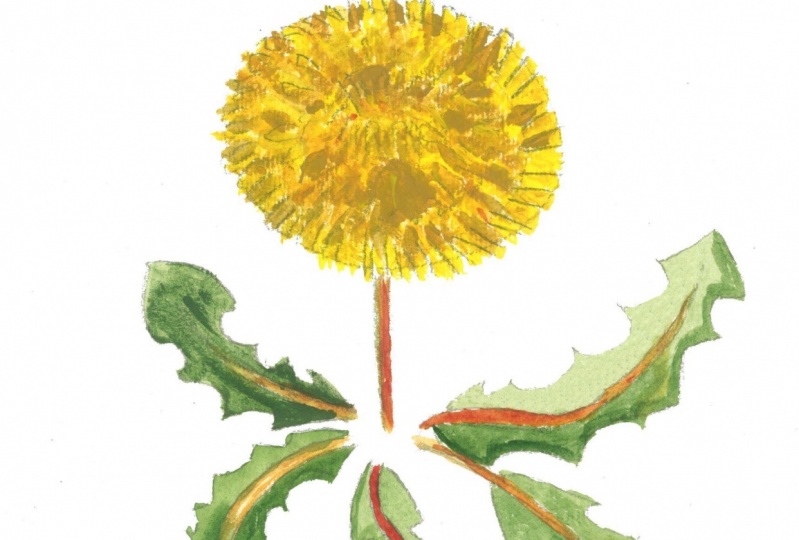
Dandelion
4:52
-
5.
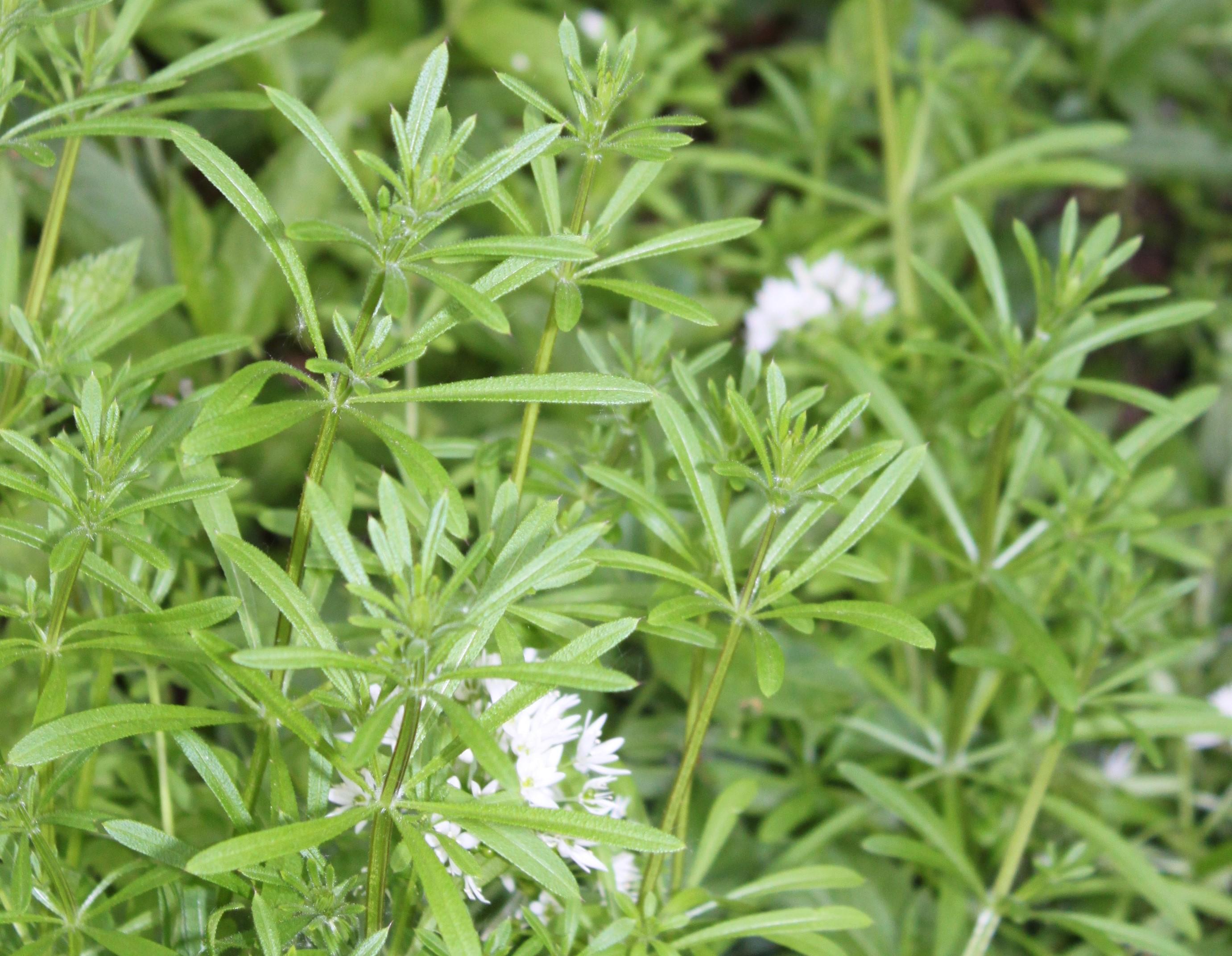
Cleavers
5:41
-
6.
Ramsons
6:09
-
7.
Conclusion and Next steps
2:40
-
-
- --
- Beginner level
- Intermediate level
- Advanced level
- All levels
Community Generated
The level is determined by a majority opinion of students who have reviewed this class. The teacher's recommendation is shown until at least 5 student responses are collected.
754
Students
2
Projects
About This Class
Identifying, experiencing and foraging plants in the wild can be a hugely rewarding but sometimes daunting experience when you first start. In these times of change, to be able to identify and responsibly forage food plants is a valuable and exciting skill to learn, increasing our skills and interest in natural world.
In this class we learn to recognise and identify a number of plants in the wild in Springtime, that can be used as food or herbs for teas.
The course is designed to increase your knowledge and appreciation of wild plants so you understand how to start foraging and using them, and connecting more with the nature.
In a format of slides, photos and videos, we learn some simple guidelines for foraging.
We learn about appreciating plants and foraging sustainably, safely and responsibly.
We learn about 4 easily recognisable edible/herb plants common in UK and different countries around the world.
I encourage you to open your eyes to the natural world, whether you live in a city, the countryside or an appartment. Nature is all around.
This is a beginner level class that may also be suitable for intermediates wishing to brush up on their skills.
The class will give the students a good foundation and entry into appreciating and safely foraging plants in the wild.
N.B. When I created this class, in the UK we'd just entered the 'covid lockdown' and also the period of time in the year called the 'hungry gap' when there's anyway less variety of produced foods. Yet I noticed around me that the wild plants were thriving. I wanted to create a course that helped people with an interest in learning about wild plants understand foraging to get started if they wanted to access and begin their journey with foraged plants, and increase their skills for when they are free to attend a foraging class/walk in nature in the future.
I am not responsible for your usage of this class, it is for entertainment/educational use only, and as such if you choose to forage wild plants you take complete responsibility for doing so. I do not encourage frivilous foraging! Foraging can be hazardous! Not all plants will be suitable for everyone. Please ask a professional such as a qualified herbalist or professional forager if the plants are suitable. If you decide to forage wild food I suggest using this class to supplement guidance from a professional and experienced forager, and reference books. It can be used purely for appreciating and expanding individual's knowledge of plants. This class may be used as a 'Visual foraging' tool - purely to Identify and appreciate wild plants, rather than pick and nibble!
Meet Your Teacher
I live in the South West of England where the mild but often wet climate is ideal for foraging wild plants.
I've been interested in wild plants and herbs for years. Working with plants both professionally and for pleasure!
I think in the times we live in the wild plants hold a valuable role.
I also do creative work, and like to photograph and draw/paint wild plants.
I am also exploring utilising wild plants and pigments to make art materials.
I run the website and blog at www.altliving.org which includes posts, articles and my book links.
See full profile
Hands-on Class Project
Your project for this class is to go outside and track down at least one of the plants mentioned in the class.
If you cannot go outside your property (perhaps you're in 'lockdown'!) try to observe a plant in the garden or on the street, perhaps from a distance there're plants around a tree or street sign. Often the common edible plants we call 'weeds' are growing right through cracks in walls and paving, or in flower pots. Please don't forage plants from roadsides or where they might not be safe, but observe safely.
If you're not able to track down plants outdoors, then use the internet to get some good pictures of the plant.
From what you've learnt during the course try to observe the plant more carefully. If you would like draw a picture or take an unusual angled photo. The aim is to 'see' the plant rather than just categorise.
I'm excited to see your images and observations!
Class Ratings
Why Join Skillshare?
Take award-winning Skillshare Original Classes
Each class has short lessons, hands-on projects
Your membership supports Skillshare teachers
Learn From Anywhere
Take classes on the go with the Skillshare app. Stream or download to watch on the plane, the subway, or wherever you learn best.