Transcripts
1. Intro: Hi, everybody. This is Mel, and welcome to my other
Skillshare class. Now, if you're stuck somehow with creating art
or you want to know your state of mind before you create your art or
something doesn't quite feel right and you want to get into artistic
meditative process. This is exactly
the class for you. Now, we are going to create
s with watercolor paint. Normally, Ensl uses Sumi, but we will be using watercolor paint because
that's what I have in hand. And if you don't
know what a s is, I'll be explaining that in
the next couple of classes. It comes from Zen Buddhism, and it represents enlightenment, strength, beauty,
and the universe. The act of drawing an
s is also considered a meditative practice to understand and reflect
the artist's state of mind at the moment. So I just think this is such
a beautiful thing to do, and maybe even integrate it into your daily practice before you even start your
creation of the day. So I hope I can give some tips
and tricks along the way. I have been brought
up in Japan for plus 26 years and Japanese
Colligraphy. We've learned it back
in Japanese school, and I thought I could share some of my
knowledge here and there. So I hope you enjoy the class. Your final project would be
to post your sL of the day. It could be one.
It could be two. I love to look at
what you can create. It's so beautiful to see other
artists work on something. And this is a community, right. So I'd like to see
what you can create. If you'd like to
learn more about me, I have a website,
ule garner.com. If you're on Instagram, my Instagram is Mu
Gardner underscore art, and you can also hash tag your
art with my Ns watercolor. Yeah. Let's dive into the class.
2. What is Enso?: So before we start
painting an sol, I want to look into Wikipedia, what exactly an sul is. So since I'm a very
visual person, I hope this helps to just kind of let you know
what an insult is. So it says Zen circular form
is a circle hand drawn in one or two inhibited
brush strokes to express a moment when the mind is free to let the body create. So this is so important
to understand. It's one or two
inhibited brush strokes. And don't you think
it's such a lovely way to start your daily
creative practice? I mean, it's basically
meditation in itself, and I think it's
really good if you start off your day
creating painting, any kind of art form with this. Let's look into the description. It says the s symbolizes
absolute enlightenment, strength, elegance, the
universe, and the void. I love that word. It
is characterized by a minimalism born of
Japanese aesthetics. Drying ens is a discipline, creative practice of
Japanese ink painting, Sumi. The tools and mechanics of
drying the ensl are the same as those used in traditional
Japanese calligraphy. One uses an ink brush
to apply ink Twahi. So we have to keep in mind that Typically, they use Sumi. We are not going
to be using this, which means that the pigments
need to be more dense. Meaning it has to be less
water and more pigmented. It gets that strong effect
when you create an insul. Let's keep that in
mind and move forward.
3. Materials: Let's go over the materials that you will need
in this class. You'll need a big
glass of water. Now, I strongly
recommend you to get a very big one as we'll be using very heavy loaded
brush with pigments, and you need to clean
your brushes every time. Get something quite
big bigger the better. You'll need pencil, eraser, a spray bottle with water to activate your paint
if you're using a palette like I am here and you'll need
some watercolor paint. You need some
watercolor brushes. I have my brushhlder right here. With the brushes, I strongly recommend you to use something
like a cliigraphy brush. I'm using the
silver black velvet jumbo round because
it's very big and it works like a
cliigraphy brush and I love the gentle strokes
that it can create. Okay. And then you'll need paper
towel to clean your brushes. And this compass is
here for guiding me. If you want to create
a perfect circle, it's better to use a
compass just to guide you. But really with
creating insults, you're really not supposed to be doing it because you just have to love all those
imperfections that happen as well. Then I'll be using this
fabriano sketching pad for the sketching process
because it's cheaper. But for the final project, I'll be using this ball
hog hot press paper. If you do have a square paper, that'll be better because
I believe with circles, the composition wise, it works
better if it's a square. I'll be cutting this off
at the end of my painting. Okay, that's it. Let's dive into the class.
4. Warm Up: Let's get into
creating some encys. I know you're not supposed to be quite doing these warm ups, you're supposed to be just let your body create
this circular form, but I want you to know
the brushes you have, which brushes create
a certain strokes. You have to understand
your brushes in order to be able to use it, and this comes with a few
practices and warm ups. I'm planning to create
some strokes with different brushes just to
see what I can create, but also keeping in mind, What watercolor paints
react in kind of way? Because if you use a
yellow, let's say, it really needs to be heavily pigmented because
it's not going to be looking like a ens
because in ens they use the Japanese
calligraphy inks, the Sums. The darker colors like
pink gray, black, even some brands like transparent red
oxide would be good. But you can always mix
those blacks to create a Japanese calligraphy
looking aches, if you know what I mean. I'm going to use first
this Devin sano, I think it's called,
it's a mtrush. I'm going to get some paint
here. The paints gray. And getting that paints gray. You can start off with
any bit of the circle. If you're left handed, there's a certain area that
would be easier for you. But I'm just going to start from maybe the top
because that's how I feel it's easier for me. You have to press on that brush. Trying to create that circle. And that's my insult. I like how it's looking. That would be quite
different from say, let me try to use a yellow. A yellow is very
light in its nature. It's going to look
really different. But I'm going to heavy load
that yellow in my brush. I have to clean my
brush a bit because mixing this paints gray with
the yellow is not working. This is a very strong opaque yellow within the
yellows that I have, but let's see I'm
pushing on it here, and then let it go. Okay. So I mean, that is quite pretty. I really like it, but it
doesn't give a feel of say an ens that you normally
see in classical enzs. But you could even a
splash mark to this, so I'm just going to splatter. Because it could be two
hibited brush strokes. Then next, I want to show
you another mixture. Say you really wanted
to use that yellow, but you want to make it more ink looking like
polygraphy summing. I would go with I have
this black right here. I will get that and put it right there and
then clean my brush real good and get
that yellow that I've used and just mix
it in with the black. Just create your
You calligraphy, Japanese Cographying Inc? I don't think I I have
quite enough. Okay. I think I'm ready. So I'm going to start with the top now and see how that looks
pushing pushing down, pushing down and left. That didn't go very well. I'm just so used to
starting off from the bottom, going
around clockwise. Now it almost looks like
yellow ocher is Sumi a bit. But you need to get more
pigment as possible. Now I'm going to use
this jumbo round brush and it's going to make my
life easier using this. I'm just going to play
with colors right now. Because I'm a big fan of colors. I'm going to use
that red right here. You need a lot, a lot, a lot, a lot of
watercolor paint. So again, starting from
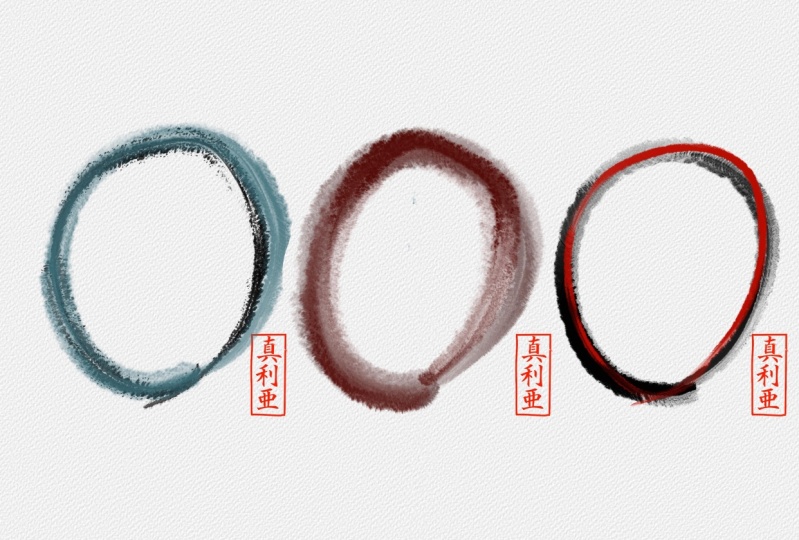
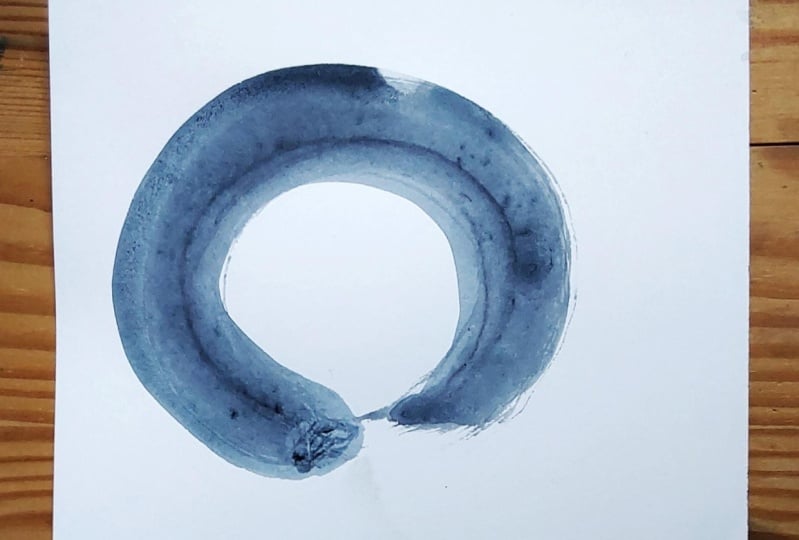
the bottom and turning it around. That's one. And I might even like, Hey, I want to add a bit of strokes, go in with maybe a block. Going on my second stroke. That was enough pigment of the neutral tint,
going in again. I don't quite like
it, but it's okay. Okay, let's stick
with darker colors. I'm going in with moon
glow or maybe it could be shadow violet on second
thought. On second thought. So I'm going to press
on that. And let go. Even more pigment next. Yeah, I quite like that. Okay. Now I'm going to
use just neutral tint. Oops. I dropped a bit of paint there, but I'm just
expressing my state of mind. Oh, I love that. That's really pretty. Just try to experiment and see what style speaks
to you the most. You'll need to change your
water here and there. Quite a lot of times actually. Next pigment I'm going to use
is called the heme genuine. It's from the Daniel
Smith Primate series and it's very light. But let's see what
we can create. Still like it. Maybe
I can even add a bit of neutral tint. Okay. We've done some warm ups. I want to create one
and some of the day. Let's dive into
the final project.
5. Final Project: Enso: Okay. Now that we've
cleaned her water, as well as understood
the characteristics of the watercolor
brushes that we have, the breast strokes
that it can create, as well as the pigment to water ratio that
you need and how to create more Sumi Japanese
calligraphy ink colors, we'll dive into actually
creating a s for your day. I've decided I'm going
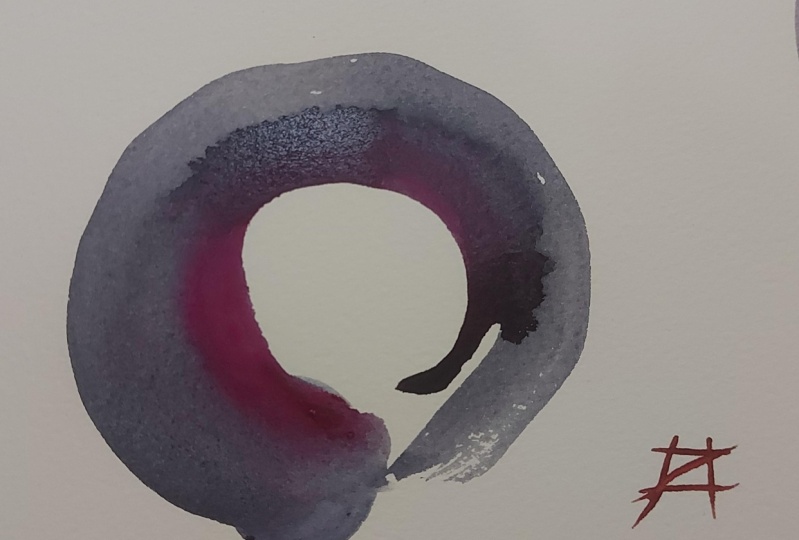
to use moon glue. I'll just go in with it. I just love this oops.
Love this color. And you can go twice. I am going to add a
bit of neutral tent. And then I'm only going
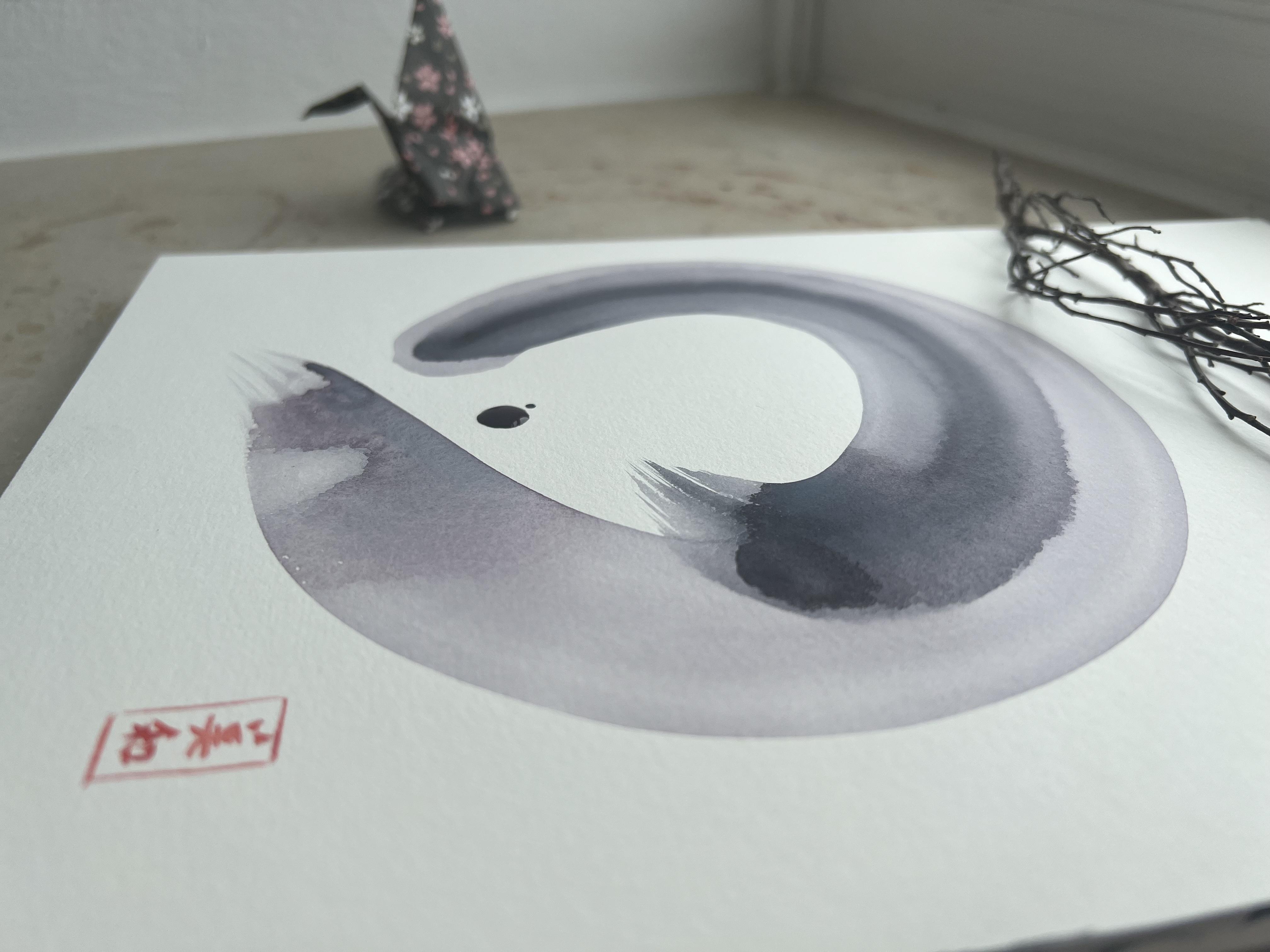
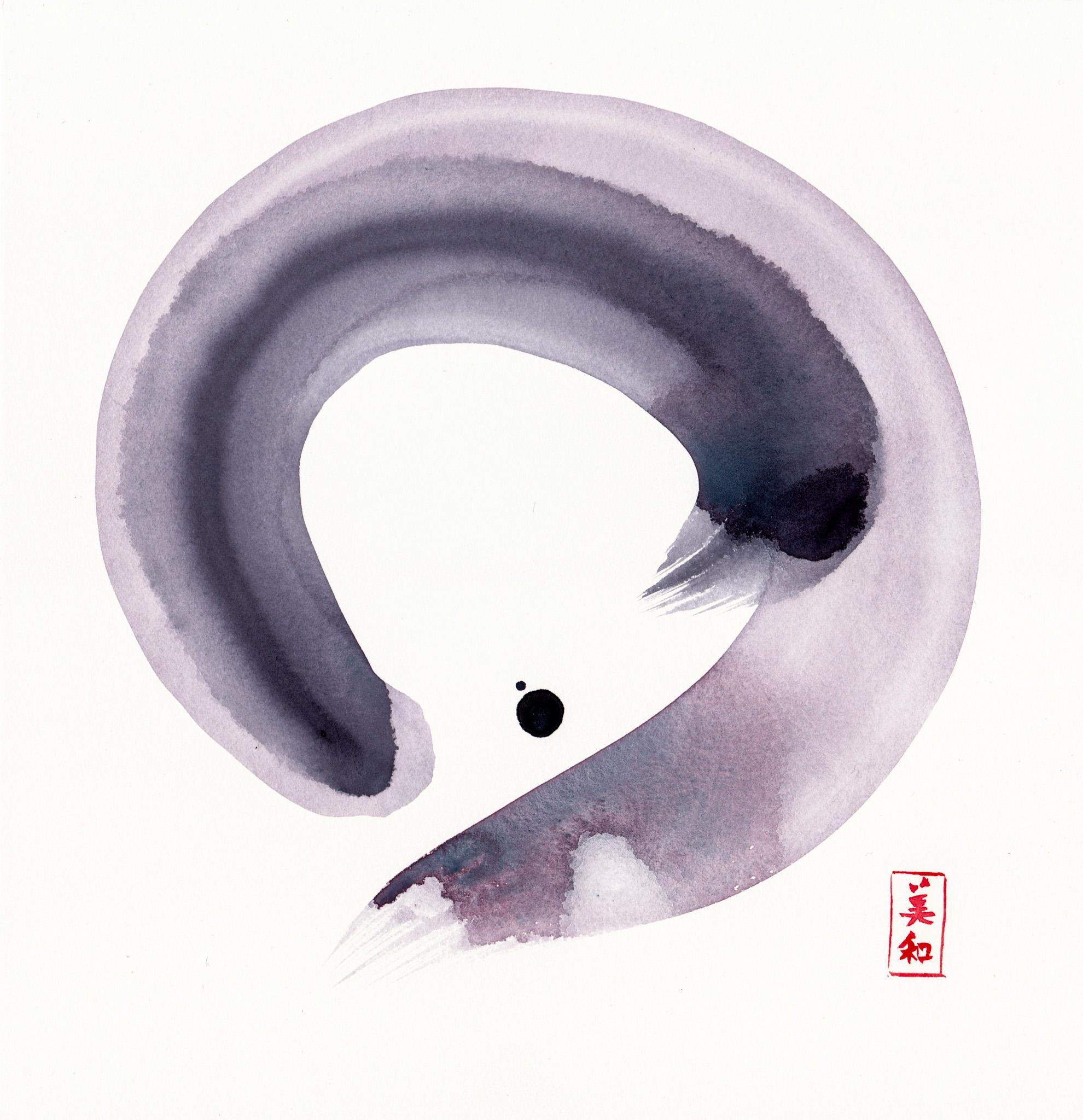
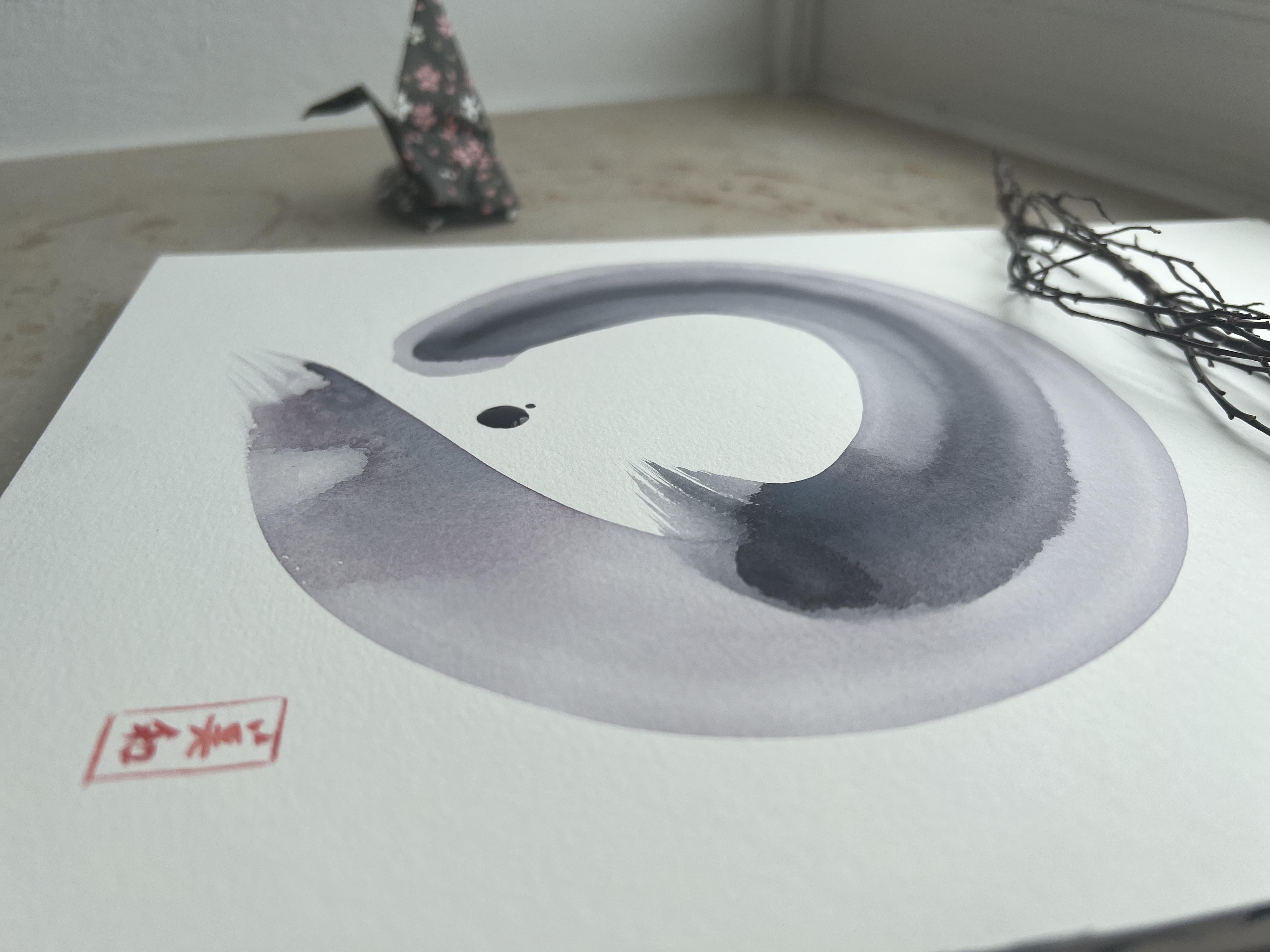
to comment a bit, and that is my ends of today. I think I really
love it actually. Yeah, I've cut the paper, so the composition wise, I think circles fit into a square better, and
I really love it. If you want to take
it up a notch, there's a class that I
explain how to create your own Japanese
sealing signature on the side of the artwork. Now, there's a few There's no right or
wrong way, basically, but there's some
people who would put their seal right there right there or even sometimes inside. But me personally, I just like it to have it in that area. That's exactly what
I'm going to do. You could check
out that class for more details if you
want to create this, but I'm going to use
cadmium red color and basically write my name right there in
Japanese characters. And then I'm going to create. Okay. Okay, so that's the ens
that I've created today. Now let's move on
to the next class.
6. Final Thoughts: Well done on making it this far. Give yourself a pat on the back. I hope you enjoy the class. We've covered basically
what is ns looking over the brush strokes that
you can create with your watercolor brushes
and learning well, kind of understanding the
pigment to water ratio, that's best when creating an s and some color
palette choices, like how to mix your paint. So it looks it has that
Japanese flair to it. So I hope you enjoy the class, and don't forget to
post your project. This is my final project,
and I really love it. But if I am honest, this class was supposed to be, create one ensl and then
we'll create another one, take a step further and
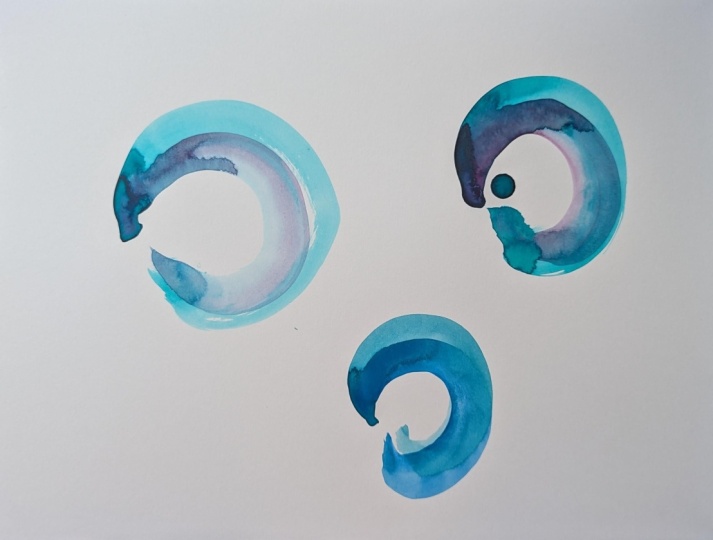
create an ensl that incorporates the
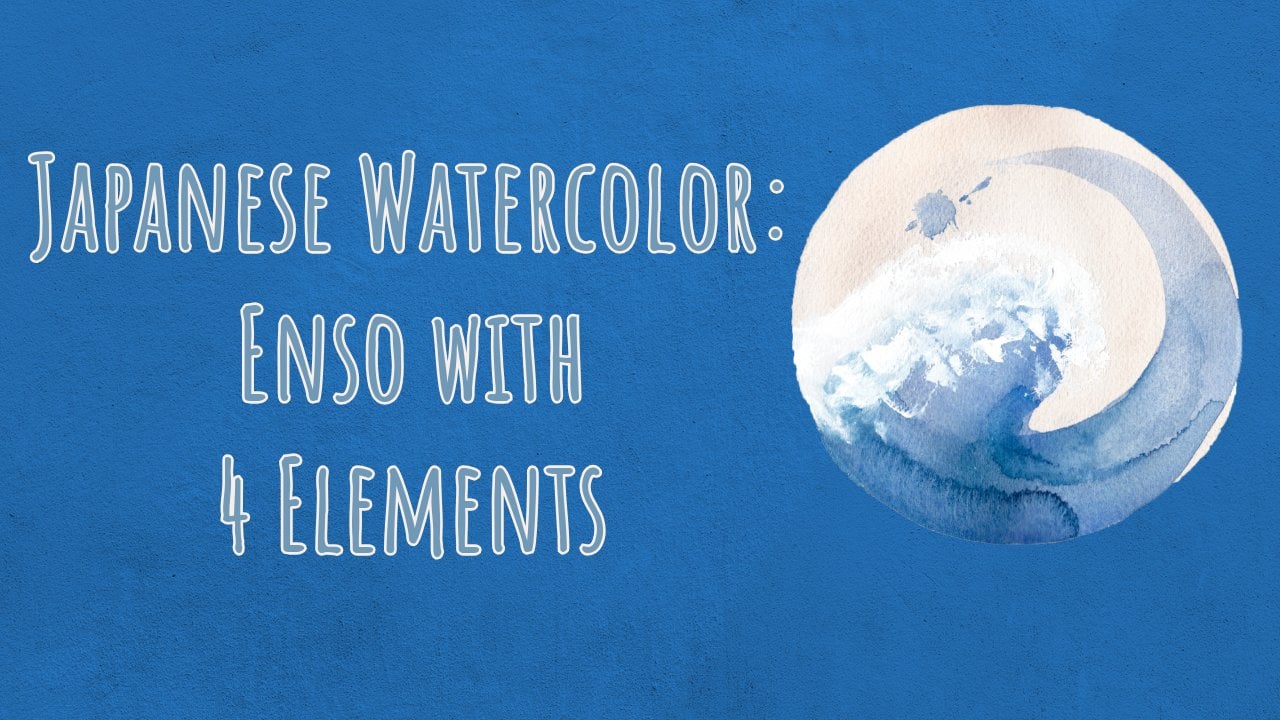
classical elements that comes from Western world. Like that one right here
is a sign, the water sign. And I've created four of those, but it didn't turn out right. I think it also depends
on the s of the day, and this I can't force it
with recording videos. So I didn't turn out nice. This one did kind, but I didn't like the
other ones. I don't know. Maybe I'll create it
again in another time. If you're interested in extending it further to
the classical elements, then leave a comment or put
a review and let me know. Okay. Thank you so much. Hope you enjoyed it. Bye bye.
 Miwa Gardner, Watercolorist- Watercolor for Relaxation