Transcripts
1. Introduction: What do all of these pieces
of art have in common? I made them all as part
of drawing challenges. Hi, I'm Bella, an illustrator and
pattern designer making art in the
margins of motherhood. I've had the opportunity to partner with amazing brands like Adobe and earn thousands of
dollars licensing my artwork. All we being a stay at
home mom of toddlers. I know what it's like to have
artistic goals and dreams, but also balancing limited time. When I was first starting out
in my illustration journey, I participated in a few
community drawing challenges and a personal 100 day
illustration project. Each of these was super impactful for my
growth as an artist. In the past five years, I have joined dozens
more challenges and hosted a variety of my own. I credit these challenges
with developing my style, building a supportive
and inspiring community, and giving me confidence
as an illustrator. Throughout challenge hosting and participation, I
have learned a ton. In this class, I'm
sharing it all with you. The class project will be completing your varied
on drawing challenge. Lessons will cover
everything from choosing the right challenge
based on your goals to hosting your own
creative challenge to tips for participation
to examples of success. I created these lessons to
be perfect for beginners. This class is specifically
for creatives looking to start a consistent art
practice in a busy life. Artists who want to gain a
greater creative community, illustrators with an interest in hosting drawing challenges, but unsure where to start, or anyone trying to build
a collection of work, add to their portfolio
or try a new style. Whether you were hosting
your own drawing challenge, participating in a
community challenge, or completing a
personal challenge, this class will help you
find success in building your portfolio, community,
and confidence. Join me in the next lesson, where I break down the class
project into more in depth.
2. Class Project Overview: I'm so glad you decided to
jump in and join my class. Throughout each lesson, we
will take steps to complete your very own drawing challenge and create a brand new
collection of artwork. I chose this subject
for a few reasons. Mainly, utilizing
drawing challenges can help you reach so
many creative goals. It's such a powerful tool
and I want to share that. Additionally,
friends have called me the Queen of art challenges, and with all my experience in
participation and hosting, I find myself uniquely poised
to teach about the subject. Lastly, I have yet to see a class specifically
on drawing challenges. Lessons will cover the different types of drawing challenges. Choosing a challenge
that will help you reach your goals, joining,
creating, hosting, and participating in challenges, tips and examples for success, and a bonus lesson on
miscellaneous challenges. The supplies for this
class are simple. You will need a sketchbook, notebook, or iPad
to plan things out. Whatever art supplies
you want to create with, this can be paper, pens, paints, procreate, whatever
works for you, and this is optional based on what challenge
you decide to complete. You might need Instagram, Google, or chat GPT. Most importantly, you will need a creative excitement
and desire for growth. I have provided many
downloads for this class, including a list of my
favorite drawing challenges, a list of themes for
drawing challenges, a checklist for hosting
a drawing challenge, and tips for challenge
participation. My biggest tip for success
is to be kind to yourself. Art challenges can
be challenging. The goal is not perfection. It's growth, growing
your artistic skill, growing your portfolio, and growing your
creative community. I hope you're feeling
inspired because next up, I'll give you a brief rundown on the different types
of drawing challenges.
3. 3 Types Of Drawing Challenges: In this lesson, we'll learn
about different types of drawing challenges and why you should participate in them. If you decided to
take this class, you'll likely know what
a drawing challenge is. But if not, it's
essentially a list of prompts to interpret and
create in your own style. They're often to be finished over a certain period of time, such as a month or 100 days. Usually, they push
artists out of their comfort zone by
focusing on a certain, perhaps unfamiliar medium or by creating many pieces
in a short time. In this class, we'll
be talking about three types of
drawing challenges, community challenges
hosted on Instagram, personal challenges such
as a 100 J project, or hosting and creating
your own drawing challenge. Each challenge has
specific benefits. But generally speaking, drawing challenges
help you work towards your creative goals
by giving you specific deadlines
and parameters. The very first challenge I participated in was the
pattern challenge by Mel. It was also her very first
edition, hosting it. I had just barely gotten
an iPad with Procreate and started Instagram for my extremely novice
illustrations. It felt awfully ambitious to draw every day for
a whole month, but with the accountability of posting on Instagram, I did it. And after that 30 days,
my skills were better. I also made great
Instagram friends from commenting on their challenge entries and them seeing mine. Mel even turned some of her favorite community
patterns into a fun newspaper that
I got to be part of. All this to say, a
drawing challenge was the beginning of my own
Illustration journey, and I'm so glad I did
it. One more note. There are a few
assorted challenges that don't fit into this
specific mold or format. They can still be
fun to join in, but you get a one
off piece of art. I have added a bonus
lesson in case you want more information on these
miscellaneous challenges. Now you have a basic idea of
what drawing challenges are. In the next lesson,
you'll define your goals, so you can pick a challenge
that's right for you.
4. Defining Your Goals: Now that we have a basic idea of different types of
drawing challenges, we're going to define our goals. By the end of this
class, you'll have a better idea for what challenge you want
to participate in. There's likely a reason you want to participate in
a drawing challenge. So think about it and be honest with yourself.
What are your goals? Portfolio building, confidence, improving
illustration in a specific subject matter, building community,
experimenting with a new medium or style. Write down your top two or three goals and
keep them in mind. Then join me in the next
lesson where we discuss benefits of different challenges and you pick a
direction to go in.
5. Picking The Perfect Challenge: Now that you have
defined your goals, I'm going to tell you
about the benefits of each type of
drawing challenge. By the end of this
lesson, you'll know exactly what challenge
to participate in. Joining community
drawing challenges, builds community, gets your work seen, helps with accountability. Prompts are already
created for you. Creating personal
drawing challenges, can personalize to your
own specific prompts, can work at your own pace. Great for experimenting
with a new medium or style. Hosting a new drawing challenge. Can create your own prompts. Builds community.
Gets your work seen. Helps with accountability. With all of this in mind, you should pick the challenge that aligns with your goals. The next three lessons, I'll go into more depth
on each challenge. And you can watch all these
videos for future reference, or you can just pick the one
that aligns with your goals.
6. Finding the Right Community Challenge: In our last lesson, you chose a challenge type based
on your creative goals. By the end of this
lesson, you'll find a community challenge you
want to participate in. Artists are always posting various prompt lists on
Instagram for you to join in on. Some take place annually
or are seasonally themed. In October and Peach tober both happen every
year in October. 36 days of type nearly always
happens in the spring. There are often
ample prompt lists released around Christmas time. My best tip for finding
challenges to join in on is following your
favorite artists on Instagram or subscribing
to their newsletter. Oftentimes, artists will share the prompt list early or give bonus prompts
in their email. Another way to find
challenges is by searching simple hash tags like hashtag drawing Challenge
or hashtag art Challenge. I have created a list of some of my favorite
drawing challenges. Who hosts them and
when they take place? You can download it below. Choose a drawing challenge
that aligns with the subject matter and
timeline you're interested in. Now that you know how to find
challenges, give it a shot. Choose a challenge
to participate in and share it in the
class project section, so other students
can find it too. Then join me in the
next lesson where I talk about creating your
own custom challenge.
7. Creating A Personal Challenge: If the idea of participating in a community drawing challenge
doesn't appeal to you, then you can always create
your own challenge. By the end of this lesson, you'll know just how to do that. About a year into my
illustration journey, I desperately wanted
to find my style. I wasn't sure if I wanted
to keep making art digitally or move
into color pencils. I decided I needed
a lot more practice drawing random mundane items. So I made a list of 100
items to draw in 100 days. Man was at a lot of work, but I learned so much. I gravitated more
towards digital art and certain patterns of my
work began to shine through. Obviously style development is never complete as an artist, but I credit this challenge
with finding my style. Since then, I have simply
been tweaking and improving. I didn't end up with 100
great pieces of work, but I made some great pieces that are still in
my portfolio today. If you are hoping to
develop your style, improve in a specific medium or subject or create a new
collection of work, creating your own
personal challenge will help you with these goals. Keep your artistic goals in mind as you're deciding
on parameters. Here's steps for
creating a challenge. First, come up with a theme. You can choose
something as general as florals or as specific as woodland creatures
wearing hats. I have a whole
list of themes you can download in the
notes of this lesson. After that, you'll come up
with a duration and frequency. Having a plan from the beginning helps you stay consistent. You can do a month
long challenge, a 100 day project,
a yearly project. You can do every
day, only weekdays, once a week, anything. Be realistic, but
also push yourself. This is a challenge after all. The next step is to
come up with prompts. I find, at least for me, that the more specific
you are, the better. Then each time you
sit down to create, you aren't spending time
thinking of what to make. You can get right
to it. One trick for coming up with prompts is to simply Google list of spring flowers or list
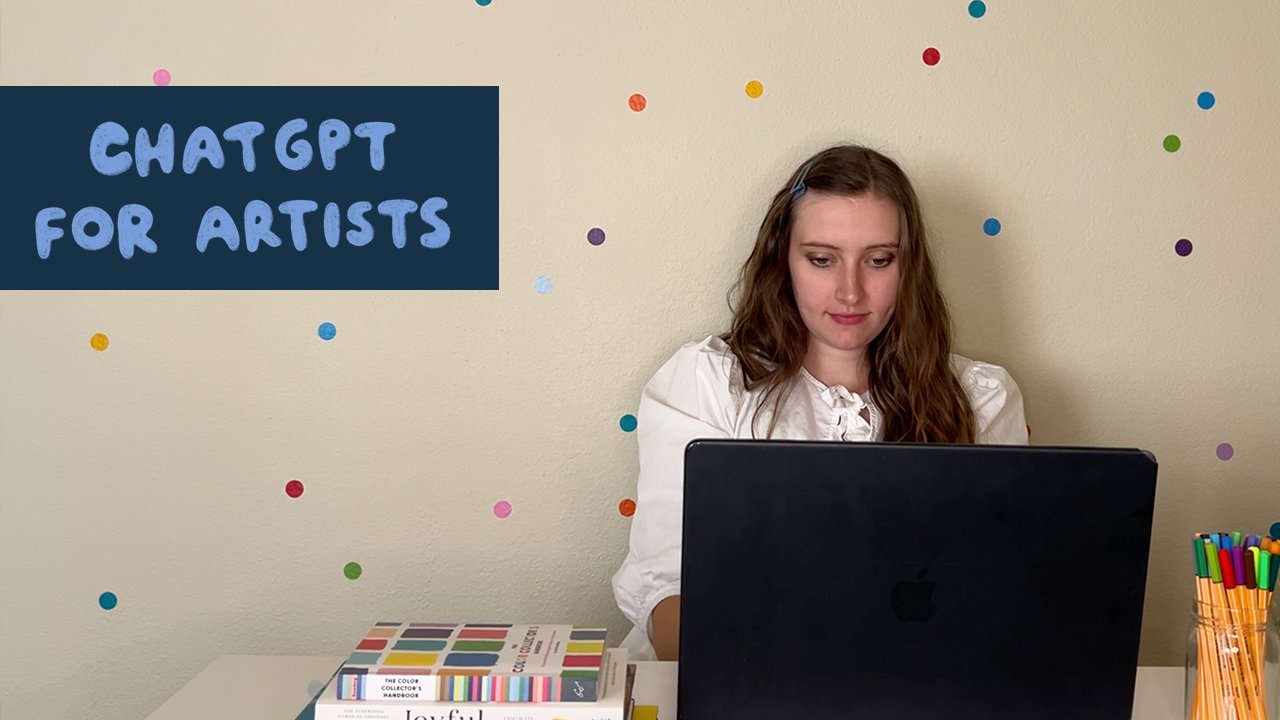
of school supplies. This is a great way to get started if you're lacking ideas. You can also use chat GPT. Here's an example of
what I would say. I am a describe the
type of artist you are, and I'm working on a
drawing challenge too. Grow my portfolio, get better at using colored
pencils, et cetera. The theme of this challenge
is describe your theme. Please give me 20 or however many prompts
reflecting this theme. I also keep a running list on my phone and in my notebook
of things I want to draw, so I am ready with inspiration. Now, put this into action. Follow these steps and create your very own drawing challenge and share it in the
class projects page. Then join me in the next
lesson where I talk about hosting your very own
community drawing challenge.
8. Hosting a Community Drawing Challenge: In our last video, we learned about creating our own
personal challenge. But if more community and involvement is
appealing to you, then you might want to host
your own drawing challenge. This can be a super fun way to get involved with other artists. You can gain inspiration from others and expose more
people to your work. By the end of this lesson, you will know how
to successfully host your own
Instagram challenge. Here's some
chronological notes on how to host an Instagram
drawing challenge. If you host a challenge, an initial consideration is whether or not you
want any co hosts. I love hosting with others, as we can brainstorm
proms together, and it usually draws
in more people. If you are interested
in finding a co host, simply DM an artist
on Instagram. Tell them your rough idea
for the challenge you want to create and ask if they
want to participate. It might be nerve
wracking at first, but I have done this
dozens of times and people have
always been nice. Feel free to ask a few different people to
create a small group. I think the ideal number of
hosts is three to eight. Once you have your
group, you can create an Instagram chat, email thread, WhatsApp message, or whatever to share information
and plan out details. Odds are, if you want to host a challenge, you have
a theme in mind. If not, decide as a group. I have provided a list of theme ideas below if you
need some inspiration. After you decide on a theme, pick out when and how often you want
the challenge to run. Typically challenges
last a month and are anywhere from once
a week to every day. Now you know how many
prompts you need, and you can start brainstorming. Coming up with fun and creative
prompts is so important, as it inspires people
to join your challenge. Prompts can range from
specific to open ended. I personally like to
do a bit of a mix. The goal is for people to
have fun and get creative, but not be so open ended that people don't
know what to draw. Alliteration or clever puns can help create
engaging prompts. Similar to creating a
personal challenge, I have a couple go to strategies
for creating prompts. Good old fashioned
brainstorming. Write down everything
that comes to mind on paper and good
ideas will surface. Use the help of Google. For example, you can search
list of seeing animals or fun movie quotes and my personal favorite
strategy, you chat GPT. Here's an example of
what to ask Chat GBT. I am a describe the
type of artist you are, and I am hosting a
drawing challenge during describe
your time period. The theme of this challenge
is describe your theme. Please give me 20 or however many prompts
reflecting this theme. To determine prompts, each host can come
up with abortion. You can all make a big list
and vote on favorites, or you can just talk it out. Be willing to compromise
and have fun. Then you'll choose a hash tag. Make sure it is
unique enough that it will only be used for
challenge entries. Next, you'll need to make a
post sharing the prompt list. Here's some examples
of challenge graphics I have
used in the past. You can do a static
post or a arausel. Make sure all the
info is easy to read. Things to include in
your challenge post are title, hash tag, prompts, dates, hosts, and any other information or rules you feel relevant. For example, you can provide a color palette to be
used for the challenge, specify a certain medium or have an emphasis
on surface patterns. Once you've done this, share about your challenge
far and wide. Post on Instagram a week or so before the
challenge starts. Share about it in
your newsletter. Whatever you can think
of, make sure to spread the word and give people
enough time to prepare. Also, prepare yourself
for the challenge. As a host, you'll often share your own interpretation
of each prompt. Plan, sketch, and perhaps
even complete your artwork ahead of time so you can be a participant in
your own challenge. Lastly, remember to have fun. You might have other goals, but fun really is
the whole point of a community
drawing challenge. This might seem like a lot. So I shared a downloadable hosting challenge
checklist below. Now that you have the know how, plan and create your very own community drawing challenge. Share the challenge graphic on socials and post it in the
project section as well. Then join me in the next
lesson where I talk about how you can be successful before the challenge starts.
9. Helpful Tips & Starting Success Strategies: By this point, you have chosen
and created a challenge. Now I'm going to give you some tips on how you
can set yourself up for success and keep a positive mindset
throughout this process. Also, I created a list of all
of these tips available to download so you don't
need to worry about taking notes. Find
the link below. Now, whether you were
joining another challenge, completing a personal
challenge or hosting your own, here's some tips to help you participate with the
greatest success. While creating, be
consistent with your time. Give yourself a time limit
for how long you'll create. Do it at the same
time every day, set a timer if you need to. This is particularly helpful for a challenge where you're
drawing every day, such as 100 day project. You can also pair
this activity with a habit you already have
in your everyday life. So you can draw while you're
drinking your morning coffee or give 5 minutes to create after you brush
your teeth every night. Give yourself parameters. Choose a certain medium
and stick with it. Pick a color palette. Will you only draw in patterns? Will you fill one
page of a sketchbook? This will help you
enhance your skills in that certain medium or
particular subject matter. Be accountable. This is a
really important one for me. Whether it's posting
on Instagram or texting a photo
of your work to a partner or even just checking
a box on your to do list, make sure you have an
accountability plan. Do some prep.
Sometimes your goal will be to draw every day, but let me let you in
on a little secret. Most people that participate
in Instagram challenges have their pieces sketched
out or already completed before the
challenge even starts. So do yourself a favor and sketch things
out ahead of time. This can make it so that
when you sit down to create, you're not thinking of what to draw and you're ready
to just get started. Be realistic. It
can be fun to say, I'm going to draw for an
hour every day for 100 days. But also, that's a lot. Pick a practice
that fits in with your life and start out small. Creating a mindset
that is flexible and understanding can
help you avoid burnout. I failed or dropped out of
challenges when the commitment was too big or I had too much going on in
my personal life. I often use drawing challenges
to create collections. If you do this, I highly recommend sketching out
your ideas beforehand. This makes sure that
the collection is cohesive and you can include all of the
elements you want. Give yourself grace, commit
to staying consistent, but also recognize
that life happens. You're not perfect, so don't
be yourself up over it. If you miss a day or two, don't let that derail
your whole challenge. Also, you aren't going
to like everything. That's not the goal anyway. Just know that some pieces
will turn out better than you imagined
and some will flop. That's all part of the process. Remember your why. Was your original goal to get into the habit of
creating every day? If yes, then a quick five minute sketch will help
you achieve that? What's your goal to get
better at a new medium? If yes, then even if you miss a day, you're still improving. Remember that even if
you're not perfect, you can still be
reaching your goals. And perhaps most
importantly, have fun. This one is easy to forget. We can get so caught up
in being perfect and checking things off the list that we forget the whole point. So keep things light and
remember to enjoy the process. Now write down your parameters, decide how you'll be accountable and plan out your
challenge pieces. Sometime later. Now you have planned and prepped and are ready
to make some art. Join me in the next
lesson where I shared some tips on how to remain consistent throughout
the challenge.
10. During The Challenge: In our last lesson, you set
yourself up for success. Now, I'm going to tell you all my tips for remaining consistent throughout
the challenge. Throughout the challenge,
make sure to share your work. Text it to a friend, share it on socials, send it in a newsletter. And if you're participating
in a community challenge, don't forget to use the hash
tag and tag all the hosts. Keep going. If you skip
today, pick it back up. Challenges are challenging, but also you totally got this. If you are participating
in a community challenge, actively build your community. Look at other artists' work, give them compliments
or feedback. If you find a new
artist that you like, give them a follow and maybe
even send them a message. Building community
as an artist is so valuable and it's really helpful to get and
receive feedback. If you're hosting a challenge, consider sharing your
favorite entries. I often do this by sharing
them in my stories. Also, I try really hard to leave a comment on everyone's entry or at the very least like them. You can see all the entries
by looking at tags and mentions under your notification
section and Instagram. But also algorithms
are always changing, so just try your hardest and
honestly, best of block. Now that you've
completed the challenge, you should be so
proud of yourself. Join me in the next lesson
where I share with you all the things I do once
I've completed a challenge. H.
11. After The Challenge: In the last lesson, you completed your drawing
challenge. Yeah. Now I'm going to share with you a few things I do at the
end of every challenge. First things first, celebrate. Drawing challenges are
indeed a challenge, and you should be
proud of yourself. Get yourself a little treat, do something fun, or even buy yourself some
new art supplies. It's important to take a minute and celebrate before you
start the next thing. Reflect. What about this
challenge was successful? Where did you struggle? What could you do
better on next time? Did you like the
work you produced? Share your work. Hopefully you at least end up
with a few pieces you like. Put them on your portfolio, share them on an
Instagram recap, or send them out in
your newsletter. You can also let people know that your art is available for licensing or post
it on a POD site, so people can buy your art
on products or prints. If you are hosting a challenge, also consider posting a recap
of your favorite entries. This can be an
Instagram carousel or a newsletter feature. Now that you've celebrated,
reflected, and shared, upload some of your
favorite pieces to the class project section, and join me in the next lesson
where I wrap things up.
12. Bonus Lesson: Miscellaneous Challenges: The typical challenge format includes a list of
prompts and dates. But there are also
a few challenges that do not fit this format. One example of this
is a challenge called Draw This in your
style or DTIYS. This is a single piece created by an artist with
an invitation for you to recreate it in your very own way. Here
are some examples. You can find these by simply
searching Hashtag draw This in your style
or hashtag DT IYS. There are also
ongoing challenges in which prompts are
posted every so often. Some examples of this are still Here Still Life and
Room Portrait Club. Some challenges are more open
to your own interpretation. The point of reflect and grow challenge is to revisit
and update past work. Artist Book Club encourages
you to make book covers, letter quotes or create art
from any books that you read. These are all examples of other drawing challenges
that don't necessarily accomplish the same goals but
can still be fun to join. Also, these can spark ideas for your own unique
challenges in the future. Now that you know about some
of these other challenges, you can pick back up
where you left off.
13. Key Takeaways: You did it. Congratulations on completing your very
own drawing challenge. Whether you joined in
a community challenge, created a personal challenge
or hosted your very own. It takes bravery and dedication, and you should be very
proud of yourself. I hope this class broke
down the process of drawing challenges and gave you confidence for many
more in the future. Throughout the lessons, you
learn to define your goals, decide which challenges
are right for you, and how to successfully
participate from start to finish. You should feel confident
in your creative practice. Moving forward, you can now use drawing challenges to continue
developing your style, building your community, and
enhancing your portfolio. I would love to
see the results of your own drawing challenge and give you feedback
on your project. Upload your creations
to the class page. You can also tag
me on Instagram at BEE Underscore Creates or Follow Long for more challenges. One last thing. If you like
this class, please share it. Write a review, post about it on social media, or
send it to a friend. Thank you so much
for being here. Have a colorful day.
 Bella Boss, Illustrator & Animator