Transcripts
1. Introduction to Class: Hello, and welcome to this class where we will learn
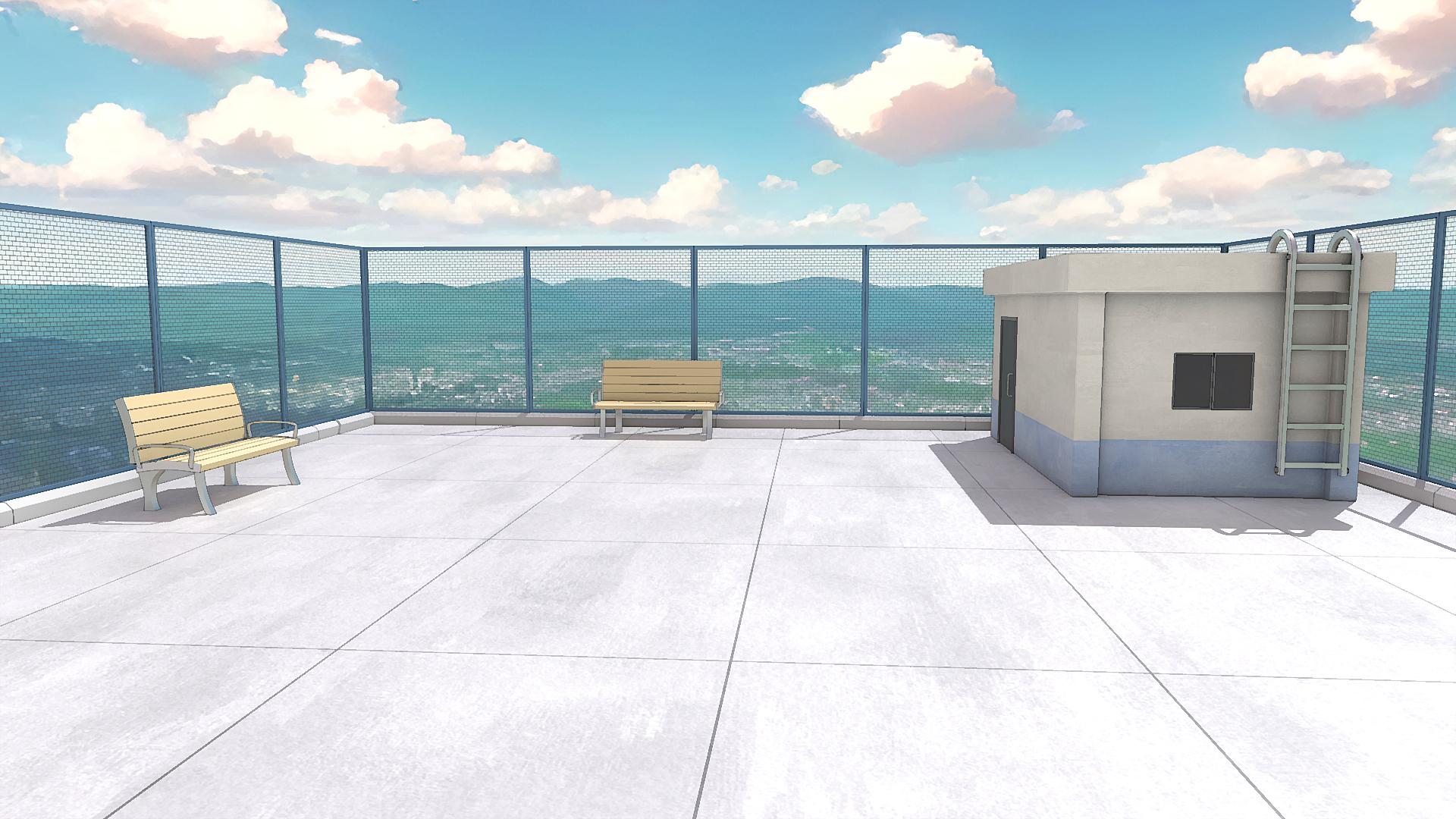
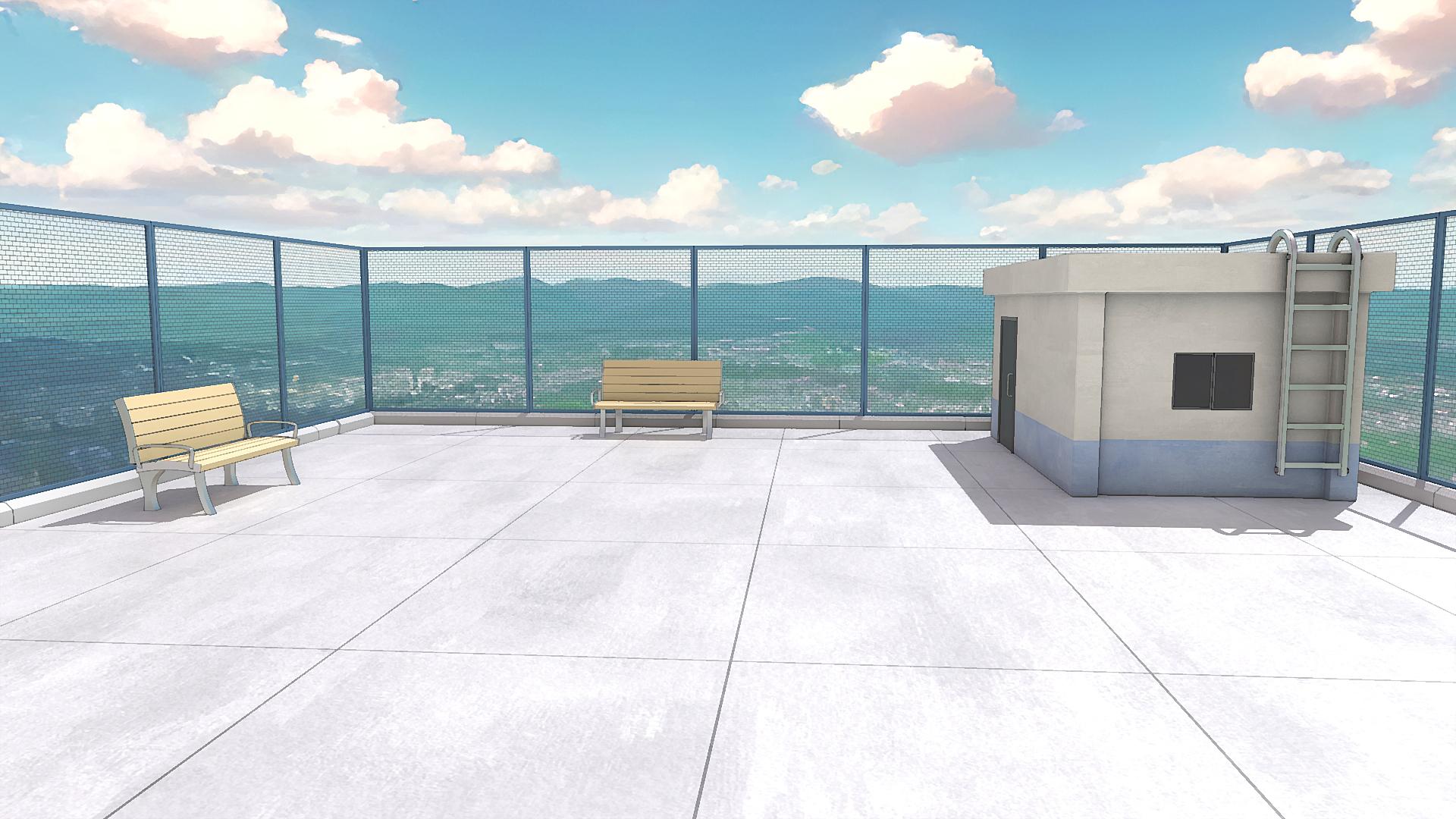
how to create an anime inspired rooftop scene from scratch, just
using Blender. We will cover everything
from modeling and texturing to lighting
and rendering the scene. You'll also learn how to achieve that signature anime
look using shaders, lighting, adding line art,
and also compositing. First, we will model the entire rooftop scene from scratch, setting up the building,
fence, benches, ladder, and all the key
assets step by step. You'll also learn how to create each element, apply materials, set up lighting, Azures, and build a strong composition
for a cinematic result. We'll then refine the scene with anime style rendering
techniques, adding small details and props, and applying outlines to achieve that signature hand
drawn anime look. Next, we will create multiple variations of the scene like daytime and nighttime
versions showing you how to transform the mood and
atmosphere using lighting, colors, and sky setups. Finally, we'll composite
the final vendors in Blender and Photoshop using multiple effects
like the glare node, the Kuahara node,
and also adding overlays to give those
polished finishing touches. Whether you are a beginner or
an experienced blender user looking to explore
anime aesthetics, this class will give you the skills to create
eye catching, stylize three D environments. So I hope to see you
there in the class. Thank you.
2. Going Over Reference Images: Hello and welcome guys to
this new course where we will be creating two anime
inspired scenes in Blender, one of them being
a rooftop scene and a school hallway scene. So in this very first lecture, we will be just going over
our reference images, and I will be showing you
a free program called PureRef and how we can use it to arrange our
reference images. So you can open up
the course files. Over here, you will find
all the required files that are needed for this course. So let's just open up the
reference images folder. And here I have added
all of the images that we are going to be
using in this course. As you can see, we have a
couple of reference images for the rooftop that we
will be using to create it. And we also have a lot of hallway images that we can
use to base our scene off. So now what we want to do is
basically we want to, like, place them all onto like a
mood board type of thing. So for that, we will
be using PureRef. So you can go to Google and just search for PureRef quickly. And it is free program, so you can download it for free. Just open up the first
link, click Download. And if you scroll down, you can select your operating system and then just type in zero as the donation
amount over here. But if you want to donate
over here, you can do so. But it is a free
program, so you can just type in zero and
then hit Checkout, and it will give you
the download file. You can install this
program for free and then open up PureRef
from over here. As I've already installed it, I'm not going to do it again. So just open up PureRef
and you will get this black screen open
up in your like window. So let me just quickly go over some of the
basics of PureRef. You can resize the window
like this. It's pretty easy. It will also be floating
over all the other windows. Even if you click over here, you can see it does not go away. And what we can do is we
can just select all of these images and then just drag and drop them
onto the PureRef. And as you can see, it will create this type of
thing over here. You can hit right click and
then go over to images. And I think in normalize, we can set normalize the
scale or the size, I think. What this will do is it
will kind of make all of them of equal
size, like this. And then we can just
select it once again, right click and go to images
and arrange them by optimal. And now you can see they
all have a similar size, and this way we can just look at all of them at
the same time only. The great thing about
this is that it will always stay over your windows, so you can always just work on your reference images while
you are working with blender. So we can just
quickly place all of the rooftop scene
over here together. And then we can place all
of the hallway scenes over here so that we can always easily look at all our
reference images at once. This way we don't have to, like, again and again, check
between different windows. You can also double
click on any image, and it will quickly
just focus all over it. These are some of the other
reference images that we will be using to create
some specific items, so we won't be using them
directly from over here. Rather than that, we will be
using them in blender only. So now we have all our
reference images over here. And with this, we can
finally start working. So the first scene
that we will be working on is the rooftop scene. As it is a fairly simple one, we can easily create out
the model and then add the materials and then give it that anime or stylized
kind of look. And afterwards, we will be
working on the hallway scene, which is a little bit more
complex than the earlier one. So yeah, in this lecture,
I really just wanted to go over pure ref and going
over the reference images. We will be starting
with blocking out and modeling in
the next lecture. Also, you can just
hit right click and go to Save and just
quickly save your scene. And I will save it in the
reference images folder only. You can just rename this
to moodboard. It's save. And we also have a lot of other different settings
in PureRp that you can quickly just go over
by hitting right click and looking around. Also, another important
thing is that hold your right click on your mouse to move it around
on your screen. You can place it over
here in the corner and then you can easily keep working while also looking
at the images. If you have a second
monitor like me, you can move it over to the
second monitor as well. You can resize it from
over here if you have a smaller screen to
make it more optimized. We can also hit right click
and you can change the mode so you can see currently
always on top is enabled. That's why it will
always stay on top of your each and
every application. But if you just disable it, then if you click
on your blender, it will go also, you can always keep
always on top enabled. It's really helpful. But if you want to
really minimize it, you can just click over
here in the start bar, and it will basically
minimize it like this, even though always
on top is enabled. So I just wanted to go over
a couple of settings of Pure ref and just wanted to
go over the reference images. Now that we have
done this, I think this is pretty good for
this first lecture. I want to keep it
short and simple. In the next lecture,
we will be working on blocking out and creating the models for our
rooftop scene. So thank you guys watching. I will see you in the next one.
3. Creating Roof Blockout: Hello, A, welcome, guys. So in this lecture, we will be starting with the modeling
of our rooftop scene. So I've opened up a new
blender file over here. We can just start
by pressing A to select everything that
is added by default, and we can just delete it. I've also turned on screen
cast keys, which is an add on, and it will show you
all of the shortcuts that I'm performing
right over here, and it will help you to
follow me along easily. Alright, so I will just go over here and open up our PR file. And then we can just
right click and open up the scene that we saved
in the last lecture. So now let's just click on it to open it and we have
a file over here. So as we will be starting with the rooftop
scene over here, so let's just focus on that. And as I said, we will be just setting up the models
in this lecture. So let's start by
adding in the ground. So I will place it right
over here in the corner. Later on, I will just move it to the second monitor only so that we have more
screen space over here. So press Shift A, and
let's just add a simple, and we are first creating
our ground over here. So you can press N now to
bring this side bar view up and you can see we have the dimensions of
the cube over here. So we can increase this to
something like ten by ten. And let's just decrease the
z because we don't want it to be that thick at all.
Yeah, something like that. So this will be like the
base for the rooftop, and over that, we can just add these curves and fences first. So let's just press Shift, and we can start by adding this like stone slab like thing that is covering
the boundary. We can press seven for top view, and let's just move
it right over here. Press then X to lock it
on the X axis to scale it down and we can scale
it right till here. Press S then Z. These are
some of the basic shortcuts. You just press to scale it, and then we can press X Y or Z to lock it in that
particular axis. Let's see. Press then Y, and let's just decrease
the length like this. If you want, you can see the measurements that I'm
using from over here as well. Alright, let's just make it
a little bit more smaller. Yeah, I think something like that feels pretty good to me. Now we can select it and press Control A and apply the scale. So if you're not aware
with this concept, whenever you change the
scale of your object, you always need to press
control it to apply the scale. And I will just
quickly explain it with the example
that I always use. So if I add a cube right over here and let's just
say I duplicate it, so now we have two
different cubes. If I select this cube, press S then X and scale
it on the X axis by three. So I will type on
number pad just three, to scale it three
times like this. Then once again, I
will just select the same cube and press S
then X and type in three. Now, this way, both
of these cubes are scaled by three
times on the X axis, but for one of them, I will press Control A and
apply the scale, and for the other one,
I won't be doing so. Now if you just select
it, select both of them, Press tab, press A, to make sure everything
is selected, and then press Control
plus B to bevel it out, you will notice that
both of them are beveling in a very
different manner. If I just give it a
nice bit of bevel, and let's just use a scroll
V to make it smoother. Press tab. And you
can clearly see the bevel over here
is very uniform, whereas the bevel over
here looks very stretched. So that is the reason
that we applied the scale because this
particular cube has like a uniform scale that's why the bevel over here looks
perfect and it looks uniform, whereas the bevel
t over here looks pretty stretched
because we did not apply the scale for this after scaling it up in the
X axis like this. So that's why the
bevel is like this. And this goes for a lot of different blender operations,
not only just bevel. If you don't apply the
scale for your models, it can cause a lot of issues. Let's say if I inset this now, press I to inset this, and you can see over here, the inset is working perfectly, whereas over here, the
inset looks stretched. So that is what I just
want to quickly go over. I will delete it now and we
can come back over here, select this press Control A, and make sure to
apply the scale. We can maybe give
it a little bit of detail by pressing Tab. Press two for select. So if you know one is
for vertice select, you can select vertices. Two is for SLI, and three is for face selling. I will press two now, select
this edge, press Control B, and bevel it out just like this and just give
it like one bevel. Like no segments in between. Just to make it
something like this, to give it like a that
stone curve like look. Now what I will do is
I will just finish it all by adding in like
a bevel modifier. Go into your modifier
section and add in a bevel. Make sure the scale is applied, and let's just decrease
the bevel amount now to something
small like this. Go into shading and
enable harder normals. And this way we get this perfect looking stone curve that we can use to fence along
our, um, boundary. Now, I will go
over here and just quickly enable shadow
and cavity as well. So these options will just make your visuals a little
bit better in blender. They won't really
do anything else, but it will just make your edges look a little bit
more prominent with cavity enabled and
shadows just for showing up shadows in
the viewboard as well. If you add in something
like a light, which we'll be adding later on, it will just show you
some basic shadows just to get a
little bit of idea. And yeah, now I will just
move it back over here, and then we can start by
first just moving it right to this corner so that we can now duplicate it
and fence it along. What I will be doing is instead of duplicating
it again and again, we can just simply select it, go into the modifier
section once again and just add
in array modifier. Set the X factor to zero
and increase the Y factor. To maybe something like this. Let's just decrease this to one. Yeah, I think one is fine. They are closely
connected like this, and then you can just increase the count to get
something like this. I will select it
overall and scale it down so that it kind of, like, fits perfectly
with our length. And yeah, I think something
like this is pretty good, and I think it looks right.
Now we can just select it. And once again, I will be simply adding another modifier
to copy it over here. You can add in a
mirror modifier, and mirror modifier works
according to the origin point. So we want to use
the origin point of this big cube or the ground
that we have created. So go into the mirror
object and select the cube as the mirroring point. And now you can see
it is mirroring perfectly across
this cube over here. And this way we have created
dispense on these two sides. Now we just need to select. Once again, move it like this. We can disable the
mirror modifier for now, so we can turn it
off from over here, press R, then z and type 90, or I'll just type in -90. Press seven and move
it right over here. Now this time, instead of
mirroring it on the X axis, we will be instead mirroring
it on the y axis so that it covers all of the four sides of our ground or the
rooftop, sorry. I will also press then X to press the next and
just scale it a little bit so that it extends till over here because it does
not really matter if the scale is a little
bit off for both sides because it is not really
even that much noticeable. We have something like this. And yeah I think
that's pretty good. I will just select them all and move it a little
bit down like this. And moreover, I will just select it for now and just turn off the mirror modifier
for this so that we can work it something like this. We will be adding our
camera over here, right over here, and then
we can create the scene. So I'll just press Shift A and just add in a
camera quickly. Now, if you press zero
on your number pad, you will see we can view
through the camera. For now, I will just hold
right click and move it to the second monitor,
the PureRef scene. And we want to make this
camera like properly fit across our scenes so we want it to place it somewhere
around here. So what you need to
do is basically just place your blender how you
want your camera to be. So I will just move
around my view and place it
perfectly like this. Then you can press Control 100. And you will see as
soon as you do that, the camera will change
its location and it will perfectly fit along
your blender view. Now if you press zero, you
can see through the camera. Go into view, so
press N and bring the sidebar view up and go into this view section and
enable camera to view. Now you can just hold control
and use your scroll wheel, like you can basically use the camera similar
to using blender, you can just zoom
out a little bit. To view everything like this. Now we have pretty much
everything in our scene. I will disable camera
to view so that I can come out of the
camera view right now. I will also just press zero and go into the camera,
select the camera, and you can go into
the properties object data properties of the
camera and just decrease the focal length
something like 35. That is totally up to your personal preference
what you want to go for. And then I will just zoom in a little bit,
something around here. And this is kind of the
view for our scene, as you can see, we are
looking at from this side, and then I will disable this. Basically, now we
can just add in, like, a cube, and over here, we will be creating
our building thing and we will be adding the
fences and all those things. So this is like the basic
setup for our scene now. Will delete this cube for now. And also, as you can see,
the shadows are also showing up because we enable the
shadow option from over here, which is quite helpful. So yeah, I will just
delete it for now, and the next step to do
is to add these fences, which I think we will be
doing in the next lecture. I think this much is
pretty good for this one. We added the ground and
we added the fences. So let's just hit Save first. So I'll go ahead and hit Save. And now just move back
in the Blender files, we can hit right click
and first create a new folder and
rename this folder to Rooftop so that we have
a bit of organized files, and I will save this
as Rooftop scene. Now, it's save Blender file. So yeah, I think this
much is pretty good guys. We will continue to
work on the modeling of our rooftop scene
in the next lecture. Thank you guys for watching. I will see you in the next one.
4. Adding the Fences and Building: Hello, and welcome, guys. So let's continue modeling
our environment now. Let's start by adding these
metal fences right over here. So let's just press
Shift plus A, and we can add in a simple cube. Let's press press three. For phase select, let's
select this phase, press X, and delete the vertices so that we have something
flat like this. Let's just move it
back right over here. Press seven for top and just place it along
right over here. What I will do is just press zero to check the size of it. And I think a two by two
square looks fine over here. What we can do is press
Control, apply the scale. Press tab, press three for phase select and
select this phase, press I to insert
this like this, to create the boundary for it, then press X and
delete this phase. Now we have something
of this kind, and then we can just give
it a bit of thickness. So multiple ways to give it thickness, we
can just press tab, press A to select everything, and we can also
extrude it like this, which will give it thickness. But I think a better way
or a non destructive way to do this would be to just
add in a solidify modify. So search for
solidify and add it. This way, what we can do is
it is still a plane only, but we can adjust the
thickness from this modifier. So let's keep it something like this, bring
it out over here. Let's type in 0.04, I think. And now we have our fence
right over here ready. Press zero, and I think
it looks pretty good. Then we can just add in once
again an array modifier. Type in zero on the X factor, and I think increase it
on the Y. Let's see. We can definitely keep a very small bit of
gap between them. Or just type in
minus one and add in a bevel modifier so that
we can actually see that boundary and just decrease the bevel amount to
a very small number. Something like this,
enable hard novels. And I think this is pretty good. I'll just move it
up a little bit. Then we can increase
the count of this to something like five. Then once again, select it. And as you know, we
can once again add in a mirror modifier
and just select the mirror object as this round so that it perfectly duplicates
right over here. Now you can see we have
created R fence over here. Now, once again, just select it, press seven for top view, duplicate it like this and remove the mirror
modifier, press R, then type in 90 to rotate it by 90 degrees and just place
it right over here. Now, what I want is that it
kind of attaches over here. So let's just make it touch Would you select it now, press S, then X and just
extend it till here. Now I'm just trying to, like, fit them properly
across the corners. Yeah, I think
that's pretty good. Press zero to just quickly check through your camera view, and I think it's looking
pretty good to me right now. I'll just place the
view right over here, press Control Alt
and zero once again and enable view from over
here, camera to view. I think right now, something like this looks
pretty good to me. We'll definitely
work on the view and camera angle all those
things a lot more later on. But right now, I think
for now it is fine. Okay. Alright, guys, I think our fence is
looking pretty good. Now you will also notice
that we also have this barbed wire kind of thing added in between the
fins. But don't worry. We won't be adding it using models because it would
be too, like, high poly. And what I will be doing
is we will be just basically creating a
material for this part. So we'll be doing that later on. So for now, let's just focus on creating the building
right over here. So for this, once
again, let's just press Shift plus A and add in a cue. We can place it right over
here in the corner for now. And what I will do is I will press slash on my number pad, and what this will do is
it will take this cube into this local mode so that
we can work on it freely. If you press slash once again, you will come out
of the local mode, but you can just press it
once again and go over here. Now, to start off,
I'll press Tab, press three for phase select
and select this bottom face. Press Shift plus S and
cursor to select it. Now what I want to
do is right now the origin point is currently
in the center of the cube. So the origin point
is responsible for all of the transformations. So if I just scale
it or rotate it, you can see all of those things are happening through
the origin point. But if I just place the three
D cursor right over here, so what I did is just
selected this phase, press Shift plus and
then Casa to select it. And then I can go over to object set origin and set the origin point to
the three D cursor. Now, what this will
basically do is whenever I try to rotate it or scale it. You can see this time it is happening from the origin
point at the bottom, and how this will help us
if I just quickly press slash to come out of
the local mode and go over here and enable
face snapping. Press G and first,
let's bring it out. Then press G and hold
control, and I can easily, snap it onto the face of
the ground very easily. And it will also help us
when we are trying to scale, let's say, the height
of the building, so I selected press thein Z. I can easily scale it on the
upward side like this. But earlier if we had
a cube, let's say, if I just duplicate
it right now and I go to object set origin, origin toemetry now the origin is back at the center only. So this one has the origin
at the bottom face. So when I press STN Z, I can scale it very easily
the height of the building. But if I press S and Z, you can see it will scale
in both the directions, which can cause some issues, not really issues, but
it's a lot more work. You have to place
it then once again. But this way, it gives
us much more control. And yeah, with that
out of the way, let's just scale our
building accordingly. I will press STN Z and try to decrease the
height on the Z axis, go to item so that we can
actually see it over here. I think I will be
going with something like yeah, 1.89, one point. Let's sent this to 1.8
fives it on the Y as well. And on the X. Yeah, I think the size looks
pretty good to me. What we can do next is we can just take any
of those buildings, so I will be following this one and just try to kind of, like, add in a little bit
of extrusions and things like that to make it
a little bit more detailed. So I will just place it right
over here and let's start. If you want to copy the dimensions over
here, you can do so. And now let's just press
slash once again to go into the local mode so that we can freely
work over there. Press Control A and make sure
to apply the scale first. Press tab, and one other
thing that I will show you is you can go over here
and enable edge length. Basically, what this will
do is it will show you the distance or the length
of all of the edges, which makes it a little bit easier to follow the dimensions. Press Control R to
add a edge loop, and we are creating
this top piece. Place it right over here, so you can follow
like right over here. It's 0.3 meters exactly from
the distance from the top. Then we can press three
for phase select, hold Alt, and select
this completely. So hold Alt and select
this complete loop, press Alt plus E, and
extrude faces along normal. Then I can just extrude it
out, something like this. Yeah, I think this much
feels pretty good. Press tab, once again,
press Control R, and you can use your
scroll wheel to increase the number of these cuts added,
so I will be adding two. And this time we are
creating this portion. We basically need to add one edge lob over here
and one over here, and then push it inwards. Add two like this,
hit right click, and then you can just press
S then X and scale it up on the X axis. Something like this. Then I will just
select this phase. And now, as you can see, we need to press E to extrude
it and push it inwards. But what this will do is it will add this extra phase over here, which looks pretty weird. So what we want now
is that we want to extrude it a little
bit more cleanly. So if you go in here in the extrude toolbar
or the tool menu, you can press T to bring this up like this and then
hold over here, and then you will find
this extrude manifold. To select this one instead of extrude region, select
extrude manifold. And now, once again,
select this phase. And this time when you select this yellow icon and
push it inwards, you can see, like, now we can extrude it much more cleanly, and it will give us
really nice results. So yeah, with this, I think our building is
looking pretty good. Like the blockout phase
is looking really nice. I will select it and we can start by adding in
a bevel modifier. You will see that as soon as
we added the bevel modifier, nothing really happened
because sometimes, like the vertices are
too close to each other and the bevel modifier
can't really work properly, so we need to make it a
little bit more manual. So under the emtr section, just disable clamp overlap. And as soon as you
do that, basically what this has done is it has removed the limits of
the bevel modifier to control the geometry. If you increase it, it
can go totally crazy. But what we need to
do is we just need to decrease it just that much that we can get nice
looking bewels and it does not really,
interfere with anything. You just need to
make sure there are no, overlapping edges anywhere. And yeah, I think
we are good to go. So with that, you can just hit right click and shade auto
smooth and just disable the spin icon and make sure
to move the shade autosmooth on the top and then
enable harder normals. This will give you these
good looking edges. As you can see, earlier, they
were looking pretty weird. But if you enable
harder normals, and then we can get these nice
looking edges and corners. And with that, I think
the basic shape of our building is
looking pretty good. Let's press slash to come out of the local mode and see how
everything is looking around. I will also select the camera
quickly and we can just Go in over here under the
camera settings and increase the sensor size to
something like 50. Then go back to view, enable camera to view, and just zoom in a little bit more. Yeah, I think this
camera setting feels a little bit better. All these settings are
totally up to you how you want to adjust the focal
length and things like that. Yeah. I will also select this, and I think it looks
a little bit too big, so I will just
decrease the size of it, something like that. Seven for top you and just move it over here in the corner. But and yeah, I think that
looks pretty good to me. We can also quickly just take a look at how
everything is looking. You can go in the
viewport shading and just make sure to
set this to EV and we can press Shift
A and add in like a simple light that is
going to be our sunlight. And this will give us very
flat looking results. So press R two times while
selecting your sunlight, press R two times
and rotate it like this to make it a little
bit more interesting. It does not really matter
if you move it around, but it would matter if
you rotate it around. And we can select the
sunlight and we can increase the strength
to two for now. And if you go over here
in the render properties, everything is looking
really dark right now. But as soon as you
enable this rate racing, you can see we get
much better results. But for this to happen,
you need to make sure that you are in the latest version
of blender that is 4.3. So yeah, make sure you do that. There you will get these nice rate racing features
even in EV as well. You can go over
here and increase the resolution to one
by one to improve these lightings and over here also just set the
rate to one by one, which will improve
the quality a lot. For now, I think
that's pretty good. We can definitely work a little bit more on the lighting
and materials later on. But if you just press
F 12 right now, this is kind of how our
render looks right now. Which I think is a
pretty nice start. So let's just continue
working on it right now. I will close it
now and it's safe. And with this, I
think this smudge is pretty good for this lecture. In the next studio, we will be further working on the building, even more adding these
more details like windows, doors, and we will be creating some other
small props as well. As you can see, we also have
a little bit of ladder like thing going on on
the building or like a bench like
thing on the rooftop, which will give it a little bit more detail in our scenes. So yeah, I think this smudge is pretty
good for this lecture. Thank you guys watching. I
will see you in the next one.
5. Detailing the Building: Hello, A, welcome, guys. So let's continue working on our building right over here. So, again, if you will look
in the reference image, I'm following this
building right over here. So we'll just create a section for the windows
and the door as well. So let's just start.
Come right over here. Let's press tab to go
into the edit mode, press Control R and you can use your scroll wheel to once again add two edge
loops like this. And I will also quickly enable edge length so that I can
see all the measurements. Then press Control, Add
once again and just scroll it to two times and add two
edge loops like this as well. And this can be window in
the center right over here. Like that, I will
just select both of these loops and just press G
then Z and move it upwards. Then you can just
select this pace, press E, and extrude
it in words like this. I will also just
select the camera, go to view again,
camera to view, and you zoom in a little
bit and bring it down. This shot feels a
little bit better. Yeah. So disable
camera to view now, and let's come back
right over here. Press tab, we can
just hold all and select these two loops once again and just
move them upwards. Okay. This does not work
now, as you can see, it will kind of make the
window looking weird. So enable Xray, press one for the front view like this and just select it all
right over here. This way you can easily select everything and just move
it upwards altogether. Press tab to come out of the
edit mode, disable Xray. And yeah, I think this
feels pretty good now. Let's continue and
press tab once again, and we can add another
two edge loops. Just press G then X, so G then Y and move
it right over here. Hold all and just
select this loop, press G, then Y once again
and move it inwards. Let's see how big we
want to create a door. We can use these
two faces as well, but I think that's
a bit too small, press control R and
add another edge loop. I think something like
this is pretty good. Once again, just press E
and extrude this backwards. This time, undo this, go over here and select
extrude manifold. Just hold over here and
select extrude manifold, and then again, push
it back like this. And this way we have created the sections for the window
and the door as well. And now let's
actually create them both. So it is pretty simple. I will press tab, and
now we can just disable the edge length as well so that everything
looks pretty clear. So that everything looks
a little bit cleaner, and let's select this tool, select these three phases, press Shift plus D to duplicate
this phase like this. Then hit right click so that it is exactly at
this location only, you can press P and
separate the selection. What this will do is it
will basically create this separate object for this door that we
can easily use. So you can see right now the origin point is
placed right over here, so you go to object, set
origin and origin to geometry. Move it back. And
this can be a door. What I will do is I
will press tab and we can just press two for select, select these two edges, press X and do not
delete these edges, but dissolve them so
that the shape stays, and we just remove
those edges completely. If you would have deleted them, it would have created
something like this. So instead, we
will just dissolve those edges so that we still
have the shape of our door. And this way we can
get this door we can go to modifiers and quickly just add in a solidify
modifier as well, increase the thickness for this, and you can notice that the
shading is pretty weird. So first, let's just move the solidify modifier above
the Bbl and that fixes it. Decrease the Bbel amount and
we have something like this. Another thing that
I want to do is press tab and once again, just select this complete
loop for the door, press Shift plus D to
again duplicate this, bring it out over here, press B and separate the selection. Once again, we have a
separate door over here. For this, I will just press Tab, press three for phase
select, select this phase, press I to insert this, insert this a little bit, press X, and delete the phase. So that we have something
hollow like this, and we already have
the solidifier and the bevel modifier
and just move it back in so that we can
create a door frame. You want to create it
a little bit thicker? You just select this loop and press S to scale it
inwards like this. I'll just move this part
downwards so that we only get these three
edges and not this one. This way, I think that door
frame looks pretty good. All right, guys, let's move
over to the Windows now. Once again, I will be
using the same thing. So just select this phase,
press Shift plus D, right click and press B and
separate the selection. Select this right over
here, go to object, set origin or geometry,
and bring it out. This time, I will
just press Tab, press Control R and add
loop right in the middle. Hit right click and we can create two different
separate windows. Select one of them, press B
and separate the selection. So once again, now we
have these two windows. So what I will be
doing is again, pretty basic select them both. Apply the scale, so Control
A, apply the scale. Let's add a solidify modifier and move it above the bevel. Similarly for this one, as well. Now, just make sure
that the values for the solidify and the
Bewl modifier are equal. So 0.004 on the Bbelah now
both of them are same. What I will do is once
again, I want to create. Let's just select them both, press slash to go
into the local mode, and we can just duplicate them, bring them out, press tab, select both of these faces, press I to insert and press
X and delete the face. Project. Another thing that you can do is right
now I want to decrease the bevel amount for both
of them at the same time. So if I just decrease or
increase the bevel amount, you can see only one of
them is being affected. So if I hold at, and
then I decrease it, you can see I can
affect them both at the same time now.
Just like that. Now just select them both and
move it inwards like this. And this can be our pretty
simple looking windows. I will just select these
two and bring them out a little bit and select these two and just move
them backwards. Sorry. Just like this. I think that looks
pretty good now. Let's just hit
Save on our files. And with this, our
building model is also pretty much done. Now, as the environment looks like quite a bit empty,
I will be adding, like, a ladder over here on the
building and also a couple of these benches that we can use to fill out this empty
space over here. So yeah, let's
just sit save now, and with that, we are pretty
much done with this lecture. We will be continuing
from over here. So thank you guys for watching. I will see you in the next one. Okay.
6. Creating the Bench: Hello, A, welcome, guys. So let's continue working. And now in this lecture,
as you can see, we are almost pretty much
done with the modeling phase. We will be also adding something like over
here, like a bench. So let's just add
that in this lecture. So for this, I have added, a couple of reference
images that you can see the front view
and the side view. So we cannot really use
them from over here, like, from the a pure Rf, we just need to bring
them into blender. So I will press for the
front view like this. You can hold your shift
and use your right click to place the three
D cause right over here, and then press Shift plus A, let's just simply add
in a reference image, and we can go into
our resource files. So open up the
reference images folder and just select the front view. Let's just move
back a little bit, then you can press three
for the right side view. Don't worry, we'll
just isolate them. Then you can just add
in a side view like this and move it
right over here. Let's just select them both
and press slash to go into the local mode so that we can work on them a bit more freely. And with this, we have the front view and the side
view of the bench, and it should be pretty
easy to create it now. So press one for the front
view and press Shift ta. Let's just simply add
in a mesh and a cube. Scale this cube down and make it the size of this plank
right over here. And scale it up till here. Let's press three and make sure to fit it accordingly from
the right side view as well. So just move it back and just scale it down
on the y axis. Now you will notice that we have this curve like thing going on where the planks are being moved up in this curved fashion. So first, I will just add
in the array modifier. So one way we can do this is just duplicate
it again and again, press shift plus deduplicate it, and then rotate it like this. Which would honestly work fine, but I think there is a
much better and like a quick and automatic
way to do it. So let's just delete it all. Press three for right side view, go into the modifier section for this cue and add in an
array modifier once again. Let's set this to zero and
increase the Z, I think. Just move this down
till here and now we can just duplicate it
I think five times. Now to just make it bend, we can add in simple modifier. So just search for simple deform and add that you can see
using this modifier, you can bend or move around your object and just
select the bend option. And with this, you can
see we pretty much get something like that. We get something like
the results we want. Press Control and make
sure to apply the scale, and that would
pretty much fix the. Earlier issue earlier
it was kind of skewed, so press control
apply the scale, and this will give you this
perfect curve going through. Now you can just play
around with the angle like this and we will kind of get the perfect
look that we want. And now you can see we have this like curve
look going on, and the bench is
looking pretty good. Let's just next add in a bevel modifier and
decrease the bevel amount, just a little bit, not much and add in the harder normals. And with this, I think this
is looking pretty good. Next, we can just simply
add another cube, scale this down and we can kind of add in
a covering over here, again, just scale it up. And make it like the
same size of this. Now for this, you will
notice that when we add in the bend modifier, like the simple deform modifier, once again, because once again, we want to make this cube in the curved shape of this object. So we can select this and
add in a simple deform. But you will notice no
matter what you do, I don't think it would work
properly. Select bend. You can move it around. We
will get something like this. You can change the axis. And nothing really happens. The main reason for this is because right now,
if you press tab, this cube does not really
have any kind of geometry in it for this to
move around properly. For this over here, we
had these multiple cubes, which it curved around properly, but this one is only
a single object and we don't have
any geometry in it, so we can press Control R first and add in like a bunch of edge loops so that the modifier can actually use some
geometry to move it around. Now when you add in
the simple deform, select bend, apply
the scale first. And still, now, if you
just move it around, you can see, we get like
much better results. Now it is bending properly. We still not get what
we are looking for, and the reason for that is that the simple deform
modifier always works along the origin point. So for this object to take
the proper curved shape, we need to place
the origin point right at the bottom over here. So even though it is
curved, if you press tab, we can see we can still see our old straight c because we haven't really
applied the modifier right now. If you go over here
and hit Apply, then if you press
tab, you can see now it is permanently curved. Let's just undo it. This
is like the point of modifiers to keep everything
like nondestructive. So now I will just press tab, press three for phase,
select, select this phase, press Shift plus and
cursor to select it to bring the cursor right
at the center of this phase. Then I will go to object set origin and origin
two, three decoso. This way now you can
see the modifier has changed and the bending is
taking over from this point. Now if I just
decrease the angle, we can properly match the
earlier shape of this thing. And this, I think,
looks pretty good. I will press tab,
select the top part, and just move it
up a little bit. I can see we have
something like this. Let's just select this
and once again add in a mirror modifier and
select the mirror object as this so that we can
successfully duplicate them both. I will also just select it
and make it a tad bit wider. Last is to just add
in a bevel modifier. Apply the scale, decrease the bevel amount to
a very small number, and enable harder normals. This way our bench, from the
front over here is done. Let's just select them both, select both of these objects
that you just created. Press three for right side view, press Shift plus D, and now you can just
rotate them like this. You can see they are
not really rotating properly because currently, I have selected individual
origins from over here. So they are rotating around their individual origin points. So if you want them
to rotate together, we can select something
like bounding box center. What this will do is it will treat them both as
a single object, and now it will rotate them much more like in
the way we want. So we can use the transform
options up over here to transform the object
in whatever way we like. Sometimes we want to
use individual origins, but right now, we want them
to rotate as a single object. Now our bench is
looking pretty good. Now we can just start working on the legs and the side bars like the handles
right over here. So the legs is pretty simple. We have something
like this over here. So press three for
the right side view. We can first create
this simple one, which is once again
just adding in a cube. All right. Just place
it right over here. Enable X ray, press tab, press one for words, see select, and just bring them
down till here. To like the length of
the legs of the bench. Press one for front view
and just move it right over here and give it the
appropriate thickness. With this, I think we
can once again use the bend modifier or like
the simple deform, sorry. Select the bend, press tab, and add in first, like
a couple of edge loops. And now just move it like this. Tab and select this bottom part. And I'll just try to make it match with the reference
image right over here. So that like the bottom
part is kind of flat. This way, we have the
legs of the bench. I will just decrease the
thickness a little bit. Obviously, we don't
really have to follow the reference image
entirely like accurately. It's fine if you just make some changes
according to our own. And now, again, I've used
the mirror modifier and use the mirror object as this to mirror it across both
the axis over here. Now we can create the legs on the back side for which I will just simply press
Shift A and add in a plane, rotate the plane like
this by 90 degrees on the y axis, enable X ray. You select these two vertices, press X, and delete them. Select these two place
one right over here, and select this one, press G, then Y and move it
right over here. Now what we do is as it
is in a weird shape, I will select this
vertice from over here and just press E to extrude it and keep on
pressing E again and again and just place it
where I want to like, place it exactly, and trace
out the reference image. I'll just keep going like this. Alright, guys, we
are kind of done. Just select the
last two words, Cs, press F to join them like this. Press tab, press A to
select everything, and press F to fill out
this phase like this. Now you can just press one for the front view and add in like a solidify modifier or just give it thickness
directly as well. But I'll just use the
solidify modifier. Move it like this and just place it according to the
reference image, I just thickness and the last thing is to just
add in a mirror modifier. Select the mirror object as this and just duplicate it
over the right side as well. With this, our bench
is pretty much done. You can add in, like, a bevel
modifier as well to this. I will select the smooth bi
angle and move it to the top. Just make sure to enable
hard and normals for this. Et's just hit safe first
and work on the handles, which is once again
pretty basic and simple. I will add in a cube, scale it down, place it right over here. Try to roughly match
the reference image, move it over here, bring
it out, scale it down. What I will do is I will first scale it up on
the y axis like this. Press control, apply
the scale press tab, press Control R, and just hit right click so that the edge
loop is added in the middle. Enable Xray and
delete this side. Delete the right side, select it all press X and
delete the word Cs. Press tab and go into
the modifier section now and just select the as
you know, mirror modifier. And you need to right now we don't really need to
select any mirror object because we want to duplicate it across its own axis only
or own origin point only. So just select the
correct axis like this. And now, this way,
we can just work on the left side of the model and the right side would
be done on its own. What I will do is
I will select it. Again, there are a lot of
ways to create this shape. We can also use something
like a spin tool, but I'll just quickly
press E to extrude it out and then just rotate it. Press R and E repeatedly to kind of roughly
create this shape. You don't have to match it exactly because to
overall smooth it out, we can just add in like
a subdivision modifier. Scale it down and now press one. This time, rotate it
inwards like this. Sure to press one to go
into the front view, and then you can just scale
it down and push it into the seat of the bench. And this way we have
something like this. I will first right shade
or to smooth this, and it looks fine overall. It does look like a
little bit blocky. So first, I will add in
another mirror modifier. And just duplicate it over
here on the left side. The last thing is to
just simply add in LA, something like a
subdivision surface. You can see it will overall smoothen out the entire shape. So what we can do is
we can now press dab, press control R, and we
can just add in, like, a couple of edge loops to
obviously make it a little bit, sharper because right now, this looks like a
little too smooth, so you can add in
edge loops like this to just make it up
a little bit tighter. You can also use
creases for this, but I just like to use
the edge loops like this. I will add one over here. And this way, as you can see, it does retain its old shape, but it is not as
blocky, as you can see, if you turn it off, like turn off the subdivision surface, you can see the effect it adds. You can increase the
levels to make it even more smoother to get
like this, nice finish. And yeah, with this,
I will just hit Save and our bench
is pretty much done, and I think it looks very nice. Let's press slash to come
out of the local mode, and I will just quickly select all of this
bench, scale it down. And what we can do
first is we can just select this
piece over here, press Shift puss
cursor to select it to bring the cursor
right over here. Press Shift A and
add empty quickly. So plain access, basically. Now select all of this bench. Make sure to just select
the bench only, like, only the parts of the bench and then select this empty at last. So the reason we are
selecting this at last is because we want to make
it the active selection, as you can see, it is kind
of yellowish in color, and the rest of them are orange. So we want this empty to be the active selection so that
we can parent it to this, right click and parent
and go to Object. So what this has done is basically all of
these objects are now like children
objects to this empty. So whenever you
select this empty, you can just move it around. Without having to select, all of them again and again, which is kind of like a hassle. So you can just select this
empty and move it over here. You can also scale it down
and it will work perfectly. Let's decrease the size
of the benches for now. And I'm not really trying to, like nail everything
exactly right now, like the composition or the size of the benches
for that matter. You can just roughly sorry, you cannot really duplicate it. I forgot. If you
duplicate the parent, you won't really duplicate
all of the children as well. So just delete it. Instead, you can just select the parent, and then you can
press Shift plus G, I think, and select
children from over here. What this will do is it
will just select all of the children of that particular object
that you've selected. Make sure to select
the parent as well. Then you can just duplicate it, and maybe we can create
two benches like this. I'll just select
them all quickly, hold control, and deselect
all of the extra objects. Press seven for top view, and duplicate them
like this, press R, then type in -90, place
it right over here. And we have all these benches to fill around in our scene. And for now, I think this looks pretty good.
Let's just hit Save. And I think we are pretty much
done with the molding now. In the last lecture, I will
just basically add in like a ladder over here on top of
the building to just add in, like, a little bit more
detail to our building. And with that, we are pretty much done with the
modeling part. From that point onwards, we can, start with the
texturing, adding, all the materials
and everything and the lights as well to our scene. So let's just hit save now, and this is pretty much
it for this lecture. Thank you. As watching, I
will see you in the next one.
7. Adding the Ladder: Hello, and welcome, guys. So in this lecture, we will try and finish up with
the modeling part of our course so that
we can start with the materials and the
lighting from the next one. So if you will just quickly look over in the
reference images, we have this ladder like
thing over our building. So we can add it over here
as well in our scene, just to add a little
bit more detail, and I think it would
look pretty good. So what we will do is, let's just add the
ladder in this video. And first, I will select both
of these reference images. Now just press M to move them to a new collection and rename
this collection too. Under spore images
so that we can just easily turn
them off for now. Next, I will select the building and press slash
to go into the local mode. So now, once again,
if you will just look over in the pure
reference images, you will find that I've added
a ladder reference image, and I've just added
for the sake of it, we can also create the ladder
without the model as well. It is pretty simple. But yeah, I've just added it for the exact measurements if
you want to use it. So we'll just
quickly add it into blender and we will
roughly use it. So just select your building,
press Shift plus S, then cursor to
select it to bring the cursor right over
here, press Shift A, go to image reference, and then we can just
quickly head over to our folder for the reference
images and then just add. So we have something like
this. And the reason I added this building is because I want to place the
ladder somewhere around here, and
I want to, like, kind of scale it according
to the building so that the reference image is that of the size that we want the
actual ladder to look like. So I think something like this would look pretty
good over our building. So now we can just select the building and
press slash to come out of the local mode
and then just select the image now and then press slash so that we can easily work with
the image only. Let's press Shift plus A or
sorry, press Shift plus S, then cause it to select it to bring the cursor
right over here, Shift A and then add a cube, and then just try to scale
this cube like this. This way, just make the
thickness equal to the ladder. Now what we can do is just
press tab, press Control R, and you know that we can add a simple mirror modifier to copy the things onto
the right side. So just select the right
side and delete it, and then we can use
the mirror modifier. And now to create the
ladder like thing, first, let's scale it down on
the Y axis as well. And if you press tab
now on the object, you can select the vertices
that are in the middle. And if you just press G
then X and move them apart, you can see you can also
create distance between them. If you enable this
clipping option, then they will be
totally connected in between and you won't be
able to move them apart. But if you disable
this clipping, you can disconnect them. So just select all of the word Cs in the middle and just move them over here so that we can create the
ladder like this. You will see that we have
this space in this phase, so just select it all, hold all, and select this complete loop, and then press F to fill it out. Now we have our ladder
like thing going on. Just press tab, enable X ray, select it and extend
it till here. And the top part as well, we can select extend it
roughly till here as well. All right. Now we have the basic looking
shape of our ladder. Once again, I will press
Shift process cursor select it to bring the cursor exactly in the center of our ladder. Then press Shift
A, add in a cube, scale it down and give it the size for
this one single ladder. Scale it up like this and
bring it down over here. All right, so now
I'll just select this ladder and scale it
down like this first. Somewhere around here. Next,
let's cut just this as well. I will increase the scale
of this a little bit. And then what we can do
is we can just match it with the reference
image first and then simply add in array
modifier to it, set the X factor to zero
and increase the Y the z. And for now, first, let's just match in the
reference image. Something like this. And, we have the basic looking
shape of a ladder. But definitely, I
don't really want to add this much amount of stairs, so I will just
decrease it to six and then increase the amount of
space between them for now. Let's select it from the
bottom and move it a little bit upwards like
this, the overall object. And this looks pretty
good to me for now. I will also just
select this piece, add in a bevel modifier to it,
and apply the scale first. Adjust the bevel to a low number and enable hard and normals. Press tab. I'll
select this face, press I to insert this and
just extrude it out like this, just to add a tad
bit more detail. We can do the same over here, add in a bevil modifier, apply the scale and
adjust the amount. All right, this looks
pretty good to me now. For now, I will just select
the reference image, press M, and move it to the reference
images collection, just to work freely. Press tab, and now what I want to do is if
you press slash, to come out of the
Local mode and just select both of these pieces
of the lider, bring them out. Over here. So this
looks pretty good. And now what we need is we just need a way to connect
it to the top part, so I will just create
this curvature thing to connect it over
here onto the roof. So how we can do that,
again, it's pretty simple. I will just quickly show you. We have a nice
little tool for it. So first, I will just press
tab and select this top face, and I will just press
X and delete the face. And we can select
this phase as well, and we can delete all
three of these like this. Press one and select
all of it from the top, press S the Z and type in zero just to make
them completely flat. The reason I'm doing this is because we will be
extending this part. That's why I've
made it completely flat. So make sure to do that. They are all uneven, so just
select it all press S and Z and type in zero on
your number pad, flatten it like this. Press three for the
right side view and press tab and make sure only
this top part is selected. Then use your cursor so you hold Shift and then right click to move it
around like this, and you can place it
somewhere around here. Uh, the reason I'm
placing it right over here is because
we'll be using it as a center point to create a circle like thing
using the polygons. And for that, the perfect
tool is spin tool. So press tab and press T
to bring this tool bar up, and you can select
this tool right over here. That
is the spin tool. Now, if you will see as
soon as you do that, we get a tool around
our three D cursor. So if you move it around, you can see we can kind of spin it. But currently, the axis
is set to the wrong axis. So if you go into
the tool bar option from over here in this side bar, so that is the N side bar. If you press N, it
will bring it up. So select the tool
from over here and select the X axis, I think. So if you press three now,
and now if you select it, you can see we can very nicely create this curvature like
thing which looks pretty good. Obviously, it is not
really accurate right now, so we can use this
bar over here or this like dialog box to
control the settings for it. So if you type in 180, first type in the angle as 180 so that it
extends like this. And then you can
use these gizmos control the length and
the curvature of it. So I think something like
this, looks pretty good. You can also increase
the number of steps, which will basically
kind of smoothen it out. If you decrease it, it will become low poly,
as you can see. But if you increase it,
it will become smoother. We can add something
like 25, I think, to make it really
smooth and slash to come out of the local mode just to see how
everything looks. And yeah, I think
that's pretty good. So press dab, select it now
and move it down like this. Yeah, I'm pretty happy
with how that's looking, but I just feel that it is
a little bit more outwards, than I would have liked. I'll just quickly undo it. Rest slash to go
into the local mode. Do it once again. Type in 180. This time, just bring it back a lot more so that this curvature is a
lot more smaller. A we can also reduce the number of steps to 20 because the curve
is pretty small now. Now, let's press
slash to come out of the local mode and just move it down and a
little bit outwards. And this feels much much better and a little
bit more natural. Alright, now you can see that this part is not really
shaded properly, so right click and try shade, smoothing it and also try shade auto smooth because the shading is not really
correct right over here. Let's see how we can fix that. Let's just done off
harder normals for now, and then right click and
shade at to smooth this. And yeah, I think now
it looks pretty good. All right, I'm pretty happy with how the ladder is looking. I will also just press tab and select the top
part of this building. So just select this
part and leave out this like extended extrusion
that we have created, and then just extrude
it downwards like this so that we have some sort of like a
little bit of the roof part. And press zero to just
view through your camera, and I'm pretty happy with how the overall view is looking. Et's just select
this press slash, press shift and add
in another cylinder, rotate this by 90 degrees, scale it down, and just
place it right over here. Just to add, like, a
small bit of detail. I'll press tab, press
three for face select, and insert this and extrude
it out a little bit. We it something like this. Then we can just simply
use the mirror modifier, which is duplicate it over
to the right side as well. Let's select the mirror
object as this only. Yeah, it works perfectly. Slash to come out
of the local mode. And maybe we can just
select duplicate it, press G then Z and move it
over here to the top as well. And with this, I think the modeling part is
pretty much done. Last thing is, I will also add a bunch of planes
right over here, because if you remember, we are going to create
a material over here, like a transparent
material to create all those wires
in between these. So you select it, press slash and go to object set
origin origin to geometry, so that the origin is
exactly in the middle. Press shift plus
cursor to select it, press Shift A and add in a plane and rotate this plane by
90 degrees like this. Move it back a little bit. Oh Then we can just similarly add
an array modifier, type in zero and increase the offset on the Y and then
just repeat it like this. Make sure it fits
properly over here. Sorry, type in minus one. We have to set it to
something like -1.05. Sorry. Yeah. -1.015, that fits perfect. Just make sure it's
covering everything. And now it is working correctly, I will select it now and add in a mirror modifier and then just select the mirror object as this so that it appears
over here as well. Then just select it once again, press Shift plus D.
Remove the mirror, rotate it by 90 degrees. Then just quickly place it
right over here like this. Make sure, once again, it fits all of the
faces correctly. If it does not, we
just need to adjust the value over here
because we have, I think, tweaked around with
the scales a little bit. So that's why it is
not really fitting. Type in minus one and let's see if we can
go from over here. -1.020 0.022, I think, that fits pretty accurately now. All right, guys,
let's just hit Save. And yeah with that, we are done. Let's just press zero. Hit save, go into
the rendered view. And right now it is looking
something like this. Obviously, because these
are totally opaque so light is not really passing from them and it is
creating all these shadows, but we will be adding
a transparent material to them to create a
wire kind of look. So yeah, we will
be starting with the materials from the
next lecture onwards. So thank you guys for watching, I will see you in the next one.
8. Adding Fence Material: Hello, and welcome guys. So in this lecture,
we will be starting up with the materials
part of our course. So let's first create this
fence material over here, something like this, and then we can work on
the ground material. But before we do all of that, let's just quickly add in some kind of lighting
in our scene. So right now, as you know, we have just added
this sunlight. So if you miss this
part, just shift and add in a simple
sunlight from over here, and then you can increase the intensity to some
number like 2.5 or two. And then if you just
rotate it around, you can see this
sunlight will move. I've already added one,
so I will just delete it. But obviously, as you know, we also need a
background in our scene. And if you will just
quickly look over in the resource files that I've
added with the courses, you will find this
HDRIs folder in which I have added three different
anime HDRIs that you can use. So all three of them have the complete stylized
look, and we can use them. They will also give
a nice background to our scene and also
add some nice colors. So go into the shading tab and we can switch to
the rendered view. Let's switch zero for
your camera view. Switch to the world shader type and just simply press Shift plus A and search for
environment texture. So we can add in an
environment texture, plug this into color, and it will make
everything pink because we haven't really selected
an environment texture. So click on open, and
I will just quickly head over to the HDRIs folder and we can try all
three of them. So the first one is this. So obviously, this
is like a nice HDRI. You can select it now
press Control plus It gives us these nice
clouds in the background, but it is not really
that much visible. You can press Control plus
D. If you miss this part, you can just select your
environment texture, press Control plus It will link this texture coordinate
and mapping node. And if this does
not work for you, that means you haven't enabled
the node wrangular add on, so go into the
preferences and then go into add ons and search
for node wrangler. Then you can just enable
it from over here. Also, if you don't find
it in this section, they have created two
different sections for add ons and extensions. You can go into
extensions and then search for the node
wrangler over here. If you don't find it
in the add on section. You can just search it and then just enable it by default. And then when you select your environment texture,
press Control plus D, or if you select any texture and then press Control plus D, the mapping and texture
coordinate node will be automatically added. Now if you rotate
it around the Z, you can see we can rotate
the complete HDRI, we can place it right over here. Now if you press F 12,
it will be rendered, and you can see we get this
nice background in our scene. Obviously, all these fences over here would be kind
of transparent, so it will look much better. So now that we have
tried out this HDRI, let's just try something else. You can cross this
and hit open and go back again in the same folder and
select the second one. And the second one is
something like this. Again, it is kind
of similar looking, but it will give you
some different visuals. You can also compare between
the two by pressing F 11, and you can see this
was our old random. Now you can just press J to switch between the
different slots. So when you are in an
empty slot, press F 12. And now you can press J again and again to compare
between the two. And now you will see not only the background HDRI changes, but the colors like
the subtle colors over here, you can see, over here, there are yellowish, but over here, they
are kind of bluish. So yeah, HGRI also adds a secondary source of
lighting into your scene, and it adds, like,
nice subtle colors. So we have, all these
different HDRIs. Let's try the last one, which
I think I'm going to use. So DRI three. This one I find really nice. When we add the
transparent material onto our fences over here, I think it would
look even better. Something like this. You
can see these clouds, I like them a lot
more than these ones. But yeah, it is totally up to you whichever one
you want to go for. You can, like, again,
compare between the two and choose
whichever one you want. And now that we
have done all this, I just want you to discuss
this a little bit. You can experiment
with this and try out different rotations and try out different
variations of them. You can also play around with the location factor on the X, which will kind of zoom
in or zoom out your HDRI, but don't do it too much
as it will kind of make it look very weird or stretched out like
this, as you can see. So I will right now
keep it at zero. And before we actually start to fiddle around with the HDRI, let's just finish up with
the environment first, and then these things
can come later on. I will switch back to Object
shaded type and select the fence and click New and
rename this material fence. All right. Select these ones also over here and give
them the same material. Let's just see if I
change the color, you can see all of them
are changing at once. Let's just select this principle BSDF and delete it for now. You can see it is totally empty. So the way we are going
to create something like this is It's actually
pretty simple. It is not even that tough. We basically are going
to use a mixed shader, and we are mixing it with a transparent shader and
a normal principle BSDF. So press Shift A over here and just add
in a mixed shader. But obviously, we are
mixing the two shaders. As I said, one of
them is transparent. So once again, press
Shift A and add transparent and plug
this in over here. And then press
Shift A and add in a principle BSDF which will control like the
rest of the things. And plug it over here. Right now, it is basically mixing them according
to this factor. So zero means totally
transparent and one means totally like
this principle BSDF, whichever color or anything we add over here would be given. But we don't want that.
What we want is that we want both of them to mix
according to a mask, and that mask will be
creating something like this. So for that, we can
use the brick texture. So press shift and
search for brick, you'll find this
brick texture node. And let's just keep
it all aside for now. Just plug this brick texture
over here in the surface. You see, we get
something like this. Now, basically, what happens is whatever you plug in
this factor output, so the white colors
would be treated as the first like
the shader one, and the black would be
treated as shader two. So first, what we
need to do is you can see we have all these
gray colors and everything. So I will just select this
and set it completely white, select this and set
it completely white. So that we only have
black and white colors in our brick texture. And now we can simply
use it as a mask. I will just show you you
can plug this in into the factor and plug the
shader into the surface. So it is right now
doing the inverse, so that means we just need to plug transparent
into the shader two. So you can hold control and
just cut it like this to disconnect them both and plug principle BSDF
into shader one, and transparent into shader two. And you can see right away, we get the desired
look that we want. So we are basically using the brick texture to
drive this mix shader. And what this brick texture is doing is if you plug this
in back into surface. So the brick texture
is white over here in the middle and
black in these lines. So it is using this mask to
run this mixed shader node, and the white part is being totally transparent because we are using it as shader two. So it is showing up
in the white areas and the principal BSDF is showing in the black areas of
the mask. So pretty simple. And with this, we have, kind of, like, the fence like look
going on, which we wanted. Obviously, it does not
look that good right now. So once again, I will select the Brick texture
press Control T to first add in a mapping node, and I think we need
to rotate it on the Z by 90 degrees to first
get it like this. I think this looks much better. And then we can increase
the scale, I think. Because obviously these fences
are kind of pretty small. So maybe we can round it
up to 15. Press zero. And yeah, I think
that looks nice. And now what we can do is we can select the principal
BSDF because the color of this fence
is white right now. If you press F 12, it
looks something like this, which I think in
itself looks fine, but we can definitely select this white color and make
it a little bit darker. Now if you press F 12, I think that looks pretty good. Also, one other thing
that you can do with this material is to make it
look a little bit better. You can come over here in
the material properties and just enable rate
raise transmissions. You directly won't see
the effect it adds, but it does make your material appear a little bit better. And yeah, this is how
it appears right now. I think the fence looks
pretty good right now. So we can close it and
let's just hit Save. So we are done with
the first material. I think it looks pretty good. We can next select
this metal rail, create a new
material and we name this to simply like
metal for now. And again, select this and add the metal material
over here as well. And we can give this
color something like. Let's see what kind of
color we want to go for. But All right, so I just directly have the X code for the color
that I'm going to use. It is kind of something
like this color only. So you can paste this
X code if you want to. You can copy it from over here. It is 81 A to B DFF. So this is the color that
I will be going for. And then we can once again
press F 11 to view our render. So this was like the old one, then press F 12
to render it out, and this is something
how it looks. So slowly step by step, we will keep on adding more
materials to our environment. With the addition of this fence and the color over here
on the metal rail, I think it looks pretty good. You can also give it a
little bit of metallicness. Obviously, it is
a metal material, so you can give it
something like 0.45. And what I like to do
is I constantly like to compare the renders
with my old render. And yeah, I think it's fine. Let's just hit save. Let's just hit save now, and I think this much is
pretty good for this lecture, we'll continue working
from over here. In the next lecture,
we will be working on our ground material and the rest of the materials of
this environment. So thank you guys for watching. I will see you in the next one.
9. Fixing Colors and Adding Outlines: Hello, and welcome, guys. Although we were
working on materials in the previous lecture,
in this lecture, we will be covering two of the most important
things for our course that will help us in getting that anime or stylized look
that we are going for. So in this video, we will be covering how we can
change the color space of blender and also learn how to
add outlines to our model. So first, let's start by
switching up the color space. If you press F 12 right now, the scene will render
out, and this is how our render looks right now. I will also create a space
over here so you can go in the corner and you can create
two different windows. And the reason I'm doing
that is so that we can actually see the
change in our render. So select Image Editor and just go over here and
select render result. So this is our render result, and I'm doing this
so that we can see the change over here when
we change the color space. So go into the render properties and open up color management. So by default, the view transform is set
to something like AGx which works pretty good
for realistic results. But this time we are
going for something stylized and like the
normal animal look, so click over here and
change it to standard. You will see instantly
the colors pop out a lot more and in general,
it just looks better. You set this to AGX and you can see how flat it all looks. So you can switch this
back to standard, and you can see the colors
pop out a lot more, and it looks much, much better. You can also go over here
under the Loop dropdown menu, which is set to none currently, and you can set
this to something like medium high contrast, which will give you even more
contrast in your render. So yeah, that is basically it for changing
the color space of blender to make it a little bit more suited
for our project. You can see earlier it
was something like this. And now it looks like a lot more flatter when we
directly change it. So we will be going
with standard and medium high contrast. You can play around with the
settings from over here, like, changing the exposure
or things like that. But yeah, for me, I think
this much is pretty good. Now we can close this off, and I will show
you how we can add outlines to our
render or our models. So there are a couple of
different ways to do it. There is like the
inverted hull method where we add a
solidify modifier, and it's like a little
bit more complex where we add extra thickness to our models and change the
color of it to black, basically giving it
that outline look. But I think it is a lot
more tedious and it will also add a lot of extra
geometry in our scene. Which we don't
really want, and it is a lot more
difficult to manage in general because
you have to add it to every single
model separately. Then the other method is
this freestyle method, which you can just
enable from over here, and I will just quickly show you you can enable it
from over here. So enable freestyle, and you come down over here
in the view layer, scroll down and you
can see we have all the freestyle
properties over here. First, let's just press
Ftwelve and see how it works. So you press Ftwelve,
you render it out, and after a while, you will see freestyle
stroke rendering. And yeah, instantly, you will see outlines are
added to your model. Now there are a lot of
different settings where you can control where you
want to add the outlines, change the color,
change the thickness. You can come over here
and you can change the thickness from
over here to like 0.5. If you now render it once again, now the strokes would be a lot more thinner,
as you can see. And yeah, this is basically
it for the freestyle method. Obviously, there are a lot
of different settings. You can try to, like, experiment with them if you want to go for
something like this. But as I won't be really
using this method, I won't be diving too
much deep into this, so I will just quickly
disable it from over here. Because the method that we will be using is the
grease pencil method. And that method, I think is a lot more visual and dynamic, and we can actually see it change over here in
real time, as well. So yeah, we will be using that. So come over here in the
corner once again and just collapse this to a
single screen like this. Press Shift and we can go into the grease pencil and search
for collection inart. So just add the collection
linear like this, and you will see we will get
an object added for inart. Instantly, you can
see all the outlines have been appearing
in your scene. Now you can just click
on Line art, press zero. So this method works only
through your camera. So make sure you are in your camera view
because if you're not, you can see it will start
to look weird like this. But it does not really
matter because it will work perfectly as long as
you are in your camera. So it will work perfectly
in your renders. So press zero, and you can
go into the rendered view or the viewboard shading and we can see the
outlines over here. The reason I like this
method a lot more is because it is a lot more
dynamic in real time, as I can easily change the line thickness and it
will all update in real time. All these things
you cannot really do with the freestyle method. And yeah, it is a lot
less complex as well. As you can see, it was really
easy to add these outlines. So let's set the thickness to something like five for now, and we can also decrease
the opacity to 0.5. For now, I will just disable this from the viewport
and the render as well and then press F 12
to see how our render looks. Then, if you remember, I showed you this in
the last lecture, you can press J to switch between different
slots of the render. So this slot is empty,
as you can see slot two. So press J to switch
between the slot and you can just enable it
back and then press F 12. Now, this is a
render along with, like, all the outlines. Now you can press J to
compare between the two. And you can see just by
adding the outlines only, it gives a lot more effect of that anime or that comic
book style effect, and it looks a lot better. Obviously we will
be experimenting with this line art a lot more, and I will show you some of it. So you can open up
this edge type, and you can see if you
disable some of these things. The outlines, you can adjust them where you want to add them. Like, right now it is
appearing up everywhere, but you can disable
this and it will appear only over
some of the areas. Then if you disable
intersection, it will remove the outline from some of the
intersection areas. So, we will be definitely
experimenting with this. For now, I will just keep
it enabled everywhere, and I will show you some of the modifiers that you
can use with this. So go into Modifier and
search for the noise. You can see we have
this noise modifier. And as soon as you add that, you can see your like the outlines a lot more
like disperse right now. They have added this
randomness or noise into them. Obviously, it is like
a lot more right now, so you can adjust
this position and you can see you can add
randomness into your strokes. You can also add noises
onto different factors. Right now it is just
adjusting the position, but you can adjust the strength
of the strokes to make them thicker in
some of the areas and lighter in
some of the areas. And then the
thickness like that. I think it is a pretty
helpful modifier, and that will help
you in creating this very comic book
style like strokes. As it won't be uniform. You can disable it, and you can see earlier it is
completely uniform, but now it is like a
lot more broken up. You can again,
press F 11 to view the render and then press J to switch to others
lot, press F 12. And now you can once
again just press J again and again to
compare between the two. So earlier it was
something like this where everything was
completely straight. But now if you press
J and look at it, everything is a little bit more dispersed and more sketchy. So it is like a nice bit
of effect that we can use. O now we can just turn it off and I will show
you something else. There is also this dot dash, I think, search for dot
dash and select this one. It will basically create this dashed line
effect, as you can see. Earlier it was
completely uniform, but now it is in
this dashed format. And you can control these dashes by increasing or decreasing
like these values. I don't think I'm really
going to use this one. It can remove the outline from some areas
completely and then add them back according to the dash and gap
values you choose. Yeah, once again, if
you want to use this, you can definitely go for I will give you this kind of look. But I think I will only
be using the noise one. You can also change the color of the material or the outlines. Right now, you can see the
material is set to black. It will automatically
created this black material, but you can change the
color right over here, and it can give you different
colors of outlines as well. Obviously, we will be
going for black only. So I think this way, we can add really
dynamic outlines that we can see in real time all
the changes that we make. One last thing that I
want to go over is, let's say we don't really like
these outlines over here, so I disable this
these threshold. So we remove all of
these extra outlines and we make it like
a lot more cleaner. You can see disabling
it, it will remove all these extra
outlines and just keep it over some of the areas. But now for some
specific object, let's say just for
this building, I want to add the
grease outlines, but not for the rest of them. So what I can do is I will add another
modifier and once again, just add this line art
modifier once again. Currently, it is not
really using anything, and the source type
is set to collection. So change the source type to object and select the
object as this building, and then change the material to black and set the layer
to the current layer. And you can see, what
this is doing is this separate line
art modifier is only controlling the outlines
for this particular object. So this is for the complete
scene, the top one, as you can see, we are
controlling, like, all the outlines over here, but this one is just for
this particular building. So this way, you can, like, add separate outlines for some of the areas or objects
that you want to create. So you can add, like, multiple
line art, uh modifier. So right now, this one
is set to collection. So whatever is currently in this collection will
only have that outline. You can also change it to
complete scene where it will be affecting
the complete scene or like a particular object, like we are doing
right over here. So yeah, as I said, it
is a lot more dynamic. And yeah, it is
really easy to add outlines to your scene with
this particular modifier. But this one, I will just remove it for now because I
was just showcasing it, and I will select the line art modifier and enable the crease
threshold checkmark. Just because right
now we are not really adjusting it too much. So let's just keep it that way. I just wanted to show
you how we can add it. We can tweak it around at a later point in our course when we have done,
all the materials. One last thing that I want
to tell you guys is that you should be just disabling
it from over here. Not from over here. Like, do not disable it from over here
because it does not matter. But if you disable
the modifier from over here in the viewpod, it will basically turn it off in the viewpoard as it can
make the things very slow. So you just disable
it from viewpot but keep it enabled
in real time. So that whenever you render it, so BrasFtwelve your
outlines will show up, but you don't really
have to see them all the time in your
viewpoard because it can be kind of
distracting as well as it makes your scenes
a lot more slower. But sometimes if you
want to see the changes or you are making any
updates or changes, so at that time, you can enable it in your viewpoard
and work with it. But after you're done,
you just disable it so that your scene stays snappy, and things don't really get like laggy because of
this linet modifier. And yeah basically,
these were the couple of things that I wanted to
discuss in this lecture. Let's just sit save, and
in the next lecture, we can continue working
on our materials. So thank you watching. I will
see you in the next one.
10. Creating Ground Material: Hello, and welcome
guys. So let's continue to work
on our materials. And in this lecture, we will be working on the
brown material. So if you will just quickly look over in the
reference images, the roof material or
this brown material over here is pretty much
similar in all of them. We have the style type of texture or like
a brick texture, and over it, we have some
type of grunge or dirt. So we can simply create
this in blender, as well. Let's just go into our
shading tab over here, and then we can switch
to viewport shading so that we can actually see
like all of the colors. And then just click on New
to create a new material, and let's rename this
material to roof. So now, as I said, we will be creating a tile type of texture. So again, let's just bring
in the brick texture. So for now, I will
just press shift it and search for brick texture. And we can just directly plug
this into the base color. So now to create something
like the reference images, as you can see in
all of the images, all of the tiles perfectly
match up with each other. But here we have a
little bit of offset. So first set the offset to zero so that they are matching
completely like this. And then next I will just
turn the color to complete white for now so that we
have something like this. And now we just need to
adjust the brick width and the row height to
make it a little bit more squarish. Let's see. Let's increase the brick width Then we can increase
this row height as well. So that we get
something like this, let's adjust the scale as well. Something over here, I think. And also, we need to
decrease the motar size, which is the distance
between these bricks. I think we need to
put it pretty small. Let's try 0.01 or 0.005. Yeah, this feels a bit better. Let's look at it through
our camera. And here. Now, the scale and, like, the rest of the things kind of match with the reference
images over here. I will also just select
the motar color, make it a little
bit like grayish, not completely black. All right. So now what we basically
need to do is we need to add like a bit of, like, dust on top of it
just so it is not completely white like this because right now it looks
kind of like jarring. So now if you will go over in the course files and in
the textures folder, most of these textures are pretty much that we
will be using for, like the compositing
phase of our course. But this ground
texture over here, we can bring this
into our material, and we can kind of
layer it on top of our brick texture to give
it that dust kind of flow. So it is pretty
simple. We will again, just simply using
the mixed node. So first, let's just directly plug this in before
using the mixed node. So right now it looks
something like this where the texture is
very much stretched out. So to fix this, just press Control plus T on
your brown texture, and we just need to
increase the scale. So just drag and
select all three of them and type in
something like three. Maybe we need to
increase it a lot more, something like ten maybe. Yeah, I think this
feels pretty good. Now the texture looks fine, and we just need to mix it
with the brick texture. So bring it in like this, select the mixed color node. Now plug this into the B and plug the result
into base color. And yeah, as you can see, as
soon as we mix them both, earlier it was
something like this where we just had
the brick texture. Now we can just plug in
this ground texture as well to have this
overlapping look. Now if you will press F 12, we get something like this, and I think it looks pretty good. So what you can also do is now if you look over here
at the mixed node, we have this factor value, which is currently set to 0.5. So that means it is
mixing equal parts of this ground texture
and the brick texture. So if you set this to zero, it will totally be the A input, which is the ground
texture, as you can see. And if you set this to one, it will totally be the B input, that is a brick texture. And somewhere in middle,
it will mix them both. So it is totally up to
you if you want to have more parts of the brick texture or more parts of
the ground texture, if you want to make it look
like a bit more grungy. We can set something
like tra 0.4. Or we will be just going with the perfect value of
0.5 only for now, and we can I think play
around with this later on. I will also just shift and bring in like
a color ramp node. So search for color ramp and bring it over here in
between your brick texture. And the reason for
that is so that I can control the overall
color of our bricks. Right now, if I
change the color, so if I remove this color ramp, so if I change the
color of my bricks, because it has these
two different colors, so it will give two
different variations. I don't really want that. I want to keep a uniform color. So I will bring in
this color ram, so bring it in between
the brick texture and your be input over
here in the mixed node. And now if you select the white color and change
it to whatever you want, it will affect like all
of the bricks at once. So I just want to, like, make it a little bit like less white. Currently, it is set
to completely white. Just bring it a little bit down. So something like 0.85
or sorry, 0.9, I think. Yeah. With this,
let's just hit save. And the next thing that I'm
going to do is I will add a little bit of height
information into our node. So you can press shift
A and search for a bump node and press
shifty once again, search for a noise texture. So to view any of the nodes, I know I'm just plugging them all them one by one like this. But if you have enabled
the node wrangler add on, you can just directly
use a shortcut as well. Select your noise
texture node and just press Control
Shift and left click. And you can see as
soon as you do that, it will just directly
plug itself in the material out and show you
the results of that node. And now if you want to again
view your original material, you can just hit Control
Shift and left click on the principal BSDF and now you can see the
material again. So we do these
things like to just quickly view how a
specific node looks. If I just want to see how
this brick texture looks, so Control Shift and
left click and I can see the specific brick texture or this ground
texture over here. So this is like a
really nice shortcut. But for this, make
sure you have enabled node wrangler add on
from preferences, add ons and search
for node Wrangler. Alright. Let's close this off. I will select the noise texture. And the reason I'm
showing you this is because this is how the noise
texture looks currently. So you can adjust the scales
and things like that. Before that, let's just plug this factor into
height over here, and then just plug the
original material back in. And we can plug
this bump node or the normal node into the
normal of the principle BSDF. And you will see what it does, it will basically make these
fake bumps into your ground. It is actually not
doing anything. It is basically playing around with your
light information, and that's why we get
these bumps in our ground. Now, to make them look a
little bit more realistic, what we need to do is we
need to obviously like first decrease the
strength of this, and we also need to
increase the scale of our noise texture because I want the bumps to be
very, very small. So just keep on increasing
it to a pretty large number, maybe something like 200. Now we get these
crazy small bumps. Now to make them look
a little bit better, just tone down the
strength to something like. Let's try 0.2. I think 0.2 is also a lot, so let's try 0.1.
Something like 0.05. Now, what this will do is,
although it is pretty subtle, let's increase this to 0.08. Sorry, 0.08. You can disconnect this
and see the difference. A, obviously, it is
really, really subtle, but you can compare it by rendering two of
your renders so press J. And this is like our old render. And you can see the
color also changes, and also it will add these
small pumps over here. So I think it is like a
nice bit of addition. If you want it to
look more apparent, you can decrease the scale and also increase the strength
from over here of the normal. But I will just keep
it, pretty subtle only. So let's just hit save now, and I think this is pretty
good for our ground texture. One other thing that you can do with your material is as we are controlling this brick
texture using the color ramp, you can also control
the ground texture using your color ramp as well. So if I just control
shift and left click on the ground texture,
select this color ramp, press Shift plus D to
duplicate it and just plug this in over here so that you can
actually view that. So using the color ramp, you can control the color, obviously, but you
can also control the gradient between the
black and the white values. So if I push in the black, you will see what will happen. Basically, it is trying to increase all of the
areas which have black as I am increasing a
black slider from over here. If I do this for white, You will see the wide
areas will increase. And if you try to mix
them both at the center, it will create this very
contrasting texture. So now instead of
plugging this in, I will just plug the
principal BSDF back in, and now just bring
this color ramp over here into your mixed node. And then you will see
you will start to see the effects of the
mixed node or sorry, the color ramp node as well. And now we are getting a completely different
ground texture. Obviously, we are
not going to use this because it does
not look that good. But the basic point of
this is that you can also adjust the grunge or the
dirt of the ground texture. So right now this is
completely a default because both of the
sliders are at their ends. But if you like, increase
the black portion, you can kind of make
it a little bit more dirty if you want to go
for that kind of loop, and you can make them a
little bit contrasty as well. So that is totally up to
you how you want to use it. You can also change the color. If you want to add, like, a little bit of yellow
tint like this, one other thing
that you can do is you can click on this plus icon, and basically, it will add
more colors in between. It will be more apparent
if I change this to red, then we can change
this to constant. And now if you will
start to push this in, you will see like we get
all these different colors. You can add in more
colors like place one over here and
change this to green. And this way we can mix in a lot of different
colored noises. Obviously, we'll set this back
to something like linear, which gets us a little
bit more of a gradient, as you can see, and
it is not as harsh. But the reason for this is you
can create color variation as well in your ground because now you are adding
in different colors. And you can kind of create like this a little bit more
detailed looking noise. Instead of having it flat
out white and black. And you can also
control the harshness of all of these
using these sliders. So I think adding this color
ramp node is pretty helpful. I will right now just
go over here and reset the color ramp because I will be keeping it
default like this. But yeah, I just wanted
to go over this, that we can do this as well. Let's just sit save now and continue to work
on our materials. We can create the simple
material for these benches. So first, let's select
this part, click on New, give this like iron material
or something like that, set the metallic
value to one for now and decrease the roughness
to something like 0.3. And then we can
just select all of the objects that we want
the iron material added on. Select this, select this. These two, all of the parts
of the benches over here. And now at last, select the piece where you
added the iron material, select this at last, then press Control L and
L link materials. Basically, this will add the iron material to all of them. You will also see this
if you click over here, you can see 12 is written. That means this material
has been copied to or this material is being shared
by 12 different objects, and now we have added the
iron material over here. I think we should
probably add it on these pieces as well
that are on the sides. So you select all
four of them and then select any of the object
with the iron material, press Control L and link
materials. Let's see. I think I will be going for
something simple like this. Maybe increase the
roughness a tad bit because otherwise it
will get too shiny, so maybe something like that. And then select this one, again, create new rename to bench. And for this one, I'm
not going to do much. I'm just going to
copy a color code and you can copy that if
you want to use the same. Just click on this base color and go into the hex
and paste this value. You can copy it from over
here if you want to use mine. It is F two even
double B and double F. So it will give it something
like this type of color, kind of like woodish color. I won't be doing too much with this texture because
when I was like, experimenting things
out, I just found out keeping it pretty
basic looked the best. So just select it and
now select all of the seeds or the parts where we want to add
the wood material, and then select it at last, press Control L and
link materials. Let's press zero and see
how everything looks. And if you press Ewel right now, this is how our render kind
of is looking right now. So it's starting to
come along pretty well. I think the basic texture of the like wood and the
iron looks pretty nice. I'm surely going to select the line art because right
now the line art is, I think, a little bit too much,
so I'm just going to turn off this crease
threshold for now. And you can compare it as well. If you press F 11, this was
our old render, press J, and press F 12 once
again to render it out, and you can compare it. And in general, it looks
a lot more cleaner. You can see the
benches over here. They kind of look pretty dark
with all these outlines. But this way, I
think they matched the comic book style a lot more with these light outlines. And yeah, I find it a little bit better keeping it this way. It is totally up to you
how you want to go f with these outlines as I've already discussed in
the last lecture. Let's just hit Save now, and yeah, I'm pretty happy with how the
materials are going. In the next lecture,
let's just finish up with the building and the
rest of the materials. So yeah, thank you for watching. I will see you in the next one.
11. Adding the Building Materials: Hello, A, welcome, guys. So once again, let's continue
working on our materials. I will switch over to
the sharding tab first, and then we can go over to Viewport Shading and start by working on the building
material right over here, select the building, click on new and rename this
material to just building. Now, once again, I will
be just simply using the ground texture again
that we use right over here. So just press Shift A and
search for image texture. And on this Image texture, just click over here and
select the ground texture. So if you plug this
in right now into your base color of
the principle BSDF, we get something like this, which is not the
desired result at all. So how we can fix
something like this. First, what we can do is select Date press Control plus D to bring the mapping and
the texture coordinate. And you will notice that if
you change the scale to let's say something like five
or all three of the axes, the texture does get fixed
up in some of the areas. But over here, as you can see, and over these areas, it is looking pretty
stretched and weird. So it is not working
right at all. So we can either
try to fix it by, let's say using some different type of texture coordinate, let's say, if you generated. So we are getting
something like this. So obviously, this won't work. We can try normal, and
so on and so forth. We can try different
texture coordinates, but I don't think any of
them are seem to be working. So let's plug this
back into UV only. So now the only way that we
can fix this is that we can manual UV unwrap this to get the proper UVs for this
particular object, and then it would be able to
get proper texture mapping. So go over here in
the UV editing tab. And for this, it is
pretty basic and simple. I won't be doing too much. You don't have to do any advanced UV manipulations like adding seams or
anything like that. As it is a simple cube object, so just select it,
press Control, apply the scale, and we
can just simply press tab, go into the edit mode, press
A to select everything. And these are like the
current UV islands. So press U UVrap this, go to unwrap and select
Cube projection. Because as this is like
a cube type object, I can select cube
projection for this, and it will work perfectly. Now, if you look
at your material, it is uniform all
along the cube. And we are getting
proper textures. There is no such thing as the stretching of textures going on and everything is
looking pretty good. So we can come back to
shading now, and first, let's start by rotating
it on the z axis by 90 degrees so that we
have something like this. And then I will also reduce
the scale to something like, let's say, first, let's try one. So one is definitely too
big, so we can try it. To. Yeah, I think two
feels a lot natural. Yeah, even three feels
kind of repetitive, so I will go with two or maybe
something in between 2.5. But yeah, for now two is,
I think, pretty good. Let's just sit safe. And we have our basic ground texture now properly working
with the building. So that is like the first step. The next is to obviously adjust the colors a bit
better because obviously right now it is matching like not at all with the overall environment vibe and the loop. It is looking pretty weird, as it is looking like really
dirty, and we need to, like, kind of make it lighten
up a little bit so that it matches with the overall
vibe of the environment, which is kind of like
looking pretty clean. So we definitely want, like, some grunges here and
there, but not this much. So to fix this, we can
either use this with a mix, color node or we can simply use it with a color
ramp as well. I can show you
with both of them. It works in pretty
much the same way. So let's just first plug
this into a color ramp and plug this into base color and now to make it overall, lighten
up a little bit. So now just select
this black pointer and we don't really
have to move it around. Place it over here on
the left side corner only. Just click on the color. And as you make this
color a bit lighter, you will see the
overall lightness of the texture is also changing. So we can set this to
something like 0.5. And you can see it will make the overall texture
look pretty light. And we can also get
similar results by using a mixed
color node as well. So if I plug this into
a mixed color node, this time, I just have to
plug this into the factor. And we can choose the
same A and B colors as they were over here
at the both points. So set this one to
completely white, and this can be at
somewhere around 0.5, which is already
there by default. Now plug this into the result. And we basically get
the same results. So we can do the
same thing by using the mixed color node or
the color ramp as well. So now the only difference
between the two would be if you want to make this texture more complex, like, let's say you want to add in something like a noise
texture as well, and you have to plug
this into the A and B over here of
the mixed node. Make it even more
detailed, as you can see. Now we have this texture and we have layered
the noise on top of it along with a
tint of any color, any chosen color from over here. We can do these sorts of things with the mixed node
as we can plug in, like, different
image inputs or like node inputs into the
ANV slots over here. But with color ramp, we can just basically
use this as colors only. We can add in multiple
different colors over here to make it even more, uh like kind of diverse and have a little
bit more color variation. You can do these sorts of
things using color app. So now what I will do is I will be going with the
mixed color node only, as I think it gives us a lot more options to
experiment with our material, so we can just hold all and disconnect the color
ramp and we can just keep it in our material
only but not really use it, delete the noise texture, press Shift and search
for mixed color node. And just plug the color into factor and plug the result into base color and just choose one of the colors as
completely white like this. And the second color
should be at 0.5 value just to make it a little bit lighter,
as you can see. Then to add a bit more variation into our material,
select the mixed node, press Shift plus d to duplicate, and again, plug
this in once again. Now, what this will do is
this will be acting as the overall hue
for our material. We can easily, control what type of color for the paint we
want to go for this building, and this mixed color node
would be responsible for that. So I will be going
with something like light yellowish
B type of color, and I think this would
work pretty well. And now we can
control the factor. So if we set the factor
to something like zero, that means it is totally
taking the A input. So that's why we are getting
the earlier material only. Nothing really is
being added on. But now, if we keep on
increasing the factor, this B input would also be
mixed in with the A input. So basically, if we
set this to one, it is completely like
the solid color, whatever we have chosen
like right over here. So I will be going
with something simple, so I can just quickly
copy up the X code. If you want to do the same, you can copy mine
from over here. So this is something
that I would be going for and we can set the factor to something
pretty light, 0.2. So this was like earlier
material, and this is it now. So just to make it a little
bit lighter as well, and to introduce, a
little bit of color. You can increase the saturation
to add in more color. Maybe I will increase
it a little bit more. And for now, I think
this is pretty good. Let's press F 11 to
see our older render. So this was something like it. Press J to switch between
the slots, press F 12. And this is something that we have got going on right now. I think it fits the overall vibe of the environment a lot more, and obviously we will be adding some more things to it to
make it fit in a lot better. Saturation can be
fine at 0.3, I think. Let's save and continue working. Now, one other thing
that I will be adding in this material is that it is kind of lacking a little
bit of ambient occlusion. So I will show you
what that means. So basically, press shift A and search for ambient
eclusion node. And now plug this
color into surface. I have taught you the shortcut so you can hold control shift and left click and we
have something like this. So the ambient occlusion will basically darken up your
corners like you can see if you adjust a distance you can see
it is kind of trying to darken the areas like around the bottom and wherever we have objects close
to each other, kind of like trying to replicate wherever dust
would be collected. So it is like a
really nice thing, which adds a nice bit of dust
effect into your material. So how we can add this thing into our material,
it's pretty simple. Once again, we will
be press Shift D on the mixed color node so that we have another
mixed color node. And plug the result
of this one to A and the ambient
occlusion into factor, and then plug the
result into base color. And then obviously plug this into surface to
see how it looks. So right now,
everything is yellowish because I think we have
flipped the A and the B. So disconnect it from A and
plug this into B rather. And now we get
something like this. Let's just set
this to completely black so at least we
know that it is working. So now you can see The ambient occlusion
is working as we are getting this dirt like
thing in the corners and over these areas of our building wherever things
are close to each other. You can see the ladder part
is also reacting to it. If I just select the ladder
and kind of move it away, that dust thing goes off. So I think it is like a really nice addition
to our material. So we can set the distance
to something like 0.75 maybe because obviously we
don't want it to be too much, and the color once again can be a little bit more
lighter than black, not totally black like this. Yeah, I will also select the
ladder that we have over here and bring it a little
bit more towards the out. So press G and Y so that
it does not create, like, a very huge dark
spot right over here. Now let's press
zero to go through our camera view, press F 11. So this was like our older
render from which we want to compare to suppress J so
that we are in this one. Now press F 12 so
that this render gets replaced and now you can press J to compare between the two. And as you can see,
the amid illusion, although it is pretty subtle, it does add a nice bit
effect into your material, giving you that
dust kind of look, which I think is a
nice bit of addition. And with this, I think
the building is really matching with the overall
vibe of the environment, so I think it is
looking pretty good. Let's just hit Save and one
more thing that I want to do is select the building
press tab, press Control R, I will enable agilent and press Control R and add edge loop right over
here at the bottom, just so we can make it
of a different color. This way, we will add a little bit of color variation as well
into our building, and it will like machine with the environment
really well. So first, let's create
a separate material, so add a new material slot and give it the same material
as this building only. But make sure to
click on this two, basically making it a
separate material from the earlier one because we will be changing
the color for this. So let's just rename
this building Underscore blue because I will be giving it
like a blue material. Now, select it,
select your building, press tab an old ult and
select this complete loop. We can disable Edge
length and just select the building underscore
blue and hit a sign. This complete part has
a separate material. Right now, we cannot
really see it because both of them
are exactly the same. But if you remember, this particular mix
node was for changing the hue or the overall
color of the material. So we are changing the tint
of the material using this, and you will notice
when I change this, it is updating right over here. So this adds a nice bit of variation into
our environment. So if it is not really show, you can just change
the color of it first, and then press tab Woolt
select it all completely, select the building underscore blue material and make
sure to hit a sign. This way, it will have this
completely separate color. And for this one, as I said, I will be going for like Mm hmm. Bluish kind of color. Yeah, something
like that. And you can see it is kind of like
pretty faint right now. So if you increase this
factor value from over here, make sure to not increase it to one or maybe a high
number because it will totally take away
all of the details as well. So if you want to
keep in the details, but add in more color instead of changing
the color over here, change it up over here. This way, you can add more
color variation or add in more color without
actually removing any of the details of your environment. But I won't be doing
that because I think this fits in a lot better with the overall
vibe of the environment. And I like this a lot more. Let's press zero. You
look at it, press F 11. And once again, this
was our current render, and this is our older render, press F 12 for this one. And now you can just press J to switch between the renders. And I personally think
it is like a nice bit of addition with added
color variation. I do think that the blue
is a little too faint, so I will switch it up. Here. Definitely
not for this one. Let's cohere a little bit. Yeah, something like
this. Now let's once again compare
it with this one. And yeah, as you
can see, now it is like a lot more prominent. Eli was looking I think
a little bit too faint. So this feels a lot better. So yeah, definitely
switch up the colors over here as well to get the
proper result looking. Now let's just hit
save, and I think the building is looking
pretty nice as well. For the ladder, I will be using the simple
iron material only. So select all of the parts
and select the iron material, press control and
link the materials. And with this, I
think we can just hit save and we're pretty much done. Let's just work on these
materials, which are, I think, pretty easy to create,
select the window, create a new material,
rename this to glass. And for this one,
what I will do is basically set the
roughness to zero, increase the
transmission to one, so that we get this
sort of material. And then maybe we can
change the color of it to a darker color and also first
add it over here as well. Let's increase the
roughness to something like 0.05 and decrease the
transmission to 0.8. Make the color a bit lighter and see what kind of fits
the overall vibe. All right. So yeah, I think
that's fine for now. For the other parts over here, we can just simply again, click on New, rename
this to Window, and just give this like
a darker base color. Copy it over here
as well, similarly. Is this F 12 ones
to see how it fits? I'm not quite sure. I will select the windows
and make sure to enable rays
transmission for them. And then just select them. Let's try to switch up
the color a little bit. I don't think personally, the bright color would
really fit this. I think I will just put the
transmission back to zero. And yeah, I think this
looks a lot better. Let's just press F
12 to see how it looks. And yeah, that's fine. Let's select the window pieces and make them a
little bit brighter. Yeah, that's good. I will similarly use the window material over here
as well, I think. And I think we can use it
for these two as well. Just select all of them and at last select this press control
and link the materials. And with this, finally, let's just add the material
to the door, create a new material
in this to door, and we don't really
have to do too much, just create like a Pak a colored door. Let's see. First, let's press a far
to see how it looks. Yeah, I think that feels
pretty good. Et's just save. And I do want to, like, detail up the door a little bit more, so I will just go to the
layout section once again, press three for the
right side view, go to object and set
the origin to geometry. Shift plus cursor to select it to bring the
cursor right over here. And let's just press Shift A
and simply add in a plane. Rate this by 90 degrees, I will just quickly create a very simple looking
handle for this. How we can do that, I've
created this plane, scaled it down, apply
the scale, press tab. Let's select this
press Control R and add edge loop
right in the middle. Hit right click and just select these two whereas
press X and delete them. And now you know that
by now just add in the mirror modifier
so that we can just extrude it over
here like this. This way, we get a very
simple looking handle. Add a solidify modifier to this to obviously
give it thickness. You can see it is not
really working correctly, so we can enable
even thickness from over here and said too complex. Press tab, select this edge, press Control B,
and bevel it out. And yeah, you get Liga very simple and a solid looking handle that should work
for the most part. I think it is over there on
the other side, where is it? Yeah, just bring
it out over here. Rotate it by 180 degrees. Let's place it right like this. Let's see how it looks once. Scale it up a little bit. And also give it
the iron material. Let's just save, and quickly, let's just render
out our scene first. I think everything looks
fine for the most part. We can definitely
do some wigs for the colors and everything at
a later on stage as well. I just want to make
it up and running. Let's try placing it over
here if that looks better. Press J, and now press F 12
to switch between the two. Personally, I think the handle looks a lot better over
here on this side. Yeah, I'm pretty happy with
how it is looking now. I think we have done pretty
good with the materials. I think overall, everything is coming along pretty nicely. And yeah, I think it is
a pretty long video now. So we are pretty much done
with the materials as well. We will be working
a little bit on compositing and rendering
out the final renders. And we will also be
creating a variation of this scene where we will be
creating it in a nighttime. So yeah, I hope to see you there in the next lectures.
Thank you guys for watching.
12. Taking Renders and Compositing: Hello, and welcome, guys. So now that we are done
with the materials and the modeling of
our environment, in this lecture, we
will be focusing up on the compositing and taking some renders of our environment. So let's just start. Let's press zero to view through our camera, and we can first just look at how our render
looks right now. So if you press F 12, this is how something it looks. There are, like, a couple of changes that I want
to make first. So first, I will just select this bench and just
move it out of the way, and I will select this
one and make sure you select just the
bench only so hold control and deselect
everything else. Just select the bench
and delete this, and we can delete
this one as well. I think I'm going to go
with two benches only, and I will just try to place
them a little bit better. I'll select this one and
just move it over here. You can press F 11 and
then press J to switch between the renders and you
can render this one out. Again, this is totally up to your preference if
you want to go with two benches or the earlier one only where
we had four benches, but I think it feels a little
bit too much over here, and this feels a lot
better in my opinion. But yeah, once again,
that is totally up to you how you want to
place all of them. I will just move them a
little bit like this. And yeah, I think this
feels a lot better to me. I will also just quickly
select the camera. Select your camera, press N, and go to camera to view. I'll just move it a little bit. Yeah, I think that's better. Press N and disable
camera to view. And yeah, let's just move ahead. And now we can just
save our files and then move on to
the compositing part. Can go over to the
compositing tab, make sure to enable use
nodes from over here, and you will see these
two nodes pop up. I will also just go
over here in the corner and create a
partition so that we can select this and select it as the image editor and make sure to place the render
result over here. This way, I can see the
changes that I make over here. So I will show you
what I want to do. So there are a couple of nodes
that I will be going over. So first, it's pretty simple. I will show you a very
important node that is very useful in making
these type of renders. So if you press shift
A and search for the Kuwahara node and displace
this in between over here, you will see as soon
as you do that, it will give your like render this overall very
paintbrush style of effect. Obviously this is a
little bit too much, but that is basically
what this effect does. It will make your renders
look very like watercolor. So what you want to do is you just want to
decrease the size of it because we want to use this
effect, but not too much. So we just want it
somewhere around like 1.5, where we still keep a fair
bit of information in our render and we don't lose it all because of the
watercolor effect. You can select any of
the node and press M, and you will see what
kind of effect it adds. So you can just
press M to mute it, and it will show you the render without the effect of this node, and then you can press
M to enable it back on. So I think 1.5 or around one, I think is a nice
bit of addition. And then what we can do is we can add a couple more nodes, press Shift and
search for filter. And we can select the soften and place this
somewhere around 0.5. And then once again,
duplicate this soften, so press Shift plus D
and place it again. And this time we can
select the box sharpen. It will basically,
as you can see, sharpen it up, but obviously
we don't want it this much. We want it somewhere around 0.2. And now you can just select
all three of these nodes, and you can also just
zoom in over here. And when you press M, you can disable all three
of them at once. So now by default,
whenever you press F 12, whenever the render is finished, all three of these node effects would be added automatically. And yeah, I think it is
a nice bit of addition, so we can definitely do that. This is totally up
to your preference if you even want to
add them or not, or you want to change the values for them, that
is totally up to you. There are a couple of more nodes that I will be going over. One of them is bloom, so press shift A and
search for glare. And earlier this used to be in here only in
the EV settings, but now it has been
added to this node. So from this glare node, we have all these different
types of glare types. So if you zoom in overhead, wherever your light
is shining a lot, you can see these
streaks are added. If you turn this glare node off. This is basically
the doing of this. So streaks is currently the modset that's why
it looks like this. If you change this to
something like bloom. Then it will give you
this glow like effect, which I think looks pretty cool. But right now it has been
added to the small part only because this is where the
light is shining the most. So what we can do
is to make it so it appears in a lot more
areas in our render. You just need to
decrease the threshold. So the threshold is
basically the value. Like whatever pixels have a
value brighter than that, only those pixels will
be getting that effect. So if you decrease
this, a lot more pixels would be starting
to get effected. As you slowly keep
on decreasing it, you can see now if you
decrease it to 0.8, the clouds are also getting
this bloom effect over here. And now, if you keep
on decreasing it, more and more areas of your render would
start to get effected. And slowly it would start
to glow everywhere. So we can set this to
something like 0.6. And what I will do
is basically now, I will decrease the mixed value. So what mix does is if the
value is at minus one, it will totally give
you the image that was earlier without any
of the bloom effects. And if it is at one, it is only now giving you
the bloom effect only. So wherever the bloom
is being added, it is only giving you that,
as you can see over here. So you can place it at a value somewhere around
zero and minus one, and it will give you
kind of like a mix of both and you can control
the bloom very well. So if you said to something
like let's say -0.9. We get a decent bit
of bloom and we also get it in a lot more
areas in our render. If you just turn it on
and off, you can see. So you can see it
is very subtle, but it still adds a
nice bit of value. You can decrease
the mixed value. So by decreasing, it means
you can set it to -0.8, and you will get a lot
more bloom effect. And if you keep on
decreasing it to zero, the bloom will keep on
increasing like this. So I think somewhere
around -0.8 and -0.9 would look pretty good. But I will be going
with -0.9 only because I just want to keep
everything a bit subtle. So now you can see
we have added, all of these compositing nodes, and you can turn them on and off to see the effect they add. You can search through them in the compositing tab over here. If you press Shift A,
there are a lot of different nodes that
you can go over, mainly over here in the
filter where you will find a lot more nodes relating to adding these filter
effects like the blur over here or the lasing,
all these things. One other thing
that you can do is press Shift A and search for color balance and just
place it right over here. Basically, using this,
it is like a kind of color correcting node
where you can add these color effects
to the lift gamma and the gain of the image. So what it means by that is the lift is basically
used for the shadows. So wherever the dark areas
are, it would be affected. If you make it a little
bit more darker, you can see the shadows are
getting a lot more darker. Let's just set the
color back to normal. And the gama is
for the mid tones. So what it means by
mid tones is whatever, lies between the shadows
and the highlights. So the highlights are all the
areas that are a lot more brighter and the shadows are obviously the shadows,
the darker areas. So gama is for mid tones, as you can see when
you play around with only the mid tones
are being affected. And then gain is for highlights. Whatever, there are a lot of bright areas in
your environment, it would be affected by gain. So yeah, you can
play around with all these three color wheels to adjust the color
balance of the image. But we can do these sorts of
things in Photoshop as well, and there is a lot more control over there,
in my opinion. So I will be using that only, so I can just delete
this color balance note. But yeah, you can definitely use it from over here
if you want to. And with this, we
can just hit Save, press F 12 to look
at our render. And this is how it looks. I think it looks pretty good, and we are getting that anime or like comic book style
of Vive and effect. Let's just go to image and
hit Save and we can save it in our renders to
glow into blender files. In the rooftop, I
will just right click and create a new folder
with the name renders. Rename it as one and save it as JPG and set
the quality 200, and now it's save as
Image. Alright, guys. With this, we have
covered all of the things that I wanted
to go in this lecture. You can also add a couple more
cameras and place them in a few different new
angles and get like few different shots
for your environment. In the next lecture,
what we will be doing is we will be
doing a bit more compositing where
I will be taking these vendors into
Photoshop to just show you, like, a couple more things
that we will be going over. And also, I will create a
variation for this environment by adding a nighttime HDRI and making it like
a nighttime scene. So we will get like two different variations
of our scene, one in the daytime and the
other one in the nighttime. So yeah, I will see you
in the next lecture. Thank you as for watching.
13. Creating Night Variation and Compositing: Hello, and welcome guys. So in this lecture, we will be working on a nighttime
variation for our environment
and also be doing a little bit of
compositing in Photoshop. So obviously, we
won't be working in this file because this one
is done like perfectly. Our ender is
finished, and we have done all the
compositing as well. So we are done with
this environment. So let's just hit
Control Shift in S to create a separate file, and we can save it as
rooftop underscore night C, to create a duplicate
of this file. And in this one, we can
make all of the changes. All right. So now
it's pretty simple. What we are going to do is we
will be changing the HDRI, also changing the color of
the sunlight and just doing a bit of compositing to give
it that nighttime look. So let's just go over into the shading tab and press slash to come
out of the local mode, press zero on your numpad, and then we can move over
to the world shader type. And now, if you
will look over in the HDRIs folder,
in the coast piles, I specifically added
this HDRI four, which is like a nighttime HDRI, so we will be using this one. So we cannot really drag
and drop it in over here because the HDRI texture don't really
work like that. You will see. It won't really give you proper looking results. So let's just
delete it and press Shift A and search for the
environment texture node, and then click on
Open and now just select the specific HGRI
that we want to add. Now if we plug this in we
get something like this, which is kind of like a
nighttime looking scene, so we have to kind
of make it work. You can select the
GRI press Control plus T to link the
mapping nodes, and then we can first,
like, move it around. And then I kind of
don't really like this orange look that
we have at the bottom, so you can move the
location on the z axis. I think, just a little bit, just so we have
something like this. So that we do not really have this orange part at the bottom. So now let's just
first press F 12 to see how the
render is looking. Definitely, it does
not really look like a nighttime
scene right now, so let's work on
the colors a little bit more to give that effect. You can select your sunlight
and then you can click on the color option and
then just move it towards a little
bit bluish color. You know, somewhere around here. And then what we basically
need to do is rest of the things we need to edit
in the compositing tab. If you press F 11
right now and just compare it so now you can just press J to compare
between the two renders and definitely giving
it this bluish tint makes it look a lot better. But now we can just go
into the compositing tab, and this is our
render over here. If you want to just
create another window, you can do so like this. If your compositing
tab looks like this, you can just go over here
in the corner and divide it and click on here and select Image Editor and
select the render result. This way, you can see the
render result over here, and you can make changes in your nodes and see
the results update. So I'll press Shift A and
add in a color balance node. And this way I can just
make it look a little bit more suitable for
the nighttime view. So now over the
lift color wheel, just move it towards
the bluish tint. And as you do so, you can see all our shadows will get
like this deep blue tint, which is exactly what we want. So just make it a little
bit darker like this. I'll click on over here
and somewhere around 0.65 saturation can be 0.12. Yeah. Now you can just select the color balance node press M and just see the effect it adds. As you can see, just making
it a little bit bluish over here gives it a lot more
effect of that nighttime view. We can do the same thing over
here with the gain as well. Not that much, definitely
a pretty low number. And you can also make
it like brighter. And this way, you will
see the highlights will all shine through. Obviously, not this much, but we can definitely make it
at bit brighter over here. Let's set this to something
like 1.1 maybe or 1.15 and now you can just select the color balance node and press M. We just see the
effect we have added. This was our old render, and this is what we
have created just using simple tweaks in
the color balance node. So yeah, it is definitely pretty powerful and
you can create, various different and you can create various
different ambiences and moods just by using simple nodes in the
compositing tab. And I think this looks pretty good for the nighttime view, and I'll just hit Save. And now you can just press F
12 to get the final render. Go to Image, save and
save it in the renders folders let's just save it
as two underscore night. Save it as JPG and
give it 100% quality. And with this, we are pretty much done with the first scene. Now I will just open a Photoshop and show you a bit of
compositing over there. So although both the variations of our environment
look pretty good, I will be just going over some optional and
additional compositing in Photoshop just to see
what else we can do. So if you don't have Photoshop, you don't have to worry
too much about it. Let's just quickly
open it up and I will open up the two renders
that we have just created. So let's come back over
here in the renders folder, open up both the scenes
right over here. Alright, so now we already
know that we can do, like, a lot of different photo
editing in photoshop, like changing the brightness
or the contrast of our end making simple like color balance
adjustments or like, changing the exposure,
things like that. I will be just
showing you how we can add some overlays on top of this so if you will go over
in the textures folder, you will see that I've added, all these different textures. These are basically all
overly textures that I will be just showing
you how we can use them. So let's say I drag and drop
this leaves type of texture, and I will just
scale it up to cover the entirety of my
render like this. So it is just to add, that extra bit of anime effect. Obviously this is totally
up to your preference. You don't have to add it
if you don't like it. So yeah, now, how we
are going to use this, right click on this and
go over blending options, and Photoshop has all these
different blending options. All right. So currently we
are in the normal blend mode. So the photo is appearing
as it originally is. If you click over here
and just start to, like, hover over the
other, blend modes, you will start to
see different type of blending between
the two layers. And the best I think that works is this section
right over here, the ten and till here,
the lighten color. So you can see we have this
lighten and then screen. Then we also have
color Dodge. And this. So now, I think, in my opinion, screen works the best for
these type of things. So I will just select
the screen blend mode, and you will see
what basically is happening right now is we have totally masked out the earlier black color if
you go back to normal. We have masked out the
black color completely, and we are just getting
these leaves textures as an overlay on top of our random. Alright, so now in
my personal opinion, this particular leafs
texture is not that great. I have added another
one as well, so I will just drag and
drop this one now and scale this up once again
to the size of my image. Hit Okay. Also, if you want to know the
shortcut for this, it is Control plus When you
select any layer or image, you can press Control
plus T to transform it. Then you can just scale it
accordingly and once again, just change the blending
mode to screen. So now if you want,
you can just click on this eye icon to turn
off the older layer. But if you want, you can keep
them both enabled as well. As you can see, it gives
us this nice kind of look where the leaves are
kind of flying over our roof. So I think it looks pretty good and has got that
anime vibe to it. Also, you can select any of the layers and also control
the opacity of them. If you think this is too much, you can select any
of the layers. Instead of disabling
them completely, you can set the opacity
to something like 30 or 50 so that they are
very faint, as you can. But these two, I think,
look pretty good and are like a nice bit of
addition to our render. And we can create separate
variations as well. So yeah, I'm just showing you
different things that you can do with the renders
to make them look better. Obviously, it is totally up to your preference if you
want to add them or not. And also, you can look through
Google and you will find various different
like these types of overlay textures
that you can use. Like, you will literally
find thousands of these and you can definitely
experiment with them, and we have separate
other ones as well. You will be also
using them in the Other scene that we
are going to create. So that's why I've
added lots of these. Like, let's say we have
something like this, and we can change the
blending option now to let's say something
like once again, we have lighten and you can see that screen works pretty
good over here as well. So you can select screen and we can get the sunrays
on top of our render. You can control the opacity of this if you don't
want it too much. So you can definitely do
these sorts of things. I will now just delete
this particular layer. And this way we have, lots of different textures or overray
textures that I added. And as I said, you
can definitely search through the net and
find some of your own as well. And they all would work in
a pretty much similar way. Like, you can use this
particular blending mode as well and just
turn the opacity to a very low number and then get this type of some
color variation or camera effects going
on in your render. I think this also
looks pretty good. So yeah, I just wanted to
show you like these things. Also, you can select
the background. So make sure whenever
you are making changes or any color changes
to your render, you select that
particular layer. If you have selected
like any other layer, then all those changes
would be done to them. So select the layer zero. If you go to filter, sharpen, you can also select
sharpen more. I think it will sharpen
the image a lot. You can see the edges are pretty hardened up
now and everything is, like, a lot more crisp. If you don't like
this, you can, like, tone it down a
little bit by just using sharpen edges or
just simple sharpen. I think that also adds
a nice bit of effect because it makes the edge look a little bit more crispier, and it looks pretty good. Chabot Moore is, like, a
little bit too much right now. So yeah, let's just undo that. You can also do obviously,
I've mentioned, all sorts of simple
color manipulations. I'm not really too
well versed with this, but you should definitely
experiment into this as well. But yeah, I just wanted
to show you like these particular tricks of adding overlay on
top of your images. You can copy all three of them and just paste
it right over here. Press Control and you can
place it accordingly. I don't think personally, it looks that great over here for this type of
nighttime render, but maybe you can, tone
down the opacity a lot. And make something
work that way. But I don't particularly
think it goes well with this. We can add this type of overlay, as you can see, this one works pretty well with
our nighttime one. You can select this and increase the opacity
of this a bit more or like maybe change the blending mode from colour Dotch to screen for this, or maybe lighten works
a little bit better. So yeah, you can definitely experiment with
all these things. You can see with adding
this type of layer will give us these like lens or camera effects on
top of our render, which looks pretty good for this nighttime and
for the daytime, these leaves textures look
pretty good as overlay. And yeah, now you
can experiment with the textures I have
given you can also go through Google inventors to find some more overlay images and
try something with them. And with that, we
are pretty much done with the first
scene of our course. From the next lecture onwards, we will be working
on the next scene, that is the hallway scene. So yeah, thank you
guys for watching. I will see you in the next one.
 Aniket Rawat, 3D Artist