Art Lesson for Kids & Beginners: Drawing and Watercolor Painting a Shark & Fish | Em Winn | Skillshare

Playback Speed


1.0x


  • 0.5x
  • 0.75x
  • 1x (Normal)
  • 1.25x
  • 1.5x
  • 1.75x
  • 2x

Art Lesson for Kids & Beginners: Drawing and Watercolor Painting a Shark & Fish

teacher avatar Em Winn, Teacher, Art Instructor, Artist

Watch this class and thousands more

Get unlimited access to every class
Taught by industry leaders & working professionals
Topics include illustration, design, photography, and more

Watch this class and thousands more

Get unlimited access to every class
Taught by industry leaders & working professionals
Topics include illustration, design, photography, and more

Lessons in This Class

    • 1.

      Introduction and Supplies You Will Need

      1:15

    • 2.

      Step 1: Draw a Shark Design

      5:01

    • 3.

      Step 2: Paint the Background

      3:39

    • 4.

      Step 3: Paint the Shark and Fish

      3:11

  • --
  • Beginner level
  • Intermediate level
  • Advanced level
  • All levels

Community Generated

The level is determined by a majority opinion of students who have reviewed this class. The teacher's recommendation is shown until at least 5 student responses are collected.

9

Students

--

Projects

About This Class

Are you looking for a fun and engaging watercolor painting project for your child? 

Are you searching for an art project that will ensure artistic success and confidence?

Would you like an experienced art teacher guiding your child through the creative process?

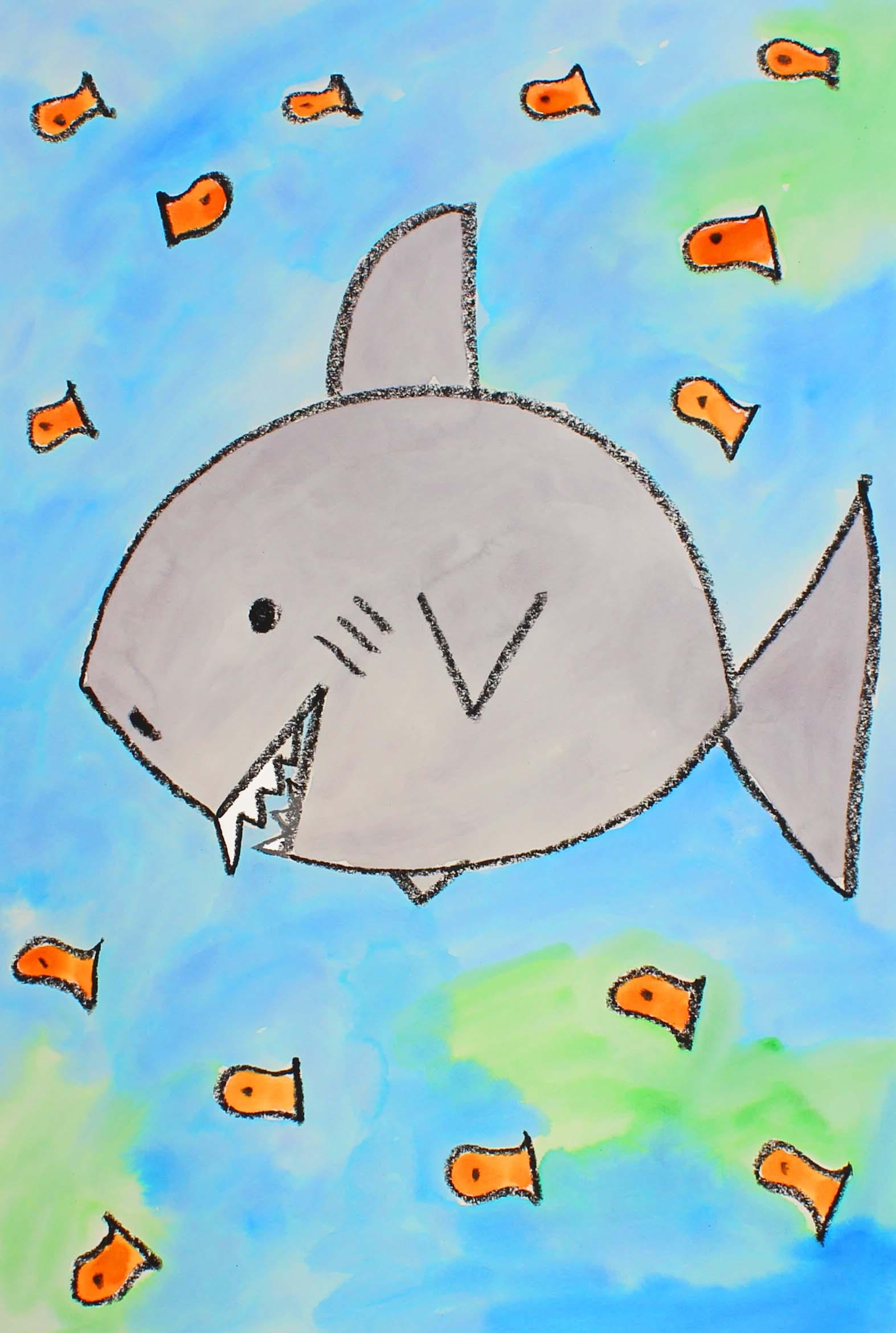
This Shark & Fish drawing and watercolor painting project may be just what you are looking for! Designed with beginners in mind, this project is perfect for first-time painters and children ages 5+. By following along with me, step-by-step, the beginner artist will learn the skills to create masterpieces of their own long after this project is complete.

Steps in this art project:

  • Step 1: Draw a Shark & Fish Design
  • Step 2: Paint the Design

The process used to teach this project is a step-by-step method that will inspire and delight the beginner artist into drawing and painting action! This process involves observing, following instructions, and creating until the student is happy with the outcome.

Students will learn basic drawing and watercolor painting techniques and apply these techniques to complete this project. This drawing and painting project is designed to give beginners the skills they need to begin their artistic journey into self-expression, reflection, and creative thinking.

Supplies and materials needed for this project:

  • Watercolor Paint Set
  • Watercolor Paper
  • Oil Pastels or Crayons
  • Paint Brush
  • paper towel
  • bowl of water
  • mat to protect work area

Let the creative fun begin!

Meet Your Teacher

Teacher Profile Image

Em Winn

Teacher, Art Instructor, Artist

Teacher

Hi. My name is Em Winn and teaching art to children is what I love to do! I pride myself on creating dynamic, meaningful, and engaging art lessons that are taught in a relaxing and joyful way. I have over 20 years teaching experience in the elementary classroom and in the art studio, and I feel that I have a good grasp on how to create a learning environment that makes children feel happy, motivated, confident, and successful. Let the creative fun begin!

See full profile

Level: Beginner

Class Ratings

Expectations Met?
    Exceeded!
  • 0%
  • Yes
  • 0%
  • Somewhat
  • 0%
  • Not really
  • 0%

Why Join Skillshare?

Take award-winning Skillshare Original Classes

Each class has short lessons, hands-on projects

Your membership supports Skillshare teachers

Learn From Anywhere

Take classes on the go with the Skillshare app. Stream or download to watch on the plane, the subway, or wherever you learn best.

Transcripts

1. Introduction and Supplies You Will Need: Hi, friends. How are you? I hope you're having a great day today. I'm excited about sharing this project with you. This is a drawing and watercolor painting project that I designed, especially for kids. Students do not need to have any drawing or painting experience at all to be successful with this project. I will guide students step by step through all the steps that they need to take. Today, we are going to be creating this Shark design. I hope that you have a lot of fun with this project. Let's get started. Let's talk about the supplies and the materials that you will need for this project. The first thing that you'll need is a sheet of watercolor paper. You will need a set of watercolor paints and a paintbrush. You will also need a cup or a bowl with clean water. You will need a black oil pastel or crayon and a paper towel. So go ahead and gather all of those supplies and materials, and I'll see you back here in the next video. 2. Step 1: Draw a Shark Design: In this step, we are going to draw our shark design. So let's get started. Go ahead and pick up your black oil pastel or crayon. And we're going to start about right here in the middle of our sheet of paper. And we're going to go a little bit in from the edge on the left side of your sheet of paper. Alright? So this is where our shark is going to go. We're going to try to make our shark as big as we can on our sheet of paper. Now, it's not going to be a huge shark because it's going to be this way as opposed to this way, but we're just going to make it as big as we can, okay? Alright, so we're going to start about right here. And we're going to end up after we make an arch about right here, okay? So we need to leave a little bit of space for the tail. Alright? So let's go up, O and down. Like that. Alright. Now what we're going to do is we are going to create the bottom part of our shark. This is the top part, and we're going to create the bottom. So we're going to attach another line to this line that we created initially. So we're going to come in. We want that to be a little bit of a point. So see how that's a little bit of a point. And then we're going to make a line, a slightly curved line coming down. And that's going to be the nose part of our shark. Now we're going to create the mouth. So we're going to come in. And then we're going to come out. It almost looks like an upside down V. Alright, now we're going to attach this part of our line to this line over here with a curve line like this. There we go. There's the body of our shark. Now, let's create the tail for our shark, and that's going to be over here. So shark tails are going to come out a little bit like this and then come down and then come back in. Alright, little bit pointy. Now, let's come back to this part of our shark, to the body, and we're going to create some detail. So let's create a nostril. Let's create some really pointy teeth. Just get as many teeth in there as you can. Let's create an eye. You can create any kind of eye that you like. Let's create some gills. And then a fin on the side. Let's create a top fin, so a straight line and then another curve line coming down like this. And then let's create a small fin. So now that we have our shark design, let's go ahead and create some background details. You can create any background details that you like. You can make some sand down here at the bottom. You can create some seaweed. You can create some small fish or jellyfish. It's completely up to you. What I'm going to do is I'm going to make some small fish, and they're going to be just pretty tiny. They're going to be just a straight line and a curve line. This is my favorite way to make fish. So this is what I'm going to do. I'm just going to put a bunch of fish on my sheet of paper. These fish are going to be swimming with my shark. Like they're friends. So you just make anything that you'd like for your background. Alright, so I've created some fish. Maybe I'll put one more here. There's a little space there. Alright, I've created my fish in the background, and your drawing might look a lot different than mine, and that's great, because that's what we like. We like your artwork to look different from mine and from everyone else's. So in the next step, what we're going to do is we are going to start painting our design. 3. Step 2: Paint the Background: In this step, we are going to start painting our design, so let's get started. So what we're going to do first is we are going to add one or two drops of water into each of our pans of paint. And what this will do is it will soften up our paint a little bit so that it is easier for us to use. I do suggest that my students take this step because it does help. Alright, now that our paints are softening up, let's turn our attention to our design. So what we're going to do first is we're going to focus on painting the background, right? So we're going to paint the ocean. See all this space right here, we're going to paint that first, right? And then in the next step, we're going to come back and paint the shark and the fish or whatever other details that you have. Okay? So think about the ocean. Think about the colors of the ocean, and those are the colors that we're going to be using. You might want to use a blue and maybe a green or a purple. You can do some color mixing if you like. I am going to use I think I'm going to use this blue, maybe this one right here. I have a couple of different blue options. And then I'm also going to add maybe a little bit of green to that if I feel like it in that moment. So I'm going to go ahead and start painting with my blue paint. I'll start up here at the top. I don't want my paint to be really, really dark and saturated, meaning it has a lot of color. I want the color to be a little bit lighter. That's why I'm adding more water than paint. So if you want a lighter softer color, you add more water, and if you want a stronger color, then you add more paint. Alright? So I'm going to go ahead and start my painting. And then if I want to add a little bit of green or maybe even purple in there at some point, I'll do that. But I might just stick with the blue. What I do when I'm painting, I just do what I want to do in that moment, okay? Sometimes I plan things ahead of time, but mostly I just go with the flow. Alright, I'm going to speed up this video, and I will see you back here in just a minute. Alright, friends, I'm finished painting the background. As you can see, I added a little bit of green to my water scene, and I did that because I wanted to add a little bit more interest to the painting. When we come back, we will start painting our shark and our details. 4. Step 3: Paint the Shark and Fish: I in this step, we are going to be painting our background details and our shark. We're going to start by painting our background details, and your details might be different from mine. I have some little fish here that I'm going to be painting orange. And then after we paint our background details, we are going to paint our shark gray, using the color black. So let's start by painting our background details. I'm going to use the color orange. You can go ahead and start painting your background details, any color that you'd like. Alrighty. Now, I'm finished painting my background details, which are my little orange fish. They look great. What we're going to do now is we are going to create some gray paint for our shark, and we're going to make the gray paint out of our black paint. So I'm going to place some drops of water into one of my wells. We want to get quite a bit of water because we want our paint to be more of a gray than a black. So I'm going to put several drops of water into one of my wells, and then I'm going to add just a little bit of black paint, not too much. The black paint is a very strong color, so we want it to not be too dark. A little bit darker than that. Oh, perfect. So what I'm going to do is I'm going to go ahead and paint my shark, this gray color that I created with my black paint. I am not going to paint the teeth. I want them to stay that really bright white color. So they stand out on my piece of paper. Alrighty friends, I'm finished painting my entire design. I hope that you had a lot of fun with this project. I will see you next time.