Transcripts
1. Intro: Have you ever thought about learning how to write
in Arbor calligraphy? And what is the importance
of arbitrarily graphy? Basically, more
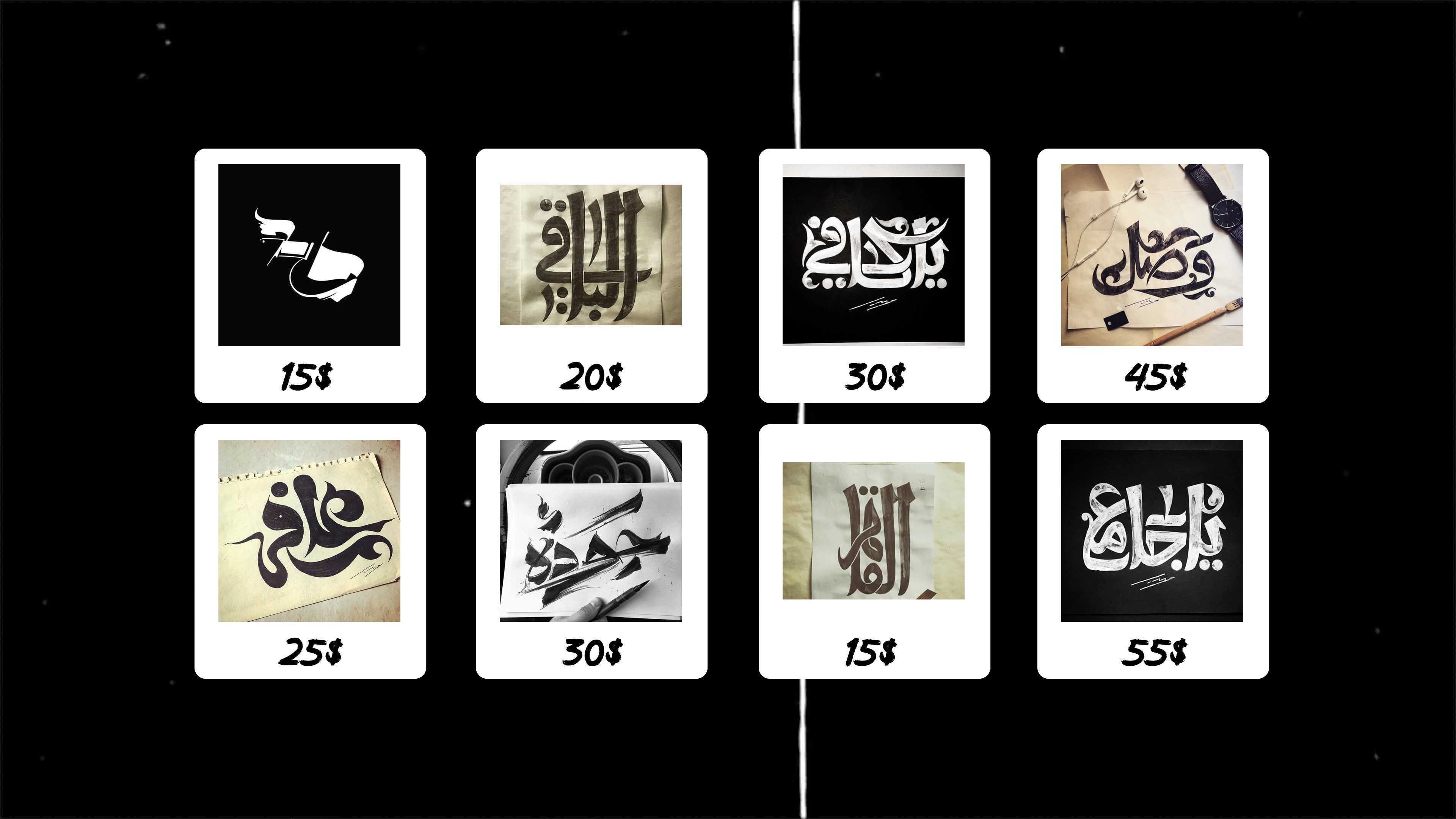
than an arbitrator, graphy has many benefits, such as it affects your personality and adds some values and
attributes to it. Like it makes you more accurate, would observe or a smart person
in making your decisions. Arbiter calligraphy is very
important in the Islam correlate can add a new
source of income to you. Because this assignment, I'm a dentist and then work
as Ann Arbor teacher. Appears you across this brief gloss modes
the arbitrator graphy. In this class, we'll start learning the basics so far we
can have your step-by-step. And after that, you'll be ready to learn the
different types of Arabic calligraphy and become a proficient and
highest skilled writer of Arabic calligraphy. So, see you in class.
2. 1. Alif Letter: Hello and welcome back to the first lesson of this course. I'm really glad you had
to have all of you here. There we started the first
lesson of the calligraphy of the Arabic alphabet
calligraphy glass. Here I'm just showing
you depend that we use it to make it bigger for you. It's so that you
can see it easily. This is dependent,
we're going to use, you're in the class. Basically let us start
with the first alphabet, which is the LF letter. This is how we write
down elif in English. Okay? Leaf litter. Of course, we write down from
the right side in Arabic. And if it looks like in English, it was just about a
straight line like this. But without the
dot on top of it. So i, in English we write down the straight line
with adult on top of that. But here we just write
down straight line. It's not short and it's
nearly five points. And the Rome or Nevada lineman, as you can see, these
dots are aligned. Let me just draw
it again for you. Here is just straight
line, straight long line. That's it. It's not a big deal. As you can see, it's aligned. All of them are are aligned. I didn't I didn't write
it down like this because this is a short and an
oblique one as well. It's wrong one. We need it
to be straight and long. But if we made it long,
but not straight, so it's going to be wrong as well as this short one.
You go what I mean? This is the straight leg
one is the right one. Basically, if you're going to
start using this technique, you start with
adults like these. You wrote down
nearly five points and then you connect these dots. This is easily
which the elephant, but later on, you would know
the idea of having the dots. And then you just connect
these dots because this is how we learn it
basically as ribbons. We learned how to write
like this, like this, by connecting just
the dots next to each other and then you have the
full shape, you go to me. So basically this is
what we're going to do for the next letters. Just jump into deltas.
3. 2. Baa, Taa & Thaa Letters: Here we have the
group of that bat. And also this fat letter. Basically this group is an AZ group because they are similar to each
other in the shape. Once you know one of them, you would be easily be
familiar with deltas. We only add dots and me
erase dots and that's it. Basically we're going to write
down from the right side. You can see not because in English we wrote
from the left, as you can see, an Arabic right
down from the right side. I'm pretty sure that you're all familiar with this
number I done for you, which just have a mock. Then we drag this Mach to
complete a plate looking up and we add the
DHAP just below it. This is the bat letter. If you can just guess, you could just do the milk. And then we're going to drag. Yes, a Hadi going to drag. But here we have two
dose, as you can see, nearly $2 the lens of this mark. Then you do the
plate looking up. Then you add the
dot just below it. It belongs to the letter itself. Okay? The lens or the distance
of this one is actually or nearly four dots.
The inside of it. This distance or this at
this ion I'm below it. You can just see
it's a little bit wider because of the plate, the width of the blades,
you can see five points. It's nearly five ones. Some of you might tell me, Yes, we can just easily
write down it this way. It's just a small
plate looking up. Then we add the doctors blow it. It's not wrong one, but it's not this thundered one. It's in, it's in, it's in another style
of writing in Arabic. While this is not the
standard one best way, we're going to add an X to it. So we're just only do eccentric and the valid one is the
one that we just did. Let's move to the TAT letter. The test is similar
to the bat letter, but we have to dose. Okay. Like you can
remember it was two that goes back to two dots. So you're going to add two dots. But in this case it's going
to be on top of the letters. This is the TAT letter, which is due the mark. As you can see now, plate
looking up or looking up, looking upside, as
we might call it. Let's do away again. There's the Mach. Then we'll drag the C, two dots. That's it for detail later. It's quite easy. And also we do not do this, this kind of plate. Then we call this, right? Why? Because the distance
he has, you can see it's quite short. It's only three dots. While we agreed it's gonna
be five liters, $5.1234. This is the authentic,
the valid data. This is how we write down
the Italian anaerobic. Because this one is
a little bit short and the attack must
be let a bit wide. That's it for later. Let's move to the fat letter. The last one in this group. It is just gonna be the
same as the bat and pat. But we're going to
add three adults. We add three dots. As you can see, fat,
the snake sound. So it's similar to the three number in English that reminds you of is free dots on
top of the data. And you get the fat letter, the same, the distance again, they give me the same here
as you can see, 12345 dots. This is gonna be the
white of our letter fat. Also. No one is going
to ask me and say, Is this a good one
over two or about one? Actually, this is a bad one. This one about as well. But these are the
authentic valid shapes of the thalamus because we have a certain white to each letter. I think does it for this group? Let's move to the next group.
4. 3. Geem, Haa & Khaa Letters: In this group we have
the Gim hat and hop. This thought was the GM first. As we just learned, we're going to write down from
the left side. You have Locke, small
Mach and oblique Mach. Then we'll drag this
mark to the right side, having something just KV or recovered
platelet and upside. And then from the
middle of this plate or this curvy line we
just dragged down. We have this COVID see, look into the side of the
right side of course. And then we add the dot, the
belly over o inside of it. Again, we have a mock
looking at this side. Then we'll drag it that way. A caveat way, slightly curved. Then from the middle of
this slightly covered line, we just dragged down into C. Just like the CNS as an English look
into the right side. Let's do it again.
The mock again. Then we drag this more
platelets recovered way. Then from the middle of it, we just drove down. Then we add the inside of it. We call it the belly right away. This is the gene. So let's move to the handler. The hat is basically similar
to the H letter in English. Your call it has him, has him, but we call it, hasn't. You call it here, but we
call it was a hat sound. This goes back to the heart
sounds, all different shapes. You just now we're talking
about the shapes, okay? So here we just do the same
thing as we did in the gene, the small mark and then we drag. That's it. Without any adults, the gene
was adopted inside of it. What the hat. Without any adults. Similar to the gene
but was out in adults. No dots. Just did a mock have
the small plate looking up. Then from the middle of
this plate, which is the C. This is to highlight. Moving to the last
one in this group. It is the hot letter,
the heart letter. Basically you should be
familiar with the sounds. Forget about him
because now we're talking about the
shapes, not the sounds. How would, how
would draw the hot? As we just said, it's one group, so it's gonna be similar to
the gene and the hat as well. Yes, we drag again. Book will go into an adult on top of this letter.
It's different. Gene and the hat. And we have letter drove again, small Mach, we did in that way. Covid one or do you oblique one. Then we draw the
platelet upside. And then from the
middle of this plate, what we're going today? Yes. Normally we're just
going to drag and drop the C letter
as an English book. We add the dots on top of it. Yes. Well-done. I had to you saying that one. Good. Well well done. That's it. That's it for this group. The gene Pat and clock.
5. 4. Daal & Thaal Letters: Moving to the second group, we have the group. That is gonna be about
two actions to moocs. Just do a mock
slightly curved it mark like this one
and then you drag it. That's how easy it is. Yes. How easy it is. So
as you can see now, we have only three dots, the slightly curved one. And also the drag one is gonna be merely for adults as well. Let me do it again for you. Let me just do that for you. First, 12312 or limit. Let me write on the
third one. Yes, three. So let me just connect
them together and track. That's it. This is the letter. Let's move to the
second 188 is the zan. Zan. Yes, this is a sound event.
We're not here for sounds. We have four shapes,
as you can say, is gonna be the same as data, just to say, slightly
curved line. Then we'll drag bought. We add adult on top of it. We can do it again for you. Just 123123. Then we connect these dots. Looks like it's a look
into the left side. Yes. It looks like a coelacanth didn't look into
the left side. Yes. Then we add the door
on top of it for sure. So it's different from
the data and it is. Then this is the bell. Let us older islands and group.
6. 5. Raa & Zaay Letters: Moving to the xj, let us both of them are group. Yes. It's a group as
well. Okay. So you just do two actions as well. Just going to have this mock is a cavity line and then you
drag this line is a tail. This exactly looks like a
tail or looks like a banana. All right? Okay, so we just do it
again. Just do this mock. You can do it by using
the dots technique. Connect these dots and
then you drag this one. Having the shape of a banana. I'm pretty sure
this is disabled. We went out to
incontinence and enemy. Just get in. Okay. This is the right letter. And the independence. Here
we're actually talking about the dots of the letters and how exactly they going
to help all of us. Just growing. But let us
easily move into design it. We call it Zai, some
people call it z. But we call it as it is
similar to the letter. Exactly the same. Yeah. Just a covered line
and then we drag book. Yes, You had me we add
the dot on top of it. Now we have three adults. It can link them together and
we drag in a slightly CAV1. Have the banana shape. Yeah. Go ahead and connect them. Yes. Then yes, we do the dot. That's it for the rotten Zai. This is the rod and
this is the same. I think that was
quite easy for you. Just follow the dots techniques and I'll see you in
the next lessons.
7. 6. Noon Letter: All right, so in
this lesson we're actually going to talk about
a very important letter. It's going to help us knowing how to write all of the rest. Let us start. We're going
to have in this class, it is actually the noon letter, the newsletter we write this, It's close and similar
to the bat letter, but instead it's
a bit thinner and it's a little bit
shorter as well. It looks exactly like a blade
looking up or say looking upside and the dot is inside
of it or on top of it. This is the known le. Let me
write down for you again, just a small mark. And then you continue to plate or you continue
to see upside. That's it. That's
it for the noon. You just add the
dot so it's noon. Looks it looks similar
to to a jaw as well. But this letter is going to help us having the rest
of the letters. Okay. But it's no way
can be written this way. This is the bat letter. Okay. We said that the noon is a little bit
shorter and a little bit thinner than the noon
than the bedsore noon. You can find it the lens
or the whatsover is like three dots bought the
bat is actually five, as you remember from
the previous lessons. This is the right noon and
this is the wrong one.
8. 7. Saad & Daad Letters: Moving did a group
of sodden lot. Let me write limit
right for you. So here we're going to
write down the bat letter, but it's not a complete bat. Would not add the dots. And that's why I
said not complete. So often writing down
the bat and then we add a noon to detail of
the bat, can say. Then we just drag the beginning, the back, like this way. So we have a salt
is dissolved knitr. It's connected with a
bat and a noon together. And then we drag the
beginning of the bat. Then we add, then we
have this kind of shape. At the beginning. It
looks like a tie. You can see, let's do again. Here. We're doing the bat first. Remember? Then we
add the noon to it, to the end of it, of course. Alright. Then we'd drag the beginning to have
a tie. And that's it. This is the saga. Move into the DOD. It's quite similar to
the solid exactly. Bought. We're going to add
a dot on top of it. Okay? So let's do again,
write down the bat. The bat shaped to be
honest or to be accurate. And then we add the noon shape, the end of the batch shape. And then we drag the beginning
of the salt to make a tie. And that's it now. We add the dot to
it on top of it. So this is the dont le let
me write down for you again. That's it. For the DOD. And
the solid letters.
9. 8. Seen & Sheen Letters: Moving to the scene
and the xin group, we have this scene
first scene, yes. Like the word seen. Seen it. You've seen it. Anyone do the small noon
this morning? Shape? Looking up, looking upside, another C, looking upside. Just like to place
next to each other. And then we have a
noon at the end of it. That's why we said noon is going to be very
important to us. For the next few essence. We did like two. Sorry for that. I didn't see that coming. And always within
sees looking upside. And then we add the
Noon at the end. So this is the scene letter. We call it seen. Moving
to the sheen layer. It is quite similar to the Xin was don'ts
with trade-offs. We did a 2is looking upside, small plates looking upside. Then we do this noon shape box. We're adding 123 dots. This is how we get the
xin out of the scene. Yeah, let's do it
from the last time. That's it for the sheen. And that's a folder scene.
10. 9. Taa & Zaa Letters: The dot plot and
the Vault letters. This is the group. Let's
start with the top. Let's start writing
down the bat, but would not complain it. The back shape, smoke complete.
We just stopped here. We make a tie because
we didn't Assad. Then we add a straight line to it or you can call it olive. No worries. This is the thought letter. Will make an incomplete
batch shape. Of course, incomplete
batch shape. We make a tie from the beginning of this
incomplete batch shape. And then we add a stack, we add a straight
line on top of it. This is the thought letter. Quite easy, isn't it? Now we're mixing the
letters together. You know exactly
what you're doing. Let's move to the vault later. It is the similar to
the target letter. It is the twins of
the thought later. That's why we have in them
in a group. We do it again. Incomplete batch shape. Was a tie. That straight
line on top of it. Yes. You guessed that we have
adult and top of this one. This is a vault later. It's just the
similar to the dot, but it was no dot list. Let me do it again for you. For those up and
we'll talk group.
11. 10. Aeyn & Gheyn Letters: Moving through the
ion and the vein, let us in annoying group
that twins as well. We have a c, just a small, small c like an English. You can do the write, of course. Just to say it's Morsi. Then lowercase c. Then we drag a beggar one. This is yeah, that's how was it? That's how we write it down. Small-scale, big say, that's it. Let me do
it again for you. Okay. Moving to the line that
it is similar to vary. But we're going
to add two to it. Small say he was
adult on top of it. This is how easy it is. Once we recognize the
idea of the new law. This is how easy it is. I guess, where I didn't didn't
talk to it. And that's it.
12. 11. Faa & Kaf Letters: Moving to the fat and the cough, LET is the fan club group. We're actually going to write
similar to the bat shape. It's a complete back shape. But we're at, we're
making a circle at the beginning and instead of a tie, we're making this ankle. You can do this echo
first and then you drag the sacral to make
the complete batch shape. But we better, or we just
do the batch shape first, a complete batch shape. Then we're making our circle at the beginning was adopted on top of f
course, as you can see. Okay? This lens, as you can
see now it's nearly or approximately five dots. Because the curve is going
to be a little bit shorter. So it's gonna be three dots
and instead of five dots. Let me do it for now. The cough would be actually
like the noon letter. It's not like the bat
because it's total. And as we said in the noon, it's shorter than the
bat and center as well. We did a sample, bought, we're adding two
dots on top of it. You can see the distance here
is three adults, not five. Three dots not five. It's a little bit shorter. Noon, noon, complete noon shape. Then we're making the cycle. We're adding the two dots. Let me add them. 12. That's it. That's it for Lakoff. And the fat and group. It is actually three points where the fat is a bit longer.
13. 12. Kaaf Letter: The Catholic move
into the cavity. This is a very important when we have two shapes with this GEF. But let's do the calf one, the basic one dissembled one. Let's ask him for help from the elif LA is
a straight line. As you said, we just mentioned that our first
lesson is about it's a straight long line
and then we're making the BATNA at the end of this straight line
from the bottom. Then inside of it,
we're either an a C, look into the right
side of course. And then we're having a tail. This is the calf. It's a combination from the
elif and C was attained. Let us do the elif
straight line, the bat five dots. We connect the dots together. The adults technique. Then we add the small. See this mostly that we did in buying as you remember,
then we do detail. That's it for the first shaved, the standard shape of the graph. Let's move to the other
shape of the gaff. Not very common, but we
actually use as well. We do the LFS. Well, then we did the
bat, bought and toppled. Best way where I didn't an oblique line and
top of the leaf. This is, this is how we write down the caffeine,
the middle of the words. We have an else-if was a bat and then we add an oblique line. This straight long LF. This is the calf
shapes of the camp.
14. 13. Laam Letter: Lamb is actually
the easiest letter that we have in this series. We have the LF. Then is, as we said,
it's five dots. Then we write down
the new letter, or the complete noon shape. This is the lamb.
It's like a hawk. In the sailing hawk
or the Scheppach. We can make the dots together
form this trait, long, olive and then we do the complete noon shape.
This is the lamb.
15. 14. Meem Letter: Move into demean there. It's quite easy as well. Don't worry. It's very common
we have two shapes as well. The first one here, we're making a mark or I
didn't know in a mock. And then do it this way. It's like a small circle
if you want to say that. But we'd better do it this way. Then we drag a tail. Then straight long LF. That's the mean as
how write down. And as I, as I just mentioned, you can just make a circle. You drag it, and then you
make the Elephant Man. This is exactly it
looks like the circle, but we actually have like
the top of the triangle. Then the base would be looking
up and then we had a tail. Then the LFO, the
straight long LF. This is how we did it. I'm showing you the
directions that would at the beginning and
the end as well. We have a loan mean.
This is the short mean. So we have a long meme. It's gonna be the same thing. The circle. This circle
would be dragged. That way. This is the long name. This is the second shape of the
mean. Let's do it again. We did a circle or do
the half triangle, and the base would be
a C looking upside. Then we drag. Was it very long? That's it. That's the mean.
16. 15. Haa Letter: Moving to the hotline,
we have an oblique Mach. Then this is just regular as well that we did in the mean, but it's a little bit bigger. And inside of it, it's
empty inside of its MTS. You can see this is the hat, but this is one shape
of the handler. Let me just tell
you the other one, which is a very common
one that we did. Sure I didn't a curve to it. It's like this circle is being contained from another
person. Got what I mean. That's it. Half triangle did a base. Then we draw a C looking
to the left side, and then we drag it. That's it.
17. 16. Waw Letter: Moving to the wall later.
Why was this circle? You then you drag it. That way. He'd drag from the
beginning of it, not from the end because they
end. It's gonna be mean. As we said, we do the circle. Then we drag that Sacco
from the beginning. That's it for the well.
18. 17. Laam Alif Letter: Elif is actually a combination between the leaf and the lamb. But we do it in a
different shape. We do this KV line, drag, it was a straight line. Okay, and then we do the
other one, curvy line. This is what we call
the lamb olive flour. This is the lamb olive. It. Okay, So we do a KVL
line as we said, the left, then we do the base, and then we did the
Capitoline to the right. That's it. The cab you wanted to the left. Then Bayes. Then we did a KV
line to the right. You can add is the taste. Who went to this dilemma leaf.
19. 18. Yaa Letter: Yeah, it's gonna be
the loss we have in this one is just a small c, But it's not a complete, see it's an incomplete C-shaped. Then you drag it as a bad grade, but we add two dots below it. The complete bad shape. It looks like a doc docx, the animal to dock. So yes. We have an incomplete C-shaped. So as we did the small
seed, the right side, the incomplete see,
we did the bat. The two ducts to the bottom. We have a dock was two legs. This is what we used to call it. Book was two links.
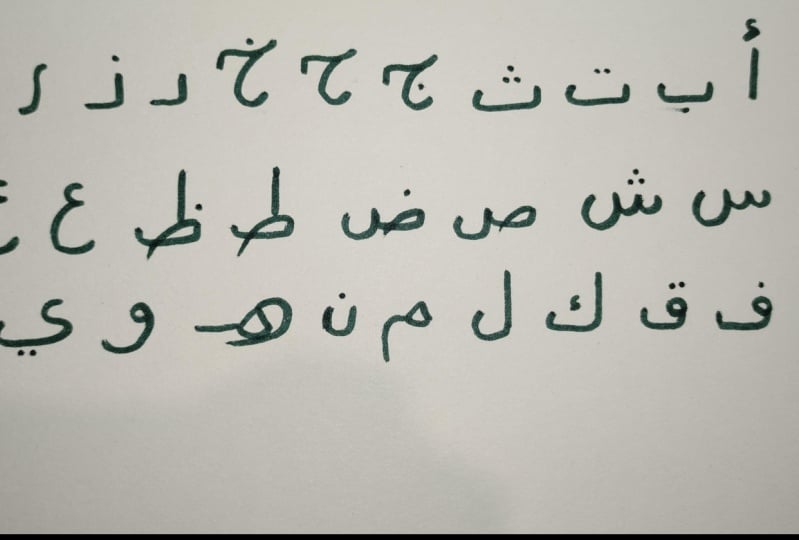
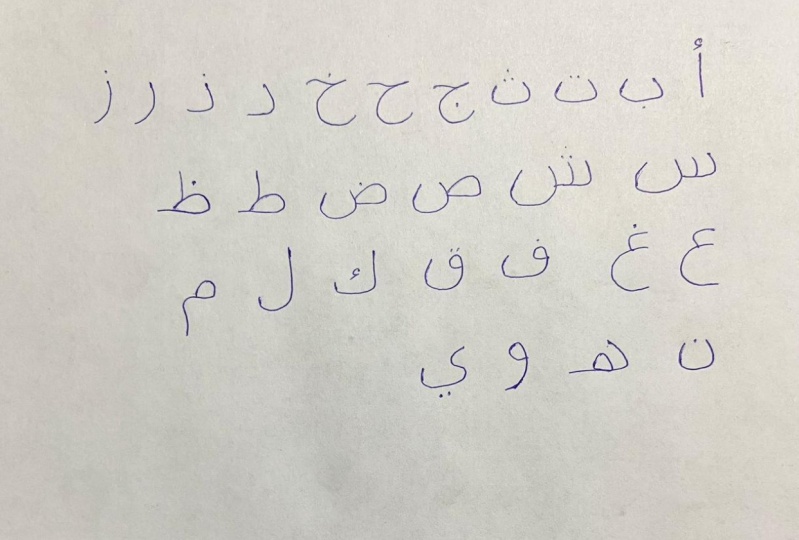
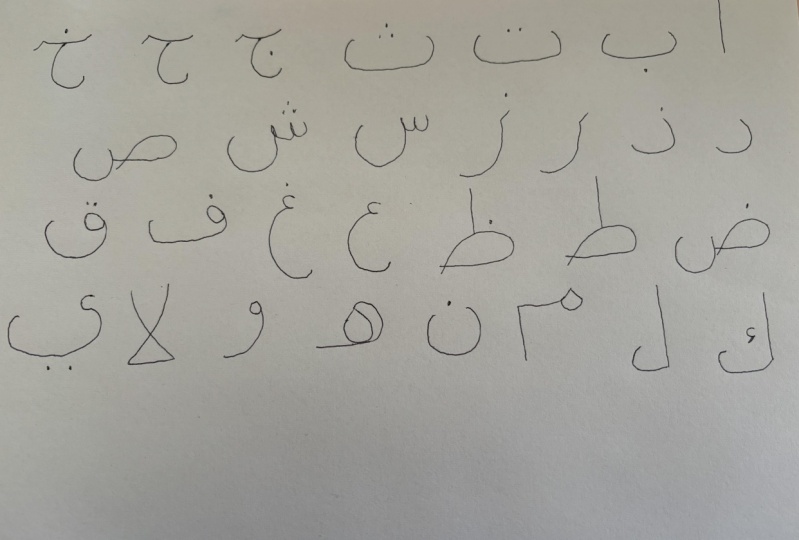
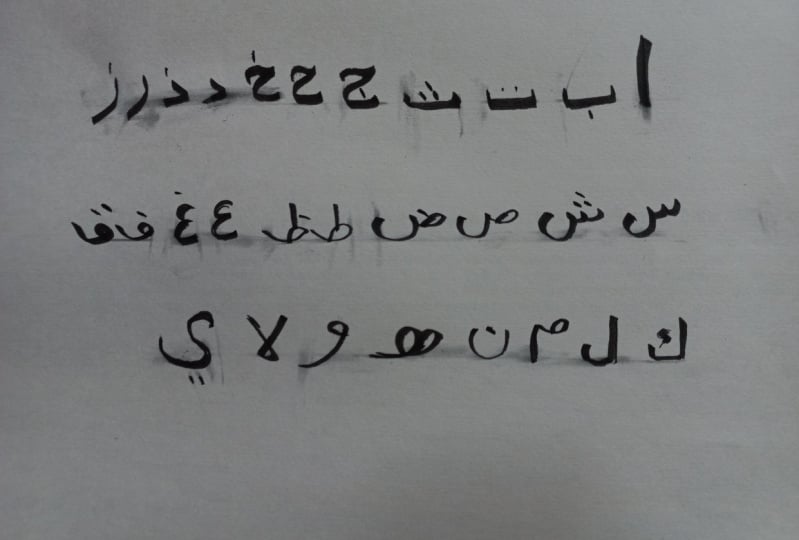
20. 19. All Letters Preview: Alright, so in
this section we're actually going to preview all the letters starting from
the elif and ******* D yet, I want you to just focus
was made without me having a voice over, over
these writings. So I'm just letting you
and this wonderful class, I hope it really
helped you to better, advanced and better effect. You're writing your
Arabic alphabet, writing and alleviate
was desk preview. It.
 Ahmed Ibrahim, A dentist & Arabic Teacher