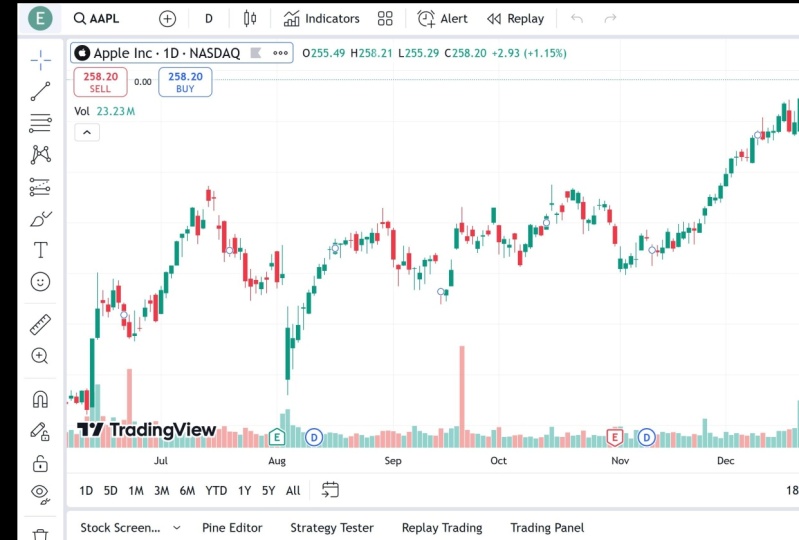
Transcripts
1. 3 Day Stock Investor Intro: Do you want to
learn how to start growing your money faster by successfully investing in
stocks in just three days. If so, you're in
the right place. Welcome to three-day
stock investor. My name is Wade Collins and
I'm a successful investor with a wide range of
experience in real estate, stocks and stock options. I built a real estate portfolio valued at over $2 million, along with a rapidly growing stock and stock
options portfolio valued at over $400 thousand. Increasing housing, gas, food, and utility costs are
making it harder and harder for you to live the dream life that
you want to live. This course shares what I wish I knew sooner and will
give you the money, strategies, knowledge, and skills to help you get
to your best life quicker. After completing this
course in just three days, you will have learned
everything you need to know to start successfully
investing in stocks. In this complete stock
investing course, you will learn how to avoid
the get rich never trap. How to know which
investment is best for you. How to practice and
learn. Risk-free. Step-by-step walk-through is on buying and selling
stocks the right way. How to choose stocks, how to know when to
buy or sell stocks. Reducing risk when investing, making consistent
profits. And much more. I designed this course for the new or intermediate
investor that wants to make more money without
having to spend hours and hours watching videos, reading books, and making
expensive mistakes. Get started now to learn successful stock
investing in three days, begin growing your money faster and get closer to
living your best life. I'll see you in the course.
2. How To Get The Most Out of This Course: Congratulations and thank you again for investing in yourself. And in this course. One of the best investments
you can make is an investment in yourself
and your knowledge. The skills you will
learn in this course, we'll pay you back
many times over. To get the most out
of this course, you should make sure to space out the repetitions of
important information. Rephrase key ideas in your own words as you
watch the videos, test yourself by asking and answering your own questions about what you've just learned. Try to explain what you've
learned to somebody else. Complete the course in order not making any trades until
you've completed it. Alternate between
practicing what you've learned and watching
the videos again. And stay out of a perfectionism or all
or nothing mindset. If you want to remember everything from the
course, better, space out the
information by working through the course
little bits at a time, rather than trying to cram it
all into a couple of days. If you're feeling a little confused about one
of the videos, don't be afraid to move on and then come back to
it again later. Rather than just sitting
and watching these videos, pause for a moment. Then ask yourself how you would explain what you just
learned to somebody else. As a side note, if you want to work through this
course a little faster, you can choose to
play the video is at a higher speed in the
settings of the video player. Another great way to make
sure you get more out of the course is by
testing yourself. You can do this by asking and answering your own questions
about the things you learn. And you can even explain what you've learned to someone else. If you're lucky, the person
you talk to will probably ask you some
questions which will help you learn it even better. I recommend that you don't make any trades until you've
completed the whole course. Since it takes time for your
account to be approved, feel free to set up
your trading account and move money into it, but don't make any
trades until you've made it through the
whole course in order. This course was planned and
built and the way that makes the most sense and is
easiest for you to learn. Once you've finished the course, it's time to practice
what you've learned and review the
videos when needed. Once you've reviewed the
information, you needed, practice again,
then review again, and then practice again. After each time you practice
what you've learned. When you go back to review the videos in the course, again, your brain will make
more connections and you'll get something
new out of the video. This is the best way to learn. Going back and forth
from practice to reviewing will really
speed up your learning. Online learning gives you the huge benefit of
being able to stop, rewind and watch
videos over and over. Don't be afraid to watch
these videos more than once. This could make a huge change in your life if you
put the time in. Also stay clear of a perfectionism and all
or nothing mindset. Whether you're making
progress through the course, making your first trays are making your first
trade adjustments. Remember that progress
comes in small steps. Realize that you're going
to have to do things imperfectly and then course correct and improve
each time you try. Also remember to make reasonable
goals for your progress. And that rushing through this is not the way to get
the most out of it. Reward yourself as you make
progress through the course. And three are trading. To recap. To get the
most out of this course, you should space out the repetition of
important information. Re-phrase key ideas in your
own words as you read. Test yourself by asking and answering your own questions
about the content. Try to explain what you've
learned to someone else. Complete the whole course
in order and don't make any trades until you've
completed the course. Alternate between
practicing what you've learned in watching
the videos again, in stay out of a perfectionism
or all or nothing mindset. Now let's start making
your money work harder and go farther. See you in the next video.
3. Your Investing Options - What Choices You Have: There are so many choices of where you can put your money. Most people choose to put their money into
depreciating assets. These are things that are
worth less over time. Things like cars, cell phones, video games, and more. Every time you buy and
keep a depreciating asset, you are losing money. When you'd use your money to
buy a appreciating assets, your money starts growing. Appreciating assets are things that are worth more over time. Things like real estate, stocks, gold and silver. When choosing where
to put your money. The common choices are high-interest savings
accounts, GIC, mutual funds, ETFs, dividend earnings,
stocks or funds, stocks, stock options,
crypto, and real estate. When you put money
into any of these, you can choose to do
it passively through stockbrokers or
financial advisors. Or you can take
control of your money, was self-directed
investing accounts. Self-directed investing
accounts allow you to make a lot more money while also
paying a lot less fees. When choosing what
you invest in. You need to remember that inflation is always
fighting against you. Inflation is the constantly
increasing costs of gas, cars, food, and so on. Safe average for
inflation is 5% per year. If you are not making 5% per
year with your investments, then your money is becoming
worth less year after year. High-interest
savings accounts are honestly a waste of time. I wouldn't even consider
these in investment. But many people
think they are doing alright by keeping their
money in these accounts. These accounts pay about
0.1 interest per year. Moving up with a very
slight improvement you can buy GI sees. Gi ICs are guaranteed
investment certificates. These are investments you
can get from banks and they guarantee a rate of return
over a certain amount of time. Because they are such
low-risk investments, they gave a very low return. Gic is require you
to make a commitment to invest your money
for one to five years. You can buy two main
types of GI sees, redeemable or non redeemable. Redeemable GIC allow you
to pull your money out before your one
dash five years are up without paying a penalty, but they offer a lower return. Non redeemable GIC will
not allow you to pull your money out before the
one dash five years are up without paying a penalty. Because of this, these GIC
is pay a higher return. Non redeemable GIC offer a max of about two-and-a-half
percent yearly return. Again, these are honestly
a waste of time. Mutual funds are
the next step up. Most people don't have any
investing knowledge and decide to hand
their money over to their bank to let
them invest for them. The bank then invest your
money into mutual funds. Mutual funds are basically a big bundle of stocks and
funds that you can invest in. This makes it easy for you
to be more diversified, but it also causes you to
have to pay much higher fees. These fees might not
seem like they're much, but they make a huge
difference over time. The average long-term
return from mutual funds is about 5%. This is the bare minimum
that you need to keep your money from losing
value because of inflation. Etfs are exchange traded funds. These are very similar to mutual funds but have
much lower fees. If you decide to do nothing
else from this course, I would recommend that you
invest in some good ETFs that get about six to 7%
returns per year. Dividend earnings, stocks or funds are very reliable
for most people. Dividends are a part
of the profits that accompanies shares with
people who own their stock. These companies pay
these dividends either monthly or quarterly. An example of accompany like
this would be Enbridge. You can easily search
online for list of companies that pay
the best dividends. If you want to find out how much you can make
through dividends, you just have to search
the company name and then the words dividend yield. Enbridge pays a 6%
dividend yield right now. This means that you would make a 6% return per year
just on dividends. While dividend stocks and funds have the perk
of knowing that you will consistently get paid
monthly or quarterly. The ones that pay
really good dividends don't usually grow as
much as other stocks. Dividends are also taxed differently than
other investments. So make sure to talk to your
accountant before investing in these stocks are the next step up and
can allow you to make much bigger returns depending
on the strategy you use. You can make returns as much
as 40% or more in a year. Making money with
stocks is all about being cracked about
the direction the stocks are moving in. Stock options are even more powerful than the stocks
because of leverage, you will learn more about what
this means in the future. But leverage can make your
gains or losses much bigger. Stock options have the huge
perk of allowing you to make neutral bets on stocks so that you don't have to
know which direction of stock will move in. You can also make money
from time passing. Crypto is a newer type of
investment you can make, but it definitely is
not for everyone. Prices of crypto can crash or reach all-time highs
in a matter of days, literally because of rumors
or Elon Musk tweets. This can allow you to make
a lot of money very fast, but you can also lose all
of your money very fast to most people that invest in crypto end up losing
all of their money. Real estate is a huge group
of different investments. Depending how you
invest in real estate, you can make lots of money. We will list many of the
different ways that you can invest in real estate
in a future video. Now you might be a little
confused or overwhelmed after looking at all these
choices, but don't be. Your main choices are
GI sees, mutual funds, ETFs, stocks, stock options, crypto, and real estate. I would recommend
investing in stocks, stock options, and real estate. Remember that if your
investments are making less than 5% per year return, your money is becoming
worthless year after year. If your investments are
making a 5% return, you are not growing your money, but just preventing
it from losing value. If your investments are
making a 5% return or more, you are preventing
it from losing value and also
growing your money. Now let's start making
your money work harder and go farther. See you in the next video.
4. Why The Person At Your Bank Isn't Looking Out For You: Investing can be very intimidating when you're
first starting out. Nobody teaches you anything about investing when
you're in school. If you only learn to invest, you need to know
somebody or learn from somebody threw
a book or a course. The advisor at the bank doesn't make investing seem
any easier either, unless you invest
your money with them. Plus c advice that
they gave you is free. And you would think
that they'll give you the best advice for you. Because of this, most people throw their hands up in the air, hand their money over
to their bank adviser, and then put their
heads in the sand. When you hand your money
over to the bank like this, they will invest your
money in mutual funds. But have you ever thought about how these advisors get paid? Nothing is free and these advisors are not
doing this for free either. Mutual funds pay
financial advisors for the advice that
they give you. They receive a trailer fee, which is a percentage of
the amount you invested for as long as your money is invested in these mutual funds, they get paid this
whether you make money or lose money
with your investments. Also, financial advisors
are usually paid with extra hidden charges
that happen when you buy or sell mutual funds. If these financial
advisers get paid based on how much money
you invest with them, how long this money
is invested in, whether you make or lose money? Are they really
looking out for you? It's not their fault. It's the way the
system is designed. If you weren't absolutely set on getting a
financial advisor, you need to get a fee
only financial advisor. These advisors are paid
for upfront advice. But because of this, you can trust that they will
give you unbiased advice. Hopefully this has
opened your eyes to something that a lot
of people don't know. Now let's start making
your money work harder and go farther. See you in the next video.
5. Why Mutual Funds Suck: Mutual funds completely suck. Not only do these make
just enough to keep your money from losing
value from inflation. But they also charge a
ridiculous amount of fees. The banks love
recommending mutual funds, especially their own, because they make so much
money from these. The fees are hidden well, and most people
don't even know that they're silently eating
away at their money. These fees might
not seem like much, but they make a huge difference
in your investments, especially if you're
investing long-term, which is how the bank advisors
recommend that you invest. There are three main
costs that come with investing in mutual funds. The management expense ratio, the trading expense
ratio in sales charges. The management expense ratio, MER is a percentage and
includes management fees, operating expenses, and
taxes for the fund. The management fee
includes fees paid to the investment manager and commissions paid to the
Investment Advisors. Operating expenses include
things like accounting fees, legal fees, and
preparing reports. Each fund also has
to pay taxes on management and
administration fees that are charged to the fund. These taxes then get
passed onto you. The trading expense ratio is
the fund's trading costs. The more trades that
the fund manager makes, the more that you have
to pay in trading costs. The final cost that
comes with investing in mutual funds is sales charges. These are fees that
are paid when you buy or sell mutual funds. Front end load charges are paid when you buy mutual funds. And our percentage
of the amount you invested, usually one to 5%. The sales charge
is deducted from your investment and paid
to the advisors firm. Back-end load
charges are paid to the advisors firm by
the fund company. Unless you sell your mutual
funds before the time limit, they said, If you do, then you'll have
to pay extra fees. These fees are from
one to 5% and become less and less over a timeframe
of two dash seven years. The returns that they tell
you a mutual fund makes is after all of these fees
are already taken off. If a mutual fund makes
8% and the fees or 3%, then the paperwork
that they hand you which showed that
the fund makes 5%. By doing this, they can hide these fees and most people
don't know any better. But now after watching this
video, you do know better. Now let's start making
your money work harder. Angle further. See you in the next video.
6. How to Avoid the Get-Rich-Never Trap: Are you ready to get ahead of 99% of people with this video? Time to learn how to avoid
the get rich never trap. Now that you know how the
banks financial advisors get paid and why
mutual funds suck. You can easily understand
how to avoid this trap. When getting investment
advice at the bank, they'll usually recommend
a diversified mutual fund that is moderate to low
risk depending on your age, goals, and investing timeframe. They'll show you an
exciting chart or graph that shows how much
your money will be worth in 20 years or more based on how much
you invest each month. Let's say that it's
the year 2030. And you are going to
invest for 25 years. You have $2 thousand
to invest upfront and $200 to add to your
investments each month. Your return from your
mutual funds is 5%. After 25 years of investing
in the year 2055, you will have $126 thousand. That doesn't sound too bad. But since the price
of everything goes up every year with inflation, that $126 thousand won't actually be worth
that much in 2055. To figure out how much your investments will
actually be worth, you need to use an investment
inflation calculator. This will show you what
the future value of your investments will
be in today's dollars. If you take this
exact same scenario in inflation is 5% per year, your future investments are only actually worth $37 thousand. This is devastating if
you're counting on this for your retirement or any
other big life goal. The sad thing is most
people don't know this and the bank advisors
don't tell you this either. If they told
everyone about this, all the fees that go along with their funds and how
their advisors are paid. There would be a lot
less people investing in their mutual funds and they
would lose a lot of money. If you want to test out your
own scenarios with this, just do a Google search for investment
inflation calculator. With this, you can
really see how a 5% return is not
enough to reach your goals by making returns
of 25% or more with stocks, stock options in real estate, you can actually achieve your goals instead
of the banks goals. This exact same scenario with a twenty-five
percent return would leave you with a future value
of $5,000,625 thousand. This future value
after inflation would be $1,000,661 thousand. I don't know about you, but I would take $1,661,000.25 years over $37 thousand anytime. Now that you can see and avoid
the gait rich never trap. Let's start making your money
work harder and go farther. See you in the next video.
7. How to Know Which Investment is Best For You: To compare investments and decide which one
is best for you. You need to know about ROI. Roi stands for return
on investment. This tells you how fast
your money will grow and how much your money will grow based on how much you invest. The only way to truly
compare investments side-by-side is to compare
their yearly returns. The best way to think of ROI is to think return overinvestment. To calculate this, you need to take the amount
of money that you've made from your investments
in the past year and divide it by the
amount that you've had invested for the past year. Let's say that you've had
$5 thousand invested for a year and you $300
from these investments. To find your ROI, you need to take
the return you made $300 and divide that by the amount you had
invested for the year, $5,000.3, $100 divided
by $5 thousand is 0.06. Multiply that by 100, and you'll find out
that your ROI is 6%. By using return on investment to compare different
investments, you can make sure you are
not wasting your time with an investment that
will leave you disappointed in a few years. Instead, you will be
growing your money fast. For other ways that
you can compare your investments are volatility, liquidity, dependability,
and control. Volatility is how consistent
the prices If a stock reaches incredibly high prices today and then dives down
near 0 the next day. Then it has a high volatility. Stock tends to keep a
fairly steady price. It has a low volatility. Liquidity is how easy it is to get your money out of
something by selling it. Real estate is not very
liquid because it can take a couple of months to sell a property and get
your money out of it. Now, stocks are very
liquid because you can sell them almost
anytime you want. Dependability and predictability
is also very important. Stocks are funds that pay
dividends are usually very reliable and give
consistent payouts. G ICs are very reliable too. But neither GIC or dividend stocks and funds
give you the best returns. Crypto is on the opposite end of the spectrum and can give
you incredible returns, but it is not dependable
or predictable. The final thing to
consider is control. What affects the value
of your investment, and what control do you
have over the investment? Lots of people
believe that you have more control over real estate
than you do with stocks. But in a lot of cases,
that isn't true. We'll talk about that
more in future videos. For now, we're going to
use ROI, volatility, liquidity, dependability,
and control to compare a few of the
most common investments you have to choose from. Let's start making
your money and work harder and go farther. See you in the next video.
8. Stock Basics, Pros, and Cons: Stocks and shares are two words that get
interchanged very often, but can be understood the same. The word stock is a broader concept to talk
about ownership and accompany. Whereas shares are the units
of ownership of a company. An individual unit
of stock is a share. To use these two
words correctly, you would say, I bought three shares of
Apple stock today. If you said I bought
three stocks today, people would think
that you bought shares from three
different companies. Stocks have been
around for years, but I've got a bad rap. This is because lots of
people get excited about stocks thinking it's a
way to get rich quick. And then they jump in without
knowing what they're doing. Not all stocks are the same. You could choose to
buy penny stocks, blue-chip stocks, or
anything in-between. You can invest in stocks from many different
countries like Canada, the United States, or China. And you can also
choose to invest in many different sectors, like healthcare, materials, real estate,
consumer staples, consumer discretionary,
utilities, energy, industrials, consumer services,
financials, or technology. Blue-chip stocks are stocks
from big companies that have a reputation of
being reliable and being able to profit
and good and bad times. Penny stocks are stocks
from small companies that sell for less
than $1 per share. Blue-chip stocks are less
volatile and more predictable, but can grow slower
than penny stocks. Penny stocks are much more
volatile and less predictable, but could make you lots of
money fast if you happen to guess at the right one and
throw enough money at it. This is because
their price is so low that a small increase or decrease in their
value could either double or half your
money quickly. The worst-case scenario,
the penny stock goes to 0 and you completely
lose your money. Individual stocks are more
volatile than funds and ETFs. If you invested all
of your money into one stock in that company
isn't doing well. Your investments will
not be doing well. Funds and ETFs are
a bundle of stocks. So if one company
isn't doing well, then the value of the ETF or PFK-1 would still
remain fairly steady. This means your
investments would keep fairly steady to funds. And ETFs grow much slower
than individual stocks. But they are also a lot less
to manage because you can buy or sell a bundle of
stocks with one trade. If you wanted to spread the risk of buying individual stocks, you could easily buy a bunch of stocks instead of just
investing in one. And this would allow you
to make the great money that comes with
individual stocks. Now when talking
about liquidity, stocks are very liquid. You can sell them nearly anytime you want and get
your money back. The problem is if your
stock prices down, you don't want to sell the stock because you would end
up taking a loss. This is why it is so
important to only invest money that you
won't need anytime soon. Always have an emergency fund
and savings or a line of credit available in case something comes up
and you need money. If you have money set aside for when stock prices are down, this is a great time to invest more and get some quick wins. Stocks can get you a great ROI and have a
high-speed of growth, especially with the strategies that you'll learn
in this course. Believe it or not, stocks are fairly dependable
and predictable. If you're investing in
well-known blue chip companies, their prices rarely make a
steep drop or steep climb. As long as you're
anticipating and expecting the yearly drops that happen to the whole stock market,
you'll be fine. If you set money aside for
buying into these drops, you'll make money that
much faster and easier. With stocks, you don't
have control of the value. The things that affect
the prices of stocks are the prices that
people are willing to buy and sell them for. The company's leadership and financial reports
and other events that are happening in the world. The factors that you do have
control over when you decide to buy or sell the company
is you choose to invest in. Now that we've
covered stock basics, next up is real estate. Let's start making your money
work harder and go farther. I'll see you in the next video.
9. Real Estate Basics, Pros, and Cons: Most people only think of real estate investing as
owning rental properties. There are so many other ways you can invest in real estate. Oh, stick around through
this video to find out more. Real estate has been
recommended as one of the best investments
for a long time. And there's good reason. Owned properties usually have low volatility and a
high-speed of growth. They are usually dependable
but not very liquid. House prices don't usually
drop or climb like crazy. But house prices can drop fast
if you live in a town that has only one factory and that
factory closes, it stores. The same thing can happen
if you live somewhere else that's dependent on
only one resource. Real estate is not very
liquid because it takes awhile to sell a house and get
your money back out of it. Rental properties make
good returns because you can make money from
passive appreciation, active appreciation, cash flow, and mortgage pay down. Passive appreciation
is when you do nothing in the value
of the house goes up. Active appreciation
is when you make changes to a property to make the value of
the house go up. Cashflow is when you rent a property to somebody
and you collect more money than you pay in
property taxes, repairs, etc. Mortgage pay down is the
amount that your money owed to the bank gets paid with
every mortgage payment. When you buy a property, you usually have to make
a 20% down payment. And the other 80%
of the price of the home is paid
for by the bank. You can choose to make
a smaller down payment, but then you have to pay
for mortgage insurance. This insurance protects
the bank only, not you. After buying the property, you then make payments
to the bank over the next 25 years or however long you choose to pay that 80% off plus interest. Every mortgage payment
has two parts to it. The interest and the principal. The interest is the
amount you pay to the bank for borrowing the
money to buy the home. And the principal
amount is the amount that you actually pay
down the debt width. At the start of the mortgage, you will pay more
interest than you will at the end of the mortgage. The best three parts
about owning real estate, our leverage, refinancing,
and capital gains. Since real estate is a
leveraged investment, you only have to pay
$80 thousand to buy and make profits from
a $400 thousand home. When the property value goes up, you can go to the bank
and ask for a refinance to borrow extra money from
the bank for investing. Also when you sell a property, but you will be taxa
difference between the price that you bought the property for and the price
you sold it for, minus lawyer's fees and
realtor commissions. The great thing is that this
is taxed with capital gains. When you are taxed
with capital gains, you are taxed on
50% of the amount. In other words, 50%
of this is tax-free. The other 50% is taxed at
your personal tax rate. There are quite a few perks
of investing in real estate. The problem is that a lot of the online real estate gurus don't give you the full picture. Real estate prices
do not always go up. This depends on the
area that you live in and what is happening
with that area, with immigration,
jobs, GDP, etc. Also, you don't have
as much control over real estate as they
liked to make it sound. Property prices and
rental prices are all based on the amount that
pupil are willing to pay. You can't make
people pay more on rent than what the market
is willing to pay. You also can't sell a house for more than what the
market is willing to pay. You can do your best to
choose good tenants, but you can't guarantee
that they will pay you and that they won't
damage the property. The government and landlord, tenant board are really
cracking down on investors. Depending where you live, you are not able to charge a damage deposit and you
are only allowed to make very small rent increases that don't keep up with
other increasing costs. Most people only think of real estate investing as
owning rental properties, but there are so many other ways you can invest in real estate. Some of these are flipping, private mortgage lending, long-term rentals,
short-term rentals, syndicate mortgages,
wholesaling or a whole tailing, Airbnb, rental arbitrage,
or renting rooms. The cons of real estate, or that a lot of the well-known real
estate strategies require large amounts of money and require lots of
knowledge and expertise. Next step to learn
is stock options. Let's start making your money
work harder and go farther. See you in the next video.
10. Stock Options Basics, Pros, and Cons: Stock options are a very
powerful leveraged investment, just like real estate. They can make lots of money or lose lots of money quickly. A single stock option is
100 shares of a stock. If you bought one call
stock option for Tesla, you would be obligated
to buy 100 shares of Tesla if you didn't sell that stock option
before it expires. This probably sounds really
confusing right now, but you will understand all
of this in future videos. The most important thing
to know right now is that one stock option is
100 shares of a stock. Stock options volatility and liquidity is nearly the
exact same as stocks. This is because
stock options are based on whatever
stock you choose. Since these are
leveraged investment, your investments will grow very quickly with stock options. They allow you to
see probability of profit before
you make a trade. And with the right strategy, stock options can be
predictable and dependable. This is because you
can make money from neutral bets and time passing compared to
trying to make money by guessing at which
direction a stock will move. The things that
affect the values of stock options or the
implied volatility, stock price and direction, time remaining DT and dividend payouts and
upcoming earnings. Look forward to learning
lots more about stock options in future videos. Let's start making your money
work harder and go farther. See you in the next video.
11. Crypto Basics, Pros, and Cons: Crypto is one of the
newest investments you can make other than LFTs, lots of people would
argue that crypto is more of a gamble
than investing, especially because there is no physical thing that you're
actually investing in. Crypto is extremely
volatile and can go from new highs to extreme
lows within days. This makes it an opportunity
to make big money fast, but also a chance to lose all
of your money just as fast. All it takes is a little bit of bad news or tweet
from Elon Musk. And next thing you know,
all cryptocurrencies are plummeting almost instantly. The value of crypto
is mostly based on market sentiments and news from influencers or speculation. If people are just feeling unsure about things
at the moment, crypto values can crash. Plus as of right now, Bitcoin dominates
the crypto market, representing 42% of
the whole market. When this main
cryptocurrency goes down, it drags almost all of the rest of the crypto
market with it. The majority of crypto is
owned by crypto whales. And this causes
more problems for smaller investors and people that don't know
what they're doing. Whales are people that hold
a significant amount of a cryptocurrency since they own a large amount of the currency and crypto isn't well-regulated. They have insane control
over the prices. Many of the coins
available even have any fundamentals or a solid base behind them to actually
give them value. The only thing
holding these up is a passionate community or a
celebrity that promotes some. Think of cryptocurrencies
like DOJ or ship. This doesn't give sustainable
growth or stability. With that said, there are some cryptocurrencies
like ripple or Ethereum that
actually have backing behind them and are
breaking new ground. I'd recommend that you don't invest money and
crypto unless you were absolutely okay with the chance that you won't see
that money again, that wraps it up for
the basics of crypto. Let's start making your money
work harder and go farther. I'll see you in the next video.
12. Choosing the Right App: The trading platform app
is where you will buy and sell stocks, funds, etc. Whenever I say apps or trading
platforms from now on, I'm talking about
the same thing. Choosing the right app
is very important. Different apps have
features that others don't, but also different apps
charge fees differently. And certain apps are
easier to use than others. When most people are
getting started investing, they think to get
started with their bank. The problem is that direct investing through your bank is a lot more expensive than the other options that
you're about to learn about. Rbc charges $10 each time you buy and each time you
sell stocks or funds. This may not sound
like a big deal. But if you're investing
small amounts of money and making many traits, this really cuts
into your profits. If you wanted to buy
$40 of stocks and then decided to sell that $40
of stocks a month later, you would have to
pay $20 in fees. That's 50% of the
money you invested. If you did not make $20
or more with that trade, then you lost money just
because of those fees. Another downside of investing
with the big banks is that many of them don't allow you
to buy fractional shares. Fractional shares are a
small part of a stock. Let's say you want to buy a
single share of Amazon stock, but you don't have $3
thousand to invest. With fractional shares. You could put $250 toward buying part of a share
of Amazon stock. When it comes to good
investing apps to use, TD Ameritrade is a very popular
app in the United States. Here in Canada, I recommend
you choose between one of the following
two apps or use both. Interactive Brokers, also
called PKR or wealth simple. While simple is a
great trading app, especially for new investors. Well, simples app is easy to use and you can set
up auto deposits from your bank account
so you can make regular contributions
to our investments without having to
think about it. This app also makes it
possible so you can fractional trade and the trading fees
are percentage-based. This means you pay a flat percentage of fees
based on how much you invest. There are no fees paid
for Canadian stocks. But outside of that, you would pay
one-and-a-half percent. If you wanted to buy $40 of stock and then
sell $40 of stock, like from the last example, you would only end up paying $1.20 versus the $20 at the big banks would
have charged you. The problem with
wealth simple is that once you start investing in
larger amounts of money, about $350 per
transaction or more. The wealth simple
fees start becoming more expensive than
the big banks fees. Also, whilst simple stock charts are not very useful to read, and they don't give the
option two option trade. My all-time favorite app and
trading platform is IB KR. This is a great
trading app that's available almost
anywhere in the world. The trading fees are
very low compared to both wealth simple
and the big banks. This app and trading platform allows you to trade
stock options, set up a stock margin account, and make fractional trades, and you can even set up
auto deposit as well. The only downside that I've found with this app is that it can be a little
more intimidating and difficult to use that first. But all of the upsides of this app make it well-worth
learning though. Next up, you will learn which account type
is right for you. And then you'll
be able to set up your investing
accounts and apps. Let's start making your money
work harder and go further. I'll see you in the next video.
13. Which Account Type to Choose: There are three main types of investing accounts
you can choose from registered,
non-registered, and margin. Starting with
registered accounts, you can choose between
RSPs or T FSAs. Rsps are registered
retirement savings plans. These are investment accounts designed to help
save for retirement. Are RSPs are helpful for people that make a
lot of money and pay a lot of income tax by
contributing to their RSP. They're able to avoid paying
tax on the amount they contributed until they withdraw
the money from the RSP. This assumes that the
person will pay less taxes because they'll
leave the money in the RSP until they're retired. And we'll be in a
lower tax bracket when they want to
withdraw the money. Personally. I want my investments
to still be making lots of money
when I'm retired. I don't count on being
in the lower tax bracket when I'm older and I don't
contribute to my RSP, I would rather max out my tax-free savings account
and grow my investments. Now, T FSAs, tax-free savings accounts are the second type of
registered account. What tax-free savings accounts? You pay 0 tax on any gains. With both TO FSAs and RSPs. You are restricted to how much you can contribute each year. This depends on how much
money you've contributed, how old you are, and how much money
you've taken out. Your available contribution room will be on your tax return. When you pull money
out of a tea FSA, you lose that contribution
room until the next year. With RSPs, you lose that
contribution room forever. When investing
with RSPs or FSAs, you need to make
sure that you're not making too many trades. If you make too many traits
and registered account, they can claim that
you're actively trading within the account and
decided to tax you. If that happens, you lose the whole benefit of using
one of these accounts. Always remember to consult with your accountant before
deciding whether or not to put money into or take money out of
registered accounts. The second main type
of investing account is a non-registered
or cash account. This is your regular type
of investing account. You can add money or withdraw
money from the account and make as many trades as
you want without worry. Just remember that you will get taxed at your personal
income tax rate with these accounts and you still have to pay some
fees for each trade. The final main type
of investing account is a margin account. Margin accounts are
leveraged accounts. These accounts allow
you to invest with your own money and
borrowed money. Margin accounts can
make your gains bigger, but they can also make
your losses bigger too. I would not recommend
investing with a margin account unless you have experienced
trading already. That wraps it up for this video. Go ahead and start setting
up your investment accounts. Let's start making your money
work harder and go further. See you in the next video.
14. How to Practice and Learn Risk-Free: Investing a scary for a lot of people because they don't want to risk losing their money. A great feature that I PKR has is a paper trading account. A paper trading account is a fake money or
Monopoly money account. When you open your account, you will get one of these
paper trading accounts and be given 1 million fake dollars. You can use this fake
money to practice making trades and learning
to use the app. This can save you
from making a lot of potential mistakes and also help you build confidence before you start
making actual trades. To access your paper
trading account, start by opening up
the eye PKR app. This shows what the app
looks like on my phone. You can see that there
is a live section and papers section. The live section is the one
that you would select to use your own real
money for investing. The paper's section is the
one that you'll select a practice risk-free with
1 million fake dollars. I'm going to select paper and then enter my username
and password. You won't be able to see
this because my username and password are blurred
out for privacy. Now that I have my
information entered, I'm going to select login. You can see that
I have $1 million available for practice trading. And because this is
a margin account, my buying power
is $3.33 million. You will learn about margin
accounts in a future video. If you haven't already yet, go ahead and start setting
up your investment accounts, Let's start making your money
work harder. Angle further. See you in the next video.
15. Adding Funds in IBKR: To add funds into IB PKR. First start by going to the
Interactive Brokers website, www dot Interactive Brokers.com. I'll include the link
below this video. Then you'll select login in the top-right
corner of the screen, and then select Portal login. Here, it will ask you for
your username and password. I have mindset to auto-fill, so the information is
already filled in here. Now select login. It's now asking me
to open the eye PKR app notification on my phone
to confirm that it's me. This is because I have two
factor authentication setup. This makes it so
that my account is a lot more secure because I not only have to know my user ID and password to log
into my account, but I also need my phone and to do a face
ID scan as well. I just completed that. And now we are at the homepage
of the eye PKR portal. Now along the top of the page, there is a menu of a
few different headings. We want to choose
transfer and pay, and then choose transfer funds
from the drop-down menu. From here, we've
got two choices. Make a deposit and
make a withdrawal. We're going to choose
make a deposit. Then to select your
funding method, you will have to choose the
currency you want to deposit, where it says choose one. I will select CAD for
Canadian dollars. Now you can see I have three
options for depositing money and the speed for
how soon I will be able to use that
money in my account. You can see that EFT is the slowest online bill pay as fast and bank
wire is the fastest. I recommend using online bill pay because it is fairly fast, easy to set up and usually free to figure out how to do this,
select, get instructions. If he said, save bank
information too, yes, it will make it easier and quicker to deposit
funds in the future. You will see this at
the end of this video. Next, you'll have to type in your bank's name here
and account number here. If you don't know
your account number, you can get it by printing a Wojciech from your
online banking. Then you will have to enter
the bank account nickname. This is just a nickname
for you to recognize the account on the IB KR
website in the future. Next, you will have to type
the amount that you want to deposit into the
deposit amount field. If you want to make
a regular deposit of a certain amount
every day you get paid, then select make this a
recurring transaction. If you select this box, it will then ask you to give a name to the
recurring transaction. Choose how often you
want it to repeat, and choose the start
date and end date. I'm going to de-select
that box and enter $2, then select get instructions. Once you do that, it will
show you that a notification has been created for your
intent to transfer $2. And it will tell you
to go to your banks online banking bill
payment service and add interactive
brokers as a payee. Since I live in Canada, mine will save US Interactive
Brokers Canada ink. Then once you have logged
into your online banking, you will do a bill
payment to transfer $2 to the interactive broker
pay that you set up. The information that you put into the eye became our website, is just to let
them know that you plan on transferring
money to them. It will not actually
transfer the money. To transfer the money, you need to go into your
online banking and do a bill payment to
interactive brokers for the amount that
you want to deposit. If we select Finish, and then go back
to naked deposit. Again. You can see that I have new saved deposit information
and can quickly select, use this account next time I want to make
a deposit again. Then all I have to do is enter the deposit amount
and then select, get instructions and go to my online banking account and do a bill payment for the
deposit amount I entered. Now, go ahead and get your first deposit into
your account completed. Let's start making your money
work harder and go further. See you in the next video.
16. Withdrawing Funds in IBKR: To withdraw funds from I became our first start by going to the Interactive
Brokers website, www dot Interactive Brokers.com. I'll include the link
below this video. Once you're on the website, then you'll select login in the top-right corner
of the screen and then select Portal login. Here it will ask you for
your username and password. I have mindset to auto-fill. The information is
already filled in here. Now select login. It's now asking me
to open the eye PKR app notification on my phone
to confirm that it's me. This is because I have two
factor authentication setup. This makes it so I
not only have to know my user ID and password
to login to my account. But I also need my phone and to do a face
ID scan as well. I just completed that
and now we are at the homepage of the
IV care portal. Now along the top of
the page there is a menu of a few
different headings. We want to choose
transfer and pay, then choose transfer funds
from the drop-down menu. From here, we've
got two choices. Make a deposit or
make a withdrawal. We're going to choose
make a withdrawal. Then to select your
funding method, you will have to
choose the currency that you want to withdraw, where it says choose one, I will select CAD for
Canadian dollars. Now you can see I
have two options for withdrawing the money and the speed for
how long it takes to withdraw that money
into your account. You can see that EFT is fast
and bank wire is also fast. You can use both of these
once a month for free. And then after that, each one of these will
start costing you money. The EFT would cost $2 and the
bank wire would cost $12. I recommend using EFT because
it is a bit easier to set up and costs less to
figure out how to do this, select, use this method. Then you will select
banker information usage, which is whether you want to
use as account for deposits and withdrawals or
just withdrawals only? I'm going to choose
withdrawals only. Next, you'll have to choose
your bank account type. I will choose checking. Then type in your bank
account number twice here. If you don't know
your account number, it can get it by printing avoid check from
your online banking. This will also give
you your banks transit number and
institution number. Now select click here to locate your bank
and then type in the bank transit number
and institution number that you got from the
Wojciech and slept search. Double-check that this is the correct bank name and address, and then enter a bank
account nickname. This nickname is just
for you to recognize the account and I became
far in the future. Now select Save
bank information. It won't allow me
to do this since I already have this bank
account information saved. So I will go back to the withdrawal page and then
select use this account. This now shows me
how much cash I have available for withdrawal
and the currency it is in. All I have to do now is type in the amount
I want to withdraw and I could select and
make it so that this would draw repeats if wanted. If so, I would choose
a nickname for the repeating withdrawals so that I can recognize what it is. And then choose how often it repeats and choose the
start and end date. I'm going to de-select that. Then all that is left is to
choose create withdrawal. Now that you know
how to withdraw funds from your IB KR account, Let's start making your
money work harder. Angle further. I'll see you in the next video.
17. Adding Funds in Wealthsimple: To add funds in wealth simple, start by opening up the
wealth simple trade app. This screen recording shows what the app looks like on my phone. If this is a new,
well, simple account, you'll have to set up your
bank account that you will deposit funds from or
withdraw funds to. Along the bottom of the screen, you'll see a menu
that says trade, discover, move, and more. To set up your bank
account, choose move. Once you're in here,
make sure you are in the money tab at the
top of the screen. Then you'll choose Manage bank accounts from
the drop-down menu. You can see I already have
a bank account setup, but I've blurred out the
information for privacy. If this is a new,
well simple account, you'll select, Add
a bank account. Then either choose
your band from the list or do a
search for your bank. Then you will be
requested to log into your bank account
and approved while simple to move funds. If you X out of this without logging into
your bank account, you'll be given the option
to connect your bank account manually using your bank account transit
and account numbers, and by uploading a photo of a void check or bank
statement form. Once you have your
bank account setup, you are already to add funds. To do this, go back to the move menu and
choose Add Funds. Once you're here, you can choose which bank account
you're depositing funds from and which wealth simple account
to add the funds to. Again, in the from section, you can see my setup
bank account is here, but I've blurred out the
information for privacy. I've selected that account and I'm going to select Confirm. In the two section, you can choose
which while simple account to add the money to. I've got a few different
accounts setup. What I will choose
the personal account, this is my non-registered
cash account. Once that's selected, hit
Confirm and then continue. After you've made
these two selections, then you'll enter the amount of money you want to deposit, what day you want to deposit it, and whether you want
to do this just once or have this repeat as
an auto withdrawal, I'm going to deposit $5. You can choose to make
the deposit onetime, weekly, bi-weekly, or monthly. I'm going to choose to make
this deposit one time. You can also choose
when you want the deposit or
deposits to start. I'm going to choose for
this to be done today. You can see that
it tells me I can deposit a certain amount
of money instantly. And if I deposit
anymore than that, I will get it in
three to five days. From here. Select Continue. You want to confirm
the details of the deposit to make sure it's for the right
amount of money. The right frequency, which means whether you
want the deposit to happen once or repeat the deposit date
and which account the money is coming
from and going into. Then you'll select
submit deposit. Since well, simple
allows you to make instant deposits up
to a certain amount. I was able to just deposit this $5 instantly
and we're done. Now let's start making
your money work harder and go further. See you in the next video.
18. Withdrawing Funds in Wealthsimple: To withdraw funds
in wealth simple, start by opening up the
wealth simple trade app. This screen recording shows what the app looks
like on my phone. Along the bottom of
the screen you'll see a menu that says trade, discover, move, and more. To withdraw funds. Go to the move menu
at the bottom of the screen and then make sure
you are in the money tab. Then choose withdraw funds
from the drop-down menu. Once you're here, you can choose which while
simple account you're withdrawing funds from which bank account to
add the funds to. In the from section, I've got a few different
accounts set up, but I will choose the
personal account. This is my
non-registered account. Once I've done that,
I'll select Confirm. The two section. You can see my setup bank
account information is here, but I've blurred out the
information for privacy. I've selected that
account and I'm going to select Confirm,
and then continue. After you've made
these two selections, then you'll enter the amount of money you want to withdraw. I'm going to withdraw $5
and then select Continue. You want to confirm the details of the withdrawal to make sure it's for the right amount of
money and withdrawal date. And also confirm which account the money is coming
from and going into. Then you'll select
Submit withdrawal. Now, the withdrawal is on
its way and it will take between one to
three business days for the money to show
up into my account. Now let's start making
your money work harder and go further. Uh, see you in the next video.
19. Growing Your Investment Account Fast: You can a3x your investments. This probably sounds
too good to be true. I know I thought that
when I first heard it, but just stay with me on this. How can this be done? Leverage and margin accounts. The reason that real estate
is known to be one of the best investments is
because of leverage. Leverage is using
borrowed money to invest. If you think about someone
buying a property, they would probably have to pay 20% of the purchase
price as a downpayment. And the other 80% would
be paid for by the bank. This is using borrowed
money to invest. You can borrow five
times the amount of money that you
have to buy a home. For example, if you
had $100 thousand, you could buy a
$500 thousand home. Compare that to
investing in stocks. If you had $100 thousand, you could only buy $100
thousand of stocks. What a lot of people don't
know is that you can get a similar advantage as real estate with a
stock margin account. There are two types
of margin accounts. Portfolio or wretch t. Portfolio margin
accounts allow you to borrow more money
than Reggie t. But Portfolio margin accounts
are not available in Canada. In Canada, a stock
margin account allows an investor to borrow up to
70% of the price of stocks. If you had $100 thousand
in a stock margin account, you could buy $333,333
worth of stocks. This means that any
gain in your stocks would be multiplied
over three times. If you made a 15% return, it would actually be a 50%
return with a margin account. You can see how this would make a huge difference over time. While you're
probably now excited to go sign up for a
margin account asap. It's important to know
that buying stocks on margin is a
double-edged sword. Not only can your gains
become much bigger, but your losses can
become much bigger too. If you're investing in stocks in a margin account
and your accounts starts dropping
too much in value. You either need to deposit more cash or sell a
portion of the stock. If your account balance
drops below the requirement, the broker can do a margin
call without warning. When you get a margin
call on your account, the trading company will
choose to sell some of your investments to
make sure that they don't lose the money that
they let you borrow. Margin calls are not fun and you do not want
to experience them. I've been lucky enough not
to have to experience them because I've stuck to proven
investing strategies. There are other people that
haven't been so lucky. If you're investing in
a stock margin account, you need to make sure you are committed to sticking
to a proven strategy. To learn these strategies, you just have to keep
progressing through this course. Let's start making your money
work harder and go further. See you in the next video.
20. Why Some People Lose Money Investing: Most people jump into investing because they want to get
closer to the dreams without having to work
more hours and are sick of the bag not making
money with their investments. The problem is most people end up losing money
when they do this. It's not because investing as bad or that investing
is a losing battle. It's because people
jump in without any knowledge, strategy or plan. When you jump into investing
without the right knowledge, strategy or plan, it would
have nothing to fall back on. This is when you
start hearing people talking about
investments at work, in public and in the news. The have you invested in Tesla? Or I heard my aunts,
cousins, grandpas, nephews, brother may tons of money and crypto or stocks have crashed. Is this the end? Next thing you
know, either FOMO, greed or fear start kicking in. These three things. Fomo, greed and fear are
investors worst enemies. Fomo is fear of missing out. This kicks in when
you hear about Susie, who invested in the new XYZ
stock and made tons of money. Instantly you want to jump on the bandwagon and start
making money like them. The truth is, when
you hear this news, it's usually too late and you already missed
the opportunity. At that moment, it's time
to accept that and move on, knowing that other
opportunities will come up. You are fighting a losing
battle once you start thinking that there will never be another opportunity like this one. Also, when your investments
are doing really well, it can get exciting and
grade can start kicking in. You might be tempted to put more and more money
into your investments. This is a mistake. You need to refer
back to the strategy that you promised yourself
you would stick to. Never invest all of your money
and always have some money set aside for when investments
temporarily drop in value, especially if you have
a margin account. The final emotion is fear. When the stock market is down, most people start
getting scared. Bad news gets posted
online and on TV, and everyone starts selling
their investments at a loss. If you just hold onto
your investments and use the money that you set
aside for times like this, then you will come out
way further ahead. This is an opportunity if you anticipate and prepare for it. Fomo, greed and fear all add
up to Emotional investing. The thing is, investing
cannot be emotional. This means you're investing
should not be exciting, trendy, or something that
keeps you up at night. If it's any of these
things and you're investing wrong, or
you're gambling. If you don't walk
into investing with the right knowledge
and strategy, then you are bound to fall
into Emotional investing. Do yourself a favor and
get ahead of the other 90% of people by setting yourself up right
from the start, this course will give
you the knowledge and strategies you need. But when you hear other
people talking about investing or you see
stuff in the news, remember to just follow the
strategy and not let FOMO, fear or greed start kicking in. If you decide in the future that you want to try to adjust the strategy or try a new
strategy, that's fine. But just make sure that you
decide on the strategy. Have it written out and fully commit to it before
you start investing. Now let's start making
your money work harder and go further. I'll see you in the next video.
21. How to Choose Stocks - Fundamental Analysis - Part 1: Welcome to day three
of the course, and congratulations on
making it this far. Give yourself a pat on the back. Life gets busy and it can
be easy to get off track, but you're sticking it through. So good work. Some
people like to argue over two different
ways to choose stocks. You have people on
one side saying that fundamental analysis is
the only way to do it. And then there are people
on the other side saying that technical analysis
is the only way to go. If you want the best results, then you should
use both of these. Treat fundamental analysis
as the WHO to invest in and treat technical analysis
as the when to invest. Fundamental analysis
will tell you how a company is doing
based on their income, expenses, leadership, history,
financial reports, etc. Technical analysis will tell
you how accompanies stock is doing based on how quickly and how much
the price is moving, how many people are buying
or selling the stock, etc. When doing fundamental analysis, you will have to look
at a company's history, financial information, their revenue streams,
and their ratios. History is one of the most
important things to check. How long has this
company been around? Were they able to still
do well during bad times? If a company has been around for 15 or more years than it probably is a fairly
stable company. If you look back at the stock price over
the last five years, has it been steadily increasing? If so, that is a good sign that the company could be
a good stable investment. Does the founder or CEO of
the company is still own a large part of the
company or have a lot of money invested
in the company. If so, that is also a good sign because
that means that they have skin in the
game and are more likely to ensure that
the company does well, accompanies dividends are also something important
to pay attention to. Dividends are a part of the
profits that accompanies shares with people that
own some of their stock. Not all companies pay dividends. If a company does pay dividends, that doesn't mean
that the company is better or worse than
a different company. It just gives you
another way to make money when investing
in that company. Dividends can be
paid out quarterly, which is four times
a year or monthly, and can be a consistent
source of income. Companies that are doing
well and are growing will usually increase their
dividends year over year. This is a good sign of accompany that you would
want to invest in. Dividend yield will tell you the yearly percentage
return that you'll be paid for each dollar that
you invest in that company. The dividend payout ratio is how much the
company pays out in dividends versus the amount of income that the
company makes. Although accompanied with
a high dividend yield and a high payout ratio
can sound exciting. Sometimes these companies
will temporarily lower or even stop paying
dividends in tough times. This is because
high payout ratios can be hard to sustain
for the company. A company that has
dividends with a small or even a
medium payout ratio is usually safer and more consistent through good
times and bad times. You can look up,
accompanies history of dividend payments
and see whether they have continually
increase the payments over time or if they have had times where they lord or even temporarily
canceled them. There are three main dates to
be aware of with dividends. The announcement date, ex-dividend date,
and payment date. On the announcement date, the company announces
the size of the next dividend payment and the date it
will be paid out. The ex-dividend date is the
date that you must have owned the stock before to be able
to receive the dividend. The payment date tells you when the company will
pay the dividend out. Now that you're
starting to understand fundamental analysis, take a little break and
then move on to part two. Let's start making your money
work harder and go further. I'll see you in the next video.
22. How to Choose Stocks - Fundamental Analysis - Part 2: Continuing on with
fundamental analysis, you want to look at a
company's financials. One important thing to
make sure of is that the company has multiple
revenue streams. This means that they make money in a variety of different ways. This is also an important lesson that anyone can
learn from business. Do you have multiple
revenue streams or are you making money? And only one way? If you were just making
money from your job, you could be in big trouble
if your company goes under or something else happens that prevents you from being
able to work that job. This is where
investing comes in. Looking at Microsoft, they have three different segments
for their revenue streams. Productivity and business. Intelligent Cloud, and
personal computing. Revenue is broken down
by these three segments so that you can see the numbers
and growth for each one. Accompanies financial
statements will usually also show the company's
direct competitors. An easy way to compare
different companies and stocks is by using ratios. Looking at the company's ratios
by themselves is no good. Instead, you need to look at the ratios for the
company and compare these two other companies in the same industry and compare
it to industry averages. It's important to know that different industries have different averages
for these ratios. Make sure to compare
companies that are within the same industry. These ratios that we
will use, our P0, p0, FCF, Pb, and DE. P0 is the price to
earnings ratio. This tells you the
price of a stock compared to how much
the company earns. It's important to know
that a PE ratio is looking backwards in time
and it's just a snapshot. This doesn't take
potential future earnings and growth into account. You're better off to use a
forward PE ratio instead. This ratio looks ahead to future earnings and
growth by taking the average of a bunch of professional analysts
estimates for the future of accompany. A high PE ratio can mean
a stock is overvalued or that it has high
expectations for future growth. Low PE ratio can mean a
stock is undervalued. The next ratio is
the PFC F ratio. This stands for price
to free cash flow. Cash flow is what is
leftover when you take a company's income and
you minus their expenses. For example, if you took
accompanies money made from sales and then subtracted
their expenses like rent, interest on debts, etc. Companies that have
positive cashflow are sustainable and
are less risky. Companies that don't
have positive cashflow, susceptible to going bankrupt. These companies need to
keep their company going by borrowing more money or issuing more shares
to the public. A low P FCF ratio is a sign of a good
company to invest in. The next ratio is the PB ratio. This stands for price to book. Book means book value. Book value is the
amount of money that would be left
over if he sold all of the company's assets and then paid off
all of their debts. This is the value of
the company on paper. Price to book is useful for
comparing businesses in the same industry that
have physical assets. Like a car manufacturer, it is a lot harder to
get an accurate price to book ratio when it
comes to digital assets, because it is very hard to
put an exact dollar value on digital assets like software
or cloud computing. To get the book
value of accompany, you take the value
of all the assets of the company owns like cash, buildings, real estate products, etc, and subtract all
their debts that they owe. Low PB ratio is a good thing. The final ratio we're
going to talk about is d0. This stands for
debt to earnings. Most companies need to borrow money to be able to
continue to grow. Very few companies
have enough cash to be able to continue
growing at a fast rate. What they do is they
borrow money at two to 3% and then
use that money to make 10% or more
through their business. By doing this, they can continue to grow and they're
making an extra seven to 8% or more with money that they
didn't even have before. Companies need debt. But this is a balancing act. They need to make sure
they don't take on so much debt that
they can't repay it. Like you've learned in past
videos, this is leverage. Using borrowed money
to make money. A ratio of two means they borrow $2 for every dollar
that they have. Different industries have
different benchmarks for their ideal ratio. Companies that have
a high debt to earnings ratio are considered
higher risk companies. Because if they start
making less money, they could get into
trouble really quickly. Now that you know about
fundamental analysis, it is time to search
for some stocks you would like to invest in, to find and filter
out different stocks. Go to fin viz.com
slash screener. This is a free website
that will allow you to search different stocks
and funds by sector, country, PE ratios and so on. When you see accompany
that looks good, right down that ticker symbol, and then carry on doing this until you get a list of
companies that seemed to have good
fundamentals and are from different sectors
and countries. Next, go to investing.com and go through these
companies one-by-one. This website, we'll go through the financials and ratios for each company and allow you to compare each one to
the industry averages. I hope you've learned a lot
from these last two videos. Let us start making
your money work harder and go further. I'll see you in the next video.
23. How to Choose Stocks - Technical Analysis: Now that you know about
fundamental analysis, it's time to learn about
technical analysis. Technical analysis is all about reading charts and
is something that you should do after
you've already used fundamental analysis to choose
a good stock to invest in. Although technical analysis can point you in the right
direction many times, it is not always right. You can't fully depend
on technical analysis. This is why some
people believe that technical analysis is no good. The price of stocks is not determined by a bunch
of fancy calculations, but it is determined
by buyers and sellers which make decisions
based on fundamentals, political events, and emotions. Even when all the
technical indicators are pointing in one direction, it's still possible that the stock price can headed
in a different direction. Avoid relying completely
on technical indicators. When looking at these
technical indicators, you might hear someone
say that a stock is bullish or bearish. If a stock is increasing or
likely to increase in price, this would be called bullish. If a stock is decreasing or
likely to decrease in price, this would be called bearish. You will also hear
investors talk about support levels and
resistance levels. A support level is a price
that a stock might drop too, but doesn't seem to go below. This is a low price that the stock seems to continue
to bounce back from, because it is a price that
many people start buying at. A resistance level is the price that a stock
might increase too, but doesn't seem to go above. This is a high price that
the stock cannot seem to break through because it is a price that many people
start selling at. There are many
different technical indicators you can use, but we're going to
cover just two of them. Rsi and moving averages,
starting with RSI. Rsi stands for relative
strength index. This is shown as a
single line chart. Rsi tells you the momentum of a stock's price and it is
a number from 0 to 100. Lots of investors agree that if the RSI is 30 or less than, it could be a good
time to buy the stock. If the RSI is 70 or more than it could be a good
time to sell the stock. The number is 3070 are approximate and will vary
a bit with each stock. If you look at the
purple line at the bottom of this screenshot, it shows the RSI for Apple. The blue line above shows
the price for Apple. You can see that each time
the RSI drops close to 40, the price of Apple is low and it would be
a good time to buy. The second technical
indicator we will talk about is the
moving average. A moving average makes
price trends easier to see by filtering out
small price changes. Moving averages will
let you know if a price is trending up or down and can help
you to figure out the support and
resistance levels. When looking at the direction
of a moving average line. If you see the line is moving
up from left to right, then the price is
trending upward overall. If the line is moving
down from left to right, the price is trending
down overall. Moving average can use any timeframe that is
available on your chart, one minute, daily, weekly, etc. And can use a few different
amounts of data points. Daily moving averages
are the most common with 2050 or 200 data points. These are called the daily M81, MAFFT or MA 200. The M81 is the short-term
average and will react a lot quicker to price changes closely following
the stock price. The MAFFT is the
medium-term average. The MA 200 is the long-term average and will react slower to price changes. A common use for
these is watch for intersections between
two moving averages, or to watch for intersections of one moving average
and the stock price. If the stock price
is crossing above the medium or long-term
moving average, then the trend is
starting to go up. This could be a good time to buy if the stock
price is crossing below the medium or
long-term moving average than the trend is
starting to go down. This could be a
good time to sell. When a short-term
moving average crosses above a medium or
long-term moving average. This means the stock is
trending up in price. This could be a good time
to buy when a short-term moving average crosses below a medium or long-term
moving average. This means that the stock
is trending down in price. This could be a
good time to sell. Here is an example of a
line chart for Apple. The blue line is the
price of the Apple stock. The green line is a daily M81 and the red line
is a daily MA 75. You can see that in
November that M81 green line crossed above
the MIC 75 red line. This would've been a good
time to buy Apple stock. After watching the next video, I would encourage you to
go to trading view.com to see these charts and play
around with them yourself. Let's start making your money
work harder and go further. See you in the next video.
24. How to Read Stock Charts and Candlesticks: Two ways you can look
at stock prices or with line charts or
candlestick charts. Line charts are
very basic and only give you one piece of
information per data point. You can choose to
look at line charts over a bunch of
different time periods, like one day, five days, one month, six month. Ytd. One why? 5-why or max? One day will give you the stock price changes
over today's date. Five-day will give you the stock price changes
over the last five days. One month, we'll give you the stock price changes
over the last month. Six months will give you the stock price changes
over the last six months. And YTD means year to date. And we'll give you the
stock price changes from today's date until the
start of the year. One means one year, and we'll give you the
stock price changes over the last year. And 5-Why means
five-year and we'll give you the stock price changes
over the last five years. Max will give you the stock price changes
since the stock has existed. Here's an example of the
five-year line chart for Apple. I found this by doing
a simple search in Google for Apple stock. You can see that the
price of the stock is shown on the left
axis of the chart. It's time and dates
are displayed on the bottom axis of the chart. The five-year chart is
useful for showing you if a stock has been
consistently growing long-term, every stock has
its ups and downs, but you want to
choose a stock that tends to grow over time. Here is a one-year
line chart for apple and a six-month
line chart for Apple. You can see that changing
the timeframe of the chart really changes the way the chart looks in the story it tells. The one-year and
six-month charts are very good for looking at
more recent price trends. Here, you can see what the recent high and
low prices have been. And this can help you decide the low price that you
might want to buy hat, the high price you
might want to sell out. Although line charts
can be really useful, candlestick charts give
you much more information. Here's an example of
a green candlestick. Candlesticks can
be either green or red and can represent
different timeframes. I will explain them
as if we are using a candlestick chart
with the day timeframe. This means there would
be one candlestick per day to represent the
stock's price changes. If the body of the
candlestick was green, that would mean that the stock
started at a low price in the morning and then finished at a higher price at
the end of the day. The bottom of the body of green candlestick is
the starting price, and the top of the body
is the ending price. This is because more people
are buying than selling. The starting price was
lower than the final price. If the body of the
candlestick is red, that means that the stock
started at a high price in the morning and then finish at a lower price at
the end of the day. The bottom of the body of a red candlestick is the
closing or ending price. And the top of the body of a red candlestick is the
opening or starting price. This is because most
people were selling. So the starting price was
higher than the final price. The lines or Wix above and below the candlestick would mark the highest and lowest
prices for the day. No matter the color
of the candlestick, the top wick is always the highest price and the bottom wick is
always the lowest price. Here's an example of a
candlestick chart for Apple. If you compare the
line chart for Apple versus the
candlestick chart, you can see that the
candlesticks have a lot more information in them. Start doing some searches for line charts for stocks by doing a Google search for a stock name followed by the word stock. Try adjusting the
different time periods and see what the chart shows. You. Also try looking at some candlestick charts
by going to trading view.com and searching for a stock symbol or TickerSymbol. The ticker symbol
for Apple is AAPL. If you don't know the
symbol for a stalk, just do a Google search for the stock name followed
by the word stock. And look for our four
or five letter symbol like this screenshot here. While you're on trading view, look around at RSI and moving averages to see more of what we talked about in
the last video. Now let's start making
your money work harder and go further. See you in the next video.
25. How to Know When to Buy or Sell Stocks: Once you have done your
fundamental analysis to find out what
stocks to invest in, and done your technical
analysis to find out what prices you want
to buy and sell at. It's time to set up alerts. Both trading view and I PKR
allow you to set up alerts, to set up alerts in IB KR, start by opening up
the I became our app. Once you're logged in local along the menu at the
bottom of the screen and select More than at
the top of the screen, just below the eye PKR logo
in your account number, you will see three icons, notifications, alerts, and
I bought select alerts. Once you're here, you can see two alerts that I
currently have setup. Margin less than or equal to 5% and margin less
than or equal to 30%. To set up your alert touched the plus icon in the
top-right corner. Then under conditions,
I will select the plus icon in
the green circle. Here we will set our conditions. You can choose to make
three different types of alerts in IVR, price alerts, trade alerts, and margin cushion alerts. We are going to
make a price alert. I'm going to choose price. And then search AAPL, which is the apple ticker. Now that has popped
up, I'll select it. And I'm going to leave
the method to default and changes the operator to
be less than or equal to. Now, I will change the price
to 150 and then select Done. At the top of this screen, you can choose to enter
a name for the alert. I'm going to enter
Apple below 150. Then I will select text message to change the message that gets emailed to me so
that it says by apple, I'll double-check that
my correct email is entered here and
then select Done. Now I'll select Done, and you can see that the
alert is now set up. I will now get an e-mail
the next time that the Apple stock
drops below $150. Go ahead and set up your
first alert for your account. Let's start making your money
work harder and go further. See you in the next video.
26. BOI Stock Strategy ©: The stock strategy we're
going to talk about is a medium to
long-term strategy. It is called buy and
hold an averaging down. Let's say you want to buy
five shares of Apple stock. The current price is $150 and
you want to buy it at $125. When you see the
price of the stock has dropped down to $135, you could decide to buy
one share of stock. If the price keeps
dropping down to $130, you would then buy
one more share. If the price drops down to $125, then you would buy
two more shares. Then if the price drops
down again to $120, you would buy one more share. This is a great way to end
up buying a stock for less. It is almost impossible
to know for sure if a stock price has reached its bottom or when
it will turn around. By gradually buying more
shares as the price drops, you minimize risk and are more likely to buy
the shares for a lower average price
compared to if you just bought all five
shares at once. With this strategy, you
will continue to buy more and more shares of different stocks when
they drop in price. Accumulating more and
more stocks over time. If you don't want to hold onto these stocks for the long term, you can choose to use a similar strategy when
the price goes back up. As the stock price
starts rising, start selling more
and more shares as the price gets closer and closer to the price
that you want to sell. If the price goes
back up to $150, you could sell two
shares at $150. Then if the price rises
up further to $160, you could sell
another two shares. If the price jumped
one more time to $165, then you could sell your
final Share and then wait for the stock price to drop again
to begin purchasing shares. This is a great way to
end up selling stocks for a higher average
price compared to sung all of your shares
at the same time. These two strategies
are a great way to make great money
investing without having to watch
stocks all day or get caught up watching too
many technical indicators. If you set up
alerts and IB care, you can spend even less
time watching the stocks. Let's start making your
money work harder. Angle further. See you in the next video.
27. Making an Order - Overview: The stock market
is only open for certain hours and is
closed on holidays. The regular market hours
for the stock market are 09:30 AM to 04:00
PM Eastern time. When you want to
buy or sell stocks, you have to put an order in just like you
would if you were buying anything online or buying something at
the drive-through. Here's an example of an
order form in the IB KR app. This might look a little intimidating if you've
never seen this before, but don't let it intimidate you. There are five main
things that we want to focus on right now. These are the ticker symbol,
which is right here. Quantity, order, type,
price, and time enforce. These are the five
important parts to making a stock order. In the next few videos, we'll be going over each one
of these and what they mean. Let's start making your money
work harder and go further. See you in the next video.
28. Making an Order - Ticker Symbol: First up is the ticker symbol. You can see it right here in
the order forearm on IB KKR. The ticker symbol
is a combination of four to five letters which
represent a stock or fun. To figure out what the ticker
symbol is for accompany, all you have to do is complete a Google search for
the company name, followed by the
words stock symbol. Here you can see Apple's
ticker symbol is AAPL, and it's listed on the
nasdaq Stock Exchange. If we do the same
search for Tesla, you can see that their
ticker symbol is TSL way. And it's listed on the
nasdaq Stock Exchange two, when you're making an order in the IB care or wealth
simple trading apps, you can usually just do a
search for the company name. But it's important to know
the ticker symbol to. Some companies have very similar
names or ticker symbols, and it can be easy to
get them mixed up. Use the ticker symbol and
name together to know 100% that you've chosen
the right stock or fund. Now that you know the first
part to making an order, let's start making your
money work harder. Angle further. See you
in the next video.
29. Making an Order - Quantity: The second part of
an order that we're going to cover is quantity. You can see the quantity here
in the UK, our order form. This one is very simple. This is the amount
of shares that you want to buy or sell. You can change the quantity by tapping on the
number and then typing in whatever
number of shares you want to buy or sell. Do you want to buy two shares, ten chairs, or 132
shares of Apple stock? Again, this one is
fairly self-explanatory. Now let's move on to
the next one and start making your money work
harder and go further. I'll see you in the next video.
30. Making an Order - Order Type - Market vs. Limit: The third field we're going
to cover is the order type. In IB KR, your order
type is displayed here. And different order types can be selected by clicking on
this arrowhead right here. There are a lot of
different order types that you can use to
buy or sell stocks. But the most important
ones you need to know are the market order, limit order, stop order, and stop limit order. Each one of these can
be a buy or sell order. You can have a market order
or some market order by limit order or sell limit order BY stop order
or sell stop order. In a buy stop limit order
or sell stop limit order. In this video, we're
going to cover the first to the market order
and the limit order. Remember, you can
have a market order or sell market order, and you can have a buy limit
order or sell them in order. Starting with a market order. A market order will
buy or sell stock at whatever price the stock is at the moment that you finish
entering your order. A market order guarantees that your order will go through. The problem is that
this type of order does not guarantee what price that
you will buy or sell at. When you're first
looking at a stock, the price could be $110. By the time you decide
to make a market order to buy that stock and
enter your order, the price could jump up to $120. Stocks don't always
jump like this, but it's important to know
that a market order doesn't guarantee that you will buy or sell stock and
the price you want, but it does guarantee that
your order will be completed. Next up is the limit order. Limit orders are the main
type of order that I use. A limit order has the opposite characteristics of
a market order. Limit order does not guarantee that your
order will go through, but it does guarantee the price. Limit orders allow you to set a maximum price
that you're willing to buy at or a minimum price that
you're willing to sell at. This is great because it makes things more predictable and the trade will not go through if it doesn't meet your
price requirement. That way you won't sell a
stock for less than what you wanted or buy a stock at a
higher price than you wanted. The downside of limit
orders is that if the stock doesn't meet the price requirement that you set, then you will not buy
or sell the stock. I see this as a very small downside because
you can always go back and adjust
the limit price if you see that the order
isn't going through. To summarize, a market
order will buy or sell stock at whatever price
is currently available. Use this if you need to
buy or sell stock right away and you don't care what
exact prices happens at. A limit order will
buy or sell stock at whatever price
you set or better. Use this if you aren't in a
rush to buy or sell stock, but you want to buy or
sell at a specific price. I almost always use limit
orders because you can go back and adjust the
price as many times as needed to make the
order go through. By using a limit order, you're much safer
because you know the exact price that your
trade is going to be made at time to start making your money to work
harder and go further. See you in the next video.
31. Making an Order - Order Type - Stop vs. Stop Limit: The next to order types
we're going to cover are the stop order and
stop limit order. Remember, each one
of these can be a buy order or sell order. First, let's cover
the stop order. You can make a buy stop
order or a sell stop order. We're only going
to cover the cell stop order to avoid confusion. A stop order is similar
to a market order, but the order is not made until the stop order prices met. Once the stock price meets
the stop order price, a market order will
automatically be made. Just like a market order. A stop order guarantees
the order will go through, but does not guarantee the
price that it will go through. Let's say a stock
price is at $30 and you make a sell stop order
for twenty-five dollars. If the stock price drops to $25, then a market order will automatically be
made for you to sell your stock at whatever price is available when
the order is made. The final order type is
the stop limit order. You can make a buy
stop limit order or a sell stop limit order. We are only going
to cover the cell stop limit order to
avoid confusion. Just like a limit order. A sell stop limit order guarantees the price that
the order will sell at, but does not guarantee the
order will go through. Let's say you own
shares of stock and its price is currently
forty-five dollars. To protect yourself in
case the price drops, you make a sell stop limit
order with a stock price of $42 and the
limit price of $40. The stock price drops below $42, then a limit order will
automatically be made to sell your shares for $40
or more if possible. If the price of the
stock is dropping fast and there are a bunch
of people's orders that are ahead of yours. Your order might not go through. Again, a cell stop limit order guarantees the price
that it will sell it, but does not guarantee the
order will go through. To summarize, both a
sell stop order and a sell stop limit order are commonly used to prevent losses. A sell stop order will
automatically make a market order once
your stock prices met. The market order doesn't guarantee the price or
stock will sell at, but it guarantees the
order will go through. A cell, stops them order will automatically
make a limit order. Once you stop prices mat. The limit order guarantees the price of stock
will sell that, but does not guarantee the
order will go through. Now let's talk about the next
part of an order, price. Time to start making
your money work harder and go further. I'll see you in the next video.
32. Making an Order - Price: The second last piece of
information that you will have to put in for an order is price. In IB KR. You can see the current price
of the stock are fun here. When making a limit order, you can set your price
here by clicking on the limit price number and
typing in the price you want. If you were making
a market order, you will not have
a price to enter. This is because a market
order will buy or sell at whatever price is available the moment your
order is entered. If you were making a stop order, you will have to
enter a stock price. This sets the price at which a market order will
automatically be made. If you are using a limit order, you will have to
enter a limit price. This sets the minimum price
you're willing to sell at, or the maximum price you
are willing to buy at. If you are using a
stop limit order, you will have to enter a stock
price and a limit price. If you're making a
sell stop limit order, the stock price
will be the price at which your limit
order is made. The limit price is the minimum price you're
willing to sell at. Your shares can be sold at any price above the limit price. Don't be afraid to
watch this video again, if you're confused at all. Let's start making money
work harder, and go further. I'll see you in the next video.
33. Making an Order - Time-In-Force: The final decision you
have to make when making an order is time enforce. You can see time and force and the IB care order
form right here. To make a different
selection other than day. Just click on the word day. Time and force is how long
your order is good for. There are three options
to choose here. Day, Good Til Cancel. And at the opening, if you are making
a market order, the order will always go through no matter
what you select here. When you select day, this order will be open
for the whole day. If you made a limit order and your price requirements are not met by the end of the day, then your order will be
canceled automatically. When you select
good till canceled. This order will be open until your price requirements are met or you decide to
cancel the order. When you select at the opening, this order will be made
at the very beginning of the upcoming trading day
and will be canceled if it doesn't go through at the start of the
stock trading day. I almost always select Good Til Cancel and use
limit orders when making orders because I know
I can always go back and change the price or
cancel the order if needed. This also allows me
to decide in advance what orders I want to make an
almost automate my trading. Now that you know all the parts that go into making an order, let's start making your money
work harder. Angle further. See you in the next video.
34. Buying Stocks in IBKR: To buy stocks in IB KR. First start by going
to the eye PKR app. If you want to buy actual
stocks with your own money, make sure you have selected live trading instead
of paper trading. Then login. This is the home
screen for my account. I'm going to select the
magnifying glass in the top-left corner of the
screen and search for TLT. I'll type TLT in and
then hit Search. I can see that
there are three TLT that came up from my search. The first one is TLT on
the Nasdaq Stock Exchange. Above the ticker, it says iShares 20 plus
year Treasury B0. This is the one I
want to select. Now, I will select stock and this will take me
to the line chart for TLT. You can choose to change the line chart so it
displays five years, two years, one year, six months, and so on. Right at the top
center of the screen, you can see the name and description for
this ticker symbol. Just below that on the left, you can see the
ticker symbol TLT. You can see that it's
from the Nasdaq Exchange. And you can also see the
stock's current price here. If you look down
on the right side, you can see it says, long 50. This means I already
own 50 shares of TLT. Just a bit below that. On the left you can see MKT val, AVG price and cost basis. Cost basis shows what it
costs to buy those 50 shares. Avg price shows
the average price that I bought each share at. Mkt Val shows the market value or current value
of these shares. Then on the right you can
see P&L and URL P and L. This stands for profit and loss and unrealized profit and loss. Since piano is red, you can see that I currently have lost some money on this. If it was green, that would mean I
have made money. If you scroll down
a bit further, you can see a calendar events. This is important
because you can see upcoming events like dividends and earnings
announcements. Earnings announcements and dividend dates can
cause prices to fluctuate because if a company
has a bad earnings report, people will tend
to sell a stock. Some people will also buy
into a stock just before the ex-dividend date
so that they can earn the dividends and then sell
right after that date. This can also cause
price fluctuations. I'm going to go down
to the bottom right of the screen and then select
the blue buy button. On this page, you can see all the different parts of an order which we talked about. Ticker symbol, quantity, Order, Type, limit, price,
and time and force. This is the current
price of TLT right here. I'm going to choose
a quantity of two. Here you can see all
the order types. I will choose limit. For the limit price,
I will select $125 for time and force. I will select day. If the price of
TLT drops down to $125 by the end of today, then I will buy two shares. If it doesn't drop that
price by the end of the day, then the order will be
automatically canceled. Next, I will select Preview and the bottom
right corner of the screen. This will show me amount, which is how much it will
cost to buy these shares. How many shares I am buying. It will also show me how much I will have to pay in commission. Below that, you can see the
current values for equity with loan initial margin
and maintenance margin. Beside that is the
amount of change that this trade will cause
to those three values. Then beside that is what those three values will be
after I make this trade. Equity with loan is how much my margin account
is currently worth. Initial Margin is the minimum that might count needs to
be worth to make the trade. And maintenance margin
is the minimum that my account needs to be worth to avoid getting a margin call. After reviewing these numbers, I'm happy with it and we'll
tap and hold the arrow and the blue box and slide it to the right to buy these shares. Now it shows my orders pending. I can select Done and wait
for my order to go through, wait for the order to expire. Or I could select
modify to change the order price so that the
order goes through right now. I'm going to just keep
it the way it is. Let's start making your money
work harder, angle farther. I'll see you in the next video.
35. Selling Stocks in IBKR: To sell stocks in IB KR first start by going
to the eye PKR app. If you want to sell
stocks that you bought with your
own actual money, make sure you have
selected live trading instead of paper
trading and then login. This is the home screen
from my account. I'm going to select portfolio in the bottom menu
of the screen. This will show me everything
that I'm currently owned and any current trades
that I have in my account. You can see I have set up my column headings
to show instrument, which is the ticker
symbol underlying px, which is the current price of
the stock or fund position, which is the amount of
shares or contracts I own. Unrealized profit and loss, which is how much I
would profit or lose on that trade if I close
out the trade right now. And I have this displayed as both a percentage and
actual dollar amount. Break-even is the final
heading that I have set up. This tells me the price
at which I would not lose money or make
money on the trade. I'm going to filter
alphabetically by the ticker symbol by tapping
on the word instrument. Now I can see TLT and how many shares I own
under the position column. I will tap on TLT and then select the right arrowhead
on the far-right side. This will take me to
the line chart for TLT. You can choose to change the line chart so it
displays five years, two years, one year, six months, and so on. Right at the top
center of the screen, you can see the name and description for
this ticker symbol. Just below that on the left, you can see the
ticker symbol TLT. You can see that it's
from the Nasdaq Exchange. And you can also see the
stock's current price here. If you look down
on the right side, you can see it says, long 50. This means I already
own 50 shares of TLT. Just a bit below that. On the left you can see MKT val, AVG price and cost basis. Cost basis shows what it
costs to buy those 50 shares. Avg price shows
the average price that I bought each share at an MKT Val shows the market value or current
value of the 50 shares. Then on the right you can
see P and L and URL P and L. This stands for profit and loss and unrealized
profit and loss. Since P and L is red, you can see that
I currently have lost some money on this. If it was green, that would mean I
have made money. If you scroll down
a bit further, you can see calendar events. This is important
because you can see upcoming events like dividends and earnings announcements. Earnings announcements
and dividend dates can cause prices to fluctuate. Because if a company has
a bad earnings report, people will tend to
sell that stock. Some people will also buy
shares of a stock just before the ex-dividend date
so that they can earn the dividends and then they will sell the shares right
after that date. This can cause price
fluctuations as well. I'm going to go down
to the bottom left of the screen and select
the red cell button. On this page you can see all the different parts of an order which we talked about. Ticker symbol, quantity, Order, Type, limit, price
and time and force. This is the current
price of TLT right here. I'm going to choose
a quantity of two. Here you can see all
the order types. I will choose limit. For the limit price. I will select $140
for time and force. I will select day. If the price of TLT rises up
to $140 by the end of today, then I will sell two shares. If it doesn't rise to that
price by the end of the day, then the order will be
automatically canceled. Next, I will select Preview in the bottom right
corner of the screen. This will show me the amount, which is how much I will get
paid when I sold the shares, how many shares I am selling. It will also show me how much I have to pay in commission. Below that you can see the
current values for equity with loan initial margin and
maintenance margin. Beside that is the
amount of change that this trade will cause
to those three values. Then beside that is what those three values will be
after I make this trade. Equity with loan is how much my margin account
is currently worth. Initial margin is
the minimum that might count needs to be
worth to make the trade. And maintenance margin
is the minimum that my account needs to be worth to avoid getting a margin call. After reviewing these numbers, I'm happy with it and we'll
tap and hold the arrow and the red box and slide it to the right to sell these shares. Now it shows my
order as pending. I can select Done and wait
for my ordered go through, wait for the order to expire, or I could select
modify to change the order price so that the
order goes through right now. I'm going to leave it
just the way it is. Let's start making your money
work harder and go further. I'll see you in the next video.
36. Making a Stop Limit Order in IBKR: To set a sell stop
order in IB care. First start by going
to the IB care app. If you want to
sell actual stocks that you bought with
your own money, make sure you have selected live trading instead
of paper trading. And then login. This is the home screen
from my account. I'm going to select portfolio in the bottom menu
of the screen. This will show me
everything that I currently own or any current traits
I have in my account. You can see I've set
up my column headings to show instrument, which is the ticker
symbol underlying px, which is the current price
of the stock are fun. Position, which is the amount of shares or contracts I own. Unrealized profit and loss, which is how much I
would profit or lose on that trade if I close
out the trade right now. I have this displayed as both a percentage and
actual dollar amount. Break-even is the final
heading that I have set up. This tells me the
price at which I would not lose money or make
money on the trade. I'm going to filter
alphabetically by the ticker symbol by tapping
on the word instrument. Now I can see TLT and how many shares I own
under the position column. I'll tap on TLT and then select the right arrowhead
on the far-right side. This will take me to
the line chart for TLT. You can choose to
change the line chart so it displays five years, two years, one year, six months, and so on. Right at the top
center of the screen, you can see the name and description for
this ticker symbol. Just below that on the left, you can see the
ticker symbol TLT. You can see that it's
from the Nasdaq Exchange. And you can also see the
stock's current price here. If you look down
on the right side, you can see it says long 50. That means I already
own 50 shares of TLT. Just a bit below that. On the left you can see MKT val, AVG price and cost basis. Cost basis shows what it
costs to buy those 50 shares. Avg price shows
the average price that I bought a share at. Mkt vowel shows the market value or current value
of the 50 shares. Then on the right you can
see P and L and URL P and L. This stands for profit and loss and unrealized profit and loss. Since P and L is red, you can see that
I currently have lost some money on this. If it was green, that would mean I
have made money. If you scroll down
a bit further, you can see calendar events. This is important
because you can see upcoming events like dividends and earnings announcements. Earnings announcements
and dividend dates can cause prices to fluctuate because if a company
has a bad earnings report, people will tend to
sell that stock. Some people will also buy
shares of a stock just before the ex-dividend date
so that they can earn the dividends and then they will sell the shares right
after that date. This can cause price
fluctuations as well. I'm going to go down
to the bottom left of the screen and select
the red cell button. On this page, you can see all the different parts of an order which we talked about. Ticker symbol,
quantity, Order Type, limit, price, and
time and forests. This is what the current
price of TLT right here. I'm going to choose
a quantity of two. Here you can see all
the order types. Remember, you can
choose to make a stop order or stop limit order. I will choose stop limit
for the stock price. I will select $120. For the limit price, I will select $115. If the stock price drops
down to my stock price of $120 than a sell limit order will automatically be made
with a limit price of $115. For time and force, I will select Good Til Cancel. This order will stay on
my account until either the price conditions are met or I go in and cancel the order. Next, I will select Preview in the bottom right
corner of the screen. This will show me the amount, which is how much I will get
paid when I saw the shares, how many shares I am selling. It will also show me how much I have to pay in commission. Below that you can see the
current values for equity with loan initial margin and
maintenance margin. Beside that is the
amount of change that this trade will cause
to those three values. Then beside that is what those three values will be
after I make this trade. Equity with loan is how much my margin account
is currently worth. Initial margin is
the minimum that might count needs to be
worth to make the trade. And maintenance margin
is the minimum that my account needs to be worth to avoid getting a margin call. After reviewing these
numbers, I'm happy with it. And we'll tap and
hold the arrow and the red box and slide it to
the right to sell the shares. Now it shows my order is
pending and we're done. Let's start making your money
work harder and go further. I'll see you in the next video.
37. Buying Stocks in Wealthsimple: To buy stocks in
wealth simple start by opening up the wealth simple
trade-off and logging in. This screen recording shows what the app looks like on my phone. Along the bottom of the screen, you'll see a menu
that says trade, discover, move and more. I will select Discover, then tap the search bar at
the top and type and FTX, and then select return. You can see the search
brought back only one result. I will select an FTX. This will take me to the
main page for and FTX. You can see a
description of NFT x, the current price,
and a line chart. You can select different time
ranges for the line chart, five years, one year, three months, one
month, and so on. Like I said before, I find these while simple
charts are almost useless, to find better charts, use trading view.com or the IVC AR app or search the
TickerSymbol and Google. Just below the line chart, you can see some stats like the opening price, high price, low price, 52-week, high price, 52-week low price
volatility, and so on. I'm going to select
by at the bottom of the screen and then choose the account I want to buy with. I will select personal. And then next, at the
top of the screen, I can choose if I wanted to make a market buy or limit by, I'm going to choose
limit by and then enter $0.20 and then
select Continue. Next, I will enter how
many shares I want to buy. I will choose two and
then select Continue. Next it will ask me to
confirm my purchase. This page will show me the
number of shares I am buying, the limit price, the commission, and the total cost, which is the amount of
shares multiplied by the price of the shares
plus any commissions. If I want to keep this order open for more than just today, then I have to select
the slider that is about halfway down the
screen on the right. This will keep the order open until the price requirement
that I said is met. Until I cancel the order
or until 90 days go by. I'm not going to
select that this time. Next, I will select Confirm
Order and I'm done. If the price of NFT x drops down to $0.20 by
the end of today, then I will buy two shares. Otherwise, my order will be automatically canceled
at the end of the day. If I want to cancel
the order before that, I just have to select Done
and then go to the More menu at the bottom right corner of the screen and then
select activity. Here. I can see that I
have a pending order for an NFT x limit by. I will tap on this and
then at the bottom of the screen I can
select Cancel order. I will select Cancel order
and then select yes, cancel. And the order is
now being canceled. Now let's start making
your money work harder and go further. I'll see you in the next video.
38. Selling Stocks in Wealthsimple: To sell stocks. And while simple,
start by opening up the weld symbol trade
app and logging in. This screen recording shows what the app looks like on my phone. Along the bottom of the screen, you'll see a menu
that says trade, discover, move and more. I will select trade
and then scroll down to see the current
stocks and ETFs that I own. I'm going to select View all holdings and
then select zed WC. This will take me to the
main page for Zed WC. You can see a
description of zed WC, the current price,
and a line chart. You can select different time
ranges for the line chart. Five years, one year, three months, one
month, and so on. Like I said before, I find these wells simple
charts are almost useless. To find better charts
use trading view.com or the PKR app or search the
ticker symbol in Google. Just below the line
chart you can see how many shares I own of zed WC, the total value of the
shares. What percentage? This is my account, today's return and
my total return. If you scroll down further, you can also see some stats like the opening price, high price, low price, 52-week high price, and 52-week low price
volatility, and so on. I'm going to select
cell at the bottom of the screen and then choose the account I want to sell from. I will select personal. And then next, at the top of the screen I can choose if I wanted to make a market sell, limit sell or stop limit cell. I'm going to choose
limit cell and then enter $25 and then
select Continue. Next, I'll enter how many
shares I want to sell. I will choose two and
then select Continue. Next, it will ask me
to confirm my sale. This will show me the number
of shares I'm selling, the limit price, the commission, and the estimated value, which is the amount of
shares multiplied by the price of the shares
minus any commissions. If I wanted to keep this order open for more than just today, then I have to select
the slider that is about halfway down the
screen on the right. This will keep the
order open until the price requirement
that I said is met. Until I cancel the order
or until 90 days go by. I'm not going to
select that this time. Next, I will select Confirm
Order and I'm done. If the price of zed WC goes up to twenty-five dollars
by the end of today, then I will sell two shares. Otherwise, my order will be automatically canceled
at the end of the day. If I decide I want to
cancel the order earlier, I just have to select Done. And then go to the More menu at the bottom right
corner of the screen and then select activity. Here I can see that
I have appending order for WC limit cell. I will tap on this and then
at the bottom of the screen, I can select Cancel order. I will select Cancel order
and then select yes, cancel, and the order
is now being canceled. Now let's start making
your money work harder and go further. I'll see you in the next video.
39. Making a Stop Order in Wealthsimple: To sell a stock limit order. And while symbol
start by opening up the wealth simple trade
app and logging in. This screen recording shows what the app looks like on my phone. Along the bottom of the screen, you'll see a menu
that says trade, discover, move and more. I will select trade. And then scroll down to see the current stocks
and ETFs that I own. I'm going to select View all holdings and
then select PY PL. This will take me to the
main page for P YPO. You can see a
description of p YPO, the current price,
and a line chart. You can select different time
ranges for the line chart. Five years, one year, three months, one
month, and so on. Like I said before, I find these while simple
charts are almost useless, to find better charts, use trading view.com
or the IB care app or search the
TickerSymbol in Google. Just below the line
chart you can see how many shares I own of PY P L, the total value of the shares. What percentage? Two, this is my account, today's return and
my total return. If you scroll down further, you can also see some stats
like the opening price, high price, low price,
52-week high price. If 52-week low price
volatility, and so on. I'm going to select
cell at the bottom of the screen and then choose the account I want to sell from. I will select personal. And then next, here I can choose at the top of the screen if I wanted to make
a market sell, fractional sell, limit
sell or stop limit cell. I'm going to choose stop
limit cell and then enter $90 for my stock price
and then select Continue. Next, I'll enter the
limit price of $80. Then I will enter how many
shares I wanted to sell. I will choose one and then
select Continue. Next. It will ask me to
confirm my sale. This will show me the number
of shares I'm selling, the stock price,
the limit price, the estimated value,
estimated exchange rate, because it is an American
stock commission. And the final estimated value. If I want to keep this order open for more than just today, then I have to select
this slider that is about halfway down the
screen on the right. This will keep the
order open until the price requirement
that I said is met. Until I canceled the order
or until 90 days go by. I'm not going to
select that this time. Next, I will select Confirm
Order and I'm done. If the price of P YPO goes down to $90 by the end of today, then my limit sell order
will automatically be made at a price
of $80 or higher. Otherwise, my order will be automatically canceled
at the end of the day. If I wanted to cancel the order, I just have to select Done. And then go to the More menu at the bottom right corner of the screen and select activity. Here, I can see that I
have a pending order for a PIP all stop limit cell. I will tap on this and
then at the bottom of the screen I can
select Cancel order. I will select Cancel order
and then select Yes, cancel. The order is now being canceled. Now let's start making
your money work harder and go further. See you in the next video.
40. Reducing Risk When Investing in Stocks: Congratulations on making it through almost the whole course. This is one of the most
important videos here. If not the most important one. Growing your money is exciting, but protecting your money
is a lot more productive. Taking on lots of risk
is irresponsible and a big loss can make it very difficult to regain the
money that you started with. If you want to gamble, go to a casino. Let's say you had $10
thousand to invest and you decided to
go all in on crypto. The next day, the price of that coin halves and you
decide crypto is too risky. And so you pull all your
money out, you know, have only $5 thousand to make enough money
to get back to your original $10 thousand, you would have to
make a 100% return. The next investment
you make would have to double just to get back
to your starting point. This is a losing game. Protecting the money you
invested is so important. In this video, we will go
over the many ways that you can protect your money
when investing in stocks. Here's what we will cover. One amount of money invested to percentage
of account used. Three, diversification for
practice and paper money. And five, FOMO, emotions
and rationalization. Growing your money and
investing is very rewarding, but it can also be risky. Remember to never trade more money than you are
comfortable losing. Always have a personal
financial emergency funds saved and set aside along
with a line of credit. This way, if an emergency comes up when your investments
aren't doing well, you don't have to pull
your investments. I add a loss. Never use more than 50 to 75% of the money and
your investment account. Decide on the exact amount
before you start investing. Not only will this protect you
in case stock prices drop, but it will also give you an opportunity if
stock prices do drop, by not having all of your
money constantly invested, you will have money
available to invest at the ideal times when you
see opportunities arise. It is especially important to always leave extra money in
your investment account. If you are investing
with a margin account. This is at your discretion, but I like to leave
at least 30% of the money in my
account on mused, diversification means to
spread out your risk. There are two main ways to diversify by country
or by sector. By trading investments that come from different countries, you reduce your risk greatly. This is because
different countries have different economies. While one country
could be doing very badly and their
stocks are tanking, another country, it
could be doing great. Also, certain countries are
focused in different sectors. If you choose to invest
only in Canadian stocks, you are going to end
up investing mostly in financials like the big
banks and insurance. This is because this is what the Toronto Stock Exchange
is mostly made of. The other main way to
diversify its by sector. There are 11 stock
market sectors. By spreading your money
out across these sectors, you greatly reduce your risk. If you had all of your money and technology stocks in
the year 2 thousand, you would have been
in rough shape. The chances of all
of these sectors going down at once is very slim. As a reminder, these
sectors are energy, materials, industrials,
utilities, health care, financials, consumer
discretionary, consumer staples, information technology, communication services,
and real estate. When investing, always
make sure you are diversifying by
country and sector. On top of diversification through different
countries and sectors. There are two main
ways to spread risk. These are quantity
and timing of orders. By not buying and selling large quantities
of stock at once, you reduce your risk. If you wanted to buy
50 shares of a stock, you can reduce your risk
by timing your orders. Instead of buying all 50 shares
at once by ten this week, followed by another ten
the next week and so on. If you want to be
even more careful, you could buy only
ten shares per month. To reduce risk. Do not do any of the
following. Risk. More than 5% of your
account on any one trade. Make all your trades
based on one stock. Make all your trades
based on one sector, or make all your trades based on one country's
stock market, whether it's American,
Canadian, or European. Do the following to
reduce your risk. Use less than 5% of your
account on each trade you make and trade a variety
of many different stocks, ETFs, or funds from different countries
and unrelated sectors. I PKR and many other trading
platforms make it easy to practice your trading by giving you a paper
trading account. These accounts will
usually give you 1 million fake dollars to
practice making trades with. Use this to your advantage, to get comfortable with the
trading platform or app, and get used to making trades. There is no rush to jump into trading
with your own money. The market will still be around waiting for you when
you're done paper trading. Fomo is an acronym
for newer term, fear of missing out. This is really common
in groups when you hear a friend
or someone at work talking about some
risky new investment or crypto coin that
just recently spiked. The problem is by the
time everyone knows about this coin or investment and
you hear the hype behind it. You've missed the ideal time to own that coin or investment. If you jump in at this moment, you are likely to jump in near the peak price right
before things plummet, causing you to lose your money. Remember that by ignoring the hype and lighting this pass, you did not miss the last chance in the world to make money. It is easy to catch
yourself in FOMO, thinking that this is your
last chance to make it big, it is important to
remember that there will always be
another opportunity. If you miss the ideal time
to enter into an investment, let it go and move on. Do not chase it. Many of the best
investors will tell you that investing
should not be exciting. If you're investing as exciting, you're probably doing it wrong. Or gambling. You're investing should have
a plan and system to follow. When you were
following a system, things are almost robotic and fairly predictable
and repetitious. Humans have emotions
that can cause them to make bad decisions
when investing, when things are going well. These emotions can get you
into trouble by making you greedy or overconfident. When things are not going well, fear can cause you to make
some bad decisions as well. Plans, systems and strategies
do not have emotions. Use plans, systems
and strategies as your map, compass, and guide. Do not enter into investments
without having a plan. Remember to pay attention to all the following to
reduce your risk. One amount of money invested to percentage
of account used. Three, diversification for
practice and paper money. And five, FOMO, emotions
and rationalization. Now let's start making
your money work harder and go further. I'll see you in the next video.
41. Getting Consistent Results: There are four key steps to
making consistent profits. One, setting goals,
to measuring, three, celebrating wins, and
for protecting your capital. The first step is
incredibly important. Even though you've probably
heard it many times before. You need to set a semi-annual, a six-month or yearly goal. Make sure you are specific about the amount of money you want
to make and by what date. Depending on your strategy, you can hope to make a return of approximately 30 to 40%
nearly went option trading. But make sure your
goal is realistic. Once you have your
semi-annual or yearly goal, break it down into
smaller monthly goals that you can monitor. The second step is
monitoring or measuring. If you do not keep track of how much money you
have invested, what your account balances now, or if your trades
have been profiting, you will not know if you're making money and
getting closer to your goal or losing money and getting further
away from your goal. Keep track of your progress in the spreadsheet that
we've shared with you. If you don't know how
to use spreadsheets or don't feel
comfortable with it. Then keep track using
a piece of paper. If you major goals specific and realistic and you've been
monitoring and measuring them, you should be able to
accomplish your monthly goals. If not, look at your goals
or strategy and adjust. If you didn't set your
goals and measure them, you would not know
that you need to adjust and where and
how you need to adjust. See where you have been
succeeding and winning. And then think about
what was common between all the
trades that you want. Try to recreate those situations
and your future trades. Since you've set your goals
and been measuring them, you can now celebrate the wins and goals that
you've accomplished. Take the time to celebrate
your small wins. It doesn't have to be
anything extravagant. Just take the time to
give yourself credit. A pat on the back, and maybe a nice tree. Rewarding yourself for your progress is
what will keep you driven to improve and keep your progressing
for the long term. The last step to making consistent profits is
protecting your money. If you want to make
consistent profits and protect your money, you have to battle investors. Three main weaknesses. You have to keep greed, fear, and FOMO uncheck. The best way to do this
is by reducing risk, like I explained, and
the reducing risk video. And having a pre-planned
strategy that you follow and do
not straight from. Protect your money and review the video on reducing
risk if needed. Remember, it is a lot
harder to regain money that you lost than it
is to make smaller, less risky consistent returns. Stick to making smaller
consistent returns, rather than getting greedy and trying to rush the process. Let's start making your money
work harder and go further. See you in the next video.
42. Conclusion: Congratulations on making
it through the course. You now know what you need to
make great money investing. There's still lots more
to learn about investing. But this course was designed to give you what you need to do very well without overwhelming you with extra information. If you enjoyed this course, I recommend that you check
out our next course, which will teach you about
stock options trading. Stock options are a great way to make more money even faster. And this is the way that
I replaced my job income. All you need is
ten minutes a day. I'll include a link to the
course below this video. If you have anything you
didn't like about this course, or if there is any part that you thought
could be improved. We ask that you please
send us an email or a message to let us know
before you post a review. We want to continually
improve this course so that it is the best
investing course around. And we can't do that
without your feedback. If you enjoyed the course, please let us know by
leaving a review and sharing it with others who you think might benefit from it. Thanks again for trusting
and us and our course, and congratulations on sticking it through with
the whole course. Now go, we'll start
making your money work harder and go further.
 Wade Collins, Investor, Electrician, Musician