Transcripts
1. Skillshareintro3:
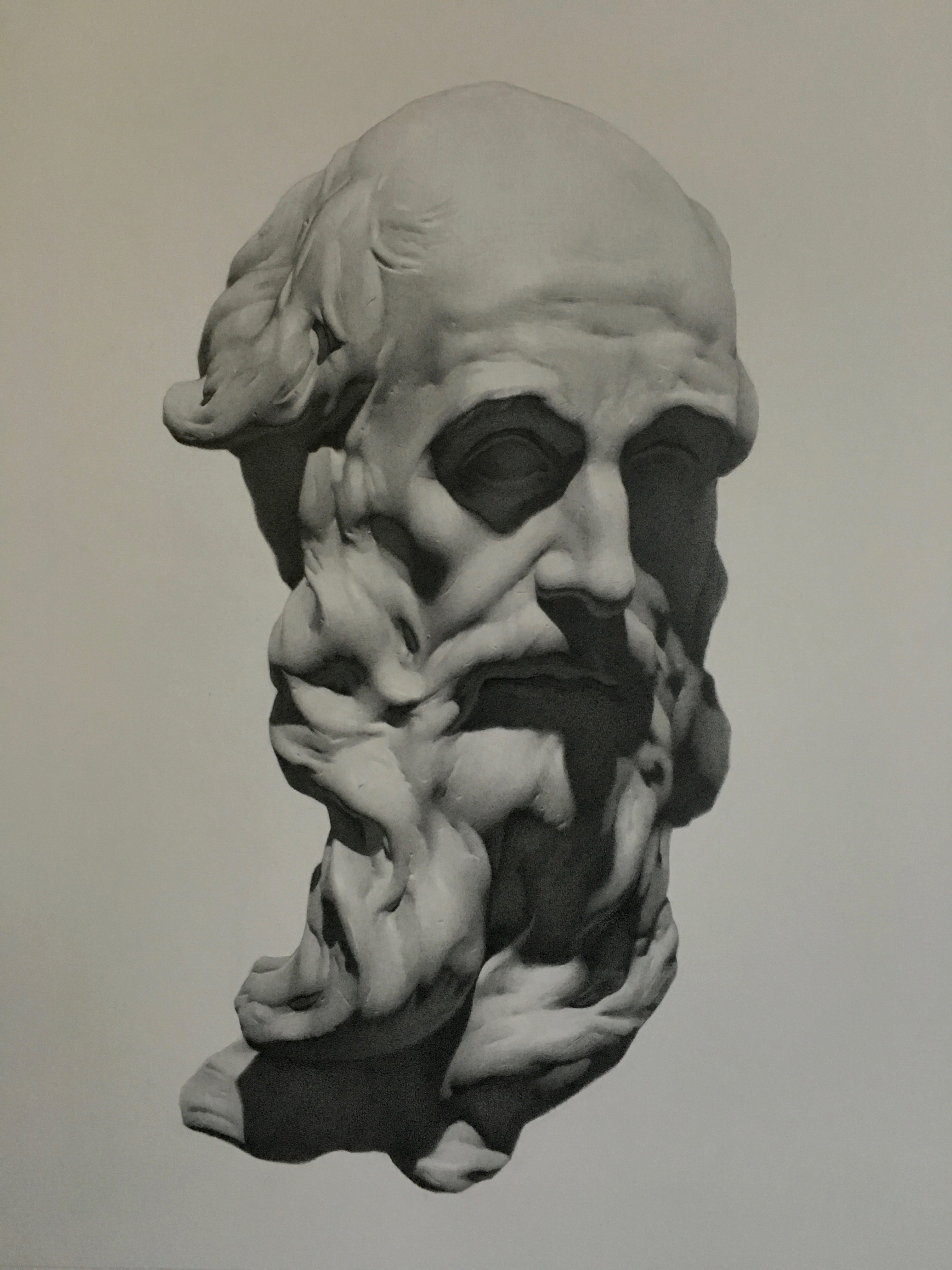
2. 12consciousdrawingtechniqueslesson3part1: shadow and light, Uh, two of the most important tools that we have in drawing when we're wanting to communicate things three dimensionally and the use off tonal values and shadow online and shading can dramatically change your drawings from becoming very image y two Very mature it. So it's a really, really important skill to take some time to delve into and to develop fully, and it takes a while to do shading. It doesn't happen very quickly, and I feel that often when you're just starting out. You think, Oh, I'm never gonna be able to do that. I'm never gonna be able to create that drawing, but it takes a little bit of time to add detail to a drawing. So before you say that I challenge you to take some time and to spend a long time doing a drawing and really see how you go and working with the shadow of my principles and the natural laws in the way that light hits and objects can really help you to expand your drawing skills really quickly, adding shudder to adoring can really help also to ground things in reality and to make them look like they belong here, and there's different forms of light that you can choose to represent. You can represent really strong directional light. For example, these sunlight in the middle of the day. You can also have the sun setting and have really Angula shadow happening. You could also use unofficial light in a spotlight that would help to represent a natural sunlight on the same kind of directional shadow. But it can also create a lot of mood and a lot of emotion. Using this kind of light, another type of light would be on a really overcast day. If you have a look at all of the shadows, they're not well defined, and that over cost and scattered lie is a really beautiful effect. It can also be represented superficially by creating multiple light sources so that if you have multiple lights on an object, it will create a small a shadow for it. Some points to consider when you're drawing would be. Does your light to come from the sun or from artificial light? What time of day is it? Is the light, directional and defined, or is it scattered and hazy? What moods or emotions is your light invoking as well. And as artists, we have full creative freedom to use shadow as we please. There are no real rules. It's all about helping your objects to look three dimensional and to look realistic. However, you don't have to draw exactly what you see in relation to shadow. You can always edit and have on artistic eye in relationship to that, I'm going to start today's exercise in Cheddar. He's just by drawing a bunch of random cycles on top of each other, and I'm not going to be too particular about them, just a bunch of different shapes and a larger one down the bottom. And then once I finished that, I'm going to rub out the pots that cross over into the top circle and I create a Stein stack, and I'm gonna create some directional light, and my light source is going to come from this way, hit my stones deck and create a shadow. At this ways, I'm just gonna draw a narrow so you can see where my light source is gonna go on my shadow . Virgo at here, and I'm also going to add a horizon line at the back because I want to Grandma drawing In reality today, I'm using a pencil that has no wood in it. It is only lead at the top, and it's a really great way off, creating quick shading because it has quite on easy gradation of Dr Light, likens tended on its side and create a lot of shadowing at once. However, you can still do this exercise with a regular pencil, and I'm going to start by going up to the top stone and working my way down. If my light source is coming from this way, the main shadow area is going to be around here and to create a circular shape. I want dark shading on one side, and I want to blend the line around this side. But I want to keep that area at the top as light as possible so they will be more shading around the bottom of the stone, and I will gradually work my way towards the light area. As you can see here, I blended the shadows so that the stone looks really round. It's got a really strong rotation from Dr Light, and now I can look at my story in underneath now here's the light will be hitting the same area. But it will also be creating more shadow in this area off the stone. And I want to create this kind of edge of the top Stein so that we can see where that shadow seats and then it will blend back into the back part off the Stein's. I'll create that first, and then I will start going around and creating the darkness off the natural shadow on the rock. And again I will be creating a stronger degradation from the back where it will be the darkest and working my way forward. And that's how you create something to look really round. It's really important to get a lot of depth and dimension in your shadowing. Azam getting to my lover Stack. I'm going to start adding a lot more shading underneath. This particular stone is coming up a lot further then the other story lines, so I'm actually gonna create a bit of a Shaddai sitting down there that has more of a circular angle sitting on top of it. And when I'm doing this, it's like I'm you know, Hey, I'm the master of Shutter. I'm creating it wherever I wanted to be, I could have chosen to do a much softer light that was in coming in from a different direction. But I have chosen this top direction to work from today, and that really is my choice as an artist and where I want this to fall a bit too much there. So I'm just gonna right back. Make sure that I do have that nice contrast with the lodge in the dark areas cause I'm a big fan of contrast and creating drama in your shadowing. Now that I'm happy with my starting stack of created this really great shapes that are looking really alive and I've got a lot of movement. I've created a bit of a dramatic shadow down the bottom here. I think I need toe. Make this one a little darker to match the one underneath now so I can go back and edit at the end. I've also got a little bit of blood coming along, Uh, the outside here because even though the light is coming from here and this area is in shadow, they would be a bit off reflected light coming from the rest of the world. Sorry, it's just a little bit louder on the back end, but then a lot DACA down here and then my shadows are quite strong. I might add a little bit of a shadowing their vital. We'll see how we go, because these a quite dramatic now, but still, that's just showing a different distance in a different angle. I can also possibly ad now some little cracks to my Stein's. I can add some little sort of stein imperfections if you will into the area. I can also shade off some parts of it to make it look more realistic. So just go ahead and create these different areas now that give the area of the shapes of the stone a totally different look. And I can do that because I have artistic liberty. Imagine if there was a bit of a Fisher going up there and then a little shadow in there she ever had here. And why not? We can do whatever we want because they asked owns now that I've added these cracks, uh, drawings taken on a little bit of an eerie feeling to it already, Um, which I think is great. So Now I'm gonna create some shadow going off into this direction because my lights coming down this way. So my shadow is generally going to be placed around here, and I'm going to do more off a scattered shadow that's going to be tapering out towards the INGE. But I'm going to start off by making it quite dog in this area. I've decided that I don't want to do a direct shadow that has the randomness and the outside. I'd rather have a bit of a contrast and just feather it off more lightly on the ground. So for this particular texture on the ground, because I am, uh, working a lot quicker, it is creating a different look to the shadow texture. And sometimes using your hand fast or using your hands slow can really create a huge difference in what's coming out on the page. So play around with that, getting to know your hand, building a relationship with your hand. Does your hand like to work fast? Uh, do you like the feeling that it creates a new when you're working a lot quicker? Now that I finished looking in my shadow, I'm Diskin has been sometimes smudging with my finger. This is quite a soft gratified, so I can just feather at the edges even further and more delicately with a bit of this much . And it's a nice contrast toe having the strong line on the edges off my stones. And another thing that I want to do it and we'll talk about this more when we talk about advancing and receding. But we want to create a bit of depth and dimension on the ground, and so our doctrines recede and light times advance. So I'm just gonna put a little bit of darkness in the background and slowly type of that off towards us. Take you a sense off depth and dimension. And because this is a drawing, I'm really going to take some artistic liberty here. And, sure, the texture that the pencil creates and use the texture that the pencil creates. She give be the texture to my flooring. And lastly, I have some fingerprints in the sky that I'm just going to get rid off this place. That's about it. It's hard to see in this light, and I'm going to go back and erase out. Mine are because we don't need that anymore. And I have done a gorgeous little exploration into my shadows. So let's see if you can replicate that in your own way and just creating your own random shapes. Remember to draw the circles really quickly and then pay a lot off attention and detail to that really round a shape that you're creating over and over again and then pay attention to where your shadows they're gonna see it on the rocks end on the ground as well.
3. 13consciousdrawingtechniqueslesson3part2: Another great way to introduce shadowing to your drawing is to use texture and Teoh. Create darkness and light through the use of texture. And you could do this through something like stippling or cross hatching or wood graining and some of those things that we've already touched on. But it's important to find your own style of texture into really experiment with what you're doing on the page so that you can come up with your own ways of text during and creating what you see. And, yes, there are things that you can learn, and there are rules that you can follow in relation to text a ring. But what I really believe makes a huge difference is being able to look at an image or a surface that you are wanting to recreate and creating your own way of doing that. Creating your own style of text a ring and building a relationship with your hand continuing to draw will really help you to do that as beginnings, we often don't use dark and light enough. It's like we're always afraid to put too much onto the page because we're afraid of ruining , add roaring and what I encourage you to do as a beginner is to go one step further with your shadowing, Go one step darker and also learn what your medium, whatever medium you're working with, learn what is the darkest that that medium conveyed on what is the lightest that that medium convey. So what is the shade of the scale of the shading that your medium conductor and with a graphite pencil will talk about this more and exploring mediums? But you have different levels of graphite pencils, so find out what is the darkest level of that. What is the lightest level, even when you're working in college is a great exercise. So make sure that you're exploring that full depth and that full, um, capacity that your medium has also what text is. Does the paper create with that medium? So when you're working with different papers, that could be really interesting for creating different textures. So always do a test page on the paper that you're planning on doing your drawing on and used the inherent nature off the paper, the inherent texture of the paper to enhance your drawing into hence, enhance your rendering style. There's also some funky ways of creating takes job by putting paper over surfaces and rubbing leave textures, for example. For example. I won't go into that today, but you could experiment without a home if you wish. Some textures work better with different mediums as well. For example, Pin could work really well with some most of the scratchy styles of rendering and text touring, whereas a graphite pencil will make much softer rendering. Sorry, you can also use the choice of medium to influence your end. Result in your text during shudder and texture are compliments to each other and should be thought of as part of the same family. Regardless of what type of text you are creating, I believe the best way to use texture is by applying the heaviest texture to the shadow areas and tapering off the texture to the lighter areas. So I want to introduce you to a fiber principle of mine code advancing and receding color, and we can use the principle of advancing receding color to add even more three dimensionality to federal rings and as a basic principle, it goes as warm colors advance and cool colors recede. It could also be seen as light tones advancing and dark tones are receding and you can see this in nature. You can look at a landscape, and you can see how the warmer and the lighter tones are often in the foreground. And the Kula uh, Dr Times, uh, in the background and they're receiving away from us. And the other thing that advances and recedes in drawings is the detail, the level of detail. So you will have more detail in your foreground than you will in the background and in the areas that are further away. So have a play with, uh, that principle and see if you when you are creating your drawings, you can create more lightness. Will warmth in more detail in the foreground and maybe a bit more coolness and some rest details and more haziness in the receding areas, the water on the subject of color. It's also a really great technique to break up the use off strong, calmer with neutral times, white blacks, greys and neutral muddy colors as well. So another thing that you can do is have your vibrant hues in a foreground and have you sort of muddy times. Uh, in a background and help that to break up your advancing and receding. Having a look at the work off the Impressionists will really help you to advance your knowledge on color, Looking at the way that they used warm and cool colors to create shape and to create tonal variation. Also looking at the work off Matisse, who really introduced us to the idea that you need those neutral graze in those neutral black and whites to help color, have a stage to perform on and to be able to speak in their own pure farm the next morning we're going to do is off a texted animal, and it's gonna put all of the's texture knowledge into practice. I encourage you to really take some time to do this drawing and enjoy the process for this particular exercise. I want to look at all of the different elements and how they can come together in this very dramatic looking bird is going to be an interesting study for all of the different elements . And I've started by drawing on at Line of my Eagle so that I've got a starting point for this drawing. I was really close that careful to look at the different proportions, and I've got a little bit of an outline ready to go. Sorry. The first thing I'm going to do is start at the beak and work my way across the during. One thing that I think is really important when you are defining an area is to try not tohave harsh lines that don't fade into anything. And this big shape is really important. So I'm just going to clean up that shape that I've already drawn by giving it quite a harsh line. And I'm going to come back with my rubber and rob at the inside of it so that I have a clean pallet to work with there on the big area. Now, how am I going to define the big area if I'm not using color and I have the same background as I do foreground or negative spaces? I do positive space with the bake, so the only way to get depth and dimension into the big is to do a little bit of shading. Now, before I start shading my drawing, I want to do a practice page or a test page, and I grab my paper over here and my test page. I want to test out my pencil, and I want to see how doc and how lodge it can guard. So I'm gonna create an area of gradation to say that I can get really, really dark, uh, really light. And now I know the full depth of that my pencil is going to do. And in my eagle image, I want to save that dark area or that dark ability of the pencil for the feather area down the bottom. And, sir, I want to be ever so soft on the beak and only shade in areas that really need it that will help define the shape of the bake. And as I'm shading here and I'm looking more and more at my eagle image and getting to know my subject best high in the first couple of minutes of looking, uh, in detail of that big, I can see that there are some different areas of dark and light and without koa, I need to exaggerate that ever so slightly on. Look at these details and bring them out in the shading from still being as light as possible. On what I could do. Once I get to a certain point, he's come back with my eraser and ever so lightly used that to feather back and just to take a little bit more off and just soften those edges again. I have a very dirty arises, so I need to clean it the bottom of the page here and otherwise. It's not gonna be great for those areas. So make sure you keep your eraser clean all the time and takes a more around the front of the bake here, really suffering that off. Now that I have some areas that being defined by tone, I want to go back and start to create the texture around the eye that some really interesting, um, and find textures happening. And on my test page, I'm just gonna do a little practice run at first as to what sort of dots My hence so can create. Sorry, this is actually using the element of point in repetition, and therefore it is creating a big doc Patton, and I can see that I could do some quite heavy dots. I could move into light a smaller dots, and I would do an area that I can then practice on because I feel like looking at this the dots in and of itself is not really enough. It doesn't have enough depth and dimension. So what does it look like when I also start from a dark area and work to a large shading over it? And that seems to work quite well. Once I blend both together, can I come back and do more dots on the top is Well, what happens if I reverse the effect there and juice, um, shading first and then darts over that just that look more divine, INGE. And yes, it doesn't more defined. And I definitely like this version much better ourselves, data by doing the dots all around the eye and I'll be playing particular attention as to where the fines would've feathery his around. His eyes are because I don't want to go above his eyebrow. They with the wrong checks, doctors will introduce other textures to define other areas. This definitely does go down onto the big, quite away, though, and it seems to get fighter and Faina as it goes down the bake. So I need to be little more delicate. We're gonna come back into the shading in this area. You're in a minute. I just want to show you what I like to call the transition in technique. And when we're going from the area around the eye, into the feathers, we want the feathers to introduce that element of lines. So I'm just going to start practicing here with a bit of a feather technique. So I'm just going to see what it looks like when I try and two diagonals. And if you look closely at the ego were not. When you draw a typical feather, it would look, you know, like this and you would have the stock in the middle of the feathers coming off. However, we're not doing that. What we're actually doing is drawing the shadows in between the feathers on this eagle. When you look really closely, the feather itself is not in the defining area. Now I think that this diagonal effect is probably even true. Definite, more definite than what I need. I really like this first sort of effects that I was doing, but I just need to make sure that I can free up my hand so I can go in different directions with it. Perhaps just work a little more, um, freely across the page, and I think that will give my effect to be more of a drawing and drama. And maybe if I want to take bits off later, I could with my Raisa and helped her to sign areas. Yeah. We'll see how we got with that. Maybe a little bit. Um, this is part of getting to know your hand as well. Getting tonight how your hand wants to interact on the pain. So I'm gonna start to transition that from here around the eye, we've got more line affect and then start to transition from the dots and to my friends. But in these adjoining areas, I'm going to go back to around the eye, and I'm going to really shade in some depth over that texture so that I get this nice definition of fall through the variation in time all around here. But I maintain that, uh dot texture underneath I spent a little bit of time applying Cem controlled yet random texture for all of the white feathering areas. Trying Teoh create that sort of edge of federal, but without being too precise. So one thing that I find with texture you can use the movement in texture to create a focal point. And if I taper at the detail in this lower area and allow the date how to be more around the eye and the center part of the drawing, then we will naturally spend more time looking at this area. So they were creativity movement to a focal point. Um, by Greg dating the detail in texture, and I may come back at the end and add a bit more shading around the neck area. But before I do that, I want to start working on this area down here because it's gonna be quite a dark area and my hand might smudge it a little bit. So be quite careful of that, because I may wanna work back up in this area. But for now, this area is finished, so I'm ready to move on to my level part and in the eagle picture. It is quite a beautiful, rich brown, and you can really just see the highlights off the tops of the feathers. So therefore, I really want to look at this technique where I'm using the full gradation and depth off the darkness that my pencil can create, and I'm going to look at possibly rubbing away some areas of that to create the feather texture. Now, if I use this rubber, it's going to be, uh, there won't be enough of a corner. So I'm gonna try and find a corner part off my rubber and create thespian aligns. So I think I might even get something even thinner than this when I'm ready to do that. But for now, I am going to start shading in this area. And it's not as Doc at the front of his little chest. Sorry, we'll come back and do a bit more there, but I'm going to start with using long strikes and just going around in front of his body there. And then I'm going to give quite dark towards the back. I will come back as well in a minute and highlight and make a stronger line of day tile around the feathers. Sir. Sorry. Just had to put my look out of the way. I will make a stronger line in a minute around here, huh? But for now, I'm going to start by getting some darkness in this area and at the bottom of the edge of the ego word. I want to continue the drawing any further. I'm going to allow that to just taper off taper and and feather off rather than creating the solid line, same as I have around here. - Okay , So I finished writing in this area and added a little bit of depth of the top, and I've cut an eraser with some scissors. So now I'm just gonna go through this area and create a few little these can be quite, um, liberal Mr where they are. Um, I've got a little bit of lightness to play with it the front there and with a darkness to play with down the back. And I don't need to reference my picture perfectly. I can just go ahead and create a few lines River out like this quota. She unites details at the back here, so just put them wherever and that's so effective and so easy to create. Or just one a little bit more in these front area and anything that I raised too much off. I can always come back and had some more depth in between if I feel like I named. And what I really like about having this darker tone down the bottom is it's balanced by this dark Italian up around the eye area. And I feel like now that I'm looking at the drawing as a whole as I get towards the end, I want to create bit of darkness around this. I will also help to, uh, laid the view up to that area again, and I just get a bit more darkness in this area here, and I feel like I'm done. I was gonna come back in, create more interest in the feathers up here a bit more shading and darkness, and I feel like just want to do that. I've been this corner of it and maybe had some longer strikes through here, but I really like the relaxed feathering that I have done in the white area. I know that it's not sorry technical, but it kind of helps with that relaxed feeling. Even though this guy doesn't look like he's very relaxed, he looks intense. He's got contrast. He's got movement, his Gotsche, all of the elements there in a really balanced and sophisticated way
4. Skillshareend3:
 Crisanne Fox, Creator of Conscious Drawing Techniques