Transcripts
1. Introduction: Do you ever have
ideas for clothes you want to create but feel
lost or overwhelmed? And how to start the
process worries no more. In this course, I
will teach you how to make your own clothes
simplistically, I break down how to transform
the pattern designs of clothes you already own into
your own custom design. Hi, my name is Christina and I'm a self-taught seamstress who did not go to fashion school to
learn how to make clothes. And neither do. I take you through
the idea stage, tips for fabric selection, how to make a pattern, and through the sewing process, as well as mini tutorials on various sewing techniques to make your creation come to life. For this course, you will need basic knowledge in how to
operate a sewing machine. And of course, sewing supplies. See you in the first lesson.
2. Project: The course project is to
create your own clothing item. Try to add your own flavor and spice to really make
the creation your own. But the simpler it is,
the easier it'll be. In order to complete
the project. At a minimum, you will
need a sewing machine. Fabric, thread, paper scissors, fabric scissors,
paper, and a pen. You may also need pins, needle, a seam Ripper, or any extras in your design like elastic buttons or zipper. I've provided a
flowchart to help guide you through the process
of making your project. You can find it attached as a PDF next to the
project description. When you're done, you're
beautiful creation. Remember to take a
picture of it and upload it to the
project gallery.
3. Planning the Design: So the first step in making your garment is to
plan out the design. How do you want it to look like? Do you want it to be
a top or a bottom? Or you want it to
have straight edges, are curved edges
full of ruffles. Whatever you like, whatever
your creative mind desires. Dry it down on a piece of paper, and it can be as simple or as complex of
a drawing as you want. Just draw rough sketch of what you want your
garment to look like. This is a drawing I did
for an overall dress. And this is the shear I will be making along with
you in this course. Once you're done,
you're drawing, find a piece of clothing that's most similar to what
you want to make. This piece of clothing will
act as a template for you to use to make a pattern
that will be temporary, that you can change and modify into your ideas design that you
actually want to make. For example, here's
an overall dress I already owned that I use as
a template to make this one. Here is another
example where I took these straight leg
elastic wasted pants as my template and modify them
into these tiered flowy ones. I then took the pattern for these three tiered pants
and further modify them to make these
two tiered pants that also have pockets. The inside half of the pants still have the
original straight leg. However, the outside half
flare out from the ruffles. I want to make this rap top. And the closest item I have
to it is this button down. Next, make note of any
differences between your idea design and
your template garment. This shirt is a bit loose, so I want to make the body
of the shirt slimmer, which I've shown in black
in the picture on the left. I'm tucking the colorant
to create the V neck. I want that stops at about
the third button down. The front panels will
then extend past their intersection and curve down until about
the fourth button. I also want the length
of the shirt shorter, as well as the sleeves. Now that I know what kind
of changes I want to make a measuring them with
a ruler exactly. Clothes pins are also helpful to hold the fabric in
place while you measure. So it's important
to also think about how you will get the garment on. For example, say
you want to make a T-shirt and you want to make it out of non stretchy fabric. But the design you're using
is using a stretch fabric. So when you make this out of non stretch is a very
good chance that you're not going to view
with a get it through your head because it's not
able to stretch over it. So what you can do is make Nicole bigger for this example, or slice it down the front or the back and
then add some buttons, pupil, pupil or at a zipper and that's detachable
that you can put it back on or even have ties
to tie it back on and off. Something else that I like to
think about when designing is whether or not I will
actually where the item, because I used to make a
bunch of items and pieces of clothing that I never wore or never wore on a daily basis. And then I'd spent
all this time making these items and then never
actually end up very looms. So then I'd always
think what's the point? So now I ask myself, is this item comfortable? Is it versatile? Is it functional? Now it has a lot more
longevity in my wardrobe, and I have way more
enjoyment of making it, knowing that I'm actually
going to be wearing it lots.
4. Fabric Selection: You can get your fabric
from the fabric store. I like to go the
discount section first and then have a loop
around the whole store. Just so I have an idea of what's the cheaper fabrics because
it can get quite expensive. I, if you're looking for
a cheaper alternative, you can also go to
the thrift store and usually they'll have a
section just for fabrics. Or you can also look
at blankets as well, or using other garments and
upcycling them into new ones. To give you an idea of the
possibilities of upcycling. I'm going to share with you a few projects that I've done. This is my old jacket
that I converted into this overall dress
that I showed you before. I turn the bottom of the
jacket into the skirt and use the sleeves as straps and the hood
as the front panel. I chopped up this
green blouse that I sewed together to make
one big piece of fabric, to make this vessel. Here I took my childhood
skirt and this blouse with these interesting
rings in it and turned it into this
creature dress. If you're a beginner, I would avoid any
stretch delicate are slippery feeling fabrics just because they're
harder to work with. Remember to make note of what type of fabric
that you bought at, like what the material is, what is it made of? Because that can give you a guide into how to
actually wash the fabric. Who don't forget to buy
thread that matches the fabric color
that you have or any other materials
that you might need. Maybe it's sewing needles for your sewing machine for that specific fabric
type or buttons. If you're going to use buttons, even interfacing if you want, the callers are cuffs to be. I decided to create my shirt
with this teal fabric. It's a blend of 70%
viscose, 30% linen. This coast is a
semi-synthetic fiber that comes from wood pulp. Well, linen is made
from the flax plant. Because both are derived
from natural sources, the fabric will be breathable and more comfortable than say, polyester, which is plastic. I personally disliked synthetic
fabrics because it makes me feel like I'm suffocating
in plastic wrap. And because your skin
can't breathe through it, it actually makes the
clothes smell a lot faster, but not this one. This one has a
beautiful drape and it's fairly wrinkle resistant. Once you have your fabric, I would recommend washing it. I would also are in
the fabric if it's all wrinkly and it
doesn't lay flat. Because then when you
cut it, It's all Genki.
5. Making the Pattern: So now you're ready
to make a pattern, which you can make
using paper and drawing out your design
and then cutting it out. So you can go to the
fabric store and buy paper specifically
to make patterns. But I've actually
never used that. I exclusively use
Christmas wrapping paper just because it's so long and
I already have it at home. I have also use newspaper
before and taped it together. Whatever you want. You'll need paper, marker or pencil, scissors
and paper weights. So what's going to happen
next is you're going to lay down your paper and then put your template garment on top that you're going
to draw out each of the fabric panels of. And then take that and
modify it and draw on any changes you're gonna make to turn it into
your idea design. So we're going to follow
the same three steps for each of the panels on
your template garment. First is trace,
second is modify, and third is redraw. Trace modify, redraw. I have traced half
of the back panel. I'm modifying the back
panels so that it's slimmer and shorter
according to my notes. Now I'm redrawing the final
pattern and a darker color. I only drew out half
because I'm going to fold and cut out the rest later. When you do make
sure you save space. The front panels are mirrored. So I only need to make
a pattern for one. And make sure all the
seams are lined up on both sides so that I don't
draw it out crooked. I'm using a highlighter so that you can better
see what I'm doing. But I recommend using
a pencil so that you don't get ink on
what you're tracing. I do all of the easy side first and then lift the
sleeves to trace the seam underneath and fold
the back panel sticking out in so I
can trace the color. I'm modifying the front panel so let it slimmer and shorter. And creating a VNet
that curves and extends out past the
original front panel shape. Here it is redrawn. I trace out the template sleeve, folding it back to draw
the seam underneath of where the sleeve
attaches to the shirt. Since the sleeve I
want has ruffles, I'll need to add extra
fabric along this edge. The sleeve is one piece
of folded fabric. So I'm going to fold and cut out the rest mirrored
along the top edge. Next we're going to
add in seam allowance, meaning the extra
fabric required two, so two pieces of
fabric together, or the extra fabric to churn in the fabric
to create a ham. And it basically just
means you're going to add extra fabric room on
every edge of your pattern. I normally add seam allowance
as I'm cutting my fabric. I always write down
whether or not I included it so that
I don't forget. Next, take your
paper scissors and cut out the finalized pattern. Fold the back down the middle, and cut both layers so that you have a symmetrical
back piece. Use the same method
for the sleeve. I realized my sleeve was
too pointy at the top, so I cut it off and
then decided I didn't want wider sleeves
and shorten them. I also have a cuff I decided
I didn't want to use. So you're gonna see that
in the next several clips. Next, layer fabric
folded in half and place your pattern on top to see how the
best place it. And make sure the fabric
is in the direction I want to see on the
finished garment. This was the only way I could find that could fit them all on wall including ties that I didn't make a paper pattern for. I placed the back
panel on the folds of the fabric so that when I cut it out and get one big piece, the rest I need
mirrored duplicates of. Next I take my sharp
fabric scissors and cut out my fabric, making sure to include
seam allowance. I do this by cutting
half an inch away from my pattern
and any bottom hymns, I added one inch extra in case I want it
a little bit longer. Before I cut, I make sure
there's two layers of fabric. Here. I'm making long strips
of fabric rectangles to create ties by ripping the
fabric along the grain. This doesn't work
on all fabric slow. So I would test it
on a scrap first. And here it is all cut out.
6. Sewing: All right, Now you're ready to buy some general
safety to go over. When you're sewing. Do not put your hand
near the needle. Even when you're not sewing and you're
fiddling with the needle, I would keep your foot off
from hovering the pedal, even though it's so tempting
to just in case Your to slip or accidentally pushed down and then it just goes
right through your head. When you're sewing,
some general guidelines are to always keep the
goods sides together, meaning the side with the nice pattern that
you want on the outside. Put those together and then
so and stitch the seams. Another one is to pin down
the two pieces of fabric. If you're unsure of whether
they should go together, because then you can
check and see if it's actually right without actually
showing the whole seam, realizing that you
messed up and then having to get through the stitches and then redo it again versus just pinning it. And then tricky. I also recommend
trying your garment on every so often just
to see if the fit is okay or not or if it
looks like it needs to be adjusted in certain areas before you move on
to other sections. The last thing is
that it's not arrays, even though it feels like it is sometimes with the battle. Because you're the only one who's decides when
you're going to finish. Even if you make a mistake, you're closer to
the finish line, which gives you a
valuable lesson. You become more skilled. Generally the order
that you're going to. So the seams on the garment doesn't really matter
as long as you're going from more structured larger
pieces to smaller details. So smaller details like
adding sleeves or buttons or straps except the hem is the very last
scene you should do. In case when you're
wearing the garment, it changes position and you now need to
adjust the length. I'm making the first
wearable part of my shirt, which is the vest. I'm doing just a straight
stitch along the shoulders and sides to get the front
and back panels together. I stitch a half inch in that
was reserved for the C. Now I'm trying it on to see how I like the fit of
the clothes pegs are handy if you need an extra hand holding
the fabric together. It was too loose
along the shoulders. So I marked with a clothes peg how far down I wanted it to sit. If you don't have close pays, you can also use pins. I switched the clothes pegs to pins so it's easier
to sew around. The back stuck out. So I brought the
shoulders and again, only closest to the neck. I did one last shrine to make
sure everything fit right. Before I move on
to the next step, I cut the extra fabric off of the shoulders and around
the back of the neck. We're no longer lined up. Every seem I do with
a straight stitch zigzag along its edge to
keep the fabric from frame. I like the look and feel
of top stitching my scene. So I always add it. In the next video, I'll show you how to do this technique along
with many others, such as the ties that
I'm making here. Since the ties were so goofy, I decide to iron them so they would stay
flat while I sewed. I wanted an angled and my ties. So I cut a diagonal line and the very tip off because
it can get bulky. Well sewing, I folded the
edges inside the tube and pinned it before I went on the sewing machine
because it's so finicky. To keep my tube ties flat. I sewed straight stitches
along its links. I'm doing a zig zag stitch along the color to keep it from
fraying and unraveling. Since I'm gonna be doing. A ham is a way of finishing
an edge by folding the fabric in on itself and stitching over it to
keep it in place. I'm trying it on to
see how far I want the front panels to go back and then marking my decision
with a clothes peg. Now I'm cutting off
the extra fabric, making sure to leave
room for another him. I took the piece, I cut
off from one side and I'm placing it on the
other to measure how far to care for
the second side, since I'm having it, I'm doing a zigzag
stitch first and then folding it in and doing
a straight stitch on top. I'm not sure how long
I want the ties, so I'm pinning them to the
shirt and trying it on first. Now that I'm sure
I'm sewing them on, I did three rows of stitches
to really make sure they're secure because I know there'll be a lot
of tension on them. I wanted to make a hole for the Thai underneath
to pass through. So I'm undoing part of the scene on the side of the shirt
and then stitching my new hold down to add sleeves. You have to so they're
inside seem first. I used a pin to
indicate how far down the top of the shoulder I
want the ruffles to go. And then realized I had way too much fabric
to fit in that space. So I changed the
angle of the shirt to the sleeve and cut a
new edge for width, sleeve would attach the
shirt that was shorter. Hand sewing to
create my ruffles, which I talk about in
detail in my next video. Now I take the side that faces the outside on the finished
garment called the good side. So that the good
side on the sleeve, the shirt or smushed
together facing each other. I pin the armpit first to make sure that the
two seams line up and continue painting
everywhere except the ruffles. I pin the ruffles last because their length can be
changed accordingly. I transform my sewing
machine into sleep mode. And so this leaves
starting from the armpit. I check out my work and
the legs good until I try it on and see that
the armpit is super loose. Look at that, look at that flat. So in the armpit further in. Now the fit is, alright. Here's my stitching. It actually took a few times. Now I'm cutting off
the excess fabric. The front was still too
floppy and there is no way I was going to undo
all that work I just did. So I decided to take in that extra neck fabric down
the middle of the back. I measured how much to
take in along the neck and made sure my phone was actually in the
center of the back. I pinned where I wanted to
so in a diagonal line going down because I did not want to change the width
of the bottom. Here it is looking good. I cut off the extra
fabric and then zigzag along all
of my raw edges. I top stitch all of
those seams down. But I him the very bottom
of my shirt sleeves. And this is what it
looks like done.
7. Sewing Techniques Part 1: Here are many tutorials
on sewing techniques I commonly use that you may
want to use in your project. Here's the list of techniques
I will be going over. In this video. I'll only be doing
the first column. Pinning is useful
if you don't want the fabric pieces to move
around as you're sewing, or to make sure that
the fabric lines up the way you want it
before you start sewing. You can pin horizontally
or vertically. I like a vertically so that
you can flip the fabric around and see how it would actually look like
if it was sown. Alternatively, you can also use bobby pins if you
don't want to put holes in your fabric to keep your scenes and fabric from
ripping apart. Over time. Do a zigzag stitch along all
the edges of the fabric. Backstitch a couple times tonight your ends on
the sewing machine. To stick two pieces
of fabric together, put them good sides
facing each other. And so half an inch in on the edge you want
them to connect. Then do a zigzag stitch
along the very edge to keep the fabric from fraying and your seam from ripping
apart over time. You can stop here with this plain seam or level
up to a top stitch seam. Move the Flappy underneath
part to one side. And so it down along the top
about a quarter inch from the scene where it's still able to catch the layers underneath. To add even more
possess you could do a double stitch seam and add another row of stitching
even closer to the scene. If you're using stretch fabric, you'll need a stretchy
stitch such as the zigzag. Do the exact same you
did for the plain seam except replace the straight
stitch with a zigzag. To make skinny ties, take long rectangles of fabric and then zigzag
all the way around them. Fold the top edge down and the left and right
edges to the center. Fold one last time down the
middle to sandwich it all together and then straight
stitch to secure. I use my hand at the back to
help guide the Thai fold, the nn, the same you
did at the start. To make wider ties. I'll make a tube tie. Take a wider rectangle of
fabric and fold it lengthwise, create a seam along
the open long edge. Now flip your tube
inside out to do this, take a ruler with a safety pin through it and pass
it through the tube. Once the ruler and is
on the other side, safety pin it to the fabric. Pull the tube over the safety pin and to flip
it the other way around. You can also do this with
just a safety pin and wiggle the safety pin through the tube to make
it right side out. To make ruffles, you'll need
two different size fabrics. One longer than the other. Take the longer one and hand
stitch along its length. Pull both ends of the thread tighter to
create the ruffles. You can pin the ruffles to the other piece of
fabric if you like, or go straight to
sewing them together. Move the ruffles
around so that they're evenly distributed
along the seam. Make sure you don't
so over your needle. Lastly, pulled out the
needle and thread. To create curved ruffles, you'll need a moon
or a doughnut shape, where one edge has a shorter length than the
other edge of the fabric. In this case, the inner part of the moon is shorter than
the outer part of the Moon. Create a seam on the shorter length to your
other piece of fabric. To create tie ruffles. I took a narrow strip
or fabric and so down the middle onto my
bigger piece of fabric. Normally, I would have zigzag along all the edges of the
narrow strip of fabric. But I did here. Next, I looped my tie
around that center stitch, sandwiched between the narrow and the bigger piece of fabric. I folded the narrow strip length in and straight
stitch on top of it. Doing the same for both sides. Make sure not to solve
your tie though. Now you can pull on the ties to create as many
ruffles as you want.
8. Sewing Techniques Part 2: Welcome to part two
of sewing techniques. In this video,
I'll be going over those listed in
the second column. This is the same idea
as the Thai ruffles, except creating a ham with
the tie on the inside. This tube of fabric
that looks like a micro mini skirt with the good side facing in and
the wrong side facing out. Fold the top edge down enough to fit the width of the elastic. Plus a little extra
room because some of that space is going to
be taken by the stitch. So along the bottom folded edge, like it's one big mega him but don't so all the way around. Stop when you're about
four or five inches from where you started
seeking safety pin on one end of the elastic
and put it through the opening or all the way
around to the other side. Connect the two ends
with a safety pin, making sure they're in
the same direction. And try it on to see if it fits. You write, lock it in
place with a zigzag. I did a square shaped zigzag. Sometimes they make a giant X. Lastly, so that opening, closed. First line up where you want your buttons and then
hand sell them on. I do a not on the
ends and my thread. And then stick my needle
through the underside of the button back down through the hole and loop it through the opening of
the ends of my thread. Pull tight and continue sewing front-to-back until I need an audit by sticking my needle through where I
stitched previously, and then looping the
thread over the needle. Pull tight and repeat again. Repeat for the rest
of your button. Decide if you want
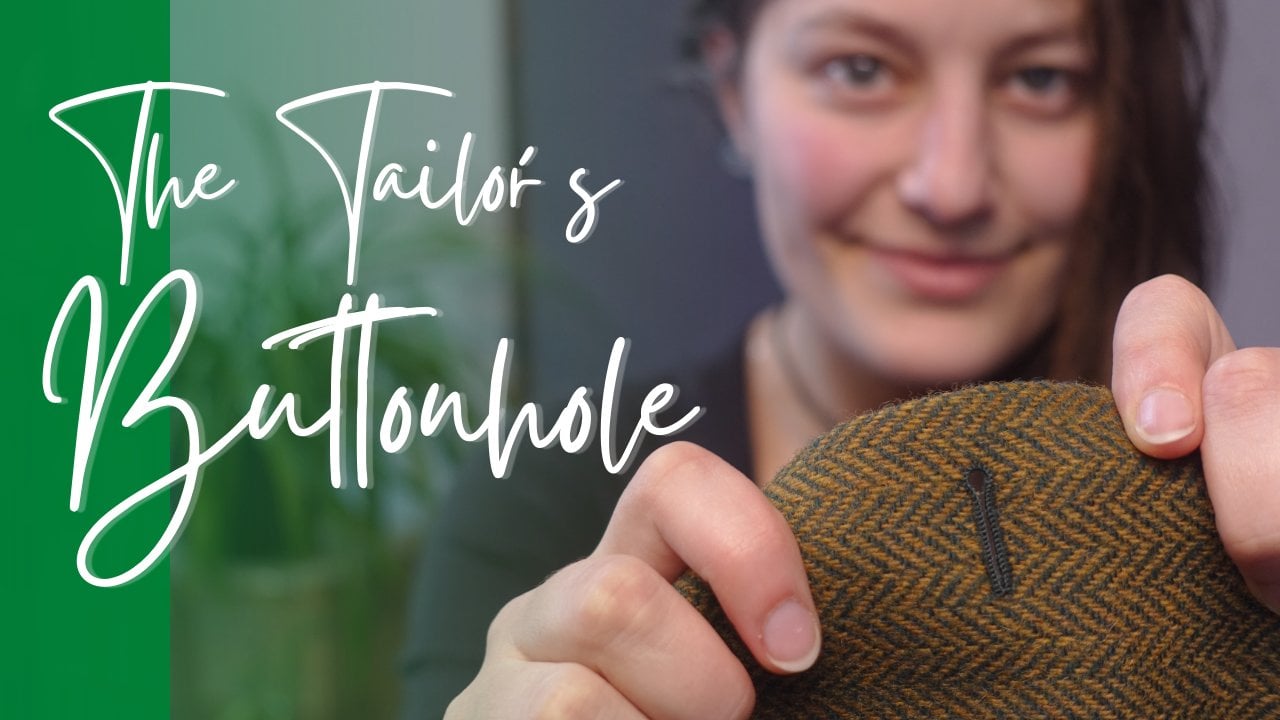
your button holes horizontal or vertical. I want my button holes vertical. So I'm folding the
fabric horizontally. Then make a small hole
with your fabric scissors, unfold and expand the whole according to your button size. Try sticking your button
through to see if it fits. Switch your sewing
machine to narrow zigzag with your stitches
very close together. So the stitch length is small. So it looks like
a smushed zigzag. Then zigzag around the opening
without sewing it shut. So a detachable zipper zigzag along the edges where
it will attach. Since the footer of
the sewing machine will not be able to sit
close enough to the zipper. You will need to switch the
footer for the narrow one on the side where the
needle will be closest to the zipper tracks. If you're using a
thin needle switch to a thicker ones so
that it doesn't break. Fold the fabric edge
and place it next to the zipper and straight
stitch down the length of it. Switched the footer to
the other side so that the needle is closest
to the zipper. Tracks. Do the same
on the other side. Roll the top and bottom
edges in to hide the zipper ends and to keep the zipper from coming off its
tracks from the top. So a straight stitch
to secure it. Zig zag along the edges
will connect to the zipper. Place the good side
of your fabric facing the zipper with the zigzag
edge aligned on top of the zipper edge with
the zipper foot to the side so that the needle is closest to where the
zipper tracks are. Stopped about an inch before the end of
the zipper tracks. Switch your footer to
the other side and repeat the process for
the other side of fabric. Line up the two
pieces of fabric from the bottom with good
sides facing each other. So a straight stitch seam up until where you stopped sewing
the fabric to the zipper. This will hide the
bottom of the zipper. If you cut the top of the
zipper to shorten it, make sure you don't
pull the tab off of it. Otherwise you may not be
able to get it back on, roll the top of the fabric and to hide the
top of the zipper and keep the polar tab from coming off secure with
a straight stitch. Use darts to create
3D shapes and take away excess fabric where
your body may be curved. Hence, the top edge of
the fabric by folding it in on itself and sewing a
straight stitch on top of it. Stick your pocket on and
fold the remaining edges in. Sewing straight stitch
on top to secure it on. So the inside length
and bottom of the two layers of fabric that
will make up your pocket. But when sewing the bottom, stop about half an
inch from the end, zigzag where you stitch
to keep it from frame. Align your pocket
where you want it with good sides
facing each other, where it will attach to the
one side of your project. And now stitch them together. Do the same on the other side, making sure it all
aligns together. Fold the panels to
sandwich your pocket in and stitch where you want
your pocket hole to end, making sure you can still fit your hand in the
hole once complete. Then so the top of
your panels together, the top of the pocket
will be stitched down depending on how you want
to finish your project. Stitch the two layers of your color together
on all sides, except those opposite
of the pointy corners. Cut off the points next
to your stitching. This will make the
corners less puffy once it's turned right-side-up, zigzag along all edges
where you stitched. Now flip it right side out. You can use scissors to
help you get the points, but be careful not to poke
it through the fabric. Top stitch all those edges
down to keep them in place. And now you have your
color that you can attach to the neck
of your Garmin. Another option to finish an
edge is to use bias tape. Unfold the bias tape and align the edge next to the
edge of the fabric. You want to add the trim to stitch along the crease
closest to the edge. Fold the bias tape
back in on itself, but around the edge
of your fabric. Now stitch all of
the layers together. If you're running low on fabric, you can also take
the scraps and sew them together to make
one big piece of fabric. Again, this one is especially handy if you're upcycling
and have limited fabric. I recommend using
a top stitch over all your seams so that they don't stick out since
there'll be a lot.
9. Troubleshooting: Oh, you made a mistake. Here are some mini tutorials on some common mistakes
and how to fix them. If you're using a stretch
fabric with a straight stitch, the straight stitch
offers no stretch to it. So when the fabric stretches, it will break once
enough force is applied. To avoid this and a
project breakdown, use a zigzag stitch. The wider the zigzag, the more stretch it will offer. If you're having issues
with your stitching, it may be because you're using the wrong sewing machine
needle type for the fabric. For example, here's
a stretch fabric sewn with a denim sharp
and stretched needle. The stretch needle picked
up all the stitches while the sharp
missed quite a few. The smaller the
stitch length and closer to their
stitches are together, the more secure it will be, but the harder it will
lead to seem real. To take apart a seam, you can use a scene
repre, however, you can also use scissors, but be careful to
not cut your fabric. If you place your thread
in front of the footer, there's a good
chance it will get stuck once you start selling. To prevent this from happening, keep the top thread in
the footer hole and both of them towards the
back behind the footer. If the fabric is
too thick to start, you might get stuck. If this happens,
you can so manually using the handle on the
side of your sewing machine and then lifting up
the fabric and moving it back after each
stitch yourself. You can also pull the threads at the start of the scene
to get over the hump. If the thread tension
is too loose, you'll get a bunch
of bubbly stitches. If this happens, adjust the tension knob on
your sewing machine. Sometimes my stitching
isn't always straight and I don't want to
do a whole seam rip. So actually so over top of it to make another straight
line to hide it. Sometimes when you
make a project, it doesn't turn out how you thought it
would in your head. What I've learned
over time is that these flaws were actually
opportunities to add character. When I added this
leaves onto the shirt, it made the same pucker. So I added even more of it by adding a bunch of
ruffles on the front. And now it looks like it's
supposed to be there. When I added the stretchy straps on the back of the shirt, it caused the fabric
to bubble and curve. I made the shirt more curvy
by adding a wavy bottom PEM.
10. Conclusion: When you're done, make sure you log any changes you made to your pattern in case you want
to reuse it in the future. I cut the paper pattern
and the areas I took in and where I couldn't, I marked with a pen the
changes that I made. I organize all of
my patterns into envelopes and write
any extra notes about it on the outside. When you're done your project, remember to snap a
photo and post it to the project gallery because
I would love to see it by.
 Krissy Bushell, Intuitive Seamstress