Transcripts
1. Set Up a Simple Drawing Space Without Stress: It is very common to feel
stuck before you even begin drawing because the
space around you feels wrong. Maybe the table feels messy, maybe you are not
sure where to sit. Maybe you feel like you need special tools before
you can start. If that sounds familiar, you are not doing
anything wrong. Many beginners feel this way, and it can quietly stop them from ever
putting pen to paper. If you are feeling overwhelmed right now, take a slow breath. You do not need to
fix everything today. You only need to take
one small gentle step. The end of this, you will have a simple drawing space ready, and that alone is a small
win worth celebrating. I and Paul help beginners
learn creative skills in a calm and clear way so they can feel safe trying
something new. I remember when I
wanted to draw but kept delaying it because my
space never felt right. Thought I needed a better desk, better lighting,
or better tools. The truth was simpler. I just needed a quiet place, paper and a pen. I like this topic
because it removes pressure before it even starts. A calm drawing space makes it easier to sit down and begin. I teach this because I know how discouraging it feels
to want to draw, but feels blocked
before the first line. Here, we will slowly build
one simple setup together. You will learn what to include, what to remove, and how
to keep things simple. So drawing feels lighter
instead of heavy. This is not for
advanced artists who already have studios
or complex setups. This is for true beginners or for anyone who
wants a gentle reset. You do not need
special furniture, fancy supplies, or
a perfect room. You only need paper, a pen, and a few
minutes of quiet. We will go step by step, and I will stay slow and
calm with you the whole way. As we move forward,
remember this, you are allowed to
keep things simple. You are allowed to start small, and you are already doing the
right thing by being here.
2. Create a Simple Drawing Setup You Can Actually Use : Many beginners worry
they will forget what to do or feel lost halfway
through. That is normal. To make this easier, we will work toward one
clear outcome together. You will create a
simple drawing setup using only paper and pen, and then you will
take one photo of it. We will build the setup
gradually as we go. Nothing complicated,
nothing rushed. Each lessons adds one small
change to the same setup. You can follow along in real time or pause
and come back later. Either way is perfectly fine. The project is very simple. You will prepare a
quiet space with only paper and pen. That is it. No extra tools, no decorations, no pressure to
make it look good. The final result is a calm usable drawing spot that feels welcoming instead of stressful. The main material we will
use is paper and pen, and you can use any
kind you already have. Printer paper is fine and
notebook page is fine. Any pen that writes is fine. You do not need to
buy anything new. As we go, you will
notice how the space slowly becomes
clearer and calmer. End, you will be
able to sit down and draw without overthinking. That feeling is the real goal. You can work along
as we go or you can watch first and do it later. There is no right pace. Even choosing where you
will sit is progress. You are already moving
in the right direction. Let us gently move into the
idea behind why this works.
3. Why a Calm Space Makes Drawing Easier : A lot of beginners believe drawing is hard because
they lack skill. Very often, the real problem
is not skill at all. It is mental noise. When your space feels crowded or distracting, your mind follows. Drawing, in simple words, is paying attention
with your hand. When your space is calm, your attention stays calm, too. When your space is busy, your attention jumps around. The simple idea
here is reduction. When you reduce
what is around you, you reduce the
pressure inside you. And this makes starting easier. There are a few small
parts to this idea. First, fewer objects
mean fewer decisions. When you only see paper and pen, you do not have to
choose what to use. Second, a quiet area gives your mind
permission to slow down. Third, a simple setup
lowers expectations. Are not trying to perform. You are just showing up. For example, if you sit at
the table covered in items, your eyes keep moving. Your brain keeps
noticing things. But if the table only
has paper and pen, your attention
settles naturally. I noticed this myself when
I stop trying to create a perfect workspace and focus on removing
distructions instead. Drawing felt lighter
almost immediately. Here is how we will
do this together. First, we decide
what to include. Then we remove what
does not belong. Finally, we'll learn how to keep it simple so it stays usable. This flow works because
it moves from adding clarity to removing noise and
then protecting that comm. We are not chasing perfection. We are creating space. Keep this idea in mind
as we move forward. Calm outside,
supports calm inside.
4. Choose What Belongs in Your Drawing Space : It can feel confusing
to know where to start. Many beginners feel
unsure about what they should include and that
uncertainty can freeze them. If you feel that way,
you are not alone. The good news is that the
next step is very simple. We are only choosing what
belongs in the drawing space. Nothing more. You will need
paper and pen. That is all. If you have a table, desk, or a flat surface,
that is enough. If not, a chair or
even the floor works. Before you begin, give yourself permission to start with
what you already have. When I started, I
use a small table in the corner of the
room and one old pen. That was enough. First,
choose a quiet spot. This does not have to be silent. It just needs to feel calmer
than the rest of the space. Next, place one sheet of
paper in front of you. Let it sit flat. Then place one pen
beside the paper, close enough to reach easily. After that, adjust your
seat so you feel steady. You do not need perfect posture. Just comfortable enough to
stay for a few minutes. Finally, pause and
look at what you see paper, pen, space. That is already a drawing setup. This simple choice matters. You have decided that this space is for drawing, nothing else. Notice how this
already feel lighter. There's nothing to manage,
nothing to organize. As we move on,
remember this feeling. This is the base we
will build on next.
5. Remove What Gets in the Way : Sometimes the hardest part
is letting things go. Many beginners keep extra
items nearby just in case. If that feels familiar,
it makes sense. You want to feel prepared. Right now, the next step
is about clearing space, not forever, just
for drawing time. Look around your drawing area. Notice anything that
pulls your attention. It might be a phone a cup, extra papers or random objects. First, gently move anything that is not paper or
pen out of reach. You do not need to
throw anything away. Just place it somewhere else. Next, clear the surface so
only the paper and pen remain. Then take a moment to
notice the difference. The spage should feel
quieter visually. After that, check
how your body feels. Many people notice a small
sense of relief here. I remember feeling surprised
the first time I did this. I did not realize how much visual noise affected
me until it was gone. This step helps because your
mind mirrors what it sees. A clear surface give your thoughts fewer
place to scatter. You are not being strict. You are being kind to yourself
by removing pressure. Take a breath here.
You are doing well. The setup is already becoming something you can
return to easily. Next, we'll make sure it
stays simple and usable.
6. Keep the Setup Simple and Easy to Return To : Even a clean setup can slowly
become cluttered again, beginners often feel discouraged when their space does
not stay perfect. If that has happened to you
before, that is normal. The goal here is not to
maintain perfection. It is to keep things easy. First, decide that this
drawing setup only needs to work for
today, not forever. Next, remind yourself that
paper and pen are enough. You do not need to
add more later. Then just a small habit. When you finish drawing, leave the pen and paper
in place if you can. If not, place them together
somewhere easy to reach. After that, notice how
simple it is to return. No setup time, no decisions. I used to pack everything
away and then avoid drawing because setting
up felt tiring. Leaving things
simple changed that. The final step brings
everything together. You have chosen what belongs, you have removed what does not. Now you protect the calm
by keeping it easy. Before, Jo and may
have felt heavy. Now it feels lighter
and more inviting. Take a moment to feel proud. You have created something
real with very little effort. You are ready to
finish the project.
7. Capture Your Simple Drawing Setup : The project is simple drawing
setup using paper and pen. You will take one photo of it. The material is paper and pen. Project title is simple
drawing setup photo. The setup was built by
choosing a quiet spot. Placing paper and pen,
removing distractions, and keeping it simple. Here is one complete
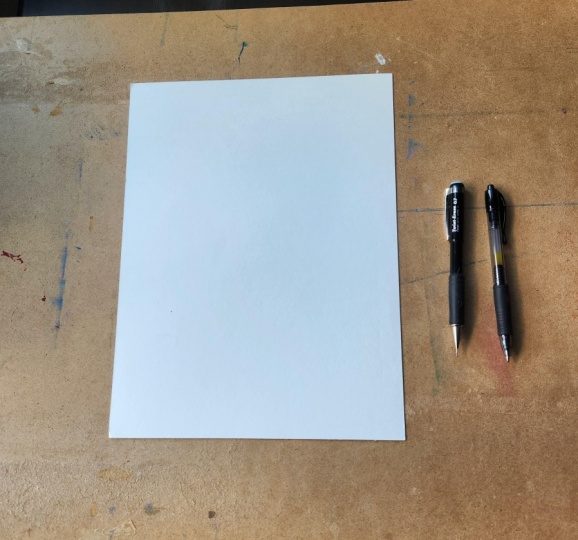
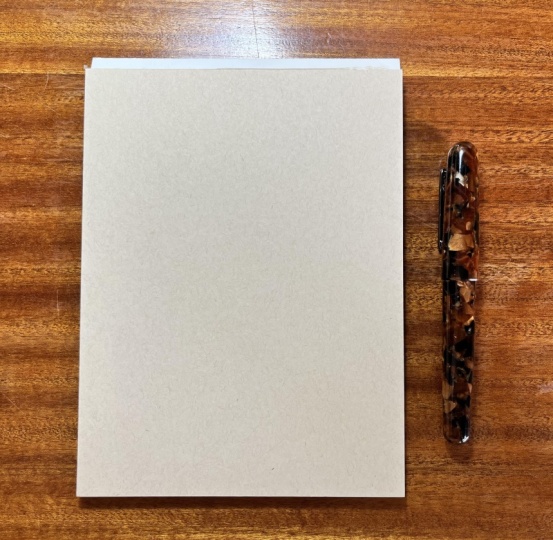
example of the final setup. A small table near a window. One sheet of paper
placed in the center, one pen resting
beside the paper. No other objects on the surface. That is the full project. This works because it
is finished and usable. It is not about beauty. It's about readiness. To submit, take
one photo showing the paper and the pen
in your drawing space. Upload that photo with
a project title and a short description
like ready to draw. It is best to upload right
after you set it up. While it's fresh.
Keep it simple. Imperfect is fine. A quick photo is enough. Once loaded, you are done. That is all the steps. You are ready to move to a
few common questions.
8. Common Questions Beginners Ask : You made it all the way through, and it's normal to
still have questions. Let us walk through a few
together. First question. What if my space is noisy
or shared? That is okay. If you have specific
time when it's quieter, then you can use that
time because drawing does not need silence,
fewer distractions. Second question.
What if I only have a few minutes? That
works perfectly. If you have few minutes, then you can sit down and draw one line because the
setup is already ready. Third question, what if I feel like my setup is too plain? That is actually a good sign. If it feels plain,
then it means there is less pressure because simple
space invite practice. One small tip that helps,
if you feel stuck, sit down anyway and
touch the pen to the paper because starting
is often the hardest part. Another helpful mindset is this. You are practicing showing up, not making something impressive. You are doing exactly what
beginners need to do.
9. Feel Ready to Begin Without Pressure : You did it. You moved
from feeling stuck to having a simple drawing
space ready to use. You learn why how space matter, how to choose what belongs, how to remove distractions, and how to keep things simple. If there's one thing I hope you take with you, it is this. Drawing becomes easier when
you make space for it. I believe small steps matter. These steps may look simple, but it changes how you
feel when you sit down. You're becoming
someone who prepares gently instead of
pressuring yourself. There is a simple way
to remember this flow. Clear, place, kip. Clear the space,
place paper and pen, keep it simple. It spells CPK. That's exactly what you're
doing, keeping it simple. I have noticed that
the easiest setups are often the ones
people actually use. Thank you for being here today. Remember to upload your
photo when you are ready. Right after setting it
up is the best time. If you found this helpful, leaving a review
helps me grow as a teacher and helps other
beginners find this. If questions come up, that
is completely normal. You can ask anytime. You should feel
proud of yourself. You created clarity with
very little effort. At the beginning,
owing me felt blocked. Now it feels possible. Thank you for taking
the time to learn here. I will see you in
the next lesson.
 Paul Nene, Helping beginners take action