Transcripts
1. Draw Lines Without Judging as a Beginner : Is it very common to freeze before drawing because
your hand feels tense and your mind starts judging every mark
before it even happens. If you feel nervous
about making lines or worry that your lines will
look wrong, you are not alone. Many beginners feel this way, even those who
really want to draw. If you're feeling overwhelmed
right now, take a breath. You do not need talent, confidence, or special
tools to begin here. You only need a pen, a piece of paper, and
a few calm minutes. By the end of this,
you will have already drawn lines
without pressure. And that alone is a real win. I'm Paul, I help beginners
learn new skills in a clear and gentle way so they can feel safe trying
something new. When I first tried drawing, I judged every line I made. I erased constantly. I felt like my hand was
doing something wrong. Even when I had no idea what right was
supposed to look like. That feeling stopped
me many times. What changed for me was learning drawing does not start
with good lines. It starts with letting the
hand move without fear. That is why I love
teaching this topic. It removes pressure at the very beginning
where most people quit. Here we will focus on
one simple thing moving your hand and letting lines
exist without judging them. This is not about
making pretty drawings. This is not about style. This is about building comfort
and trust with your hand. This is for true beginners. If you already draw confidently, you can still use this
as a count reset. If you feel tense, unsure, or blocked, this is
especially for you. You do not need experience. You do not need to know
anything ahead of time. All you need is paper
and a pen. That is it. As we go, I will
walk you through one simple project step by step. You will build it
slowly, and by the end, you will have
something finished, nothing fancy, just
something real. Let's begin.
2. Create One Page of Lines : A lot of beginners worry because they do not know what they
are supposed to make. That confusion alone
can feel heavy. So let's remove that right away. You will be creating
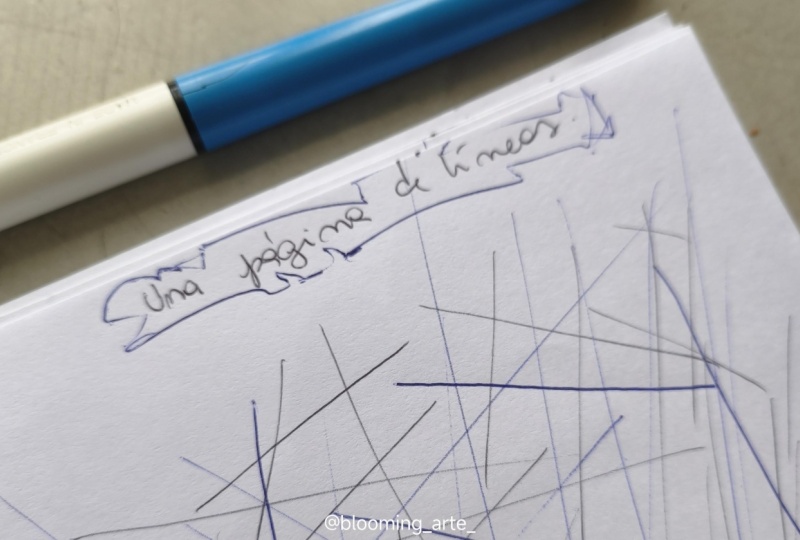
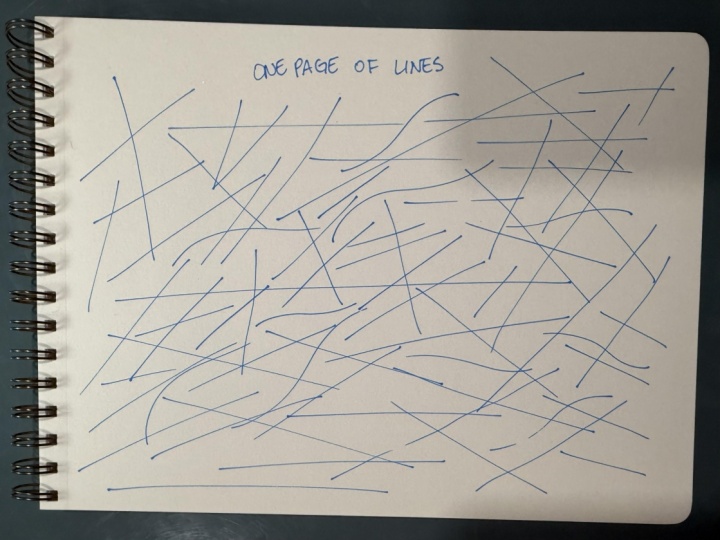
one simple thing, one page filled with lines. That's all. This page will be built slowly
across the lessons. You do not need to
finish it all at once. Each part adds gently
to the same page. The project is called
One Page of lines. The goal is to fill one page with straight and curve
line using a pen. There is no design. There is
no right or wrong layout. The only goal is to
let your hand move. Your main material
is paper and pen. You can use any paper
you have notebook paper, printer paper, sketch paper. Any pen is fine, too. Ballpoint, gel pen, marker, use what is nearby. As we go, you can work
along with me if you want. You can pause, you can rewind. You can also just watch
first and try later. Both are okay. By the end, your finished project
will look like a page covered in lines. So straight, some curved, some slow, some uneven. And that is exactly
what we want. This project is
not about quality. It's about comfort. You are already doing the
right thing by being here. Next, I'll explain
the simple idea behind why this works so well.
3. Let the Hand Move Without Judgment : Many beginners think drawing is about controlling the hand, but in the beginning, drawing is really about allowing
the hand to move. The struggle most beginner
face is not skill. It is tension. The
hand tightens, the mind watches every move. Judgment shows up immediately. The simple idea here is this lines do not need
approval to exist. When you remove judgment,
the hand relaxes. When the hand relaxes,
movement becomes easier. When movement becomes easier, drawing feels possible again. There are a few small
parts to this idea. First, your hand
learns by moving. Not by thinking. If you think
too much, the hand freezes. Movement teaches
faster than control. Second, lines are just
traces of motion. They are not messages. They
are not proof of ability. There are simply marks left
behind by a moving hand. Third, mistakes only feel
big when you stop moving. When the hand keeps going, mistakes blend into motion
and lose their power. Here's the simple example. If you slowly draw one line and stare at it, it feels important. If you draw many lines
without stopping, each line matters less, and that is what
reduces pressure. The flow we'll use is simple. First, how you hold the pen. Next, how you move
your hand slowly. Finally, how you ignore
mistakes and keep going. This flow works
because it shifts focus from outcome to action. Now, let's begin with the
first count movement.
4. Hold the Pen Gently and Start One Line : It is very common
to grip the pen tightly because
you want control. That tension is understandable. But tight grip creates
stiff lines and stress. Let's soften that. You only
need your paper and pen. Place the paper in front of you, sit in a comfortable position. You do not need perfect posture. Before drawing, notice how
you are holding the pen. If your fingers feel tight, that's okay. Just notice it. Now gently loosen the grip. Hold the pen enough so it doesn't fall, but
not more than that. Imagine you are holding
something fragile, not something you need to force. On your paper, write the
project title at the top. One page of lines,
write it simply. Now, begin your first line. Start anywhere on the page. Move the pen slowly
across the paper. It can be straight
or slightly curved. Do not aim for perfection. As the line moves,
keep breathing. Let the line end
wherever it ends. Now, pause and notice. The page has changed. Something exists that
did not exist before. Add another line nearby. Again, slow movement. No correction, no fixing. As you add lines, you might
feel the urge to judge. That urge is normal. When it comes up, gently return attention to the feeling
of the pen moving. When I first practiced
this, I felt silly. I wanted my lines to look good, but after a few lines,
the pressure dropped. That is what we
are training here. This first part
is about allowing lines to begin without force. Take a moment to
look at your page. It is already working. Next, we will keep the same page and focus on moving
the hand slowly.
5. Move the Hand Slowly Across the Page : Many beginners rush
lines without noticing. Speed often hides tension. Slowing down reveals comfort. Using the same page,
continue adding lines. Do not start in new page. This time, focus on moving your whole hand,
not just your fingers. Let the wrist and arm
help guide the motion. Draw a longer line. Let it travel across more space. It can curve gently
or remain straight. As you move, notice
how the pen glides. If it shakes or wobbles, let it. Do not correct it. Add another line that moves
in a different direction. Maybe from top to bottom, maybe from side to side. As the page fills, spacing becomes less important. Overlaps are fine,
crossing lines are fine. When I practice this,
I noticed my hand wanted to stop and
judge after each line. I learned to gently
continue instead. That continuation is the scale. After a few lines, pause again. Notice how your hand feels
compared to the beginning. Often, it feels
warmer and looser. That feeling is progress. We are not training accuracy. We are training ease. Next, we will finish
page by letting go of mistakes completely.
6. Ignore Mistakes and Keep Going : At this stage, judgment
often shows up strongly. The page looks messy. Lines overlap. That is
exactly where growth happens. Using the same page, continue adding lines
until the page feels full. Do not aim for balance. Do not aim for neatness. If a line feels
wrong, do not stop. Add another line
right next to it. Let motion continue. Draw curve lines, draw uneven lines that some lines
may be short and some long. As you work, remind yourself
that nothing needs fixing. The page is not a performance. It is a record of movement. I remember the first time I
finished a page like this, I felt strange,
but also freeing. I realized I could draw
without fighting myself. Slow down even more here. This is the calmst part. There's nothing left to prove. When the page feels full
enough to you, stop. Sit with it for a
moment. You did it. You move your hand,
you ignore judgment, you completed the action. This is the foundation
of drawing.
7. One Page of Lines : Let's look at the
finished project. The project is one
page filled with straight and curve lines
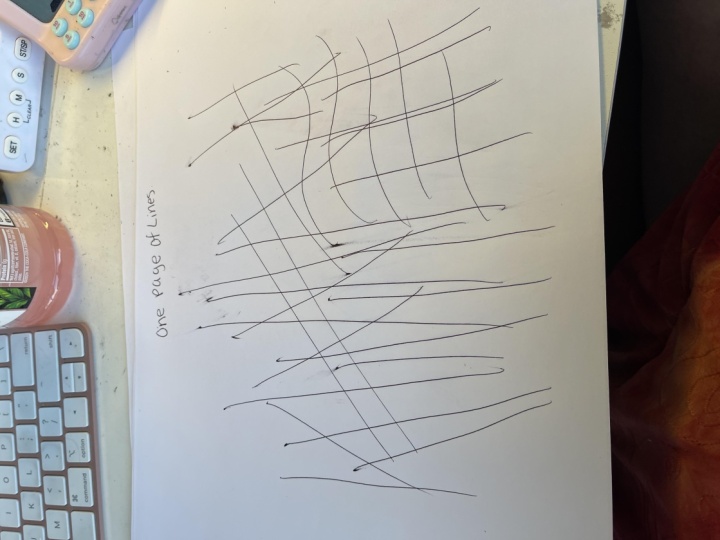
created using pen on paper. The material is simple, one sheet of paper and one pen. At the top of the page is the
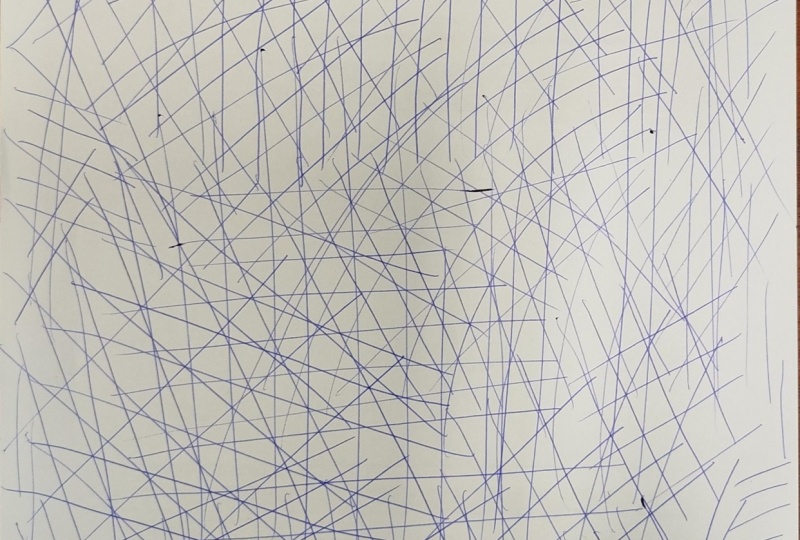
title, one page of lines. The page is filled edge
to edge with lines. Some lines are straight,
some curve gently, some overlap, some change
direction slightly. The lines vary in
length and spacing. This page was built slowly. First, the pen was held gently and first
lines were added. Next, the hand
moved slowly across the page, allowing
longer motion. Finally, judgment was ignored and the page was
filled completely. This project works
because it removes pressure and builds comfort. Completion matters
more than appearance. T Upload your project, take
one clear photo of the page. Make sure the whole
page is visible. Add the projectile and a short
descriptions if you want. You can create and
upload this right after finishing or
later the same day. Even a quick version is enough. Most people upload simple
pages, imperfect pages. That is normal and welcome. Once uploaded, you're done.
8. Drawing Lines Without Judging : You finished the process
from start to finish. It's normal to still
have the question. First question. My lines look
messy. Did I do it wrong? That is a very common feeling. If a page is filled with
lines, you did it right. Messy lines mean you
allowed movement. That is the goal.
Second question. Can I use pencil
instead of a pen? Yes, if a pencil helps you feel more comfortable,
you can use it. The important part is moving
the hand without erasing. Third question, how many
times should I do this? You can do this once or repeat it whenever
you feel stuck. If you feel tense
before drawing, this page can help
reset your hand. A helpful tip is to do this for a few minutes before
any drawing session. It clears pressure and
warms up the hand. Remember, this project is
about comfort, not results.
9. Finish Your First Calm Drawing : You did something
important today. You move your hand
without judgment. You learn how to hold
your pen gently, move slowly, and
ignore mistakes. More importantly, you
prove to yourself that drawing does not
have to feel stressful. If there's one thing I hope
you take with you, it's this. Drawing begins with
permission, not perfection. I believe small calm actions
build real confidence. One page can change how
you feel about starting. You can remember this process
with a simple word flow. You let the hand
flow, the lines flow, and the pressure flow away. Thank you for being here today. If you haven't
uploaded your project yet, now is the great time. A clear photo is enough. If this helped you, leaving
a review really supports me as a teacher and helps
other beginners find this. Questions are always welcome. Feeling unsure is
part of learning. Be proud of what you did today. You showed up, you move your
hand, and you finished. I'll see you in the next lesson.
 Paul Nene, Helping beginners take action