Transcripts
1. Welocme!: Characters rarely say
exactly what they mean and that's what makes
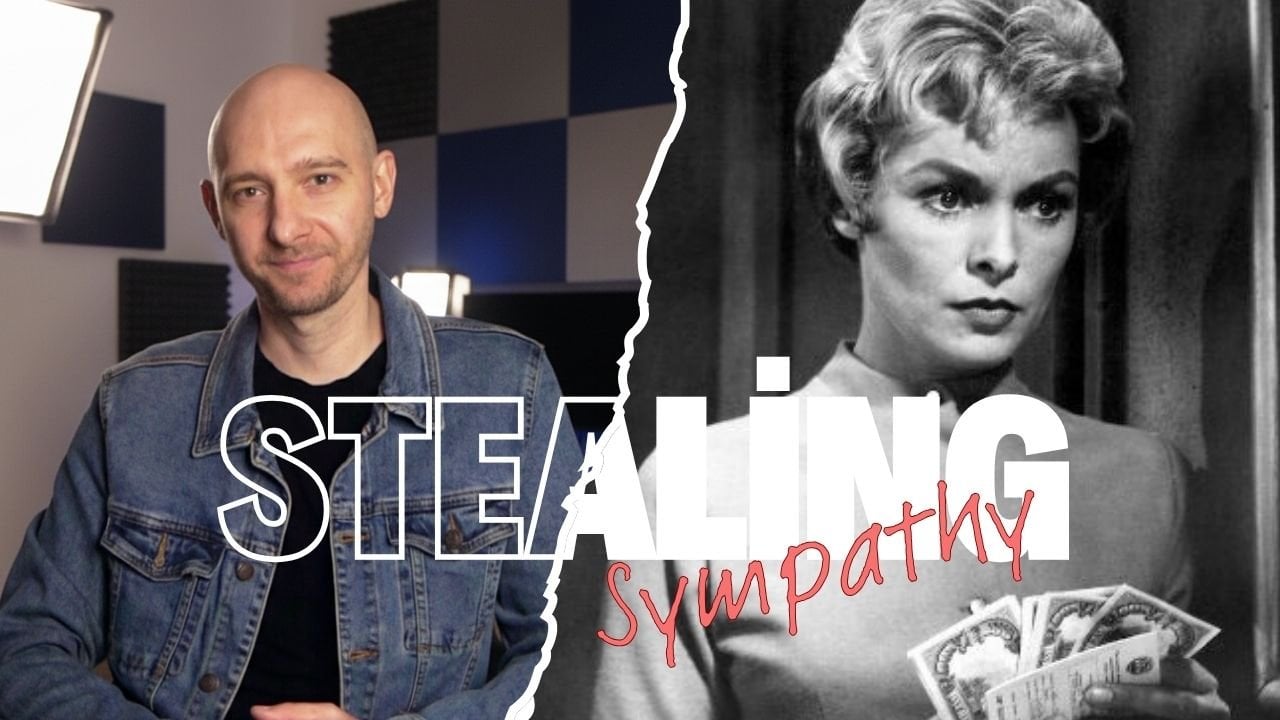
great dialogue work. I'm Piotr Zoovich a film
director, screenwriter, and academic teacher at
Polish National Film School. And in this course,
I'm going to show you how to write dialogue
with powerful subtext, where the real conflict
hides beneath the surface. You'll learn to spot the
difference between what characters say and what they
actually communicating. I'll teach you two types of
subtext the thematic subtext, where dialogue reveals character psychology and deeper themes. And then the suspense subtext, where its function is
to build the tension, raise the stakes, and ultimately make the story more
engaging for your audience. So yeah, if you want
to stop writing dialogue that's too
on the nose and start writing scenes where
character reveal everything while saying
nothing, join the class. Hopefully, see you inside.
2. Subtext That Reveals Hidden Meaning: Welcome to this micro course
on subtext in dialogue. In this course,
we're going to take a look on how the
characters rarely say what they actually mean and why that's exactly what
makes great dialogue work. We'll look at how to write scenes where
the actual conflict is hidden beneath the surface of polite or rapid conversation. I want to give you an example from my own work to show you how one line of dialogue can carry enormous emotional weight. 20 years ago, when I was
a first year student at Polish National Film
School, I made a short film. The conflict was that a mother wants to have a Christmas
Eve dinner with her son, but he has drug and
alcohol problems and doesn't want to be there. She locks the door and hides the key to keep
him in the house. In Poland, there's a tradition
where you buy a live carp, a fish, and put it
in the bathtub. And then the man of the
house kills the fish on Christmas Day to be
then cooked and eaten. But in this family, it's just the mother
and the grown son. There's no father. I knew that the son motivation is in
this particular moment, was to give his mother
a verbal jab when he meets her in the kitchen when she's prepping
for Christmas Eve dinner. Wants to be mean to her. So instead of saying, You lock the door,
I don't like it. And let me go now, which would be the
direct and obvious way to phrase his thoughts, he asks, who killed the fish. This line does so much work. It's a job at her loneliness. It puts a spotlight on the fact that there is
no man in the house. It also opens the door
for interpretation. Maybe he's angry at her
because the father left. Maybe he blames her. It gives you enough information to understand the situation, but it also leaves room
for the actor to explore. This is what good dialogue does. It conveys intention indirectly. So this was just an example
from my film school film, just to give you
the image of what we really want to achieve
with good dialogue. Something you need to
understand about dialogue. Good dialogue is not how people actually
talk in real life. Real conversations are messy, full of ms and as, repetitive and often
not very logical. But in a film, dialogue
needs to be more purposeful. It needs to be symbolic. Every line should
serve the theme. Now, the writer, Aaron Sorkin is a
perfect example of this. He comes from theater, and he says that for
him, dialogue is music. The social network
has a lot of words. It's very verbal film, but every single word serves the film's core theme about
human connection and status. You're not obliged to write
dialogue like Aaron Sorkin, but you do need to
understand that dialogue in film is a kind of a heightened
version of reality. It's crafted and it's precise. Okay, so now we're going to analyze the opening scene
of the social network, directed by David Fincher
and written by Aaron Sorkin. This breakup scene between
Mark Zuckerberg and Erika Albright is a
perfect example of how subtext can reveal everything
about characters without them ever directly
stating their feelings. So yeah, now, I'll encourage you to pause the class
and watch the scene. I've prepared a
link with a clip on YouTube and I've also included
a link to the screenplay, so you can read
the scene as well. My recommendation is
to read it first. Imagine how the scene would
play out and then watch how David Fincher staged it and
how the actors performed it. This will give you a much
deeper understanding on how the subtext works. Now please pause the lesson and read or watch the scene now. Okay, I hope you like the scene. Now, let's analyze it together. But before we dive into
the dialogue itself, we need to understand
something crucial. The hidden meaning of the film should inform every
line of dialogue. So that's where we're
going to start. Okay? The film the
Social Network is about a man who creates the world's greatest tool
for human connection, but is fundamentally incapable of connecting with
another human beings. I think that this is the
core theme of the film. Mark Zuckerberg doesn't build Facebook out of a genuine
desire to connect people. He build it out of
deep insecurity, a desperate need for
social validation, and a complete lack of
emotional intelligence. The film shows us the
real human connection is not transactional. You can't buy
intimacy with status. This opening scene is the psychological blueprint
for the entire movie. Everything that happens
later, every betrayal, every success, stems from what we see in those
first few minutes. So what's actually
happening in the scene? On the surface, Mark and Erica are having an
intellectual debate. They're talking about
Chinese populations, SAT scores, rowing crew, and Harvard's exclusive final clubs like the Phoenix
and Porcelain. It sounds like a
rapid fire exchange of facts and opinions, but the subtext goes deeper. This is a brutal power struggle. Mark is deeply insecure about his social
standing at Harvard. He's using his intellect
not to connect with Erica, but to dominate her. The subtext of almost
every line mark says is really,
please validate me. Tell me I'm special, tell me I'm better than the rich athletic
guys who row crew. By the way, row crew means being on Harvard's rowing team. But in this particular scene, it symbolizes elite social
status and conformity, which Erica is
pushing back against. Aaron Zorkin, the screenwriter, even states this explicitly in the action lines on
page one of the script. He describes Mark for the
first time in the script, he writes that he masks a very complicated
and dangerous anger. That anger is what
drives the entire scene. That's why if you want to
know the stop text better, it's great to read
the screenplay. It sometimes hides
these additional bits and pieces of information. No, this scene tells us
everything we need to know about who those two people are without having them
to declare it. Mark views relationships
as transactions. He believes status
is like a currency. On page six of the script, he says to Erica, If I get in, I'll be taking you to the
parties and you'll be meeting people that you
wouldn't normally get to meet. He thinks he can buy her affection by
leveling up socially. So what this dialogue
conveys is that he has no understanding of
genuine emotional connection. Erica, on the other hand,
represents the audience. She's grounded and
emotionally intelligent. Now, Sorkin shows
this by having her constantly try to slow the conversation down
to a human level. She says things like, I think
I may have had birthday. So she's trying to connect. She sees right through Mark's
intellectual camouflage. No, let's just focus on the
specific moments, okay. Early in the scene, Mark asks, how do you distinguish yourself
in a population of people who all got 1,600 on
their SATs, okay? So this is like a very
high mark on the score of, I think, knowledge
and intelligence. So on the surface, he's talking about
competition at Harvard, but the line also tells us
something about his mindset. He does not think in terms
of connection or belonging. He thinks in terms
of distinction. His questions are not, how do I find my
place, but rather, how do I separate myself
from anyone else? That gives us a useful entry
point into the character. Okay? A little
later in the scene, he lists three ways
of standing out. So he says, You can sing
in an A Capella group. Or you row crew, or you invent a $25 PC. This moment helps to define
the social word of the scene. Row crew is not just a sport
reference in this context, it suggests a particular
form of status, athleticism, confidence,
social ease, and traditional
Harvard prestige. It represents a type
of belonging that Mark clearly recognized but does
not feel he has access to. So when Erica says, I like guys who row crew, she may mean it lightly more as an image than
a serious preference, but Mark hears it differently. He hears it in a
competitive terms as a reminder of what he is not. That reaction tells
us something about the insecurity underneath
his intelligence, okay? So this is the reason Erica is very meaningful
in the scene. She's not only there
to break up with him eventually at the
end of the scene. She gives us a
point of contrast. Again and again, she speaks in a relatively direct human way while Mark keeps translating the conversation into
hierarchy and status. A clear example
comes when he says, it's about exclusivity,
referring to final clubs. That line helps to define what he finds
attractive about them. He's not describing friendship
or shared experience. He's describing
the value of being inside a structure
that excludes other. In this way, the final clubs are not just a Harvard detail. They reflect mark attraction to systems built on
access and separation. Then Erica asks, Okay, well, which is the
easiest one to get into? It is a simple,
practical question. It makes sense in the context of Mark talking about how
exclusive they are. Mark hears this
question as an insult. He thinks it means that
Erica assumes he would only qualify for the
least selective option. That reaction shows
how strongly his self worth is tied
to the status. Soon after Erica says, Mark, I'm not speaking in code, it's another attempt by Erica to bring the conversation
to a more human level. He treats conversation
as something strategic, layered, and
potentially hostile. In this sentence,
you can understand the word code in two meanings. One, that he interprets
everything as a riddle that he does
not understand and two, actual code in the programming. In this interpretation,
she's putting more emphasis on the
fact that she is not one of his programs where only logic applies and she's
also not a robot. Mentioned earlier that a good dialogue is like poetry where multiple layers of
meaning go hand in hand to reinforce
the hidden meaning. Here's the example of this. Sorkin could use other words
in this sentence like, Mark, I'm not trying
to offend you, but I'm not speaking
in code gives us these additional
meanings. Now moving on. Later, Mark says that if
he gets into a final club, he will take Erica to
parties and she will meet people she would not
normally get to meet. We spoke about this.
He probably thinks this sounds persuasive,
maybe even generous. But the line shows that he understands relationships
in transactional terms. He assumes that status can
be offered in place of intimacy and that
social elevation can strengthen
their relationship. Erica immediately recognizes
the problem in that logic. The sentence carries
the assumption that she would benefit from
being brought upwards, and that's exactly what
makes it insulting. Also, it shows that Mark
is out of touch that he doesn't understand
sarcasm and context because when she says to him, you would do that, then
he doesn't pick up on her emotion that it was
actually said ironically. Now near the end
of the exchange, Mark dismisses the door guy
as socially beneath him, and Erica responds
by correcting him. The door guy's name is Bobby and he's a perfectly
good class of people. This line sharpens the
contrast between them. Mark tends to reduce
people to categories, positions, and level of status. Erica restores the
human dimension. She names the person,
and by doing so, she resists the hierarchy
Mark is imposing. That difference between them
is central to the scene. Mark seeing the world
through the rank and access. Erica keeps bringing
the conversation back to ordinary human terms. This theme of Mark insecurity comes back a few
times in the scene. He then tears down his best
friend Eduardo, by saying, My friend Eduardo made $300,000, and the money or
the ability to make it doesn't impress
anybody around here. So he's trying to make
himself look superior. And this is exactly what the
actor is actually playing. The actor understands that by saying this mark is dismissive. So by understanding the subtext, the actor is reinforcing
it with his performance. So when Erica finally
tells him at the end of the scene that girls will not dislike him because
he's a tech geek, but because he's an
ah, she actually says, you're going to go
through life thinking that girls don't like you
because you're a tech geek. And I want you to
know from the bottom of my heart that that
won't be the true. It will be because
you're an *******. She's not simply insulting him. She's identifying
the gap between how Mark understands himself and
how he actually behaves. So this line is giving the
scene its final shape. Mark sees himself as misunderstood, excluded,
and underestimated. Erica sees someone who is intelligent and ambitious
but also arrogant, dismissive, and
unable to connect without turning everything
into a question of status. Saying exactly what the
audience is thinking, and this rejection, this dismissal is what lights the fuse for
the entire plot. Mark doesn't build the
initial application, Face Match because
he loves coding. He builds it out of spite. He wants to rate
and objectify women because he felt powerless
when a woman rejected him. He tries to defend his view on transactionality
of human connection. So that is why
this opening scene matters so much structurally. It introduces the
main tension of the film in a very
concentrated form. Before Facebook exists as a
major force in the story, Sorkin already shows
us a character who understands coding
better than people, distinction better
than belonging and access better than intimacy. So let me show you how
this opening scene connects to the very
last shot of the film. At the end of the
social network, Mark Zuckerberg
is a billionaire. He has achieved the
ultimate social level up. He has conquered the world. He built a network for
500 million people. But what is he doing
in the final scene? He's sitting completely
alone in a deposition room, sending Erica a
friend request on Facebook and obsessively
refreshing the page, waiting for her to accept. So the ending proves the
subtext of the opening scene. It's a typical tragedy. He got what he wanted, but he did not get
what he needed. All the money, all the amazing
code that he has written, all the status in
the world cannot fix a fundamental inability to connect with another
human being. He's still the same insecure, isolated 19-year-old boy who just wants his ex
girlfriend to like him. This is what Aaron Sorkin
does with the sub text. He uses it to explore
a human condition. He's asking, what does
it mean to be connected? What does it mean to be valued? And the inability to be connected and inability
to be valued kind of screams through
every dialogue of Mark in this screenplay.
Okay, there you go. Now, Aaron Sorkin
uses the sub text for thematic depth to explore
philosophy and human condition. But sub text can
also be used for pure entertainment and
unbearable suspense. In the next lesson, we're
going to take a look at a very different
kind of subtext. We'll look into the scene from Quentin Tarantino's inglorious
bastards from 2009. So hopefully, see you
in the next lesson.
3. Subtext That Pushes the Story Forward [Class Project]: Hey, welcome back. In
this final lesson, I'm going to show you a
different kind of subtext, and then I'm going to give you your assignment for the class. Lesson one, we analyzed the
social network and we saw how Aaron Sorkin uses subtext to
explore the human condition. But not all films work this way. Quentin Tarantino
films, for example, are not particularly
philosophical. Tarantino himself says that they're made for
entertainment first. The subtext in this film
serves a different purpose. It creates suspense,
it builds tension. It pushes the story
forward by raising the stakes and propelling us
towards the next plot point. It makes life or death stakes hang on a polite conversation. Both approaches are valid. Both are powerful, and
as a screenwriter, you need to understand how to use subtext for both purposes. For this class project, I want you to watch a scene from glorious Bustards directed
by Quentin Tarantino. It's the restaurant scene where Colonel Hans Langda
SS officer sits down with a young French
woman named Susana to discuss using her cinema
for a Nazi film premiere. But before you're going to watch the scene, you need the context. You need to watch the opening
scene of the film first. In that scene,
Landa interrogates a French dairy farmer and massacres a Jewish family
hiding beneath the floor beds. Only one girl escapes. The girl is Sushana. Years later, she's living under a fake name and
running a cinema. Then she finds herself sitting across the table from the
man who murdered her family. Here's your assignment.
Watch both scenes. The links are below this video. First, watch the opening
farm scene for context, then watch the restaurant scene. Then go to the project
gallery and write down one specific moment from the restaurant scene where you felt the tension of the subtext. Notice that Landa
never says that he suspects or knows
who Susana really is. So how do we know
that he suspects her? It could be a line of dialogue, a look or an interaction
with a prop. Explain two things. First, what was happening
on the surface. And second, what the characters were actually saying to
each other underneath. What was the question that Landa forgot at the end of
the scene? That's it. List all the elements of
the scene that makes us the audience understand
that Landa suspects Susana. Be very specific. Thank you so much for
taking the class. I really hope this helps you to write dialogue that works
on multiple levels, where characters rarely say
exactly what they mean. If you want to learn more
about screenwriting, I've created a course that
would be a best start for you. It's titled Jump Start
to screenwriting, everything you need to know
to write your first script. As I said before, the subtext in dialogue is to express
hidden meaning of the film. You want to learn more
about hidden meaning of the film and how to be
good in understanding it, here's the great class
to expand on this topic. It's titled Understand
hidden meaning Films. If you found value
in this course, I'd really appreciate
if you could leave a Reviews gives me
motivation to keep creating, and they help me
understand what's working and what can I improve. If you want to learn more, you can visit my website
at cinemxplain.com, where you find more courses and resources on filmmaking
and screenwriting. And please follow me here on
Skillshare for next classes. Thank you again, and I'll
see you in the next one.
 Piotr Złotorowicz, Screenwriter & Director